


How to Choose the Best Prophy Angle Disposable
- , by SurgiMac
- 34 min reading time
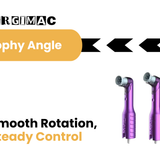
Find the best prophy angle disposable for your dental practice. Learn about features, infection control, and tips for choosing the right prophy angle.
Your prophy angle is a workhorse, but not all are created equal. The right one does more than just polish teeth; it enhances your control, reduces hand fatigue, and creates a more comfortable patient experience. An angle that chatters, vibrates, or splatters prophy paste can turn a routine procedure into a frustrating one. That’s why choosing a high-performance prophy angle disposable by design is so critical. With smooth, gearless mechanisms and ergonomic construction, the best angles are engineered to make every polish efficient, quiet, and effective—from the first patient of the day to the last.
Key Takeaways
- Prioritize Infection Control and Efficiency: Single-use prophy angles are fundamental to patient safety, as they eliminate the risk of cross-contamination. They also streamline your practice's workflow by removing the time-consuming sterilization step required for reusable tools.
- Match the Tool to the Clinical Need: Tailor each prophylaxis procedure by selecting the appropriate cup type. Soft cups are ideal for general polishing and sensitive patients, while firm cups provide the rigidity needed to remove heavy, stubborn stains.
- Insist on Quality for a Smoother Procedure: High-performance prophy angles feature smooth, gearless mechanisms that reduce vibration and patient anxiety. Prioritizing ergonomic designs and anti-splatter features leads to less clinician fatigue and a cleaner, more comfortable experience.

What Is a Disposable Prophy Angle?
A disposable prophy angle is a single-use attachment designed for a low-speed dental handpiece. It’s a fundamental tool used during prophylaxis procedures to polish teeth and remove plaque, stains, and biofilm. As essential dental disposables, these angles are designed to be used on one patient and then discarded. This single-use model is central to modern dental hygiene, as it provides a simple and effective way to prevent cross-contamination and streamline your clinical workflow. By eliminating the need for sterilization between appointments,
Understanding the Mechanics of a Prophy Angle
The mechanics of a prophy angle are straightforward yet precise. The angle attaches securely to any standard low-speed Doriot-style handpiece, which powers its internal gearing. Once activated, the device causes the rubber cup or brush at its tip to rotate smoothly. You load this cup with prophylaxis paste, and as it spins against the tooth surface, it gently polishes the enamel. Most disposable prophy angles feature a 90-degree design, which gives you excellent access and visibility, especially when working on posterior teeth or in hard-to-reach areas. This simple, effective mechanism allows for a consistent and thorough polish with minimal effort.
Why a Single-Use Design Matters in the Clinic
The primary advantage of a single-use prophy angle is its contribution to superior infection control. Because each angle is used for a single patient and then disposed of, you completely eliminate the risk of transferring pathogens between appointments. While prophy angles touch oral tissues, their single-use nature removes the burden of scrubbing and sterilizing reusable alternatives, saving valuable time and reducing labor costs. High-quality disposable angles are also engineered to minimize common issues like prophy paste splatter, ensuring a cleaner procedure. This focus on hygiene and efficiency makes them an indispensable part of a safe and productive dental practice.
Why Choose Disposable Over Reusable Prophy Angles?
While reusable prophy angles have their place, the move toward single-use designs is driven by clear clinical and operational benefits. This choice is about more than just convenience; it’s a strategic decision that enhances patient safety, streamlines workflows, and can even be more cost-effective in the long run. By eliminating the rigorous cleaning and sterilization protocols tied to reusable instruments, your practice can uphold the highest standards of care while optimizing team productivity. Let's break down why so many dental professionals are making the switch to disposable prophy angles.
How Disposables Improve Infection Control
Patient safety is non-negotiable, and disposable prophy angles are a cornerstone of modern infection control. As single-use instruments, they are designed to be used on one patient and then discarded, completely eliminating the risk of cross-contamination. This is a significant advantage over reusable angles, which require meticulous, multi-step sterilization to be considered safe for subsequent use. Any lapse in that process could expose patients to harmful pathogens. By adopting disposables, you guarantee a fresh, clean instrument for every prophylaxis procedure, reinforcing your commitment to the highest standards of hygiene. This practice aligns perfectly with a comprehensive safety protocol, which includes reliable protective gear from collections like MacSafe to ensure a secure environment for both clinicians and patients.
The Risks of Reusing Prophy Cups: A Scientific Perspective
While it might seem practical to sterilize and reuse prophy cups, scientific research highlights some serious risks with this approach. A key study published on PubMed investigated how well different sterilization methods work on these cups, and the findings were clear. While techniques like autoclaving can kill pathogens, they often fail to remove all the lingering physical debris. This leftover material creates a significant risk for cross-contamination, as it can be transferred to the next patient. The research also found that common chemical disinfection, like a short glutaraldehyde soak, was insufficient for proper cleaning. Ultimately, the rubber material and grooved design of prophy cups make complete decontamination incredibly difficult, reinforcing that single-use is the only way to guarantee patient safety and uphold the highest standards of care.
Streamline Your Workflow and Reduce Costs
Efficiency is key to a productive and profitable practice. Disposable prophy angles streamline your prophylaxis workflow by cutting out the time-consuming maintenance required for reusable alternatives. Think about the minutes spent disassembling, scrubbing, lubricating, bagging, and running an autoclave for each reusable angle. Those minutes add up quickly. By switching to disposables, your team can reclaim that time to focus on patient care, charting, or preparing for the next appointment. While the upfront cost per unit may seem higher, the total cost of ownership is often lower. When you factor in staff labor, sterilization supplies, and the eventual replacement of worn-out reusable angles, the financial argument for dental disposables becomes clear. It's an investment in a smoother, more efficient operational flow.
Debunking Common Myths About Disposables
Some clinicians hesitate to switch, holding onto common misconceptions about disposable angles. One myth is that they lack the quality and durability of their reusable counterparts. However, today’s disposable prophy angles are engineered for performance, featuring smooth, gearless mechanisms and high-quality cups that deliver excellent polishing results without chatter or vibration. Another point of confusion is sterility. While some disposables are gamma-irradiated and sold sterile, it's not a universal requirement for instruments that don't penetrate soft tissue. The critical benefit is that they are new and clean for each patient, preventing cross-contamination, which is the primary goal. High-quality disposables are manufactured and packaged to ensure they are free of contaminants before their first and only use.
Exploring the Different Types of Disposable Prophy Angle Types
Not all prophy angles are created equal. The market offers a wide variety of designs, each tailored to specific clinical needs, patient comfort levels, and procedural goals. Understanding the differences is key to selecting the right tool for every prophylaxis appointment. From the angle of the head to the firmness and shape of the cup, each feature plays a role in your efficiency and the final quality of the polish. Let's explore the most common types so you can make an informed choice for your practice.
Standard Angles: The Everyday Essential
The standard prophy angle is the workhorse of many dental practices. It typically features a 90-degree angle design that provides excellent access and visibility for general polishing tasks. These angles are engineered for compatibility with any Doriot-style low-speed handpiece, making them a versatile and reliable choice for routine cleanings. Their straightforward, no-frills design ensures consistent performance for removing plaque and stains from most tooth surfaces. When you need a dependable and universally compatible option, the standard angle is an excellent foundation for your inventory of dental disposables.
Soft vs. Firm Cups: Which Is Right for Your Patient?
The choice between a soft and firm cup directly impacts both patient comfort and stain removal efficiency. Soft cups are flexible and gentle, making them ideal for patients with sensitive gums or exposed root surfaces. They adapt easily to tooth contours and are excellent for general polishing and applying fluoride treatments. Firm cups, on the other hand, offer more rigidity. This makes them highly effective for removing tenacious extrinsic stains, like those from coffee or tobacco. Many clinicians keep both types on hand to tailor each prophy treatment to the individual patient’s needs.
Clinical Scenarios for Soft Cups
Soft cups are your go-to for the majority of routine prophylaxis appointments, especially when dealing with sensitive patients. Their flexible, gentle design makes them perfect for individuals with gingival recession or exposed root surfaces, as they minimize the risk of irritation. The cup’s pliability allows it to flare and adapt seamlessly to the unique contours of each tooth, reaching just below the gingival margin and into interproximal areas more effectively. This adaptability ensures a thorough polish without causing discomfort. Soft cups are also the ideal choice for applying therapeutic agents like fluoride treatments or desensitizers, as their gentle application helps ensure even coverage across the entire tooth surface.
When to Use Firm Cups for Effective Stain Removal
When you encounter a patient with stubborn, tenacious extrinsic staining, a firm cup is the more effective tool. Their added rigidity provides the necessary pressure to lift discoloration from coffee, tea, or tobacco that a soft cup might struggle to remove. This stiffness allows you to work more efficiently on heavily stained enamel surfaces, restoring the tooth’s natural luster with less effort and time. However, it’s important to use firm cups with a discerning clinical eye. They are best reserved for patients with healthy gingiva and without significant sensitivity, as their rigid nature can be less comfortable on delicate tissues.
A Hybrid Approach: Using Both Cups in One Appointment
You don’t have to commit to just one cup type for an entire appointment. The most patient-centric approach often involves using both. Many experienced clinicians keep a variety of prophy angles on hand to customize the treatment. For example, you might start with a firm cup on the lingual surfaces of the lower anterior teeth where stain accumulation is heaviest, then switch to a soft cup for the rest of the dentition. This hybrid strategy allows you to tackle tough stains effectively while ensuring maximum comfort for the patient in more sensitive areas, delivering a truly personalized and effective prophylaxis treatment.
Specialized Designs: Webbed and Flared Cups
For a more specialized polish, webbed and flared cups offer unique advantages. Webbed cups have internal ridges or "webs" that hold prophy paste more effectively, which can reduce splatter and ensure an even application. This design is great for maintaining a clean working field. Flared cups feature a unique rim that spreads out under pressure, allowing the cup to reach just below the gingival margin and adapt to the convex surfaces of each tooth. This design provides a thorough, subgingival polish that standard cups might miss, ensuring a comprehensive cleaning along the gumline.
Advanced Reach: Articulating and Extended Angles
Innovation in prophy angle design has led to articulating and extended models that solve common clinical challenges. Articulating angles have flexible heads that pivot, giving you improved access to hard-to-reach areas like the distal surfaces of molars without requiring awkward wrist positioning. Other modern designs focus on enhancing safety and efficiency. For example, many angles now incorporate anti-splatter technology, using features like spiral blades or shielded cups to minimize the aerosolization of paste and saliva. This is a critical feature for maintaining robust infection control protocols in your practice.
What Makes a Great Disposable Prophy Angle?
When selecting a disposable prophy angle, the small details can significantly impact your efficiency, comfort, and clinical results. A superior angle does more than just polish; it enhances the entire procedure for both you and your patient. From the internal mechanism to the external design, certain features distinguish a high-performance tool from a standard one. Focusing on these key characteristics ensures you’re working with a reliable instrument that supports your clinical standards and makes every prophylaxis appointment run smoothly.
Why a Smooth, Gearless Mechanism Matters
A high-quality prophy angle should operate with a smooth, consistent rotation. Many modern designs feature gearless, jam-free mechanisms that eliminate the stuttering and vibration common in older or lower-quality angles. This design provides a quieter, more comfortable experience for the patient, which can help reduce dental anxiety. For the clinician, a smooth-running angle offers better tactile feedback and control, allowing you to perform a thorough polish without interruption. The quiet operation also contributes to a more serene clinical environment, making the procedure more pleasant for everyone involved.
How Cup Design Impacts Performance
The prophy cup is where the action happens, so its material and design are critical. The best angles use latex-free cups to prevent allergic reactions and ensure patient safety. The cup’s design also plays a major role in its effectiveness. Look for options with flexible, flared rims that can adapt to the unique contours of each tooth surface. This adaptability allows the cup to gently slip beneath the gingival margin and reach into interproximal areas, ensuring comprehensive plaque and stain removal. Whether you prefer a soft or firm cup, a well-designed one will deliver prophy paste efficiently without collapsing.
Unique Features for Interproximal Cleaning
Effective interproximal cleaning is a hallmark of a thorough prophylaxis procedure, but reaching these tight spaces can be a challenge. Certain prophy angle designs are specifically engineered to address these areas with greater precision. Angles equipped with flared cups, for example, feature a flexible outer rim that spreads under gentle pressure. This allows the cup to adapt to the convex surfaces of the tooth and reach just below the gingival margin for a comprehensive subgingival polish. For posterior regions, articulating angles with pivoting heads offer superior maneuverability, enabling you to easily access the distal surfaces of molars without straining your wrist. These thoughtful design elements ensure that no surface is overlooked, providing a complete and effective clean for your patients.
Ergonomics for Clinician and Patient Comfort
Prophylaxis is a repetitive procedure, and a poorly designed tool can lead to hand and wrist fatigue. An ergonomic prophy angle is lightweight, well-balanced, and fits comfortably in your hand, reducing strain throughout the day. This focus on comfort is central to many of SurgiMac’s instrument lines, including the feather-light Air Series, which is engineered for precision and control. An ergonomic angle allows for better maneuverability and a lighter touch, which not only protects your long-term musculoskeletal health but also improves the quality of your work with every patient.
Designs to Reduce Hand Fatigue and Improve Access
Performing prophylaxis all day can take a toll on your hands and wrists, which is why ergonomic design is so important. The best disposable angles are lightweight and well-balanced, fitting comfortably in your hand to reduce muscle strain. This principle of minimizing fatigue is central to high-performance tools, much like the instruments in our Air Series collection, which are engineered for flawless control. In addition to comfort, advanced designs also improve access. Articulating angles with pivoting heads allow you to effortlessly reach difficult areas, such as the distal surfaces of molars, without contorting your wrist. This thoughtful engineering not only protects your long-term health but also enhances your ability to deliver a comprehensive cleaning.
Minimizing Mess with Anti-Splatter Features
Maintaining a clean and safe operatory is a top priority, and prophy paste splatter can compromise that. High-quality angles often incorporate anti-splatter technology, such as a precisely designed cup shape or an outer shield that contains the paste during rotation. This feature significantly reduces the aerosolization of saliva, bacteria, and prophy paste, protecting both you and your patient. By minimizing splatter, you create a cleaner working field and support your practice’s infection control protocols, ensuring a safer environment for everyone in the room.
Gauging Performance: Splatter Reduction Statistics
The claims about splatter reduction aren't just marketing buzz—they are backed by innovative design and measurable results. When evaluating different angles, look for specific features that are proven to contain aerosols. For example, some advanced designs incorporate a brush guard or an outer shield that can reduce splatter by as much as 95%. This dramatic reduction is critical for maintaining high standards of infection control. Other features, like internal webs within the cup, also contribute by holding prophy paste more effectively and preventing it from being flung outward during rotation. These statistics and design elements provide tangible proof that the right prophy angle can create a significantly cleaner and safer clinical environment for both you and your patients.
The Benefit of Prelubrication: Quiet and Efficient
A ready-to-use, prelubricated prophy angle guarantees consistent performance right out of the package. This feature ensures the internal components run smoothly and quietly without requiring any preparation on your part. The durable construction of SurgiMac’s Disposable Prophy Angles combined with prelubrication delivers optimal, quiet performance every time. This reliability saves you time and eliminates any concerns about the angle overheating or binding during a procedure. A quiet, efficient angle not only improves the patient experience but also gives you the confidence that your tools will perform flawlessly when you need them.
Industry Recognition and Performance Awards
While hands-on experience is the ultimate test, industry awards and positive reviews from dental publications can be a great starting point for identifying top-tier products. This recognition often serves as a third-party validation of a prophy angle's performance, highlighting the very features we've discussed. Awards are frequently given to products that excel in specific areas, such as having an exceptionally smooth, gearless mechanism that reduces patient anxiety or an ergonomic design that minimizes clinician fatigue. When a product is recognized for its innovative anti-splatter technology or superior cup design, it signals that it has been rigorously tested and stands out in a crowded market. Looking for these accolades can help you confidently select high-quality dental disposables that are trusted by your peers and proven to deliver consistent, reliable results in a clinical setting.
Finding a Prophy Angle You Can Trust
Finding a prophy angle you can trust feels like a big decision, because it is. With so many options on the market, it’s easy to get overwhelmed. But at the end of the day, what you really need is consistency. You need to know that every angle you pull from the box will run smoothly, fit securely onto your handpiece, and deliver reliable performance from the first patient of the day to the last. A trustworthy prophy angle operates without chatter or vibration, which not only prevents hand fatigue but also ensures a more comfortable experience for your patient. It should also hold prophy paste effectively without splattering, keeping the procedure clean and efficient.
Beyond performance, safety is the cornerstone of trust. This means choosing angles made from high-quality, patient-safe materials and adhering to strict infection control protocols. A single-use design is the gold standard here, as it eliminates any risk of cross-contamination between appointments. When you can rely on your tools to perform flawlessly and keep your patients safe, you can focus entirely on providing exceptional clinical care. That's why selecting a brand known for its commitment to quality is one of the most important choices you can make for your practice and your dental disposables inventory. It’s about building a system of tools that work for you, not against you.
The SurgiMac Advantage: Precision and Reliability
At SurgiMac, we understand that precision and reliability are non-negotiable. Our MacSafe Disposable Prophy Angles are engineered to meet the demands of a busy practice. Each latex-free, single-use angle is designed for easy application, ensuring a smooth, efficient procedure for both you and your patients. We also prioritize sustainability, crafting our angles from eco-friendly materials without compromising on performance. This commitment to quality means you get a quiet, chatter-free operation every time, allowing you to focus on delivering outstanding care. By providing a tool that is both effective and hygienic, we help you uphold the highest standards of patient safety and clinical excellence in every prophylaxis treatment.
How Much Do Disposable Prophy Angles Cost?
When budgeting for clinical supplies, it’s natural to ask about the bottom line. The cost of disposable prophy angles can vary significantly based on the brand, specific features, and the quantity you purchase. For example, you might find a standard box of 144 angles priced around $140, while a bulk case of 1,000 from the same brand could be over $900. This wide range isn't meant to be confusing; it reflects the different needs and purchasing powers of various dental practices.
Understanding what drives these price differences helps you make the most cost-effective choice for your clinic. Factors like cup design, ergonomic features, and anti-splatter technology all play a role in the final price. Ultimately, the goal is to find a prophy angle that delivers excellent clinical performance at a price point that fits your operational budget, whether you’re a small private practice or a large dental service organization.
What Factors Influence the Price?
Several key factors determine the price of a disposable prophy angle. The design is a primary driver; angles with specialized features like articulating heads or extended shanks often cost more than standard right-angle designs. The cup material and style, whether it's a soft, firm, webbed, or flared cup, also impact the price. Beyond the basic design, premium features like smooth, gearless mechanisms for quiet operation or advanced anti-splatter guards contribute to a higher cost. Of course, brand reputation and the quality of the materials used in manufacturing also play a significant role. Finally, the single-use design is fundamental to the product's value, ensuring you meet the highest standards of infection control with every patient.
How to Save Money with Bulk Purchasing
One of the most effective ways to manage the cost of disposables is through bulk purchasing. Suppliers typically offer significant discounts for larger orders, which dramatically reduces the cost per unit. For instance, buying a case of 1,000 prophy angles will almost always yield a lower per-angle price than buying a small bag of 144. For practices with high patient volume, this is an easy way to reduce supply overhead without compromising on quality. Buying in bulk also streamlines your inventory management, saving administrative time and ensuring you always have essential dental disposables on hand when you need them. Planning your orders and buying for the quarter or year can lead to substantial savings.
The Advantage of No Expiration Dates
Another significant financial and logistical benefit of many disposable prophy angles is that they don't have an expiration date. This allows your practice to take full advantage of bulk purchasing without the risk of having to discard unused products, which eliminates waste and protects your budget. It also simplifies inventory management because your team doesn’t need to track dates or rotate stock, freeing them up to focus on patient care. Most importantly, it guarantees you’ll always have a steady supply of clean, reliable instruments ready for every procedure. This ensures your infection control protocols are never compromised due to supply shortages, providing peace of mind and reinforcing patient safety.
How to Calculate Your True Cost-Per-Use
When evaluating prophy angles, it’s important to think in terms of cost-per-use rather than just the upfront price of a box. While reusable angles may seem cheaper initially, they come with hidden costs. You have to account for the staff time spent on cleaning and processing, the cost of cleaning agents, and the wear and tear on your autoclave. Disposable angles eliminate all of these variables. Their single-use nature guarantees a sterile instrument for every patient, preventing cross-contamination and supporting your practice's safety protocols. This built-in value of guaranteed sterility and saved labor makes disposable angles an efficient and often more economical choice in the long run.
Understanding Market Pricing
Making sense of market pricing for prophy angles is about looking beyond the cost of a single box. The price you see is shaped by several factors, from the brand’s reputation to specific design elements like articulating heads or specialized cup materials. Premium features, such as a quiet, gearless mechanism, also play a role. But the biggest lever you can pull to manage costs is volume. Suppliers almost always offer significant discounts for bulk orders, which is the most direct way to lower your per-unit expense. By exploring the full range of disposable prophy angles, you can find a reliable option that balances clinical performance with a price that fits your practice’s budget.
How to Choose the Right Prophy Angle for Your Practice
Selecting the ideal prophy angle for your practice goes beyond just picking a brand. It’s about finding a tool that fits your workflow, meets your clinical standards, and feels right in your hand. The perfect angle can make prophylaxis procedures smoother for you and more comfortable for your patients. To make the best choice, you’ll want to consider a few key factors: the number of patients you see daily, the types of procedures you perform, the specific cleaning needs of each patient, and the equipment you already have. Thinking through these elements will help you stock your operatories with prophy angles that truly support your practice’s goals for efficiency and excellent patient care.
Does Your Patient Volume Affect Your Choice?
In a busy practice where patient appointments are scheduled back-to-back, efficiency is everything. Disposable prophy angles are a clear winner for high-volume environments because they eliminate the time-consuming need for sterilization between uses. This allows for faster room turnover and helps keep your schedule on track. More importantly, single-use angles are central to a strong infection control protocol, as they completely remove the risk of cross-contamination. By choosing reliable disposable angles, you can maintain the highest standards of hygiene and procedural throughput, ensuring every patient receives safe and effective care without causing delays.
Matching the Prophy Angle to the Clinical Procedure
The design of a prophy angle directly impacts your ability to access different areas of the oral cavity. A standard 90-degree angle is a versatile workhorse for most polishing tasks, but it may not be the best tool for every situation. For reaching distal surfaces of posterior teeth or navigating crowded dentition, a contra-angle design can provide much-needed ergonomic support and visibility. Having a variety of angle types available allows you to adapt your approach to each patient’s unique anatomy. This ensures you can perform a thorough polish every time, improving clinical outcomes and making the procedure more comfortable for both you and your patient.
How to Select the Ideal Cup Firmness
The firmness of the prophy cup is a critical factor in achieving the desired polishing effect. Soft cups are flexible and adapt easily to the contours of the teeth, making them ideal for general cleaning, sensitive patients, and polishing near the gingival margin. Firm cups, on the other hand, offer more rigidity and are better suited for removing heavy, tenacious stains. Many clinicians keep both on hand to tailor the prophylaxis to the patient’s specific needs. You can also find cups with webbed or flared designs, which help hold prophy paste more effectively and reduce splatter, contributing to a cleaner and more efficient procedure.
Don't Forget Handpiece Compatibility
Before you place a bulk order for new prophy angles, it’s essential to confirm they are compatible with your low-speed handpieces. Most disposable angles are designed to fit the standard Doriot-style (or U-style) connection, but it’s always wise to double-check. Using an incompatible angle can lead to poor performance, frustrating interruptions, or even damage to your equipment. If you’re considering switching to a new brand, ask your supplier for samples to test in your operatories. Ensuring a secure and proper fit is a simple step that guarantees your dental instruments work together seamlessly for a safe and predictable procedure.
Where Can You Purchase Disposable Prophy Angles?
Once you know what features to look for, the next step is finding a reliable source for your prophy angles. Sourcing from a trusted supplier is crucial for ensuring you receive high-quality, sterile products that perform consistently and protect your patients. The right partner not only provides excellent products but also offers competitive pricing and dependable service. Whether you prefer working with established national suppliers or the convenience of online B2B platforms, you have several great options to keep your practice stocked. At SurgiMac, we pride ourselves on being a one-stop source for all your dental equipment and supplies, combining quality products with a seamless purchasing experience.
Working with Authorized Dental Suppliers
Authorized dental suppliers have long been the backbone of the industry, offering a curated selection of products from trusted brands. They provide a level of assurance that the products you receive meet stringent clinical standards. For example, suppliers like Henry Schein Dental offer a comprehensive range of dental prophy angles and accessories. Similarly, Premier Dental is known for its specialized products, such as the innovative 2pro® Disposable Prophy Angle, which is designed for total access. Working with established suppliers ensures you get reliable products backed by knowledgeable customer support, helping you make the best choices for your practice.
The Convenience of Online B2B Marketplaces
For practices that value efficiency and convenience, online B2B platforms offer a streamlined way to manage inventory. These platforms allow you to browse extensive catalogs and place orders anytime. Patterson Dental, for instance, has a user-friendly site where you can find a wide variety of disposable prophy angles. Another key player, Ultradent Products, provides its popular Ultrapro™ Tx disposable prophy angles directly to clinicians. SurgiMac offers the best of both worlds, combining the reliability of an authorized supplier with a modern, easy-to-use online store, making it simple to stock up on all your essential dental disposables.
Tips for Using Disposable Prophy Angles Effectively
Using a disposable prophy angle might seem straightforward, but refining your approach can make a world of difference in clinical outcomes, patient comfort, and practice efficiency. Integrating a few key best practices into your routine ensures you get the most out of these essential tools while maintaining the highest standards of care. From your polishing technique to your disposal protocol, every step matters. These tips will help you optimize your prophylaxis procedures for consistent, high-quality results.
Refining Your Prophylaxis Application Technique
Mastering your application technique starts with choosing an angle designed for accessibility. Many prophy angles feature a 90° head, which is ideal for reaching posterior surfaces without causing patient discomfort. When polishing, use a light, intermittent pressure to prevent frictional heat and gingival irritation. Apply the prophy paste with a gentle, overlapping stroke, moving from the gingival third toward the incisal or occlusal edge. This systematic approach ensures complete coverage and effective stain removal. Having a reliable stock of high-quality dental equipment and supplies allows you to perform every procedure with confidence and precision.
Mastering Handpiece Speed and Application Time
When it comes to polishing, control is far more important than speed. Always use the slowest possible handpiece speed (RPM) that still allows you to effectively remove stains and biofilm. Begin with the back tooth on one side and move methodically toward the front, applying light, consistent pressure. This deliberate approach minimizes frictional heat, which protects the enamel and reduces the risk of patient discomfort. A high-quality, smooth-running prophy angle is your best ally here, as it allows you to maintain steady control without chatter, even at low speeds. This technique not only ensures a more comfortable experience for the patient but also gives you the tactile feedback needed to perform a thorough and precise polish on every tooth surface.
The Ideal Polishing Sequence
A systematic polishing sequence is the key to efficiency and thoroughness. A common best practice is to establish a consistent pattern for every patient, such as starting on the maxillary right posterior and moving quadrant by quadrant around the arch. As you work, gently flare the rim of the prophy cup to slip it just beneath the gingival margin, ensuring you polish the entire clinical crown. Use short, intermittent, overlapping strokes to cover each surface completely without generating excess heat. This methodical approach prevents you from missing spots and creates a predictable workflow, which helps you stay on schedule. Having a reliable set of prophy angles ensures your tools perform consistently throughout this entire sequence.
Tips for Preventing Splatter Before It Starts
Prophy paste splatter is more than just a mess; it’s an infection control concern. The best way to manage it is to prevent it from happening in the first place. Start by selecting high-quality angles that incorporate anti-splatter technology, such as a webbed cup design or an outer shield that contains the paste during rotation. Next, be mindful of how much paste you use—a little goes a long way, and overloading the cup is a primary cause of splatter. Finally, refine your technique. Always bring the cup to the tooth surface before activating the handpiece, and stop the rotation before lifting it away. This simple habit dramatically reduces the aerosolization of saliva and paste, supporting your practice’s infection control protocols.
Safety First: Proper Use and Disposal Protocols
The single-use design of disposable prophy angles is their greatest safety advantage, as it eliminates the risk of cross-contamination between patients. To further protect yourself and your patient, always wear appropriate personal protective equipment. Prophy paste splatter is a common concern, so using proper technique and wearing MacSafe gloves and masks is essential for robust infection control. After the procedure, dispose of the used angle immediately in accordance with your office’s protocols for contaminated waste. Following these steps is fundamental to maintaining a safe and hygienic clinical environment for everyone.
How Prophy Angles Can Streamline Your Workflow
Modern prophy angles are engineered to make your job easier and more efficient. Look for innovative features like anti-splatter designs, which help contain prophy paste and reduce cleanup time. Some angles also have articulating or flared cups that adapt to the unique contours of each tooth, improving polishing efficiency and reducing the need to switch angles mid-procedure. By using high-quality dental disposables, you eliminate the time-consuming process of cleaning and sterilizing reusable angles. This allows you to transition between patients more quickly, keeping your schedule on track and your workflow smooth.
Frequently Asked Questions
Related Articles
Tags
Blog posts
-
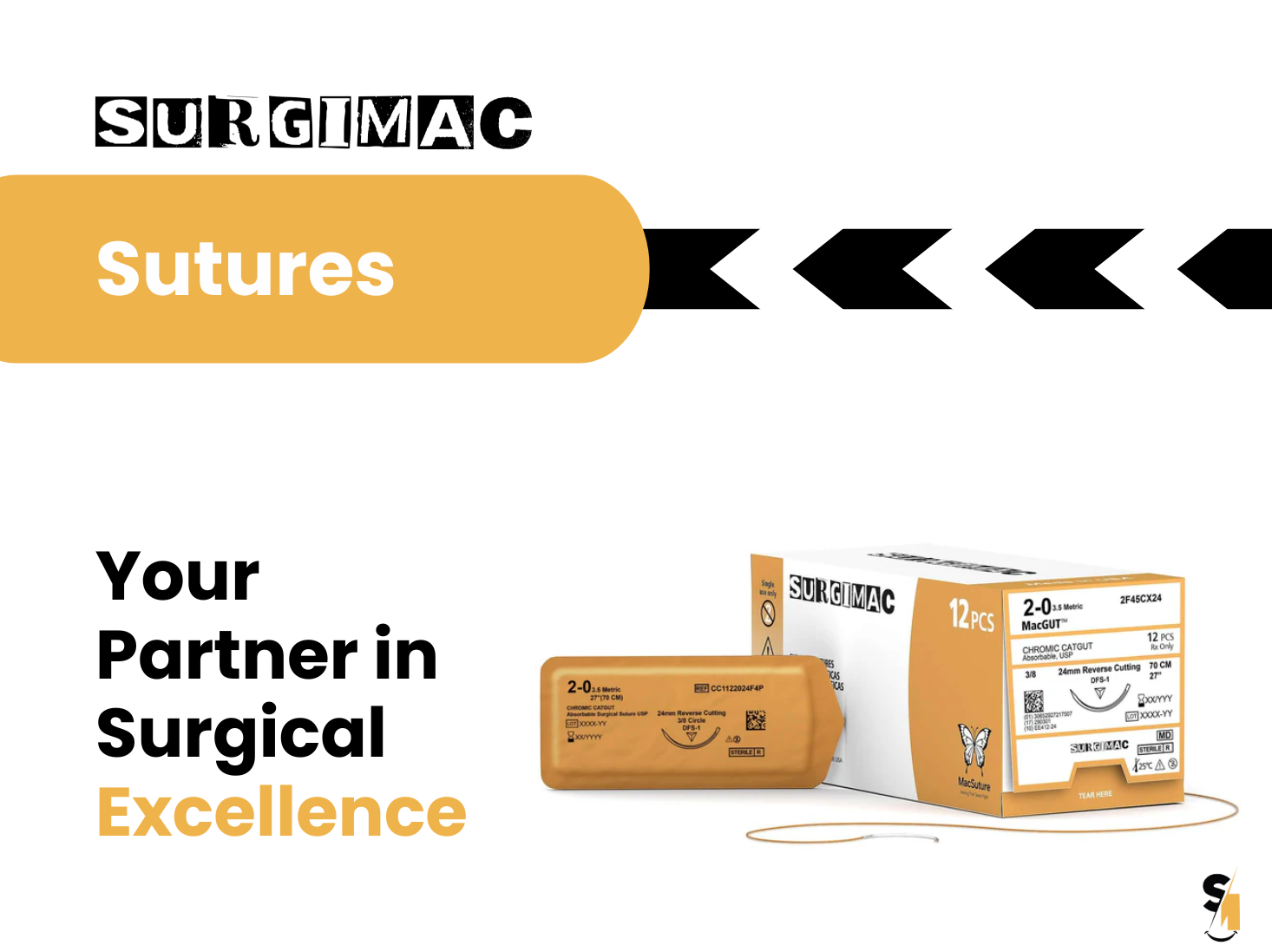
, by SurgiMac A Clinician's Guide to Absorbable Suture Material
-
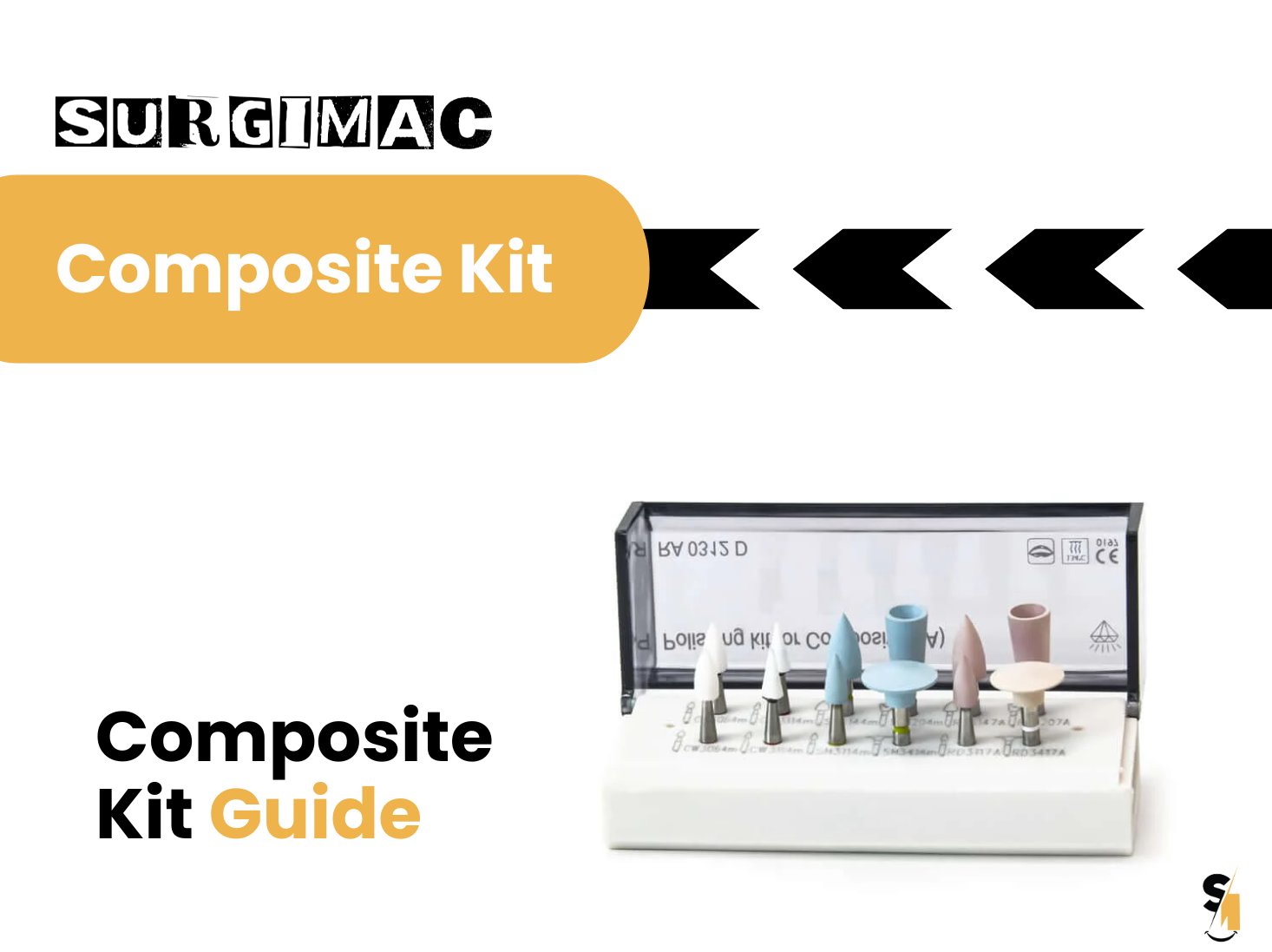
, by SurgiMac A Clinician's Guide to Dental Composite Resin Kits
-
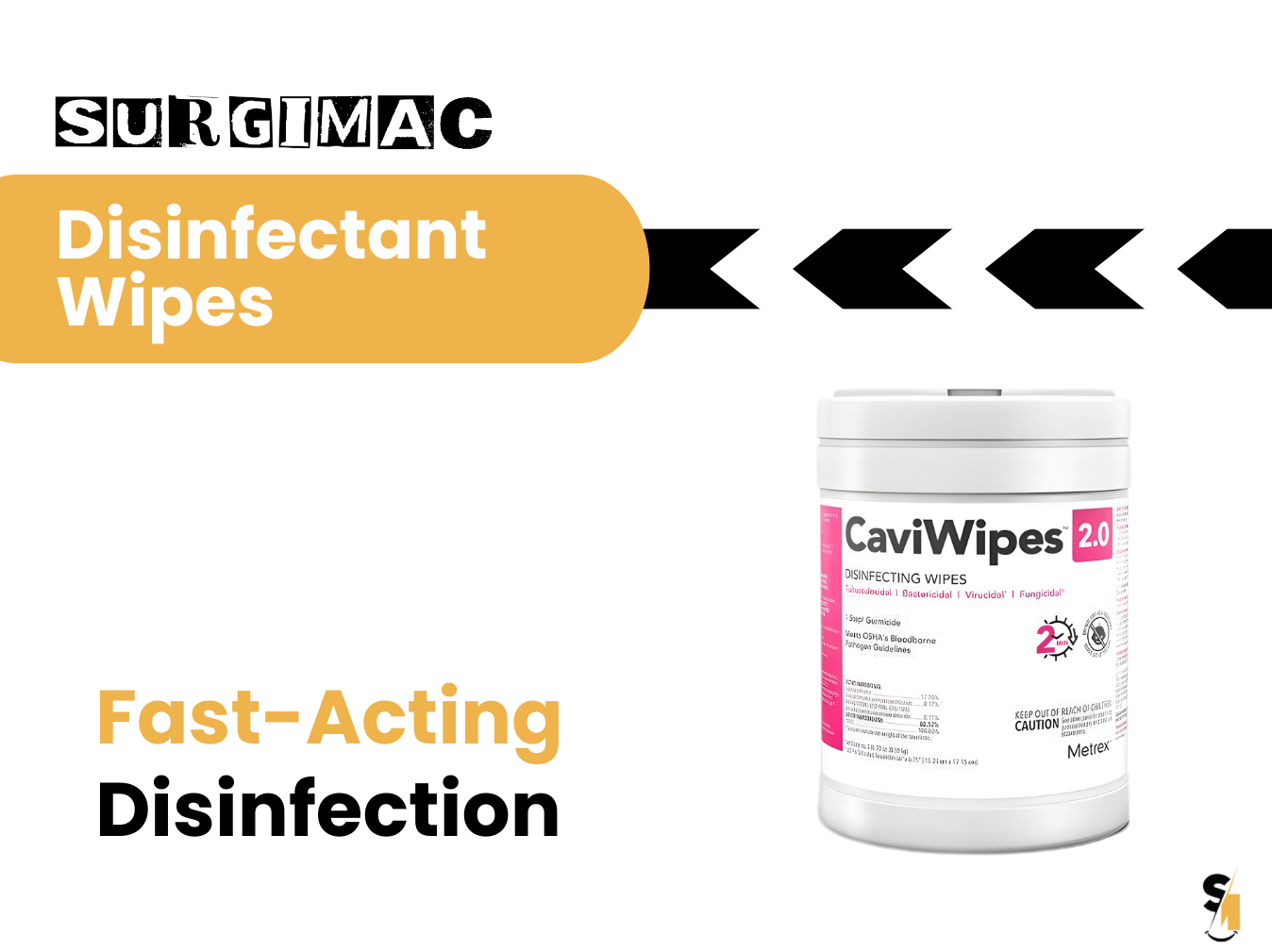
, by SurgiMac How to Disinfect with Metrex CaviWipes Correctly
