


Septocaine Dental Side Effects: Clinical Risk Guide
- , by SurgiMac
- 12 min reading time

Learn how dental teams assess septocaine dental side effects, distinguish expected responses from urgent signs, and document epinephrine-related risks.
Clinical risk guidance for dental teams.
Septocaine dental side effects should be assessed by timing, severity, distribution, and progression. For a U.S. dental team, the important question is not simply whether a symptom appeared after an injection. The team must determine whether the finding fits an expected local response, an epinephrine-related sensation, a hypersensitivity pattern, systemic local-anesthetic toxicity, or another medical event.
Septocaine is an articaine and epinephrine formulation used in dental care. This guide gives dentists and dental staff a practical framework for recognizing common observations, identifying warning signs, reviewing patient risk factors, and documenting a reaction. It is educational content for professional use, not patient-specific treatment advice or a substitute for the treating clinician's judgment and the practice's emergency protocol.
Review professional anesthetic products for dental practice sourcing.
Most septocaine dental side effects are temporary, including expected numbness, injection-site discomfort, tingling, dizziness, headache, nausea, or palpitations. Breathing or swallowing difficulty, facial or throat swelling, seizures, confusion, loss of consciousness, irregular heartbeat, severe weakness, or rapidly worsening symptoms require urgent clinical escalation rather than routine observation.
The sections below separate product facts from clinical interpretation. They also explain why symptom timing matters, when epinephrine may contribute to a complaint, which histories deserve closer review, and how a dental team can create a clear record without assuming causation too early.
What Is Septocaine and Why Can It Cause Side Effects?
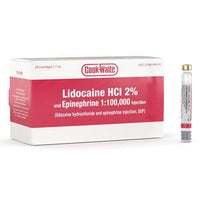
Septocaine is a dental local anesthetic containing articaine hydrochloride with epinephrine bitartrate. Articaine interrupts nerve conduction in the treatment area, while epinephrine produces vasoconstriction that can support anesthetic duration. The same formulation can therefore produce expected numbness, local injection effects, or transient cardiovascular sensations that require clinical context.
U.S. prescribing information describes Septocaine as a 4% articaine hydrochloride formulation with epinephrine at either a 1:100,000 or 1:200,000 concentration, depending on the product presentation. The Septocaine label on DailyMed is the appropriate source for current formulation, warnings, administration, and dosing information.
Articaine creates temporary conduction block near the treatment site. Numbness and some injection-site discomfort are therefore expected effects or procedure-related findings. The needle, tissue response, volume administered, injection location, and duration of altered sensation can all affect what the patient notices afterward.
Epinephrine acts locally as a vasoconstrictor. A patient may describe a faster or more forceful heartbeat, tremor, nervousness, or brief lightheadedness. Those symptoms can also reflect anxiety, pain, positioning, underlying cardiovascular disease, medication effects, or another cause. Timing alone does not establish that epinephrine caused the complaint.
How formulation and administration influence risk
The epinephrine-containing formulation also includes sodium metabisulfite. That ingredient may be relevant when a clinician evaluates a suspected sensitivity, particularly when the patient reports a previous reaction to sulfites or an epinephrine-containing preparation. Articaine is metabolized by plasma carboxyesterase, but rapid metabolism does not remove the need for appropriate dosing, aspiration, slow injection, observation, and documentation.
Record the product name, concentration, epinephrine strength, treatment area, administration time, amount used when available, and observed symptoms. Replace vague entries such as "anesthesia did not agree with me" with specific descriptions of palpitations, faintness, rash, airway symptoms, prolonged altered sensation, anxiety, or other findings.
SurgiMac's guide to dental anesthetics, epinephrine, and articaine provides broader product context. This article has a different purpose. It focuses on adverse-effect recognition and clinical risk management rather than comparing Orabloc and Septocaine as purchasing options.

What Are Common Septocaine Dental Side Effects?
Common observations include temporary numbness, mild injection-site discomfort, limited tingling, dizziness, headache, nausea, mild swelling, tremor, or a faster heartbeat. A dental team should assess severity, timing, location, vital-sign trends when obtained under practice protocol, and whether the finding improves, persists, spreads, or appears with symptoms involving another body system.
Expected numbness is localized to the anesthetized area and generally follows the planned procedure. Mild soreness, local irritation, or limited tingling may also follow the injection. These findings still belong in the clinical assessment when they persist longer than anticipated, become more painful, spread beyond the treatment area, or change in character.
| Observed pattern | Examples | Clinical focus |
|---|---|---|
| Expected local effect | Temporary numbness, mild injection-site discomfort, local irritation, or limited tingling. | Document location and expected course. Reassess if the finding persists or changes. |
| Possible transient response | Dizziness, headache, nausea, mild swelling, tremor, or a faster heartbeat. | Assess timing, severity, associated findings, and improvement under practice protocol. |
| Concerning pattern | Breathing difficulty, facial or throat swelling, confusion, seizure activity, severe weakness, or irregular heartbeat. | Escalate promptly under the practice's emergency and medical evaluation protocol. |
Why timing and progression matter
A brief, improving sensation has a different risk profile from a symptom that intensifies or expands. Numbness that lasts longer than expected, is accompanied by unusual pain, or involves an unexpected distribution deserves documentation and follow-up assessment. A local symptom that becomes generalized requires a broader evaluation.
Palpitations may reflect epinephrine, stress, positioning, or another medical factor. A mild, brief sensation is not automatically evidence of toxicity. A pronounced or irregular heartbeat, faintness, chest symptoms, severe dizziness, or neurologic change should not be dismissed as routine apprehension.
When a common observation is no longer routine
Rash, widespread itching, hoarseness, trouble breathing, trouble swallowing, or swelling of the face, mouth, tongue, or throat may indicate hypersensitivity. The concern increases when airway symptoms occur with dizziness, faintness, or cardiovascular changes. A possible allergy does not establish a diagnosis, but it supports prompt escalation and clear documentation.
Use professional anesthetic supplies within a documented clinical process. Product sourcing does not replace medical history review, appropriate administration, observation, or emergency readiness.
Which Symptoms Suggest Systemic Toxicity or Allergy?
A systemic warning pattern may involve neurologic, cardiovascular, respiratory, or skin findings that extend beyond the treatment area, appear soon after administration, or worsen quickly. Confusion, seizures, altered consciousness, irregular heartbeat, breathing difficulty, facial or throat swelling, cyanosis, and severe weakness require urgent evaluation under the practice's emergency plan.
Neurologic and cardiovascular warning signs
Marked dizziness, lightheadedness, confusion, unusual agitation, tremor, slurred speech, loss of coordination, severe weakness, altered consciousness, or seizures are not routine local anesthetic effects. They may indicate a serious reaction or another acute medical event. Observe the patient closely, follow the practice's emergency protocol, and seek appropriate medical support when symptoms are severe or progressive.
Irregular, rapid, or pounding heartbeats, fainting, chest fluttering, and severe lightheadedness also warrant prompt clinical attention. Septocaine includes epinephrine, so cardiovascular symptoms should be interpreted alongside the patient's history, medication profile, procedure, administration details, and observed timing. Review the official DailyMed prescribing information when formulation or safety details need confirmation.
Respiratory, oxygenation, and hypersensitivity signals
Shortness of breath, wheezing, hoarseness, trouble swallowing, or rapidly increasing facial, oral, tongue, or throat swelling may signal severe hypersensitivity. Rash and itching become more concerning when they occur with airway symptoms, dizziness, or cardiovascular changes. The epinephrine-containing formulation's sodium metabisulfite may also be relevant to a suspected sensitivity evaluation.
Pale, gray, or blue skin or lips, unusual fatigue, headache, confusion, or respiratory distress can indicate impaired oxygen delivery, including possible methemoglobinemia. These signs require urgent evaluation. Do not assign a diagnosis from an online symptom list. Follow the practice's emergency plan and obtain appropriate medical assistance for serious or rapidly worsening symptoms.
How Does Epinephrine Affect Septocaine Dental Side Effects?
Epinephrine can prolong local anesthesia by constricting local blood vessels and slowing vascular uptake. It can also cause a faster or more forceful heartbeat, tremor, nervousness, or a temporary blood-pressure change. These sensations may be transient, but pronounced, irregular, persistent, or progressive cardiovascular symptoms require clinical assessment rather than automatic attribution to epinephrine.
A relevant cardiovascular history, prior sensitivity to vasoconstrictors, or medication profile may change the risk assessment. The treating dentist should consider the planned procedure, anesthetic benefit, formulation, patient history, and practice protocol together. This is a clinical decision, not a universal rule that every patient with a cardiovascular condition must avoid epinephrine.
Ask the patient to describe the symptom in concrete terms. "My heart felt strange" should be clarified as a fast heartbeat, forceful heartbeat, irregular rhythm, chest fluttering, faintness, chest discomfort, or another sensation. Document onset relative to administration, duration, progression, associated symptoms, observed signs, and the response to the practice's protocol.
For professional product planning, explore articaine dental anesthetic options. Selection should follow the treating clinician's assessment and the product's current prescribing information.
Which Patients Need Additional Screening Before Articaine?
Additional screening is useful when a history could change the risk profile of articaine with epinephrine. Review prior reactions, cardiovascular symptoms, relevant blood or respiratory conditions, medications, age-related factors, communication needs, and formulation sensitivities. Screening supports individualized clinical judgment; it does not create a universal contraindication list.
Review prior reactions and allergies
Ask about previous reactions to local anesthetics, epinephrine-containing preparations, and other medications. Clarify what happened instead of recording only "allergy" or "did not tolerate anesthesia." Determine the symptoms and timing. Record the suspected product, treatment received, and whether the reaction involved rash, airway symptoms, palpitations, faintness, neurologic changes, or prolonged altered sensation. The Mayo Clinic precautions for articaine and epinephrine provide additional patient-history context.
Identify cardiovascular and systemic risk factors
Review cardiovascular disease, poorly characterized cardiac symptoms, palpitations, and prior sensitivity to vasoconstrictors. Also consider blood disorders, respiratory history, current medications, and any condition that could affect response to local anesthesia or epinephrine. The clinician should use current clinical information rather than relying on a medication list alone.
Consider age, communication, and medication complexity
Pediatric patients require age- and weight-appropriate clinical judgment, careful history review, appropriate dosing, and observation. Communication ability and accidental soft-tissue injury can affect safety planning. The PubMed report on adverse reactions following 4% Septocaine in children supports careful observation without assuming adult findings apply unchanged.
Older adults may have multiple conditions, reduced physiologic reserve, and complex medication regimens. Review prescription drugs, over-the-counter products, and supplements for clinically relevant interactions or additive cardiovascular effects. When the history is incomplete or symptoms are unexplained, pause for appropriate clarification or medical consultation. SurgiMac's epinephrine patient-safety guide offers related educational context.
How Should Dental Teams Monitor and Document a Reaction?
A consistent workflow begins with a baseline history and ends with a usable clinical record. Document the product, dose details, procedure, timing, objective findings, patient-reported symptoms, progression, actions, communications, disposition, and follow-up. Separate observed facts from assumptions about whether articaine or epinephrine caused the event.
- Review the baseline history. Confirm prior reactions, allergies, cardiovascular conditions, relevant blood or respiratory disorders, current medications, and new information from the patient or caregiver.
- Identify the product and procedure. Record Septocaine, articaine concentration, epinephrine strength, lot details when available, treatment area, anesthesia type, administration time, and relevant procedural circumstances. Verify formulation details in the DailyMed label.
- Describe the presentation objectively. Record the patient's words when possible, plus onset, duration, progression, location, associated findings, and whether symptoms are improving, unchanged, or worsening. Use complete clinical descriptions, such as "marked weakness with confusion," rather than disconnected fragments.
- Separate expected effects from warning patterns. Compare localized, improving numbness or injection discomfort with generalized or progressive neurologic, cardiovascular, respiratory, or hypersensitivity findings.
- Escalate according to protocol. If severe or rapidly worsening symptoms occur, follow the practice's emergency plan and obtain appropriate medical support. Record the assessment, actions taken, communications, disposition, and follow-up plan.
For supply continuity, SurgiMac's anesthetic-products collection supports professional sourcing. Clinical teams should keep product selection, administration, monitoring, and emergency readiness connected so clinicians can evaluate an event accurately.
Source anesthetic products for a prepared dental care team.
Frequently Asked Questions About Septocaine Dental Side Effects
What are the common side effects of Septocaine?
Expected numbness and injection-site effects are common intended or local responses. Dizziness, headache, nausea, tingling, swelling, or palpitations may also be reported. Assess any symptom that is severe, prolonged, progressive, generalized, or accompanied by respiratory, neurologic, cardiovascular, or hypersensitivity findings.
Does Septocaine cause nerve damage?
Temporary numbness is the intended effect of local anesthesia. Persistent or unusual altered sensation can have several possible explanations. It should be documented and assessed by the treating clinician. Duration, location, progression, procedure, and injection details are important. This article does not diagnose a nerve injury or provide patient-specific treatment advice.
Are serious reactions associated with epinephrine in Septocaine?
Epinephrine can contribute to cardiovascular sensations such as a faster or forceful heartbeat. Serious symptoms include irregular heartbeat, severe dizziness, fainting, breathing difficulty, confusion, seizures, or rapidly worsening weakness. These findings require prompt clinical escalation under the practice's emergency protocol rather than automatic attribution to anxiety or epinephrine.
Is Septocaine appropriate for pediatric dental procedures?
Articaine administration in children requires age- and weight-appropriate clinical judgment, careful history review, appropriate dosing, and observation. Pediatric patients may communicate symptoms differently and can injure numb soft tissue. Dental professionals should consult current prescribing information and applicable clinical guidance for the individual patient.
When should medical evaluation be sought after dental anesthesia?
Seek urgent medical evaluation for breathing or swallowing difficulty, facial or throat swelling, seizure activity, confusion, loss of consciousness, irregular heartbeat, cyanosis, severe weakness, or rapidly worsening symptoms. Persistent, recurrent, or unexplained symptoms also warrant prompt follow-up with the treating clinician.
Learn more about professional anesthetic supplies from SurgiMac.
Tags
Blog posts
-

, by SurgiMac A Clinician's Guide to Absorbable Suture Material
-
, by SurgiMac A Clinician's Guide to Dental Composite Resin Kits
-

, by SurgiMac How to Disinfect with Metrex CaviWipes Correctly
