
Types of Sutures and Their Uses: A Clinician's Guide
- , by SurgiMac
- 38 min reading time
Get a clear overview of the types of sutures and their uses, plus expert tips for choosing the right suture material for every dental or surgical procedure.
Wound closure is a delicate balancing act. You need a suture that's strong enough to support tissue but gentle enough to prevent trauma. It needs to last just long enough for the tissue to heal on its own—and not a day longer. Getting this right comes down to knowing the different types of sutures and their uses. This guide breaks down everything you need to consider, from material and size to absorption rates. You'll get a clear framework for choosing the right tools, like the trusted options in our MacSuture line, for better patient outcomes.
Key Takeaways
- Know your suture classifications: Sutures are categorized by their absorption profile (dissolving vs. non-dissolving), structure (monofilament vs. multifilament), and material (natural vs. synthetic), which all influence clinical performance.
- Choose based on procedural needs: The ideal suture choice depends on four key factors: the specific tissue type, the wound's required healing time, the overall risk of infection, and individual patient health considerations.
- Pair the right size and needle with the tissue: Beyond material, selecting the correct suture diameter (USP size) and needle point is essential for minimizing tissue trauma, reducing scarring, and ensuring a secure closure.

Sutures 101: The Fundamentals of Wound Closure
At its core, a suture is a medical device used to hold body tissues together after an injury or surgery. Think of it as a specialized thread and needle combination designed for clinical use. The primary purpose of a suture is to carefully align and secure the edges of a wound, creating an optimal environment for the body’s natural healing process to begin. By keeping the tissues approximated, sutures reduce tension, minimize scarring, and help prevent infection by closing the door to external contaminants.
The fundamental goal is to maintain wound closure until the tissue has regained enough tensile strength to hold itself together. This is why selecting a reliable, high-quality suture is so critical for predictable patient outcomes. A dependable suture, like those in the MacSuture collection, ensures that the wound remains securely closed throughout the initial, most critical phase of healing. The suture acts as a temporary support structure, allowing cells to migrate and rebuild the damaged area effectively.
However, sutures are far from a one-size-fits-all solution. They are intelligently designed with specific properties to suit different types of tissues, surgical procedures, and healing timelines. To make the best choice for any given clinical scenario, it’s important to understand how they are classified. Sutures are generally categorized based on three key characteristics: their material composition (natural or synthetic), their structure (monofilament or multifilament), and their behavior in tissue (absorbable or non-absorbable). Each of these distinctions plays a vital role in how a suture performs during and after a procedure.
A Brief History of Suturing
The practice of suturing is far from a modern invention—it’s a clinical art that has been refined over thousands of years. Long before sterile, individually packaged sutures were available, early clinicians had to be resourceful. They used whatever materials they could find, from animal hair and silk to hemp and grass, often using needles carved from bone. While the tools were rudimentary, the goal was the same as it is today: to approximate tissue and facilitate healing. The centuries-long quest for the ideal suture—one that is strong, easy to handle, holds knots securely, and incites minimal tissue reaction—has driven continuous innovation. Modern sutures, including the precisely engineered options in the MacSuture line, are the result of this long history, offering a level of performance and safety that allows for predictable and successful wound closure.
A Guide to the Main Types of Sutures and Their Uses
Choosing the right suture is a critical step in ensuring optimal wound healing and patient comfort. Sutures are not a one-size-fits-all solution; they are categorized based on their material, structure, and how they interact with body tissues. Understanding these fundamental classifications allows you to select a suture that provides the right balance of strength, flexibility, and biocompatibility for any given procedure. The three primary ways to classify sutures are by their absorption properties, their filament structure, and their material origin. Each category presents distinct advantages and trade-offs that influence handling, tissue reaction, and long-term performance. By familiarizing yourself with these differences, you can make more informed decisions that support predictable and successful clinical outcomes.
Absorbable vs. Non-Absorbable
The most fundamental distinction between sutures is whether they are absorbable or non-absorbable. Absorbable sutures are designed to be broken down and absorbed by the body over time through hydrolysis. This makes them ideal for closing deep tissue layers where suture removal would be impractical or impossible. They provide temporary wound support while the tissue heals and regains its natural strength. In contrast, non-absorbable sutures are made from materials that resist enzymatic degradation. They either remain in the body permanently or are removed once the wound has healed sufficiently. These are often used for surface closures or in tissues that require long-term mechanical support. The MacSuture line offers both types, including absorbable options like Polyglycolic Acid (PGA) and non-absorbable Silk to cover a wide range of oral surgery suturing needs.
Choosing Between Monofilament and Multifilament
Sutures are also classified by their physical structure. Monofilament sutures consist of a single, smooth strand of material. This structure allows them to pass through tissue with minimal friction, reducing the risk of tissue trauma. Their smooth surface also makes them more resistant to harboring microorganisms, which can lower the risk of surgical site infections. However, they can have more "memory," meaning they tend to retain their package shape and may require more knots for secure closure. Multifilament sutures are braided or twisted from multiple smaller threads. This construction gives them excellent flexibility, handling, and knot security. While they are generally easier to work with, their braided design can create more friction and potentially provide a place for bacteria to colonize, which is an important consideration in suture material selection.
Natural vs. Synthetic: Which Suture Material is Better?
Finally, sutures are categorized based on their origin. Natural sutures are derived from organic sources, such as animal collagen (gut sutures) or silk fibers. While they have a long history of use and are known for their excellent handling properties, they can sometimes provoke a more significant inflammatory response from the body's tissues as they break down. Synthetic sutures, on the other hand, are created from man-made polymers like nylon or polyglycolic acid. These materials are engineered to have predictable absorption rates and generally cause less tissue reaction, leading to a smoother healing process. The choice between natural and synthetic often depends on the specific procedure, patient factors, and the desired level of biocompatibility.
What Are Modern Sutures Made Of?
A suture's material is its most fundamental characteristic, defining its strength, handling, and how the body reacts to it. Modern sutures are crafted from a diverse range of materials, each with properties tailored for different clinical situations. Understanding these materials is the first step in selecting the perfect suture for your procedure. These materials fall into two main camps: natural and synthetic. Each offers unique benefits, whether you need a suture that provides long-term support or one that dissolves as tissue heals.
A Closer Look at Natural Suture Materials
Natural sutures have been used for centuries and remain trusted choices in many dental and surgical settings. Silk, a non-absorbable material, is prized for its excellent handling and superior knot security. As a braided multifilament, it’s soft and pliable, making it easy to work with. Surgical gut sutures are another common natural option, especially in oral surgery. Derived from purified collagen, these absorbable sutures break down via enzymatic processes. The MacSuture collection includes reliable options like Plain Gut for faster absorption and Silk for procedures where strength and handling are paramount.
Surgical Gut: Plain vs. Chromic
Surgical gut sutures are a type of absorbable suture derived from the purified collagen of healthy mammals. They are broken down in the body by enzymatic processes, making them a popular choice for internal tissues that heal relatively quickly. The primary distinction lies in their treatment and subsequent absorption rate. Plain Gut offers a faster absorption profile, typically losing its tensile strength in about 7 to 10 days and fully absorbing within 70 days. In contrast, Chromic Gut is treated with a chromium salt solution, which cross-links the collagen fibers to slow down the absorption process. This treatment allows it to retain strength for 21 to 28 days and fully absorb in around 90 days, making it ideal for procedures requiring more prolonged wound support. The MacSuture line includes both Plain and Chromic Gut options to meet diverse clinical timelines.
Silk Sutures: A Closer Look
Silk sutures are a non-absorbable, natural multifilament material renowned for their exceptional handling characteristics. Composed of braided protein fibers, silk is soft, pliable, and easy to work with, offering what many clinicians consider the gold standard in knot security. This makes it a reliable choice for securing surface tissues where suture removal is planned. However, it's important to consider that, as a natural protein, silk can provoke a more significant inflammatory response compared to synthetic materials. This tissue reaction is a key factor in suture selection, especially in patients who may be prone to inflammation or scarring. For procedures where handling and knot tying are the highest priorities, high-quality silk sutures, like those offered by MacSuture, remain an indispensable tool.
Exploring Synthetic Options: From Nylon to PGA
Synthetic sutures were developed to offer more predictable performance and lower tissue reactivity. Common non-absorbable synthetics include Nylon, a strong monofilament ideal for skin closure, and Polypropylene, known for its smoothness. For absorbable options, Polyglycolic Acid (PGA) is a go-to for many clinicians. As a braided synthetic, it offers great tensile strength during the critical healing period before breaking down predictably through hydrolysis. You'll find high-quality PGA in our MacSuture line. For specialized procedures like bone grafts, many professionals turn to Polytetrafluoroethylene (PTFE) sutures for their biologically inert and soft monofilament structure.
Polyglactin 910 (e.g., Vicryl)
Polyglactin 910 is a versatile synthetic absorbable suture known for its reliable performance in soft tissue approximation. As a braided material, it offers excellent handling and knot security, making it a favorite for many clinicians. Its key advantage lies in its predictable absorption profile; it breaks down via hydrolysis, minimizing tissue inflammation compared to natural gut sutures. According to The Plastics Fella, "Polyglactin 910 (Vicryl) is a synthetic, absorbable suture that is usually braided. It maintains about 50% strength for 21 days and is absorbed in 2-2.5 months." This makes it an ideal choice for closing deep tissue layers and subcutaneous tissue where it provides adequate support during the critical healing phase before dissolving completely, similar to the performance of the PGA sutures found in our MacSuture line.
Polydioxanone (PDS)
When a wound requires support for a longer duration, Polydioxanone (PDS) is an excellent choice. This synthetic, absorbable monofilament suture is engineered for extended tensile strength, making it perfect for tissues that heal slowly. Its monofilament structure allows it to glide smoothly through tissues with minimal drag, reducing trauma during placement. PDS is particularly valuable in maxillofacial and orthopedic procedures. As noted by experts, "Polydioxanone (PDS) is a synthetic, absorbable monofilament suture that provides long-term support for tissues like fascia. It retains 74% strength after 2 weeks and is absorbed in 6-8 months." This prolonged absorption time ensures that the wound remains stable and secure throughout the entire healing process.
Polyester (e.g., Ethibond)
For procedures demanding permanent and robust tissue support, polyester sutures are a top-tier option. This non-absorbable, braided synthetic material is renowned for its exceptional strength and durability. The braided construction provides excellent handling characteristics and allows for secure, reliable knots that hold their position over the long term. Polyester sutures are frequently used in applications where tissue requires permanent reinforcement. As one source explains, "Polyester (Ethibond) is a braided synthetic suture that is very strong and durable. It is commonly used for tendon repairs and bone closures due to its excellent tensile strength." In dentistry, it can be used for specific implant-related procedures or in maxillofacial surgeries that require permanent fixation.
Stainless Steel
In situations that call for the highest possible tensile strength, stainless steel sutures are the material of choice. As a metallic, non-absorbable suture, it provides unparalleled durability and is biologically inert, causing very little tissue reaction. Available as both a monofilament and a multifilament, it offers robust and permanent wound closure. According to Mercedes Scientific, "Stainless steel sutures are metallic and can be single or multiple strands. They maintain their strength indefinitely and are used for closing abdominal walls, breastbones, bone surgeries, and hernia repairs." While less common in routine dental work, it is indispensable in certain orthopedic and maxillofacial procedures, such as sternal closures or complex bone fixation, where absolute strength is non-negotiable.
How Material Choice Impacts Clinical Performance
Choosing the right suture material directly impacts healing outcomes and patient comfort. The material dictates the suture's tensile strength, how long it will support the tissue, and the degree of inflammatory response it might cause. An absorbable suture like PGA is perfect for deep tissue layers where suture removal isn't feasible. A non-absorbable monofilament like Nylon is excellent for surface closures because it incites minimal tissue reaction and glides out smoothly upon removal. Your choice is a critical part of your surgical technique, ensuring the wound is supported appropriately. Every tool in your dental and surgical supply kit plays a role in the final outcome.
How Do You Choose the Right Suture?
Selecting the right suture is a critical decision that directly influences wound healing, patient comfort, and the final clinical outcome. It’s a process that goes beyond simply closing an incision; it involves a careful assessment of the tissue, the patient’s health, and the specific demands of the procedure. The ideal suture provides adequate support to the wound edges for the required healing period while causing minimal tissue reaction. Making the right choice means balancing tensile strength, absorption profile, and handling characteristics to ensure a secure closure and an uncomplicated recovery. To make this decision effectively, clinicians consistently evaluate four key areas: tissue characteristics, healing time, infection risk, and individual patient factors.
Decoding Suture Packaging: Color-Coding and Labels
Suture packaging is a critical communication tool designed for speed and accuracy in a clinical environment. When you're focused on a procedure, you need to grab the right suture without hesitation. This is where standardized labeling and color-coding come into play. Think of it as a universal language that instantly communicates the suture's material, size, and needle specifications. This system minimizes the risk of error and streamlines your workflow, ensuring you have the precise tool needed for the tissue you're working with. Understanding how to read these labels quickly is a fundamental skill for any surgical professional.
Every suture package provides a wealth of information at a glance. You'll find the suture material clearly identified—for instance, Polyglycolic Acid (PGA) or Silk—often paired with a specific color code on the box for quick recognition. The USP size, like 3-0 or 5-0, indicates the suture's diameter, while detailed graphics and codes describe the needle's curvature, length, and point type (e.g., reverse cutting). All MacSuture products follow these industry standards, so you can confidently identify key characteristics like absorption profile and material type. This systematic labeling ensures that you can select the appropriate suture with precision, matching its properties to the specific demands of the wound closure.
Matching the Suture to the Tissue Type
The first step in suture selection is to analyze the tissue you are working with. Different tissues have vastly different properties and require specific types of support. For instance, dense, strong tissues like fascia or tendons demand a suture with high tensile strength to withstand significant mechanical stress during healing. In contrast, delicate tissues such as oral mucosa require a less robust suture to avoid unnecessary trauma. The suture’s diameter, or USP size, should be carefully matched to the tissue. The goal is to use the smallest size that can securely hold the wound, as this minimizes the amount of foreign material left in the body and reduces tissue reaction. Proper handling with precise dental instruments is also essential to prevent tissue damage during placement.
Aligning Your Suture Choice with Healing Time
A suture’s primary job is to support a wound until the tissue can support itself. Therefore, you must match the suture’s absorption rate to the tissue’s healing timeline. For tissues that heal relatively quickly, like muscle or subcutaneous fat, an absorbable suture is ideal because it dissolves naturally as the tissue regains strength. For slow-healing tissues like tendons or in certain oral surgeries where long-term support is needed, a non-absorbable suture is often the better choice. The MacSuture line offers a variety of both absorbable options, like Polyglycolic Acid, and non-absorbable ones, like Silk, allowing you to select the perfect material for any healing requirement.
How Suture Choice Can Minimize Infection Risk
In any surgical procedure, minimizing the risk of infection is a top priority. This is especially true for wounds that are contaminated or have a high potential for bacterial exposure. In these situations, a monofilament suture is the standard of care. Because it consists of a single, smooth strand, it provides no nooks or crannies for bacteria to colonize. Braided or multifilament sutures, while offering excellent handling and knot security, have interstices that can harbor microorganisms, potentially leading to a surgical site infection. Pairing your suture choice with rigorous infection control protocols is the best way to protect your patients and ensure successful outcomes.
Considering Patient-Specific Needs and Allergies
Finally, always consider the individual patient. Factors like age, nutritional status, and underlying health conditions such as diabetes can significantly impact the healing process and may influence your suture choice. For example, a patient with compromised healing might need a suture that retains its strength for a longer period. It is also crucial to review the patient’s medical history for any known allergies to suture materials, such as chromic gut. The nature of the dental procedure itself will also guide your decision. By taking a holistic view of both the patient and the procedure, you can confidently select the right dental supplies to achieve a predictable and successful result.
Common Uses for Different Types of Sutures
Choosing the right suture isn’t just about closing a wound; it’s about tailoring your approach to the specific tissue, procedure, and patient. The material, size, and absorption profile you select directly influence healing time, scar formation, and the risk of complications. From surface-level skin closures to complex internal repairs, each clinical scenario has its ideal suture match. Understanding these applications helps ensure you provide the best possible support for tissue approximation and recovery, leading to more predictable and successful patient outcomes.
Best Sutures for Skin and Superficial Wounds
For closing the outermost layers of tissue, the primary goals are strength and minimal tissue reaction to achieve a clean, aesthetic result. Non-absorbable monofilaments like Nylon are often preferred for their smooth passage through tissue and low infection risk. In dentistry, both absorbable sutures like Chromic Gut and non-absorbable options like Silk are commonly used for oral mucosa. The choice often depends on whether you want the suture to dissolve on its own or if you plan to have the patient return for removal. For any closure, precise handling with quality dental instruments is key to a neat and effective result.
Suture Selection for Deep Tissue and Organ Repair
When working with deeper tissue layers, absorbable sutures are the standard of care. These sutures provide the necessary support during the critical initial healing phase and then gradually dissolve, eliminating the need for a second procedure for removal. This is ideal for closing layers beneath the skin or repairing internal structures where a foreign body is best avoided long-term. Materials like Polyglycolic Acid, found in the MacSuture line, offer predictable absorption rates and excellent tensile strength, making them a reliable choice for securing deep tissues while the body heals itself from the inside out.
Sutures for Fascia and Cardiovascular Surgery
Closing fascia—the tough connective tissue that encases muscles—requires sutures with exceptional, long-lasting tensile strength. Because this tissue is under constant mechanical stress and heals slowly, clinicians often rely on strong, non-absorbable or slow-absorbing synthetic sutures to prevent hernias or wound dehiscence. In cardiovascular surgery, the demands are even more specific. Sutures must be incredibly smooth and inert to pass through delicate vessel walls without causing trauma or initiating a thrombogenic (clotting) response. For this reason, monofilaments like polypropylene are a common choice, ensuring a secure closure that maintains the integrity of the vascular system.
Special Considerations for Urinary and Biliary Tracts
Suturing within the urinary or biliary tracts presents a unique set of challenges. These environments are susceptible to infection, and any foreign body can act as a nidus for stone formation. Therefore, the ideal suture is one that absorbs rapidly and incites minimal tissue reaction. In these situations, a monofilament suture is the standard of care. Because it consists of a single, smooth strand, it provides no nooks or crannies for bacteria to colonize. Braided sutures are generally avoided as their interstices can harbor microorganisms. Using a rapidly absorbing material ensures the suture is gone before it can contribute to the formation of urinary calculi.
Essential Sutures for Dental and Oral Surgery
In dental and oral surgery, suture selection is vital for managing delicate oral tissues and ensuring patient comfort. Sutures are essential for stabilizing flaps, securing grafts, and managing extraction sites. Resorbable materials are frequently the first choice in modern dentoalveolar surgery, as they minimize patient discomfort and the need for a follow-up removal appointment. For procedures like bone grafts and dental implants, a suture that maintains its strength for the initial healing period is crucial. Choosing the right suture helps restore tissue integrity and supports a smooth, uncomplicated recovery for your patients.
Applying Silverstein's Rule of Threes in Dentistry
A great mental model for navigating these choices is Silverstein's Rule of Threes, which simplifies suture selection into three core considerations. First, match the suture to the tissue type, ensuring its tensile strength is appropriate for the mechanical load. Second, align the suture’s absorption profile with the tissue’s healing time, choosing a material that provides support for exactly as long as needed. Third, assess the wound’s risk of infection; in areas prone to contamination, a monofilament suture is often preferred to minimize bacterial colonization. This framework helps you make a balanced decision every time, ensuring your choice supports optimal healing. Having a versatile range of materials, like the absorbable and non-absorbable options in the MacSuture line, allows you to apply this rule effectively across all your dental procedures.
Suturing Delicate Tissues: What You Need to Know
Procedures involving specialized tissues, such as periodontal or implant surgery, demand sutures that provide support without causing unnecessary trauma. In these cases, a smooth, often resorbable suture is preferred to maintain tissue integrity while minimizing inflammation. These sutures are perfect for applications like socket preservation or guided tissue regeneration, where they provide short-term support and then disappear. The goal is to create a stable environment for healing in sensitive areas, ensuring that the delicate tissues are well-approximated without being subjected to the long-term presence of a foreign material.
Weighing the Pros and Cons of Each Suture Type
Every suture material comes with its own set of advantages and disadvantages. Understanding these trade-offs is key to selecting the right material for optimal healing and patient comfort. Your choice will directly impact knot security, tissue reaction, and the overall success of the closure. Let's break down the most common comparisons you'll encounter in clinical practice to help you make an informed decision for every procedure.
Absorbable Sutures: Pros and Cons
The primary advantage of absorbable sutures is convenience for both you and your patient. Since they are broken down by the body over time, they don't require a follow-up appointment for removal. This makes them ideal for closing deep tissue layers or for intraoral applications where removal would be difficult. SurgiMac’s MacSuture collection includes high-quality absorbable options like Polyglycolic Acid (PGA) and Plain Gut. The main drawback is that the absorption process can sometimes trigger a mild inflammatory tissue reaction. It's also crucial to match the suture's absorption rate to the tissue's healing time to ensure the wound is adequately supported until it has regained sufficient strength.
Non-Absorbable Sutures: Advantages and Disadvantages
When you need long-lasting strength and minimal tissue reaction, non-absorbable sutures are the go-to choice. They retain their tensile strength for extended periods, making them perfect for skin closure and securing tissues that heal slowly. Because the body doesn't break them down, they cause very little inflammation, leading to a cleaner healing process and less scarring. High-quality silk sutures, available in the MacSuture line, are a classic example known for their excellent handling. The main disadvantage is that they must be removed in a subsequent visit, which requires an additional appointment for the patient. If left in place permanently for deep closures, they become encapsulated by fibrous tissue.
Monofilament vs. Multifilament: Key Clinical Trade-offs
This comparison comes down to structure and handling. Monofilament sutures are made of a single, smooth strand. This allows them to pass through tissue with minimal friction, reducing trauma and lowering the risk of infection since there are no crevices for bacteria to hide. However, they tend to be stiffer, possess more "memory" (the tendency to return to their packaged shape), and require more knots to ensure security. Multifilament (or braided) sutures consist of several smaller strands twisted together. This construction makes them more flexible, easier to handle, and excellent for creating secure knots. The trade-off is that their braided surface can cause more tissue drag and may harbor microorganisms, slightly increasing the risk of surgical site infection.
How Suture Size and Needle Choice Affect Outcomes
Selecting the right suture involves more than just choosing a material. The suture's diameter (size) and the needle's shape are just as critical for ensuring a secure closure, minimizing tissue trauma, and promoting optimal healing. A suture that is too thick can cause unnecessary scarring, while one that is too thin may not provide adequate tensile strength. Similarly, the wrong needle can damage delicate tissues or struggle to penetrate tougher ones. Making an informed choice requires a clear understanding of the standardized sizing system and how different needle designs perform in various clinical situations.
Understanding USP Suture Sizing
Suture sizing is standardized by the United States Pharmacopeia (USP), but the numbering system can seem counterintuitive at first. The system uses a series of zeros, where a higher number of zeros indicates a smaller suture diameter. For example, a 7-0 suture is much thinner than a 4-0 suture. Sizes larger than 0 are denoted by whole numbers (e.g., #1, #2), which are thicker. The guiding principle in clinical practice is to use the smallest suture size that can adequately hold the wound edges together. This approach minimizes the amount of foreign material left in the body, reducing tissue reaction and improving the cosmetic outcome. SurgiMac’s MacSuture collection offers a comprehensive range of sizes to meet diverse procedural needs.
Anatomy of a Surgical Needle
The surgical needle is far more than just a sharp piece of metal; it’s a precision instrument engineered to carry suture material through tissue with minimal trauma. A well-designed needle is strong enough to resist bending but flexible enough to prevent breaking, sharp enough to penetrate tissue cleanly, and stable enough to be controlled by a needle holder. Modern needles are typically made from high-quality stainless steel and are designed to create a path for the suture that is just large enough for the thread to follow. Understanding its basic anatomy—the point, the body, and the swaged end—is the first step in appreciating how this small tool plays such a large role in achieving a successful surgical outcome.
The Three Main Parts: Point, Body, and Swaged End
Every surgical needle consists of three distinct parts, each with a specific function. The point is the very tip, designed to pierce the tissue with precision. The body, or shaft, is the middle section that is grasped by your dental instruments. Its shape and curvature are designed to guide the needle through the tissue along a predictable path. Finally, the swaged end is where the suture material is seamlessly attached to the needle. This modern design creates a smooth, single unit, allowing the needle and suture to pass through tissue with much less damage compared to older, eyed needles, which required the suture to be threaded manually, creating a bulkier profile.
Understanding Needle Curvature and Point Types
Needles are defined by two other critical features: their curvature and point type. The curvature is described as a fraction of a circle, such as 1/4, 3/8, or 1/2. A more curved needle (like a 1/2 circle) is ideal for working in confined spaces, while a straighter needle is better for more accessible areas. The needle point determines how it interacts with tissue. A cutting needle has sharp edges designed to penetrate tough, dense tissue. A reverse cutting needle, which has its cutting edge on the outer, convex curve, is often preferred for oral surgery. This design helps prevent the suture from tearing through the tissue edge, ensuring a more secure closure. The needles included with our MacSuture products are selected to provide this kind of reliable, atraumatic performance.
How to Match the Needle to the Procedure
Surgical needles are designed for specific tissue types to ensure smooth passage and minimal trauma. They are primarily categorized by their points. Cutting needles have a triangular tip with at least one sharp cutting edge, making them ideal for penetrating tough, dense tissues like skin. A reverse cutting needle is often preferred for skin closure because its third cutting edge is on the outer curvature, which helps prevent the suture from tearing through the wound edge. Tapered needles, on the other hand, have a round body that tapers to a sharp point and are used for softer, more delicate tissues inside the body where tearing is a concern. Choosing the right needle design is essential for procedural efficiency and preserving tissue integrity.
Matching Suture Size to Tissue Requirements
The appropriate suture size is directly related to the type of tissue being repaired. Different areas of the body require different levels of tensile strength to support the wound during healing. For delicate procedures, such as those in ophthalmic or microsurgery, extremely fine sutures like 10-0 or 9-0 are used. For closing subcutaneous tissue or skin on the face, a 6-0 or 5-0 suture is common. In contrast, closing tougher tissues like the fascia or skin on the back or limbs may require stronger, thicker sutures, such as 3-0 or 2-0. Matching the suture size to the specific anatomical location and tissue strength is fundamental to achieving a durable and successful wound closure.
Advanced Suture Features and Techniques
Beyond the fundamental classifications of material and size, suture technology continues to evolve with innovations designed to improve procedural efficiency, enhance security, and refine patient outcomes. These advancements address specific clinical challenges, from poor visibility in deep surgical sites to the time-consuming nature of knot tying. By incorporating specialized features, modern sutures provide clinicians with more sophisticated tools to manage wound closure with greater precision and confidence. Understanding these advanced options allows you to expand your suturing toolkit and select the most effective solution for even the most demanding procedures. Two of the most impactful innovations in this area are dyed sutures for improved visibility and barbed sutures that offer a revolutionary knotless closure method.
Dyed Sutures for Enhanced Visibility
Dyed sutures are specifically colored to provide clear contrast against the backdrop of biological tissue. This simple yet effective feature significantly improves visibility during a procedure, making it easier for the clinician to see the suture line and ensure the wound edges are perfectly approximated. This is particularly valuable in deep or complex surgical sites where lighting may be limited or when working with tissues that have a similar color to standard undyed sutures. While dyed sutures are a game-changer for visibility, undyed sutures are often preferred for closing subcutaneous layers, especially in aesthetic procedures, to eliminate any risk of the dye creating a "tattoo" effect or being visible through the skin post-healing. The choice ultimately depends on balancing the need for clear visualization with the final cosmetic goal.
Barbed Sutures: The Knotless Technology
Barbed sutures represent a significant advancement in wound closure, featuring tiny, precisely engineered barbs along their length that anchor securely within the tissue. This innovative design allows the suture to grip the tissue from within, eliminating the need to tie knots to secure the closure. This "knotless technology" offers several key advantages, including a reduction in operative time and a more even distribution of tension across the entire length of the wound. By avoiding the localized stress points created by knots, barbed sutures can potentially lead to improved healing outcomes and reduce the risk of complications associated with knot slippage or failure, making them an attractive option for a variety of surgical applications.
Overcoming Common Suturing Challenges
Even with the right technique, suturing can present challenges that impact healing and patient comfort. From knots that won’t stay put to unexpected tissue reactions, navigating these issues is part of mastering wound closure. The key is to anticipate potential problems and make informed choices about your materials and methods from the very beginning. By understanding the common hurdles and how to clear them, you can ensure more predictable, successful outcomes for every procedure.
Tips for Better Knot Security and Handling
A suture is only as good as its knot. Poor knot security can lead to wound dehiscence, compromising the entire healing process. The material you choose plays a huge role here. For instance, multifilament sutures generally offer better grip and knot security than slick monofilaments. Our MacSuture Silk sutures are a great example; they are valued for their excellent handling and ability to form tight, reliable knots. When using a monofilament, adding an extra throw to your knot can provide the security you need. Ultimately, success comes down to matching the suture’s properties with your tying technique to create a stable closure that lasts.
How to Manage Tissue Reaction and Inflammation
Minimizing tissue reaction is crucial for promoting clean healing and reducing patient discomfort. While all sutures are foreign bodies, some materials are more biocompatible than others. Natural materials like gut can sometimes provoke a more significant inflammatory response. In contrast, synthetic absorbable sutures, such as the Polyglycolic Acid (PGA) found in the MacSuture collection, are designed to minimize this reaction. The choice depends on the surgical site and healing timeline. As innovations in suture materials continue to advance, we have more options than ever to reduce complications and support a smooth recovery for our patients.
Best Practices for Suture Removal
The suturing process doesn’t end when the last knot is tied; it ends when the sutures are removed or have fully absorbed. This requires planning from the start. If you’re using a non-absorbable material, you need to consider the patient’s ability to return for a follow-up appointment. You also want to ensure the removal process is as simple and comfortable as possible. Using high-quality, sharp instruments from a reliable line like the Pro Series can make a significant difference. Clearly communicating the removal timeline to your patient is just as important as the initial placement, ensuring they understand their role in achieving a successful outcome.
Proper Removal Technique to Prevent Contamination
Proper suture removal is a critical final step that protects the healing wound from contamination. The primary goal is to remove the suture without dragging any external bacteria through the newly formed tissue tract. To achieve this, always begin by cleansing the area. Using sterile forceps, gently lift the knot away from the skin. Then, with sharp suture scissors, cut the suture as close to the skin as possible, right under the knot. This technique ensures that only the portion of the suture that was already embedded within the tissue is pulled through the wound upon removal. Using precise and reliable tools, like those from the Air Series, is essential for this delicate process, as it allows for a clean cut and minimizes patient discomfort.
Suture Removal Timelines by Body Part
The timing for suture removal is not universal; it varies significantly based on the anatomical location, which influences both blood supply and the amount of tension on the wound. Areas with excellent vascularity, like the face, heal faster and require earlier removal to prevent scarring. According to established clinical guidelines, typical removal timelines are: 3–5 days for the face, 7–10 days for the scalp and arms, and 10–14 days for areas under more tension like the trunk or legs. For dental professionals, the 3–5 day window for facial and oral sutures is particularly relevant. However, these timelines are a general guide. Your clinical judgment, based on a thorough assessment of the wound's healing progress, should always be the final determinant.
Find the Right MacSuture Products for Your Practice
Choosing the right suture is more than just a final step in a procedure; it's a critical decision that directly impacts healing outcomes and patient comfort. The ideal suture provides adequate tissue support while minimizing inflammation, allowing the body's natural healing processes to work efficiently. Every clinical scenario is unique, so your selection should be guided by several key factors: the type of tissue you're working with, the anticipated healing time, and the specific demands of the procedure, whether it's socket preservation, a complex periodontal surgery, or a simple extraction.
The choice between absorbable and non-absorbable materials is a primary consideration. For tissues that heal quickly and require only short-term support, an absorbable suture is often the best choice. For wounds that need long-term security or are in high-tension areas, a non-absorbable option provides the necessary durability. Our MacSuture collection was developed to meet these varied clinical needs, offering premium sterile options like absorbable Polyglycolic Acid and Plain Gut, as well as non-absorbable Silk sutures. Each is designed for excellent handling, reliable knot security, and optimal biocompatibility.
Ultimately, providing consistent and repeatable wound closure requires a thorough understanding of your entire suturing armamentarium. This includes not just the suture material itself, but also the needle type and the quality of your surgical instruments. By carefully matching the suture's properties to the patient's biological needs and the surgical site's requirements, you can ensure predictable healing and a better overall experience for your patients.
Related Articles
- Absorbable Sutures 101: How They Work & When to Use
- What is a Catgut Suture? A Complete Guide - SurgiMac Dental Supply
Frequently Asked Questions
When should I choose an absorbable suture over a non-absorbable one in my dental practice? The decision often comes down to balancing patient convenience with procedural needs. Absorbable sutures are an excellent choice for closing deeper tissue layers or for patients who may have difficulty returning for a removal appointment. They dissolve on their own as the tissue heals. Non-absorbable sutures, like the silk options in our MacSuture line, provide durable, long-term support, which is ideal for areas under tension or when you need to control healing for a longer period before manually removing them.
What's the practical difference between using a monofilament and a multifilament suture for oral surgery? Think of it as a trade-off between smoothness and handling. A monofilament suture is a single strand that glides through delicate oral tissues with minimal friction, which can reduce trauma and lower the risk of harboring bacteria. A multifilament, or braided, suture offers superior flexibility and knot security. Many clinicians prefer the feel and handling of a braided suture like MacSuture Silk because it makes tying secure, reliable knots feel effortless.
Are synthetic sutures always a better choice than natural ones? Not necessarily better, just different. Synthetic sutures, such as Polyglycolic Acid (PGA), are engineered for very predictable absorption rates and tend to cause minimal tissue reaction, which is a significant advantage. However, natural sutures like silk have a long history of reliable use and are often praised for their fantastic handling characteristics and knot security. The best choice depends on your priority for the specific procedure, whether it's minimizing inflammation or maximizing ease of use.
How critical is suture size, and is there a go-to size for common dental procedures? Suture size is extremely important. The guiding principle is to use the smallest diameter suture that will adequately hold the tissue, as this minimizes tissue trauma and the amount of foreign material left in the wound. While there isn't one universal size, 4-0 and 5-0 are very common for general oral surgery procedures. However, the final choice should always be based on the specific tissue type, its thickness, and the tension on the wound.
What's the best way to minimize tissue reaction and inflammation after suturing? Minimizing tissue reaction starts with selecting the right material. Synthetic sutures generally cause less inflammation than natural options. Beyond material, your technique is key. Using a sharp needle appropriate for the tissue prevents unnecessary damage during placement. Also, choosing the correct suture size and handling tissues gently with precise instruments, like those from our Pro Series, will significantly reduce trauma and support a smoother, more comfortable healing process for your patient.
Related Articles
Tags
Blog posts
-
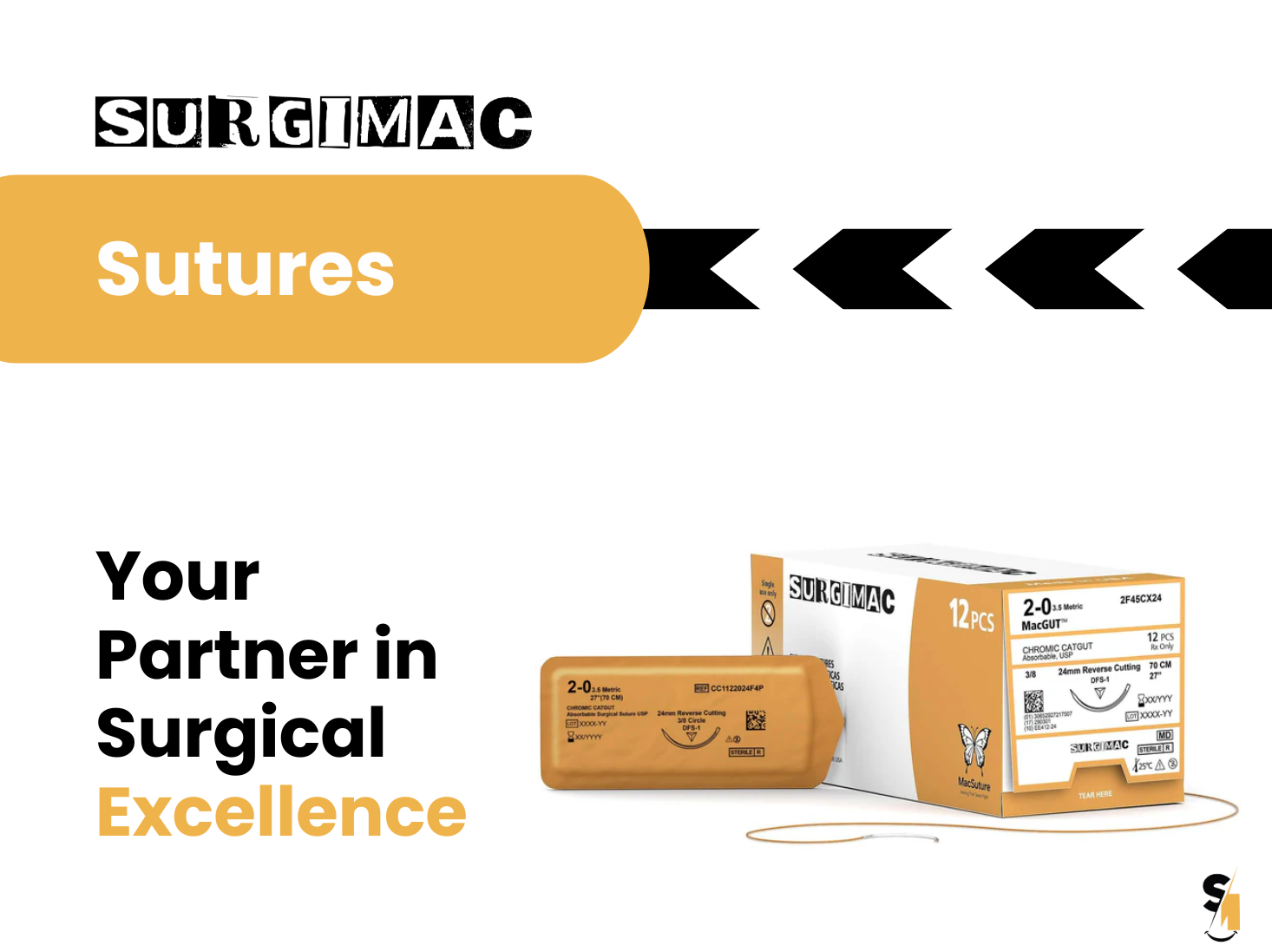
, by SurgiMac A Clinician's Guide to Absorbable Suture Material
-
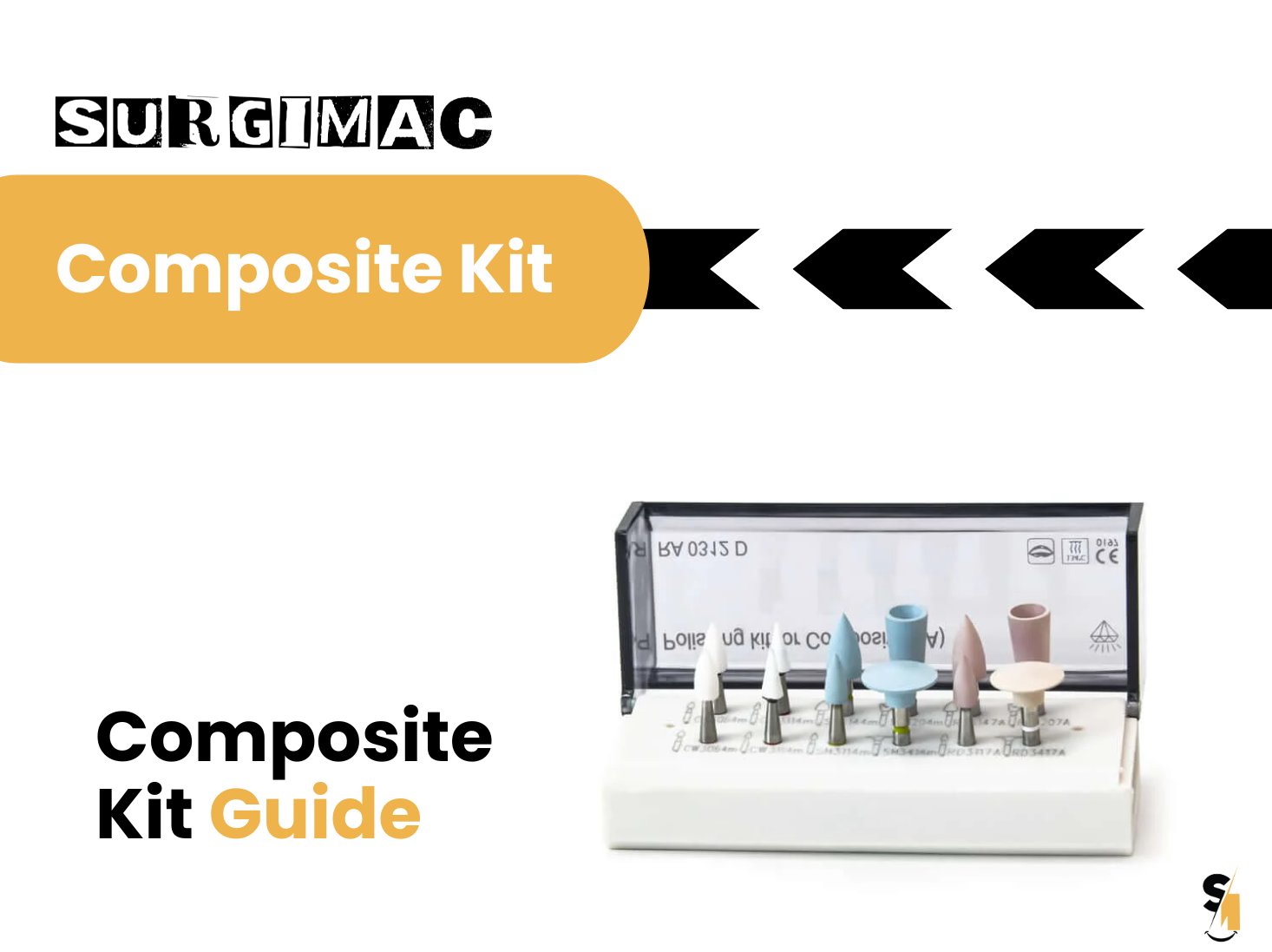
, by SurgiMac A Clinician's Guide to Dental Composite Resin Kits
-
, by SurgiMac How to Disinfect with Metrex CaviWipes Correctly
