
Stop the Bleeding: 5 Procurement Leaks Draining DSO Margins in 2026
- , by Marketing SurgiMac
- 10 min reading time
DSOs just survived one of the most volatile economic periods in recent memory. Between 2024 and 2025, they fought inflation and tariffs head-on, negotiating harder, finding alternative suppliers, and implementing rigorous cost controls. As we analyzed in our 2025 article, tariffs and inflation were creating significant cost pressures across the dental supply market, and we explored potential solutions.
That volatility isn't over. On February 20, 2026, the Supreme Court struck down emergency tariffs imposed under the International Emergency Economic Powers Act, invalidating over $160 billion in collections. Within hours, a 10% universal tariff was implemented under a different statutory authority (Section 122 of the Trade Act of 1974), maintaining the baseline rate but under a 150-day time limit requiring Congressional authorization for extension. The practical effect? Tariffs remain in place under a different legal framework. Refund timelines are uncertain and will likely require litigation. Supply costs remain elevated. For procurement teams trying to build reliable budgets and supplier relationships, the constant legal and policy shifts create planning chaos.
The Hidden Opportunity
This is the reality DSOs face: external forces beyond their control. Trade policy evolves. Regulations change. Legal challenges proceed. But procurement efficiency is entirely controllable. Most DSOs leave money on the table not because they negotiate poorly, but because they don't see where the real waste occurs. Hidden inefficiencies - from brand premiums to service delays to multi-layer markups - quietly erode margins. While legal challenges and policy shifts dominate headlines, these operational leaks drain resources every single day. They're fixable, measurable, and entirely within your control.
The Five Hidden Leaks Draining Your Margins
Think of these leaks as a diagnostic framework. Most DSOs are bleeding from at least three of them, often all five simultaneously.
Leak #1: The Brand Tax
Many national-brand dental products command premium prices despite being manufactured in the same facilities as private-label alternatives. The price difference isn't better clinical performance; it's marketing budgets and legacy relationships. Industry sources confirm that most dental consumables are produced through contract manufacturing, where a single facility produces materials for multiple distributors. Some get branded labels, others get private labels, but the clinical performance is identical.
FDA bioequivalence standards ensure that manufacturer-direct brands deliver the same clinical outcomes as national brands across gloves, instruments, impression materials, and wound closure products. Yet procurement teams frequently default to familiar names, leaving significant savings on the table. Multiply this across high-volume categories and multiple locations, and brand premiums become one of the costliest procurement leaks.
Leak #2: Multi-Layer Distribution Markup
Traditional distribution models stack costs at every level. The manufacturer produces the product. National distributor adds markup. Regional distributor adds another markup. By the time products reach your practices, you're paying for every intermediary in the chain.
Each layer takes a percentage to cover operations, sales teams, and profit margins. When costs increase anywhere in the chain, those increases compound as they pass through each distributor. Price negotiations with your distributor only address their final markup. The accumulated cost structure from all the layers underneath remains unchanged.
Leak #3: Service Gaps and Response Time
When distributors take 3-5 business days to process and ship orders, practices run low on supplies and face tough choices: wait and risk stockouts, or pay premium prices for rush delivery. Large national distributors operate at scale, which brings buying power but can compromise service responsiveness. Orders enter queues. Account reps manage dozens of practices simultaneously. What feels urgent to your office is routine to them. The result: longer lead times, occasional stockouts, and expedite fees that can add 20-50% to order costs when emergencies arise.
Geography plays a role, too. When suppliers operate from centralized distribution centers far from your locations, standard delivery can take a week or more. This forces practices into a trade-off: either maintain higher inventory levels as a buffer or accept the risk of occasional stockouts and rush orders.
Leak #4: Maverick Spending
Decentralized DSO structures give practice managers autonomy to solve immediate problems. When approved suppliers are out of stock or delivery takes too long, practice managers find alternatives - often paying premium prices from whoever has inventory available today.
The costs multiply: lost volume discounts from corporate contracts, inventory chaos with multiple SKUs for identical items, and pricing inconsistency across locations.
Practice managers don't bypass approved suppliers by choice - they do it when those suppliers can't deliver. Tighter purchasing rules won't fix this. The real solution is making the approved supplier so reliable and responsive that there's no reason to look elsewhere.
Leak #5: Inventory Carrying Costs and Waste
When suppliers take a week or more to deliver, practices compensate by stockpiling. Bulk orders capture volume discounts but tie up working capital, consume storage space, and risk expiration before use. The real cost isn't just the inventory itself. It's the working capital unavailable for practice expansion, equipment upgrades, or competitive staff compensation.
The problem stems from unreliable delivery. Practices hoard inventory because they can't trust their suppliers to deliver quickly when needed. Fast, reliable replenishment eliminates the need for safety stock. When orders arrive in 2-3 days instead of 10-14 days, practices can order what they need, when they need it.
Why 2026 Demands Action Now
The five leaks aren't just inefficiencies; they're competitive vulnerabilities in an increasingly unforgiving market. The DSO consolidation wave continues, with corporate DSOs expected to control 60-70% of U.S. practices within five years. The margin between thriving and struggling comes down to operational excellence, and procurement is one of the largest controllable cost centers.
Consider the competitive implications. For a DSO with $50 million in annual revenue, a seemingly small 1% leak in procurement efficiency equates to $500,000 in lost EBITDA. At a 12x valuation multiple, that "hidden leak" just wiped $6 million off your enterprise value.
The flip side: capturing that efficiency creates $6 million in value. These funds multiple practice acquisitions, equipment upgrades across your network, or competitive staff retention programs. DSOs with optimized procurement aren't just saving money. They're building enterprise value.
The SurgiMac Solution: Manufacturer-Direct Model
As a manufacturer-distributor, SurgiMac is uniquely positioned to address these procurement challenges. The integrated model tackles each of the five leaks systematically.
Eliminating the Middleman Markup
Unlike traditional distributors, SurgiMac manufactures proprietary brands:
- MacSafe - PPE and protective equipment
- Air Series - Dental instruments
- MacSuture - Wound closure products
-
MacBite - Impression materials
This manufacturer-direct model delivers three key advantages:
- Quality control becomes intrinsic - No dependence on external factories for consistency
- Middleman markup eliminated - Direct production cuts out distributor layers
- 20-30% cost savings - Comparable to national brands without compromising clinical performance
Quality Without the Brand Tax
Manufacturing control ensures batch-to-batch consistency. Clinical testing demonstrates that SurgiMac products meet or exceed the performance standards of national brands. We stand behind every product with our quality guarantee - your investment is protected, and you can order with confidence. You get clinical excellence without paying for marketing budgets and legacy brand premiums.
Preventing Maverick Spending Through Integration
The DSO portal connects with platforms like Dentira, allowing practice managers to see SurgiMac's discounted pricing within their familiar workflow. Custom formularies with pre-approved products create guardrails while maintaining ordering flexibility. 24/7 digital access reduces the temptation to order from unauthorized sources.
Tariff Protection Through On-Shore Manufacturing
On-shore manufacturing insulates critical supplies from trade policy volatility while enabling faster delivery. With 98% of orders arriving within two business days, DSOs can place smaller orders more frequently, reducing inventory carrying costs and freeing up working capital.
One Strategic Partner Replacing Many
The SurgiMac's comprehensive catalog addresses tail spend consolidation. One strategic partnership with SurgiMac can cover gloves, instruments, impression materials, wound closure products, barriers, and more.
Beyond Products: Service That Eliminates Procurement Friction
At SurgiMac, customer service isn't a policy; it's how we operate. While large distributors treat service as a cost center to minimize, we recognize that responsive, personalized support directly impacts your procurement efficiency. When your practice manager calls with an urgent need, they reach a real person who knows your account and can solve problems on an urgent basis.
This directly impacts procurement efficiency. Less time spent managing supplier issues and responsive support reduces the frustration that leads to maverick spending in the first place.

The Choice Is Clear
Last year taught DSOs how to navigate tariffs and inflation through smart adaptation. This year demands procurement excellence to thrive despite ongoing economic uncertainty. Hidden leaks from brand premiums to service delays to multi-layer markups quietly erode margins.
The good news: these leaks are identifiable and fixable using available technology and strategic partnerships. You don't need to solve this alone.
SurgiMac's manufacturer-direct model addresses all five leak categories systematically. Direct manufacturing eliminates brand tax and multi-layer markup. Fast, responsive service solves delivery delays. Integration and support prevent maverick spending. Reliable replenishment reduces inventory waste.
Implementation happens in 48-72 hours, not months.
Visit SurgiMac's DSO Program page to learn more.
Your margins are too important to leave money on the table. Because in 2026, thriving DSOs won't be the ones with the lowest invoice prices. They'll be the ones with the smartest procurement strategies.
References
- https://www.healthcaredive.com/news/healthcare-supply-chain-pharmacy-costs-rise-2025-report/738928/
- https://idataresearch.com/dental-us-tariffs-2025-whos-losing-whos-gaining/
- https://adanews.ada.org/ada-news/2025/march/ada-joins-coalition-opposing-widespread-tariffs-on-dental-products/
- https://procurementmag.com/news/zycus-ibm-tackling-tail-spend
- https://www.npifinancial.com/news/new-npi-research-reveals-how-ai-vendor-consolidation-and-rising-costs-are-reshaping-enterprise-it-sourcing-in-2025
- https://www.oecd.org/en/publications/2025/12/oecd-economic-outlook-volume-2025-issue-2_413f7d0a.html
- https://www.lek.com/insights/hea/us/ar/outlook-us-dental-industry-drilling-root-market
- https://www.globalgrowthinsights.com/market-reports/dental-service-organizations-dso-market-121883
Blog posts
-
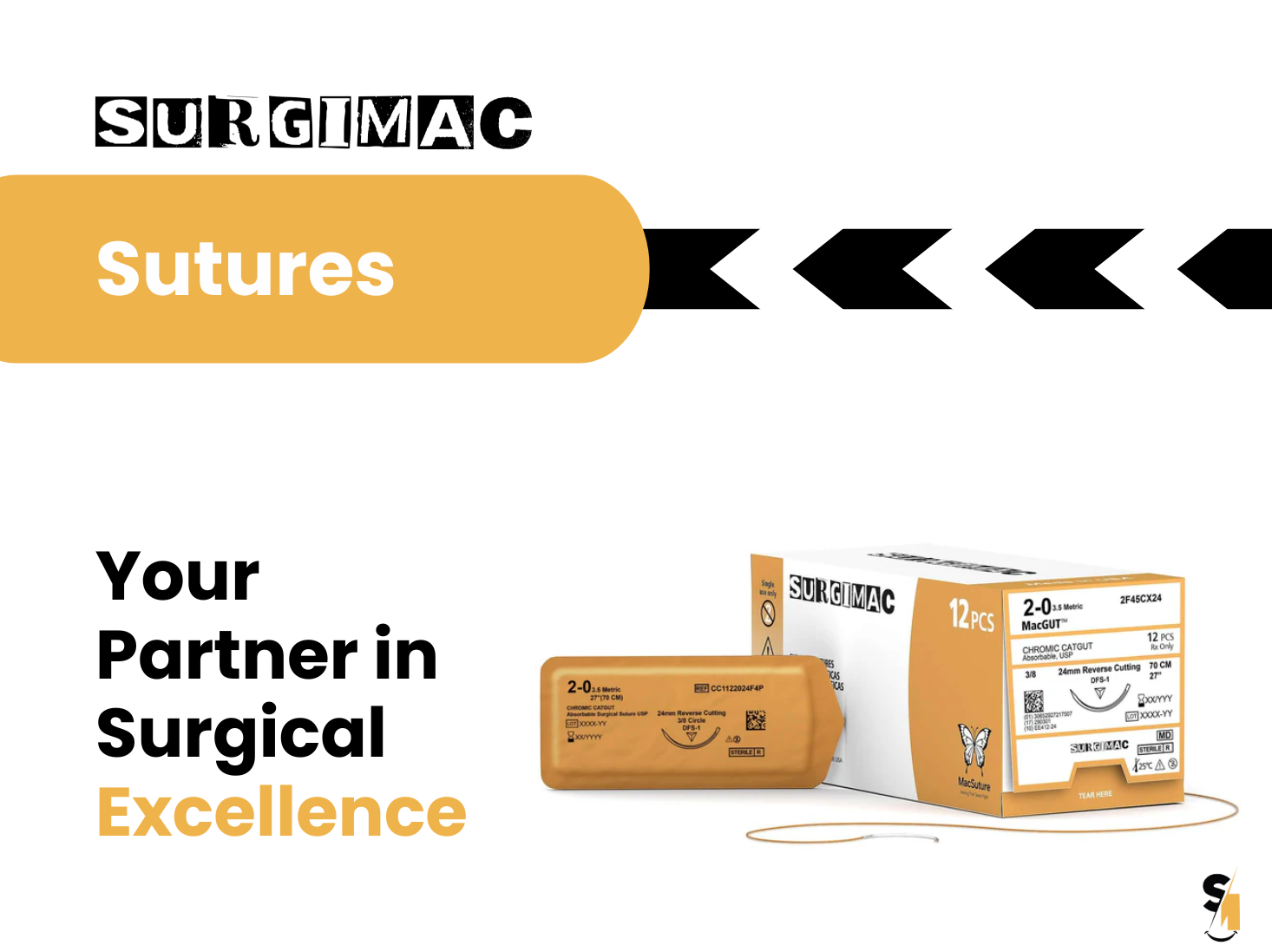
, by SurgiMac A Clinician's Guide to Absorbable Suture Material
-
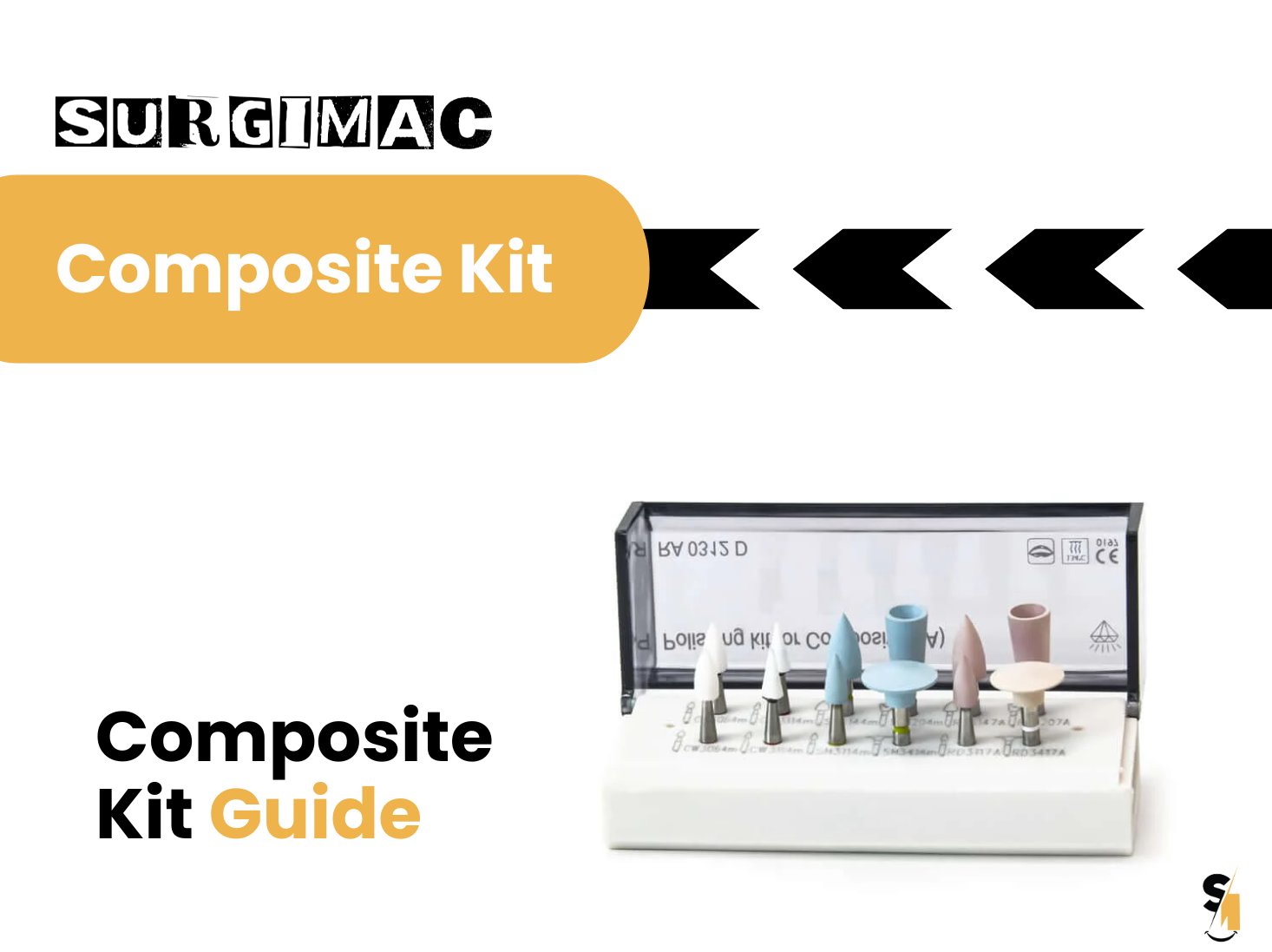
, by SurgiMac A Clinician's Guide to Dental Composite Resin Kits
-
, by SurgiMac How to Disinfect with Metrex CaviWipes Correctly
