
How Technology Patient Care is Shaping Dentistry
- , by SurgiMac
- 31 min reading time
Stay ahead with 8 key emerging trends in dentistry, including technology patient care, digital workflows, and sustainable materials for modern practices.
The very foundation of our clinical work—the materials we use—is undergoing a major shift. Patients are driving this change, seeking biocompatible, aesthetic, and sustainable options. Meeting these expectations requires more than just new materials; it demands a smarter approach to technology patient care. This means integrating advanced ceramics and eco-conscious products into our daily workflow. The principle extends to our instruments, too. Choosing durable, reusable tools from sustainable sources, like our Eco Series, reduces waste and reflects a commitment to responsible care. This guide covers the innovative materials and tools setting new standards for quality and safety in modern dentistry.
Key Takeaways
- Embrace Technology to Enhance Efficiency and Precision: Adopt tools like AI-powered diagnostics, in-office 3D printing, and cloud-based software to streamline workflows, improve clinical outcomes, and satisfy patient demand for faster, more accurate care.
- Focus on the Modern Patient Experience: Build loyalty by meeting expectations for convenience and transparency. Offer digital communication, flexible subscription models, and sustainable practices to show you value your patients' time and overall well-being.
- Support Your Team for Long-Term Success: Address staffing challenges by creating a supportive culture with flexible schedules and investing in high-quality, ergonomic instruments like the Air Series to reduce physical fatigue and improve procedural efficiency.
What Technologies Are Shaping Modern Dentistry?
The tools we use every day are getting smarter, faster, and more integrated. Technology isn't just changing the way we manage our practices; it's fundamentally improving how we diagnose conditions, plan treatments, and deliver patient care. Staying current with these advancements is key to running an efficient, modern practice that meets rising patient expectations. From artificial intelligence that spots issues the human eye might miss to 3D printers that create same-day restorations, the right technology can make a significant difference in your clinical outcomes and workflow. Let's look at three key areas where technology is making the biggest impact.
See Clearer with AI-Powered Diagnostics
Artificial intelligence is quickly becoming an essential partner in the operatory. AI-powered software can analyze radiographs with incredible precision, helping to identify caries and periodontal issues earlier and more accurately than ever before. Studies show AI can achieve up to 98% accuracy in detecting cavities, acting as a second set of eyes to confirm your findings and support treatment planning. This technology not only speeds up the diagnostic process but also serves as a powerful patient communication tool, allowing you to visually demonstrate the need for treatment. While AI enhances diagnostics, the execution of care still relies on your skill and the quality of your dental instruments, ensuring that AI-driven insights are translated into precise, effective treatment.
Create Same-Day Solutions with 3D Printing
The days of multi-week waits for crowns or bridges are numbered thanks to in-office 3D printing. This technology allows practices to offer same-day dentistry, a massive value-add for patients. By combining intraoral scans with in-house printing capabilities, you can design, print, and place restorations like crowns, veneers, and surgical guides in a single appointment. This streamlines the entire restorative process, eliminates the need for temporary restorations, and improves overall efficiency. The foundation of a perfect 3D-printed restoration is a flawless digital model, which starts with an accurate scan or impression. Using a high-quality material like MacImpress VPS ensures every detail is captured with exceptional stability, providing the perfect input for your digital workflow.
How Scanners Perfect Your Digital Workflow
Intraoral scanners are central to the modern digital practice. These handheld wands quickly capture detailed 3D images of a patient's mouth, replacing the need for messy and uncomfortable traditional impression trays. The result is a highly accurate digital model that can be used for everything from treatment planning to creating restorations with a 3D printer or milling machine. This technology improves the patient experience and integrates seamlessly with practice management software, creating a cohesive digital workflow from diagnosis to final restoration. As you handle this sophisticated equipment, maintaining strict infection control protocols is critical. Using reliable surface disinfectants and barriers ensures your technology remains a safe and effective part of your practice.
Engage Patients Beyond the Clinic with Remote Monitoring
The concept of patient care is expanding beyond the four walls of the clinic. Telehealth and remote patient monitoring (RPM) are creating new ways to support patients between appointments, making care more convenient and continuous. In dentistry, this could mean using digital tools to track orthodontic adjustments, monitor healing after a surgical extraction, or manage chronic periodontal conditions from afar. This approach not only makes healthcare more accessible but also keeps patients more involved in their own treatment, leading to better adherence and outcomes. While technology facilitates the monitoring, the success of the initial procedure still depends on the quality of the materials used in-office, such as reliable MacSuture products that ensure optimal healing from the start.
Manage Patient Anxiety with Virtual Reality
Dental anxiety is a significant barrier to care for many patients, but technology offers a compelling solution. Virtual Reality (VR) is emerging as a powerful tool to manage pain and anxiety by immersing patients in calming, distracting environments during procedures. A serene virtual beach or a peaceful forest can make a routine filling or even a more complex treatment feel less intimidating. When a patient is relaxed and still, it allows you to work more efficiently and with greater focus. This calm environment helps you get the most out of your precision instruments, like those in our Titanium Black Series, which are designed to reduce glare and enhance visibility for meticulous work.
How AI is Redefining Dental Diagnostics and Treatment
Artificial intelligence is no longer a far-off concept—it's a practical tool that’s reshaping modern dentistry. From interpreting diagnostic images to streamlining your front office, AI is creating opportunities for greater precision, efficiency, and improved patient outcomes. By analyzing vast amounts of data faster than the human eye, AI algorithms can identify subtle patterns that might otherwise be missed, offering a second set of eyes to support your clinical judgment.
This technology helps you make more informed decisions at every stage of the patient journey. In the operatory, it enhances your ability to diagnose conditions early and plan treatments with greater confidence. Behind the scenes, it automates routine administrative tasks, freeing up your team to focus on what matters most: patient care. Integrating AI doesn’t replace your expertise; it complements it, allowing you to work smarter and provide an even higher standard of care with the best dental equipment and supplies at your disposal.
Catch Problems Sooner with AI Disease Detection
One of the most significant impacts of AI is its ability to enhance diagnostic accuracy. AI-powered software can analyze radiographs with incredible precision, detecting caries and periodontal disease at their earliest stages—sometimes before they are visible to the naked eye. Studies show AI can identify cavities with up to 98% accuracy, giving you a powerful tool for proactive intervention. This early detection allows for more conservative treatment plans, preserving more of the natural tooth structure and preventing minor issues from becoming complex problems. When you can diagnose with such confidence, you need instruments that deliver equally reliable performance, like our Titanium Black Series, which reduces glare for enhanced visibility during delicate procedures.
Set Clear Expectations with AI Outcome Predictions
Beyond diagnostics, AI is becoming an invaluable partner in treatment planning. By analyzing 3D scans and patient data, AI algorithms can predict the outcomes of various procedures, from restorative work to complex surgeries. This technology can reliably map tooth roots, measure bone density for implants, and simulate the results of an orthodontic plan. This predictive insight helps you set clear expectations with patients and choose the most effective clinical pathway. When your AI-driven plan calls for surgical intervention, you can depend on the ergonomic design of our Hexa Series instruments to provide the control and precision needed for predictable results.
Streamline Your Practice with Automation
AI’s benefits extend far beyond the clinical setting. It’s also streamlining the administrative side of your practice, automating tasks that traditionally consume significant time and resources. AI-driven software can manage appointment scheduling, send patient reminders, verify insurance eligibility, and process billing. By handling these routine responsibilities, automation frees up your front-office staff to focus on higher-value interactions, like building patient relationships and ensuring a smooth office experience. This operational efficiency is supported by a well-stocked and organized practice, where essential supplies like MacSafe infection control products are always within reach, keeping your workflow seamless.
What is Teledentistry's Role in Patient Care?
Teledentistry is no longer a futuristic concept—it's a practical tool that has become a standard part of modern patient care. By leveraging secure video conferencing and digital communication, practices can offer consultations, assessments, and follow-up care remotely. This approach isn't about replacing in-person visits but rather enhancing them. It allows you to triage urgent cases, make dental care more accessible for patients with mobility or scheduling challenges, and streamline your practice’s workflow. Integrating teledentistry helps you connect with patients more frequently and conveniently, building stronger relationships and improving overall oral health outcomes. It’s a strategic way to extend your reach and provide a higher level of service.
Connect with Patients Anywhere, Anytime
One of the most significant advantages of teledentistry is the ability to conduct virtual consultations and initial assessments. These online appointments allow you to speak with patients face-to-face to discuss their concerns, evaluate non-emergency issues, and determine the best course of action. According to industry analysis, this approach helps patients feel more comfortable and can reduce unnecessary office visits, saving time for both the patient and your staff. For example, a patient with a toothache can show you the area virtually, allowing you to triage their condition and decide if they need an immediate emergency appointment or a standard check-up. This initial screening ensures that your in-office time is reserved for patients who require hands-on clinical care with precise diagnostic instruments.
Why Remote Care Builds Stronger Patient Relationships
Convenience is a major factor in patient satisfaction and retention. Teledentistry meets this demand by making dental care fit more seamlessly into your patients' busy lives. Virtual visits have become a go-to for a variety of scenarios, including post-operative follow-ups, initial cosmetic dentistry screenings, and orthodontic progress checks. This flexibility makes patients more likely to stay engaged with their treatment plans and attend follow-up appointments. When a patient knows they can quickly check in with you after a procedure that required MacSuture sutures without taking a full day off work, they feel more supported and valued. This consistent contact builds trust and reinforces your practice’s commitment to their long-term health.
Gain Real-Time Insights with Wearable Tech
The next frontier in remote care involves integrating data from patient wearables. As patients seek more flexible healthcare options, smart devices like electric toothbrushes with sensors can provide real-time data on their oral hygiene habits. This information can be shared with your practice, offering a clear picture of their daily routine between appointments. During a virtual consultation, you can use this data to provide highly personalized feedback and coaching, turning a routine check-in into a powerful educational opportunity. This proactive approach helps identify potential issues before they escalate, allowing for early intervention. When a patient does come in for a cleaning, this data can guide your hygienists to focus on specific areas, using ergonomic tools like our Air Series instruments for targeted, effective care.
How Are Patient Expectations Changing?
Today’s patients view their dental care through the same lens they use for every other service: they expect convenience, transparency, and a personalized touch. The clinical quality of your work is the foundation, but the overall patient experience is what builds loyalty and sets your practice apart. From the moment they book an appointment to their follow-up care, patients are looking for a seamless and comfortable journey. Meeting these evolving expectations requires a focus not just on clinical outcomes, but on the efficiency and feel of your entire practice workflow.
How to Deliver Personalized and Convenient Care
Patients want their dental visits to be as quick and comfortable as possible. Long wait times and multiple appointments for a single issue are becoming less acceptable. This is where efficient workflows and advanced technology become critical. By adopting tools that streamline procedures, you can reduce chair time and improve patient comfort. High-quality, ergonomic instruments, like those in our Air Series collection, are designed for superior balance and control, allowing you to work with greater precision and speed. This efficiency directly translates into a better, more convenient experience that modern patients appreciate and remember.
Empowering Patients with Access to Their Health Data
Modern patients want to be active participants in their healthcare, not just passive recipients. Technology makes this possible by providing secure, easy access to their own health information through patient portals, where they can view treatment plans, see digital radiographs, and review post-operative instructions. This level of transparency demystifies dental care and builds significant trust. When patients can see the “why” behind your recommendations, they are more empowered to make informed decisions about their treatment. This engagement often leads to higher case acceptance and better adherence to home care routines, ultimately improving clinical outcomes and strengthening the patient-provider relationship.
Could a Subscription Model Work for Your Practice?
Financial uncertainty can be a major barrier to consistent dental care. Patients increasingly want clear, predictable costs, and in-house subscription models are a direct response to this need. These plans typically cover preventive care for a fixed monthly or annual fee and offer discounts on other treatments. This approach removes the guesswork of insurance claims and surprise bills, making it easier for patients to budget for their oral health. For your practice, it creates a stable, recurring revenue stream and encourages patient loyalty by keeping them engaged with routine care, as noted in recent dental industry trends.
Simple Ways to Improve Your Digital Patient Experience
Your practice’s digital presence is now its front door. Patients expect the convenience of online booking, digital forms, and clear communication through text or email. Teledentistry is also playing a larger role, offering a practical way to conduct initial consultations, follow-ups, and triage emergencies without an in-office visit. This not only saves the patient time but also helps your team manage schedules more effectively. Integrating practice management software ensures your team can share information seamlessly, creating an organized environment that patients can feel. This digital-first approach, backed by rigorous infection control protocols, builds trust and shows you value your patients' time and safety.
How to Address Today's Staffing Challenges
It’s no secret that finding and keeping great clinical staff is one of the biggest hurdles for dental practices right now. The ongoing shortage of hygienists and assistants has put a strain on operations, making it harder to meet patient demand and maintain a positive work environment. But this challenge also presents an opportunity to rethink how we attract, support, and retain top talent. By focusing on creating a workplace that values its team members and equipping them with the right tools, you can build a resilient practice that thrives.
The key is to take a multi-faceted approach. It starts with understanding the depth of the professional shortage and what today’s clinicians are looking for in an employer. From there, you can implement changes—like offering more flexible work arrangements and competitive benefits—that make your practice stand out. Finally, leveraging technology like AI and providing high-quality, ergonomic instruments can reduce administrative burdens and physical strain, allowing your team to focus on what they do best: providing excellent patient care.
How to Thrive During a Staff Shortage
The numbers paint a clear picture of the current staffing crisis. Recent data shows that the dental industry is facing a significant shortage, with 95% of dentists reporting challenges in hiring hygienists and 87% struggling to find dental assistants. This isn't just an inconvenience; it's impacting the bottom line, leading to an estimated 11% reduction in practice capacity across the nation. To counter this, practices must become employers of choice. This means moving beyond simply filling a role and instead focusing on building a supportive culture where skilled professionals can build a long-term career. Understanding the scale of this shortage is the first step toward creating proactive, effective retention strategies.
Why Flexibility and Benefits Attract Top Talent
In a competitive hiring market, compensation is only part of the equation. Today’s dental professionals are looking for a better work-life balance, and practices that recognize this have a distinct advantage. Consider implementing flexible work schedules, such as four-day workweeks or varied shift times, to accommodate different needs. Enhancing your benefits package with offerings like improved health insurance, retirement plans, and paid time off can also make a significant difference. For immediate needs, partnering with specialized dental staffing agencies can help fill temporary gaps while you search for the right permanent team members. These adjustments show current and prospective employees that you value their well-being, which is crucial for long-term loyalty.
How AI Can Be Your Team's Best Assistant
Technology can be a powerful ally in easing the burden on your existing team. Artificial intelligence is no longer a futuristic concept; it’s a practical tool that can automate routine office tasks, from appointment scheduling to managing patient communications. This frees up your staff to concentrate on more complex, patient-facing responsibilities. Similarly, equipping your team with high-quality, ergonomic instruments can significantly reduce physical fatigue and improve efficiency. Tools from our Air Series and Slim Series are designed for superior balance and comfort, helping to minimize strain during long procedures. By investing in technology and tools that support your staff, you create a more sustainable and productive work environment.
Using Virtual Roles to Reduce Administrative Burden
Beyond the operatory, technology is transforming the front office. AI-driven software and virtual assistants can take over many of the repetitive, time-consuming tasks that bog down your administrative team. Think about appointment scheduling, patient reminders, insurance eligibility verification, and even initial billing processes. By automating these routine responsibilities, you streamline the administrative side of your practice and free up your front-office staff. This allows them to focus on higher-value interactions, like building patient relationships, explaining treatment plans, and ensuring a smooth, welcoming office experience from the moment a patient walks in.
Preventing Staff Burnout with Efficient Technology
The physical and mental demands of clinical work can lead to significant staff burnout. Technology can help alleviate this strain by creating a more efficient and supportive work environment. By taking over routine tasks, automation reduces the administrative burden on your team, allowing them to focus more on patient care. Just as importantly, investing in high-quality, ergonomic instruments can significantly reduce the physical fatigue that accumulates over a long day. Instruments from our Pro Series, for example, are crafted from premium-grade stainless steel and designed for optimal balance and accuracy, which helps minimize hand and wrist strain. Providing your team with the right tools shows you value their well-being and is a critical step in building a resilient, long-lasting practice.
What New Materials Are Changing Dentistry?
The materials and tools you use every day are undergoing a significant transformation. Driven by demands for better patient outcomes, greater efficiency, and improved practitioner well-being, the field of dental materials is rapidly advancing. These innovations aren't just about new compounds; they represent a shift in how procedures are planned, executed, and experienced by both you and your patients. From advanced ceramics that mimic natural teeth to digital workflows that guarantee a perfect fit, the right materials are fundamental to modern clinical success.
This evolution also extends to the very instruments in your hands. As procedures become more complex, the need for tools that reduce fatigue and enhance precision has never been more critical. Understanding these material and design trends is key to keeping your practice at the forefront of dental care, ensuring you can deliver the best results with confidence and comfort.
Why Biocompatible Materials Are the New Standard
Patient expectations have moved beyond simple function; they now demand restorations that are both durable and aesthetically pleasing. This has fueled the rise of biocompatible materials, particularly advanced ceramics like zirconia and hybrid composites. These materials offer excellent strength and a natural-looking translucency that blends seamlessly with existing dentition. More importantly, their biocompatibility minimizes the risk of allergic reactions or tissue irritation, making them a safer choice for a wider range of patients. As research continues, these innovations in materials are setting a new standard for restorative dentistry, allowing you to provide solutions that are as beautiful and comfortable as they are strong.
Get Perfect Impressions, Every Time
The move toward digital workflows is revolutionizing how restorations are created, and it all starts with the impression. Digital scanning technology captures incredibly accurate and detailed images of a patient's intraoral anatomy, eliminating the distortions common with traditional methods. This precision leads to better-fitting crowns, bridges, and implants, significantly reducing the need for chairside adjustments. While digital scanning is becoming more common, the need for high-quality conventional impression materials remains. For cases requiring a physical model, using an advanced Vinyl Polysiloxane (VPS) material like MacImpress ensures you achieve exceptional accuracy and dimensional stability, providing a flawless foundation for any restoration.
Why Ergonomic Instrument Design Matters
Long hours and repetitive motions can take a toll on any dental professional, leading to fatigue and musculoskeletal strain. That’s why ergonomic instrument design has become a critical focus in the industry. Well-designed instruments are not just about comfort; they are about extending careers and improving clinical outcomes. Tools that are lightweight, balanced, and feature thoughtful grip designs allow for greater tactile sensitivity and control during delicate procedures. SurgiMac’s Air Series instruments, for example, are crafted to provide flawless balance and reduce hand fatigue. By prioritizing ergonomics, you can enhance your precision, work more efficiently, and protect your most valuable asset—your own well-being.
Addressing the Challenges and Risks of Dental Technology
While integrating new technology brings incredible benefits, it’s important to approach it with a clear understanding of the potential challenges. Adopting new tools isn't just about the initial investment; it's about managing how they fit into your existing workflow, how your team adapts, and how they impact patient care. Every new piece of software or equipment introduces a learning curve and the possibility of new, unforeseen problems. Acknowledging these risks isn't about discouraging innovation—it's about being strategic. By anticipating the downsides, you can create implementation plans that minimize disruption and ensure that technology serves as a true asset to your practice, rather than a source of frustration for your team.
Understanding the Downsides of New Implementations
New technology can be a double-edged sword. While it has the power to make patient care safer and more efficient, it can also introduce new types of errors if not managed carefully. For instance, software glitches, data entry mistakes, or a misunderstanding of how a new device operates can lead to incorrect diagnoses or flawed treatment plans. It's crucial to provide thorough training and establish clear protocols for any new system you bring into your practice. Remember, even the most advanced AI diagnostic tool is only as good as the clinical skill that follows it. The insights from technology must be translated into precise action, which always comes back to the quality and reliability of the instruments in your hands, like the dependable tools in our Pro Series.
Avoiding Alert Fatigue and Over-Reliance on Automation
Modern dental equipment and software often come with a host of notifications and alarms designed to keep you informed. However, too many alerts, especially false ones, can lead to a phenomenon known as "alarm fatigue." When your team is constantly bombarded with beeps and pop-ups, they may start to tune them out, potentially ignoring a critical warning. Similarly, there's a risk of becoming too reliant on automated systems and digital readouts. Focusing too intently on a monitor can sometimes cause clinicians to miss subtle but important visual cues from the patient. Technology should support, not replace, your clinical judgment. It’s a tool to augment your expertise, not a substitute for direct observation and professional intuition.
The Importance of Human-Centered Design in Dental Tools
When technology-related problems occur, it's often due to poor design rather than simple human error. This is why human-centered design is so critical, especially for the instruments you use all day. Tools should be created to fit the way clinicians work, not the other way around. Well-designed instruments are not just about comfort; they are about extending careers and improving clinical outcomes. Ergonomics plays a huge role here. Lightweight, balanced instruments like our Air Series reduce hand fatigue, while features like the non-glare finish on our Titanium Black Series enhance visibility. Investing in tools designed with the user in mind is a direct investment in your team's well-being and your practice's standard of care.
How Digital Tools Streamline Your Practice
Digital tools are the backbone of an efficient, modern dental practice. Integrating technology into daily operations reduces administrative burdens, minimizes errors, and frees up more time for patient care. These advancements create a more streamlined, accurate, and patient-focused environment. From managing records in the cloud to automating safety protocols and planning complex surgeries with digital precision, technology offers practical solutions to everyday challenges. Embracing these tools allows your team to work smarter, leading to better clinical outcomes and a more organized practice. Let's explore how specific digital solutions are making an impact.
Is It Time to Move Your Practice to the Cloud?
Shifting your practice management to the cloud is one of the most effective ways to improve operational efficiency. Cloud-based dental software transforms how practices handle everything from patient records to scheduling and billing. By storing data securely online, you eliminate bulky paper files and the need for on-site servers, freeing up space and reducing IT costs. Your team can access critical information from any authorized device, supporting flexible work and collaboration. This move not only makes the dental office run more efficiently but also strengthens data security and simplifies compliance, letting you focus on patients.
Improve Safety with Automated Infection Control
Automation is key to a safer, more efficient clinical environment. Automating sterilization and infection control processes reduces human error and ensures consistent compliance with safety standards. Digital tracking for instrument sterilization provides clear, auditable records, while automated reminders keep maintenance on schedule. This frees up staff from manual logging, allowing them to focus on patient-facing duties. Pairing these systems with high-quality protective supplies, like the reliable gloves and lab coats from our MacSafe collection, establishes a comprehensive approach to practice safety and hygiene.
Enhance Surgical Precision with Digital Guidance
For complex procedures like dental implants, digital tools enable a new level of precision. Guided implant surgery uses 3D imaging and digital planning software to create a precise roadmap for the procedure before it begins. This technology allows you to place implants with incredible accuracy, minimizing risks and often leading to less invasive surgery and faster patient recovery. Executing these detailed plans requires instruments that deliver exceptional control. Tools from our Hexa Series are designed for such demanding surgical applications, while our ultra-sharp MacCut surgical blades ensure clean incisions for the best possible outcomes.
What is the Future of Sustainable Dentistry?
Sustainability is more than just a buzzword; it’s becoming a core value for patients and practitioners alike. A green dental practice not only reduces its environmental footprint but also appeals to a growing base of eco-conscious patients. Looking ahead, the future of dentistry involves a thoughtful approach to materials, technology, and patient care that prioritizes long-term health for both people and the planet. This shift isn’t just about being environmentally friendly—it’s about building a more efficient, responsible, and trusted practice for the years to come. By embracing sustainable practices, you can enhance patient care, reduce operational costs, and position your clinic as a forward-thinking leader in the community.
How to Choose Eco-Friendly Dental Materials
Today’s patients are increasingly informed about their health and are actively seeking practices that use safe, natural, and biocompatible materials. This trend moves away from traditional metals toward mercury-free fillings and advanced ceramic or zirconia options. Beyond restorative materials, the instruments you use daily also play a significant role. Opting for durable, reusable tools made from sustainable sources can dramatically reduce waste. SurgiMac’s Eco Series instruments, for example, are crafted from recyclable stainless steel using eco-conscious manufacturing, allowing you to maintain clinical excellence while supporting environmental responsibility. Choosing high-quality instruments also means less frequent replacement, contributing to a more sustainable practice long-term.
Simple Ways to Integrate Green Tech
Integrating green technology is one of the most effective ways to reduce your practice’s environmental impact. Simple changes, like switching to digital patient charts, X-rays, and email or text-based billing, can significantly cut down on paper waste. Energy conservation is another key area; as industry insights suggest, using natural light, smart thermostats, and energy-efficient sterilization systems can lower both your carbon footprint and your utility bills. Adopting a digital workflow for impressions with materials like MacImpress also minimizes the physical waste associated with traditional methods. These tech-forward adjustments create a more streamlined, modern, and sustainable practice that patients will appreciate.
What is Holistic Dentistry (And Why Does It Matter)?
The concept of sustainability extends beyond materials and technology to encompass a holistic approach to patient care. Patients increasingly want a provider who understands the deep connection between oral health and overall well-being. This "one-stop" approach, where dental care is integrated with a patient's broader health picture, builds tremendous loyalty and trust. It positions you as a comprehensive health partner, not just a dentist. This philosophy aligns perfectly with sustainable practices, as it prioritizes minimally invasive treatments and preventative care, which are inherently better for both the patient and the environment. This focus on whole-body health is a powerful way to differentiate your practice and foster lasting patient relationships.
Frequently Asked Questions
Related Articles
- Surgical Instruments: A Complete Guide for 2025
- Latest News in Medical and Dental Market - SurgiMac Dental Supply
- Essential Pediatric Dental Supplies: A Checklist | SurgiMac Dental Supply
- The Truth About Dental Instruments: What Really Works! - SurgiMac Dental Supply
- You Won't Believe How Society Is Affecting Your Oral Health! - SurgiMac Dental Supply
Tags
Blog posts
-
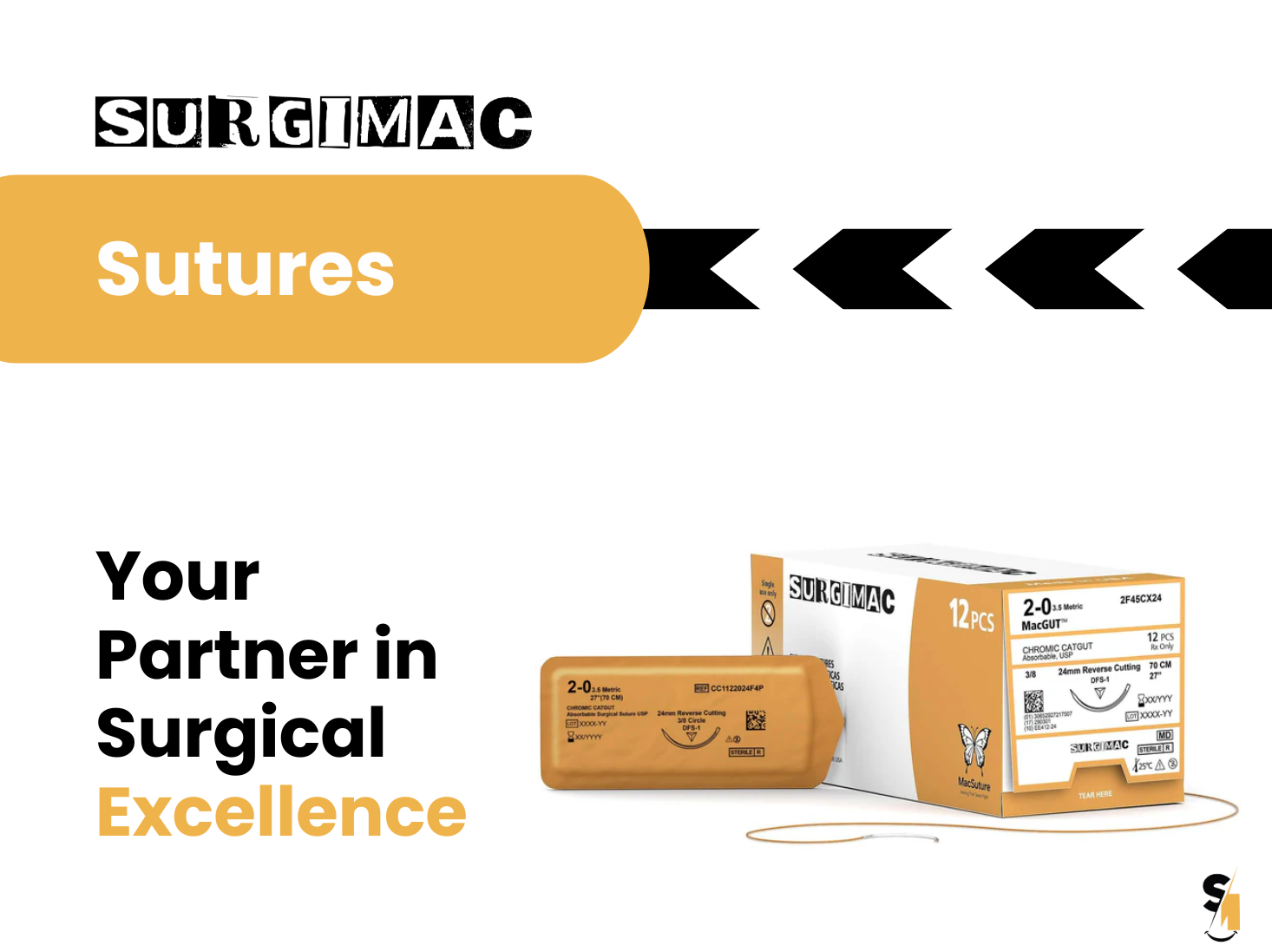
, by SurgiMac A Clinician's Guide to Absorbable Suture Material
-
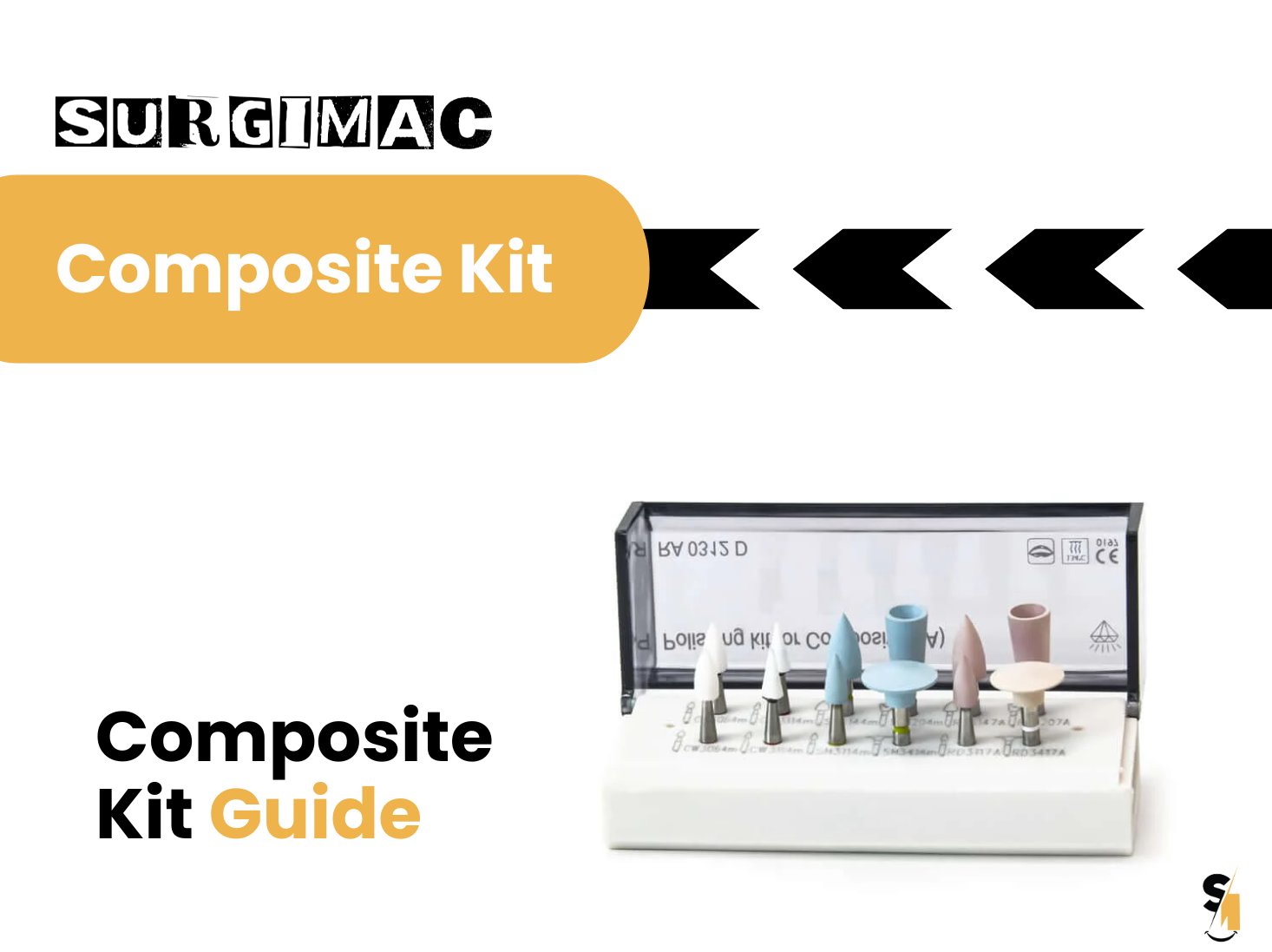
, by SurgiMac A Clinician's Guide to Dental Composite Resin Kits
-
, by SurgiMac How to Disinfect with Metrex CaviWipes Correctly
