
A Clinician's Guide to Dental Carbide Burs
- , by SurgiMac
- 35 min reading time
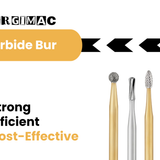
Carbide Burs Dental 101 covers types, uses, and maintenance tips for dental professionals seeking efficient, precise results in every procedure.
Your patients might not know what a carbide bur is, but they certainly feel its effects. The right bur means a quick, comfortable procedure—not a lengthy, unpleasant one. A high-quality instrument reduces vibration, minimizes heat, and removes material more efficiently. This translates directly to less chair time and greater patient comfort. The precision of the carbide burs dental professionals choose also leads to better-fitting restorations and healthier long-term outcomes. With trusted instruments from SurgiMac, that standard of excellence is always within reach. This guide explores how selecting the best carbide burs is a critical part of a patient-centric practice.
Key Takeaways
- Select the Right Bur for the Job: Your procedural success hinges on choosing the correct bur shape and design for each specific task, whether you're performing bulk reduction for a crown prep or delicately finishing a composite restoration.
- Invest in Quality for Predictable Results: Premium carbide burs offer superior cutting efficiency and durability, providing better long-term value than lower-cost options. Sourcing reliable instruments from a trusted supplier like SurgiMac ensures consistent performance and enhances patient comfort.
- Adhere to a Strict Maintenance Protocol: Proper cleaning, sterilization, and storage are critical for extending the life of your burs and ensuring patient safety. Regularly inspect burs for signs of wear and replace them proactively to maintain clinical excellence.

What Exactly Are Dental Carbide Burs?
As essential tools in any dental practice, carbide burs are the workhorses for a wide range of procedures. From preparing a tooth for a filling to adjusting a final restoration, their performance directly impacts the quality of your work and your patient's experience. Understanding their composition, benefits, and how they compare to other types of burs is the first step in selecting the right instrument for every clinical situation.
The Anatomy of a Dental Bur: Head, Neck, and Shank
Every dental bur, regardless of its specific function, is composed of three distinct parts that work together to ensure efficient and precise performance. The first is the head, which is the working end of the instrument. It contains the cutting blades on a carbide bur or the abrasive particles on a diamond bur. The shape and design of the head determine the bur's specific application, from cavity preparation to crown cutting. Connecting the head to the shank is the neck, a tapered section that provides clearance and visibility during procedures. Finally, the shank is the long, straight portion that fits securely into the dental handpiece, ensuring stable rotation and control. Understanding this basic anatomy is the first step in selecting the right dental bur for any clinical task.
Understanding Bur Cuts: Single-Cut vs. Double-Cut
When selecting carbide burs, the "cut" refers to the configuration of the flutes on the bur's head, which dictates how it removes material. A single-cut bur features one spiral flute and is designed for rapid, aggressive material removal. It’s highly effective on harder materials, making it a great choice for tasks like sectioning a tooth or preparing a tooth for a crown. In contrast, a double-cut (or cross-cut) bur has a second set of flutes running in the opposite direction. This design produces smaller chips, offers greater operator control, and leaves a much smoother surface finish. Double-cut burs are ideal for finishing restorations, contouring, and working on softer materials where a delicate touch is required. Having a selection of both single and double-cut carbide burs ensures you have the right tool for both bulk reduction and fine detailing.
What Are Carbide Burs Made Of?
A dental carbide bur is a precision-engineered instrument made from tungsten carbide, an exceptionally hard and durable material. The manufacturing process involves welding a solid piece of tungsten carbide onto a stainless-steel shank. This composite design is then shaped using advanced CNC machining to create the specific head shape and blade configuration for its intended clinical use. This method ensures the working end is incredibly strong and wear-resistant, while the shank provides stability in the handpiece. The result is a reliable tool designed for consistent cutting performance. You can explore a wide variety of these precisely crafted tools in SurgiMac’s collection of burs and drills.
The Clinical Advantages of Using Carbide Burs
The primary advantage of carbide burs lies in their predictable and efficient performance. Crafted from robust tungsten carbide, these instruments are designed to cut rather than grind, which results in a smoother surface finish on tooth structures and restorative materials. This feature is critical for achieving well-sealed margins and polished restorations. Their sharp flutes remove material quickly and cleanly, reducing chair time and minimizing heat generation, which contributes to patient comfort. This efficiency makes them indispensable for everything from cavity preparation to crown removal. The reliability of high-quality dental instruments like these allows you to work with confidence and precision.
Carbide vs. Diamond: Which Bur is Right for the Job?
While carbide, diamond, and steel burs all have a place in dentistry, they serve different functions. Steel burs are an older technology that dulls quickly. In contrast, carbide burs are three times stronger than steel, offering superior durability and maintaining their cutting edge much longer. The main clinical choice is between carbide and diamond burs. Their key difference is the mechanism of action: carbide burs cut with blade-like flutes, while diamond burs grind with abrasive particles. This makes diamond burs ideal for aggressive bulk reduction, like preparing a tooth for a crown. Carbide burs excel at producing smooth, clean cuts, making them perfect for precise cavity preparations and finishing restorations. Choosing the right instrument from your dental supplies depends entirely on the task at hand.
Composition and Material Strengths
A dental carbide bur is a precision-engineered instrument made from tungsten carbide, an exceptionally hard and durable material. The manufacturing process involves welding a solid piece of tungsten carbide onto a stainless-steel shank. This composite design is then shaped using advanced CNC machining to create the specific head shape and blade configuration for its intended clinical use. This meticulous construction ensures the working end is incredibly strong and wear-resistant, while the shank provides the necessary stability within the handpiece. The result is a reliable tool designed for consistent cutting performance, allowing you to work with confidence during every procedure.
Performance on Metal Restorations
The primary advantage of carbide burs lies in their predictable and efficient performance, especially when working with metal restorations. Crafted from robust tungsten carbide, these instruments are designed to cut rather than grind, which results in a smoother surface finish on materials like amalgam or gold alloys. This cutting action is critical for achieving well-sealed margins and polished restorations without excessive heat or vibration. The sharp flutes remove material cleanly and efficiently, making tasks like adjusting or removing old metal fillings much faster and more comfortable for the patient. This level of precision is a hallmark of quality dental instruments.
Durability and Lifespan
When it comes to longevity, carbide burs are in a class of their own. Carbide burs are three times stronger than steel, offering superior durability and maintaining their cutting edge much longer. This inherent toughness means they can withstand the rigors of daily clinical use and repeated sterilization cycles without quickly becoming dull or brittle. While proper maintenance is still essential, their extended lifespan provides excellent long-term value for your practice. Investing in high-quality carbide burs from a trusted source of dental equipment and supplies ensures you have reliable instruments that perform consistently, procedure after procedure.
How to Choose the Right Bur for Any Procedure
Selecting the right bur for a specific procedure is as crucial as the technique itself. Using the wrong instrument can lead to inefficient cutting, excessive heat generation, and subpar clinical outcomes. Each bur is designed with a specific purpose in mind, from aggressive bulk removal to delicate finishing. Understanding which bur to use for each application not only improves the quality of your work but also enhances patient comfort and saves valuable chair time. Let’s look at the primary clinical applications for carbide burs and which types are best suited for each task.
Selecting the Best Burs for Cavity Prep
Carbide burs are the go-to instrument for most cavity preparations. Their efficiency in cutting enamel and dentin makes them indispensable for everything from initial access to shaping the final prep. Round burs (sizes ¼ to 8) are excellent for creating initial entry points and removing carious dentin, while pear-shaped burs (like the 330) are ideal for creating conservative and retentive preparations for composite fillings. For smoothing walls and defining line angles, a flat-end taper or straight fissure bur provides the necessary control. Having a well-organized selection of carbide burs ensures you can handle any cavity preparation with precision and confidence.
Removing Old Fillings and Creating Undercuts
For removing old amalgam or composite restorations, nothing performs quite like a sharp carbide bur. Because they are designed to cut rather than grind, their sharp flutes slice through existing materials quickly and cleanly. This efficiency minimizes heat generation and vibration, which is a huge plus for patient comfort. A pear-shaped bur, like the 330, is perfect for sectioning an old filling for easier removal. When you need to create mechanical retention for an amalgam prep, an inverted cone bur (such as the 33 ½ or 34) is your best tool for creating precise undercuts. Using high-quality carbide burs for these tasks ensures a smoother procedure and helps preserve healthy tooth structure, which is key for the new restoration's longevity.
Your Go-To Burs for Crown and Bridge Work
Preparing a tooth for a crown or bridge requires significant, yet precise, reduction of tooth structure. The goal is to create a smooth, tapered preparation with clearly defined margins that allows for a passive fit of the final restoration. Flat-end and round-end tapered carbide burs are often used for bulk reduction, and they play a key role in refining the prep. Cylinder burs, for example, are excellent for creating straight axial walls. For defining margins, particularly for chamfer or shoulder preparations, specific margin-finishing burs provide the control needed for a perfect impression and a well-fitting crown or bridge.
Achieving a Perfect Finish with Polishing Burs
The final step in any restorative procedure is creating a smooth, seamless finish that blends with the natural tooth structure. This is where finishing burs shine. Unlike cutting burs, finishing burs have more flutes (typically 12 to 30) that are closer together. This design allows them to smooth composite materials without gouging or damaging the surface. They are perfect for contouring anatomy, removing excess restorative material, and preparing the surface for final polishing. Using the correct finishing bur after placing a restoration with dental cement is essential for achieving an esthetic, long-lasting result and preventing plaque accumulation at the margins.
Specialty Burs for Surgical and Endodontic Procedures
Surgical and endodontic procedures present unique challenges that demand highly durable and efficient burs. For surgical applications, such as sectioning a multi-rooted tooth for extraction or removing bone, specialized surgical-length carbide burs provide the necessary reach and strength. In endodontics, creating access to the pulp chamber requires a bur that can cut smoothly through enamel, dentin, and even existing restorative materials like metal or ceramic. The precision and durability of these burs are paramount. For these demanding procedures, sourcing high-quality surgical instruments from a trusted supplier like SurgiMac ensures you have reliable tools for predictable outcomes.
Surgical Burs for Extractions and Osseous Surgery
When performing surgical procedures, you need instruments that offer both reach and resilience. Surgical applications, such as sectioning a multi-rooted tooth for extraction or removing bone, require specialized surgical-length carbide burs that provide the necessary access and strength. These burs are designed with longer shanks to ensure adequate visibility in hard-to-reach areas of the oral cavity. Their robust construction allows them to cut efficiently through dense cortical bone and tooth structure without fracturing, ensuring a smooth and predictable procedure. Having reliable surgical burs in your inventory is fundamental for handling complex extractions and osseous surgery with confidence.
Endodontic Burs for Access and Shaping
In endodontics, creating a clean and direct path to the pulp chamber is the first step toward a successful outcome. This requires a bur that can cut smoothly through enamel, dentin, and even existing restorative materials like metal or ceramic. Long-shank round carbide burs are often the instrument of choice for penetrating the roof of the pulp chamber, while specialized endo-access burs are designed to refine the opening without compromising the tooth's structural integrity. The precision of these burs is paramount, as they allow you to establish straight-line access for your files, which is critical for effective cleaning and shaping of the canal system.
Orthodontic Burs for Debonding
At the end of orthodontic treatment, the final step is removing brackets and residual adhesive cleanly and safely. Carbide burs are particularly effective for orthodontic debonding procedures. A multi-fluted finishing bur is typically used at a low speed to gently remove the composite resin from the tooth surface without generating excessive heat or damaging the enamel. This controlled approach ensures that the underlying tooth structure remains intact, leaving a smooth surface ready for final polishing. Choosing the right carbide bur for this task makes the debonding process faster, more comfortable for the patient, and helps preserve the esthetics of their new smile.
What Defines a High-Quality Carbide Bur?
Choosing the right carbide bur isn't just about grabbing one from the drawer; it's a critical decision that impacts the quality of your work, patient comfort, and the efficiency of your procedures. A high-quality bur allows for precise, clean preparations with minimal effort, while a poor-quality one can lead to frustration, wasted time, and suboptimal clinical results. Making an informed choice involves looking beyond the price tag and considering key factors like durability, design, and the specific demands of the procedure. By understanding what to look for, you can equip your practice with tools that perform reliably every time.
Key Signs of a Superior Dental Bur
When evaluating carbide burs, focus on those that provide extended durability without sacrificing cutting efficiency. A well-made bur will maintain its sharpness through multiple uses, offering consistent performance that you can depend on. Opting for a reputable brand known for precision-engineered products can significantly improve your clinical outcomes. These burs are designed with specific blade angles and flute depths to cut smoothly and effectively, reducing chair time and minimizing heat generation. Investing in quality dental instruments ultimately translates to cleaner margins, better restorations, and a more comfortable experience for your patients.
Making Sense of the ISO Numbering System
The ISO classification system for dental burs simplifies selection by using a universal code of colors and numbers. This system standardizes bur identification, allowing you to quickly choose the right tool for the job, regardless of the manufacturer. A carbide dental bur is typically made from a piece of tungsten carbide welded to a stainless-steel shank, then precision-machined to achieve its final shape. The ISO number provides specific details about the bur's head material, shank type, shape, and grit size. Familiarizing yourself with this system helps streamline your workflow and ensures you have the exact bur needed for any given procedure.
Decoding Shank Types: FG, RA, and HP
The shank is the part of the bur that fits into your handpiece, and matching the shank type correctly is fundamental for both safety and procedural success. The three main types are Friction Grip (FG), Right Angle (RA), and Handpiece (HP). FG burs have a smooth shank designed for high-speed handpieces, where they are held in place by friction for tasks requiring high RPMs. RA burs, or latch-type burs, are used in low-speed contra-angle handpieces and feature a notch that secures them for procedures needing more torque, like polishing. Finally, HP burs have a long, straight shank for low-speed straight handpieces, commonly used for lab work or extraoral adjustments. Ensuring you have the right shank for each task is simple when you source your burs from a supplier that offers a comprehensive range for every clinical need.
Does Your Bur Match the Dental Material?
It’s crucial to match the bur to the material you’re working with. The right shape, size, and cutting style are essential for achieving optimal results, whether you're cutting through enamel, dentin, amalgam, or composite. For example, a cross-cut fissure bur is excellent for sectioning a tooth during an extraction, while a fine-grit, multi-fluted finishing bur is designed for polishing composites. Using a bur that isn't compatible with the material can lead to chattering, inefficient cutting, and premature wear. Having a diverse collection of burs and diamonds ensures you’re prepared for any clinical situation.
Using the Right Speed and Pressure
Operating a carbide bur at the correct speed and with the right amount of pressure is key to its performance and longevity. Exceeding the recommended RPM can generate excessive heat, potentially damaging the pulp and causing the bur to fail prematurely. Conversely, too little speed can make cutting inefficient. Always refer to the manufacturer’s guidelines for speed settings and apply light, steady pressure to let the bur do the work. This approach not only preserves the life of your bur and handpiece but also ensures a safer, more controlled procedure. This attention to detail is just as important as selecting quality sutures from our MacSuture line for predictable healing.
Finding the Optimal RPM for Different Materials
Matching your handpiece's RPM to the specific material you're cutting is non-negotiable for achieving clean, efficient results. Harder materials like enamel or metal alloys generally require higher speeds, while softer materials such as dentin or composite respond better to lower RPMs to prevent overheating and unwanted material removal. Running a bur too fast generates excessive heat, risking thermal damage to the pulp, while operating too slowly leads to inefficient cutting and can cause the bur to "chatter" against the surface. The best practice is to always consult the manufacturer's guidelines for the specific bur you are using. This ensures you are working within the optimal range, which not only protects the patient but also extends the life of your instruments. Having a versatile set from a trusted source of dental burs allows you to confidently adjust your technique for any clinical scenario.
What's New in Carbide Bur Technology?
Carbide bur technology is anything but static. As dental procedures become more refined, the tools we rely on must evolve as well. Manufacturers are constantly pushing the boundaries of material science and engineering to create burs that offer greater efficiency, precision, and durability. These advancements aren't just about incremental improvements; they represent a significant leap forward in how we approach everything from routine cavity preps to complex surgical procedures. Understanding these modern features allows you to select burs that not only perform better but also enhance patient comfort and improve clinical outcomes. By staying informed about the latest innovations, you can ensure your practice is equipped with tools that meet the high standards of contemporary dentistry.
Smarter Designs for a Sharper Cut
Modern carbide burs feature sophisticated cutting edge designs that go far beyond simple flutes. Manufacturers are using advanced engineering to optimize blade geometry, including the rake and relief angles, to create burs that cut more efficiently with less pressure. This results in faster material removal, reduced chatter, and a smoother finish on the preparation surface. Some of the latest burs are designed with unique cross-cut or spiral patterns that improve debris evacuation, preventing clogging and minimizing heat generation. These innovations in dental burs mean less thermal stress on the pulp and a more comfortable experience for your patient. The goal is to create a tool that works with you, providing clean, precise cuts with minimal effort and maximum control.
How Modern Burs Are Built to Last Longer
One of the most significant advantages of tungsten carbide is its incredible hardness—it's about three times stronger than steel. This inherent strength makes carbide burs exceptionally resistant to wear and heat, allowing them to maintain their sharpness through multiple uses. This durability means fewer bur changes during a procedure, leading to greater efficiency and more predictable performance. A reliable bur that maintains its cutting edge is just as critical as having dependable sutures from the MacSuture line for closing a surgical site. Enhanced durability also translates to better long-term value, as the burs last longer without compromising their cutting ability. When you choose a high-quality carbide bur, you're investing in a tool that delivers consistent results time and time again.
Why Precision Engineering Is Non-Negotiable
The performance of a carbide bur is directly tied to the precision with which it's made. Top-tier manufacturers use advanced CNC (Computer Numerical Control) grinding to produce burs with exceptional concentricity and balance. This precision engineering minimizes runout and vibration in the handpiece, which you can feel as a smoother, more stable cutting action. For your patients, this means less noise and discomfort. For you, it means superior tactile feedback and greater control for creating sharp, well-defined margins during crown preparations or achieving a flawless finish on restorative materials. This level of accuracy is essential for predictable outcomes, whether you're performing delicate restorative work or complex surgical procedures with SurgiMac’s burs and diamonds.
Reducing Heat: Innovations in Bur Design
Managing heat during a procedure is critical for protecting the pulp and surrounding tissues. Modern carbide burs are designed with heat control in mind. The geometry of the flutes is often engineered to not only cut efficiently but also to channel water spray directly to the cutting surface, ensuring effective cooling. Furthermore, the material's ability to resist heat buildup prevents the bur from becoming a source of thermal stress. While autoclaving is essential for infection control, it can diminish the sharpness of any bur over time. To address this, some manufacturers offer single-use sterile burs that guarantee perfect sharpness for every patient. This approach aligns with the highest standards of care and complements your practice’s existing sterilization protocols.
Best Practices for Working with Carbide Burs
Using the right tools is only half the battle; using them correctly is what sets a great practice apart. When it comes to carbide burs, adhering to professional standards isn't just about compliance—it's about ensuring patient safety, achieving superior clinical outcomes, and working more efficiently. From selecting the right bur for the procedure to following meticulous sterilization protocols, these best practices form the foundation of high-quality dental care. Let's walk through the key standards to keep in mind.
Mastering Your Technique for a Flawless Finish
Even the most precisely engineered bur requires a skilled hand to guide it. Your technique is the final piece of the puzzle for achieving a flawless finish. A high-quality bur, like those in our Pro Series, is designed for exceptional balance and concentricity, which minimizes vibration in the handpiece. This stability provides superior tactile feedback, allowing you to feel the transition between enamel and dentin with greater clarity. Mastering a light touch and steady hand movement lets you leverage the bur's design, resulting in cleaner margins and more predictable preparations. It’s this synergy between a great tool and refined technique that truly defines clinical excellence.
The key to effective cutting is to let the bur's sharp flutes do the work. Applying light, consistent pressure allows the instrument to remove material efficiently without generating excessive heat, which is crucial for protecting the pulp. This approach also reduces the risk of chattering or creating an uneven surface. For finishing, the technique shifts slightly. The goal with multi-fluted finishing burs is to gently smooth the restorative material, not aggressively remove it. Using a delicate, sweeping motion will produce a seamless, polished surface that resists staining and plaque accumulation. Consistently using the right technique with your carbide burs not only improves outcomes but also extends the life of your instruments.
Staying Compliant with Industry Standards
Carbide burs are fundamental to countless procedures, from routine cavity preparations to smoothing a new restoration. Because they are such versatile and essential instruments, using them correctly is a core component of meeting the industry's standard of care. This means understanding which bur shape, size, and grit is appropriate for each specific clinical task. Choosing the right tool ensures you can work precisely and effectively, minimizing patient discomfort and preserving healthy tooth structure. Sourcing your instruments from a trusted supplier that provides a wide range of high-quality burs and diamonds is the first step in equipping your practice to meet these professional requirements consistently.
Common Mistakes When Choosing Burs (and How to Fix Them)
Even experienced clinicians can fall into habits that compromise outcomes. Some of the most common mistakes include using the wrong bur for a specific material, applying excessive pressure during drilling, or continuing to use a bur that is visibly worn. These missteps can lead to inefficient cutting, thermal damage to the pulp, or microfractures in the tooth structure. To avoid this, always match the bur to the procedure and material. A reliable supplier like SurgiMac provides detailed specifications for their products, helping you make an informed choice. Taking a moment to confirm you have the right instrument is a simple check that prevents complications and ensures a smoother procedure for both you and your patient.
How to Get the Most Out of Every Bur
Getting the best results from your carbide burs comes down to technique. For optimal performance, always select the appropriate shape and size for the task and operate your handpiece at the recommended speed. Running a bur too fast can generate excess heat and cause it to fail prematurely, while going too slow can reduce cutting efficiency. Similarly, let the bur do the work; applying too much pressure can cause it to clog or break. By following the manufacturer's guidelines for speed and pressure, you’ll achieve cleaner, more precise cuts, extend the life of your burs, and improve the overall patient experience.
Proper Sterilization for Your Carbide Burs
Proper sterilization is a non-negotiable aspect of patient safety and infection control. While carbide burs can be sterilized, it's important to recognize that autoclaving can gradually reduce their sharpness and cutting efficiency over time. Your practice’s infection control procedures must be followed meticulously for every instrument, every time. This same level of care applies to all your surgical supplies, from burs to sutures like the reliable MacSuture line. Regularly inspect your burs post-sterilization for signs of wear or dullness. While proper cleaning and sterilization are crucial, knowing when to retire a worn bur is just as important for maintaining clinical excellence and efficiency.
A Quick Guide to Carbide Bur Maintenance
Your carbide burs are precision instruments, and just like any other high-performance tool in your practice, they require proper care to deliver optimal results. A consistent maintenance routine not only extends the life of your burs but also ensures clinical efficiency, patient comfort, and predictable outcomes. By implementing a few key steps for cleaning, storage, and inspection, you can protect your investment and maintain the highest standard of care.
Step-by-Step Cleaning for Your Dental Burs
Proper cleaning should begin immediately after a procedure to prevent bioburden from drying and hardening on the bur’s surface. Start by manually scrubbing the bur with a wire brush to dislodge any visible debris. Following this, an ultrasonic cleaner is highly effective for a thorough cleaning. Be sure to use a solution formulated for dental instruments to break down any remaining organic material. Always follow the manufacturer’s guidelines for both the burs and your cleaning equipment to ensure compatibility and effectiveness. Proper cleaning is the foundational step for effective sterilization and is essential for the longevity and performance of your burs.
Step 1: Initial Debris Removal
The moment a procedure is complete, the clock starts ticking on bur maintenance. To prevent bioburden from drying and adhering to the instrument, immediate cleaning is essential. The first line of defense is a manual scrub with a wire brush, which effectively dislodges any visible debris, restorative material, or tissue from the bur’s flutes. This initial step is crucial because it prepares the instrument for a more thorough cleaning and ensures that subsequent sterilization is not compromised by residual contaminants. Think of it as a fundamental part of your practice’s infection control protocol—a simple but critical action that sets the stage for effective reprocessing and maintains the integrity of your tools.
Step 2: Washing and Ultrasonic Cleaning
After the initial manual scrub, the next phase is a deep cleaning using an ultrasonic cleaner. This technology uses high-frequency sound waves to create microscopic bubbles that implode, generating a powerful scrubbing action that reaches into the smallest crevices of the bur’s head. This process effectively removes any remaining organic material that a wire brush might miss. For the best results, it's important to use a cleaning solution specifically formulated for dental instruments. This ensures the complete breakdown of bioburden without damaging the bur. This thorough cleaning is a non-negotiable step that prepares your burs for the final and most critical stage: sterilization.
Step 3: Disinfection and Autoclave Sterilization
The final step in the maintenance process is sterilization, typically performed in an autoclave. This process is absolutely essential for patient safety and is a cornerstone of any compliant dental practice. However, it's important to acknowledge that the high heat and pressure of autoclaving can, over time, gradually diminish the sharpness and cutting efficiency of any carbide bur. Your practice’s sterilization protocols must be followed without exception for every instrument. After each cycle, inspect your burs for any signs of dullness, corrosion, or damage. Knowing when to retire a worn bur is just as important as cleaning it properly, as it ensures you always work with instruments that perform at their best.
How to Store Your Burs to Prevent Damage
Once your burs are cleaned and sterilized, storing them correctly is crucial to protect their delicate cutting edges. Tossing them into a drawer is a sure way to cause chips and dulling. Instead, use a dedicated bur block or autoclavable magnetic case. This keeps the instruments organized and prevents them from rattling against each other, which can damage the flutes. Store the bur block in a clean, dry cabinet or drawer to prevent any potential contamination or corrosion. Organizing your burs by shape, size, and type also streamlines your workflow, allowing you to quickly find the exact instrument you need for any given procedure.
Is It Time to Replace Your Bur?
Knowing what to look for is key to identifying a worn-out bur. A visual inspection under magnification can reveal obvious signs of wear, such as chipped flutes, rounded cutting edges, or significant discoloration. However, some signs of wear are felt rather than seen. If you notice you need to apply more hand pressure than usual, or if the handpiece begins to vibrate or chatter during use, the bur is likely dull. Another tell-tale sign is a rougher-than-expected finish on the prepared tooth surface. Trust your clinical experience—if a bur doesn’t feel like it’s cutting efficiently, it’s time to take it out of rotation.
When to Retire a Worn-Out Dental Bur
Using a dull or damaged bur is a risk you can’t afford to take. It can lead to excessive heat generation, potentially causing thermal damage to the pulp. A worn bur is also less efficient, which can increase chair time and cause microfractures in the tooth structure. To avoid these issues, it’s best to be proactive about replacement. Consider your burs as single-use for complex procedures or establish a clear protocol for disposal after a set number of uses. Maintaining a sharp, effective inventory of burs and diamonds is as critical to procedural excellence as having high-quality closure materials, like our MacSuture line, ready for use.
Finding the Perfect Carbide Burs for Your Practice
Selecting the right carbide burs is a critical decision that impacts your clinical efficiency, procedural outcomes, and patient comfort. With so many options on the market, it can be challenging to know where to start. By understanding the landscape of leading brands, knowing how to compare products effectively, and balancing cost with quality, you can confidently stock your practice with burs that meet your high standards.
A Look at Top-Tier Dental Bur Brands
The dental bur market features several reputable brands, each known for specific strengths. For instance, brands like Meisinger are recognized for producing high-quality tungsten carbide burs celebrated for their precision and longevity. Others, like Eagle Dental, are noted for delivering a superior finish. When evaluating brands, consider their reputation within the dental community, their history of innovation, and the range of products they offer. Reading peer reviews and asking colleagues for their recommendations can provide valuable insight into how a brand’s burs perform in a real-world clinical setting. This initial research helps you create a shortlist of reliable manufacturers to explore further.
How to Compare High-Quality Carbide Burs
Once you’ve identified a few promising brands, it’s time to compare their specific products. Look beyond marketing claims and focus on tangible features. A great starting point is to choose a reputable brand known for its precision-engineered products. Check the bur’s specifications, including its head shape, size, and shank type, ensuring it aligns with your procedural needs and handpiece compatibility. Pay close attention to the blade configuration and flute design, as these details directly influence cutting efficiency and debris removal. Don’t hesitate to request samples or place a small trial order to test the burs yourself. Firsthand experience is the best way to assess performance, durability, and overall feel before making a larger investment.
Navigating Packaging: Sterile vs. Non-Sterile Options
When selecting burs, you'll choose between sterile, single-use options and non-sterile, multi-use ones. Sterile, individually packaged burs guarantee perfect sharpness and sterility for every patient, which eliminates the risk of cross-contamination and simplifies your workflow. This approach aligns with the highest standards of care. On the other hand, non-sterile burs must be processed through your practice’s infection control protocols before use. While autoclaving is essential, the repeated heat can gradually reduce a bur’s cutting efficiency. The decision often involves balancing the higher initial cost of single-use burs against the long-term benefits of clinical predictability and uncompromising patient safety. For many clinicians, the convenience and reliability of sterile burs make them a worthwhile investment.
Finding the Sweet Spot Between Price and Performance
While it’s tempting to opt for lower-cost burs to manage overhead, this can be a shortsighted strategy. Quality carbide burs are crafted from superior materials, making them significantly stronger and more wear-resistant than cheaper alternatives. Investing in premium burs often translates to better long-term value, as they last longer, cut more efficiently, and reduce the risk of breakage during a procedure. A high-quality bur can decrease chair time and contribute to a better patient experience. Consider the total cost of ownership rather than just the upfront price. A durable, reliable bur that performs consistently is an investment in your practice’s efficiency and reputation.
Where to Find Premium Dental Burs You Can Trust
Finding a dependable supplier is just as important as choosing the right bur. You need a partner who understands the demands of a modern dental practice and is committed to providing exceptional products and value. At SurgiMac, we offer a carefully curated selection of burs and diamonds from leading manufacturers, ensuring you have access to the best tools available. Our commitment to quality extends across our entire catalog, from our advanced restorative materials to our trusted MacSuture line. We streamline the procurement process so you can focus on what matters most: delivering outstanding patient care.
Frequently Asked Questions
1. When should I choose a carbide bur over a diamond bur?
Think of it as cutting versus grinding. Carbide burs have sharp flutes that slice through tooth structure, making them ideal for creating smooth, precise cavity preparations and refining walls. They excel at tasks requiring clean margins. Diamond burs, on the other hand, grind away material with abrasive particles, which makes them the better choice for aggressive bulk reduction, like when you're preparing a tooth for a full crown.
2. How can I tell if my carbide bur is too dull to use?
Beyond visible signs like chipped or rounded flutes, the best indicator is tactile feedback. If you find yourself applying more pressure than usual, or if you feel chattering or vibration through the handpiece, the bur is likely dull. A worn bur is less efficient, generates more heat, and can compromise the quality of your prep, so it's always best to replace it when you feel that change in performance.
3. What's the most common mistake to avoid when using carbide burs?
The most frequent misstep is using the wrong speed or applying too much pressure. It's easy to rush, but letting the bur do the work with a light, steady hand is crucial. Pushing too hard or running the handpiece too fast can generate excessive heat, which risks pulp damage, and can cause the bur to wear out or even break prematurely. Always follow the manufacturer's guidelines for RPM.
4. How many times can I safely reuse a multi-use carbide bur?
There isn't a magic number, as it depends on the procedure, the material being cut, and your sterilization process. The best practice is to inspect the bur after each use. If you see any signs of wear or feel a decrease in cutting efficiency, it's time to replace it. For critical procedures, many clinicians opt for a fresh bur every time to guarantee peak performance and safety.
5. Does the shape of the bur really matter that much?
Absolutely. The shape is directly related to the bur's function. A round bur is designed for initial entry and caries removal, while a pear-shaped bur is ideal for creating conservative preps. Using the wrong shape can make the procedure more difficult and lead to a less-than-ideal outcome. Having a well-organized selection ensures you can create the precise contours and margins needed for a successful restoration, much like selecting the right needle and thread from the MacSuture line ensures predictable healing.
Read More
Read More
Tags
Blog posts
-
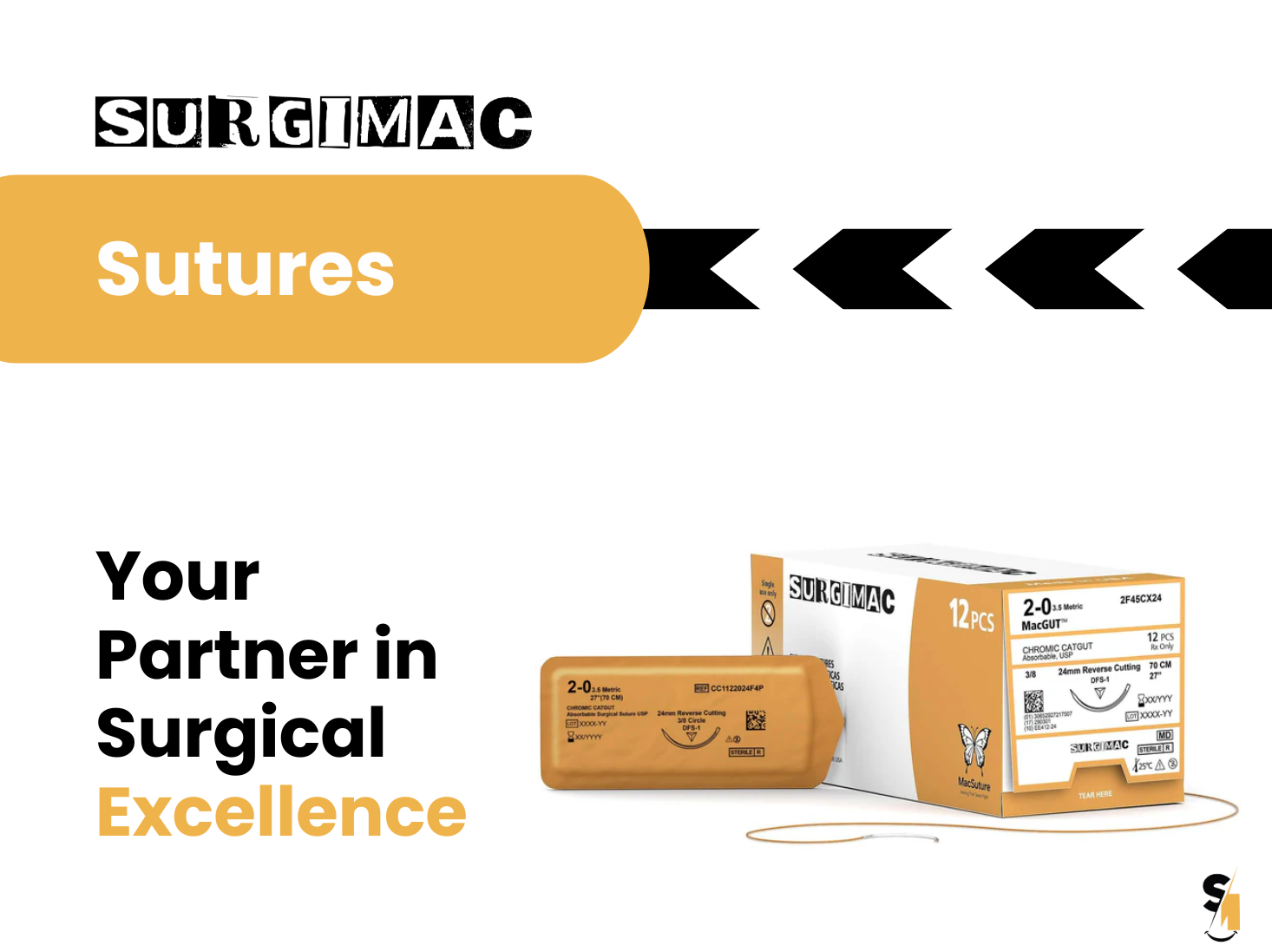
, by SurgiMac A Clinician's Guide to Absorbable Suture Material
-
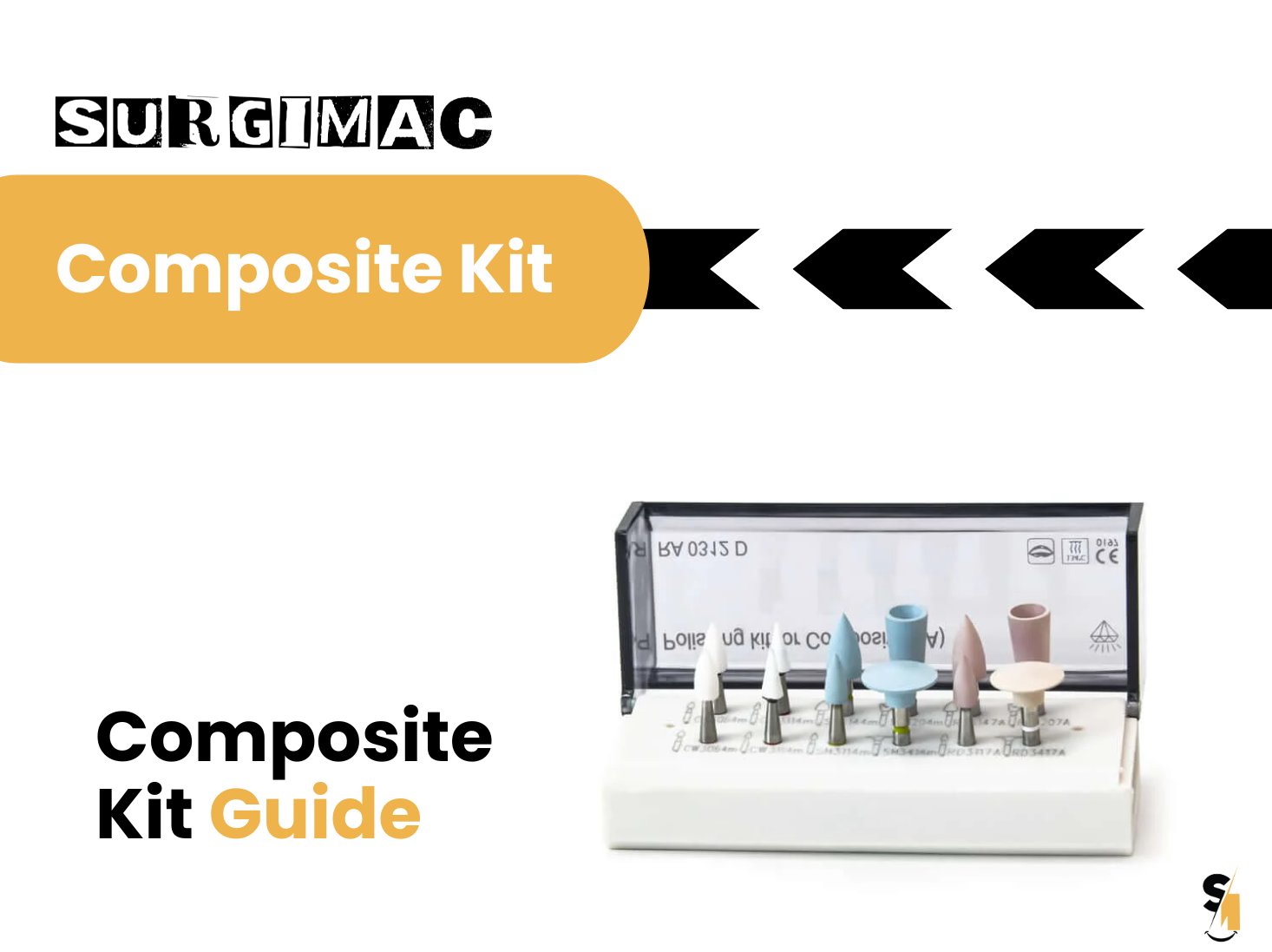
, by SurgiMac A Clinician's Guide to Dental Composite Resin Kits
-
, by SurgiMac How to Disinfect with Metrex CaviWipes Correctly
