
A Clinician's Guide to the Zirconia Cutting Bur
- , by SurgiMac Dental Supply
- 14 min reading time
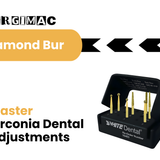
Achieve smooth, precise adjustments with a zirconia cutting bur designed for clinical accuracy and patient comfort. Find the best options for your practice.
Zirconia delivers the strength and aesthetics your patients expect from a premium restoration. But that incredible hardness creates a clinical challenge during chairside adjustments. You need to achieve a flawless fit and a high-gloss polish without creating microfractures or overheating the material. The wrong instrument can quickly burn out or damage the restoration's integrity. A high-quality zirconia cutting bur isn't just another tool; it's your solution for making clean, efficient adjustments that protect both the restoration and your time. It’s about getting it right the first time.
As a trusted part of the Hu-Friedy Group, SS White has a legacy of instrument innovation, and their line of best zirconia cutting burs is a perfect example. Elevate your zirconia workflow and visit SurgiMac to explore the complete range.
Why You Need a Specialized Zirconia Cutting Bur
Zirconia restorations—from full-contour crowns to implant abutments—have become a staple for their incredible durability and aesthetic qualities. But that toughness is a double-edged sword. Adjusting a high-strength zirconia crown with an inferior bur can lead to disastrous consequences: excessive heat generation, microfractures, chipping, and a compromised surface that will wear down opposing enamel.
Best Practices for Instrument Use
Even the most advanced zirconia bur won’t perform optimally without the right technique. To protect the restoration, ensure patient comfort, and get the most out of your instruments, following a few key best practices is essential. These simple steps can make a significant difference in your clinical outcomes and the longevity of your tools, turning a potentially challenging adjustment into a smooth, predictable procedure.
Using Ample Water Coolant to Prevent Thermal Damage
Zirconia’s incredible hardness means that adjusting it generates significant friction and heat. Without proper cooling, this heat can cause thermal shock, leading to microfractures that compromise the crown's long-term structural integrity. To avoid this, always use your bur with a constant, generous stream of water coolant. This simple step prevents the material from overheating and cracking, preserving the restoration while also protecting the underlying tooth and surrounding soft tissues from thermal damage. A steady hand combined with continuous irrigation is the key to adjusting zirconia safely and effectively.
Applying Light, Consistent Pressure for Smooth Cutting
When adjusting zirconia, it’s tempting to apply heavy pressure to speed up the process, but this approach is counterproductive. Forcing the instrument can cause it to skip or chatter across the surface, leading to chipping and an uneven finish. Instead, let the bur do the work. Apply light, consistent pressure in smooth, controlled strokes, almost like painting. This allows the specialized diamond particles on high-quality burs to abrade the material efficiently. This technique not only saves you time and effort but also provides superior control, reduces hand fatigue, and results in a smoother surface that is easier to polish.
Proper Bur Maintenance and Sterilization
The lifespan and performance of your zirconia burs depend heavily on your maintenance protocol. For long-lasting burs, it's crucial to clean and sterilize them regularly and always check for damage before use. Immediately after a procedure, use a wire brush to remove any debris before it hardens. Next, follow the manufacturer’s instructions for proper sterilization, typically via autoclave, to ensure patient safety without degrading the bur’s cutting surface. Finally, before each use, visually inspect the bur for signs of wear, such as missing diamond particles. Using a worn or damaged bur is inefficient and can harm the restoration.
Why Polishing After Adjustments is Non-Negotiable
The final polish is often viewed as a cosmetic step, but when dealing with zirconia, it is a non-negotiable step for long-term clinical success. Adjusting a zirconia crown with any bur creates microscopic surface roughness. If left unpolished, this rough surface will act like sandpaper against the opposing natural dentition, leading to accelerated and destructive wear on the antagonist tooth.
This is why immediate and proper repolishing is critical. It moves the conversation beyond aesthetics and into the realm of patient protection, making the zirconia crown polishing kit a vital instrument in your setup.
The Growing Popularity of Zirconia Restorations
It’s clear that zirconia restorations are no longer a niche option; they are a cornerstone of modern restorative dentistry. Patients and clinicians alike prefer them for their exceptional strength, biocompatibility, and long-term durability, making them a popular choice for everything from single crowns to multi-unit bridges. As zirconia becomes the standard of care in many practices, the need for specialized tools to manage these restorations chairside has grown significantly. Being prepared to adjust, remove, or polish these high-strength ceramics efficiently is now a fundamental part of daily clinical practice, requiring instruments designed specifically for the task. Having the right burs and diamonds on hand is no longer a luxury, but a necessity for predictable outcomes.
The Clinical Challenge of Adjusting High-Strength Ceramics
The same properties that make zirconia so durable also make it incredibly challenging to adjust. Its immense hardness means that standard diamond burs struggle to cut it effectively, often leading to excessive heat generation, premature bur wear, and wasted chair time. More importantly, using the wrong instrument or technique can introduce microfractures into the ceramic, compromising the structural integrity of the entire restoration. To avoid thermal damage and ensure a smooth, clean cut, a specialized bur must be used with light, steady pressure and constant water irrigation. Choosing the right dental equipment for adjusting high-strength ceramics is crucial for protecting the restoration and ensuring the procedure is completed safely and efficiently.
How the Great White Z Bur Protects Zirconia Integrity
SS White’s reputation rests on combining advanced design with reliable, consistent quality. When it comes to managing the hardest materials in the dental world, their approach is unmatched. What truly sets the SS White zirconia burs apart is their proprietary Great White Z Diamond technology. These instruments feature:

Advanced Diamond Grit and Bonding: Optimized particle sizes and a superior bonding technique mean these burs cut with controlled aggressiveness. This translates to rapid yet smooth material removal.
Minimal Heat Generation: Controlling heat is paramount for preventing microfractures in zirconia. The optimized cutting surfaces reduce friction, allowing for cooler operation that protects both the restoration and the surrounding soft tissue.
Precision and Reliability: As part of the Hu-Friedy Group, SS White benefits from a global commitment to high-quality, dependable instruments. You get consistent performance from the first crown to the last.
By choosing these instruments, you streamline your workflow, significantly reduce chair time spent on adjustments, and ensure the long-term success and longevity of your expensive restorations.
Sourcing Quality Burs for Your Practice
Selecting the right bur is a critical decision that extends far beyond simple material removal. The quality of your instruments directly influences procedural efficiency, patient comfort, and the ultimate integrity of the restoration. When working with advanced materials like zirconia, using a specialized, fine-grit bur isn't just a recommendation—it's essential for preventing thermal damage and microfractures that can compromise the crown's longevity. A high-quality bur ensures the job is done effectively and smoothly, reducing chair time and minimizing the risk of iatrogenic damage. Investing in premium burs and diamonds is an investment in predictable, successful clinical outcomes.
When sourcing burs for your practice, look for a supplier who provides not just products, but solutions. This means offering instruments that feature advanced technology, such as proprietary diamond grit and superior bonding, which allow for controlled cutting without generating excessive heat. This is crucial for protecting both the restoration and surrounding tissues. A reliable partner like SurgiMac ensures you have access to a comprehensive selection of instruments designed for specific applications, from crown preparation to fine adjustments on high-strength ceramics. By choosing a supplier committed to quality, you streamline your workflow, reduce the time spent on adjustments, and ultimately safeguard the longevity of your restorations and the trust of your patients.
Find Your Perfect Bur: The Full Range at SurgiMac
SurgiMac simplifies your ordering process, offering the full lineup of dental zirconia kits specifically designed for different clinical scenarios. Stop fumbling with mismatched or dull instruments; invest in a curated set that makes the procedure predictable and efficient.
Zirconia Adjustment Kit: This is the foundational set for precise, chairside occlusal and marginal adjustments. It contains the shapes and grits necessary to modify the restoration without inducing surface damage, making it a must-have in the dental practice.
Master Zirconia Kit: A comprehensive solution for all your zirconia finishing and contouring applications. This set provides the versatility needed for complex anatomy, ensuring a perfectly contoured result every time.
Endodontic Zirconia Kit: Accessing pulp chambers through full-zirconia crowns demands ultimate control and speed. This kit is specifically tailored for swift and safe access cavity refinement and shaping through monolithic material.
Zirconia Polishing Kit: The final polish is crucial for reducing antagonist wear. This specialized zirconia polishing kit includes sequence-specific polishers designed to rapidly achieve a smooth, high-gloss finish on zirconia restorations—rivaling the pre-sintered factory glaze.
Lithium Kit: Don’t forget about glass ceramics! A dedicated set for lithium disilicate restorations ensures you have the right instruments to achieve the same polish and contour accuracy required for these beautiful restorations.
Diamond Particle Concentration and Bonding
Not all diamond burs are created equal, especially when facing a material as dense as zirconia. The effectiveness of a bur comes down to two key factors: the quality of the diamond particles and the strength of the bond holding them to the shank. Specialized zirconia burs feature a high concentration of uniformly sized diamond particles, which ensures aggressive yet smooth cutting without generating excessive heat. More importantly, a superior bonding process prevents these particles from stripping away under pressure. This maintains the bur’s cutting efficiency for longer, prevents gouging, and ultimately protects the expensive restoration from the microfractures that can occur when using a dull or inferior instrument.
Variety in Head Shapes and Sizes
Adjusting a zirconia restoration is a task of precision, and a single bur shape simply won’t do. Different clinical situations demand different tools. For example, a football or egg-shaped bur is perfect for contouring occlusal anatomy, while a fine-tapered bur allows for delicate adjustments to margins and interproximal contacts. Having a variety of head shapes and sizes—from broad cylinders for initial reduction to small rounds for detailed work—gives you the control needed to achieve an ideal fit and contour without over-reducing the material. This versatility ensures you can access every surface of the crown efficiently, making the entire adjustment process faster and more predictable. You can explore a wide range of burs and diamonds to find the perfect shapes for your clinical needs.
Grit Levels for Different Clinical Tasks
A successful zirconia adjustment follows a systematic approach, moving sequentially from coarser to finer grits. This process is essential for creating a smooth, safe surface that won’’t damage opposing teeth. Coarse-grit burs (often color-coded green) are used for gross reduction, quickly removing material to correct significant high spots. Next, medium-grit burs (blue) refine the shape and smooth the surface left by the coarser bur. Finally, fine and extra-fine grits (yellow or white) are used for pre-polishing, creating a satin-smooth surface that is ready for the final polish. Following this sequence is critical; skipping a step can leave deep scratches that are nearly impossible to polish out, compromising the restoration’s integrity and longevity.
A Clinician's Guide to Zirconia Adjustments
Switching to SS White’s specialized burs changes more than just your instrument tray—it changes your results. Here are a few best practices for utilizing them:
Plenty of Water: When performing initial reduction with your zirconia adjustment burs, copious water coolant is non-negotiable. It works in tandem with the bur’s design to dissipate heat quickly, drastically reducing the risk of microfractures.
Light, Intermittent Pressure: Apply only light, controlled pressure and use a feathering motion. Let the advanced diamond technology do the work. Excessive force generates heat and can lead to thermal stress.
The Polishing Sequence is Key: After adjustment, you must re-establish a smooth surface. Use your zirconia polishing for dentists kit in the recommended sequence (coarse to fine) to quickly achieve a high-luster finish. This step is critical for minimizing wear on the opposing dentition.
By integrating these specialized dental zirconia tools, you protect your restorations, save valuable chair time, and consistently deliver a higher standard of care, leading directly to higher patient satisfaction and a more efficient practice.
Streamline Your Zirconia Workflows Today
The era of struggling with monolithic restorations is over. The clinical efficiency, precision, and versatility offered by Great White Z Zirconia Burs are indispensable for any contemporary dental practice. They represent a smart investment that pays dividends in saved time, superior outcomes, and patient comfort.
Explore the complete line of kits, including the essential zirconia finishing kit, available now for convenient purchasing through SurgiMac. Elevate your zirconia workflows and ensure every restoration you place is adjusted, contoured, and polished to perfection.
Frequently Asked Questions (FAQs)
1. Why can't I just use my standard diamond burs to adjust zirconia?
Standard diamond burs are typically designed for softer materials like natural enamel and other ceramics. The extreme hardness of zirconia causes these burs to wear down quickly, generating excess heat and increasing the risk of microfractures on the restoration surface. SS White zirconia burs, however, are specifically engineered with a proprietary bond and grit to ensure controlled, cooler cutting on dense zirconia, preserving the integrity of your restoration.
2. What is the most important step after adjusting a zirconia restoration?
The most critical step is to repolish the adjusted area. An unpolished zirconia surface is abrasive and can cause rapid wear on the opposing dentition. Using an SS White zirconia polishing kit to restore the high-gloss finish is essential, not just for the longevity of the restoration but also for patient comfort and health.
3. Is the Great White Z bur only for crown removal?
No. The Great White Z bur line is versatile and includes specialized shapes for a variety of procedures, such as:
Crown Removal: Utilizing the slot-cut technique for efficient and controlled removal.
Endodontic Access: Safely and quickly penetrating the occlusal surface for endodontic procedures.
Contouring & Adjustment: Precisely shaping occlusal and marginal areas for optimal fit and function.
4. How do these specialized burs increase clinical efficiency?
These specialized burs are designed to cut through the extremely hard material of zirconia more quickly and with less required pressure compared to generic alternatives. This reduces the time needed for chairside adjustments, allowing you to streamline appointments and increase your practice’s overall efficiency.
5. Are the SS White Zirconia Diamond Burs also suitable for other materials like lithium disilicate?
While the Great White Z bur line is optimized for zirconia, SS White also offers dedicated kits, such as the Lithium Kit, designed specifically for lithium disilicate and other glass ceramics. These specialized kits ensure optimal results across a variety of restorative materials, giving you the flexibility to use the right tools for each case.
Explore More Clinical Resources
- How Bur Grit Affects Patient Comfort and Speed
- Best Dental Bur Shapes for Accurate Tooth Prep
- Tungsten Carbide Burs That Last and Cut Better
- Why Sterile Dental Burs Improve Clinical Safety
Key Takeaways
- Select Burs Specifically for Zirconia: Standard diamond burs generate excessive heat that can cause microfractures in restorations. Protect your work by using burs engineered with advanced diamond grit and bonding for cool, efficient, and controlled cutting.
- Master Your Adjustment Technique: The right tool requires proper handling. Always use generous water coolant to prevent thermal damage, apply light and consistent pressure to avoid chipping, and follow a strict maintenance protocol for your instruments.
- Make Polishing a Non-Negotiable Final Step: An adjusted zirconia surface is abrasive and will wear down opposing teeth. It is clinically essential to use a sequential polishing kit to restore a smooth, high-gloss finish, protecting the antagonist dentition.
Related Articles
Tags
Blog posts
-
, by SurgiMac A Clinician's Guide to Absorbable Suture Material
-
, by SurgiMac A Clinician's Guide to Dental Composite Resin Kits
-
, by SurgiMac How to Disinfect with Metrex CaviWipes Correctly
