
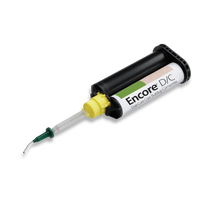
A Clinician's Guide to Anesthetic Use Patient Care
- , by SurgiMac
- 41 min reading time
Get expert tips on anesthetic use patient assessment, safe administration, and troubleshooting for effective dental anesthesia in every clinical scenario.
We’ve all been there. A routine procedure gets complicated when the anesthetic just won’t take hold. A failed block—whether from an infection, anatomical variation, or patient anxiety—can derail your entire workflow and create a stressful experience. This guide is your troubleshooter for those exact moments. We'll break down the common reasons for anesthetic failure and provide clear, actionable strategies to overcome them. You'll learn how to adjust your techniques and adapt your anesthetic use patient by patient for consistent success and improved comfort.
Key Takeaways
- Prioritize patient-specific planning: A successful procedure begins with a thorough pre-anesthetic assessment. This involves reviewing medical histories, adapting protocols for special populations, and selecting the right anesthetic agent to match the individual's needs and the demands of the treatment.
- Master your administration technique for efficacy: Profound anesthesia relies on precise injection methods tailored to anatomical variations, strict adherence to dosage calculations to prevent toxicity, and continuous patient monitoring to ensure safety from start to finish.
- Integrate quality control into your practice workflow: Uphold the highest clinical standards by following established protocols, maintaining meticulous documentation, and using reliable supplies. Proper storage and handling of high-quality products, including the MacSuture line from SurgiMac, ensure both safety and predictable outcomes.

What Are Dental Anesthetics?
Dental anesthetics are fundamental to modern dentistry, providing essential pain control for a wide range of procedures. They allow you to perform treatments effectively while ensuring your patient remains comfortable and calm. Anesthetic agents can be administered to achieve different levels of sensation control, from local anesthesia that numbs a specific area to sedation that induces relaxation, and even general anesthesia for complex surgeries. Understanding the types, mechanisms, and proper administration techniques is critical for safe and successful patient outcomes.
How Do Local Anesthetics Actually Work?
Local anesthetics are the cornerstone of pain management in the dental office. Their efficacy lies in their ability to temporarily block the transmission of pain signals from nerve endings to the brain. The mechanism is elegant yet powerful: these agents prevent the influx of sodium ions into the nerve cell by blocking voltage-gated sodium channels in the neuron membrane. This action inhibits the generation and conduction of nerve impulses. As a result, the sensation of pain is completely interrupted in the targeted area, allowing you to complete procedures without causing discomfort. This targeted approach is detailed in pharmacological reviews and is essential for routine dental work.
Blocking Sodium Channels in Nerve Cells
The primary action of local anesthetics is remarkably precise. Think of a nerve cell as a wire carrying an electrical signal—the pain message. For this signal to travel, tiny gates along the nerve membrane, known as voltage-gated sodium channels, must open to allow sodium ions to rush in. This influx of sodium generates the electrical impulse that propagates the pain signal. Local anesthetic molecules work by physically binding to these channels from inside the nerve cell, effectively locking the gates shut. When the channels are blocked, sodium cannot enter, the electrical impulse cannot be generated, and the pain signal is stopped in its tracks. This mechanism of action prevents the nerve from firing, ensuring the targeted area remains numb throughout the procedure.
How Anesthetics Interact with Neurotransmitters
Beyond blocking individual nerve signals, some anesthetic agents also influence the communication between nerve cells. Nerves talk to each other using chemical messengers called neurotransmitters, which cross the tiny gap, or synapse, between them. Some neurotransmitters act as "go" signals (excitatory), while others act as "stop" signals (inhibitory). As the National Institute of General Medical Sciences explains, certain anesthetics can alter this delicate balance. They might amplify the effect of inhibitory neurotransmitters, making the "stop" signals stronger, or they might block the receptors for excitatory neurotransmitters, weakening the "go" signals. This modulation of synaptic transmission contributes to the overall anesthetic effect, reducing consciousness and the perception of pain on a broader scale.
Mastering Common Nerve Block Techniques
Your choice of injection technique is largely dictated by the patient’s anatomy and the treatment area. For maxillary teeth, local infiltration is highly effective. The anesthetic solution is injected near the apex of the tooth, where it diffuses through the thin, porous bone to reach the nerve endings. In contrast, the dense cortical bone of the mandible makes infiltration less reliable for posterior teeth. Here, a regional nerve block is the standard of care. The most common is the inferior alveolar nerve block (IANB), which anesthetizes a large portion of the mandible, including the teeth, lip, and chin on one side. Mastering these techniques ensures profound anesthesia, which you can achieve with high-quality anesthetic products.
Your Guide to Common Anesthetic Agents
Selecting the appropriate anesthetic agent is crucial for tailoring pain control to the specific procedure and patient. Lidocaine remains the gold standard in dentistry due to its reliable performance and intermediate duration of action. It is often formulated with a vasoconstrictor like epinephrine to prolong its effect and provide hemostasis. Other widely used amide anesthetics include articaine, known for its excellent diffusion through bone, and bupivacaine, which offers a much longer duration of action for extensive surgical procedures. Mepivacaine and prilocaine are also valuable options, particularly for patients where a vasoconstrictor is contraindicated. Having a variety of these dental anesthetics on hand allows you to customize your approach for optimal patient care.
Understanding the Anesthesia Care Team
When a procedure calls for more than local anesthesia, like sedation or complex oral surgery, patient safety becomes a coordinated effort. This is where the Anesthesia Care Team (ACT) is essential. The ACT is a collaborative group of healthcare professionals, typically led by a physician anesthesiologist, who works alongside other qualified providers like nurse anesthetists. According to the American Society of Anesthesiologists, the physician anesthesiologist directs the team and is responsible for the patient's overall anesthesia management, from the pre-procedure assessment to continuous monitoring. This team-based model ensures that multiple skilled professionals are dedicated to your patient's well-being, providing layers of oversight and support throughout the entire treatment.
The true strength of the ACT model is its combination of efficiency and enhanced safety. By delegating specific tasks, the team allows the physician anesthesiologist to focus on critical, real-time decision-making and direct patient monitoring. This structure creates a streamlined and highly responsive environment, which is invaluable if unexpected complications arise. For your dental practice, understanding the dynamics of an ACT is crucial when planning treatments for medically complex patients or those undergoing extensive procedures. It provides a robust framework for delivering safe, effective anesthesia, reducing stress for everyone involved and ensuring your patient receives the highest standard of care.
Choosing the Right Type of Dental Anesthetic
Selecting the right anesthetic is fundamental to patient comfort and procedural success. Your choice depends on the patient's medical history, the nature of the procedure, and their anxiety level. From localized numbing to complete sedation, understanding the full spectrum of available options allows you to tailor your approach for optimal outcomes. A well-chosen anesthetic not only ensures a pain-free experience but also builds patient trust and confidence in your care. Let's review the primary categories of dental anesthetics and their clinical applications to help you make the best choice for every patient who sits in your chair.
When to Use Local Anesthetics
Local anesthetics are the cornerstone of pain management in dentistry, designed to temporarily block nerve signals in a specific area. They achieve this by preventing sodium ions from entering nerve endings, which stops the transmission of pain impulses to the brain. The most widely used agent is Lidocaine, often combined with a vasoconstrictor like epinephrine to prolong its effect and minimize bleeding at the treatment site. Other common agents include Articaine, Mepivacaine, and Bupivacaine. Sourcing high-quality anesthetic products from a trusted supplier like SurgiMac is essential for achieving predictable and effective results, ensuring your patients remain comfortable throughout any procedure.
Exploring Your Sedation Options
For patients with significant dental anxiety or those undergoing longer procedures, sedation offers a way to promote relaxation and comfort. Sedation exists on a spectrum, from mild (anxiolysis), where the patient is awake and responsive, to moderate and deep sedation, where consciousness is more depressed. Under moderate or deep sedation, it is critical to monitor the patient's vital signs, including heart rate, blood pressure, and respiration, to ensure their safety. These options help ease patient fear and can even produce an amnesic effect, making for a much more positive dental experience and improving treatment acceptance for anxious individuals.
General Anesthesia: Is It Necessary?
General anesthesia induces a state of complete unconsciousness, rendering the patient unresponsive to pain and unaware of the procedure. This option is typically reserved for extensive surgical procedures, such as complex extractions or significant maxillofacial surgery, or for patients with certain medical conditions or disabilities who cannot tolerate treatment otherwise. Because it carries more risks than local anesthesia or conscious sedation, it is administered by an anesthesiologist or a specially trained dentist in a controlled setting. The anesthetic is delivered via an IV line or an inhalation mask, and the patient’s vital functions are continuously monitored from start to finish.
The Role of Topical Anesthetics
Topical anesthetics are applied directly to the mucosal surface to provide localized numbing, making them invaluable for minimizing the discomfort of needle injections. Often formulated as gels, sprays, or ointments, they are a simple yet effective tool for improving the patient experience from the very first step. Common active ingredients include Benzocaine and Lidocaine, which act quickly to desensitize the superficial tissues. Beyond preparing a site for injection, topicals are also useful for reducing a patient's gag reflex during impressions or intraoral radiographs, ensuring procedures run more smoothly and comfortably for everyone involved.
Innovations in Anesthetic Delivery
Modern technology offers a more refined approach to administering local anesthetics. Computer-Controlled Local Anesthesia Delivery (CCLAD) systems manage the flow rate and pressure of the anesthetic solution, resulting in a slow, steady, and virtually painless injection. These systems often use a discreet, pen-like handpiece, which can significantly reduce the fear and anxiety associated with traditional syringes, especially for pediatric or needle-phobic patients. The precise control offered by a CCLAD system not only enhances patient comfort but also allows for more accurate anesthetic placement, which is particularly beneficial for complex nerve blocks and achieving profound anesthesia with a minimal amount of solution.
Your Pre-Anesthetic Patient Assessment Checklist
A successful and safe procedure begins long before you pick up a syringe. A meticulous pre-anesthetic assessment is the cornerstone of effective pain management, allowing you to tailor your approach to each patient's unique physiological and psychological needs. This evaluation is your first line of defense against potential complications, ensuring you can proceed with confidence. By taking the time to conduct a comprehensive review, you not only enhance patient safety but also build the trust that is essential to a positive clinical experience. This systematic process ensures every variable is considered, from medical history to the specific demands of the planned procedure.
Key Steps for Patient Evaluation
Your choice of anesthetic agent should never be a one-size-fits-all decision. The initial evaluation involves matching the anesthetic's properties to the patient and the procedure. Consider the required duration of action, the need for hemostasis, and the desired depth of anesthesia. A patient's health status, particularly any history of cardiovascular conditions, is a critical factor in this selection process. For example, a lengthy surgical extraction will have different anesthetic requirements than a simple restorative procedure. Carefully selecting from a range of reliable anesthetic products allows you to customize a plan that maximizes efficacy while minimizing risk, ensuring a comfortable experience for your patient and a smooth workflow for you.
Why Reviewing Medical History is Crucial
A complete and current medical history is non-negotiable. This review should go beyond a simple checklist, involving a direct conversation with the patient about their health. Be sure to ask specifically about all prescription medications, over-the-counter drugs, and even herbal supplements, as these can have significant interactions with anesthetic agents. Pay close attention to any history of cardiovascular, hepatic, or renal disease, as these conditions can affect how a patient metabolizes anesthetics. This thorough review is fundamental to preventing adverse drug interactions and identifying potential contraindications before they become critical incidents in your chair. It’s a foundational step in responsible patient care.
Identifying Potential Risks and Contraindications
Part of the assessment process is actively looking for red flags that might alter your anesthetic plan. Certain conditions present absolute contraindications to specific agents, while others may require a modified approach or consultation with the patient’s physician. Sedation and general anesthesia, for instance, carry higher risks, especially for older adults and individuals with complex health issues. Understanding these potential complications is key. The American Society of Anesthesiologists (ASA) Physical Status Classification System is an excellent tool for standardizing this risk assessment. Identifying and respecting these contraindications is a critical component of upholding the highest standard of patient safety in your practice.
Specific Health Factors That Increase Risk
A thorough medical history review helps you identify specific conditions that can heighten the risks associated with anesthesia. According to the Cleveland Clinic, be particularly mindful of patients with a history of heart disease, high blood pressure, strokes, or lung conditions like asthma and COPD. Other significant factors include diabetes, kidney disease, obesity (a BMI of 30 or more), and sleep apnea. It's also vital to inquire about any personal or family history of malignant hyperthermia or neurological issues like seizures. These factors don't necessarily preclude treatment but require careful consideration and may influence your choice of anesthetic agent and monitoring protocol.
Understanding Rare but Serious Complications
While dental anesthesia is overwhelmingly safe, being prepared for rare but serious complications is a hallmark of clinical excellence. Anesthetic awareness, where a patient is conscious but unable to move, is an extremely rare event. Other potential issues include postoperative atelectasis (collapsed lung), nerve damage leading to temporary or permanent sensation changes, and postoperative delirium, which can cause confusion, particularly in older patients. Perhaps the most critical to recognize is malignant hyperthermia (MH), a severe, inherited reaction to certain anesthetic drugs that requires immediate intervention. Familiarity with these risks is essential for informed consent and emergency preparedness.
How to Establish Clear Emergency Protocols
Even with the most thorough assessment, emergencies can occur. Having clear, well-rehearsed emergency protocols is essential for the safety of your patients and the confidence of your team. Your practice should be equipped to handle a range of adverse reactions, from vasovagal syncope to a severe allergic reaction. This includes maintaining a fully stocked emergency kit, ensuring staff are trained in basic life support, and having immediate access to oxygen. A well-stocked operatory, with everything from emergency drugs to high-quality dental instruments, is non-negotiable. During any procedure involving anesthesia, continuous evaluation of the patient’s vital signs provides the earliest warning of a developing issue, allowing for swift and effective intervention.
Screening Every Patient for Allergies
While patients often report "allergies" to local anesthetics, true IgE-mediated allergic reactions are exceedingly rare. It's crucial to distinguish these from more common non-allergic adverse events, such as psychogenic reactions (e.g., anxiety-induced syncope) or toxic reactions from an intravascular injection. When a patient reports a past issue, ask detailed questions to understand the nature of the reaction. What were the specific symptoms? How soon did they occur after the injection? Most adverse events are not true allergies, and this knowledge can prevent the unnecessary avoidance of an entire class of effective anesthetic agents. Understanding the low allergenic potential of modern amide-based anesthetics can also guide your clinical decision-making.
Communicating Pre-Anesthesia Instructions to Patients
Clear and direct communication with your patients before any procedure involving anesthesia is just as critical as the clinical work itself. When patients understand what is expected of them, they are more likely to comply with pre-operative instructions, which directly impacts their safety and the success of the procedure. Providing them with straightforward, easy-to-follow guidelines for fasting and medication management minimizes the risk of complications and helps prevent last-minute cancellations that can disrupt your schedule. This proactive approach ensures a smoother, safer experience for everyone involved, reinforcing patient trust and setting the stage for a positive outcome before they even arrive for their appointment.
Fasting and Dietary Restrictions
For procedures involving sedation or general anesthesia, strict adherence to fasting guidelines is non-negotiable. It's essential to clearly explain to your patients why these rules are in place. As the Mayo Clinic emphasizes, following instructions on when to stop eating and drinking is a critical safety measure to prevent aspiration, where stomach contents could enter the lungs during the procedure. Be explicit about the cut-off times for solid foods, clear liquids, and any other specific dietary restrictions. Providing these instructions in both verbal and written form can improve compliance. Remind patients that failure to follow these rules will likely result in the delay or cancellation of their surgery, reinforcing the importance of their role in their own care.
Guidelines on Medications and Supplements
A thorough medication review is a cornerstone of the pre-anesthetic assessment. You need to know everything a patient is taking, not just their prescription drugs. It's crucial to instruct patients to disclose all medications, vitamins, and supplements. As we've discussed, this requires more than a checklist; it calls for a direct conversation where you specifically ask about over-the-counter drugs and herbal supplements, as these can have significant interactions with anesthetic agents. Some medications may need to be paused, while others should be taken as usual. Providing clear, written instructions on what to take and what to avoid on the day of the procedure eliminates confusion and helps ensure patient safety from start to finish.
Refine Your Anesthetic Administration Technique
Beyond selecting the right agent, your administration technique is the most critical factor in achieving profound and safe anesthesia. A refined approach minimizes patient discomfort, reduces the risk of complications, and ensures the efficacy of the block. This involves not just the physical act of injection but also a deep understanding of dosage, duration, patient monitoring, and the technologies available to you. Honing these skills is a continuous process that directly impacts patient trust and procedural outcomes. By focusing on precision and patient-centered practices, you can ensure every procedure is as comfortable and effective as possible.
Mastering Essential Injection Techniques
Effective local anesthesia hinges on delivering the agent precisely to the target nerve. The mechanism is straightforward: anesthetic agents temporarily block sodium channels in nerve cells, which prevents pain signals from reaching the brain. For maxillary teeth, an infiltration technique is typically sufficient. This involves injecting the anesthetic into the buccal vestibule, allowing it to permeate the relatively porous bone and numb the target tooth. In contrast, the dense cortical bone of the mandible requires a regional nerve block, such as an inferior alveolar nerve block, to anesthetize the teeth in a quadrant. Mastering both techniques ensures you can achieve profound anesthesia reliably across the entire dentition.
Calculating the Correct Anesthetic Dosage
Calculating the correct anesthetic dosage is a non-negotiable aspect of patient safety. Over-administration can lead to systemic toxicity, affecting the central nervous system and cardiovascular system. The maximum recommended dose (MRD) should always be calculated based on the patient's weight, especially for pediatric and frail individuals. For example, a healthy 70 kg adult has a maximum lidocaine dose of 490 mg when administered with a vasoconstrictor. Always document the type and amount of anesthetic used in the patient's chart. Using high-quality, clearly labeled anesthetic products is fundamental to ensuring you can administer these precise dosages accurately and safely every time.
How Long Will the Anesthetic Last?
Managing patient expectations is a key part of the clinical experience, and that includes explaining how long numbness will last. The duration of local anesthesia can range from one to four hours, depending on the agent used. Lidocaine, a common choice, typically provides anesthesia for three to four hours. For longer procedures or when extended post-operative pain control is desired, an agent like Bupivacaine can last for up to ten hours. Clearly communicating this timeline helps patients plan their day, especially regarding eating and drinking, and reduces post-procedure anxiety. It’s a simple step that demonstrates thoroughness and care.
Best Practices for Patient Monitoring
Continuous patient monitoring is the standard of care during any procedure involving anesthesia. According to the American Society of Anesthesiologists, a patient’s oxygenation, ventilation, circulation, and temperature should be continually evaluated. For dental procedures, this means consistently checking vital signs to ensure patient stability and safety. Effective monitoring also means being prepared for any adverse reaction. Your operatory should be equipped with an emergency kit and all necessary supplies, like sterile gauze and reliable MacSuture sutures, readily accessible should the need arise. This state of readiness is foundational to responsible patient care.
Using Modern Systems for Better Delivery
Technology offers new ways to make the anesthetic experience better for both the clinician and the patient. Computer-Controlled Local Anesthesia Delivery (CCLAD) systems are a prime example. These devices deliver anesthetic at a slow, controlled, and consistent rate, which significantly reduces the pain associated with the injection pressure. The pen-like design of a CCLAD wand is also less intimidating to patients than a traditional syringe, which can be particularly helpful for those with dental anxiety. Adopting these systems can improve patient comfort, increase the precision of your injections, and modernize your practice's approach to pain management.
Guide Patients Through a Smooth Recovery
Your clinical care is exceptional, but the patient’s experience doesn’t end when they leave your chair. A smooth and comfortable recovery is just as crucial for patient satisfaction and positive outcomes. Guiding them through this phase with clear, proactive communication builds trust and helps prevent complications. By setting realistic expectations about side effects, numbness duration, and post-procedure care, you empower patients to be active participants in their own healing. A well-informed patient is less anxious and more likely to comply with instructions, leading to better results and a more positive perception of your practice. Let's walk through the key components of an effective post-anesthetic recovery plan.
How to Manage Common Side Effects
It’s important to prepare patients for potential side effects, especially after sedation or general anesthesia. While most patients experience minimal issues, some may feel nauseous, dizzy, or tired. Other common, temporary effects include headaches, shivering, dry mouth, or soreness at the injection site. Reassure them that these sensations are normal and typically resolve within a few hours. Providing this information beforehand prevents anxiety and reduces post-procedure calls to your office. Ensuring your practice uses high-quality infection control supplies also minimizes the risk of complications like injection site infections, contributing to a smoother recovery for every patient.
Explaining Numbness to Your Patient
One of the most common patient questions is, "How long will my mouth be numb?" Providing a clear timeline is essential for their safety. Explain that the duration depends on the specific anesthetic used. For example, a common local anesthetic like Lidocaine typically lasts between one to three hours, while a longer-acting agent like Bupivacaine can provide numbness for up to eight hours or more. This information helps patients plan their day and, more importantly, prevents them from accidentally biting their tongue, cheek, or lip while the area is still numb. You can find a full range of reliable anesthetic products to meet diverse procedural needs at SurgiMac.
Creating a Clear Post-Procedure Care Plan
Simple, direct instructions for post-procedure care are critical. The most important rule is to avoid eating until the numbness has completely worn off. Chewing while numb can lead to significant soft tissue injury without the patient even realizing it. If they feel they must eat, advise them to stick to soft foods like yogurt, smoothies, or soup, and to chew carefully on the opposite side of their mouth. It's also wise to recommend they avoid hot beverages or foods, as they won't be able to gauge the temperature accurately, posing a risk for burns. These straightforward guidelines are easy for patients to follow and significantly reduce the chance of post-operative injury.
What to Include in Patient Instructions
Effective communication is the cornerstone of a successful recovery. Encourage patients to ask questions before they leave, and consider providing a printed or digital handout summarizing the key instructions. This gives them a reference to consult at home. For procedures that require more complex aftercare, such as those involving sutures, clear guidance is even more critical. When using high-quality materials like MacSuture absorbable sutures, explain the healing process and what patients should expect as the sutures dissolve. Ensuring patients feel heard and have their concerns addressed before, during, and after the procedure reinforces their confidence in your care.
Post-Anesthesia Safety Rules for the First 24 Hours
Clear safety instructions are non-negotiable, especially for patients who received sedation or general anesthesia. Emphasize that their cognitive function and reflexes will be impaired for up to 24 hours. For this reason, a responsible adult must accompany them home and stay with them during this initial recovery period. As healthcare guidelines recommend, patients must be explicitly told not to drive, operate any machinery, or make significant personal or financial decisions. This rule is especially important if they are also taking prescribed pain medication. Setting these firm boundaries ensures their safety and prevents accidents that can occur due to delayed reaction times and poor judgment.
Post-Anesthesia Dietary Recommendations
Advise your patients to reintroduce food and drinks slowly to avoid nausea. The best approach is to start with small sips of clear liquids like water or apple juice. If they tolerate this well, they can gradually move on to soft, bland foods. Instruct them to avoid anything spicy, greasy, or difficult to digest for the first day. If a patient reports feeling sick to their stomach, the best course of action is to wait about an hour before trying clear liquids again. This simple, phased approach helps the digestive system recover gently and minimizes post-anesthetic discomfort, contributing to a more positive overall recovery experience for your patient.
Developing an Effective Pain Management Plan
It's normal for patients to experience some soreness or discomfort as the anesthetic wears off. Proactively addressing this is key to a positive recovery experience. Let them know what to expect and create a simple pain management plan. For most dental procedures, over-the-counter pain relievers like ibuprofen or acetaminophen are sufficient to manage discomfort. Advise them on appropriate dosage and timing according to their health history. For more invasive procedures, you may need to consider a prescription. A personalized plan shows patients you are attentive to their comfort and helps them manage any post-procedure pain effectively and confidently.
Recognizing Post-Anesthetic Warning Signs
While most patients recover without issue, your vigilance is key to ensuring their safety. It's crucial to distinguish between common, transient side effects and more serious warning signs. Be alert for symptoms of a potential allergic reaction, such as hives, extreme itching, or swelling of the face, lips, or tongue. According to professional guidelines, other red flags that require immediate attention include difficulty breathing, slurred speech, or persistent numbness that spreads beyond the injection site. These symptoms are not part of a normal recovery and demand a swift response. Having clear emergency protocols and a well-equipped operatory, stocked with reliable anesthetic supplies and response kits, is a fundamental part of managing these rare but critical events.
Anesthetic Use for Special Patient Populations
A one-size-fits-all approach to anesthesia simply doesn't work in a clinical setting. Every patient brings a unique physiological and psychological profile to the chair, and our protocols must be flexible enough to accommodate them. Certain populations require special consideration to ensure both safety and efficacy. From the youngest patients to older adults, and for those with specific medical conditions or anxieties, adapting your anesthetic strategy is a hallmark of excellent patient care. This means carefully adjusting dosages, selecting the right agents, and sometimes modifying your entire treatment plan. Let's look at how to tailor your approach for these key patient groups to ensure every procedure is as safe and comfortable as possible.
Anesthetic Considerations for Children
Working with children requires a unique blend of clinical skill and gentle care. Anesthetic dosage for pediatric patients must be meticulously calculated based on weight and age, as their metabolic rates differ significantly from adults. It's also crucial to educate parents and caregivers; for instance, reminding them that numbing gels are not safe for children under two years old for teething pain. Beyond the injection, your technique and communication play a huge role in creating a positive experience. Using topical anesthetics before the injection and employing behavioral guidance techniques can make a world of difference in building trust and ensuring a smooth, safe procedure for your youngest patients.
Caring for Geriatric Patients
Providing dental care for older adults often involves managing complex health profiles. Due to changes in metabolism and organ function, geriatric patients may require lower anesthetic doses and more vigilant monitoring. It's important to be aware that some may experience post-procedural confusion or memory issues. A thorough review of their medications is essential to avoid adverse drug interactions, a common concern with this population. Careful patient monitoring both during and after the procedure helps ensure their safety and comfort, allowing you to address any complications promptly and effectively.
Protocols for Medically Compromised Patients
A comprehensive medical history is the foundation of safe anesthetic administration for medically compromised patients. Conditions affecting the liver, kidneys, heart, or lungs can significantly alter how a patient metabolizes and responds to anesthetic agents. You should also be mindful of patients with a history of stroke, thyroid disease, or seizure disorders. For these individuals, a consultation with their primary physician may be necessary to create a safe treatment plan. Using high-quality, reliable anesthetic products from SurgiMac ensures you can deliver precise, predictable dosages, which is especially critical when managing patients with complex health needs.
Managing Patients with Dental Anxiety
For the 10% to 30% of patients who experience significant dental anxiety, the fear of pain can be a major barrier to receiving necessary care. Effective anesthesia is your most powerful tool for breaking this cycle. Assuring a patient that they will be comfortable throughout the procedure can dramatically reduce their stress levels. Your approach matters, too. Calmly explaining each step, using topical anesthetics, and offering sedation options when appropriate can transform a patient's experience. Building this trust not only helps them through the current appointment but also encourages them to maintain regular dental visits in the future.
Anesthesia Guidelines for Pregnant Patients
Treating pregnant patients requires a careful balance of maternal well-being and fetal safety. Open communication about the risks and benefits of any procedure is paramount. According to the FDA, certain anesthetics like lidocaine and prilocaine are generally considered safe for use during pregnancy. Furthermore, including low doses of a vasoconstrictor like epinephrine is not only safe but also beneficial, as it localizes the anesthetic and reduces systemic absorption. Whenever possible, it's best to schedule necessary dental work during the second trimester. This approach minimizes risks and ensures your patient receives the essential care she needs with confidence.
Troubleshooting Common Anesthetic Challenges
Achieving profound and predictable anesthesia is a cornerstone of patient comfort and procedural success. However, several factors can interfere with the effectiveness of local anesthetics, leading to patient discomfort and clinical challenges. By proactively identifying and managing these variables, you can significantly improve outcomes and ensure a smoother experience for everyone involved. A systematic approach allows you to anticipate potential issues, from anatomical quirks to underlying health conditions, and adjust your protocol accordingly. This not only enhances patient trust but also streamlines your workflow, allowing you to perform procedures with greater confidence and efficiency. Let's explore five key strategies to refine your approach and consistently achieve optimal anesthetic efficacy in your practice.
Working with Anatomical Variations
Every patient’s anatomy is unique, and these differences can directly impact the success of an injection. As you know, the nerve distribution in the mandible and maxilla varies significantly. While the inferior alveolar nerve serves the mandibular teeth, the maxillary region is supplied by three different nerves. This complexity requires a tailored approach rather than a one-size-fits-all technique. Before administering an anesthetic, take a moment to palpate landmarks and consider the patient’s specific facial structure. Adapting your injection technique based on these individual variations can be the difference between profound anesthesia and a failed block, ensuring your procedures start smoothly and comfortably for the patient.
How Medical Conditions Affect Anesthesia
A patient's systemic health plays a critical role in how their body metabolizes anesthetic agents. For instance, patients with compromised liver or kidney function may require dose adjustments, as these organs are essential for breaking down and clearing the drugs from their system. A thorough review of the patient's medical history is non-negotiable before any procedure. Conditions like cardiovascular disease, hypertension, or diabetes can also influence your choice of anesthetic, particularly those containing vasoconstrictors. Taking the time to understand these medical considerations ensures you select the safest and most effective protocol for each individual, preventing potential complications and prioritizing patient well-being.
Preventing Adverse Drug Interactions
The medications a patient is taking can significantly interact with dental anesthetics, altering their effects or increasing risks. Common culprits include opioids, benzodiazepines, and even over-the-counter blood thinners like aspirin, which may necessitate dose adjustments or alternative anesthetic choices. Always conduct a comprehensive medication review, asking patients about all prescriptions, supplements, and recreational substances they use. This diligence helps you avoid potential adverse interactions and ensures a safe procedure. Maintaining clear communication about medication history is a simple yet powerful step in safeguarding your patients from preventable complications and ensuring the anesthetic works as intended.
Managing Anesthesia in Infected Areas
Attempting to anesthetize an area with an active infection or significant inflammation presents a well-known clinical challenge. The acidic environment created by an infection can neutralize the local anesthetic solution, making it much less effective. This is why achieving profound numbness in the presence of an abscess can be so difficult. In these situations, consider alternative strategies, such as performing a nerve block at a site distant from the infection or prescribing antibiotics to reduce the bacterial load before the procedure. Managing the local infection first often leads to much more predictable and effective pain control, creating a better experience for the patient and a more controlled environment for treatment.
Proper Selection and Storage of Anesthetics
The quality and handling of your anesthetic agents are just as important as your injection technique. Using a trusted supplier for your anesthetic products ensures you are working with stable, reliable solutions. It's also crucial to calculate the maximum safe dose based on the patient's weight to prevent systemic toxicity, which can have serious effects on the central nervous system and heart. Proper storage according to manufacturer guidelines is essential for maintaining the potency and sterility of each cartridge. By standardizing your selection and storage protocols, you create a foundation of safety and predictability that supports every procedure, from a simple filling to a complex extraction requiring products like MacSuture sutures.
The Evolution and Future of Anesthesia
The ability to provide effective pain control is the foundation of modern dentistry, but it’s a capability we often take for granted. The journey of anesthesia is a fascinating story of scientific discovery, clinical innovation, and a relentless pursuit of patient safety. From ancient pain-relief potions to today’s sophisticated agents and delivery systems, the evolution of anesthesia has transformed what is possible in patient care. Understanding this history not only gives us an appreciation for the tools we use every day but also offers a glimpse into a future where pain management is even more precise, personalized, and patient-friendly.
Historical Milestones in Anesthesia
The quest to manage pain is as old as medicine itself, but the modern era of anesthesia truly began in 1846, when ether was first publicly demonstrated as a surgical anesthetic. This breakthrough moment changed medicine forever. The practice gained significant public acceptance when Queen Victoria used chloroform for the births of her children in the 1850s, helping to destigmatize its use in obstetrics. The 20th century brought further refinements that dramatically improved safety, including the routine use of advanced airway management techniques. These historical milestones paved the way for the safe and predictable pain control that is now the standard of care in every dental practice.
Current Research and Future Directions
The evolution of anesthesia is far from over. Current research is focused on creating a more personalized and comfortable patient experience. We see this in the development of technologies like Computer-Controlled Local Anesthesia Delivery (CCLAD) systems, which offer virtually painless injections by precisely managing flow rate and pressure. Researchers are also continuously working to develop new anesthetic agents with better safety profiles and fewer side effects. Looking ahead, the integration of artificial intelligence and machine learning holds incredible promise. These technologies may soon help us create highly personalized anesthetic plans and enhance patient monitoring, further refining the safety and efficacy of the care we provide. This ongoing development of modern anesthesia ensures that patient comfort and safety will continue to advance.
Your Guide to Anesthetic Safety and Quality Control
Maintaining the highest clinical standards is the bedrock of a successful and ethical dental practice. When it comes to anesthetics, this commitment to quality control is paramount, directly impacting patient safety, comfort, and trust. It involves a multi-faceted approach that encompasses everything from the protocols you follow to the products you use. By systematically integrating quality assurance into every step of the anesthetic process, you not only mitigate risks but also ensure predictable, effective outcomes for your patients. This dedication to excellence protects your patients, your team, and your practice's reputation.
Following Established Clinical Protocols
Following established clinical protocols is non-negotiable for safe anesthetic administration. These guidelines, developed by professional organizations, provide a clear framework for everything from patient assessment to emergency response. For instance, procedures involving advanced techniques require specific expertise, as deep sedation and general anesthesia are safest when managed by a qualified anesthesia professional. Adhering to these standards ensures every patient receives a consistent and high level of care, regardless of the procedure. This commitment minimizes variables, reduces the likelihood of complications, and creates a predictable environment where patient safety is always the top priority. Regularly reviewing and updating your practice’s protocols keeps your team aligned with current best practices.
What You Need to Document for Each Patient
Thorough documentation is a critical component of quality control and patient safety. It’s more than just a record; it’s a real-time account of the care provided. During any anesthetic procedure, it's essential that the patient’s oxygenation, ventilation, circulation, and temperature are continually evaluated and recorded. These standards for basic anesthetic monitoring create an objective history of the patient's physiological response. Meticulous notes on the type of agent used, dosage, administration site, and patient reactions provide a vital reference for future appointments and ensure continuity of care. This detailed record-keeping is your best defense in demonstrating that the standard of care was met, protecting both your patient and your practice.
Why Clinicians Trust SurgiMac Anesthetic Solutions
The quality of your clinical supplies is a direct reflection of your standard of care. Using reliable, high-performance products is fundamental to achieving consistent and safe anesthetic outcomes. Sourcing from a trusted provider ensures that the agents and delivery systems you use meet rigorous manufacturing and safety standards. SurgiMac’s line of anesthetic products is designed to provide dental professionals with the quality they need for effective pain management. By equipping your practice with dependable supplies, from topical anesthetics to needles and syringes, you minimize equipment-related variables and can focus entirely on your administration technique and patient monitoring. This investment in quality is an investment in patient safety and clinical excellence.
Essential Anesthetic Storage Guidelines
The efficacy and safety of anesthetic agents depend heavily on proper storage. These solutions are sensitive chemical compounds that can degrade if not stored according to manufacturer specifications, potentially leading to reduced effectiveness or adverse reactions. Factors like temperature, light exposure, and humidity must be controlled. For example, using well-preserved products like methylparaben-free formulations helps lessen the risk of allergic reactions for sensitive patients. You can find a range of these injectable anesthetics that require careful handling. Implementing a clear inventory management system that includes checking expiration dates and ensuring proper stock rotation is a simple yet crucial step in your quality control process, guaranteeing every patient receives a safe, full-potency dose.
How to Implement Quality Assurance Measures
Quality assurance involves creating proactive systems to prevent errors before they happen. This goes beyond simply following protocols; it’s about building safety checks into your daily workflow. A perfect example is the design of your instruments. Many stainless steel syringes feature an aspirating capability, a critical safety feature that allows clinicians to check for blood return before injection, significantly reducing the risk of intravascular administration. You can learn more by exploring different types of dental syringes. Other quality assurance measures include regular calibration of monitoring equipment, periodic emergency drills with your team, and ongoing training. These proactive steps foster a culture of safety and continuous improvement in your practice.
Frequently Asked Questions
1. How should I approach a patient who reports an allergy to local anesthetics?
When a patient mentions a past “allergic reaction,” it's a great opportunity to ask clarifying questions. True IgE-mediated allergies to modern amide anesthetics are extremely rare. More often, what patients describe is an anxiety-related response, such as fainting, or a reaction to the epinephrine in the solution. Ask them to describe their specific symptoms and how quickly they occurred. This detailed history helps determine whether it was a true allergic event or another type of adverse reaction, allowing you to select the most appropriate and safest agent for their care.
2. What's the most effective way to manage anesthesia for a patient with significant dental anxiety?
Managing an anxious patient starts with building trust. Your calm confidence and clear communication are your most powerful tools. Always begin by applying a topical anesthetic to minimize the initial pinch of the injection. Explain what you’re doing in simple terms and reassure them that they’re in control. For patients with more severe anxiety or those undergoing longer procedures, discussing sedation options can be a game-changer. Assuring them of a pain-free experience is the first step toward helping them overcome their fear and accept necessary treatment.
3. Why do my injections sometimes fail in areas with active infection, and what can I do about it?
This is a common and frustrating clinical challenge. An active infection creates a highly acidic local environment, which can neutralize the anesthetic agent before it penetrates the nerve membrane, rendering it much less effective. To overcome this, consider performing a regional nerve block at a site distant from the infection, where the tissue pH is normal. In some cases, prescribing antibiotics to reduce the infection first allows for much more predictable and profound anesthesia during a subsequent appointment.
4. What are the most critical factors when selecting an anesthetic for a medically compromised patient?
For any patient with a complex medical history, a thorough review of their health status and current medications is essential. For individuals with cardiovascular conditions, be cautious with vasoconstrictors and consult their physician if needed. Liver or kidney disease can alter metabolism and excretion, often requiring a dose reduction. The goal is always to provide effective pain control while minimizing systemic risk through the right agent selection and careful dosing.
5. Beyond technique, what's the best way to ensure patient safety during anesthetic administration?
Excellent technique is crucial, but a comprehensive safety protocol is equally important. Always calculate the maximum recommended dose based on the patient’s weight to prevent systemic toxicity. During the procedure, continuously monitor the patient’s vital signs and responsiveness. Finally, the quality of your supplies provides the foundation for safety. Using reliable, clearly labeled anesthetic products and having high-quality post-operative materials, such as MacSuture sutures, readily available ensures you are prepared for any scenario and can provide the safest care possible.
Read More
Related Articles
Tags
Blog posts
-
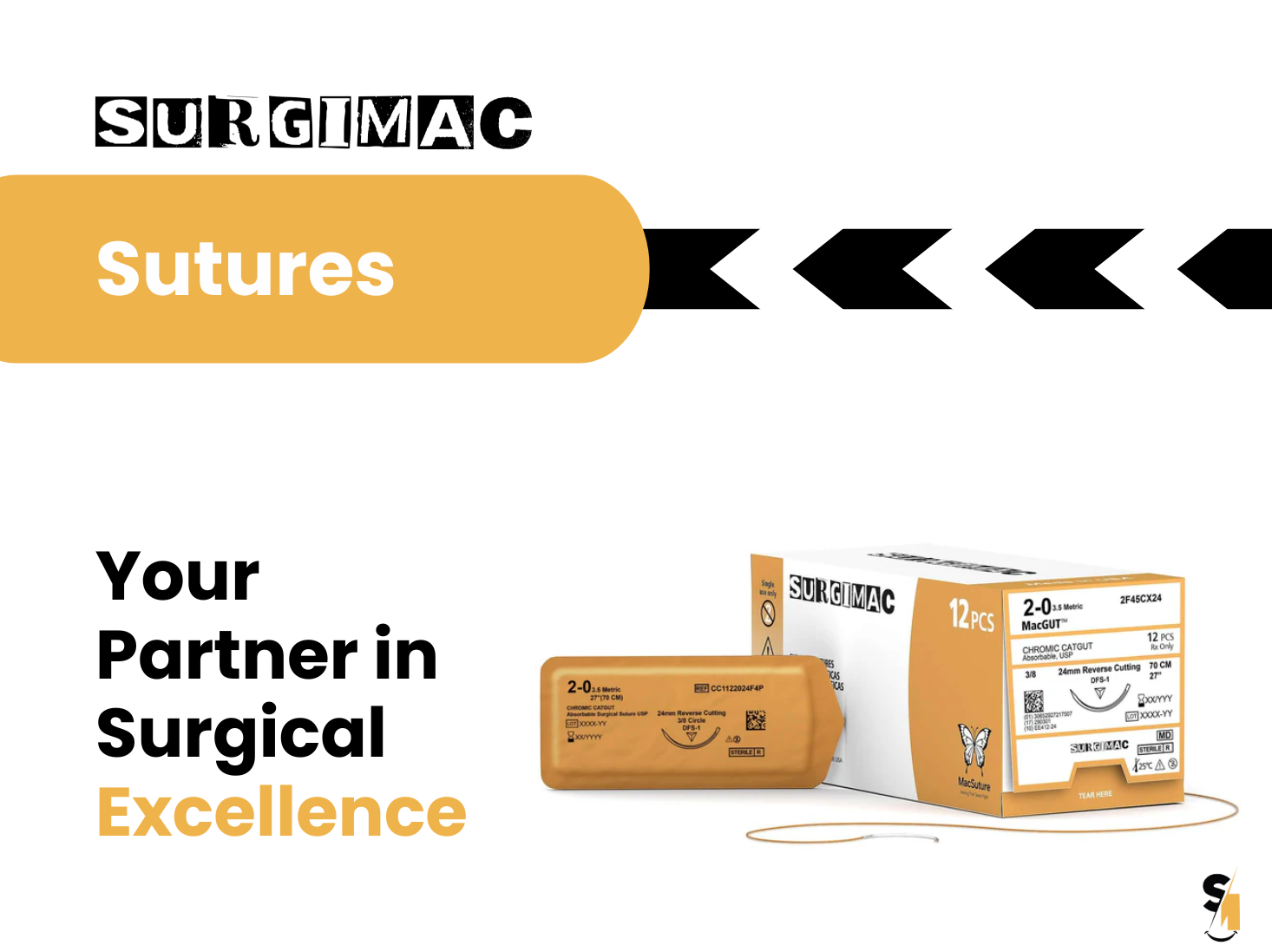
, by SurgiMac A Clinician's Guide to Absorbable Suture Material
-
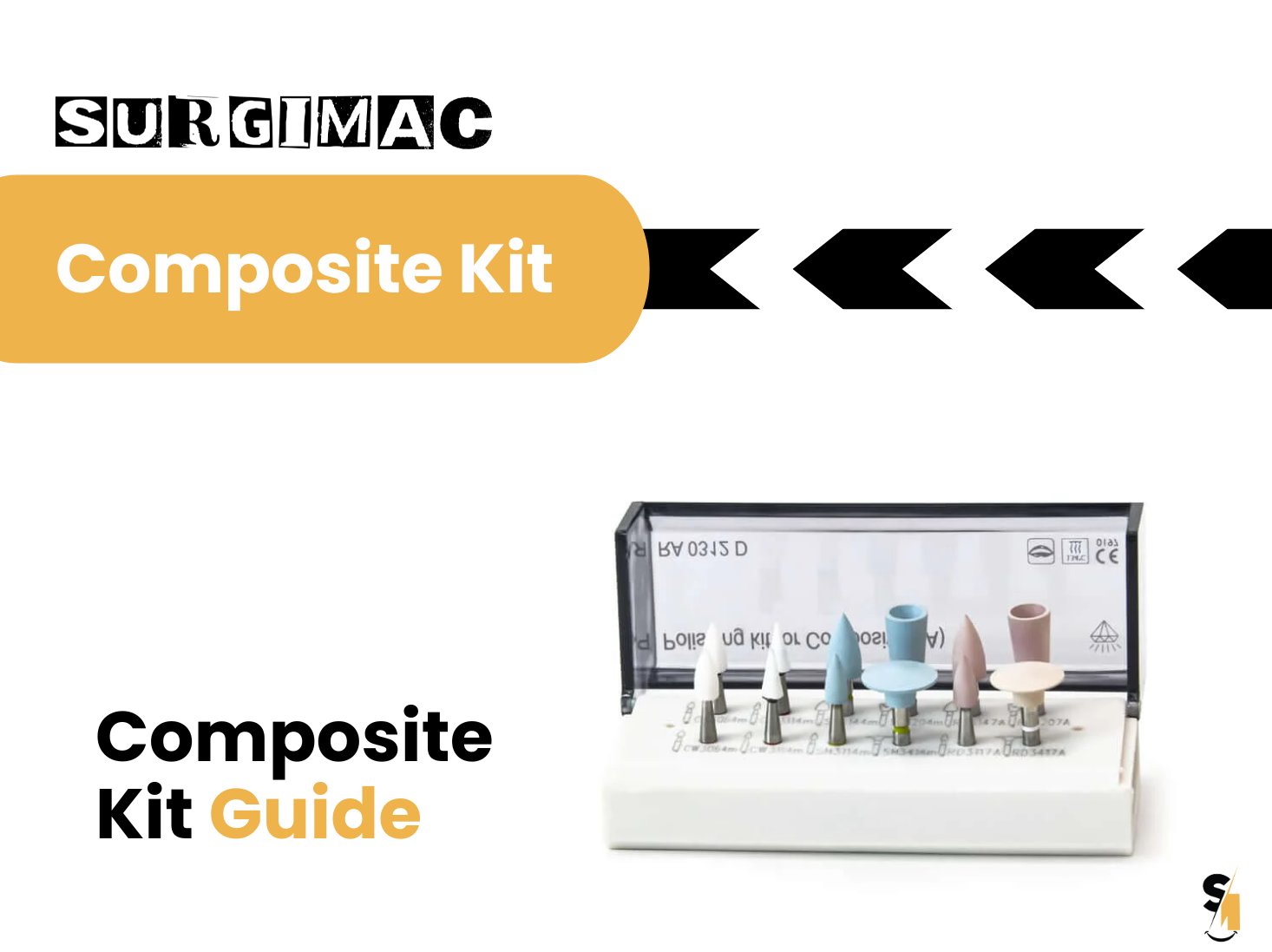
, by SurgiMac A Clinician's Guide to Dental Composite Resin Kits
-
, by SurgiMac How to Disinfect with Metrex CaviWipes Correctly
