
Prophy Brush 101: Your Ultimate Clinical Guide
- , by SurgiMac
- 37 min reading time
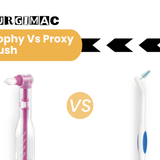
Understand the key differences between a prophy brush and an interdental brush, and learn how to choose the right tool for effective dental cleaning.
The patient in your chair might have heavy extrinsic staining, sensitive root surfaces, or tricky orthodontic appliances. A one-size-fits-all approach simply won’t deliver the best outcome. Matching your tool to the task is critical for both effectiveness and patient safety. Do you need a tapered brush for precision work around brackets, or a soft cup for a gentle polish on a pediatric patient? Understanding the nuances of each prophy brush—from its shape to its bristle type—allows you to tailor your prophylaxis protocol and handle any clinical scenario with confidence.
Key Takeaways
- Select the Right Shape for the Job: Use prophy cups for polishing broad, smooth tooth surfaces and switch to tapered or pointed brushes for precise cleaning of occlusal pits, fissures, and around orthodontic appliances.
- Tailor Bristle Stiffness to Patient Needs: Choose soft bristles for sensitive patients and routine cleanings, medium for most adults, and firm bristles only for tenacious stains, always applying a gentle technique to protect enamel.
- Uphold a Strict Single-Use Protocol: Always use a new prophy brush for every patient. This non-negotiable standard is the most effective way to prevent cross-contamination and ensure the highest level of infection control.
What Is a Prophy Brush?
A prophy brush is a specialized, single-use rotary instrument designed for professional dental prophylaxis. As a clinician, you know it as the go-to tool for polishing teeth to achieve that perfectly smooth, clean finish after scaling. Its primary job is to remove stubborn extrinsic stains, plaque, and biofilm from tooth surfaces that routine brushing might miss. The soft, flexible bristles are engineered to work with polishing paste to gently buff the enamel, enhancing its luster and leaving patients with that fresh-from-the-dentist feeling they love.
Beyond routine cleanings, prophy brushes are also essential for preparing tooth surfaces for other clinical procedures. Whether you’re getting a tooth ready for a sealant, applying fluoride varnish, or placing orthodontic brackets, a properly polished surface ensures optimal adhesion and effectiveness. Because they are single-use, these brushes are a critical component of your practice’s infection control protocol, preventing cross-contamination between patients and ensuring a safe, hygienic environment. They are a fundamental tool in every preventive dentistry toolkit, helping you deliver excellent clinical results and high patient satisfaction.

Prophy Brush vs. Interdental Brush: Key Differences
While both tools have "brush" in their name, their roles in dental care are worlds apart, and it’s a distinction worth clarifying for your patients. A prophy brush is exclusively a professional tool used in the dental office. It attaches to a slow-speed handpiece and is used by a dentist or hygienist to polish the facial, lingual, and occlusal surfaces of teeth during a cleaning.
In contrast, an interdental brush is an at-home oral hygiene aid designed for patient use. It features a small, bristled head on a thin wire, perfect for cleaning interproximal spaces, especially around bridges, implants, or in areas with wider gaps where dental floss may be less effective. Your role is to use the prophy brush for clinical procedures, while you might recommend an interdental brush as part of a patient’s daily home care regimen.
Expert Guidance on Interdental Cleaning Choices
When it comes to maintaining optimal oral hygiene, the advice you give patients on cleaning between their teeth is just as critical as the scaling you perform in the operatory. Both traditional floss and interdental brushes are excellent tools for removing interproximal plaque, but they aren't interchangeable. Guiding your patients to the right choice depends on their unique anatomy, dental work, and dexterity. Helping them understand the "why" behind your recommendation can make all the difference in their home care compliance and long-term periodontal health. This guidance is a cornerstone of effective preventive care.
The long-standing debate between floss and interdental brushes often comes down to anatomy. Traditional dental floss excels at cleaning tight contact points where teeth are close together. However, for patients with wider embrasures, concavities on root surfaces, or periodontal pockets, an interdental brush is often more effective. Research consistently shows that interdental brushes can be superior in removing plaque from these larger spaces, making them an indispensable tool for patients with a history of gum disease or those with bridges and implants where floss can't adequately clean around the abutments.
A tool is only as good as the person using it. Demonstrating the correct technique—gently inserting the brush without forcing it and moving it back and forth—is crucial to prevent damage to the gingiva. For patients with implants, recommending brushes with a coated wire can prevent scratching the titanium surface. As the American Dental Association (ADA) notes, the best interdental cleaner is the one a patient will actually use consistently and correctly. Comfort and ease of use are huge factors in compliance. By starting them with the right size and type of brush, you empower them to maintain their oral health effectively between visits, leading to better clinical outcomes.
Breaking Down the Prophy Brush: Parts and Purpose
A professional prophy brush is simple in design yet highly effective. It consists of a small head packed with soft nylon bristles, which are typically arranged in a flat or tapered shape. The flat design is excellent for polishing broad, smooth surfaces, while the tapered or pointed design allows for more precise cleaning around pits, fissures, and orthodontic appliances. The bristles are specifically designed to be flexible enough to splay slightly under pressure, adapting to the tooth’s contour without causing abrasion to the enamel or irritating the gingival tissue. The entire brush head is mounted on a small shank that connects to the prophy angle.
How to Attach a Prophy Brush to Your Handpiece
The way a prophy brush connects to your handpiece is a key factor in workflow efficiency, and the choice often comes down to your equipment and personal preference. There are three common attachment styles you’ll encounter when sourcing your dental disposables:
- Screw-Type: These brushes have a threaded base that screws securely into a compatible prophy angle. This design provides a very stable connection that prevents the brush from wobbling during use.
- Snap-On: Offering speed and convenience, snap-on brushes simply push onto the head of the prophy angle. They are quick to attach and remove, making them a popular choice in busy practices.
- Latch-Type: Designed for latch-style contra-angle handpieces, these brushes have a notched base that is secured in place by a small latch mechanism on the handpiece itself, ensuring a firm and reliable fit.
How Do You Choose the Right Prophy Brush?
Selecting the ideal prophy brush or cup isn't just about grabbing the closest option from the supply closet. The right choice directly impacts clinical efficiency, stain removal effectiveness, and patient comfort. Making a thoughtful decision requires you to consider the patient’s specific needs, from their sensitivity levels and stain accumulation to their unique oral anatomy. By matching the tool to the task, you ensure a thorough, gentle, and effective prophylaxis procedure every time.
Soft, Medium, or Firm Bristles?
The bristle stiffness you choose should be guided by the patient's clinical presentation. Soft bristles are the go-to for patients with gingival sensitivity, recession, or exposed root surfaces. They provide a gentle yet effective polish, making them a great choice for pediatric patients and routine cleanings where only light plaque and stain removal is needed.
Medium bristles offer a versatile, all-around solution for most adult patients with healthy mouths and moderate stain. They strike the perfect balance between effective polishing power and patient comfort. For more challenging cases involving heavy, tenacious stains from coffee, tea, or tobacco, firm bristles provide the necessary rigidity. However, they should be used with a light touch and careful technique to avoid abrading enamel or irritating the gingiva. The ultimate goal is always to clean teeth effectively and gently.
When to Use a Prophy Cup vs. a Brush
While both are used for polishing, prophy cups and brushes serve distinct purposes. Prophy cups are your workhorse for polishing broad, smooth surfaces like the facial and lingual aspects of teeth. Their flexible rubber design flares out under pressure, adapting to the tooth’s contour for comprehensive coverage. They come in various designs, including webbed or ribbed interiors, which help hold polishing paste and reduce splatter.
Prophy brushes, on the other hand, are designed for precision work. Their bristles can access areas where a cup can’t, such as deep occlusal pits and fissures, interproximal spaces, and around orthodontic brackets or fixed retainers. Having a variety of both prophy cups and brushes on hand allows you to tailor your approach for a complete and thorough cleaning on every patient.
Do You Need Specialty Prophy Brush Shapes?
Beyond standard cups and brushes, specialty shapes can make a significant difference in hard-to-reach areas. Tapered or pointed brushes are excellent for navigating tight contacts and polishing around complex restorative work without damaging the surrounding tissues. These pointed shapes are specifically designed to give you better access and control in confined spots within the mouth.
It’s also crucial to match the attachment style to your handpiece. The most common types are screw-type, snap-on, and latch-style, so be sure to stock the correct configuration for your equipment. While factors like color or fragrance may seem minor, they can be useful for color-coding different paste grits or creating a more pleasant experience for anxious or pediatric patients. Having the right dental disposables for every scenario streamlines your workflow and improves procedural outcomes.
Exploring Customization: Sizes, Scents, and Cup Styles
Beyond bristle stiffness and shape, the finer details of your prophy supplies can significantly enhance both clinical performance and patient experience. You can find a wide variety of products with different cup styles, such as webbed or ribbed interiors, which are designed to hold paste more effectively and minimize splatter. Customization also extends to patient-centric features. Offering different sizes ensures you have the right fit for pediatric and adult patients alike, while pleasant scents or colors can make the procedure feel less clinical, especially for anxious individuals. Stocking a diverse range of prophy cups and brushes allows you to tailor every cleaning to the specific person in your chair, demonstrating a commitment to personalized care.
Latex-Free Options for Patient Safety
In any clinical setting, patient safety is the top priority, and that includes accounting for potential allergies. Latex sensitivity is a common concern, and a reaction can cause discomfort and distress for your patient. For this reason, stocking latex-free prophy cups has become a standard of care in modern dental practices. By making this a default choice in your inventory, you eliminate the risk and ensure a safer, more comfortable experience for everyone. This simple switch is a crucial part of a comprehensive infection control and patient safety protocol, showing patients that you prioritize their well-being down to the smallest detail. It’s an easy way to build trust and provide peace of mind.
How Do Leading Prophy Brush Brands Compare?
When selecting prophy brushes for your practice, the market offers a wide array of options, each with its own claims of superiority. The truth is, the "best" brand often comes down to your specific clinical needs, patient population, and practice priorities. Key factors that set brands apart include the quality of materials, the precision of the design, overall performance during a procedure, and, of course, the cost. Making an informed decision means looking past the marketing and evaluating how a brush’s features translate to tangible benefits in the operatory. A reliable prophy brush should not only deliver an effective polish but also contribute to an efficient workflow and a comfortable patient experience. By comparing leading options, you can identify a supplier that consistently meets your standards for clinical excellence and value. Let's break down how SurgiMac's offerings stack up in these critical areas.
Why Clinicians Choose SurgiMac Prophy Brushes
SurgiMac provides a focused range of prophy solutions designed with both the clinician and patient in mind. Our goal is to deliver reliable, high-performance tools that streamline your prophylaxis procedures. For example, the Tapered Prophy Brush is an excellent choice for targeted cleaning, crafted from eco-friendly, latex-free materials to ensure patient safety. As a single-use disposable, it offers a simple and effective way to uphold strict hygiene protocols in your practice. Packaged in convenient boxes of 100, these brushes are designed to integrate seamlessly into your inventory management, ensuring you always have quality tools on hand when you need them.
What to Look for in Prophy Brush Materials
The material and construction of a prophy brush directly impact its performance and durability. Low-quality brushes can wear out quickly or operate inefficiently, leading to frustration and suboptimal results. SurgiMac prioritizes high-quality manufacturing, as seen in the Latch Type Cup Shape Brush. This brush features a patented 2nd generation gear design that ensures a smooth, consistent rotation for precise and efficient polishing. The soft red bristles are engineered for effective stain removal without being overly aggressive. Furthermore, its smooth operation prevents the handpiece from overheating, a crucial detail for maintaining instrument integrity and ensuring patient comfort throughout the procedure.
Does Brand Affect Prophy Brush Performance?
Beyond basic polishing, the design of a prophy brush can significantly affect your visibility and access during a procedure. Bulky or poorly designed brushes can obstruct your view of the treatment area, making it difficult to work precisely. SurgiMac addresses this challenge with thoughtfully engineered products like our Premium Disposable Brush Cups. These cups feature a body that is 42% smaller than many conventional alternatives. This streamlined design provides a major clinical advantage by enhancing your line of sight and improving access to hard-to-reach areas, allowing for more meticulous and effective stain removal every time.
Is a More Expensive Prophy Brush Worth It?
For any practice, managing supply costs is essential, but it should never come at the expense of clinical quality. The ideal prophy brush offers a perfect balance of affordability and high performance. SurgiMac’s products are designed to provide exceptional clinical value, helping you deliver outstanding patient care without straining your budget. Our commitment to single-use designs not only supports robust infection control protocols but also eliminates the time and expense associated with sterilization. By choosing high-quality, cost-effective disposables, you can maintain excellent standards of care while optimizing your practice's operational efficiency.
What Defines a High-Quality Prophy Brush?
When you’re performing a prophylaxis, the tools you use directly impact your efficiency and the patient’s experience. A great prophy brush does more than just polish; it works with you to remove stains effectively, reach difficult areas, and ensure a smooth, comfortable procedure. But with so many options available, what separates a standard brush from a truly high-quality one? It comes down to a few key characteristics: durable materials, a secure fit with your handpiece, effective polishing action, and a design that prioritizes patient comfort.
How to Judge Bristle Quality and Durability
The bristles are the workhorse of any prophy brush, and their material is critical to performance. Most professional brushes feature nylon bristles, which are valued for their ideal balance of flexibility and strength. A well-made brush has bristles that can effectively remove plaque and stains without splaying or breaking down mid-procedure. This durability ensures you can complete the entire polishing process with a single, reliable brush. The quality of the bristles also affects how well they hold prophy paste, preventing splatter and ensuring the paste is applied exactly where it’s needed for an efficient, clean procedure.
Will It Fit? Checking for Handpiece Compatibility
A prophy brush is only as good as its connection to your handpiece. An unstable or poorly fitting brush can wobble, reducing your control and potentially causing patient discomfort. High-quality brushes are manufactured with precise threading or latch mechanisms to guarantee a secure fit. Whether your practice uses screw-type, snap-on, or latch-type attachments, compatibility is key for seamless integration into your workflow. Taking a moment to confirm that your chosen prophy brushes match your handpieces prevents interruptions and ensures consistent, predictable performance every time you reach for one.
Achieving a Better Polish and Stain Removal
The ultimate goal of a prophy brush is to leave the patient with a beautifully polished, stain-free smile. The design of the brush head plays a huge role in achieving this. High-quality brushes are engineered for optimal stain removal, with densely packed bristles that can work into pits and fissures while gently cleaning flat surfaces. The shape of the brush—whether flat, tapered, or pointed—allows you to adapt your technique for different tooth surfaces and patient needs. This versatility ensures you can tackle everything from stubborn extrinsic stains to routine polishing, delivering consistently excellent clinical results.
Keeping Your Patients Comfortable During Polishing
A comfortable patient is a happy patient, and the right prophy brush can make a significant difference in their experience. Features like soft, flexible bristles are gentle on the gingiva, minimizing irritation during polishing. Many modern brushes also feature a compact head design, which improves your access to posterior teeth and other hard-to-reach areas without causing the patient to strain. This focus on thoughtful design not only enhances patient comfort but also supports better ergonomics for you. When your tools are designed for precision and ease, like SurgiMac’s Air Series instruments, it reduces hand fatigue and allows you to perform at your best.
Common Prophy Brush Myths, Busted
As clinicians, we know the value of a thorough prophylaxis, but patients often have questions rooted in common myths. Addressing these misconceptions head-on not only builds trust but also reinforces the importance of professional dental care. By providing clear, simple explanations, you can help patients understand why certain tools and procedures are exclusively for the clinical environment and how they contribute to long-term oral health. This clarity ensures patients leave your chair feeling confident and well-informed, appreciating the specialized care you provide.
Can Patients Use a Prophy Brush at Home?
One of the most frequent misconceptions is that diligent daily brushing and flossing can replace a professional cleaning. While excellent home care is the foundation of oral health, it simply can't achieve what a clinical prophylaxis does. You can explain to patients that their toothbrush is designed for daily removal of plaque and food debris, but a prophy brush is a specialized instrument. Used with professional-grade paste, it effectively removes tenacious stains and calculus that have hardened onto the tooth surface. It’s a key part of a comprehensive treatment that reaches areas daily hygiene misses, making it an essential tool for preventive care, not a substitute for a patient's routine.
The Dangers of At-Home Use: Enamel and Gum Damage
While the appeal of achieving a professional-level polish at home is understandable, it's crucial to educate patients on the significant risks involved. Prophy paste is formulated with a high level of abrasiveness that is safe only under controlled, clinical application. When used too frequently at home, it can wear away tooth enamel, the irreplaceable protective layer of the teeth. You can explain that once this enamel is gone, it does not regenerate, leaving the underlying dentin exposed and making teeth far more vulnerable to decay and chronic sensitivity. This is a permanent consequence that patients need to understand.
The damage isn't limited to the hard tissues. Improper use can also irritate the gums, leading to inflammation, recession, and increased sensitivity. These tools are specifically engineered for professional use only, and their misuse can lead to significant dental issues that ultimately require clinical intervention. Without your expert guidance on pressure, angle, and frequency, patients are likely to use these tools incorrectly, turning a well-intentioned effort into a source of iatrogenic harm. Reinforcing that these products are professional dental disposables is a key part of protecting their long-term oral health.
Are Prophy Brushes Safe for Enamel?
Patients sometimes express concern that the "gritty" paste used during a cleaning might harm their enamel. This is a perfect opportunity to educate them on the safety of professional procedures. Reassure them that while prophy paste is indeed abrasive, dental professionals are trained to select the appropriate grit and apply the precise speed and pressure needed to polish teeth without causing damage. Explain that this process is fundamentally different from using abrasive substances at home. Your expertise ensures the enamel is polished safely, leaving a smooth surface that is more resistant to future plaque accumulation. This conversation highlights the value of your training and the importance of using professional dental disposables in a controlled setting.
Prophy vs. Interdental: Explaining the Difference to Patients
It’s also helpful to clarify the difference between a prophy brush and an interdental brush, as patients may confuse the two. A prophy brush is a single-use clinical tool used for polishing the facial and lingual surfaces of teeth during a professional cleaning. In contrast, an interdental brush is an at-home tool designed for patients to clean between their teeth, especially in wider spaces where floss may be less effective. You can explain that while both are "brushes," their functions are entirely different. The prophy brush polishes, while the interdental brush disrupts plaque biofilm on proximal surfaces. This distinction reinforces your role in providing specialized care while empowering patients with the right tools and knowledge for their daily routine.
Educating on the Risks of Over-Cleaning
Patients often operate under the well-intentioned belief that more cleaning is always better, creating a perfect opportunity to educate them on the risks of over-cleaning. It’s essential to explain that while a prophy brush is fantastic for removing stubborn stains in a clinical setting, it’s not designed for their daily routine. This conversation helps draw a clear line between diligent home care and professional treatment. By clarifying the specific purpose of these tools, you can guide patients away from potentially harmful habits and reinforce the importance of using the right instrument for the right job, preventing inadvertent damage to their enamel or gums.
The primary risks of over-cleaning with improper tools are enamel abrasion and gingival irritation. You can explain that the abrasive nature of prophy paste, combined with the speed of a handpiece, requires professional judgment to be used safely. Reassure them that you are trained to select the appropriate grit and apply the precise speed and pressure needed to polish teeth without causing harm. This discussion underscores that the safety of a procedure depends not just on the tool, but on the expertise of the clinician using it. It’s a great way to highlight the value of professional oversight and the specialized dental equipment used in your practice.
Frame the conversation around partnership to empower your patients. Encourage them to maintain their excellent daily brushing and flossing habits, while explaining that professional cleanings are a vital supplement to their routine, not a replacement for it. This approach helps them understand the balance required for optimal oral health. It also reinforces that your practice is a controlled, safe environment where every procedure is performed with their well-being in mind, upholding the highest standards of care and infection control. This builds trust and helps them see you as their dedicated partner in maintaining a healthy smile for life.
Which Prophy Brush for Which Procedure?
Selecting the right prophy brush is more than a matter of preference; it's a clinical decision that directly impacts efficiency and patient outcomes. A one-size-fits-all approach doesn't work when every patient presents a unique set of needs. The brush that works perfectly for a routine adult cleaning may be too aggressive for a pediatric patient or ineffective for removing stubborn extrinsic stains.
Understanding the nuances between different brush types—from bristle stiffness to head shape—allows you to tailor your approach for maximum effectiveness. This means considering the specific goal of the procedure. Are you performing a light polish after scaling, tackling tenacious stains around orthodontic brackets, or providing gentle care for a sensitive pediatric patient? Each scenario calls for a specific tool. By matching the prophy brush to the clinical task, you not only achieve better results but also enhance patient comfort and safety. This thoughtful selection is a hallmark of high-quality preventive care and is essential for maintaining practice standards. Proper instrument choice is a cornerstone of effective infection control, ensuring each single-use item is perfectly suited for the job.
The Best Brush for Routine Cleanings
For standard adult prophylaxis, the primary goal is to gently remove plaque, biofilm, and light stains from the enamel surfaces. A soft, webbed, or ribbed prophy cup or a soft-bristle brush is typically the ideal choice. These tools are designed to be effective without abrading the enamel, making them perfect for routine polishing. The soft nylon bristles conform to the tooth’s contours, ensuring a thorough clean and a smooth, polished surface. This step is also crucial for preparing teeth for other treatments, such as the application of sealants or bonding orthodontic brackets, by creating a clean surface for optimal adhesion.
Tackling Tough Stains: Which Brush to Use
When faced with stubborn extrinsic stains from coffee, tea, or tobacco, a standard soft brush may not provide enough polishing action. This is where firmer bristles or specialized shapes become necessary. A pointed or tapered prophy brush is particularly effective for these situations. Its shape allows for precise access to hard-to-reach areas, such as interproximal surfaces and around the margins of restorations. These brushes are also excellent for patients with orthodontic appliances, as the tapered tip can effectively clean around brackets and wires where stains and plaque tend to accumulate. This targeted approach ensures you can restore the tooth’s natural luster without resorting to overly aggressive techniques.
Polishing Composite Restorations
Polishing composite restorations requires a delicate approach to preserve their surface integrity and esthetic finish. Unlike natural enamel, composite materials can be easily scratched or abraded by the wrong tools, which can lead to staining and plaque retention down the line. The objective is to achieve a smooth, high-luster surface that not only looks great but also contributes to the longevity of the restoration. For this specific task, your best bet is a soft, flexible prophy cup or a brush with very soft bristles. When used with a fine-grit polishing paste designed for composites, these gentle tools allow you to buff the restoration's surface without creating micro-scratches or altering its texture. This careful technique ensures the composite blends seamlessly with the natural dentition and maintains its polished finish for the long term.
Choosing a Prophy Brush for Younger Patients
Working with children requires a gentle approach and tools designed for smaller mouths. For pediatric prophylaxis, choose a prophy brush with a smaller head and extra-soft bristles to ensure the experience is comfortable and non-threatening. The goal is effective cleaning without causing any discomfort or anxiety. It's also critical to prioritize patient safety by using latex-free materials to prevent potential allergic reactions. This commitment to safety aligns with the principles behind our MacSafe line of protective supplies. A positive and gentle dental experience in childhood sets the foundation for a lifetime of good oral health habits.
Gentle Brushes for Perio Maintenance
Patients in periodontal maintenance often present with unique challenges, such as exposed root surfaces, larger embrasures, and gingival recession. In these cases, coronal polishing must be performed with extreme care to avoid damaging sensitive dentin or cementum. For interproximal cleaning, a traditional prophy brush may be insufficient. Interdental brushes are often a more effective tool for physically disrupting plaque biofilm in these wider spaces. Their design allows for better access and cleaning of concave root surfaces, which is something dental floss can struggle to achieve. Using the right dental instruments for these specific needs is key to successful long-term periodontal health.
Tips for a Flawless Prophy Brush Technique
Even the highest-quality prophy brush requires proper technique to deliver exceptional results. Mastering your approach ensures you can work efficiently, achieve a brilliant polish, and prioritize your patient's comfort and safety every step of the way. Fine-tuning your methods for attachment, speed, pressure, and paste application will make a noticeable difference in your clinical outcomes and transform a routine procedure into a superior patient experience. These small adjustments are key to maximizing the effectiveness of your tools and providing the best possible care.
How to Properly Attach the Brush
Before you begin any polishing procedure, your first step is to ensure the prophy brush is securely attached to the handpiece. A loose or wobbly brush not only reduces polishing efficiency but also poses a significant safety risk if it detaches during use. The brush should snap or screw firmly into place, with no give or movement. This secure connection allows for precise control and consistent contact with the tooth surface. Pairing your prophy brush with a well-balanced handpiece, such as those in the SurgiMac Air Series, further enhances your control and reduces hand fatigue during prophylaxis.
Getting the Speed and Pressure Just Right
The secret to effective polishing without causing iatrogenic damage is finding the right balance of speed and pressure. Operate your handpiece at a low to moderate speed, typically between 500 and 3,000 RPM. Apply just enough pressure to make the edges of the prophy cup flare slightly against the tooth surface. This technique allows the cup to adapt to the tooth’s contours, reaching into the gingival margin and interproximal areas more effectively. According to established polishing protocol, this gentle approach is sufficient to remove stains and plaque without abrading the enamel or irritating soft tissues.
How to Apply Polishing Paste for Best Results
A common mistake is overloading the prophy brush with paste, which leads to messy splatter and wasted material. Instead, apply a small amount of paste directly into the cup. To minimize splatter, activate the handpiece only after the brush is in contact with the tooth surface. Work systematically from one tooth to the next, replenishing the paste as needed to maintain a moist, effective polishing agent. For patients with significant staining, you might start with a coarser grit paste and finish with a fine grit paste to create a smooth, lustrous surface that is more resistant to future plaque accumulation.
Putting Patient Safety First During Polishing
Patient safety is the foundation of every clinical procedure. Always begin by wearing the appropriate personal protective equipment (PPE), including high-quality gloves and protective eyewear. The MacSafe collection offers reliable exam gloves and disposables to ensure a hygienic environment for both you and your patient. Throughout the procedure, maintain clear communication. Explain what the patient can expect to feel and encourage them to signal if they experience any discomfort. A well-organized treatment area and consistent safety checks create a professional and reassuring experience that builds patient trust.
When Should You Replace Prophy Brushes?
Knowing when to replace your prophy brushes is fundamental to maintaining the highest standards of patient care and safety. The answer is straightforward: a new prophy brush should be used for every single patient. This isn't a suggestion but a core principle of modern infection control. The decision goes beyond simple wear and tear; it’s about preventing the transmission of pathogens and ensuring each patient receives a clean, effective, and safe prophylaxis treatment. Adhering to a single-use protocol protects your patients, your practice, and your reputation. Let's explore the key reasons why this standard is non-negotiable.
Single-Use or Reusable: Which Is Better?
In a clinical setting, the debate between single-use and reusable instruments is settled when it comes to prophy brushes. The industry standard is clear: disposable, single-use brushes are the only acceptable option for professional prophylaxis. These brushes are designed specifically for one-time use to guarantee a hygienic and sterile application for every patient. While reusable instruments have their place in dentistry, the intricate design of a prophy brush makes it nearly impossible to clean and sterilize effectively. The potential for retaining bioburden within the bristles poses an unacceptable risk. Opting for high-quality dental disposables eliminates this variable entirely, ensuring consistent performance and safety.
Understanding Sterilizable Prophy Brush Options
While the idea of sterilizable instruments is central to a sustainable practice, prophy brushes are a notable exception. Their design, with tightly packed bristles, creates an ideal environment for trapping bioburden, making it impossible to ensure complete sterility after use, even with rigorous autoclaving. Attempting to reuse a brush introduces a serious risk of cross-contamination, which compromises your entire infection control protocol. For this reason, the clinical standard of care is clear and non-negotiable: prophy brushes are strictly single-use items. Choosing high-quality dental disposables is not just about convenience; it's a fundamental commitment to patient safety that protects their health and upholds your professional integrity, far outweighing any perceived cost savings.
How to Prevent Cross-Contamination
The primary reason for the single-use rule is to prevent cross-contamination. Prophy brushes come into direct contact with saliva, blood, and biofilm, making them a potential vehicle for transmitting bacteria and viruses between patients. Reusing a brush, even after an attempted sterilization, could compromise patient safety. Imagine the peace of mind you offer patients when they know every tool used in their mouth is sterile and used only for them. This practice is a critical part of your overall infection control protocol, working alongside other protective measures like our MacSafe exam gloves and disposable barriers. It’s a simple step that upholds the highest ethical and clinical standards.
Are Single-Use Prophy Brushes Cost-Effective?
While it might seem like disposables add to overhead, single-use prophy brushes are incredibly cost-effective when you consider the bigger picture. The costs associated with reusable instruments—including staff time for scrubbing, ultrasonic cleaning, packaging, and autoclave cycles—add up quickly. Furthermore, there's the risk of incomplete sterilization or damage to the instrument during processing. Disposable brushes eliminate these hidden expenses and labor costs. Purchasing them in bulk offers excellent value for busy practices, providing a predictable, low per-patient cost. This approach streamlines your inventory management and allows your team to focus on patient care, not on complex reprocessing protocols for small, hard-to-clean items.
Where to Buy High-Quality Prophy Brushes
Once you’ve identified the right prophy brushes for your clinical needs, the next step is finding a reliable source. Where you purchase your supplies is just as important as the products themselves, directly impacting quality, consistency, and your practice's bottom line. A strategic approach to sourcing ensures you always have high-performing, safe tools on hand for every procedure. By focusing on authorized suppliers, smart purchasing options, and verifiable quality standards, you can build a supply chain that supports both clinical excellence and operational efficiency.
Why Choose an Authorized Supplier like SurgiMac
Working with an authorized supplier is the best way to guarantee you receive genuine products that perform as expected. Unauthorized sellers might offer tempting prices, but they come with the risk of counterfeit or substandard items that can compromise patient safety and clinical outcomes. An authorized partner like SurgiMac ensures every product, from specialized EHROS Prophy Brushes to essential disposables, meets stringent quality standards. This partnership provides peace of mind, reliable support, and confidence that you are using tools designed for professional dental care.
Should You Buy Prophy Brushes in Bulk?
For a busy practice, running out of essential disposables like prophy brushes isn't an option. Exploring bulk purchasing is a smart strategy for maintaining a well-stocked inventory while managing costs effectively. Buying in larger quantities often reduces the per-unit price, delivering significant savings over time. For instance, options like the Crosstex Prophy Brushes 100-pack are perfect for ensuring your team is always prepared for routine polishing. This approach simplifies inventory management and streamlines ordering, freeing up valuable time to focus on your patients.
Understanding Prophy Brush Packaging and Pricing
When stocking your operatory, you’ll find that prophy brushes are typically sold in bulk packages, which is ideal for a high-use disposable item. Common quantities include boxes of 100, 144, or even larger counts for high-volume clinics. This packaging helps streamline inventory management and ensures you always have a fresh brush ready for each patient. The price per brush can vary significantly based on several factors, including the brand, the quality of the materials, and any specialized design features. For example, a brush with a unique gear mechanism for smoother rotation or a more compact head for better visibility may have a slightly higher cost. The key is to find a balance between cost-effectiveness and clinical performance, ensuring the prophy brushes you choose deliver reliable results without straining your supply budget.
What to Expect When Ordering from a Dental Supplier
The process of ordering dental supplies has become more streamlined than ever. When you partner with a trusted supplier, you can expect a straightforward and efficient experience. A reliable online platform should offer clear product descriptions, detailed specifications, and transparent pricing, allowing you to make informed decisions quickly. Once you place an order, a typical delivery window is between 7 to 10 business days, though many suppliers strive for faster turnaround times. The goal is to minimize downtime in your practice. A great supplier acts as a true partner, providing not just products but also dependable service and a comprehensive catalog that covers all your clinical needs, from everyday dental equipment and supplies to specialized instruments.
What Quality Standards Should You Look For?
Quality assurance should be a top priority when selecting any clinical product. The quality of the bristles, the construction of the brush head, and the reliability of the attachment mechanism all contribute to a successful procedure and positive patient experience. Look for products that emphasize superior design, such as the Tapered Disposable Prophy Brush by Crosstex, which features an ergonomic design to reduce friction and enhance comfort. Verifying these standards ensures you’re providing safe, effective care while achieving optimal polishing results every time.
Frequently Asked Questions
How do I choose between a prophy cup and a prophy brush during a cleaning?
Think of them as two different tools for two different jobs. Prophy cups are your go-to for polishing the broad, smooth surfaces of teeth, like the facial and lingual sides. Their flexible rubber design adapts well to the tooth's general shape. Prophy brushes, on the other hand, are for precision work. Use their bristles to effectively clean deep occlusal pits, fissures, and the areas around orthodontic brackets where a cup simply can't reach. The best practice is to have both available so you can switch between them for a complete and thorough polish on every patient.
What's the best way to minimize splatter when using a prophy brush?
Splatter is a common frustration, but you can control it with a few simple technique adjustments. First, avoid overloading the brush with polishing paste; a small amount is all you need. Apply the paste directly to the tooth surface before activating the handpiece. This prevents the paste from flying off the brush as it starts to spin. Finally, maintain a low, consistent speed and use light pressure. This combination gives you maximum control and keeps the paste where it belongs.
Can I use a prophy brush on restorations like crowns or veneers?
Yes, but you need to be careful. When polishing restorations, always opt for a soft prophy cup and a fine-grit polishing paste. Coarser materials or stiff bristles can scratch the surface of porcelain or composite, dulling its finish and potentially damaging the margins. The key is to use a gentle touch and let the paste do the work. This ensures you can safely remove stains without compromising the integrity of your patient's restorative work.
Why can't I just sterilize and reuse a prophy brush?
This is a critical point for infection control. The bristles on a prophy brush are densely packed, making it impossible to completely clean and sterilize them after use. Bioburden, saliva, and microscopic debris get trapped deep within the brush head, creating a significant risk of cross-contamination between patients. Adhering to a single-use protocol is the only way to guarantee a sterile instrument for every procedure, which is a non-negotiable standard of care and a core principle behind our MacSafe line of protective supplies.
Are there specific prophy brushes recommended for pediatric patients?
Absolutely. When working with children, patient comfort is paramount. You should always choose a prophy brush with a smaller head to fit comfortably in a smaller mouth. The bristles should be extra-soft to provide a gentle polish without irritating sensitive gingival tissue. It's also wise to select latex-free options to avoid any potential allergic reactions. A positive, gentle experience helps build a foundation of trust and encourages good oral health habits for life.
Discover More from Our Dental Blog
Tags
Blog posts
-
, by SurgiMac A Clinician's Guide to Absorbable Suture Material
-
, by SurgiMac A Clinician's Guide to Dental Composite Resin Kits
-
, by SurgiMac How to Disinfect with Metrex CaviWipes Correctly
