
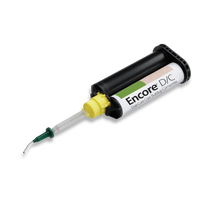
A Guide to PVS Dental Impression Material
- , by SurgiMac
- 37 min reading time
Get expert tips on PVS dental impression material, including clinical techniques, troubleshooting, and how to choose the best PVS for accurate dental impressions.
A void at the margin. A distorted arch. We've all been there. A failed impression means wasted material, lost chair time, and a frustrating delay for everyone involved. While these issues can feel random, they almost always come down to the specific properties of your material. Mastering your pvs dental impression material is the key to ending retakes for good. By understanding its unique traits—from its hydrophobic nature to its sensitivity to latex glove contamination—you can stop problems before they start. This guide is your clinical cheat sheet for achieving consistently perfect impressions.
Key Takeaways
- Demand Precision for Final Restorations: PVS is the standard for final impressions because its superior dimensional stability and detail capture lead directly to better-fitting crowns, bridges, and implants, significantly reducing chairside adjustment time.
- Master the Details to Prevent Retakes: Three simple steps guarantee a perfect impression: maintain a dry, isolated field, use an automix gun for a homogenous mix, and always choose nitrile gloves like MacSafe to prevent setting inhibition from latex.
- Select the Right PVS for the Procedure: Tailor your material choice to the clinical need. Combine a light-body wash with a heavy-body tray material for detailed final impressions, and use a specialized, fast-setting material like MacBite for accurate bite registrations.

What Is PVS Dental Impression Material?
Polyvinyl Siloxane (PVS) is a cornerstone of modern restorative dentistry, trusted for its ability to produce exceptionally accurate and stable impressions. As an addition-reaction silicone, PVS sets through a chemical process that results in a highly durable and detailed negative reproduction of the intraoral anatomy. This precision is fundamental for creating well-fitting crowns, bridges, veneers, and implants. Unlike other materials that may require an immediate pour, PVS impressions can be sent to the lab or stored without fear of distortion, giving your practice greater flexibility. Its reliability and ease of use have made it an indispensable tool for clinicians aiming for predictable and high-quality patient outcomes.
A Brief History and Its Role in Modern Dentistry
Since its introduction in the mid-1970s, Polyvinyl Siloxane has become the gold standard for dental impressions. PVS materials have seen continuous improvement, making them a top choice for clinicians who demand precision. Its unique chemical makeup allows it to capture incredibly fine details while remaining dimensionally stable over time. This means the impression you take today will be just as accurate weeks from now, offering incredible flexibility for your lab workflow and reducing chairside adjustments. This stability is what makes PVS indispensable, allowing for multiple models to be poured from a single impression without any loss of detail. High-quality materials, like those in the SurgiMac MacImpress Collection, build on this legacy by offering exceptional tear resistance and hydrophilic properties for flawless results. The reliability of PVS ensures that from crowns to complex implant cases, you can proceed with confidence, knowing your foundation is accurate.
What Makes PVS So Effective? Composition and Properties
At its core, PVS is a silicone-based polymer that offers a unique combination of clinically significant properties. Its standout feature is its superior dimensional stability, meaning the impression maintains its exact size and shape long after it has been taken. This stability ensures that the dental lab works with a true-to-life model, minimizing adjustments and remakes.
PVS materials are also known for their ability to capture incredibly fine details, reproducing crisp margins and subtle anatomical features with precision. This is essential for fabricating restorations that fit perfectly. For the patient, PVS offers a more comfortable experience, as it is odorless, tasteless, and sets relatively quickly. High-quality formulations, like those in the MacImpress Collection, are engineered to optimize these properties, providing a smooth, reliable workflow for every final impression.
Specific Set Times and Hardness Levels
Not all PVS materials are created equal, and selecting the right one is crucial for procedural success. PVS is available in a range of viscosities—from light-body wash materials that capture fine marginal details to heavy-body and putty materials that provide rigid tray support. This versatility allows you to tailor your technique for any clinical scenario. Modern formulations are also designed for efficiency, with fast set times typically ranging from two to four minutes, which minimizes patient discomfort and keeps your schedule moving. Furthermore, different materials offer varying final hardness levels. A more rigid impression can be ideal for certain restorative cases, while a slightly more flexible one might be easier to remove from the mouth. For specialized tasks like bite registrations, a material like MacBite offers an extremely fast set and a rigid final result to ensure accurate articulation.
Disinfection Protocols and Quality Standards
Maintaining impeccable infection control is non-negotiable, and your impression material must support your protocols. A significant advantage of PVS is that it can be thoroughly disinfected without compromising its dimensional stability or surface detail. This ensures that the impression arriving at the dental lab is both accurate and safe. However, it is essential to follow the manufacturer’s specific guidelines for disinfection to prevent any potential degradation of the material. Reputable PVS products also adhere to high-quality benchmarks, such as ISO 4380, which guarantees reliability and consistent clinical performance. Choosing a trusted material means you can be confident that it not only captures a perfect impression but also meets the stringent safety and quality standards required in modern dentistry.
How Does PVS Compare to Alginate and Polyether?
Choosing the right impression material depends entirely on the clinical application. While PVS is a go-to for final impressions, it’s helpful to know how it compares to other common materials.
Alginate is a cost-effective and easy-to-use material ideal for preliminary impressions, study models, and fabricating custom trays. Products like AlgiMac are perfect for these routine procedures. However, alginate lacks the dimensional stability of PVS and must be poured almost immediately to prevent distortion.
Polyether is another high-precision material, often compared to PVS. Its primary advantage is its natural hydrophilicity, or affinity for water, which allows it to perform exceptionally well in moist oral environments. While PVS is inherently hydrophobic, many modern formulations include surfactants to improve performance in the presence of moisture. Ultimately, the choice between PVS and polyether often comes down to clinician preference, handling characteristics, and specific case requirements.
Why Choose PVS for Your Dental Impressions?
When precision is non-negotiable, Polyvinyl Siloxane (PVS) stands out as the material of choice for many dental professionals. Its unique chemical composition delivers a combination of accuracy, stability, and ease of use that is difficult to match. Unlike traditional materials that may require immediate pouring or are prone to distortion, PVS provides a reliable foundation for high-quality restorative and prosthodontic work. The advantages extend beyond the material's physical properties; they translate directly into better clinical outcomes, improved workflow efficiency, and a more comfortable patient experience. From capturing the finest margin details for a crown to ensuring the passive fit of an implant prosthesis, PVS offers the control and confidence you need for your most demanding cases.
Get Unmatched Dimensional Stability
One of the most significant advantages of PVS is its exceptional dimensional stability. After setting, a PVS impression resists shrinking or expanding over time, a crucial factor for accuracy. This means you aren't rushed to pour the model immediately after taking the impression. According to research on polyvinyl siloxane, impressions can often be poured weeks later without any clinically significant loss of accuracy. This stability provides incredible flexibility for your practice’s workflow, especially when coordinating with a dental laboratory. It ensures that the model your lab works on is a true replica of the patient's dentition, leading to restorations that fit precisely with minimal chairside adjustments.
Capture Every Margin with Precision
The success of a complex restoration hinges on the impression’s ability to replicate every minute detail of the preparation and surrounding tissues. PVS excels at this, thanks to its excellent flow characteristics and hydrophilicity. It can capture very fine details, flowing into tight subgingival areas and reproducing crisp, clear margin lines essential for fabricating perfectly sealed crowns, veneers, and bridges. High-quality formulations like MacImpress are engineered to provide superior accuracy and tear resistance, ensuring that even the most delicate anatomical features are transferred flawlessly from the patient to the final model. This level of detail is fundamental to creating restorations with an impeccable fit and natural esthetics.
Enjoy a More Flexible Working Time
PVS materials offer a well-defined and adequate working time, giving you full control during the impression-taking process. You have sufficient time to properly mix the material, load the tray, and seat it in the patient's mouth without feeling rushed. Once the working time ends, PVS has a relatively quick "snap-set," which minimizes the time the tray must remain in the mouth and reduces the chance of distortion from patient movement. Furthermore, PVS is odorless and tasteless, which significantly improves patient comfort and compliance compared to materials with strong chemical tastes or smells. This user-friendly experience makes the entire procedure smoother for both you and your patient.
Count on Its Strength and Tear Resistance
An impression is only useful if it can be removed from the mouth intact. PVS is known for its high tear strength and excellent elastic recovery. This means it can be removed from around deep undercuts and interproximal spaces without tearing or permanently distorting. The impression material stretches as it is removed and then rebounds to its original shape, preserving the accuracy of the captured details. This durability is also beneficial during the model-pouring process, as a single PVS impression can often be used to create multiple stone models if needed, without compromising the integrity of the mold.
Which PVS Viscosity Should You Use?
Polyvinyl siloxane (PVS) isn't a one-size-fits-all solution. It comes in several viscosities, or "bodies," each formulated for a specific role in the impression-taking process. Understanding the differences is key to selecting the right material for any given clinical scenario, from a single crown to a full-arch restoration. The most common approach is the dual-viscosity technique, where a low-viscosity material captures fine details and a high-viscosity material provides support and stability in the tray.
The four primary types you'll work with are light-body, medium-body, heavy-body, and putty. Each offers a unique balance of flow, stiffness, and working time, allowing you to tailor your technique for optimal accuracy and handling. High-quality systems like the MacImpress Collection offer a range of viscosities, ensuring you have the right material on hand for every procedure. By mastering how and when to use each type, you can consistently produce precise, void-free impressions that lead to perfectly fitting restorations.
Light-Body: For High-Flow Detail
Light-body PVS is your go-to for capturing the finest details. With its low viscosity and high flowability, it’s designed to be syringed directly onto the prepared tooth and surrounding tissues. This allows the material to flow into every crevice, accurately recording subgingival margins, intricate occlusal anatomy, and delicate soft tissue contours. Because of its fluid consistency, it acts as a "wash" material, typically used in combination with a more viscous tray material like heavy-body or putty. The tray material provides the necessary support and pressure to drive the light-body PVS into the most critical areas, ensuring a highly detailed and accurate final impression.
Medium-Body: The Versatile Workhorse
As its name suggests, medium-body PVS offers a middle ground between the high flow of light-body and the stiffness of heavy-body materials. This balanced viscosity makes it incredibly versatile. It can be used as a single-material (monophase) impression technique for cases like study models, orthodontic appliances, or temporary crown-and-bridge impressions where extreme detail isn't the primary objective. It can also function as a tray material in conjunction with a light-body wash, providing a good blend of stability and flow. Its adaptability makes it a valuable and efficient tool for a wide range of everyday dental procedures.
Heavy-Body: Ideal for Tray Support
Heavy-body PVS is the workhorse for providing structural support to your impressions. Its high viscosity and stiffness make it the ideal tray material. It creates a rigid, stable base that prevents distortion as the impression is removed from the mouth. When used with a light-body wash, the heavy-body material effectively displaces the wash material, hydraulically forcing it into the detailed areas of the preparation. This synergy ensures that the fine details captured by the light-body are supported by a dimensionally stable foundation. Its excellent tear resistance and stability are crucial for achieving predictable results, especially in full-arch or complex restorative cases.
PVS Putty: For Custom Trays and More
Putty is the most viscous PVS material available, with a dense, dough-like consistency that is mixed by hand. Its primary application is in the two-step putty-wash technique. First, an initial impression is taken with the putty to create a custom-fitting tray directly in the patient's mouth. After it sets, space is created for a wash material, and the putty tray is relined with a light-body PVS for the final, highly detailed impression. Putty offers maximum support and dimensional stability, minimizing the risk of compression or distortion. This makes it an excellent choice for multi-unit bridge impressions and other extensive restorative work.
When is PVS the Right Choice for a Procedure?
Polyvinyl Siloxane (PVS) materials are a cornerstone of restorative and prosthodontic dentistry, prized for their versatility and predictable results. Their unique combination of dimensional stability, tear strength, and exceptional detail reproduction makes them the go-to choice for a wide range of clinical situations. From single-unit crowns to complex implant cases, PVS provides the accuracy needed to create restorations that fit precisely and function beautifully. Let’s explore the most common applications where these advanced materials truly shine.
Creating Flawless Impressions for Crowns and Bridges
When it comes to fixed prosthodontics, precision is everything. PVS materials are ideal for final impressions because they capture the finest details of prepared teeth, including sharp edges and subgingival margins. This high fidelity ensures that the final crowns and bridges have an impeccable fit, minimizing chairside adjustments and leading to better long-term outcomes. The superior accuracy of a material like MacImpress allows dental labs to fabricate restorations that replicate the patient’s anatomy with incredible precision, which is essential for both function and aesthetics. Its dimensional stability also means the impression remains accurate long after it's taken, giving you and your lab peace of mind.
Achieving Accuracy in Implant Impressions
The success of an implant-supported restoration hinges on a perfectly accurate impression. PVS is the material of choice for implant impressions due to its rigidity and dimensional stability. It accurately records the position, angulation, and orientation of implant abutments or impression copings without distortion. This ensures the final prosthesis fits passively and precisely onto the implants, which is critical for preventing mechanical complications and ensuring the longevity of the restoration. Using reliable dental instruments alongside a high-quality PVS material provides the foundation for a successful and predictable implant outcome, preventing costly remakes and ensuring patient satisfaction.
Detailing Aesthetic Restorations and Veneers
For aesthetic cases like porcelain veneers, capturing every subtle detail of the tooth surface and gingival tissues is crucial for achieving a natural, seamless look. PVS materials excel in this area, flowing into intricate spaces to reproduce surface texture and delicate contours with unmatched accuracy. This level of detail is vital for creating restorations that blend flawlessly with the surrounding dentition. The excellent flow characteristics and tear strength of PVS materials ensure that even the thinnest, most delicate margin details are captured without tearing upon removal, giving the lab everything they need to craft lifelike veneers that your patients will love.
Ensuring Accurate Bite Registrations
An accurate bite registration is fundamental for establishing the correct occlusal relationship between the upper and lower arches. PVS-based bite registration materials are specifically formulated for this task, offering a fast set time, minimal resistance to closure, and exceptional hardness once set. This prevents distortion and ensures the models can be articulated correctly. Products like MacBite are designed to capture detailed occlusal relationships with outstanding clarity and stability. Because it is non-slumping and sets quickly, it simplifies the procedure for both the clinician and the patient, leading to consistently precise results for any restorative case.
Clinical Considerations for Mobile Teeth
Taking an impression on a patient with mobile teeth presents a unique clinical challenge. The primary risk is inadvertently displacing the teeth with the pressure of the impression material, which would result in an inaccurate model and a poorly fitting final restoration that could exacerbate the mobility. Successful management of these cases often involves stabilizing the mobile teeth, sometimes with a temporary splint, before taking the impression. A gentle technique is crucial; avoid using heavy-body or putty materials that exert significant force. Instead, opt for a lower-viscosity material that flows easily with minimal pressure, ensuring you capture the teeth in their passive, functional position without causing further trauma or distortion.
A high-quality PVS material is still essential in these situations. The excellent tear strength and elastic recovery of a system like MacImpress are highly beneficial, allowing the impression to be removed from around compromised teeth and undercuts without tearing or pulling. By combining a careful technique with the right material, you can achieve an accurate impression that provides a solid foundation for a restoration designed to restore function and comfort. This careful approach is fundamental to improving the patient's quality of life and achieving a predictable, successful outcome for a challenging clinical scenario.
Comparing Top PVS Dental Impression Materials
With so many excellent PVS materials on the market, choosing the right one often comes down to specific clinical needs and personal preference. Each brand offers a unique combination of handling characteristics, setting times, and viscosities. Let's explore some of the top-performing PVS materials trusted by dental professionals for their consistency and precision.
Why Clinicians Trust MacImpress by SurgiMac
When flawless reproduction of intraoral details is non-negotiable, MacImpress stands out as a leading choice. Engineered with an advanced Vinyl Polysiloxane formulation, this material provides exceptional accuracy and dimensional stability. According to industry reviews, MacImpress is known for its excellent detail reproduction, making it a reliable choice for creating precise final impressions for crowns, bridges, and implants. Its high tear resistance ensures that even the finest margins are captured without distortion upon removal. For clinicians who demand superior-fitting restorations and clinical consistency, MacImpress delivers with confidence and speed, supporting an efficient and predictable workflow.
3M Imprint 4 VPS
The 3M™ Imprint™ 4 VPS Impression Material is designed for high precision and remarkable ease of use. A key advantage of this line is its active self-warming, which leads to a faster setting time without compromising the working time you need. As noted by Solventum, the material offers a variety of viscosities to suit different clinical needs, from light-body to heavy-body options. Its excellent tear strength and hydrophilic properties make it a versatile and dependable option for a wide range of dental applications, ensuring accurate results even in challenging, moist environments.
Kerr Extrude and Aquasil Ultra+
Kerr Dental has long been a trusted name in restorative dentistry, and its Extrude and Aquasil Ultra+ PVS materials live up to that reputation. These products are widely recognized for their superior flow properties, allowing them to capture even the most intricate details of the sulcus with incredible accuracy. A major benefit is their outstanding hydrophilic properties, which enhance performance in the presence of moisture. This ensures you can achieve a void-free, precise impression on the first attempt, making them ideal for complex cases where every detail matters for the final restoration.
Coltene Zetaplus and President
Coltene's Zetaplus and President lines are well-regarded in the dental community for their exceptional dimensional stability and high tear strength. This durability is a significant clinical advantage, as it ensures that your impressions remain accurate and can be poured multiple times without any loss of detail. This feature is particularly valuable for complex cases or when a duplicate model is needed for lab communication or patient records. Available in a comprehensive range of viscosities, these materials cater to various clinical applications and preferences, providing reliable and reproducible results that clinicians can depend on.
GC Flexceed
For impressions that require both precision and flexibility, GC Flexceed is an excellent choice. This material is specifically noted for its impressive tear resistance and elasticity, which allows for easy removal from the mouth—even around significant undercuts—without the risk of tearing or distortion. This makes it particularly effective for capturing the fine, delicate details needed for high-quality aesthetic restorations and veneers. Clinicians often favor GC Flexceed when working on intricate cases, as its reliable performance ensures that the final impression is a perfect negative of the patient's dentition, leading to better-fitting and more predictable outcomes.
Your Guide to Perfect PVS Impressions Every Time
Achieving a flawless impression is less about the material itself and more about the technique you use. Even a premium Vinyl Polysiloxane (VPS) material requires careful handling to capture every critical detail for a perfect-fitting restoration. By refining a few key steps in your workflow—from mixing to moisture control—you can ensure your PVS impressions are consistently accurate, void-free, and reliable. This attention to detail not only saves chair time by reducing the need for retakes but also contributes to superior patient outcomes. Let’s walk through the essential steps for getting predictable, high-quality results every time you reach for PVS.
Step 1: Effective Tissue Management and Hemostasis
A perfect impression begins long before the PVS material is ever mixed. The foundation for success is a completely dry and controlled field. It is absolutely critical to achieve complete hemostasis before syringing your wash material, as any bleeding or sulcular fluid will obscure the preparation margins and prevent the PVS from capturing the necessary detail. The success of your final restoration depends on replicating every minute detail, and this simply isn't possible in a wet environment. Use retraction cords, hemostatic agents, or other preferred methods to gently displace the gingival tissues and ensure the entire margin is visible and dry. While advanced materials like MacImpress are formulated with hydrophilic properties to tolerate slight moisture, they perform optimally when bleeding is fully controlled, allowing their excellent flow to capture every detail flawlessly.
Perfecting Your Mixing Technique
PVS materials consist of a base and a catalyst paste that must be thoroughly combined to initiate the polymerization reaction. While hand-mixing is an option, it introduces the risk of an inconsistent ratio and air bubbles that can compromise the final impression. For the most predictable outcomes, use an automix dispensing gun. This tool ensures a homogenous, void-free mix with the correct base-to-catalyst ratio every single time. When using a system like MacImpress, always bleed a small amount of material from the cartridge before attaching the mixing tip to guarantee both pastes are flowing evenly. This simple step prevents streaking and ensures a uniform set.
How to Extend Working Time for PVS Putty
While premium PVS materials like those in the MacImpress Collection are formulated to provide a reliable working time, a warm operatory can sometimes accelerate the setting reaction faster than you'd like. Since the polymerization of PVS is sensitive to temperature, you can use this to your advantage. The most effective way to gain a few extra moments is to cool the material before mixing. Storing your PVS putty in a refrigerator for about an hour before the procedure can slightly slow the chemical reaction, giving you more time to mix and seat the tray without feeling rushed. Just be careful not to freeze the material, as this can compromise its integrity. Additionally, ensure you use nitrile gloves, as latex can inhibit the setting process and unpredictably alter your working time.
Tips for Effective Moisture Control
One of the defining characteristics of PVS is its hydrophobic nature, meaning it repels water. This property makes meticulous moisture control absolutely critical for success. Before seating the impression tray, ensure the preparation and surrounding tissues are completely dry. Use high-volume suction, cotton rolls, and retraction cord to create an isolated field free of saliva and sulcular fluid. A dry field allows the PVS material to flow into the sulcus and capture fine marginal details without distortion. Proper isolation is a non-negotiable step for achieving the crisp, clear margins that high-quality dental impression materials are designed to deliver.
Choosing the Right Tray and Application Method
The impression tray is the foundation of your impression, and its stability is paramount. Always use a rigid, non-flexible tray to prevent distortion as the material sets. A flexible tray can bend upon removal from the mouth, leading to an inaccurate cast and a poorly fitting restoration. Before loading the material, apply a thin, even layer of VPS tray adhesive and allow it to dry completely according to the manufacturer's instructions. This ensures the PVS material chemically bonds to the tray, preventing separation or delamination during removal. This simple step is crucial for maintaining the dimensional accuracy of your final impression.
Step 2: Mastering Injection and Removal Techniques
Once your field is isolated and your material is mixed, the success of your impression comes down to two critical moments: injection and removal. How you apply the light-body wash material directly impacts your ability to capture fine details without voids, while your removal technique determines whether that detail is preserved without tears or distortion. Mastering a systematic approach for both steps is essential for leveraging the advanced properties of your PVS material. A steady hand during syringing and a confident, decisive motion during removal will help you avoid common pitfalls and produce consistently flawless results for your lab.
Proper Syringing to Prevent Voids
Light-body PVS is formulated to capture the most intricate details, but its effectiveness depends on proper application. To prevent voids, always keep the tip of your intraoral syringe submerged in the material as you express it around the preparation. Start at the most distal point of the prepared tooth, injecting into the base of the sulcus and allowing the material to flow occlusally. This technique ensures the PVS displaces any trapped air rather than trapping it. Use a continuous, steady motion to cover all prepared surfaces and line angles before seating the tray. A high-quality material like MacImpress offers the ideal flowability to capture subgingival margins and occlusal anatomy with precision.
Correct Removal to Avoid Distortion
An impression is only as good as its ability to be removed intact. PVS is known for its high tear strength and excellent elastic recovery, allowing it to stretch around undercuts and then rebound to its original shape. To take full advantage of this property, wait for the material to complete its full setting time as specified by the manufacturer. Once set, break the peripheral seal to allow air underneath the tray. Then, use a single, firm, and quick "snap" to remove the impression. Avoid slow, teasing, or rocking motions, as these can lead to plastic deformation and permanent distortion. This decisive technique leverages the material's elasticity, preserving the accuracy of every captured detail.
Best Practices for PVS Storage and Handling
Proper handling extends beyond the clinical application. Always store your PVS materials according to the manufacturer’s instructions, typically at a controlled room temperature away from direct heat or sunlight. When handling the material, be mindful of potential contaminants. Latex gloves can inhibit the setting reaction due to their sulfur content, so it’s best practice to use nitrile exam gloves from a trusted line like MacSafe. Once the impression is taken, it can be disinfected using standard protocols without risking distortion, as PVS is known for its excellent dimensional stability over time, ensuring your lab receives an accurate model to work from.
Troubleshooting Common PVS Impression Issues
While PVS is a go-to material for its precision and stability, every clinician knows it comes with a few quirks. Getting that perfect, void-free impression on the first try is key to an efficient workflow, accurate restorations, and positive patient outcomes. Remakes not only add to chair time but also increase material costs and can delay critical treatment. The good news is that most PVS-related issues are entirely preventable once you understand their root cause. Achieving a flawless impression means anticipating and managing a few common challenges that can arise during the procedure. With the right technique and a bit of clinical know-how, you can easily sidestep potential problems and ensure your impressions are consistently accurate. Let’s walk through the three most common hurdles—moisture sensitivity, sulfur contamination, and hydrogen gas release—and the simple, actionable steps you can take to master them in your daily practice. Think of this as your clinical cheat sheet for predictable, high-quality results that your lab will thank you for.
How to Manage Moisture Sensitivity
PVS is inherently hydrophobic, meaning it naturally repels water. For an accurate impression, you need a dry field. While some advanced formulas like MacImpress are designed with surfactants to improve performance in moist environments, even the best materials can’t overcome a contaminated surface. Saliva or blood can lead to voids and prevent the material from capturing fine details. To ensure a crisp, clear margin, focus on effective isolation. Use cotton rolls, retraction cords, and a reliable high-volume evacuator to maintain a dry working area. A quick blast of air from your syringe right before seating the tray can make all the difference in capturing every critical detail.
How to Avoid Sulfur Contamination
If you’ve ever pulled an impression that was sticky and unset in some areas, sulfur contamination might be the culprit. Sulfur, commonly found in latex gloves, can inhibit the polymerization (setting) reaction of PVS materials. This interaction leaves a tacky, uncured layer on the impression, rendering it unusable. The solution is simple: never use latex gloves when working with PVS. Instead, opt for nitrile or vinyl examination gloves to handle the material and retract the patient’s cheeks. Our MacSafe line offers a variety of non-latex gloves that provide excellent tactile sensitivity without risking your impression. This small change in your workflow is a foolproof way to prevent setting failures.
Understanding Latex Inhibition
One of the most significant challenges when working with PVS materials is their sensitivity to sulfur, a chemical commonly found in latex gloves. This isn't a flaw in the material; it's a specific chemical reaction. PVS materials rely on a platinum catalyst to trigger their setting, or polymerization, process. When sulfur compounds from latex gloves come into contact with the unmixed PVS, they essentially poison this catalyst, inhibiting the setting reaction. This results in sticky, unset areas on the impression surface, compromising its accuracy and forcing a retake. Understanding this interaction is the first step to preventing it from disrupting your workflow.
Remediation for Accidental Latex Contact
Unfortunately, once an impression has been compromised by latex inhibition, there is no way to salvage it—a retake is necessary. Therefore, the best remediation is prevention. The solution is straightforward: never use latex gloves when handling PVS impression materials, putty, or retracting the patient's cheeks. Instead, make the switch to nitrile or vinyl examination gloves, which are free of the sulfur compounds that cause this issue. By making a reliable choice like MacSafe nitrile gloves a standard part of your impression protocol, you can completely eliminate this common cause of material failure and ensure your impressions are consistently accurate and fully set.
What to Do About Hydrogen Gas Release
A less-known characteristic of some PVS materials is that they release a small amount of hydrogen gas as a byproduct of the setting reaction. If you pour a stone model too quickly after taking the impression, this outgassing can create tiny bubbles or voids on the surface of the model, compromising its accuracy. To avoid this, just give your impression a little time to rest. It’s best practice to wait at least 30 to 60 minutes after removing the impression from the mouth before pouring the gypsum model. This simple pause allows any residual hydrogen gas to dissipate, ensuring your final model is a bubble-free, exact replica of the impression.
What's the Real Cost of PVS Materials?
Investing in high-quality PVS impression material is a direct investment in your clinical outcomes. While PVS is considered a premium material, understanding the factors that influence its cost can help you make smart purchasing decisions that align with your practice's budget and standards of care. It’s not just about the price tag on a single cartridge; it’s about the overall value a material brings through accuracy, reliability, and efficiency.
A Cost Breakdown by PVS Viscosity
The cost of PVS materials can vary quite a bit depending on the brand, viscosity, and delivery system. For example, comprehensive kits like the 3M™ Imprint™ 4 VPS Impression Materials are packaged to provide a complete solution, while individual refills will have a different price point. This variability allows you to choose products that fit your specific procedural needs and budget.
Higher-priced materials often reflect advanced formulations that offer superior performance. Qualities like excellent tear strength and dimensional stability are crucial for preventing costly remakes and ensuring precise-fitting restorations. At SurgiMac, we developed our MacImpress Collection to provide clinicians with this exceptional accuracy and performance at a competitive price, ensuring you don’t have to compromise on quality to manage costs.
Is Buying in Bulk Right for Your Practice?
One of the most effective ways to manage supply costs is through strategic bulk purchasing. For a busy practice that frequently performs restorative or prosthodontic procedures, buying PVS materials in larger quantities can lead to significant savings over time. Many suppliers encourage this by offering incentives, such as free shipping on larger orders, which can make a real difference to your bottom line.
Planning your inventory and stocking up on essential materials like PVS and bite registration materials helps streamline your workflow and reduces the per-unit cost. By ordering more at once, you minimize shipping fees and the administrative time spent on frequent reordering. This approach ensures your clinic is always prepared for any procedure without stretching your budget.
How to Find the Best Value in PVS Materials
Securing the best value means looking beyond the initial price and considering the material's overall performance and reliability. Exploring suppliers who offer a wide range of Vinyl Polysiloxane products allows you to compare different brands and find the one that best suits your clinical style and financial goals.
True value comes from a material that performs consistently, minimizes chair time, and eliminates the frustration of impression retakes. For bite registrations, a fast-setting and distortion-resistant material like MacBite ensures precise articulation every time. By choosing dependable products, you invest in efficiency and predictable outcomes, which ultimately benefits both your practice and your patients.
PVS vs. Other Materials: A Head-to-Head Comparison
Choosing the right impression material is a critical decision that directly impacts the success of a restoration. While Polyvinyl Siloxane (PVS) is a go-to for many procedures, understanding how it stacks up against other common materials like alginate and polyether helps you select the best option for every clinical scenario. The primary differences come down to accuracy, dimensional stability, moisture tolerance, and handling characteristics. Each material has a distinct role in the modern dental practice, from preliminary models to the most demanding final impressions.
PVS vs. Alginate: Which is More Accurate?
The most significant distinction between PVS and alginate lies in their precision and stability. PVS materials, like our MacImpress collection, are engineered for high-fidelity reproduction of intraoral details, making them the standard for final impressions. Their exceptional dimensional stability means an impression remains accurate for days or even weeks, allowing for delayed pouring or multiple pours from a single impression without distortion.
Alginate, on the other hand, is an irreversible hydrocolloid best suited for preliminary impressions, study casts, and orthodontic models. While products like AlgiMac are excellent for capturing general anatomy, they don’t offer the fine detail of PVS. Alginate impressions are also prone to syneresis and imbibition, requiring them to be poured within 10–15 minutes to prevent dimensional changes.
PVS vs. Polyether: Comparing Handling and Moisture Tolerance
When working in a moist oral environment, hydrophilicity is key. Polyether materials are naturally hydrophilic, meaning they perform exceptionally well in the presence of saliva or sulcular fluid, making them a strong choice for deep subgingival margins. However, they tend to be very rigid upon setting, which can make tray removal difficult, especially around undercuts. They also have a distinct taste that some patients find unpleasant.
While traditional PVS is hydrophobic, modern formulations are manufactured with surfactants that give them excellent hydrophilic properties. This allows them to displace moisture and capture crisp, void-free margins. PVS also offers superior flexibility and tear strength, making it easier to remove from the mouth without tearing or distorting, which is a clear advantage for both the clinician and the patient.
Technique Differences: Two-Step vs. Monophase
Your choice between a two-step or monophase technique will depend on the clinical goal. For final restorations where maximum detail is non-negotiable, the two-step putty-wash technique is the gold standard. This method involves taking an initial impression with a high-viscosity putty to create a custom-fit tray. This putty tray is then relined with a low-viscosity light-body wash, which flows into every crevice. The stiff putty provides a stable, supportive base, while the wash material precisely captures intricate marginal details.
Conversely, the monophase technique provides a streamlined and efficient workflow for cases where extreme detail isn't the top priority. This approach uses a single, medium-body material for both the tray and syringing, making it an excellent choice for fabricating study models, orthodontic appliances, or temporary restorations. Its adaptability is a key advantage for many everyday procedures. A versatile system like the MacImpress Collection offers the full range of viscosities, equipping you to master both techniques and adapt your approach to any clinical situation.
A Quick Guide to Setting and Working Times
Clinical efficiency often depends on having control over your material's behavior. PVS materials provide this control by offering a wide variety of working and setting times. A regular-set PVS gives you ample time to syringe light-body material and properly seat a tray for a full-arch case. In contrast, a fast-set version is perfect for single-unit crowns or quadrant dentistry, minimizing chair time and improving patient comfort.
This versatility extends to specialized applications like bite registration. A material like MacBite has a very short working time and sets rapidly to capture an accurate occlusal relationship without distortion. This level of control allows you to tailor your material choice to the specific demands of the procedure, streamlining your workflow.
Frequently Asked Questions
When should I choose PVS over polyether for a final impression? The choice often comes down to handling preference and the specific clinical situation. Polyether is naturally hydrophilic, which is a great advantage in a very moist environment. However, it sets quite rigidly, which can make it difficult to remove from the mouth, especially around undercuts. Modern PVS materials like MacImpress are formulated with surfactants to perform exceptionally well in the presence of moisture, while also offering superior tear strength and flexibility. This makes PVS a more versatile and forgiving choice for most crown, bridge, and implant cases.
My PVS impressions sometimes have unset, tacky spots. What's causing this? This is almost always due to sulfur contamination from latex gloves. The sulfur inhibits the setting reaction of the PVS material, leaving you with a sticky, unusable impression. The fix is simple: switch to non-latex examination gloves. Using nitrile or vinyl gloves, like those from our MacSafe collection, completely eliminates this risk and ensures a predictable, uniform set every time you take an impression.
Can I use the same PVS material for both my final impression and my bite registration? While they are both PVS-based, you shouldn't use them interchangeably. Impression materials are designed to have some flexibility and a longer working time to capture fine detail. Bite registration materials, like MacBite, are formulated to be very rigid, fast-setting, and non-slumping. Using a dedicated bite registration material ensures you capture an accurate occlusal relationship without any distortion, which is critical for the lab to correctly articulate your models.
Is it really necessary to wait before pouring a stone model from a PVS impression? Yes, it's a small step that makes a big difference. Some PVS materials release hydrogen gas as a byproduct of the setting reaction. If you pour the model immediately, this outgassing can create tiny bubbles and voids on the surface of the stone cast, compromising the accuracy of your die. Waiting just 30 to 60 minutes allows this gas to dissipate completely, ensuring your final model is a flawless, bubble-free replica.
What's the most common mistake clinicians make when using the putty-wash technique? The most frequent error is creating inadequate space for the wash material. If the initial putty impression is too tight, there won't be enough room for the light-body wash to flow and capture detail. This can result in the putty showing through the wash, leading to an inaccurate impression. To avoid this, be sure to create sufficient relief in the putty tray, either by scraping a thin layer away or by using a plastic spacer sheet during the initial impression.
Read More
Tags
Blog posts
-
, by SurgiMac A Clinician's Guide to Absorbable Suture Material
-
, by SurgiMac A Clinician's Guide to Dental Composite Resin Kits
-
, by SurgiMac How to Disinfect with Metrex CaviWipes Correctly
