
Scalpel Blade Sizes: A Complete Guide for Dental & Surgical Professionals
- , by SurgiMac
- 40 min reading time
Find the right scalpel blade size for every procedure. Learn how blade shape, material, and quality impact precision, safety, and patient outcomes.
You likely know a #10 blade from a #15 at a single glance. But what about the subtle differences in blade geometry that affect how it moves through tissue? Or when to choose carbon steel over stainless steel for optimal sharpness? Moving beyond just the numbers to understand the nuances of scalpel blade sizes is what refines great technique. The material, coating, and grind all play a critical role in performance, influencing everything from tissue drag to healing time. This guide explores those finer details, helping you perfect your instrument selection and appreciate why a premium blade from the MacCut collection is a non-negotiable part of achieving excellent patient outcomes with a trusted supplier like SurgiMac.
What Are Surgical Blades?
Surgical blades, also commonly called scalpel blades, are precision cutting instruments designed for use in medical procedures that require extremely controlled and accurate incisions. These blades are typically made from high-grade stainless steel or carbon steel and are manufactured to maintain sharpness, durability, and sterility during surgical procedures.
Surgical blades are attached to reusable scalpel handles and come in a wide range of shapes and sizes. Each blade type is engineered for specific surgical tasks, such as making small precise incisions, creating long cuts through tissue, or performing detailed procedures in delicate anatomical areas.
Medical professionals rely on surgical blades in many specialties including general surgery, dermatology, podiatry, dentistry, plastic surgery, and emergency medicine. The design of each blade determines how it performs during surgery. Some blades are curved to allow smooth slicing motions, while others are pointed for precise punctures or small incisions.
Choosing the correct surgical blade size and shape is critical for achieving the best surgical outcomes. The wrong blade type can reduce precision and increase tissue trauma. This is why healthcare professionals must understand the differences between blade shapes, sizes, and materials when selecting surgical instruments.
Understanding surgical blade types also helps healthcare providers maintain efficiency in operating rooms and clinical environments where precision instruments are essential.
Key Takeaways
- Choose Your Blade with Purpose: The number on a scalpel blade is your guide to its specific function. Making a strategic choice—like a #12 for tight spaces or a #15 for delicate incisions—is the first step toward a successful and precise procedure.
- Prioritize Quality for a Cleaner Cut: A blade's performance goes beyond its number; the material and design are what guarantee a clean incision. A well-made blade minimizes tissue damage, which directly contributes to faster and smoother patient healing.
- Pair Your Skill with Uncompromising Safety: Your expertise is the foundation, but it must be supported by rigorous safety habits. Proper handling and disposal are essential for protecting everyone involved, completing a cycle of care that ends with a secure closure using trusted products like the MacSuture line.

What Do the Numbers on a Scalpel Blade Mean?
If you’ve ever looked at a scalpel blade, you’ve noticed the small number etched into the metal. This isn't a random serial number; it's a standardized system that tells you everything you need to know about the blade's size and shape. Understanding this numbering system is fundamental for any surgical or dental professional because it directly impacts the precision and outcome of a procedure. Choosing the right blade ensures clean incisions, minimizes tissue damage, and supports better patient healing. Think of it as a universal language for surgical instruments, allowing you to select the perfect tool for the task at hand with confidence and accuracy.
How to Read Scalpel Blade Numbers
The numbering system for scalpel blades is straightforward: each number corresponds to a specific blade profile. This system standardizes blades across manufacturers, so a #10 blade will have the same general shape and fit the same handle, no matter where you source it. Blades numbered from #10 to #19 are typically used with a #3 handle, which is common for more delicate or precise work. Blades in the #20 to #29 range are larger and fit a #4 handle, designed for making deeper or longer incisions. This simple but effective system allows you to quickly identify the right tool for everything from minor dental surgery to major operations.
When Do You Need a Specialty Blade?
Within the numbering system, you’ll find both common, everyday blades and more specialized ones. Blades like the #10, #11, and #15 are workhorses in many practices, used for a wide range of procedures. For instance, the #10 blade is a go-to for making large, clean incisions in skin and muscle. On the other hand, specialty blades are designed for very specific tasks. A #12 blade, with its crescent shape, is perfect for disarticulating or reaching difficult areas. Choosing the right surgical blade is crucial for procedural success, and having a variety of both common and specialty blades ensures you’re prepared for any situation.
Scalpel Blade Size Chart: A Quick Reference
While there are dozens of blade sizes, most professionals rely on a core group. Here’s a quick rundown of the most frequently used blades:
- #10 Blade: A large, curved cutting edge used for making initial incisions and cutting soft tissue. It’s one of the most common blades.
- #11 Blade: An elongated, triangular blade with a sharp point, ideal for making precise, short stab incisions needed for drainage.
- #12 Blade: A small, pointed, crescent-shaped blade sharpened along its inner edge, often used in dental surgery for its ability to get into tight spaces.
- #15 Blade: A smaller version of the #10 blade with a small, curved cutting edge, perfect for making short, precise incisions.
SurgiMac offers a comprehensive range of dental and surgical supplies to ensure you always have the exact blade you need for any procedure.
Choosing the Right Blade: A Breakdown by Number
Choosing the right surgical blade can feel like selecting the perfect artist's brush—each one is designed for a specific stroke. The success of a procedure often starts with the very first incision, and using the correct blade ensures precision, control, and better healing outcomes. While there are many blades to choose from, a few key players show up time and again in operating rooms and dental practices. Let’s break down the most common surgical blades and what they do best.
#10 Blade: Your Go-To for Large Incisions
Think of the #10 blade as the versatile workhorse of the surgical world. With its classic, large curved cutting edge, it’s the go-to for making initial incisions in skin and muscle. Its shape allows for long, clean cuts, making it a staple in general surgery and a variety of other procedures. If you need to make a larger opening with steady control, the #10 blade is almost always the right tool for the job. It’s one of the most widely recognized and frequently used blades, and for good reason—it’s reliable, effective, and straightforward to use for a broad range of applications.
#11 & #12 Blades: For Punctures and Precise Cuts
When your procedure calls for pinpoint accuracy, the #11 and #12 blades are your specialists. The #11 blade features a long, triangular shape that comes to a sharp point, making it ideal for stab incisions, like those needed for draining an abscess or inserting a chest tube. In contrast, the #12 blade has a small, crescent-shaped design with the cutting edge on the inside curve. This unique hook-like shape is perfect for tasks like removing sutures or dissecting tissue in hard-to-reach areas, such as in dental surgery. Both blades offer a level of precision that larger blades simply can't match.
Common Uses for the #11 Blade
The #11 blade is all about precision and control for making sharp, pointed incisions. Its distinct elongated, triangular shape tapers to a very sharp point, making it the perfect instrument for stab incisions. This design is essential for procedures requiring a precise puncture, such as the incision and drainage of an abscess. In dental settings, it’s invaluable for creating a clean opening to drain a periapical or periodontal abscess, allowing for immediate relief and treatment. The sharp tip provides excellent control for initiating the cut, ensuring the incision is exactly where it needs to be without causing unnecessary trauma to surrounding tissues. When a procedure demands a meticulous puncture, clinicians consistently choose the #11 blade for its reliability.
Specialized Applications for the #12 Blade
With its small, crescent-shaped design and an inner cutting edge, the #12 blade is a highly specialized tool for working in confined or hard-to-reach areas. This unique, hook-like shape is particularly useful in dental surgery. For example, it allows clinicians to make precise incisions on the distal surfaces of molars or in other posterior regions where a straight blade would be awkward to maneuver. It's also exceptionally well-suited for mucogingival surgery, dissecting tissue around the curvature of a tooth, and for cleanly severing sutures close to the tissue surface. The design of the #12 blade provides unparalleled access and control, making it an indispensable instrument for specific oral and periodontal procedures.
#15 Blade: The Choice for Fine, Intricate Work
For the most delicate and intricate work, the #15 blade is the top choice. It has a small, curved cutting edge that’s like a smaller, more nimble version of the #10 blade. This design offers exceptional control for making short, precise incisions. It’s commonly used in plastic surgery, ophthalmic procedures, and for removing small skin lesions or performing biopsies. In dentistry, the #15 blade is invaluable for periodontal procedures and other fine-scale oral surgeries where every millimeter counts. Its small size and sharp edge allow for meticulous work, minimizing tissue trauma and supporting a smoother recovery for the patient.
Versatile Applications of the #15 Blade
The #15 blade's reputation for precision is well-earned, making it a staple in procedures where control is non-negotiable. In dentistry, it's particularly indispensable for periodontal surgeries, allowing for clean gingival incisions and delicate tissue flaps. Its small, curved design enables clinicians to navigate tight intraoral spaces with confidence. Beyond the dental chair, this blade is the instrument of choice for removing small skin lesions and performing biopsies, where meticulous work is required to preserve surrounding healthy tissue. This versatility highlights why a high-quality #15 blade, like those in the MacCut collection, is essential for achieving clean, predictable outcomes in any fine-scale surgical work.
#20-#22 Blades: When You Need Depth and Reach
When you're working with tougher tissue or need to make substantial incisions, the #20 and #22 blades provide the necessary size and strength. The #20 blade is essentially a larger version of the #10, designed for making long, deep cuts in general or orthopedic surgery. The #22 blade is even larger, with a curved edge and a flat back, making it highly effective for creating large incisions through thick skin. These blades are built for procedures where depth and a significant opening are required, offering the surgeon the ability to work efficiently and safely on a larger scale.
Applications for #20 and #21 Blades
The #20 and #21 blades are essentially scaled-up versions of the #10, designed to fit a #4 handle for procedures that demand more substantial cutting power. The #20 blade is ideal for making long, deep incisions in dense tissue, making it a common choice in general and orthopedic surgery. Similarly, the #21 blade, which is slightly larger and more rounded at the tip than the #20, is used for deep tissue punctures and incisions. Both are indispensable when working on larger anatomical areas where a smaller blade would be inefficient or lack the necessary reach and durability for a clean, continuous cut through tougher structures.
#23, #24, and #25 Blades: For Long, Sweeping Incisions
When a procedure requires a long, sweeping incision, particularly in general or thoracic surgery, the #23, #24, and #25 blades are the instruments of choice. These larger blades are designed to fit a #4 handle and provide the length and stability needed to create significant openings with a single, fluid motion. Their design isn't just about size; it's about maintaining control and precision over a greater distance, which is critical for procedures like laparotomies. Using the right blade for these major incisions minimizes tissue trauma by avoiding hesitant or repeated cuts, leading to cleaner wound edges and better healing conditions. For such critical applications, relying on consistently sharp and durable blades, like those in the MacCut line, is fundamental to procedural success.
The #23 Blade for Major Incisions
The #23 blade is distinguished by its unique "leaf-shaped" profile, with a cutting edge along its leading curve. This design makes it exceptionally well-suited for creating long incisions, such as an upper midline incision of the abdomen during the repair of a perforated gastric ulcer. The shape allows the surgeon to maintain excellent control while making deep, continuous cuts through skin and fascia. Its specific geometry provides a balance of sharpness and durability, ensuring it performs reliably throughout lengthy procedures without losing its edge. This makes the #23 blade a trusted tool for major surgical interventions where precision and efficiency are paramount.
The #24 and #25 Blades in General Surgery
The #24 and #25 blades are robust tools designed for making long, sweeping incisions in general surgery. The #24 blade is slightly larger than the #23 and is often used for creating significant openings, such as a midline abdominal incision, where both depth and length are required. The #25 blade is also used for long incisions and is particularly useful for procedures requiring a straight, deep cut. Both blades are mainstays in operating rooms for their ability to handle thick tissue efficiently. When performing these demanding procedures, the quality of your surgical instruments directly impacts the outcome, making a reliable blade a non-negotiable component of your toolkit.
Identifying the Need for Specialty Blades
While the blades we've covered are the most common, they are just the beginning. The world of surgical and dental equipment and supplies includes a wide array of specialty blades designed for highly specific tasks. From micro-blades for neurosurgery to uniquely angled blades for ENT procedures, there’s a tool for nearly every situation. Understanding when to reach for a specialty blade is key to enhancing surgical outcomes. A clean, precise incision not only makes the procedure smoother but also sets the stage for better healing. It’s the perfect start that pairs well with high-quality closure materials, like our MacSuture line, to ensure the best possible patient recovery.
Surgical Blade Materials: Carbon Steel vs Stainless Steel
Surgical blades are manufactured primarily from two materials: carbon steel and stainless steel. Each material provides unique advantages depending on the type of procedure being performed.
Carbon steel blades are known for their exceptional sharpness. Because carbon steel can be ground to a finer edge, these blades are often preferred for procedures requiring extremely precise cuts. However, carbon steel can be more susceptible to corrosion if not properly treated or coated.
Stainless steel blades offer excellent durability and corrosion resistance. They maintain structural strength and are less prone to oxidation, which makes them a common choice for sterile, disposable surgical blades used in hospitals and clinics.
Many modern surgical blades also undergo specialized finishing processes that improve their cutting performance. These treatments can enhance blade longevity, improve edge retention, and maintain consistent sharpness throughout procedures.
Medical professionals choose blade materials based on factors such as surgical specialty, incision type, and instrument preference. Both materials provide high performance when manufactured according to medical-grade standards.
Understanding blade materials helps clinicians make better purchasing and surgical preparation decisions when selecting surgical tools.
Anatomy of a Scalpel: What Makes a Great Blade?
Beyond the number stamped on the blade, its physical design is what truly dictates its performance in your hands. The shape of the cutting edge, the material it’s made from, and even the way it’s ground all play a critical role in how it interacts with tissue. Understanding these design elements helps you move beyond simply knowing what a blade is for and lets you appreciate why it works so well for a specific task. This deeper knowledge is key to making every incision as clean and precise as possible, ensuring better outcomes for your patients.
How Blade Shape Dictates the Cut
The shape of a scalpel blade is its most telling feature, giving you an immediate clue about its intended purpose. Blades with a large, curved cutting edge—often called a “belly,” like the popular #10 and #22 blades—are perfect for making long, straight incisions in skin or muscle. The curve allows for a smooth, continuous cutting motion. In contrast, blades with sharp, angular tips like the #11 are designed for making precise stab incisions, such as for draining an abscess. Then you have hooked shapes like the #12, which are ideal for disarticulating or reaching difficult areas. Thinking about the type of incision you need to make is the first step in choosing the right shape.
Does Blade Material Really Affect Performance?
The material a blade is made from directly impacts its sharpness, durability, and resistance to corrosion. The two most common materials are carbon steel and stainless steel. Carbon steel blades are known for their exceptionally sharp initial edge, making them a favorite for procedures that demand the utmost precision. However, they are more susceptible to rust if not handled properly. Stainless steel offers excellent corrosion resistance and holds its edge well, providing a reliable and durable option for a wide range of procedures. The choice between them often comes down to procedural needs and personal preference, but a high-quality material is always non-negotiable for ensuring patient safety and optimal surgical outcomes.
Why Geometry Is Key to a Clean Incision
Blade geometry refers to the specific angles and thickness of the blade itself. It’s a subtle but crucial factor that influences how a blade moves through tissue. A well-designed blade, like a #15 used for delicate facial procedures, has a geometry that allows it to slice cleanly with minimal force. This reduces drag and minimizes damage to surrounding tissues, which can lead to faster healing and less scarring for the patient. Poor geometry, on the other hand, can cause the blade to tear or crush tissue instead of cutting it cleanly. This is why investing in professionally manufactured blades from trusted dental and surgical suppliers is so important—it ensures the geometry is optimized for performance and predictability.
Finding the Right Fit: Matching Blades to Handles
A surgical blade is only as good as its connection to the handle. A secure fit is essential for control, precision, and safety. Most handles and blades follow a standard pairing system: smaller blades (like the #10 to #15c series) fit on a No. 3 handle, while larger blades (the #20 to #25 series) fit on a No. 4 handle. Always ensure the blade is firmly seated before use. Just as you rely on the precision of our MacSuture line for secure wound closure, the right blade and handle combination is critical for the initial incision. Proper storage in a clean, dry environment also protects the blade’s integrity and ensures it’s ready when you need it.
Understanding #3, #4, and #7 Handle Compatibility
Pairing a scalpel blade to its handle is all about following a standardized system built for safety and optimal function. The most common handles you'll encounter are the #3, #4, and #7. The #3 handle is your standard for precision work, fitting blades in the #10 to #19 series, including the versatile #15 blade. For larger, deeper incisions, you'll reach for a #4 handle, which is designed to hold blades in the #20 series. The #7 handle offers a unique advantage with its longer, more slender profile, providing better reach in confined spaces while fitting the same #10 series blades as the #3 handle. This design makes it a favorite for delicate dental procedures where visibility is key, embodying the same principles of ergonomic control found in specialized surgical instruments like our Slim Series.
Selecting the Right Scalpel Blade for Dental Surgery
Choosing the right scalpel blade is more than just a matter of habit; it’s a critical decision that directly influences the outcome of your dental procedures. The right blade ensures clean incisions, minimizes tissue trauma, and sets the stage for smoother, faster healing. Your choice will depend on several key factors: the specific procedure you’re performing, the type of tissue you’re working with, and the level of precision required. Let’s walk through how to weigh these factors to make the best choice for every situation.
First, Match the Blade to the Procedure
The first step is to align your blade selection with the goals of the surgery. Are you making a long, straight incision for a flap, or are you performing a delicate gingivectomy? The blade must fit the task. For instance, a No. 10 blade is a workhorse for larger incisions, allowing for a clean, continuous cut through skin or mucosa. For more intricate tasks, like creating a sulcular incision around a tooth, a smaller, more curved blade like the No. 12 or No. 15c provides the necessary finesse. Always match the blade to the specific procedure to ensure you can work efficiently and minimize damage to surrounding tissues.
Next, Consider the Oral Tissue Type
Oral tissues vary significantly, from the tough, keratinized gingiva to the delicate alveolar mucosa. Each type responds differently to an incision. The size, shape, and sharpness of your blade should be chosen based on the tissue you’re incising. Delicate tissues demand an exceptionally sharp, fine blade to prevent tearing and ensure a clean margin, which is vital for predictable healing. For denser connective tissue, you’ll need a sturdy blade that can cut effectively without bending or breaking. Using a high-quality blade from a trusted dental equipment supplier ensures you have a reliable cutting edge, regardless of the tissue type you encounter.
Aim for Maximum Precision and Control
Precision is non-negotiable in dental surgery. The right blade gives you better control, especially in the confined space of the oral cavity. Smaller blades, like the popular No. 15, are often favored for their versatility and the excellent tactile feedback they provide. This control allows for precise cuts that preserve healthy tissue and create ideal flap designs. To maintain this level of precision, it’s essential to start every procedure with a fresh, sterile blade. A sharp, high-quality blade, like those used alongside our MacSuture product line, performs predictably, allowing you to focus on your technique without compensating for a dull edge.
How the Right Blade Promotes Faster Healing
Ultimately, your blade choice has a direct impact on patient outcomes. A clean, precise incision made with a sharp, appropriate blade causes less tissue trauma. This leads to reduced post-operative inflammation, less pain, and faster healing with minimal scarring. Studies have shown that the instrument used for an incision significantly influences treatment outcomes and recovery. By thoughtfully selecting your scalpel blade for each procedure, you’re not just making a technical choice—you’re making a decision that supports a better, more comfortable healing experience for your patient.
Why You Can't Compromise on Blade Quality
When you’re holding a scalpel, the quality of the blade is paramount. The material, manufacturing process, and adherence to standards directly impact how a blade performs. A high-quality blade ensures a clean, precise incision, which leads to better patient outcomes and smoother healing. Let’s break down what separates a superior blade from the rest.
Stainless Steel vs. Carbon Steel: What's the Difference?
Choosing between stainless and carbon steel depends on the procedure. Carbon steel blades are exceptionally sharp and strong, allowing for clean cuts, but they can rust if not properly maintained. In contrast, stainless steel blades are reliable workhorses. They are highly resistant to rust while maintaining excellent sharpness. This durability makes them a popular choice for a wide range of dental equipment and supplies due to their consistent performance.
The Advantage of High-Carbon Stainless Steel
For clinicians who want the best of both worlds, high-carbon stainless steel offers a superior solution. This material blends the exceptional sharpness and edge retention of carbon steel with the rust and corrosion resistance of traditional stainless steel. The result is a blade that delivers an incredibly clean cut, procedure after procedure, without the risk of degradation. This makes it an ideal choice for a wide range of dental and surgical applications where both precision and durability are critical. When you select a blade from a premium line like SurgiMac’s MacCut collection, you’re choosing a tool crafted for consistent, reliable performance.
Beyond Steel: Alternative Blade Materials
While stainless steel and carbon steel are the industry standards, certain clinical situations call for alternative materials. Modern surgical blades can also be crafted from ceramic, titanium, or even diamond, though these are far less common. These specialty materials are not for everyday use but are designed to solve specific challenges, such as patient allergies or the need for non-magnetic instruments during certain imaging procedures. Understanding these options ensures you are prepared for unique patient needs and can select a tool that guarantees both safety and procedural success. Each material offers distinct properties that make it the ideal choice for a particular application.
Ceramic Blades for Metal-Sensitive Cases
When treating a patient with known metal allergies, a ceramic blade is an excellent alternative. These blades are incredibly sharp, biocompatible, and completely free of metal, eliminating the risk of an allergic reaction. Their hardness allows them to maintain a fine, precise edge, ensuring a clean incision with minimal tissue trauma. While not as common as steel, having access to ceramic blades is a crucial part of providing comprehensive care, especially in cosmetic or implant dentistry where patient sensitivities can be a primary concern. They offer peace of mind and high performance for cases where traditional blades are not an option.
Non-Magnetic Blades for MRI-Guided Procedures
In the rare event that a dental procedure must be performed under MRI guidance, the material of your instruments becomes critically important. Steel blades, being magnetic, can interfere with the powerful magnets of an MRI machine, distorting the image and posing a significant safety risk. In these scenarios, non-magnetic blades made from materials like ceramic or titanium are essential. These blades are completely non-ferrous, allowing them to be used safely within the magnetic field without compromising imaging accuracy or patient safety. This is a perfect example of how specialized blade materials are vital for modern, technology-integrated surgical practices.
What Do Modern Blade Coatings Actually Do?
Blade technology hasn't stood still. Modern coatings enhance performance by reducing friction as the blade passes through tissue, allowing for smoother, controlled incisions. Some advanced blades use materials like synthetic sapphire, which can maintain a sharp edge far longer than traditional steel. These innovations are particularly valuable in delicate procedures where precision is everything, helping to reduce tissue trauma.
Why Industry Standards Are Non-Negotiable
When you purchase surgical blades, you're trusting the manufacturer's quality. That’s why industry standards from organizations like ISO are so important. They ensure blades meet strict requirements for sharpness, durability, and sterility for a consistent and safe performance. Sourcing from a trusted supplier like SurgiMac guarantees that all your supplies, from scalpel blades to our premium MacSuture line, adhere to these rigorous benchmarks.
Key Standards: ISO, BS, and ANSI
When you select a surgical blade, you're placing trust in its quality and consistency. That’s where industry standards from organizations like the International Organization for Standardization (ISO) come in. These standards aren't just suggestions; they are rigorous benchmarks that dictate a blade's sharpness, durability, and sterility. Adherence to these guidelines ensures that every blade performs predictably, cut after cut. Sourcing from a supplier that prioritizes these standards is crucial for patient safety. At SurgiMac, we ensure that all our products, from our precision-engineered MacCut surgical blades to our reliable MacSuture line, meet or exceed these non-negotiable quality requirements.
Sterilization and Shelf Life Considerations
A blade’s journey doesn’t end at manufacturing; it must arrive in your hands perfectly sterile and ready for use. Most single-use surgical blades are sterilized using gamma radiation, a highly effective method that ensures sterility without compromising the blade's integrity. Just as important is the product's shelf life, which is typically five years. This expiration date guarantees the sterility and effectiveness of the blade, as the packaging can degrade over time. Always checking the date is a critical step in your infection control protocol. Using a fresh, sterile blade for every procedure is fundamental to minimizing tissue damage, preventing infection, and promoting optimal patient healing.
What Does True Quality Control Involve?
Excellent quality control starts with the raw materials and continues through every step of manufacturing. For surgical blades, this means rigorous testing for sharpness, edge retention, and strength. It also involves ensuring each blade is individually packaged in a sterile environment to prevent contamination. This meticulous attention to detail ensures that every blade you unwrap is sharp, sterile, and ready to perform precisely as expected.
Your Guide to Safe Scalpel Handling and Disposal
Achieving the best results in any procedure requires a careful balance of skill and the right tools. But once you’ve selected the perfect blade, your responsibility for safety is just beginning. Proper handling, maintenance, and disposal are non-negotiable steps that protect both you and your patients. Think of these protocols as the framework that supports your surgical skill, ensuring every procedure is as safe as it is precise. By creating solid habits around blade management, you minimize risks and maintain a professional environment where safety is the top priority.
Mastering Proper Handling Techniques
The way you handle a scalpel directly impacts control and safety. Always use a blade remover to attach and detach blades from handles—never use your fingers. When passing a scalpel, use a neutral zone or a kidney dish to avoid hand-to-hand transfer. This simple step significantly reduces the risk of accidental cuts. During a procedure, hold the scalpel with a grip that feels both secure and relaxed, allowing for fluid movement without excessive pressure. A tense grip can lead to fatigue and mistakes. Remember, the blade is incredibly sharp; let it do the work without forcing it through tissue.
Innovations in Safety: An Introduction to Safety Scalpels
While mastering the use of a traditional scalpel is a core skill, the risk of sharps injuries remains a constant concern in any clinical setting. Safety scalpels represent a significant step forward in instrument design, engineered specifically to minimize this risk. These tools incorporate features like protective guards and retractable blades to shield the sharp edge when not in use. Adopting safety scalpels isn't about replacing skill; it's about reinforcing it with smarter, safer technology. This proactive approach to infection control protects you and your team, creating a safer environment for everyone without compromising procedural precision.
Disposable Safety Scalpels
Disposable safety scalpels are designed to eliminate one of the most common moments for injury: attaching or removing a blade from a reusable handle. These single-use instruments come with a high-quality stainless steel blade already secured to a plastic handle, often with an ergonomic grip for better control. The blade is protected by a fixed or sliding guard that shields the sharp edge before and after the procedure. Each scalpel is individually packaged and sterilized, ready for immediate use. By making the entire unit disposable, you remove the need to handle the bare blade, significantly reducing the risk of accidental cuts and ensuring a sterile instrument for every patient.
Retractable Safety Scalpels
Retractable safety scalpels offer another layer of protection through active safety mechanisms. These instruments feature a blade that slides out from the handle and automatically retracts when pressure is released, preventing accidental pokes if the blade isn't fully extended. Once the procedure is complete, the blade can be pulled back into a permanently locked position, often confirmed with an audible click. This locking feature ensures the blade cannot be re-exposed or reused, which is a critical component of sharps safety and infection control protocols. It provides clear, tangible assurance that the instrument is secure and ready for safe disposal.
Related Sterile Cutting Tools for Dental and Dermal Procedures
While scalpels like our MacCut blades are essential for incisions, a well-equipped practice relies on a variety of sterile cutting tools for diagnostic and therapeutic procedures. Instruments like biopsy punches and dermal curettes are designed for specific tasks that require a different approach than a standard blade. These tools allow for precise tissue sampling and removal with minimal trauma to surrounding areas. Understanding their function and application is key to providing comprehensive care, whether you're performing a biopsy on an oral lesion or managing a minor dermal condition. Having these specialized instruments on hand ensures you're prepared for whatever the clinical situation demands.
Biopsy Punches
When you need a precise tissue sample for histopathology, a biopsy punch is the ideal tool. These single-use instruments are designed to make a clean, circular cut to a predetermined depth, removing a small, uniform core of tissue. They feature a sharp, seamless stainless steel cutting edge and an ergonomic, ribbed handle for a secure grip and maximum control. The size is clearly stamped on each punch for easy identification, with a wide range of diameters available to suit different clinical needs. Their sterile, ready-to-use packaging makes them a convenient and reliable choice for obtaining high-quality diagnostic samples with minimal effort.
Dermal Curettes
Dermal curettes are versatile instruments used for scraping or removing superficial skin lesions, cysts, or other soft tissue abnormalities. A curette features a sharp, spoon-shaped or ring-shaped cutting edge on a handle, allowing for precise scooping and debridement. Like biopsy punches, they are typically single-use, sterile, and feature easy-to-grip handles to ensure procedural control. The size of the cutting edge is marked on each instrument for quick identification. The design of a dermal curette provides excellent tactile feedback, making it an indispensable tool for a variety of minor surgical procedures in both dental and dermal applications where controlled tissue removal is necessary.
Step-by-Step Cleaning and Sterilization
While most surgical blades are single-use, any reusable instruments they are attached to require immediate attention after a procedure. Cleaning instruments right away prevents organic material from drying and hardening, which can compromise sterilization. Follow your facility’s specific protocols for decontamination and sterilization, which typically involve autoclaving. For single-use blades, the focus shifts from cleaning to immediate and safe disposal. Never attempt to clean or reuse a disposable blade, as this can dull the edge and create a serious risk of infection and injury for both you and your patients.
How to Store Scalpel Blades Correctly
Proper storage is essential for maintaining blade integrity and preventing accidents. Always keep scalpel blades in a clean, dry, and designated area until they are needed. Storing them in their original sterile packaging is the best way to prevent contamination and physical damage. A well-organized storage system not only protects your inventory but also makes it easier to find the correct blade size quickly, streamlining your workflow. This means less time searching and more time focusing on the patient. Using protective covers or cases for pre-loaded handles can also add an extra layer of safety in a busy clinical environment.
Following Safe Blade Disposal Protocols
Disposing of used blades correctly is one of the most critical safety procedures in any practice. Immediately after use, blades must be placed in a designated, puncture-proof sharps container. Never leave a used blade on a tray or attempt to recap it. Following strict disposal protocols protects everyone, from your immediate team to sanitation staff. Combining high-quality instruments with impeccable safety standards is the hallmark of a great practice. It’s about seeing the procedure through from start to finish, from selecting the right blade to closing with reliable sutures from the MacSuture product line.
How Your Blade Choice Impacts Surgical Outcomes
Great surgical outcomes are no accident. They’re the result of skill, precision, and having the right tools for the job. While your expertise is the most critical factor, the quality and selection of your instruments, especially your scalpel blades, play a huge supporting role. By being intentional about how you choose, use, and care for your blades, you can help ensure every procedure is as smooth and successful as possible. It’s about creating a system where excellence becomes routine, leading to better results and faster healing for your patients.
Create Your Personal Blade Selection Strategy
Choosing the right surgical blade is the first step toward a successful procedure. Think of it less as a quick grab and more as a strategic decision. Before you even begin, consider the specific demands of the task ahead. What type of tissue are you working with? How deep or long does the incision need to be? Is the area wide open or tight and delicate? Answering these questions will guide you to the perfect blade. For example, a No. 10 blade is a workhorse for large, straight incisions, while a No. 15 is your go-to for more intricate work. Having a clear instrument selection plan helps minimize tissue damage and sets the stage for a cleaner, more efficient surgery.
How to Monitor Blade Performance Mid-Procedure
Even the best blade has its limits. During a procedure, it’s crucial to pay attention to how the blade is performing. Are you having to apply more pressure than you did at the start? Is the blade dragging or creating a ragged edge instead of a clean line? These are tell-tale signs that your blade is dulling. Don’t hesitate to swap it out for a fresh one. A sharp blade cuts with minimal force, which reduces trauma to the surrounding tissue and can lead to better healing and less scarring. Monitoring performance in real-time isn't a sign of a faulty tool; it's a mark of a diligent professional focused on achieving the best possible outcome.
Does Blade Maintenance Really Matter?
Proper care for your surgical instruments is non-negotiable. While most scalpel blades are single-use, their handles and your unused blade inventory still require careful maintenance. Always store sterile blades in their original packaging in a clean, dry environment to protect them from contamination and physical damage. For reusable scalpel handles, immediate cleaning and sterilization after each use are essential to prevent the buildup of organic material. A well-organized and maintained inventory ensures that every tool you reach for is in perfect condition, safe, and ready to perform. This commitment to maintenance protects both your patients and the integrity of your practice.
How Continuous Training Refines Your Technique
Ultimately, the best tools are only as effective as the professional using them. Your skill, steady hand, and deep knowledge are what truly guide the procedure. Achieving excellent results requires a seamless blend of your expertise with high-quality instruments. Continuous training and hands-on practice help you refine your technique and develop an intuitive feel for how different blades interact with various tissues. When you can trust your tools, like SurgiMac’s reliable dental and surgical supplies and MacSuture line, you can focus entirely on your craft, knowing your equipment will perform exactly as you expect it to.
Frequently Asked Questions
1. If I'm just starting to stock my practice, which scalpel blades are the most essential?
For most dental and general surgical practices, a small selection of blades will cover nearly all routine procedures. The #15 blade is an essential staple for its unmatched precision in delicate, detailed work. The #12 blade, with its distinctive crescent shape, is perfect for accessing tight spaces—especially around teeth and curved anatomical areas. And the #10 blade is your reliable choice for broader, clean incisions. Stocking these three ensures you’re well-equipped for the vast majority of common clinical and surgical applications.
2. Is there a noticeable difference between carbon steel and stainless steel blades during a procedure?
Yes, many clinicians can feel a clear difference. Carbon steel blades offer an exceptionally sharp initial edge that glides effortlessly through tissue, giving a smoother first incision. However, they are more prone to corrosion and require careful handling. Stainless steel blades, on the other hand, deliver long-lasting sharpness, superior rust resistance, and consistent reliability throughout the procedure. The choice largely depends on whether you prioritize that ultra-sharp initial feel or long-term durability and ease of maintenance.
3. How do I know when it's time to change a blade in the middle of a procedure?
Your hands will tell you. If you find yourself applying more pressure to make a cut or the blade starts to drag rather than glide smoothly, it’s time for a replacement. A dull blade can tear or crush tissue instead of slicing cleanly, which increases trauma and slows healing. Changing the blade mid-procedure isn’t a sign of inefficiency—it’s a hallmark of precision and patient care.
4. What's the real risk of reusing a single-use blade?
Reusing disposable blades poses a serious risk to both safety and surgical quality. After just one use, the blade’s edge becomes significantly dulled, leading to rougher incisions and more post-operative pain or scarring. More importantly, no sterilization method can fully restore a single-use blade’s sterile integrity, which introduces a potential for infection. To protect your patients and maintain the highest standard of care, always begin each procedure with a fresh, sterile blade.
5. Besides the number, what's the most important factor in choosing a blade for a delicate dental procedure?
Beyond the blade’s shape and size, edge precision and geometry are what truly define performance in fine work. A premium-quality blade features an expertly ground edge that cuts with minimal force, reducing tissue trauma and supporting smoother recovery. That clean, precise incision is only part of the process—it’s complemented by the right closure. Pairing sharp, reliable blades with high-performance materials like SurgiMac’s MacSuture line ensures both the incision and the healing process meet your professional standards for excellence.
Read More
Related Articles
Tags
Blog posts
-
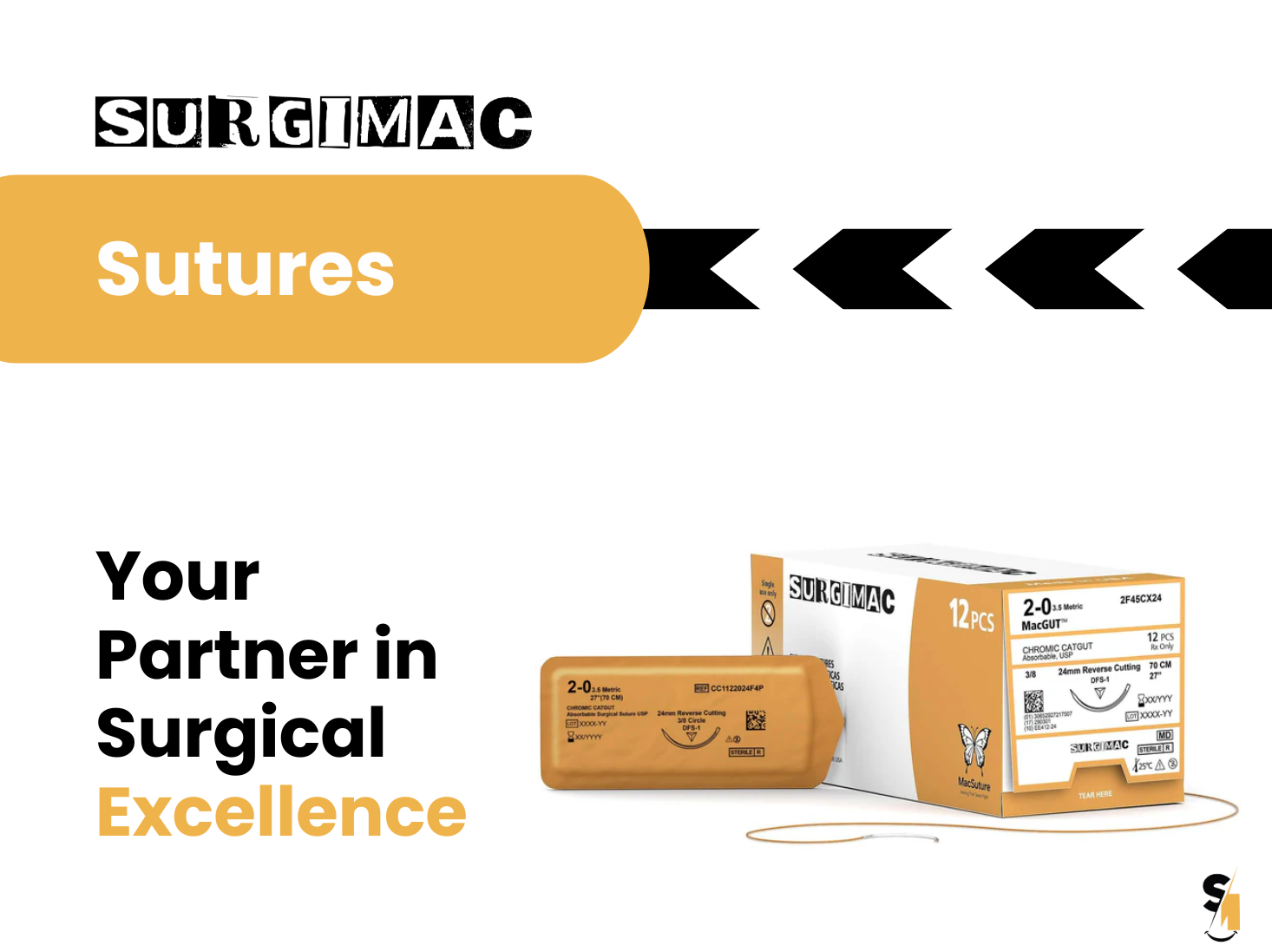
, by SurgiMac A Clinician's Guide to Absorbable Suture Material
-
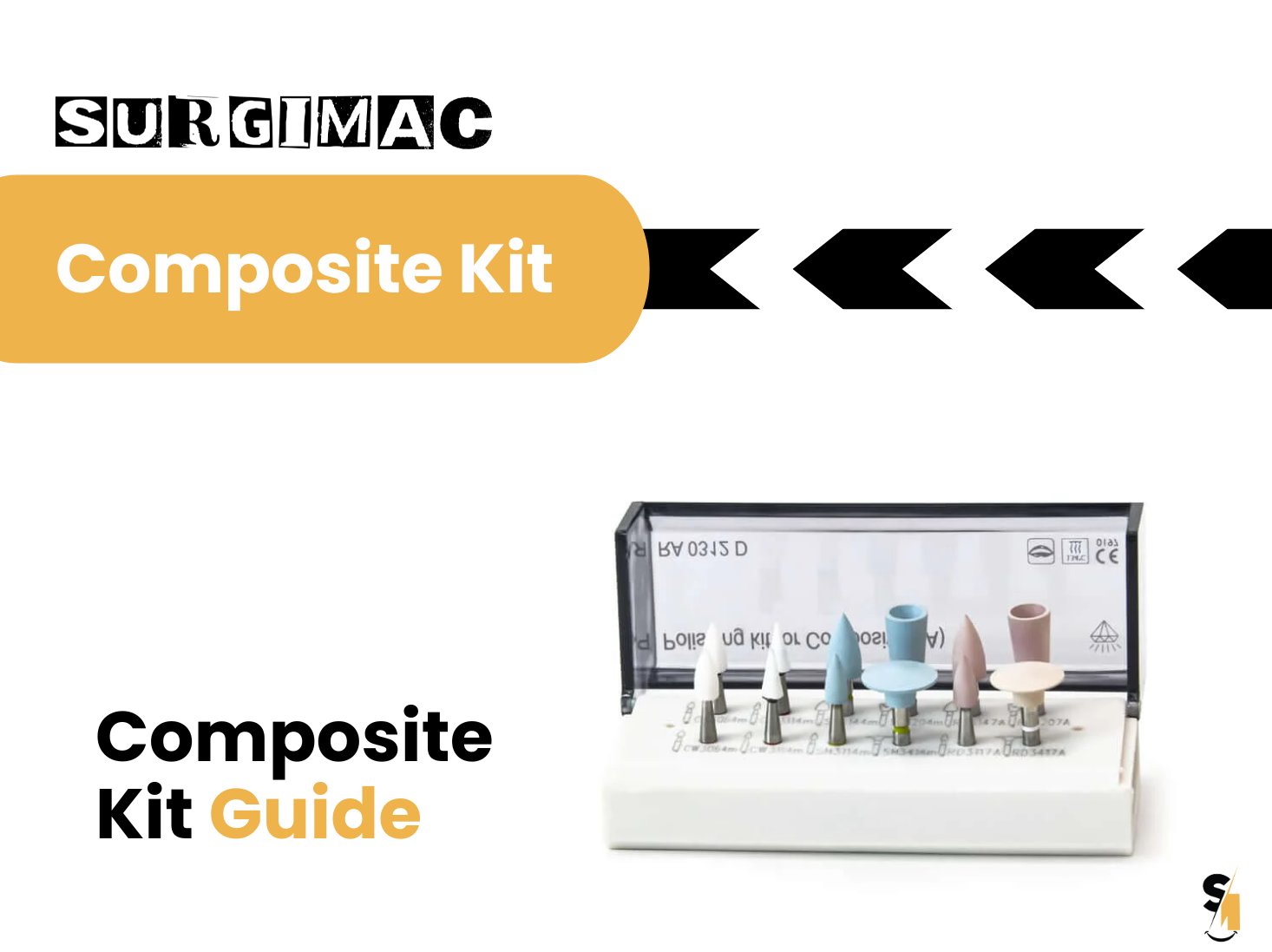
, by SurgiMac A Clinician's Guide to Dental Composite Resin Kits
-
, by SurgiMac How to Disinfect with Metrex CaviWipes Correctly
