
Surgical Needle Holders: A Guide to Types & Technique
- , by SurgiMac
- 37 min reading time
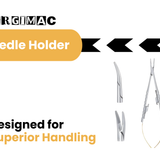
Surgical needle holders are essential for precise suturing. Learn how to choose, use, and maintain the best surgical needle holders for your dental practice.
Suturing is a marathon of precision, and your hands bear the brunt of it. Over time, repetitive motions lead to fatigue and strain, which can compromise your control. This is why instrument ergonomics aren't just a nice-to-have feature; they're fundamental to your performance and career longevity. Take your surgical needle holders. A heavy, poorly balanced instrument fights you with every pass. But a lightweight, thoughtfully designed holder feels like an extension of your hand. We'll show you how features in collections like our feather-light Air Series can significantly reduce fatigue and help you perform at your best.
Key Takeaways
- Match Your Instrument to the Procedure: Select a robust Mayo-Hegar for general suturing, an efficient Olsen-Hegar to combine suturing and cutting, or a delicate Castroviejo for microsurgical precision to ensure optimal control.
- Invest in Performance and Comfort: Prioritize instruments made from high-grade stainless steel with tungsten carbide jaws for a secure grip. Ergonomic designs, like those in the SurgiMac Air Series, reduce hand fatigue and improve control during long procedures.
- Master Your Maintenance Routine: Extend the life of your instruments and ensure patient safety by following a strict protocol. Always inspect for wear, clean thoroughly, and sterilize needle holders with the ratchet unlocked to allow for complete steam penetration.

What Is a Surgical Needle Holder?
If you’ve ever performed a suturing procedure, you know that precision is everything. A surgical needle holder, often called a needle driver, is the instrument that makes this precision possible. Think of it as a specialized hemostat designed specifically to grasp and guide a suturing needle with unshakable stability. These essential tools allow you to close wounds and incisions with accuracy and control. Typically crafted from high-grade stainless steel, they are built for durability and can withstand repeated sterilization cycles, making them a fundamental part of any dental or surgical toolkit. Whether you're working on a simple extraction site or a complex periodontal surgery, the right needle holder is critical for achieving clean, effective wound closure and promoting optimal patient healing.
Key Components of a Surgical Needle Holder
At first glance, a needle holder might look simple, but its design is highly intentional. The instrument consists of jaws, a joint, shanks, and finger rings. The jaws are the working end, designed to grip the needle securely. Many high-quality needle holders feature tungsten carbide inserts in the jaws, which provide a superior grip and last much longer than standard stainless steel. You can often identify these by their distinct gold-plated finger rings. It’s crucial to select a needle holder with jaws that are appropriately sized for the needle you’re using; a mismatch can lead to needle rotation or damage to the instrument. The entire collection of dental instruments is designed with these functional details in mind.
The Critical Role of Needle Holders in Surgery
The primary function of a needle holder is to provide a firm, controlled grip on a surgical needle during suturing. This stability is what allows you to pass the needle through tissue with predictable accuracy. For the best control, the needle should be grasped about halfway to three-quarters of the way from its pointed tip. This technique gives you the leverage needed to guide the needle precisely without bending it. A secure grip prevents the needle from slipping or twisting within the jaws, which is vital for creating evenly spaced, well-aligned sutures. Ultimately, the needle holder translates your hand movements into the delicate, exact motions required for successful wound closure.
Pairing Your Holder with MacSuture Sutures
A needle holder is only as effective as the needle and suture it’s paired with. Choosing the right combination is essential for any procedure. The decision depends on factors like the type and thickness of the tissue, the location of the wound, and the amount of tension on the closure. Surgical needles are designed to carry the suture material through tissue with minimal trauma. Having a reliable supply of high-quality sutures is just as important as the instrument itself. Our MacSuture line offers a range of absorbable and non-absorbable options, ensuring you can find the perfect match for any clinical scenario and achieve the best possible outcome.
A Closer Look at the Surgical Needle
While the needle holder is the driver, the surgical needle is what does the delicate work of passing through tissue. Understanding its design is just as important as mastering your suturing technique. The needles we use today are the result of a long history of innovation, evolving from early versions made of bone and bronze to the highly specialized steel alloy instruments in modern practice. Every aspect of a needle's design—from its attachment to the suture to its curvature and point—is engineered to help you achieve clean, precise wound closure with minimal tissue trauma. Let's break down the key features that define a modern surgical needle.
The Evolution of the Surgical Needle
The concept of using a needle to close wounds is ancient. The earliest surgical needles were crafted from natural materials like bone or wood. As metallurgy advanced, so did needle technology, with materials like silver, copper, and bronze becoming more common. However, these early needles were often crude by today's standards. The major breakthrough came with the development of high-quality stainless steel, which offered the strength, sharpness, and corrosion resistance necessary for modern surgical applications. This evolution paved the way for the precision-engineered needles that are now standard in every dental and surgical setting, allowing for more predictable and successful patient outcomes.
Traumatic vs. Atraumatic Needles: The Modern Standard
Modern surgical needles fall into two main categories: traumatic and atraumatic. Traumatic needles have an eye, similar to a sewing needle, which requires the suture material to be threaded manually. This creates a bulkier profile where the suture doubles back through the eye, causing more tissue damage upon entry. In contrast, atraumatic needles are "eyeless." The suture is swaged, or fused, directly to the end of the needle during manufacturing. This creates a seamless, single strand that passes through tissue with significantly less trauma. Today, atraumatic needles are the standard of care, and they are a key feature of our MacSuture line, ensuring a smoother passage through tissue and promoting better healing.
Understanding Needle Geometry: Shape and Point
Beyond the suture attachment, a needle's effectiveness is defined by its geometry—specifically, its shape and point. The curvature of the needle body and the design of its tip are not arbitrary; they are tailored for specific tissues and surgical approaches. Choosing the right geometry allows you to maneuver effectively within the surgical site, penetrate tissue with the appropriate force, and place sutures with exacting precision. A needle designed for skin closure will have a very different profile from one intended for delicate mucosal tissue. This is why a thorough understanding of needle shapes and points is fundamental for any clinician performing suturing procedures.
Common Surgical Needle Shapes
Surgical needles are available in various curvatures, most commonly described as fractions of a circle: 1/4, 3/8, 1/2, and 5/8. The choice of curvature depends on the accessibility and depth of the tissue. A 3/8 circle needle is one of the most versatile and widely used shapes in dentistry, offering excellent maneuverability in the confined space of the oral cavity. For deeper, more restricted areas, a 1/2 circle needle provides a greater arc, allowing you to retrieve the tip with a simple rotation of the wrist. Straight needles are less common in intraoral surgery but can be useful for more accessible tissues where direct passage is possible.
Decoding Needle Point Designs
The needle's point determines how it penetrates tissue. The three primary designs are taper, cutting, and reverse cutting. A taper point needle has a round body that tapers to a sharp point, making it ideal for soft, easily pierced tissues like mucosa or blood vessels. Cutting needles have a triangular body with a sharp edge on the inside curve, designed to slice through tough, fibrous tissues like skin. However, this design can risk "cutting out" of the tissue. A reverse cutting needle also has a triangular body, but its cutting edge is on the outer curve, which reduces this risk and provides greater strength, making it a popular choice for many dental procedures.
The Convenience of "Pop-Off" Needles
For procedures requiring multiple interrupted sutures, efficiency is key. This is where "pop-off" needles, also known as controlled-release needles, come in handy. These are atraumatic needles designed to detach from the suture with a sharp, straight tug of the needle holder once the stitch is placed. This feature eliminates the need to cut the suture from the needle for each stitch, saving valuable time and streamlining your workflow. It allows for rapid placement of individual sutures without fumbling for scissors, making the entire process smoother and more efficient. This design is another example of how modern dental disposables are engineered to support clinical performance.
Exploring Different Types of Surgical Needle Holders
Choosing the right needle holder is a lot like selecting the right bur—the best one depends entirely on the procedure at hand. While all needle holders are designed to securely grasp and guide a suturing needle, their subtle design differences can have a major impact on your efficiency, control, and clinical outcomes. Understanding these variations helps you build a versatile instrument kit that’s ready for any surgical challenge, from routine extractions to complex periodontal work. Let’s walk through the most common types you’ll find in a modern dental practice and what makes each one unique.
The Workhorse: Mayo-Hegar Needle Holders
Think of the Mayo-Hegar as the reliable workhorse of your surgical tray. Known for its strong, simple design and powerful grip, this needle holder is a staple in countless dental and medical procedures. Its jaws are typically broad with cross-serrations, providing a secure grasp on a wide range of needle sizes. Because it doesn’t have a built-in cutting mechanism, it offers a straightforward, uncluttered design focused purely on needle control. This makes it an excellent choice for general suturing tasks where precision and a firm hold are your top priorities. Many clinicians prefer the distinct separation of tasks, using a dedicated instrument for suturing and another for cutting.
The All-in-One: Olsen-Hegar Needle Holders
If efficiency is your goal, the Olsen-Hegar needle holder is your best friend. This clever instrument combines a standard needle holder with a pair of built-in scissors, allowing you to place a suture and cut the thread with a single tool. This two-in-one functionality is a game-changer for streamlining your workflow and reducing instrument exchange during a procedure. It’s particularly useful in fast-paced surgeries where minimizing chair time is critical. By integrating the cutting action, the Olsen-Hegar helps you maintain focus and flow, making it a popular choice for everything from implant surgery to soft tissue grafting where you might be placing multiple MacSuture threads.
For Precision Work: Castroviejo Needle Holders
When your work demands the utmost delicacy and precision, you’ll want to reach for a Castroviejo needle holder. Characterized by its slender, pen-like grip and fine-tipped jaws, this instrument is engineered for microsurgery. The spring-loaded handle provides exceptional tactile feedback and control, which is essential when working with fine needles and delicate tissues in periodontal plastic surgery or intricate implant procedures. The design allows for subtle, controlled movements that are simply not possible with heavier, plier-style holders. For clinicians who value finesse, especially when working under magnification, the Castroviejo is an indispensable part of their toolkit.
Specialized Holders for Complex Dental Procedures
Beyond the three main types, you’ll find a variety of specialty needle holders designed for specific clinical situations. For example, Mathieu needle holders, with their plier-style grip and locking mechanism, are a favorite in orthodontics for placing elastic ligatures. Other designs feature curved jaws for improved access to posterior regions of the mouth or diamond-dusted jaws for an even more secure grip on the needle. The existence of these specialized dental instruments highlights an important principle: your tools should adapt to your technique, not the other way around. Having a few specialty options can make challenging procedures much more manageable.
Crile-Wood for Delicate Suturing
When you're working with fine needles and delicate tissue, the Crile-Wood needle holder is an excellent choice. It is specifically designed for holding delicate needles, making it ideal for procedures that demand a high degree of precision and care. Its slender jaws and fine tips allow for a secure grip on small needles without causing damage, ensuring you can place sutures exactly where you intend. This level of control is essential in sensitive surgical environments, such as in periodontal plastic surgery or when closing incisions in highly visible aesthetic zones. The balance and tactile feedback it provides are critical for achieving clean, minimally traumatic wound closure and promoting the best possible healing outcomes for your patients.
Webster for Fine Procedures
Similar to the Crile-Wood, the Webster needle holder is another instrument perfectly suited for delicate suturing tasks. Its fine, straight design allows for exceptional control, making it a preferred choice for surgeries that require meticulous attention to detail. The Webster often features smooth jaws, which helps prevent damage to fine suture material and delicate needles. This makes it particularly useful in cosmetic procedures or any situation where tissue trauma must be absolutely minimized. When paired with an ergonomic handle, like those found in our Air Series, the Webster can significantly reduce hand fatigue during lengthy, repetitive procedures, allowing you to maintain steady, precise control from the first stitch to the last.
Derf for Small Needle Control
For those procedures involving very small needles in confined spaces, the Derf needle holder is an invaluable tool. Its compact size and precise grip make it an excellent choice for intricate work where larger instruments would be cumbersome. The Derf is specifically designed for grabbing and holding small needles during stitching, providing superior control and visibility in tight areas of the oral cavity. This makes it a go-to instrument for pediatric dentistry, delicate soft tissue grafts, or any procedure where maneuverability is key. The reliable locking mechanism and firm grip ensure the needle remains stable, giving you the confidence to perform with accuracy even in the most challenging situations.
Other Specialized Holders: Adson, Baumgartner, and More
Beyond the common types, a range of specialized needle holders are tailored for specific surgical needs. The Adson needle holder, for instance, is known for its fine, straight design and is ideal for general suturing, while the Baumgartner is a more robust instrument, effective for holding larger needles and thick stitching material like MacSuture silk. These specialized tools enhance a clinician's ability to perform complex procedures with greater ease and accuracy. Having a variety of holders ensures you can perfectly match your instrument to the needle size, tissue type, and surgical site, reinforcing the principle that the right tool is fundamental to achieving the best clinical results.
Spotlight on SurgiMac's Air and Slim Series
At SurgiMac, we understand that performance starts with quality materials and thoughtful design. Our Pro Series needle holders are crafted from premium-grade stainless steel to ensure exceptional durability, balance, and clinical accuracy in every procedure. For clinicians who prioritize comfort during long procedures, the lightweight, hollow-handled design of our Air Series instruments helps reduce hand fatigue. Meanwhile, our Titanium Black Series offers a glare-resistant finish for enhanced visibility under bright operatory lights. No matter your preference or procedural needs, SurgiMac provides reliable, high-performance instruments designed to support your clinical excellence.
What to Look For in a Quality Needle Holder
Selecting the right needle holder is about more than just finding a tool that works; it’s about choosing an instrument that feels like an extension of your hand. A quality needle holder provides the control, grip, and reliability you need to perform precise suturing with confidence. From the material composition to the fine details of the jaw design, every element plays a role in procedural success and patient outcomes. As you evaluate your options, consider how each feature aligns with the specific demands of your dental procedures and your personal ergonomic preferences. A well-chosen instrument not only improves your technique but also reduces hand fatigue, allowing you to maintain focus and precision throughout the entire procedure.
How to Select the Right Size and Length
Needle holders are not one-size-fits-all. They typically range from 5 to 12 inches, and the ideal length depends entirely on the surgical site's accessibility. Shorter holders offer excellent control for delicate, superficial work, while longer instruments are necessary for reaching deeper tissues. You’ll also find both straight and curved tips. Straight tips are versatile for many common procedures, but curved tips can be invaluable for navigating around contoured anatomy or accessing difficult angles within the oral cavity. Choosing the correct size and shape is the first step toward ensuring you have the right dental instruments for precise and efficient wound closure.
Decoding Jaw Designs for a Secure Grip
The jaws are where the action happens, and their design is critical for a secure grip on the suture needle. Look for jaws with fine, cross-serrated patterns, which prevent the needle from slipping or rotating during manipulation. For superior durability and an even more tenacious grip, many premium needle holders feature tungsten carbide (TC) inserts, often identified by their gold-plated handles. These inserts are exceptionally hard, maintaining their gripping surface far longer than standard stainless steel. Instruments like those in the SurgiMac Pro Series often incorporate these features, ensuring your needle stays exactly where you want it, pass after pass.
The Role of Leverage in Jaw Design
Leverage is the principle that turns your hand movements into precise needle guidance. For the best control, the needle should be grasped about halfway to three-quarters of the way from its pointed tip. This positioning gives you the mechanical advantage needed to guide the needle through tissue accurately without bending it. The instrument's jaws are engineered to facilitate this leverage. A secure grip, free from any slipping or twisting, is what translates your control into evenly spaced, perfectly aligned sutures. Ultimately, the thoughtful design of high-quality needle holders ensures that the force you apply is translated into precise, predictable results every time.
How Locking Mechanisms Work
The locking mechanism, or ratchet, is designed to reduce hand fatigue by holding the jaws closed without continuous pressure. A well-crafted lock engages smoothly and securely in multiple positions. When testing a needle holder, the jaw tips should meet perfectly when the ratchet is on its first click, with the entire jaw surface closing firmly by the third. This graduated closure gives you precise control over the pressure applied to the needle. A reliable lock is a non-negotiable feature, as it allows you to focus on suture placement rather than on maintaining your grip, supporting smoother and more predictable procedures.
Comparing Locking Mechanisms: Mayo-Hegar vs. Mathieu
The Mayo-Hegar and Mathieu needle holders offer distinct approaches to locking, each suited for different clinical applications. The Mayo-Hegar features a classic interlocking ratchet system located between the finger rings. This design provides a strong, multi-positional lock that is disengaged by separating the rings—a deliberate motion that ensures stability during general suturing. In contrast, the Mathieu needle holder uses a plier-style grip with a spring-loaded ratchet at the base of the handles. You engage and release the lock with a simple squeeze, allowing for rapid, one-handed operation. This quick-release function makes the Mathieu exceptionally efficient for repetitive tasks, such as placing orthodontic ligatures, while the robust lock of the Mayo-Hegar remains the standard for procedures requiring unwavering needle control. Both designs are available in SurgiMac's comprehensive collection of surgical needle holders.
Why Material and Durability Are Non-Negotiable
The longevity and performance of a needle holder are directly tied to the quality of its materials. Surgical-grade stainless steel is the industry standard, prized for its strength and high resistance to corrosion. This ensures the instrument can withstand repeated sterilization cycles without degrading. For practices prioritizing sustainability without compromising on quality, the SurgiMac Eco Series offers instruments crafted from recyclable stainless steel. Investing in instruments made from high-quality materials not only guarantees reliability during procedures but also provides better long-term value for your practice by minimizing the need for frequent replacements.
Material Matters: Stainless Steel vs. Titanium
While surgical-grade stainless steel is the undisputed standard for its durability and affordability, titanium presents a compelling alternative for clinicians focused on ergonomics and visibility. Stainless steel, the foundation of collections like our Pro Series, offers the strength and corrosion resistance needed for daily clinical use. Titanium, however, provides a superior strength-to-weight ratio, making instruments noticeably lighter and reducing hand fatigue during lengthy or repetitive procedures. This is a key feature of our Titanium Black Series, which also has a non-reflective finish that minimizes glare under bright operatory lights. The choice ultimately comes down to your priorities: stainless steel provides reliable, cost-effective performance, while titanium offers a premium, lightweight feel that can make a significant difference in comfort and precision.
What to Know About Advanced Coatings and Finishes
Modern needle holders often feature specialized coatings and finishes that enhance their functionality. These aren't just for aesthetics; they serve distinct clinical purposes. For instance, a matte or non-glare finish is crucial for reducing eye strain under bright operatory lights. The SurgiMac Titanium Black Series is specifically designed with a dark coating to minimize glare and improve contrast and visibility at the surgical site. Other innovations focus on ergonomics, such as the lightweight construction of the Air Series, which enhances maneuverability and helps reduce hand fatigue during lengthy or complex procedures.
Ergonomic Variations: Left-Handed and Round-Handled Designs
Ergonomics in dental instruments goes beyond just weight and balance; it also means accommodating the diverse needs of clinicians, including the ten percent who are left-handed. For left-handed professionals, using right-handed instruments can be awkward and inefficient. Specialized left-handed instruments are designed with subtle but critical modifications that make a significant difference in performance and comfort. Beyond handedness, handle design plays a huge role in reducing fatigue. Instruments with larger, rounded, or textured handles can distribute pressure more evenly across the hand, requiring less pinch force to maintain a secure grip. This is why collections like the SurgiMac Slim Series and Hexa Series focus on ergonomic handle shapes, ensuring every clinician can find a tool that fits their hand and working style perfectly.
Mastering Your Needle Holder Technique
A high-quality needle holder is an investment in your practice, and like any precision tool, its performance depends on proper handling and care. Mastering the right techniques not only extends the life of your instrument but also enhances your control and precision during delicate procedures. From your grip to your sterilization process, every step matters in maintaining the integrity of your tools and ensuring optimal patient outcomes. Let's walk through the essential practices that will keep your needle holders in top condition.
Mastering Your Grip
The key to precise suturing begins with how you hold the instrument. The recommended method is the tripod or palmar grip, where your thumb and ring finger are placed in the rings, and your index finger rests along the shank. This grip provides stability and allows for fine, controlled movements. When you close the instrument, gently squeeze the handles to ensure the jaws close smoothly and precisely without applying excessive force. An ergonomic design, like that found in SurgiMac's Air Series instruments, can significantly reduce hand fatigue and make maintaining this correct grip feel more natural throughout long procedures.
Are You Making These Common Handling Mistakes?
A frequent error, especially among less experienced clinicians, is holding the needle holder with the thumb and fourth finger. As noted by surgical experts like Dr. Stephen Birchard, this grip can limit your range of motion and reduce tactile sensitivity, making precise needle placement more difficult. Another common mistake is using excessive force, which can damage the needle, the suture, and the instrument's jaws. Always aim for fluid, deliberate movements. Proper technique is especially critical when working with delicate sutures, such as those in the MacSuture line, to prevent fraying or breakage.
Maintaining Proper Infection Control
Strict infection control is non-negotiable. Your protocol should include inspecting needle holders immediately after every procedure. As recommended by clinical studies, you should use a bright lamp and magnification to check for any debris, damage, or wear on the jaws and locking mechanism. This simple step prevents cross-contamination and ensures the instrument is safe for its next use. This inspection is a critical part of a comprehensive infection prevention strategy that protects both your patients and your team. Always wear appropriate personal protective equipment, like MacSafe gloves, during handling and cleaning.
Proper Cleaning and Sterilization Protocols
Proper care is essential for needle holder performance and longevity. Before sterilization, a thorough inspection is crucial. A quick and effective technique is to separate the rings and hold the instrument up to a light to check for any visible bioburden or damage in the jaw serrations. Clean the instrument according to manufacturer guidelines, using appropriate solutions and brushes to access hard-to-reach areas like the box lock. Instruments made from high-grade stainless steel, such as those in the Pro Series, are designed to withstand repeated, rigorous sterilization cycles without compromising their structural integrity.
How to Properly Store Your Needle Holders
How you store your needle holders is just as important as how you clean them. To prevent stress on the mechanism and ensure complete steam penetration during autoclaving, you should always sterilize needle holders with their ratchets open and unlocked. After sterilization, store them in a clean, dry environment, preferably in a designated surgical tray or cassette that protects the tips and jaws from accidental damage. Avoid piling instruments on top of one another, as this can cause misalignment, scratches, or blunting. Proper storage ensures your instruments are always procedure-ready and maintains their precision for years to come.
How to Choose the Right Needle Holder for Your Practice
Selecting the right needle holder is more than just a matter of preference; it’s a clinical decision that impacts your efficiency, precision, and even your long-term musculoskeletal health. A well-chosen instrument feels like an extension of your hand, allowing you to perform delicate suturing with confidence and control. When building your toolkit, consider the specific demands of your procedures, the importance of ergonomic design, and the long-term value of investing in high-quality materials. Making a thoughtful choice ensures you have a reliable tool that supports optimal patient outcomes for years to come.
Match the Tool to the Procedure
Not all needle holders are created equal, and the nuances of your surgical work should guide your selection. For delicate microsurgery or periodontal procedures requiring fine sutures, a Castroviejo needle holder offers the precision and delicate grip you need. For more general applications, like closing incisions after extractions, a robust Mayo-Hegar needle holder provides a secure, non-slip grip on larger needles and sutures. Think about the most common procedures you perform. Do you need a tool for tight, hard-to-reach areas? A curved holder might be best. By matching the instrument’s design to the task, you ensure greater control and more predictable results when working with materials like our MacSuture line.
Why Ergonomics Matter
Long hours and repetitive motions can take a toll on any clinician. Ergonomically designed instruments aren't a luxury—they're essential for reducing hand fatigue and preventing strain. Look for needle holders that offer a balanced, lightweight feel without sacrificing strength. Our Air Series instruments, for example, are crafted to be exceptionally light, enhancing maneuverability during lengthy procedures. Similarly, the thoughtful design of our Slim Series provides comfort and control for precise, repetitive tasks. Prioritizing ergonomics helps you maintain focus and precision from the first suture to the last, protecting both your career longevity and the quality of your patient care.
Investing in Quality: What to Consider
A high-quality needle holder is a long-term investment in your practice. The material is the first indicator of durability—premium-grade stainless steel offers excellent resistance to corrosion and withstands repeated sterilization cycles. Pay close attention to the jaw construction; precisely milled, interlocking teeth ensure a firm grip on the needle, preventing slippage and rotation. For clinicians seeking superior performance, our Pro Series instruments are engineered to meet the highest standards of clinical excellence. Features like the glare-reducing finish on our Titanium Black Series can also enhance visibility, allowing for greater accuracy during delicate work.
Factoring in the Cost: The Price Range of Needle Holders
When it comes to budgeting for your practice, the cost of instruments is always a key consideration. The price for a surgical needle holder can vary significantly, with options ranging from around $50 to upwards of $370. This wide range is driven by several factors, primarily the material and craftsmanship. A standard stainless steel instrument will be on the lower end, while a needle holder featuring tungsten carbide (TC) inserts in the jaws will command a higher price due to its superior grip and exceptional durability. At SurgiMac, we offer a spectrum of choices to meet different clinical needs and budgets, from our reliable and sustainable Eco Series to our premium Pro Series, ensuring you can invest in the quality that best suits your practice without compromising on performance.
Don't Overlook Warranty and Support
Your relationship with your instruments doesn’t end at purchase. A reliable supplier provides support and stands behind the quality of their products. Before investing, inquire about warranties and the manufacturer's commitment to quality. Equally important is establishing a rigorous in-house inspection routine. Before and after each use, carefully examine the needle holder's jaws for wear, ensuring the tips align perfectly and the locking mechanism engages smoothly. This simple step is crucial for patient safety and extends the life of your dental instruments. Proper care, combined with the backing of a trusted supplier, ensures your tools remain in optimal condition.
What's New in Needle Holder Design?
The basic design of a needle holder has been a clinical staple for decades, but that doesn’t mean it hasn’t evolved. Modern manufacturing and material science have introduced significant advancements that enhance performance, safety, and clinician comfort. These innovations are not just minor tweaks; they represent a thoughtful response to the real-world demands of dental surgery. From lightweight alloys that reduce hand fatigue to specialized coatings that minimize glare, today’s needle holders are engineered to help you perform at your best. Let's look at some of the key innovations shaping the next generation of these essential instruments.
Innovations in Precision and Control
Precise suturing requires an instrument that feels like a natural extension of your hand. Innovations in materials and design are making this a reality. Modern needle holders are increasingly crafted from lightweight yet incredibly strong alloys, improving balance and maneuverability without sacrificing durability. This allows for finer, more controlled movements during delicate procedures. For example, SurgiMac's Air Series instruments leverage advanced construction to offer exceptional control, helping you place sutures with greater accuracy. This level of precision not only leads to better wound closure but also minimizes tissue trauma, supporting faster and more predictable healing for your patients.
New Features Designed for Enhanced Safety
Patient safety is paramount, and modern needle holders incorporate features designed to minimize risk. One of the most significant advancements is the integration of Tungsten Carbide (TC) inserts into the jaws. These inserts provide a significantly stronger and more secure grip on the suture needle compared to standard stainless steel. This reliable grip prevents the needle from slipping or rotating, which is critical for avoiding accidental punctures or tissue damage. By ensuring the needle follows its intended path precisely, TC inserts found in high-performance instruments like our Pro Series provide an extra layer of confidence and reliability during every procedure.
The Latest in Specialized Instrument Coatings
Instrument coatings have moved beyond simple aesthetics to offer tangible clinical benefits. While traditional stainless steel is effective, specialized coatings can enhance an instrument's function and longevity. One of the most practical innovations is the use of non-reflective finishes. The Titanium Black Series, for instance, features a matte black coating that absorbs light from overhead surgical lamps. This dramatically reduces glare, which can improve visibility at the surgical site and decrease eye strain for the clinician. This enhanced visual clarity is especially valuable during intricate procedures where every detail matters, allowing for more precise and confident work.
How Ergonomics Are Shaping Modern Instruments
Long or complex procedures can lead to significant hand fatigue, which can compromise your control and precision. Instrument designers are addressing this with major ergonomic improvements. Modern needle holders often feature thoughtfully contoured handles, optimized weight distribution, and a more balanced feel to reduce strain on your hand and wrist. The goal is to create a tool that is comfortable to hold and use for extended periods. Collections like the Slim Series are specifically designed with ergonomics in mind, featuring a lightweight build that helps minimize fatigue. Investing in ergonomic instruments isn't just about comfort—it's about maintaining your stamina and focus to ensure consistent, high-quality outcomes for every patient.
Essential Care and Maintenance for Your Instruments
Your surgical needle holders are an investment in precision and patient care. Just like any high-performance tool, they require consistent maintenance to function at their best. Proper care not only extends the life of your instruments—from the workhorse Pro Series to the finely balanced Air Series—but also ensures they remain reliable and safe for every procedure. Establishing a simple yet thorough maintenance protocol is one of the most effective ways to protect your investment, your team, and your patients. Neglecting these steps can lead to corrosion, misalignment, and a weakened grip, which can compromise suture placement and even patient safety. A well-maintained instrument feels right in your hand, functions predictably, and ultimately contributes to better patient outcomes. This guide breaks down the essential steps for instrument care, from routine inspections to proper sterilization techniques. By integrating these practices, you can prevent premature wear, avoid procedural complications, and maintain the integrity of your tools, ensuring they deliver the performance you expect every single time. Let's walk through the key practices that will keep your needle holders in optimal condition for years to come.
Why You Need a Regular Inspection Routine
A detailed inspection routine is your first line of defense against instrument failure. It’s crucial to examine your needle holders after every use and before sterilization. Using a bright light and magnification, check the jaws for wear, the tips for alignment, and the ratchet for a secure lock. Look closely for any cracks, pitting, or corrosion that could compromise the instrument's integrity. A simple test for grip is to see if the holder can firmly grasp a single hair; if it can't, its performance is likely diminished. Catching these small flaws early prevents them from becoming bigger problems during a procedure, ensuring your tools are always ready and reliable.
Step-by-Step Cleaning Process
Effective cleaning is the foundation of proper instrument reprocessing. To prevent bioburden from drying, you should address your needle holders within 20 minutes of use by soaking them in an enzymatic solution or covering them with a damp towel. When you begin cleaning, always open the instrument by unlocking its ratchet to expose all surfaces, especially the box lock and jaws. Use a soft brush to manually scrub away debris, paying close attention to serrations and joints. For a deeper clean, an ultrasonic cleaner is highly effective. This meticulous process ensures that all contaminants are removed, setting the stage for successful sterilization.
Your Checklist for Proper Sterilization
Sterilization is only effective on a thoroughly cleaned instrument. Before placing a needle holder in the autoclave, confirm that all visible debris and stains have been removed. A critical step is to ensure the instrument is sterilized with its ratchet unlocked. This open position allows steam to penetrate every surface, including the hard-to-reach areas of the box lock and jaw interiors. Sterilizing an instrument in the locked position can create air pockets that inhibit sterilization and cause stress fractures in the hinge area over time. Following these best practices is essential for maintaining both instrument function and adherence to strict infection control standards.
How to Extend the Lifespan of Your Instruments
Beyond cleaning and sterilization, a few simple habits can significantly prolong the life of your needle holders. First, always use them for their intended purpose—grasping a suture needle—and avoid tasks like twisting wire or handling bone fragments, which can damage the delicate jaws. Handle your surgical and dental instruments with care to prevent drops that can cause misalignment. After cleaning and before sterilization, apply a surgical instrument lubricant to the hinges and box lock to keep the action smooth. Proper storage in a designated, dry area will also protect them from accidental damage and corrosion, ensuring they perform flawlessly for years to come.
Frequently Asked Questions
Related Articles
Tags
Blog posts
-
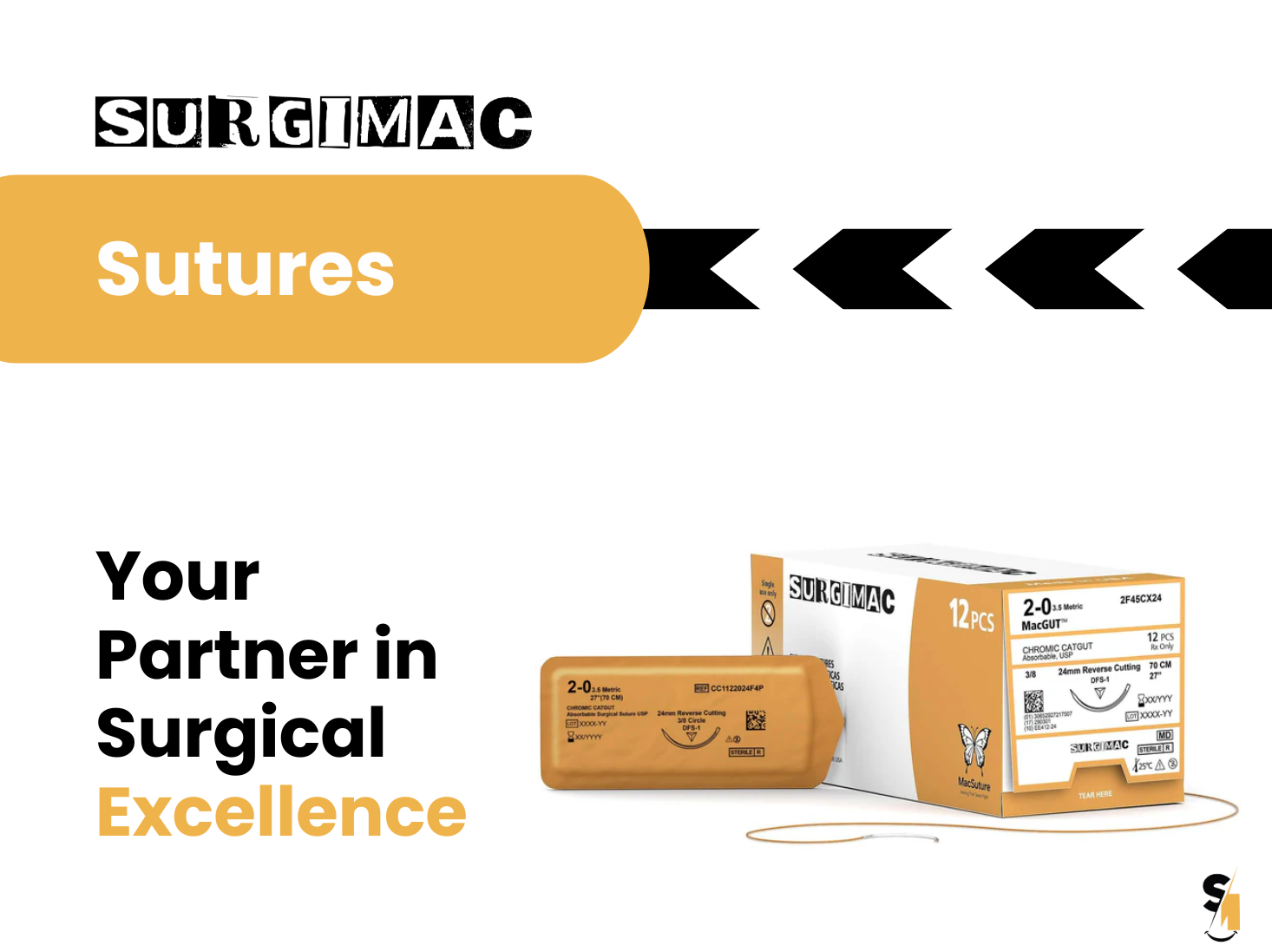
, by SurgiMac A Clinician's Guide to Absorbable Suture Material
-
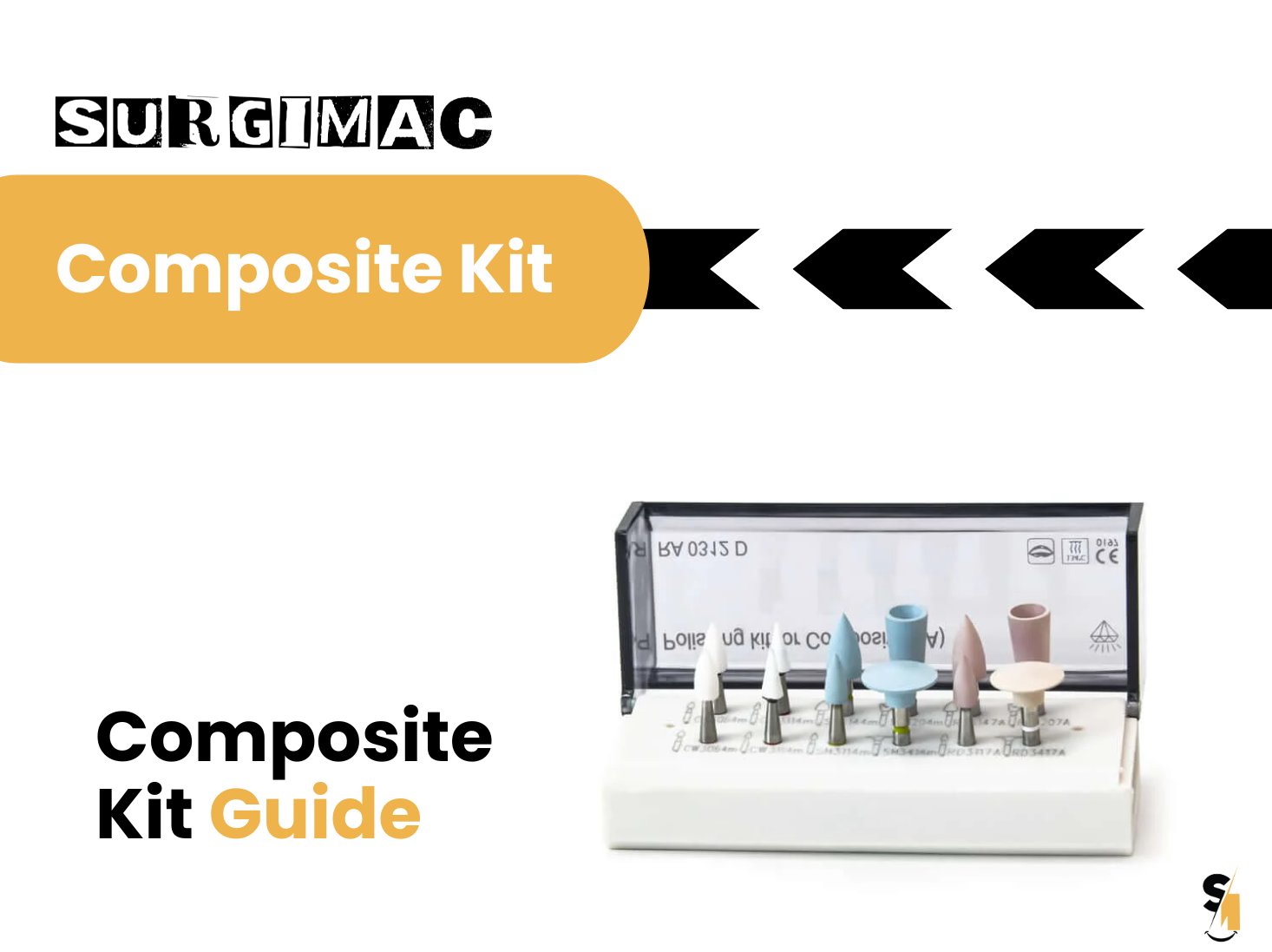
, by SurgiMac A Clinician's Guide to Dental Composite Resin Kits
-
, by SurgiMac How to Disinfect with Metrex CaviWipes Correctly
