
Castroviejo Needle Holder: A Complete Guide
- , by SurgiMac
- 32 min reading time
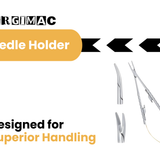
Get expert tips on choosing, using, and caring for a Castroviejo Needle Holder to achieve precision and comfort in dental and surgical procedures.
The best surgical tools feel less like equipment and more like a natural extension of your hands. They should respond instantly, but traditional ring-handled instruments often feel clumsy and cause fatigue. The Castroviejo needle holder is different. Its unique palm-held design and spring mechanism allow for subtle, precise movements controlled entirely by your fingertips. This ergonomic approach gives you superior control for intricate work and significantly reduces hand strain during long procedures. If you’re looking for an instrument that truly supports your skill, this is it.
Key Takeaways
- Choose the Right Design for Finesse: The Castroviejo's spring-loaded, pen-style handle provides direct tactile feedback and reduces hand fatigue, allowing for more precise and fluid movements during delicate procedures.
- Prioritize High-Quality Materials for Reliability: Invest in instruments crafted from German stainless steel with tungsten carbide jaws, like those in the SurgiMac Air Series, to ensure a secure needle grip and long-term durability.
- Implement a Strict Care Routine: Extend the life of your needle holder by following a consistent maintenance protocol. Proper daily handling, immediate cleaning after use, and correct sterilization are essential for preserving its alignment and performance.

What is a Castroviejo Needle Holder?
If you’ve ever worked in microsurgery, you know that your instruments are an extension of your hands. The Castroviejo needle holder is one of those essential tools that feels less like a piece of equipment and more like a partner in precision. Unlike its bulkier counterparts, this instrument is specifically engineered for the most delicate tasks, where every millimeter matters. Its unique design gives you the control and finesse needed for intricate procedures. Let’s break down the features that make the Castroviejo a staple in operating rooms and dental practices everywhere.
The Origins: Who Invented the Castroviejo?
The brilliant mind behind this indispensable tool was Dr. Ramón Castroviejo, a Spanish ophthalmologist who revolutionized microsurgery. Born in 1904, Dr. Castroviejo recognized the need for an instrument that could offer unparalleled control for the delicate procedures he performed, particularly corneal transplants. His innovative design moved away from the traditional finger-ring style, creating a holder that operates with a gentle squeeze mechanism, allowing for subtle, precise movements controlled by the fingertips. This ergonomic approach became a standard in microsurgery, providing surgeons with the enhanced control necessary for intricate suturing tasks. His legacy is not just the instrument itself, but the countless successful patient outcomes it has made possible.
Key Features of the Castroviejo Design
At first glance, the Castroviejo needle holder stands out with its slender, almost pen-like profile. This was a deliberate choice to give surgeons a more intuitive grip for fine motor control. The most defining feature is its spring-loaded handle, which opens the jaws when you release pressure, allowing for quick and fluid movements. This is a significant departure from the traditional ratcheted finger-ring design of holders like the Mayo-Hegar. The instrument also includes a simple locking mechanism near the grip to secure the needle. Every element, from the fine-tipped jaws to the lightweight body, is optimized for microsurgical techniques that demand accuracy and minimal tissue handling.
When to Use a Castroviejo in Microsurgery
The Castroviejo needle holder is the go-to instrument for any procedure requiring fine needles and sutures. It’s a cornerstone in ophthalmology for corneal transplants and cataract surgery, where the slightest tremor can have major consequences. You’ll also find it in vascular and neurosurgery for anastomosing tiny vessels and nerves. For dental professionals, it’s indispensable in periodontal plastic surgery, guided tissue regeneration, and apicoectomies. In these delicate dental procedures, using the right equipment and supplies is critical for achieving optimal outcomes and promoting faster healing. The Castroviejo allows for precise suture placement in tight, hard-to-reach areas of the mouth with minimal trauma.
Ideal Suture Sizes for Optimal Performance
To maximize the benefits of the Castroviejo's delicate design, it’s crucial to pair it with the right suture size. This instrument is specifically engineered for fine-gauge materials, excelling with sutures in the 5-0, 6-0, and 7-0 range. Using these smaller sizes allows you to perform intricate closures with minimal tissue trauma, which is essential in periodontics and oral surgery. The precise grip of the Castroviejo jaws ensures these delicate threads won't slip or fray during manipulation. For consistent and reliable outcomes, it's important to use high-quality materials, and our MacSuture line offers a range of sterile sutures designed to meet these demanding clinical needs.
Applications Beyond Dentistry and Ophthalmology
While the Castroviejo is a staple in dental and ophthalmic microsurgery, its utility extends into other highly specialized fields. The instrument's unparalleled precision makes it a first choice in vascular and neurosurgery, where surgeons perform anastomoses on tiny vessels and nerves. The tactile feedback and control it offers are critical when the margin for error is virtually zero. The same attributes that make it essential for a corneal transplant or nerve repair are what make it so effective for a complex gingival graft. This cross-disciplinary trust underscores the instrument's exceptional design and its place among high-performance surgical tools.
Important Note: Differentiating Clinical vs. Research Models
It’s important to recognize that not all Castroviejo needle holders are manufactured to the same standard. The market includes both clinical-grade and research-grade models, and the distinction matters. Instruments intended for clinical use on patients must meet stringent requirements for material quality, sterilization tolerance, and durability. Research models may not be held to these same standards. When you are performing procedures on patients, using professionally certified dental instruments is essential for safety and predictable outcomes. Always source your tools from a trusted medical and dental supplier to ensure you are working with equipment designed for clinical excellence.
Why a Spring-Loaded Handle Makes a Difference
The spring-loaded handle is what truly sets the Castroviejo apart. Instead of locking and unlocking a ratchet, you control the jaws with a gentle squeeze-and-release motion. This design provides exceptional tactile feedback, letting you feel the needle as it passes through tissue. The spring action ensures the jaws open immediately and smoothly when you relax your grip, making repetitive suturing motions faster and more efficient. This not only improves your speed but also significantly reduces hand fatigue during long and complex procedures. It’s a simple yet brilliant ergonomic feature that allows you to maintain steady pressure and precise control from the first stitch to the last.
How Its Locking System Gives You More Control
While the spring handle manages the motion, the locking system provides stability. The Castroviejo features a small, integrated catch that locks the jaws with a simple press, holding the needle in a firm, unyielding grip. This is incredibly important because it prevents the needle from slipping or rotating at a critical moment. With the needle securely held, you can focus completely on suture placement without worrying about readjusting your instrument. A reliable lock gives you the confidence to work efficiently and accurately. Premium instruments, including those in SurgiMac Air Series, are built with dependable locking mechanisms to ensure consistent performance and surgical precision every time.
How the Castroviejo Design Enhances Precision
The Castroviejo needle holder isn't just another tool; it's an extension of your hand, engineered for the highest level of accuracy. Every curve, surface, and mechanism is designed with one goal in mind: to give you complete control during delicate procedures. From the way it feels in your grip to how it holds a suture needle, its design elements work together to support your skill and improve surgical outcomes. Let's break down exactly how each feature contributes to its reputation for precision.
How to Choose the Right Handle and Grip
The first thing you'll notice about a Castroviejo needle holder is its unique spring-loaded, pencil-like handle. Unlike the finger-ring design of a hemostat, this instrument is meant to be held with a delicate touch. This allows for incredibly fine motor control, which is essential in microsurgery. You can comfortably manipulate the instrument with your fingers, much like writing with a pen, or use subtle wrist movements for broader adjustments. This versatility lets you adapt your grip to the specific demands of the procedure, ensuring steady, precise movements without the bulkiness of a traditional holder.
Exploring Handle Styles: Pen-Style, Round, and Z-Line
While the classic pen-style grip is the most common, the Castroviejo needle holder is available in several handle variations to suit different preferences. The standard flat, pen-style handle offers a familiar feel and excellent rotational control. Some clinicians prefer a rounded handle, which provides a more substantial grip and can help distribute pressure evenly across the palm and fingers, reducing fatigue. Another option is the Z-line or offset handle, which alters the instrument's balance and can provide better visibility in certain surgical sites. The choice ultimately comes down to personal comfort and the specific demands of the procedure. For clinicians who prioritize ergonomics, exploring instruments like those in the SurgiMac Slim Series can lead to finding a tool that perfectly matches your hand and technique.
Ambidextrous Design for All Clinicians
One of the most practical features of the Castroviejo needle holder is its ambidextrous design. Unlike instruments with contoured finger rings that are specifically molded for right- or left-handed use, the Castroviejo’s linear, symmetrical body can be comfortably operated by any clinician. The spring-loaded mechanism and locking catch are equally accessible from either side, ensuring that both right-handed and left-handed professionals can achieve the same level of precision and control. This makes it an incredibly versatile and inclusive tool for any practice, allowing for seamless sharing of instruments within a surgical team without compromising performance. It’s a testament to a design philosophy that prioritizes function and accessibility for every user.
What to Look for in Jaw Designs and Serrations
One of the biggest frustrations with standard needle holders is the tendency for the needle to slip or rotate in the jaws. The Castroviejo holder solves this with finely serrated jaws, often featuring tungsten carbide inserts. These inserts provide a firm, reliable grip on even the smallest suture needles, preventing any unwanted movement. This secure hold is critical; it means you can pass the needle through tissue with confidence, knowing it will go exactly where you intend. This feature alone makes it a superior choice for procedures where every millimeter counts.
Serrated vs. Smooth Jaws: Which to Choose?
The choice between serrated and smooth jaws comes down to a trade-off between grip and gentleness. Serrated jaws, which feature a cross-hatched pattern, are the standard for most surgical applications for a simple reason: they provide a superior, non-slip grip. This design firmly holds the suture needle, preventing any rotation or slipping as you pass it through tissue. For the majority of dental and periodontal procedures, where precision and control are non-negotiable, serrated jaws are the most reliable option. High-performance dental instruments are almost always equipped with serrations to ensure you can work with confidence.
Smooth jaws are typically reserved for highly specialized, atraumatic procedures where protecting the integrity of extremely fine suture material is the top priority. While they minimize potential damage to the suture, they offer a less secure hold on the needle, increasing the risk of slippage. For this reason, they are more common in fields like ophthalmology or vascular microsurgery. In a dental context, the robust control offered by serrated jaws almost always outweighs the niche benefits of a smooth-jawed instrument, making them the practical and preferred choice for predictable outcomes.
How to Select the Perfect Size and Length
Castroviejo needle holders are not a one-size-fits-all instrument. They are specifically designed for surgeries that require delicate operation, like ophthalmic or vascular procedures. Because of this, they come in various lengths, and choosing the right one is key to maintaining control. A shorter instrument provides maximum precision for working in extremely confined spaces, while a slightly longer model might offer better reach without sacrificing stability. Matching the instrument's length to the surgical site ensures you have optimal visibility and dexterity, allowing you to work comfortably and effectively.
Common Lengths and Tip Widths
When selecting a Castroviejo needle holder, you’ll typically find lengths ranging from 5.5 to 7 inches (about 14 to 18 cm). A general guideline is to choose a shorter instrument for procedures in confined areas, like periodontal surgery, where maximum control and direct tactile feedback are essential. Longer models provide better reach for deeper surgical sites without compromising too much stability. The tip width is just as important. Finer tips, often around 0.3mm, are designed for microsutures (8-0 to 10-0), while slightly wider tips provide a more robust grip for larger needles. Ultimately, finding the right instrument is about matching its specifications to the demands of the procedure, ensuring you can work with both comfort and precision.
Why Material Quality Matters for Durability
When you’re performing a delicate procedure, the last thing you want to worry about is your instrument’s reliability. That’s why material quality is non-negotiable. High-quality needle holders are crafted from durable materials like German stainless steel, which resists corrosion and withstands repeated sterilization cycles. Investing in a premium instrument, like those in the SurgiMac Air Series, ensures the jaws will remain perfectly aligned and the spring mechanism will function smoothly for years. This durability gives you the peace of mind that your tool will perform consistently every single time.
Stainless Steel vs. Titanium Construction
The material of your needle holder directly impacts its feel, balance, and longevity. German stainless steel is the industry benchmark, prized for its exceptional durability and resistance to corrosion. It provides the reliable, sturdy performance needed for most clinical situations, forming the backbone of trusted instrument lines like the SurgiMac Pro Series. For procedures that demand even greater finesse and reduced hand fatigue, titanium is an excellent alternative. Titanium is not only stronger but also significantly lighter than stainless steel, which can make a noticeable difference during lengthy or repetitive suturing. Instruments like those in the SurgiMac Titanium Black Series leverage this material's benefits while adding a non-glare finish to improve visibility. Ultimately, the choice depends on your specific needs—stainless steel offers proven reliability, while titanium provides an ergonomic edge for the most demanding microsurgical work.
Why Ergonomics Are Crucial for Comfort and Control
Long procedures can lead to significant hand fatigue, which can compromise precision. The ergonomic design of the Castroviejo needle holder helps minimize this strain. Its lightweight construction and balanced feel reduce the effort needed to hold and maneuver it. The spring-action handle responds to gentle pressure, eliminating the need for forceful movements to open or close the jaws. This focus on comfort allows you to maintain your focus and dexterity throughout the entire procedure, ensuring your last suture is just as precise as your first.
Which Castroviejo Model is Right for You?
Once you’ve decided a Castroviejo needle holder is right for your practice, the next step is choosing the right model. Not all are created equal, and the small differences in design, material, and brand can have a big impact on your work. Think of it like choosing any other critical piece of equipment, the details matter. From standard workhorses to premium, specialized instruments, understanding the landscape helps you find the perfect fit for your specific procedures and budget.
Making an informed choice means looking at everything from jaw design to material quality. This guide will walk you through the key considerations, helping you select an instrument that feels like a natural extension of your hand and delivers the precision you need.
Standard vs. Premium: Which is Right for You?
When you’re browsing Castroviejo needle holders, you’ll notice a significant price difference between standard and premium models. It’s easy to wonder if the higher price tag is worth it, but as with most high-precision tools, you get what you pay for. Premium models are typically crafted with superior materials, like German stainless steel and tungsten carbide inserts in the jaws, which provide a stronger grip and exceptional durability.
A standard model might suffice for less frequent use, but if you’re performing delicate procedures daily, investing in a premium instrument is a smart move. It will hold up better to the demands of a busy practice and the repeated cycles of sterilization. The enhanced performance and longevity of a premium holder often justify the initial cost, making it a more valuable long-term investment in your surgical tools.
Finding a Specialized Model for Your Procedure
The classic Castroviejo design is incredibly versatile, but specialized models exist to meet the demands of specific surgical fields. These instruments are designed for ultimate precision in microsurgery, making them essential in fields like ophthalmology, vascular surgery, and intricate dental procedures. For example, a periodontal surgeon might need a model with curved jaws and a delicate tip to work in tight, hard-to-reach areas of the mouth.
Variations can include different lengths, straight or curved jaws, and smooth or serrated tips. The right choice depends entirely on the task at hand. A longer instrument might be necessary for deeper surgical sites, while a shorter one offers more control for surface-level work. Understanding the nuances of different surgical instruments allows you to select a tool that is perfectly tailored to your procedural needs.
Top Castroviejo Brands on the Market
When you’re investing in a precision instrument, brand reputation matters. Established brands offer a level of trust and reliability that comes from years of proven performance in clinical settings. A manufacturer’s guarantee is more than just a policy; it’s a promise of the instrument’s quality and performance, giving you peace of mind. At SurgiMac, we stand behind our SurgiMac Air Series because we know that quality is non-negotiable.
Look for brands that are transparent about their manufacturing processes and the materials they use. Trusted suppliers not only provide high-quality products but also offer excellent customer support. Choosing a reputable brand ensures you receive a dependable tool that will perform consistently for years to come.
What Should You Expect to Pay?
The cost of a Castroviejo needle holder can vary widely, generally ranging from around $200 to over $550. Several factors contribute to this price difference, including the brand, the quality of the materials used, and any specialized features. For instance, models with tungsten carbide jaw inserts will be at the higher end of the price spectrum due to their superior grip and durability.
While it’s tempting to opt for the least expensive option, it’s important to view this purchase as a long-term investment in your practice. A cheaper, lower-quality instrument may fail sooner or provide a less secure grip, potentially compromising a procedure. When budgeting for your practice’s supplies, balance the initial cost with the instrument’s expected lifespan and performance to find the best overall value.
How to Identify a Quality Instrument
You can often feel the difference between a well-made instrument and a subpar one. A quality Castroviejo needle holder should be crafted from high-grade materials for durability and reliability. When you handle it, check for a few key indicators. The spring and locking mechanism should operate smoothly and securely without any sticking or hesitation. The jaws should align perfectly when closed, ensuring a firm, even grip on the needle.
Pay attention to the overall finish, it should be free of any rough edges or imperfections. A well-balanced instrument will feel comfortable in your hand, reducing fatigue during long procedures. Ultimately, a quality needle holder performs consistently every time, giving you the confidence you need to focus on your work.
Comparing the Castroviejo to Other Surgical Instruments
Choosing the right surgical instrument is a lot like selecting the right artist's brush—the tool must match the technique. While the Castroviejo excels in microsurgery, it’s important to understand how it stacks up against other common instruments in your tray. Each tool has a specific purpose, and knowing when to use a delicate instrument versus a more robust one is key to procedural success. Let's look at how the Castroviejo compares to other needle holders and clarify its distinct role from suturing forceps.
Comparing Mayo-Hegar, Olsen-Hegar, and Mathieu Holders
Mayo-Hegar, Olsen-Hegar, and Mathieu needle holders are the workhorses of general surgery for good reason. Their traditional ring-handle designs and ratchet locking systems provide a powerful, secure grip that’s ideal for driving larger needles through tougher tissues. However, this robust design is a trade-off for the fine control needed in microsurgery. The Castroviejo’s pen-style grip and spring action offer a level of tactile feedback and dexterity that these heavier instruments can't match. While a Mayo-Hegar is perfect for closing a major flap, the Castroviejo is the instrument of choice for placing fine sutures in delicate periodontal or implant procedures where precision is paramount.
Understanding the Difference: Needle Holder vs. Suturing Forceps
It’s a common point of confusion, but a needle holder and suturing forceps are designed for fundamentally different tasks. A needle holder, like the Castroviejo, is built to securely grasp and drive a suture needle. Its jaws, often enhanced with tungsten carbide inserts, are engineered to prevent the hard, slippery needle from rotating. In contrast, suturing forceps (or tissue forceps) are designed to gently grasp and stabilize soft tissue. Using a needle holder to grip tissue can cause crushing trauma, while using forceps to hold a needle will damage the instrument's delicate tips and fail to provide a secure grip. For reliable performance, it's essential to use high-quality, purpose-built dental instruments for each step of the procedure.
The Castroviejo in Action: Performance and Feel
Beyond the technical specifications, what truly matters is how a tool feels and functions in your hands during a delicate procedure. The design of the Castroviejo needle holder directly translates into a more intuitive and controlled surgical experience. From the way it sits in your palm to the confidence it provides with each stitch, its performance is defined by precision, comfort, and reliability. Let’s look at how these design elements come together to solve common challenges and support your best work.
How It Delivers Pinpoint Precision and Control
When you’re working in microsurgery, every millimeter matters. The Castroviejo needle holder is engineered for this level of detail. Its spring-loaded mechanism provides immediate tactile feedback, allowing you to make micro-adjustments with exceptional control. Unlike the ratcheted locking of traditional holders, the gentle squeeze-to-open action gives you a more fluid and responsive command over the needle. This design is fundamental to performing delicate tasks in fields like ophthalmology and intricate dental procedures, where pinpoint suture placement01493-X/fulltext) is critical for successful outcomes. It feels less like holding a tool and more like an extension of your own hand.
Overcoming Common Handling Challenges
One of the most common frustrations with standard needle holders is the tendency for the needle to slip or rotate in the jaws. This small mishap can disrupt your rhythm and compromise stitch accuracy. The Castroviejo’s design directly addresses this issue. The fine, slender jaws are often tipped with tungsten carbide, a material that provides a superior, non-slip grip on the needle. This secure hold ensures the needle remains at the exact angle you set, eliminating the need to constantly readjust. You can confidently drive the needle through tissue knowing it won’t twist or slide, which is especially important when working with the fine needles and sutures used in microsurgery.
Reducing Hand Fatigue During Long Procedures
Long, complex procedures can take a toll on your hands, and muscle fatigue is a real threat to precision. The Castroviejo needle holder’s ergonomic design is a game-changer for comfort. Its lightweight construction and rounded, palm-held grip require significantly less hand strength to operate compared to finger-loop instruments. The spring mechanism does most of the work for you, reducing strain on your muscles and joints. This focus on surgical ergonomics means you can maintain fine motor control for longer periods, staying focused and comfortable from the first incision to the final suture.
Can It Handle Tight Surgical Fields?
Navigating a confined surgical field with bulky instruments can obscure your view and limit your range of motion. The Castroviejo needle holder excels in these exact scenarios. Its exceptionally slender profile and fine-tipped jaws are designed for unparalleled access to tight or delicate areas. Whether you’re placing sutures deep within the oral cavity or working around sensitive nerves, the instrument’s slim design allows for precise placement without obstructing your line of sight. This makes it an indispensable tool for procedures where clear visibility and maneuverability are non-negotiable for achieving the best possible results.
How to Maintain a Secure Grip on Your Needle
Confidence in your tools is paramount. The Castroviejo’s locking mechanism, combined with its spring action, provides a secure grip that you can trust completely. Once you grasp the needle, a simple catch engages to lock the jaws firmly in place. This allows you to release pressure with your hand to reposition or prepare for the next step, knowing the needle will not move. This reliable hold reduces the mental load of the procedure, freeing you to concentrate on technique rather than worrying about your instrument. High-quality instruments, like those in SurgiMac’s MacSuture line of dental equipment and supplies, ensure this lock is both easy to engage and consistently dependable.
How to Care for Your Castroviejo Needle Holder
A high-quality instrument like the Castroviejo needle holder is an investment in your practice and your precision. To get the most out of that investment, proper care and maintenance are non-negotiable. It’s not just about keeping it looking new; it’s about ensuring it performs reliably and safely every single time you pick it up. Consistent care protects the instrument's integrity, extends its lifespan, and upholds the highest standards of patient safety. Let’s walk through the essential practices that will keep your needle holder in optimal condition for years to come.
Simple Tips for Daily Handling
The way you handle your needle holder every day has a huge impact on its longevity. Always grasp it by the handles, never by the tip or joint, to maintain its delicate alignment. When you’re working, let the instrument do the work for you. Applying excessive force can spring the jaws, damage the ratchet mechanism, or bend the tips, compromising its grip on the needle. Think of it as a precision tool, not a pair of pliers. Proper handling isn't just about protecting the instrument; it’s a core part of ensuring procedural safety and achieving the precise results your patients depend on.
Your Step-by-Step Guide to Cleaning and Sterilization
Meticulous cleaning and sterilization are fundamental for preventing cross-contamination and ensuring patient safety. Start by soaking the instrument immediately after use in an enzymatic cleaner bath or a neutral pH detergent solution. Submerge it completely for at least ten minutes to loosen any biological debris. Next, use a soft-bristled brush to manually scrub the entire instrument, paying close attention to the jaws, joints, and serrations. After scrubbing, rinse it thoroughly with distilled water to remove all cleaning agents. Finally, prepare the needle holder for autoclave sterilization according to the manufacturer’s instructions to ensure it is completely sterile for the next procedure.
The Right Way to Store Your Instrument
Where you store your needle holder between procedures is just as important as how you clean it. After sterilization, make sure the instrument is completely dry to prevent any risk of corrosion or water spotting. The ideal storage location is a clean, dry, and climate-controlled environment. Avoid just tossing it into a drawer with other tools. Instead, place it in a designated instrument tray or a protective case. This simple step prevents the delicate tips from getting bent, scratched, or otherwise damaged. Proper surgical instrument storage not only protects your tool but also keeps it organized and ready for immediate use, ensuring it remains in perfect working order.
How to Extend the Lifespan of Your Needle Holder
A few consistent habits can dramatically extend the life of your needle holder. First, make regular inspection part of your routine. Before each use, check the jaws for proper alignment and look for any signs of wear, pitting, or corrosion. Second, always use the instrument for its intended purpose and avoid putting unnecessary strain on it. Using the right tool for the job prevents damage. Finally, stick to a strict cleaning protocol. Instruments from premium lines, like SurgiMac’s MacSuture product line, are built for durability, but their longevity still depends on consistent care. These simple checks ensure your needle holder functions flawlessly for every procedure.
How to Select the Right Castroviejo for Your Practice
Choosing the right needle holder is a critical decision for any dental or surgical practice. This instrument is an extension of your hands, directly impacting your precision, efficiency, and patient outcomes. With so many options available, it’s important to know what to look for. Think about your specific procedural needs, the materials you prefer, and the long-term value of your investment. A high-quality needle holder isn't just a purchase; it's a commitment to excellence in your craft. Let's walk through the key considerations to help you find the perfect instrument for your practice.
Why We Recommend SurgiMac's MacSuture Line
When you’re looking for an instrument that combines durability with delicate control, the Air Series from SurgiMac is an excellent choice. The premium quality composition of these needle holders is designed for a long life of strong performance, so you can trust them to function consistently day in and day out. This reliability is essential in any surgical setting where there’s no room for error. By choosing a well-crafted instrument, you’re not just buying a tool; you’re investing in the quality of your work and the safety of your patients. The MacSuture line delivers the performance you need to handle intricate procedures with confidence.
How Top-Tier Castroviejo Holders Compare
As you evaluate your choices, you’ll notice that different needle holders are designed for specific tasks. For example, Castroviejo needle holders are spring-loaded and built for incredible precision in microsurgery, making them a favorite in fields like ophthalmology and complex dental procedures. When comparing top-tier options, consider the types of procedures you perform most often. Do you need a delicate grip for fine sutures or a more robust instrument for general use? Look at features like jaw serrations, locking mechanisms, and handle styles. Researching different surgical instrument types can help you understand which design best suits your technique and clinical needs.
Why Your Needle Holder is a Long-Term Investment
It can be tempting to opt for a less expensive needle holder, but it’s wise to think of this tool as a long-term investment. A high-quality instrument made from premium materials will not only last longer but also perform more reliably, reducing the risk of slippage or damage during a procedure. A manufacturer's guarantee often serves as a promise of the needle holder's performance and reliability, giving you peace of mind. Investing in a superior instrument means fewer replacements over time and, more importantly, consistent and predictable results. This commitment to quality reflects on your entire practice and contributes to better patient care.
How to Find a Trusted Supplier
Once you know what you’re looking for, the next step is finding a supplier you can count on. A trusted supplier provides more than just a product; they offer assurance that you’re getting authentic, high-quality instruments. When you work with a reputable source like SurgiMac for your dental equipment and supplies, you can be confident in your purchase. Prices for premium needle holders can vary, so it’s helpful to find a supplier with transparent pricing and a solid reputation. Avoid third-party marketplaces where counterfeit or substandard instruments are common. A dependable supplier will stand behind their products and provide the support you need.
What to Look for in Quality Assurance
How can you spot a quality needle holder? Start by examining the materials. The best instruments are crafted from high-quality materials like German stainless steel for durability and reliability, with tungsten carbide inserts for an exceptional grip. Check the craftsmanship—the instrument should feel balanced in your hand, and the mechanism should operate smoothly. Ensure the jaws align perfectly when closed, as any misalignment can compromise your grip on the needle. A secure, easy-to-operate locking system is also crucial. Taking the time to assess these key factors will ensure you select an instrument that enhances your surgical precision and stands the test of time.
Frequently Asked Questions
1. What really sets a Castroviejo needle holder apart from others like the Mayo-Hegar?
The biggest difference lies in handling and control. A Castroviejo is designed with a spring-loaded, pen-like handle that you control with a gentle squeeze-and-release motion. This design provides exceptional tactile feedback and minimizes hand fatigue. In contrast, traditional holders like the Mayo-Hegar feature a finger-ring grip with a ratchet lock, making them bulkier and less suited for the fine, repetitive motions required in microsurgery.
2. Is it okay to use a Castroviejo for general procedures, or is it strictly for microsurgery?
While you technically could, it’s not ideal. The Castroviejo is specifically engineered for delicate tissues and fine suture needles. Using it for tougher tissues or larger needles can strain its fine jaws and precision mechanism, potentially causing damage. It’s best to reserve it for the intricate procedures it was designed for, ensuring it performs flawlessly when precision matters most.
3. When should I invest in a premium model with tungsten carbide jaws?
If you regularly perform delicate procedures, a premium Castroviejo with tungsten carbide inserts is a smart investment. These inserts provide a stronger, more secure grip on the needle, preventing slipping or rotation during critical movements. While standard models may suffice for occasional use, premium instruments offer superior longevity, durability, and consistency, qualities that quickly justify the cost.
4. How can I tell if my needle holder is losing its grip or needs maintenance?
Inspect your instrument before each use. If the needle begins to slip or twist in the jaws, it’s a clear sign of wear. Close the jaws and hold them up to the light, there should be no gaps, and the tips should align perfectly. A weak spring action or sticky locking mechanism also indicates maintenance is needed. Instruments from trusted brands like SurgiMac’s MacSuture line are built for durability, but regular inspection ensures they always perform at their best.
5. Besides the instrument itself, what's the most important factor in choosing where to buy one?
A reliable supplier is just as critical as the instrument you choose. A reputable source ensures you receive an authentic, high-quality product rather than a low-grade imitation that could fail during a procedure. Trusted suppliers provide transparency about materials, craftsmanship, and sterilization standards, giving you confidence that your tools are safe, durable, and a sound long-term investment for your practice.
Discover More from Our Experts
- Absorbable Sutures Not Dissolving? A Patient's Guide
- The Essential Guide to the Scalpel Blade 11
- The Ultimate Guide to Dental Diamond Burs
Related Articles
Tags
Blog posts
-
, by SurgiMac A Clinician's Guide to Absorbable Suture Material
-
, by SurgiMac A Clinician's Guide to Dental Composite Resin Kits
-
, by SurgiMac How to Disinfect with Metrex CaviWipes Correctly
