

How to Choose Hydrogen Peroxide: A Clinical Guide
- , by Talha Azeem
- 16 min reading time
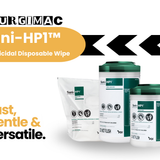
Learn why dental practices choose hydrogen peroxide for safe, effective disinfection. Discover the benefits of HP1 wipes for infection control and patient care.
Hydrogen peroxide is a staple in medicine, but its role has expanded significantly. In a post-COVID world, its powerful antibacterial and antiviral abilities are more critical than ever. As demand for effective disinfectants grows, knowing how to choose hydrogen peroxide for your practice is essential. This isn't the same solution from your home first-aid kit. We're talking about a trusted disinfectant for healthcare and dental settings, where safety and efficacy are non-negotiable.
In today’s fast-paced dental environment, infection control is critical. Patients expect the highest standards of cleanliness, and regulatory bodies demand compliance with strict safety protocols. That’s where innovative products like PDI Sani-HP1™Germicidal Wipes come in. These hydrogen peroxide-based wipes offer a new level of efficiency and surface compatibility that make them especially valuable in dental settings.
Discover why Sani-HP1™ is the smarter choice for the infection control strategy of your dental practice.
Fast and effective Disinfection
Sani-HP1™ Germicidal Wipes deliver broad-spectrum disinfection in just 1 minute, targeting critical pathogens in the dental environment such as Hepatitis B Virus (HBV), Human Immunodeficiency Virus (HIV-1), and Pseudomonas aeruginosa, among others. Its fast and effective action makes it invaluable in dental offices, where rooms must be prepared quickly for the next patient while upholding safety standards.

Surface Compatibility
The Sani-HP1™ offers Hydroguard Technology, which ensures its compatibility with surgical instruments and devices that dental professionals use most often. Dental chairs, light handles, curing lights, and touch screens can be sensitive to repeated chemical exposure. That’s where Sani-HP1™ makes a difference. At launch, Sani-HP1™ is on multiple dental equipment Instructions for Use (IFUs), and PDI continues to strive to increase this number through its Compatible by Design™ program.
Powered by Hydrogen Peroxide
Hydrogen peroxide is a powerful formula that acts by releasing active oxygen upon contact with organic or inorganic matter. This highly reactive compound disrupts the cells of microorganisms, effectively destroying them. It also helps eliminate odors, as the released oxygen reacts with and neutralizes the molecules responsible for unpleasant smells. With a 0.58% hydrogen peroxide formula, Sani-HP1™ offers powerful antimicrobial action without the harshness of bleach or high-alcohol content. It decomposes into water and oxygen after use, leaving no harmful residue behind.
Low-Tox Formulation
The Sani-HP1™ germicidal wipes are categorized as EPA Toxicity Category IV (the lowest), which means they’re non-irritating to skin and eyes. It promises personal safety for the staff at the dental office while shielding them from harmful pathogens they may come in contact with during routine practice.
Commitment to Sustainable Practices
The New Jersey Department of Environmental Protection has recently recognized PDI as a valued member of the NJ Sustainable Business Registry. This recognition highlights the meaningful steps PDI has taken across energy use, transportation, water conservation, leadership, and certifications-- all contributing to meaningful environmental impact. Membership in this registry affirms PDI’s commitment to sustainability and connects us with partners and customers who share these values.
Practical Solution For Busy Spaces
Ready-to-use and easy to dispense, Sani-HP1™ Germicidal Wipes are ideal for busy clinical zones, reception counters, and patient care areas. No mixing or measuring means no guesswork, just reliable performance when and where it matters. Sani-HP1™ Germicidal Wipes are available in multiple packaging options with higher wipe counts per canister that extend use between replacements and help cut down on packaging waste. By combining performance with smarter packaging, Sani-HP1™ advances both operational efficiency and sustainability goals, reflecting PDI’s commitment to developing solutions that balance infection prevention with environmental responsibility.
Frequently Asked Questions about HP1
1. Is hydrogen peroxide safe to use on all surfaces?
Hydrogen peroxide is generally safe for use on most surfaces; however, it’s important to review the product label before application. For more delicate surfaces, dilution may be required to prevent potential damage.
2. Is hydrogen peroxide environmentally friendly?
Hydrogen peroxide is viewed as environmentally friendly since it quickly decomposes into water and oxygen, leaving behind no harmful residues. Is hydrogen peroxide effective against viruses and bacteria?
3. Is hydrogen peroxide safe for people?
Hydrogen peroxide is generally safe for people, though improper use may cause skin or eye irritation. Always follow the product’s instructions for safe application.
4. Is hydrogen peroxide safer than bleach for dental equipment?
Yes. Unlike bleach, hydrogen peroxide doesn’t leave behind strong fumes or corrosive residues. This makes it a safer choice for frequent use in busy dental practices.
5. Where can I buy Sani-HP1 by PDI?
Sani-HP1 by PDI are available for sale at SurgiMac.com. SurgiMac is a national, family-owned dental dealer committed to empowering DSOs and dentists to deliver the highest quality oral care for your patients. SurgiMac is dedicated to providing dental practices of all sizes, from individual clinics to large buying groups and DSOs, with a comprehensive selection of high-quality dental supplies at competitive prices.
What Exactly Is Hydrogen Peroxide?
At its core, hydrogen peroxide (H₂O₂) is a simple chemical compound composed of hydrogen and oxygen—essentially water with an extra oxygen atom. This additional oxygen atom is what makes it a powerful oxidizing agent, allowing it to react with and break down organic materials. It’s this reactive nature that makes it so versatile for everything from disinfecting surfaces to personal care. In a clinical setting, its ability to release oxygen helps lift debris from wounds and disrupt the cellular structures of bacteria and viruses. This mechanism makes it an invaluable tool for infection control, providing a reliable method for maintaining a sterile environment without the harshness of some other chemical agents.
What Are the Different Grades and Strengths of Hydrogen Peroxide?
It's important to understand that not all hydrogen peroxide is created equal. The concentration, purity, and grade of a hydrogen peroxide solution determine its appropriate application. Using the wrong type can be ineffective at best and harmful at worst. For example, the highly concentrated industrial grades contain stabilizers and impurities that make them completely unsuitable for any kind of clinical or personal use. On the other hand, pharmaceutical-grade solutions are specifically formulated for safety in medical applications. Knowing the difference is key to using this chemical safely and effectively in your practice and for patient recommendations. Each grade is manufactured to a specific standard to ensure it performs correctly for its intended purpose, from cleaning sensitive electronics to disinfecting a patient’s operatory.
Pharmaceutical Grade (3% - 6%)
This is the grade you’re most familiar with and the one found in most first-aid kits and medicine cabinets. Typically sold in a 3% solution, pharmaceutical-grade hydrogen peroxide is stabilized and purified for safe use on the body. It’s ideal for cleaning minor cuts and scrapes, and it’s also the concentration used in many oral hygiene products, such as antiseptic mouth rinses. Its gentle yet effective antimicrobial properties make it a staple for basic wound care and maintaining oral health, helping to reduce bacteria without causing significant tissue irritation when used correctly. This is the only grade that should be recommended for patient use.
Food-Grade (3% - 35%)
Food-grade hydrogen peroxide is used in the food industry for disinfecting surfaces and packaging, and it's also popular in organic farming and some personal care routines. The key difference between food-grade and pharmaceutical-grade is the type and number of stabilizers used. Food-grade solutions, particularly at 35% concentration, contain fewer or no stabilizers, which makes them highly corrosive and dangerous if not diluted properly. While some people use diluted food-grade H₂O₂ for personal care, it’s crucial to handle the concentrated form with extreme caution due to its potency and potential to cause chemical burns.
Industrial & Technical Grade (27% - 50%)
Industrial and technical grades of hydrogen peroxide are workhorses in manufacturing, wastewater treatment, and large-scale disinfection. These high-concentration solutions are not purified for human contact and contain various chemical stabilizers to prolong their shelf life. They are excellent for bleaching paper pulp, treating industrial waste, and other heavy-duty applications where potency is more important than purity. Due to the presence of additives and the high concentration, these grades should never be used for any medical, personal, or food-related purpose, as they can be toxic and highly corrosive.
Laboratory & Reagent Grade (30% - 50%)
Designed for scientific experiments and chemical synthesis, laboratory and reagent-grade hydrogen peroxide meets high purity standards required for research. It’s used as a catalyst, an oxidizing agent, and a cleaning agent in lab settings where predictable chemical reactions are essential. While it is highly purified, it is not intended for human use and lacks the specific stabilizers found in pharmaceutical-grade products. Its handling requires strict safety protocols, including protective gear, to prevent accidental exposure in a controlled laboratory environment. This grade ensures that scientific results are not skewed by unwanted contaminants.
Electronics & Semiconductor Grade (30% - 35%)
The electronics industry requires an extremely pure form of hydrogen peroxide for manufacturing computer chips and cleaning circuit boards. Electronics and semiconductor-grade H₂O₂ is refined to remove even trace amounts of impurities that could interfere with delicate electronic components. This ultra-pure grade is essential for etching and cleaning processes in semiconductor fabrication, ensuring that microchips function correctly. Its specialized application highlights just how critical the right grade is for the right job, as even a tiny impurity could ruin millions of dollars worth of electronic parts.
How Is Hydrogen Peroxide Used in Clinical and Personal Care?
Beyond its industrial applications, hydrogen peroxide is a cornerstone of clinical and personal care due to its effective antimicrobial properties and relative safety at low concentrations. In dentistry, it plays a multifaceted role, from surface disinfection to therapeutic oral rinses. Products like PDI Sani-HP1™ Germicidal Wipes harness its power to quickly and safely disinfect equipment and surfaces between patients, breaking down into harmless water and oxygen. This efficiency is critical in a busy practice where rapid room turnover and uncompromising sterilization standards are paramount. Its versatility allows it to be used for everything from whitening teeth to providing first aid for minor oral injuries, making it a truly indispensable compound in healthcare.
First Aid for Minor Wounds
For decades, a 3% solution of hydrogen peroxide has been a go-to for cleaning minor wounds like cuts and scrapes. When applied to a wound, the enzyme catalase in our blood causes it to bubble vigorously. This effervescent action helps to mechanically clean the wound by lifting away dirt, debris, and dead tissue. While some debate its effect on healthy cells, its ability to kill bacteria and clean the area makes it a useful first step in wound care, especially for initial disinfection before applying a bandage. It’s a simple and effective way to reduce the risk of infection in superficial injuries.
Oral Care and Hygiene
In dentistry, hydrogen peroxide is widely used for its benefits in oral hygiene. It’s a key ingredient in many professional and over-the-counter teeth whitening products, as its oxidizing properties break down stain molecules on the enamel. Additionally, diluted hydrogen peroxide can be used as an antiseptic mouth rinse to help reduce gum inflammation associated with gingivitis and manage bacteria in periodontal pockets. Its ability to release oxygen in the mouth creates an environment where anaerobic bacteria, which thrive in low-oxygen conditions, cannot survive. This makes it a valuable therapeutic tool for maintaining a healthy oral microbiome when used under professional guidance.
Household and Clinical Surface Cleaning
Hydrogen peroxide is an excellent disinfectant for non-porous surfaces in both homes and clinical settings. It is effective against a broad spectrum of pathogens, including bacteria, viruses, fungi, and spores. In a dental office, this is particularly important for cleaning countertops, dental chairs, and other high-touch surfaces. Because it decomposes into water and oxygen, it doesn’t leave behind toxic residues, making it a safer alternative to bleach for routine disinfection. This is why it's the active ingredient in advanced products designed for healthcare environments, ensuring patient and staff safety without compromising on efficacy.
Laundry and Stain Removal
The same oxidizing power that makes hydrogen peroxide a great disinfectant also makes it a fantastic stain remover, especially for organic stains like blood. This is a practical benefit in a clinical setting where lab coats, scrubs, or linens might get stained. Adding a cup of hydrogen peroxide to a load of whites can help brighten them without the harshness of chlorine bleach. For tough stains, applying 3% hydrogen peroxide directly to the spot before washing can effectively lift it out. It’s a gentle yet powerful solution for keeping clinical apparel clean and professional-looking.
What Are the Essential Safety and Handling Instructions?
While low-concentration hydrogen peroxide is generally safe, proper handling is essential to avoid potential risks, especially with higher concentrations. In a professional setting, adhering to safety protocols protects both staff and patients. This includes understanding the correct applications, using appropriate personal protective equipment (PPE), and following proper storage guidelines. Misuse can lead to skin irritation, eye damage, or other adverse effects. Therefore, treating hydrogen peroxide with the same respect as any other clinical chemical is fundamental to maintaining a safe practice environment. Following these guidelines ensures you can leverage its benefits without compromising safety.
Consulting with Health Professionals
As a dental professional, you are the expert your patients trust. It's important to guide them on the proper use of hydrogen peroxide for oral care. While it can be beneficial, patients should always consult with you before starting a new regimen, such as using it as a daily mouth rinse. You can provide advice on the correct dilution, frequency, and duration of use to prevent potential side effects like tissue irritation or enamel damage. This professional guidance ensures patients use it safely and effectively as part of their overall oral health plan.
Proper Handling and Application
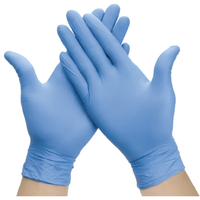
When handling any concentration of hydrogen peroxide, especially those above the standard 3%, wearing protective gear is a must. This includes using disposable gloves to prevent skin irritation and protective eyewear to shield from accidental splashes. At SurgiMac, our MacSafe line offers reliable exam gloves and other protective supplies to ensure your team can handle clinical products safely. It's also critical to remember that hydrogen peroxide should never be ingested or injected. Following these basic handling procedures minimizes risk and ensures that it is used only as intended for disinfection and cleaning.
Mixing and Storage Precautions
Hydrogen peroxide is reactive and should never be mixed with other cleaning agents, particularly bleach or ammonia, as this can create toxic gases. It should always be stored in its original opaque container, as exposure to light causes it to break down and lose its effectiveness. A cool, dark place is the ideal storage location to maintain its stability and potency. Proper storage not only preserves the product but also prevents accidental misuse or dangerous chemical reactions, ensuring it remains a safe and reliable tool in your practice’s infection control arsenal.
How Can I Purchase Hydrogen Peroxide for My Practice?
Acquiring hydrogen peroxide for your dental practice is straightforward, but it's important to source it from a reliable supplier that provides products suitable for a clinical environment. While standard 3% solutions are available at any pharmacy, professional-grade disinfectants and other clinical supplies should be purchased from a trusted dental dealer. This ensures you receive products that meet regulatory standards and are designed for the specific demands of a healthcare setting. Sourcing from a dedicated supplier like SurgiMac guarantees you have access to high-quality, effective solutions that support your practice’s commitment to excellence in patient care and safety.
Retail Availability and Purchasing Options
Pharmaceutical-grade hydrogen peroxide is widely available at drugstores and supermarkets for general consumer use. However, for clinical applications, dental practices often require more specialized products, such as ready-to-use disinfectant wipes or specific concentrations for procedural use. As a national dental supplier, SurgiMac offers a comprehensive range of dental supplies, including advanced hydrogen peroxide-based disinfectants like PDI Sani-HP1™ wipes. We provide a convenient, one-stop source for all your clinical needs, ensuring you get reliable products that are designed for professional use and delivered directly to your practice.
HSA/FSA Eligibility
A helpful tip for your patients is that many over-the-counter health products, including pharmaceutical-grade hydrogen peroxide, are eligible for purchase using Health Savings Account (HSA) or Flexible Spending Account (FSA) funds. This allows patients to use their pre-tax dollars for recommended oral care items, making it more affordable to follow your prescribed hygiene routines. Informing patients about this option can encourage compliance and help them manage their healthcare expenses more effectively. It’s a small piece of information that adds significant value to your patient care.
What to Read Next
- Disinfectant Selection in the Dental Space – Are You Choosing the Right One?
- The Ultimate Face-off of Disinfecting Wipes: CaviWipes vs. Super Sani-Cloth
Cavi Wipes vs. Clorox Wipes: Which One Is the Best Disinfectant Wipe for Dental Practice?
Key Takeaways
- Not All Hydrogen Peroxide Is for Clinical Use: Differentiate between the common 3% solution and professional-grade disinfectants. Using formulations specifically designed for healthcare, like Sani-HP1™ wipes, is critical for effective infection control and protecting sensitive dental equipment.
- Prioritize Both Speed and Compatibility: Modern hydrogen peroxide disinfectants offer rapid, one-minute kill times for efficient room turnover. Their advanced formulas are also engineered to be compatible with delicate surfaces, safeguarding your investment in clinical technology.
- Adhere to Safe Handling and Storage Practices: Protect your team by using proper PPE, such as MacSafe gloves, with all chemical agents. To maintain potency and prevent hazardous reactions, always store hydrogen peroxide in its original opaque container and never mix it with other cleaners.
Related Articles
Blog posts
-
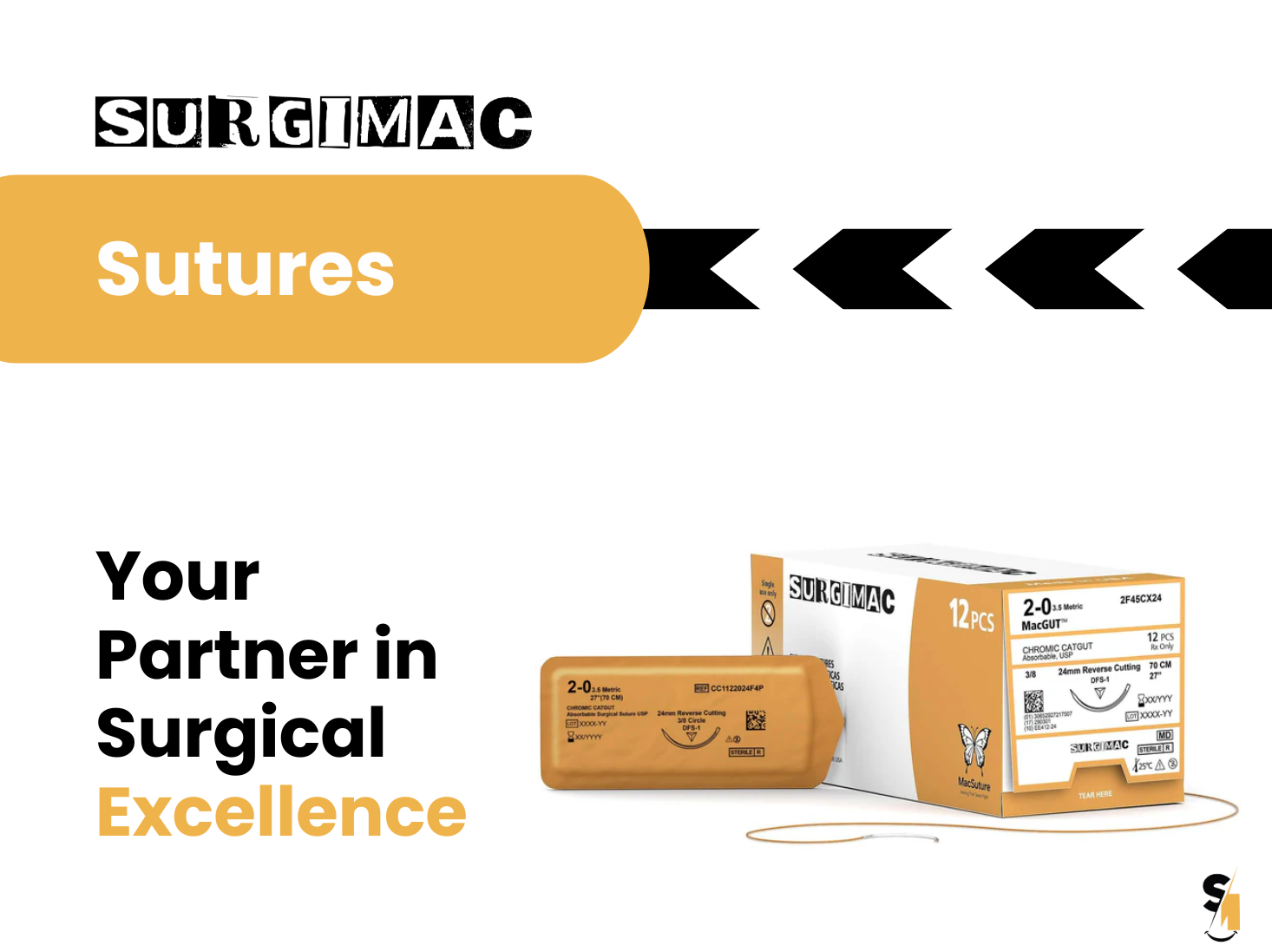
, by SurgiMac A Clinician's Guide to Absorbable Suture Material
-
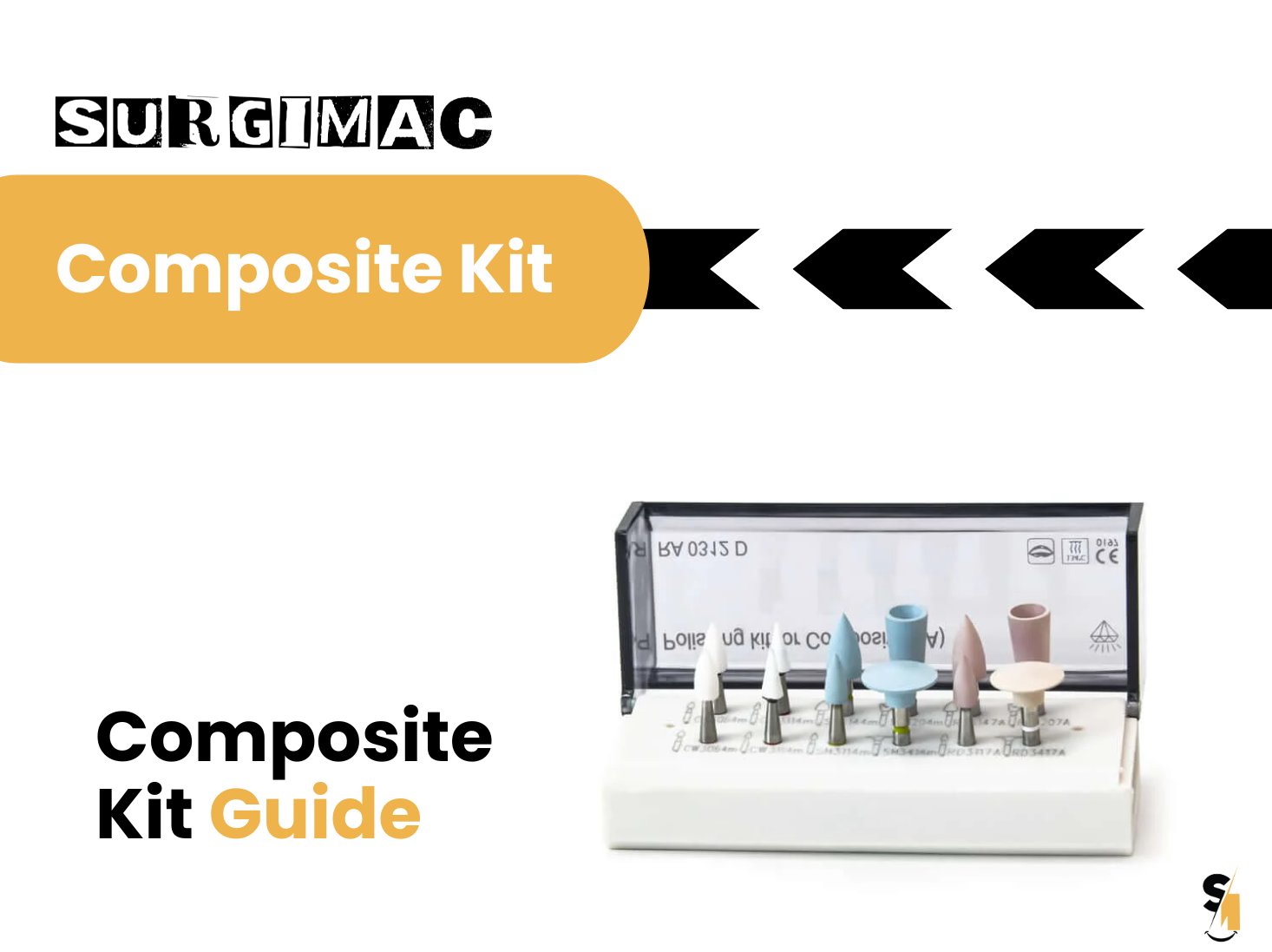
, by SurgiMac A Clinician's Guide to Dental Composite Resin Kits
-
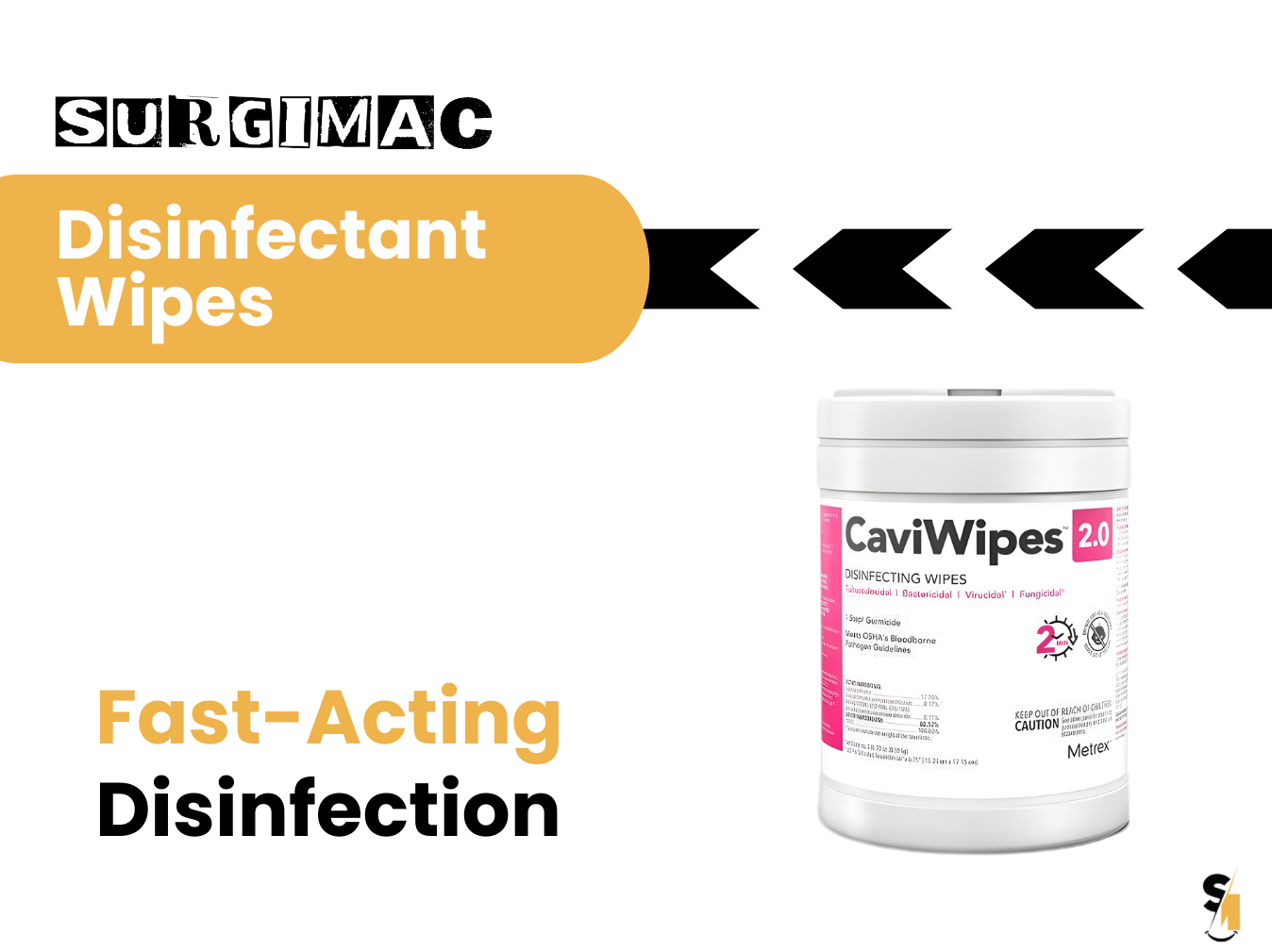
, by SurgiMac How to Disinfect with Metrex CaviWipes Correctly
