

Buffered Dental Anesthetic: A Clinician's Guide
- , by SurgiMac
- 29 min reading time

Buffered dental anesthetic reduces injection pain and speeds up numbness, making procedures more comfortable and efficient for both patients and clinicians.
We’ve all faced the challenge of a "hot tooth." When tissue is inflamed, its acidic environment makes it notoriously difficult for local anesthetics to work, often leading to failed blocks and patient distress. This is precisely where buffered dental anesthetic proves its clinical value. By neutralizing the anesthetic solution before injection, you increase the active molecules available to penetrate the nerve sheath. This scientific advantage helps you achieve more reliable and profound numbness in the most difficult cases. Buffering turns a frustrating situation into a manageable one, starting with high-quality anesthetic products.
Key Takeaways
- Prioritize Patient Comfort by Reducing Pain: Buffering anesthetic neutralizes its acidity, which significantly reduces the stinging sensation during injection. This simple adjustment makes the procedure more comfortable and helps ease patient anxiety.
- Speed Up Anesthetic Onset for Efficient Procedures: By matching the body's natural pH, buffered anesthetics achieve profound numbness more quickly. This allows procedures to start sooner and improves clinical workflow, especially in challenging cases with inflamed tissue.
- Implement Buffering with a Focus on Safety: Successful adoption requires a dedicated buffering system, a clear clinical protocol, and thorough team training. These steps ensure consistent results while upholding all standard safety measures for proper dosing and administration.

What Is Buffered Dental Anesthetic?
Buffered dental anesthetic is a local anesthetic solution that has been adjusted to better match the natural pH of your body’s tissues. Standard local anesthetics are acidic, which is why patients often feel a stinging or burning sensation during injection. By adding a buffering agent, typically sodium bicarbonate, the anesthetic solution becomes less acidic and closer to a neutral pH of around 7.4. This simple modification makes a significant difference in the patient experience and your clinical workflow.
The primary benefits are twofold: reduced injection pain and a faster onset of numbness. Because the buffered solution is less irritating to nerve endings, patients report a more comfortable experience from the start. The neutral pH also allows the anesthetic to be absorbed more quickly and efficiently into the nerve cells, which means you can begin procedures sooner. This technique offers a practical way to improve patient satisfaction while making your appointments more predictable and efficient. For clinicians looking to refine their pain management protocols, incorporating buffered solutions is a straightforward step toward a better practice. You can find a complete range of high-quality anesthetic products to support this and other clinical needs.
Why pH Matters for Local Anesthesia
The effectiveness of local anesthesia is directly tied to its pH level. Traditional anesthetic solutions are formulated to be acidic (with a low pH) to keep the active ingredients stable in the cartridge. However, the body’s tissues have a neutral pH of about 7.4. When an acidic solution is injected, the body must naturally buffer it before it can effectively numb the area, which causes a delay and that familiar stinging sensation.
Buffering the anesthetic with sodium bicarbonate right before injection raises the pH to a more neutral level. This pre-adjusted solution requires less work from the body to become effective, allowing the anesthetic molecules to penetrate the nerve membrane much faster. This simple chemical adjustment is the key to achieving a quicker, more comfortable onset of anesthesia.
The Role of Acidity in Anesthetic Stability
So, if an acidic pH causes stinging and delays onset, why are local anesthetics made that way? The answer comes down to chemical stability. The active ingredients in many anesthetic solutions, particularly vasoconstrictors like epinephrine, are unstable at a neutral pH. To ensure the product has a viable shelf life and remains potent until you're ready to use it, manufacturers formulate it with a lower pH. This acidity preserves the solution inside the cartridge, preventing the epinephrine from oxidizing and losing its effectiveness. It’s a necessary compromise to guarantee the reliability of the anesthetic supplies you depend on. The challenge, then, isn't the formulation itself but how to manage its effects at the point of care—which is exactly where buffering comes in.
Buffered vs. Traditional: A Clinical Comparison
When comparing buffered and traditional anesthetics, the clinical advantages of buffering become clear. The most immediate benefit is a significant reduction in injection pain, which is a major factor in patient anxiety. Clinical studies confirm that buffered local anesthesia is more beneficial than non-buffered options for minimizing discomfort during injection. This improvement in patient comfort can transform the tone of an appointment, especially for nervous individuals.
Beyond comfort, buffering leads to a faster onset of action. This increased efficiency means less waiting time for both you and your patient, allowing procedures to start sooner and stay on schedule. Some evidence also suggests that buffering may even increase the potency of the anesthetic, leading to more profound and reliable numbness. These combined benefits make buffering a valuable technique for any practice looking to enhance its dental supplies and procedures.
How Does Anesthetic Buffering Work?
Anesthetic buffering is a straightforward process that adjusts the pH of a local anesthetic solution just before it’s administered. Standard anesthetic products are formulated to be acidic, typically with a pH between 3.5 and 5.5. This acidity is necessary to keep the epinephrine stable and ensure a practical shelf life for the anesthetic cartridge. However, this low pH is also the primary reason patients experience a stinging or burning sensation upon injection. It also slows down the time it takes for numbness to set in, as the body must naturally neutralize the acidic solution before the anesthetic can take full effect.
Buffering solves this problem by adding a basic agent to the anesthetic cartridge immediately before injection. This simple step neutralizes the solution, raising its pH to be closer to the body’s natural physiological pH of approximately 7.4. By making the anesthetic less acidic, you not only minimize the pain associated with the injection but also prepare the anesthetic to work more efficiently once it enters the tissue. This pre-injection adjustment is the key to achieving a faster, more comfortable, and more predictable anesthetic experience for your patients. It transforms a standard procedure into a better one, improving patient satisfaction and streamlining your clinical workflow by reducing the waiting time for anesthesia to become effective.
How Sodium Bicarbonate Neutralizes Acidity
The most common agent used for anesthetic buffering is an 8.4% sodium bicarbonate solution. This alkaline solution acts as the buffering agent, effectively neutralizing the acidity of the local anesthetic. The process is precise: a small, measured amount of sodium bicarbonate is mixed into the dental anesthetic cartridge. This creates a chemical reaction that raises the pH of the solution from its acidic state to a more neutral level. By bringing the anesthetic closer to the body’s natural pH, you create a more biocompatible solution that causes less irritation and discomfort when injected into sensitive oral tissues.
Why Buffered Anesthetics Work Faster
The speed at which a local anesthetic works depends on its ability to penetrate the nerve membrane. Anesthetic molecules exist in two forms: a charged, ionized form (cation) and an uncharged, non-ionized form (base). Only the uncharged, non-ionized base form is lipid-soluble enough to pass through the nerve’s lipid bilayer to block nerve conduction. In a standard acidic anesthetic solution, most molecules are in the charged, ionized state, which cannot effectively cross this barrier. By adding sodium bicarbonate, you increase the solution’s pH, which shifts the chemical equilibrium to favor the uncharged, non-ionized base form. This higher concentration of active molecules allows the anesthetic to diffuse across the nerve membrane much more rapidly, leading to a significantly faster onset of profound numbness.
The Clinical Advantages of Using Buffered Anesthetic
Adopting buffered anesthetics in your practice offers more than just a scientific advantage; it delivers tangible benefits that enhance patient care and streamline your daily operations. By neutralizing the pH of local anesthetic solutions right before injection, you can significantly improve the clinical experience for everyone involved. From reducing the dreaded sting of an injection to getting procedures started faster, buffering translates directly into a more comfortable and efficient practice. Let's look at the three key benefits you can expect.
Offer a More Comfortable, Less Painful Injection
For many patients, the fear of the needle is a major source of dental anxiety. The initial sting from a dental injection often comes from the anesthetic solution's natural acidity. Buffered anesthetics are adjusted to a pH level closer to that of the body’s natural tissues, which significantly reduces the burning or stinging sensation upon injection. This simple adjustment makes the experience far more comfortable for your patients, especially for children or those who are particularly sensitive. Providing a more comfortable injection is a powerful way to build trust and show patients you prioritize their well-being. This can improve patient retention and encourage positive reviews, all starting with high-quality anesthetic products.
Faster Onset for More Efficient Appointments
In a busy dental practice, every minute counts. One of the most immediate clinical benefits of buffering is a faster onset time. Traditional anesthetics are acidic and must be neutralized by the body’s tissues before they can become fully effective, which causes a delay. Anesthetic buffering neutralizes the solution beforehand, allowing it to get into the body's tissues and take effect more quickly. This means less time spent waiting for the patient to become numb and more time dedicated to the actual procedure. A faster onset not only makes your schedule more predictable but also reduces the time patients spend waiting anxiously in the chair before their treatment begins.
Comparing Onset Times: Buffered vs. Non-Buffered
The difference in onset time between buffered and non-buffered anesthetics comes down to basic chemistry. With a standard, acidic anesthetic, your patient's body must first neutralize the solution before the active molecules can penetrate the nerve. This biological process creates a built-in delay. Buffering with sodium bicarbonate does this work beforehand, shifting the chemical equilibrium to favor the uncharged, non-ionized base form of the anesthetic. Since this is the only form that can pass through the nerve’s lipid bilayer, a higher concentration of active molecules is immediately available to diffuse across the nerve membrane. This leads to a significantly faster onset of profound numbness, allowing you to begin procedures sooner and keep your appointments running on schedule.
Streamline Your Workflow and Increase Productivity
Those few minutes saved on each patient’s onset time can add up to significant productivity gains throughout the day. A more efficient workflow allows you to stay on schedule, reduce patient wait times, and potentially fit an emergency appointment into a busy day. Faster procedures also mean your team spends less time in personal protective equipment (PPE), which is a welcome relief during long clinical sessions. A smooth, productive workflow depends on having reliable supplies ready when you need them. Ensuring your practice is stocked with high-quality PPE, like the gloves and disposable coats from our MacSafe collection, is fundamental to maintaining a safe and efficient environment for both your team and your patients.
Reducing the Need for Repeat Injections
Nothing disrupts a procedure's flow more than an anesthetic that fails to achieve profound numbness, forcing you to administer a second injection. This is especially common in patients with inflamed or infected tissue, where the acidic environment hinders the effectiveness of traditional anesthetics. Buffered anesthetics offer a reliable solution to this clinical challenge. By neutralizing the solution's pH before injection, you significantly increase the concentration of active anesthetic molecules ready to penetrate the nerve membrane. This leads to a more profound and reliable numbness, even in difficult cases. The enhanced potency means you can proceed with confidence, minimizing the need for additional doses, which saves chair time and reduces patient stress.
Why Buffering Works Better in Inflamed Tissue
Every clinician has faced the challenge of achieving profound anesthesia in a patient with an abscess or severe inflammation. These "hot" teeth are notoriously difficult to numb, often leading to procedural delays, patient discomfort, and clinical frustration. The root of the problem lies in the tissue's pH. Inflamed tissue is acidic, and this acidic environment fundamentally interferes with the way traditional local anesthetics work. By neutralizing the anesthetic solution just before injection, buffering directly counteracts this issue. This simple adjustment allows the anesthetic to perform as intended, even in the most challenging clinical scenarios. Understanding this mechanism is key to consistently providing comfortable and effective care for all your patients, especially those in acute pain. For your practice, having reliable anesthetic products is the first step, and knowing how to optimize them is the next.
Neutralizing Acidity in Inflamed Tissue
Infected or inflamed tissue creates an acidic environment with a low pH. Standard local anesthetic solutions are also acidic to ensure the stability of epinephrine. For the anesthetic to work, its molecules must pass through the nerve sheath to block the nerve impulse, a process that requires the molecule to be in a non-ionized, lipid-soluble state. In an acidic environment, a higher proportion of the anesthetic molecules remain in their ionized, water-soluble form, preventing them from effectively penetrating the nerve. Buffering adjusts the anesthetic's pH to a more physiologic level before injection. This simple step increases the number of non-ionized molecules available, allowing the anesthetic to diffuse through the nerve membrane much more efficiently, even in compromised tissue.
How to Achieve Profound Anesthesia in Difficult Cases
By preparing the anesthetic to work in an acidic environment, buffering produces more consistent and profound results in difficult cases. The process of buffering simply involves adjusting the pH of the solution, which helps it work more quickly and effectively. This leads to a faster onset of numbness, which is a significant advantage when a patient is in pain and anxious. Clinical evidence shows that buffered local anesthesia is more beneficial than non-buffered solutions in reducing pain on injection, a critical factor when treating sensitive, inflamed areas. For your practice, this means fewer failed blocks, less need for additional injections, and a smoother, more predictable experience for both you and your patient during urgent procedures.
Improving Success Rates in Pulpally Involved Teeth
Pulpally involved teeth, or "hot teeth," are a classic example of where buffered anesthetics truly shine. The inflammation in the pulp creates a highly acidic environment that actively works against traditional anesthetic solutions, which is why achieving a profound block in these cases can be so unpredictable. By buffering the anesthetic with sodium bicarbonate right before injection, you effectively counteract this acidic challenge. The adjusted, more neutral pH ensures a higher concentration of active, non-ionized anesthetic molecules are available to penetrate the nerve membrane. This leads to a more reliable and rapid onset of numbness, significantly improving your success rate. It transforms a potentially stressful procedure into a more controlled and comfortable experience for the patient, allowing you to proceed with treatment using precision tools like those in our Pro Series collection.
Ensuring Safety with Buffered Anesthetics
While buffered anesthetics offer significant advantages for patient comfort and clinical efficiency, they don’t change the fundamental principles of safe administration. The benefits of a faster onset and reduced injection pain are powerful, but they must be built on a foundation of meticulous safety protocols. Buffering is an enhancement to your technique, not a shortcut around established best practices. It’s a tool that, when used correctly, can improve the patient experience and streamline your workflow, but its success hinges on unwavering attention to safety.
Adhering to these standards protects both your patient and your practice from preventable adverse events. This involves a comprehensive understanding of potential risks and a strict commitment to proper dosing and administration. Even with a more comfortable injection experience, the potential for complications inherent to any local anesthetic procedure remains. By focusing on these key safety considerations, you can confidently integrate buffering into your workflow while upholding the highest standard of care. This commitment starts before the needle is even uncapped, beginning with a sterile environment maintained with reliable infection control supplies and a clear understanding of the patient's unique medical profile. Ultimately, the goal is to leverage the benefits of buffering without compromising the core tenets of safe and effective anesthesia.
What Are the Complications and Contraindications?
Before any injection, it’s critical to review potential complications. While the incidence is low, injuries to the inferior alveolar and lingual nerves are a known risk of local anesthesia block injections, and they can lead to significant neuropathic issues. Other potential complications include allergic reactions, hematoma, trismus, or systemic toxicity.
Buffering the anesthetic does not eliminate these risks. It also doesn't override patient contraindications. A thorough review of the patient’s medical history is non-negotiable to screen for allergies to amide anesthetics, relevant medical conditions, or medications that could interact with vasoconstrictors. Understanding these factors allows you to make informed decisions and prepare for any adverse events, ensuring patient safety remains the top priority.
Considering Sensitivities to Buffering Agents
While sodium bicarbonate is generally well-tolerated, it's important to remember that individual patient sensitivities can vary. As with any substance, some patients might have a rare sensitivity or allergy to the buffering agent itself, which is why a comprehensive approach to patient safety is so important. This reinforces the need for a thorough review of the patient's medical history—it's not just a best practice, but a critical step before any procedure. Buffering is a powerful tool for improving comfort, but it doesn't change the fundamental risks associated with any local anesthetic. Maintaining strict safety protocols, from reviewing medical histories to using reliable protective gear like disposable gloves, remains the cornerstone of responsible patient care.
Best Practices for Dosing and Administration
Proper technique is paramount. Anesthetic buffering requires precise mixing to neutralize the solution’s pH just before injection. Following the buffering system manufacturer’s instructions is essential to ensure the correct ratio of anesthetic to sodium bicarbonate. An improperly mixed solution can compromise the anesthetic's effectiveness or cause unnecessary tissue irritation.
Always adhere to standard administration protocols: use the lowest possible effective dose, aspirate to prevent intravascular injection, and administer the solution slowly. Using high-quality anesthetic products along with sterile, single-use needles and cartridges is fundamental to a safe and predictable outcome. These steps, combined with correct buffering, create a process that is not only more efficient and comfortable but also consistently safe.
Understanding Anesthetic Duration and Dosage
While buffering significantly speeds up the onset of anesthesia, it's crucial to understand that it doesn't alter the anesthetic's core properties. The maximum recommended dose (MRD) remains the same, and the duration of numbness is also unaffected. The total amount of anesthetic you can safely administer and how long the numbness will last are still determined by the specific agent, the patient’s weight, their health status, and the vasoconstrictor concentration. Think of buffering as a tool to make the anesthetic work more efficiently, not as a license to alter established dosing protocols. Your commitment to safety begins with precise calculations and relies on using dependable anesthetic products that deliver consistent, predictable results.
How to Implement Buffered Anesthetics in Your Practice
Adopting buffered anesthetics in your practice is a straightforward process that can significantly enhance patient comfort and clinical efficiency. While introducing any new technique requires careful planning, a successful transition really comes down to three key steps: selecting the right equipment, establishing a clear protocol, and ensuring your team is fully trained. By focusing on these areas, you can seamlessly integrate this technique into your daily workflow and improve the patient experience from the moment they sit in your chair. This approach not only modernizes your pain management strategy but also streamlines procedures, saving valuable time for both you and your patients. A well-planned implementation ensures that you can offer the benefits of faster onset and reduced injection pain consistently, making your practice a preferred choice for anxious patients and strengthening your reputation for providing state-of-the-art care. Taking the time to get these foundational elements right will pay off in smoother appointments, happier patients, and a more productive clinical team. It’s an investment in both your practice’s efficiency and your patients’ trust, setting a new standard for care in your community.
Choosing the Right Equipment and Buffering System
Getting started with anesthetic buffering requires a dedicated system designed for the task. These systems allow you to precisely mix a buffering agent, typically an 8.4% sodium bicarbonate solution, with a standard cartridge of local anesthetic. The device adds a very small, specific volume of the solution to the cartridge right before administration. This process raises the pH of the anesthetic, making it closer to the body’s natural pH of 7.4. When sourcing your anesthetic products, consider which buffering system is most compatible with your existing supplies and workflow to ensure a smooth integration.
Manual Mixing with Sodium Bicarbonate
The most direct method for buffering is manual mixing. This technique involves using a sterile syringe to draw a specific volume of 8.4% sodium bicarbonate solution and then injecting it into the dental anesthetic cartridge. While this approach is cost-effective and doesn't require specialized equipment, it demands absolute precision to maintain the correct anesthetic-to-bicarbonate ratio and ensure sterility. This simple step neutralizes the solution, raising its pH to be closer to the body’s natural 7.4. For clinicians who choose this method, using high-quality, sterile components is non-negotiable to prevent contamination and ensure patient safety. Having a reliable source for all your essential dental equipment and supplies is key to performing this technique safely and effectively.
Pen-Style Dispensing Systems
For practices seeking greater consistency and ease of use, pen-style dispensing systems offer a practical upgrade from manual mixing. These devices are designed to add a precise, pre-measured amount of sodium bicarbonate to the anesthetic cartridge with a simple, controlled mechanism. This removes the guesswork and potential variability of manual mixing, ensuring a consistent, properly buffered solution every time. By making the anesthetic less acidic, these systems help make injections less painful and work faster. This commitment to precision and efficiency aligns with the design philosophy behind our own instrument lines, such as the ergonomic and perfectly balanced Air Series, which are crafted to enhance clinical control and performance.
Dedicated Buffering Units
At the high end of buffering technology are dedicated, automated buffering units. These countertop devices offer the most precise, efficient, and sterile way to buffer anesthetics. The system typically uses single-use capsules containing a sodium bicarbonate buffering solution, which are mixed with the anesthetic cartridge inside the unit. This automated process guarantees the correct ratio and mixture every time, completely eliminating the risk of human error and contamination. For busy, high-volume practices, these units streamline the workflow significantly, allowing your team to prepare buffered anesthetic quickly and safely. Integrating such technology supports a modern practice focused on top-tier infection prevention and clinical excellence.
Developing Your Step-by-Step Clinical Protocol
Consistency is key to achieving reliable results with buffered anesthetics. Developing a clear, step-by-step clinical protocol ensures every team member performs the procedure correctly and safely. Your protocol should outline the entire process, from preparing the cartridge and operating the buffering device to proper handling and administration. The primary goal is to neutralize the acidic pH of the anesthetic solution just before injection. Documenting these steps helps minimize variables, ensures predictable outcomes, and provides a valuable training resource for new staff, making the technique a standard part of your practice.
Training Your Team for a Seamless Transition
A smooth transition depends on a well-informed team. Proper training should cover not only the mechanics of using the buffering system but also the science behind why it works. When your clinical staff understands how buffering reduces pain and speeds up onset, they become more confident and proficient in the technique. Schedule hands-on training sessions to allow everyone to practice. As you introduce this new procedure, it's also a great time to reinforce your infection control standards. Ensure your team is equipped with high-quality protective gear from the MacSafe collection to maintain a sterile environment.
How to Talk to Patients About Buffered Anesthetic
Adopting buffered anesthetic is a clinical decision, but explaining it effectively is a matter of patient care. Clear communication can significantly reduce dental anxiety and build trust. When patients understand that you are using a technique specifically designed for their comfort, it transforms their perception of the procedure. Instead of dreading the injection, they see it as a sign of a modern, patient-focused practice. Taking a moment to explain the benefits in simple terms shows you prioritize their experience. This conversation doesn't need to be long or overly technical; a few straightforward sentences can ease a patient's mind, improve their cooperation, and reinforce your reputation for providing gentle, high-quality care.
How to Explain the Procedure and Patient Benefits
When introducing buffered anesthetic, focus on the two benefits that matter most to patients: less pain and faster numbing. You can explain that traditional local anesthetic is slightly acidic, which is what causes the familiar stinging sensation upon injection. By adding a simple buffering agent, you neutralize the solution to match the body’s natural pH. This simple adjustment makes the injection significantly more comfortable.
You can also let them know that because the pH is balanced, the anesthetic solution gets to work much more quickly. This means they’ll feel numb faster, reducing the time they have to wait before the procedure can begin. It’s a small change in your workflow that makes a big difference in their overall experience.
Answering Common Patient Questions
Anticipating patient questions helps you provide confident and reassuring answers. Here are a few common inquiries you can prepare for:
- Is it safe? You can assure them that buffered anesthetics are very safe and have been thoroughly tested and used in dental practices for years. It’s an established method for improving patient comfort.
- Why does this feel better than other injections? Explain that the burning or stinging sensation from a typical injection is due to its acidity. By buffering the anesthetic, you neutralize that acidity, which is why the injection feels much gentler.
- Is this a good choice for me if I’m nervous? Absolutely. For patients with dental anxiety, buffered anesthetic is an excellent option. Less pain and a faster onset of numbness can help them feel more relaxed and comfortable, creating a more positive experience that is supported by your practice's commitment to safety and infection control.
Addressing Patient Concerns About Cost
If patients ask about any difference in cost, it’s helpful to explain the value they receive in return. While this advanced technique may involve a slightly higher fee, it directly translates into a better experience. You can explain that the investment covers a more comfortable, nearly painless injection, which is a significant benefit for anyone with dental anxiety. Additionally, the faster onset time makes the entire appointment more efficient, reducing the time they spend in the chair. By highlighting the enhanced comfort and efficiency, you're not just justifying a cost; you're demonstrating a commitment to providing the highest standard of patient-centered care.
Sourcing Your Anesthetic and Safety Supplies
Successfully integrating buffered anesthetics into your practice goes beyond just the buffering agent. It requires a complete system of high-quality supplies to ensure every injection is safe, sterile, and effective. From the anesthetic solution itself to the needles, syringes, and personal protective equipment, every component plays a role in delivering a better patient experience and maintaining a smooth clinical workflow. Partnering with a reliable supplier for all your anesthetic products helps streamline your inventory management and guarantees you have trusted materials on hand when you need them. This foundational step ensures your team can perform procedures with confidence and precision.
Source High-Quality Local Anesthetic Solutions
The foundation of any effective injection is the anesthetic itself. When you incorporate buffering, you are already taking a step to improve patient comfort. Buffered anesthetics are adjusted to a pH level closer to that of the body’s natural tissues, which helps reduce the sting associated with injections and allows for a faster onset of numbness. To maximize these benefits, it’s essential to source your local anesthetics from a reputable distributor that provides consistent, high-purity solutions. This ensures predictable results and minimizes the risk of adverse reactions, allowing you to deliver profound anesthesia even in challenging cases.
Compatible Anesthetics for Buffering
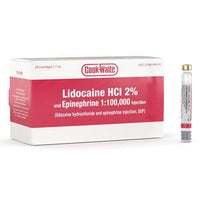
The good news is that most local anesthetics commonly used in dental practices are compatible with buffering. Amide anesthetics like Lidocaine, Articaine, and Mepivacaine, particularly those containing a vasoconstrictor like epinephrine, are all excellent candidates for this technique. The acidic formulation of these solutions is primarily designed to keep the epinephrine stable, so neutralizing them with sodium bicarbonate just before injection is what unlocks the clinical benefits of a faster, more comfortable onset. The key is to start with reliable, high-quality cartridges to ensure the integrity of your solution from the very beginning. When you're ready to stock your practice, you can find a full range of trusted anesthetic products to support your pain management protocols and ensure consistent, predictable results for every patient.
Choosing Your Sterile Syringes, Needles, and Cartridges
The delivery of buffered anesthetic must be precise and sterile. Using single-use, sterile needles and syringes for every patient is a non-negotiable standard for preventing cross-contamination and ensuring patient safety. Look for systems that simplify the buffering and injection process, such as those with pre-measured components that eliminate the need for manual mixing. This not only improves efficiency but also reduces the potential for human error. Investing in high-quality dental disposables ensures that your delivery is as reliable as the anesthetic solution itself, contributing to a seamless and safe procedure from start to finish.
Maintain Infection Control with MacSafe Products
A safe injection protocol extends beyond the needle and anesthetic. Every step of the procedure requires strict adherence to infection control standards to protect both your patients and your clinical team. This includes everything from surface disinfection to the use of proper personal protective equipment (PPE). The MacSafe line of products offers reliable solutions, including high-quality nitrile and latex exam gloves and disposable lab coats. By standardizing your practice with trusted infection control supplies, you create a safe, hygienic environment that supports procedural excellence and builds patient trust.
Frequently Asked Questions
Q: Why should I consider buffering for routine procedures, not just difficult cases?
A: Buffering isn’t just for inflamed or challenging cases—it improves the experience for every patient. By making injections more comfortable, it helps reduce anxiety and builds patient trust. It also streamlines your workflow. Saving even a few minutes on anesthetic onset per patient can significantly improve scheduling efficiency and reduce overall stress in a busy practice.
Q: How much faster can I expect the anesthetic to work?
A: The improvement is noticeable. Many clinicians report achieving profound anesthesia within two to three minutes when using buffered solutions, compared to the typical five to ten minutes with non-buffered anesthetic. This faster onset allows you to begin procedures sooner and keep appointments running on time.
Q: Does buffering change the safety profile of the anesthetic?
A: No, buffering does not alter the fundamental safety profile. Standard risks—such as allergic reactions or nerve injury—remain the same. This means proper protocols are still essential, including reviewing medical history, aspirating before injection, and adhering to correct dosage guidelines.
Q: Can I use buffering with any local anesthetic, including those with epinephrine?
A: Yes, buffering is compatible with most commonly used dental anesthetics, including those containing epinephrine. The original acidic pH helps stabilize epinephrine in the cartridge, but adding sodium bicarbonate immediately before injection neutralizes the solution. This allows for faster onset without reducing the vasoconstrictor’s effectiveness.
Q: What is the most common challenge when first implementing buffered anesthetics?
A: The biggest challenge is adapting to a new step in your routine. The best way to overcome this is by establishing a clear protocol and training your team thoroughly. Once integrated, the process becomes quick and intuitive. Maintaining a well-organized setup and having essential supplies readily available also helps ensure a smooth transition.
Read More
- Mastering Dental Anesthetics: A Clinician's Guide
- Orabloc Articaine Injection Cartridges 50/Pk | SurgiMac Dental Supply
Related Articles
Tags
Blog posts
-
, by SurgiMac A Clinician's Guide to Absorbable Suture Material
-
, by SurgiMac A Clinician's Guide to Dental Composite Resin Kits
-
, by SurgiMac How to Disinfect with Metrex CaviWipes Correctly
