
Carbide vs. Diamond Burs: A Clinician's Guide
- , by SurgiMac
- 36 min reading time
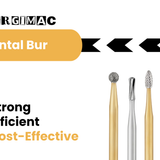
Find out when to use carbide diamond burs for dental procedures. Learn the key differences, clinical uses, and tips for choosing the right bur every time.
Every procedure starts with a choice: which bur do you grab? It’s the classic blade-versus-sandpaper dilemma. Carbide burs use sharp flutes to slice through softer materials like dentin, while diamond burs use an abrasive coating to grind down hard substances like enamel and porcelain. Understanding this fundamental difference is the key to mastering your selection of carbide diamond burs. We'll break down how this impacts everything from heat generation to procedural efficiency, helping you confidently match the right instrument from your dental supplies to the specific demands of any restorative task.
Key Takeaways
- Select the right tool for the material: Use carbide burs for softer materials like dentin and composites, as their fluted design cuts cleanly. Reserve diamond burs for hard, brittle substances like enamel and ceramics, where their grinding action provides a smoother finish.
- Know the difference between cutting and grinding: Carbide burs slice away material, which is ideal for bulk removal and generates less heat. Diamond burs abrade surfaces, creating the refined margins essential for high-precision crown and veneer preparations.
- Manage heat and maintenance for better outcomes: Choose carbide burs to reduce heat and protect the pulp, especially in deep preparations. When using diamond burs, ensure constant water irrigation and follow meticulous cleaning protocols to maintain performance and ensure patient safety.


Carbide vs. Diamond Burs: What's the Real Difference?
When you reach for a bur, you’re making a choice based on the procedure at hand. Both carbide and diamond burs are staples in every dental practice, but their fundamental differences in material and design dictate where they excel. Understanding their composition is the first step to selecting the right tool for the job, ensuring both efficiency for you and comfort for your patient. Let's break down what sets them apart.
Understanding Bur Anatomy: Head, Neck, and Shank
Every bur, regardless of its type, shares a common anatomy: the head, neck, and shank. The shank is the base that fits into your handpiece, while the neck connects it to the head—the business end of the tool. The head's design is what truly defines its function. For instance, carbide burs feature fluted blades engineered to slice away softer materials like dentin and composite with incredible efficiency. In contrast, diamond burs have a head coated in abrasive particles, making them perfect for grinding down hard, brittle substances such as enamel or porcelain. Recognizing this fundamental difference in head design is the key to matching the instrument to the material and achieving a predictable, successful outcome.
Sourcing High-Quality Burs for Your Practice
Choosing the right type of bur is only half the equation; sourcing high-quality instruments is just as critical for predictable results and patient safety. A well-made bur runs true with minimal vibration, which not only reduces patient discomfort but also prevents unnecessary wear on your handpiece. As a trusted national provider, we know that bur performance directly impacts clinical outcomes. That's why it's essential to use constant water irrigation with diamond burs to manage heat and to follow meticulous cleaning and sterilization protocols for all your instruments. This diligence preserves the bur's integrity and extends its lifespan, ensuring you always have reliable, premium burs and diamonds ready for any procedure.
What Are Carbide Burs Made Of?
Carbide burs are crafted from tungsten carbide, an exceptionally hard metal that is three times stronger than steel. This material allows for the creation of burs with sharp flutes or blades that cut through tooth structure rather than grinding it away. High-quality tungsten carbide burs use ultra-hard particles that stay sharp longer, allowing them to remove material efficiently and with less vibration. This makes them perfect for tasks like cavity preparation, removing old fillings, and shaping bone. Their blade-like design produces a smoother finish on dentin and is less likely to cause chipping.
Carbide vs. High-Speed Steel (HSS)
While carbide is a dominant material in modern dentistry, it’s useful to understand how it compares to high-speed steel (HSS). Carbide burs are known for their exceptional hardness and durability, as they are made from tungsten carbide—a material about three times stronger than steel. This strength allows them to maintain a sharp cutting edge for much longer, providing consistent performance and efficiency when cutting through dentin or removing old composite restorations. They also handle heat better, which is a major advantage during long procedures.
In contrast, high-speed steel burs are tougher and more resistant to breaking under pressure, making them a cost-effective choice for certain tasks. However, their main drawback is that they lose their sharpness more quickly than carbide, especially at high operating temperatures. This means you might find yourself replacing them more often. For demanding procedures requiring precision and longevity, carbide is the superior option. For less frequent or less demanding tasks, HSS can serve as a practical alternative in your collection of burs and diamonds.
What Are Diamond Burs Made Of?
Unlike the solid metal construction of carbide burs, diamond burs consist of a stainless steel shank coated with fine diamond particles. These particles act as an abrasive, grinding away hard tooth structures like enamel. Think of it as high-precision sandpaper for teeth. This grinding action makes diamond burs the ideal choice for cutting through tough, brittle materials like porcelain, zirconia, and enamel with minimal chipping. Because they grind rather than cut, they are excellent for creating beveled margins, refining preparations, and contouring restorative materials where a delicate touch is required.
When Should You Use a Carbide vs. a Diamond Bur?
The choice between carbide and diamond burs isn't about finding a single "best" option, but about selecting the right instrument for the specific task at hand. As a clinician, you know that procedural success often comes down to the details, and your bur selection is a critical one. Each type of bur interacts with tooth structure and restorative materials differently, impacting everything from cutting efficiency and heat generation to the final surface finish. Making the right choice ensures cleaner preparations, preserves healthy tooth structure, and ultimately leads to better-fitting, more durable restorations.
Think of carbide burs as precision cutting tools. Their fluted design shaves away material, making them exceptionally effective for tasks requiring controlled removal and smooth surfaces. On the other hand, diamond burs act more like grinders. Their abrasive particles are perfect for reducing hard, brittle substances like enamel or porcelain. Understanding these fundamental differences is the first step. In the following sections, we’ll explore the specific clinical situations where each bur truly shines, helping you optimize your workflow and achieve consistently excellent results for your patients. By matching the bur to the material and the procedure, you can work more predictably and confidently.
When to Reach for a Carbide Bur
Carbide burs are the ideal choice for cutting and shaping softer dental materials with precision. Their fluted blades excel at removing old composite fillings, excavating decay during cavity preparations, and shaping bone. Because they cut rather than grind, they produce a smoother finish on these materials and are less likely to cause chipping. A significant clinical advantage is that carbide burs generate up to 40% less heat than their diamond counterparts, which helps protect the tooth's pulp and enhances patient comfort. When your procedure involves removing existing restorations or requires a delicate touch on dentin, having a reliable set of carbide burs in your toolkit is essential for efficient and safe treatment.
Removing Metal Restorations and Amalgam
When it's time to remove an old amalgam or other metal restoration, a carbide bur is your go-to instrument. The sharp, fluted blades of a tungsten carbide bur are designed to cut through metal efficiently, allowing you to section the restoration for removal in larger, more manageable pieces. This cutting action is far more effective than the grinding motion of a diamond bur, which can generate excessive heat and create a less controlled removal process. Using a high-quality carbide bur minimizes vibration and heat transfer, protecting the underlying tooth structure and ensuring a more comfortable experience for your patient. This precision makes the entire procedure faster and more predictable.
When to Choose a Diamond Bur
When you need to cut through hard, brittle materials, diamond burs are your go-to instrument. They are unparalleled for grinding down natural tooth enamel and are the standard for crown and veneer preparations. The abrasive diamond particles efficiently reduce hard tissues and ceramics like porcelain without causing fractures, creating the smooth, precise margins necessary for a perfect-fitting restoration. Their cutting efficiency makes them ideal for bulk reduction and contouring during prosthodontic work. For any procedure that demands high precision on the hardest substances in the mouth, from initial tooth preparation to adjusting ceramic restorations, a set of high-quality diamond burs ensures you can work quickly and effectively while achieving superior clinical outcomes.
Matching Bur Shape to the Procedure
Beyond the carbide versus diamond debate, the shape of the bur head dictates its specific clinical application. The geometry of the flutes, angles, and curves is engineered for distinct tasks, from initial entry to final polishing. Choosing the right shape is just as critical as choosing the right material, as it ensures you can perform each step of a procedure with maximum efficiency and precision. Matching the bur shape to the task at hand not only improves the quality of your work but also preserves healthy tooth structure and enhances the longevity of your restorations.
Round and Pear-Shaped Burs
Round and pear-shaped burs are fundamental tools for restorative dentistry. A round bur is your go-to for initial entry and decay removal, allowing you to efficiently access and clean out a carious lesion. Its shape is perfect for creating conservative access points and preparing cavities. Pear-shaped burs are excellent for creating a smooth, flowing outline and providing access to deeper areas of a cavity preparation. According to research on bur shapes, their design helps in creating undercut-free preparations, which is essential for ensuring the retention of restorative materials. Having a full range of these shapes in your bur and diamond collection is key for effective cavity prep.
Cross-Cut and Tapered Burs
For more specialized shaping, cross-cut and tapered burs offer unique advantages. Cross-cut burs have intersecting flutes that significantly improve cutting efficiency and help dissipate heat, making them ideal for sectioning teeth or removing bulk material quickly. This design reduces clogging and allows for aggressive yet controlled cutting. In contrast, tapered burs are designed for precision. Their angled sides are perfect for creating the exact wall angulation required for crown preparations, ensuring a proper path of insertion and optimal fit. Whether you need to quickly reduce material or refine the delicate contours of a prep, the right bur design is critical for success.
Specialized Techniques: Endodontic Access
In endodontics, bur selection is a multi-step process that demands precision. Creating initial access through hard enamel or porcelain requires a different tool than shaping the canal itself. For this reason, many clinicians begin with a diamond bur to efficiently grind through the tough outer layers of the tooth. Once access to the pulp chamber is achieved, a switch to a carbide bur is often preferred. As noted in reviews of endodontic access preparation, carbide burs provide the cutting efficiency needed to shape the canal walls and remove dentin without excessive heat generation, protecting the surrounding tooth structure. This two-bur technique ensures both speed and safety during root canal therapy.
A Note on Handpiece Compatibility
Your bur’s performance is directly tied to the handpiece you use. Fortunately, carbide burs offer excellent versatility and can be used in both high-speed and low-speed handpieces, depending on the procedure. This flexibility allows you to use them for everything from bulk removal at high speeds to fine decay excavation at lower speeds. Diamond burs, however, are primarily designed for high-speed handpieces. Their grinding action is most effective at high RPMs, which allows the diamond particles to abrade hard surfaces smoothly and efficiently. Ensuring proper handpiece compatibility is essential for maximizing the effectiveness of your burs and achieving optimal clinical results with all your dental equipment.
How Do They Cut? A Look at Cutting Mechanics
Understanding the fundamental difference in how carbide and diamond burs remove tooth structure is the key to choosing the right one for your procedure. It’s not just about what they’re made of; it’s about their distinct mechanisms of action. One operates like a precision chisel, slicing away material, while the other works like a powerful grinder, abrading hard surfaces. This core difference influences everything from their ideal applications and the finish they produce to the amount of heat they generate. Knowing when to reach for a cutting bur versus a grinding one will directly impact your efficiency, precision, and the final quality of your restorations. Let's break down exactly how each type functions at the microscopic level.
The Cutting Mechanism of a Carbide Bur
Think of carbide burs as having a series of tiny, sharp blades, often called flutes, that actively slice or chip away at tooth structure. This design makes them incredibly efficient at removing softer materials, such as dentin, composites, and soft tissue. Because they cut rather than grind, carbide burs generate significantly less heat, about 40% less than their diamond counterparts. This lower temperature reduces friction and the risk of thermal damage to the pulp, allowing for cleaner, more controlled preparations. Their chipping action is perfect for bulk removal and creating sharp, defined margins without clogging as easily as a grinding instrument might.
The Role of Flutes in Cutting and Finishing
The performance of a carbide bur is dictated by the number and design of its flutes. Burs with fewer, widely spaced flutes are engineered for aggressive cutting and bulk material removal. Their blade-like design takes larger "bites," making them highly efficient for tasks like excavating decay or sectioning a tooth. Conversely, finishing burs feature a higher flute count—often 12, 20, or even 30—arranged closely together. This configuration produces a much smoother action that shaves the surface rather than chipping it, making these burs essential for contouring composites and achieving a polished finish on restorations. Knowing this difference allows you to select the right carbide bur for either rapid reduction or fine detailing.
The Abrasive Action of a Diamond Bur
In contrast, diamond burs don’t cut in the traditional sense. Instead, they operate through abrasion. Their surfaces are coated with fine diamond particles that grind away at hard, brittle materials with exceptional effectiveness. This makes them the superior choice for cutting through tough substances like enamel, porcelain, and zirconia. The grinding action produces a smoother, more refined surface finish, which is critical for achieving a precise fit and strong bond in restorative dentistry. Their ability to handle the hardest materials in the mouth without chipping or cracking makes them indispensable for crown preparations and adjusting ceramics.
How Grit Size Determines the Finish
With diamond burs, the final surface quality is directly tied to the grit size. The size of the diamond particles on the bur affects how aggressively it grinds and how smooth the resulting surface becomes. Coarse-grit burs are designed for rapid, bulk reduction of enamel or ceramic, while medium-grit burs are excellent for general-purpose preparation work. For the final stages of a procedure, such as refining margins or polishing a composite, you’ll want to switch to fine or extra-fine grits. Using a progression of grits allows you to work efficiently while achieving the flawlessly smooth finish necessary for a precise-fitting restoration. Having a full range of diamond burs ensures you have the right tool for every step, from initial shaping to final polishing.
Debris Management: Chips vs. Dust
The way each bur removes material also affects your workflow and visibility. Carbide burs create clean, larger chips that are easily evacuated by your high-volume suction, keeping the operating field clear. In contrast, the grinding action of diamond burs produces a fine dust that can quickly clog the bur’s abrasive surface and obscure your view. This makes constant water irrigation essential when using diamond burs, not only to cool the tooth but also to wash away debris and maintain cutting efficiency. Furthermore, because carbide burs cut with less friction, they generate significantly less heat, which is a major benefit for protecting the pulp and ensuring patient comfort. Proper cleaning and sterilization protocols are vital for both types, but especially for diamond burs, to prevent clogging and maintain performance.
Which Bur Lasts Longer in Your Handpiece?
When you invest in your practice's tools, you want to know they'll go the distance. The longevity of a bur isn't just about cost; it's about having a reliable instrument ready for any procedure without unexpected wear or failure. Both carbide and diamond burs have their strengths, but their durability profiles differ significantly depending on how and where you use them. Let's break down what you can expect from each type in terms of lifespan and performance over time, so you can make the best choice for your handpiece and your patients.
How Long Do Carbide Burs Really Last?
Tungsten carbide burs are the workhorses of many dental practices, and for good reason. They are engineered for exceptional durability and edge retention. Thanks to their tough tungsten carbide construction, these burs can maintain their cutting efficiency significantly longer than many alternatives. This means fewer bur changes mid-procedure and more consistent performance. High-quality carbide burs and diamonds can often be sterilized and reused multiple times while retaining their sharpness, making them a highly cost-effective and dependable option for tasks like cavity preparation and removing old restorations. Their robust nature ensures they can handle repeated use without compromising on precision.
How Do Diamond Burs Wear Over Time?
Diamond burs are prized for their ability to smoothly and efficiently cut through hard materials like enamel and porcelain. However, their lifespan is more variable than that of carbide burs. The diamond particles bonded to the bur's surface gradually wear down, especially with frequent use on tough ceramics. While a high-quality diamond bur offers incredible performance initially, its cutting ability will diminish over time. Their longevity is directly tied to the materials you work on; they may not last as long as carbide burs when used on softer materials. To get the most out of them, it's crucial to reserve them for procedures where their specific grinding action is needed and to invest in quality dental supplies that ensure reliable performance from the start.
Single-Use vs. Multi-Use Burs
The debate between single-use and multi-use burs often comes down to balancing upfront cost with long-term efficiency and safety. Single-use burs offer a significant advantage in infection control, as they are designed to be used on one patient and then discarded, completely eliminating the need for cleaning and sterilization. This not only saves valuable staff time but also ensures every procedure starts with a perfectly sharp, sterile instrument, leading to faster, more predictable cutting. In fact, when you factor in labor and sterilization supplies, single-use burs can be more cost-effective than you might think. While multi-use burs have a lower initial purchase price, the hidden costs of reprocessing and the risk of diminished performance over time can add up. Ultimately, choosing between single-use and multi-use options from your collection of burs and diamonds depends on your practice's priorities for workflow, safety, and overall value.
How Your Bur Choice Affects Patient Comfort
Keeping your patient comfortable and protecting the tooth's pulp from thermal damage are top priorities in any procedure. The bur you choose plays a significant role in how much heat is generated at the preparation site, which can directly impact clinical outcomes. Excessive heat can not only cause patient sensitivity but also compromise the integrity of the pulp and affect the bond strength of restorative materials.
Both carbide and diamond burs require careful handling to manage temperature, but they produce heat in very different ways due to their distinct cutting mechanisms. Understanding these differences helps you refine your technique, select the right tool for the job, and ensure better, safer results. Let's look at how each type of bur impacts heat production and what that means for you and your patients.
Minimizing Heat with Carbide Burs
If you're looking to minimize heat, carbide burs are an excellent choice. Because they cut with sharp flutes instead of grinding, they remove tooth structure with less friction. In fact, carbide burs can generate up to 40% less heat than their diamond counterparts. This clean, efficient cutting action reduces the risk of pulpal irritation and keeps the patient more comfortable, especially during longer procedures. While irrigation is always important, the lower heat production of carbide burs and diamonds gives you an added layer of safety and control when working close to the pulp.
Reducing Vibration with Carbide Burs
Vibration is another factor that can cause patient anxiety and compromise your precision. Here again, carbide burs offer a distinct advantage. Their sharp, fluted design allows them to slice cleanly through tooth structure, removing material with a smooth, controlled action. This is fundamentally different from the high-frequency chatter often associated with the grinding motion of other burs. Because they cut so efficiently, high-quality carbide burs stay engaged with the tooth surface, minimizing bounce and vibration. This not only enhances patient comfort but also gives you better tactile feedback and control, which is crucial when creating precise margins or working near delicate structures.
Managing Heat and Vibration from Diamond Burs
Diamond burs work by grinding away tooth structure, an action that naturally creates more friction and heat. This makes proper cooling absolutely critical. A constant, generous stream of water is necessary to dissipate the heat and prevent thermal damage to the tooth. Without sufficient irrigation, the high temperatures can lead to patient discomfort and potential pulpal issues. Additionally, the grinding action can cause more vibration, and some clinicians are concerned it may lead to microfractures in the dentin. Careful technique and a reliable irrigation system are key to using diamond burs safely and effectively.
How to Choose the Right Bur for Any Procedure
Selecting the right bur is a critical decision that impacts everything from procedural efficiency to patient outcomes. It’s not just about having a favorite; it’s about making a strategic choice based on the specific demands of the task at hand. A well-chosen bur can make a procedure feel seamless, while the wrong one can lead to frustration, wasted time, and compromised results.
To simplify your selection process, think about three key factors: the material you’re working with, the level of precision required, and your need for speed. By evaluating each procedure through this lens, you can confidently choose the ideal tool from your collection of burs and diamonds every single time. This approach ensures you work smarter, not harder, while delivering the highest standard of care.
First, Match the Bur to the Material
The first step in choosing a bur is to consider the material you need to cut. Different materials respond better to different cutting actions. As a general rule, diamond burs work best for cutting hard, brittle materials like enamel and ceramics. Their abrasive grinding action is perfect for reducing tough surfaces without causing microfractures.
On the other hand, carbide burs excel at cutting softer, more pliable materials. Their blade-like flutes shave away material, making them ideal for removing dentin, composite resins, and amalgam. Using a carbide bur on these materials provides a clean, efficient cut with excellent tactile feedback, helping you avoid over-prepping and preserving healthy tooth structure.
Evaluate Your Need for Precision and Finish
Your procedural goals will heavily influence your bur choice. When fine details and smooth margins are the priority, a diamond bur is often the best tool for the job. For example, diamond burs are particularly effective for crown preparations because they create exceptionally smooth surfaces and refined margins, which is essential for the fit and longevity of ceramic restorations.
In contrast, carbide burs are known for their durability and precision, making them suitable for tasks that require a high level of control. When removing caries, the distinct cutting action of a carbide bur allows you to feel the difference between decayed and healthy dentin. This tactile sensitivity is invaluable for achieving precise cavity outlines and ensuring all compromised tissue is removed efficiently.
Balance Speed with Procedural Needs
In a busy practice, every minute counts. When you need to remove a significant amount of material quickly, the right bur can make all the difference. Tungsten carbide burs are engineered for efficiency, cutting up to 40% faster than standard burs while generating less heat. This makes them an excellent choice for tasks like splitting teeth for extractions or removing old metal restorations.
This reduction in heat is a major benefit. Carbide burs generate significantly less heat than diamond burs during cutting, which translates to greater patient comfort and a lower risk of thermal damage to the pulp. By choosing a carbide bur for bulk reduction, you can shorten chair time and create a more comfortable experience for your patient, making your workflow more efficient overall.
Common Myths About Carbide and Diamond Burs, Debunked
When it comes to dental burs, a lot of what we learn comes from hands-on experience. But over time, a few myths and misconceptions can take root, influencing our choices in the operatory. Let's clear the air and look at what the evidence says about precision, durability, and safety when comparing carbide and diamond burs. Getting the facts straight helps ensure you’re selecting the absolute best tool for every procedure, every time.
Myth vs. Fact: Precision and Surface Finish
A common myth is that one type of bur is inherently more precise than the other. The reality is that their precision is material-dependent. Diamond burs achieve their results by grinding away at a surface with fine abrasive particles. This action is perfect for creating an exceptionally smooth finish on hard, brittle materials like enamel and ceramics. In contrast, carbide burs cut with sharp, blade-like flutes that slice or chip away material. This provides a clean, efficient cut that excels at removing softer materials like dentin and composites, leaving behind well-defined margins. The choice isn't about which is more precise overall, but which provides the right kind of precision for the task at hand.
Myth vs. Fact: Durability and Proper Use
Many clinicians believe carbide burs are always the more durable option, but this isn't the full picture. While carbide is incredibly strong and resists chipping when used on dentin or composites, its longevity depends entirely on the application. If you use a carbide bur on an extremely hard material like zirconia, it will dull much faster than a diamond bur designed for that purpose. Diamond burs maintain their cutting efficiency longer when used on the hard, crystalline structures they were made for. True durability comes from correctly matching your bur to the material you’re working on. Using the right instrument for the job, whether it's a bur or a scaler from the Slim Series, is fundamental to achieving predictable results and instrument longevity.
Myth vs. Fact: Heat Generation and Safety
Perhaps one of the most critical myths to address relates to heat generation. It’s often assumed that both bur types produce comparable heat, but carbide burs actually generate up to 40% less heat than diamond burs. Their efficient slicing action creates far less friction than the grinding mechanism of diamonds, which is a significant advantage for maintaining pulp vitality and ensuring patient comfort. Furthermore, from a safety perspective, the smooth flutes of carbide burs are easier to clean and sterilize. Diamond burs have a porous surface where biological debris can become trapped, posing a challenge for effective infection control and requiring meticulous cleaning protocols to ensure patient safety.
Which Bur for Which Material? A Quick Guide
Choosing the right bur is less about personal preference and more about the physics of the material you’re working with. Using the wrong tool can lead to inefficient cutting, heat damage, or even microfractures in a restoration. To get the best clinical outcome every time, you need to match the bur to the specific dental material, whether it’s natural enamel, a composite filling, or a high-strength ceramic crown. This approach not only improves the quality of your work but also makes procedures smoother and faster.
Best Burs for Enamel and Dentin
When you’re working on a natural tooth, you’re dealing with two distinct materials: hard enamel and softer dentin. For cutting through enamel, a diamond bur is your best choice. Its abrasive grinding action is perfect for efficiently reducing the hardest substance in the human body.
Once you’re through the enamel and working on dentin, a carbide bur is often the better option. Carbide burs excel at removing softer materials and generate significantly less heat than diamond burs, which helps protect the pulp from thermal damage. Having a comprehensive set of high-quality burs and diamonds ensures you have the right tool for each layer of the tooth, preserving healthy structure and prioritizing patient safety.
Choosing a Bur for Ceramics and Composites
Restorative materials require just as much precision as natural teeth. For hard ceramics like porcelain, diamond burs are the standard. They cut through brittle materials smoothly, creating clean, well-defined margins without causing chipping or fractures. This precision is critical for ensuring a perfect fit and long-lasting restoration.
On the other hand, carbide burs are ideal for adjusting and removing composite materials. The fluted blades of a carbide bur shave away the softer resin material cleanly and efficiently, without the grabbing or chattering that can occur with a diamond bur. Using the right bur for each material ensures your finishing and polishing work is both effective and predictable.
What's the Best Bur for Zirconia and E.max?
Modern CAD/CAM materials like zirconia and lithium disilicate are known for their exceptional strength and durability, which means they require an equally tough tool. Diamond burs are the only effective option for cutting and adjusting these high-strength ceramics. Their grinding action can handle the hardness of zirconia without being quickly destroyed.
Attempting to use a carbide bur on a zirconia crown is not only inefficient but can also introduce microfractures that compromise the restoration's structural integrity. For the precision required in CAD/CAM dentistry, a fine-grit diamond bur is essential for making minor adjustments and ensuring a flawless fit. This attention to detail is what separates a good restoration from a great one.
The Cost vs. Value of Carbide and Diamond Burs
When stocking your practice, it’s easy to focus on the upfront cost of supplies. But with instruments as critical as burs, the true value comes from balancing initial price with long-term performance, durability, and procedural efficiency. A bur that costs less but wears out quickly can lead to higher replacement costs and chairside frustration. Let's break down how carbide and diamond burs stack up from a financial and clinical perspective.
Calculating the Long-Term Value of Carbide Burs
Carbide burs often have a lower initial purchase price, but their real value is in their durability and cutting efficiency. High-quality tungsten carbide burs maintain their sharpness significantly longer than standard burs, which means you replace them less frequently. This extended lifespan directly translates to lower long-term costs and less inventory management. Furthermore, a sharp, efficient carbide bur generates less heat because it cuts cleanly instead of grinding away at the tooth structure. This not only improves patient comfort but also reduces the risk of thermal damage, adding clinical value that goes beyond the price tag.
Diamond Burs: Balancing Initial Cost and Lifespan
Diamond burs typically come with a higher initial cost, but for the right applications, they are a smart investment. When used on hard materials like enamel and ceramics, diamond burs can last two to three times longer than carbide burs, making them more cost-effective over time for these specific procedures. Their longevity means fewer change-outs and more consistent performance during crown preparations and restorative work. Investing in a reliable set of burs and diamonds ensures you have durable, high-performing tools that deliver predictable results, ultimately saving your practice both time and money.
The Initial Cost: A Surprising Comparison
At first glance, the initial cost difference between carbide and diamond burs can seem straightforward. Carbide burs often have a lower initial purchase price, making them an attractive option for practices focused on managing upfront expenses. However, this sticker price doesn't tell the whole story. The surprising part of the comparison is that the real value isn't just in the initial outlay but in the bur's durability and cutting efficiency. A high-quality tungsten carbide bur will maintain its sharpness far longer than a standard steel bur, meaning you replace it less often. While diamond burs typically have a higher upfront cost, their longevity when used on hard materials like ceramics can make them a smarter long-term investment for specific procedures.
Calculating Long-Term Value and Cost-Per-Use
To truly understand the financial impact of your bur selection, it's helpful to think in terms of cost-per-use rather than just initial price. A bur that lasts longer and performs consistently offers greater long-term value. For example, when used correctly on hard materials like enamel and porcelain, a quality diamond bur can last two to three times longer than a carbide bur, making it more cost-effective for those specific tasks. This extended lifespan means lower replacement costs and simplified inventory management. Ultimately, investing in a reliable set of burs and diamonds ensures you have durable, high-performing tools that deliver predictable results, saving your practice both time and money in the long run.
How to Properly Maintain and Sterilize Your Burs
Proper maintenance isn't just about keeping your tools clean; it's about protecting your investment and ensuring every procedure is safe and effective. Both carbide and diamond burs require specific care protocols to maximize their lifespan and maintain cutting performance. A well-maintained bur not only works better but also contributes to better clinical outcomes and patient comfort. Think of it this way: the time you spend on maintenance pays off in procedural efficiency and the longevity of your tools.
By following a consistent cleaning and sterilization routine, you can extend the life of your instruments and ensure they are always ready for use. This commitment to instrument care is a cornerstone of excellent clinical practice and a key part of your office's infection control protocol. Neglecting this step can lead to dull burs, increased chair time, and potential cross-contamination. Investing in high-quality sterilization supplies and establishing a clear workflow for your team is just as important as selecting the right bur for the job. Let's walk through the best practices for each type of bur to help you get the most out of your instruments.
Best Practices for Bur Safety and Performance
Getting the best results from any bur depends as much on your technique as it does on your selection. A sharp, high-quality bur is a safe bur, but proper handling is key to its performance. Always use a light touch and let the instrument do the work; applying excessive pressure increases heat, causes vibration, and leads to premature wear. When using diamond burs, ensure constant water irrigation is in place to manage the heat from their abrasive action. In contrast, remember that carbide burs generate up to 40% less heat, making them a safer choice for deep preparations near the pulp. Following meticulous cleaning protocols after each use is also non-negotiable. A clogged bur is an inefficient bur, and proper maintenance protects your investment while ensuring optimal performance and patient safety.
How to Clean and Sterilize Carbide Burs
Carbide burs are known for their durability, but their longevity hinges on proper care. Quality tungsten carbide burs can be sterilized and reused 50+ times while maintaining cutting efficiency with proper care and maintenance. In fact, studies show that clean tungsten carbide burs maintain 90% of their original cutting efficiency after 50 uses. To achieve this, start by removing debris immediately after use with a stiff wire brush. An ultrasonic cleaner can then dislodge any remaining particles before you move to sterilization. Remember, starting a procedure with a clean, sharp instrument is key. As one clinician noted, "Using a fresh bur helps keep the procedure smooth and fast." Following these steps ensures your carbide burs deliver consistent performance every time.
How to Clean and Sterilize Diamond Burs
Diamond burs require a bit more attention because of their abrasive surface. They are particularly susceptible to buildup, as "biological material lodges between the diamond particles and resists simple rinsing." A diamond cleaning stone or a dedicated nylon brush is essential for effectively removing this debris after each use. During procedures, it's crucial to "always use water cooling with diamond burs to prevent overheating the tooth," which also helps preserve the diamond coating. Investing in high-quality tools, like SurgiMac’s line of burs and diamonds, ensures you get reliable performance and durability from the start. Proper care protects that investment and keeps your instruments performing at their best for longer.
Frequently Asked Questions
Q: In a nutshell, when should I reach for a carbide bur versus a diamond one?
A: The simplest way to think about it is cutting vs. grinding. Carbide burs are designed to cut—making them ideal for softer materials like dentin or for removing composites. Diamond burs are designed to grind—making them the better choice for hard, brittle materials like enamel, porcelain, or zirconia.
Q: Is it safe to reuse burs, and how do I know when one is worn out?
A: Yes, high-quality burs can be reused if they are properly cleaned and sterilized. You’ll know a bur is worn when it requires more pressure to perform, produces more vibration, or leaves a rough, uneven finish. At that point, it’s best to replace it to maintain efficiency and avoid heat buildup.
Q: Which type of bur is better for minimizing patient discomfort?
A: Carbide burs generally produce less heat because they cut rather than grind. This makes them a better option when working near the pulp or during deeper preparations. Regardless of the bur type, proper water spray is essential to control temperature and protect the tooth.
Q: Can I use a diamond bur to remove an old composite filling?
A: You can, but it’s not ideal. Diamond burs tend to clog with composite material, reducing efficiency and increasing heat. A carbide bur will remove composite more cleanly and quickly, making it the preferred choice.
Q: Why is using the right bur for a specific material so important?
A: Using the correct bur improves precision, efficiency, and safety. The wrong choice can lead to excessive heat, poor surface finish, or even damage to the tooth or restoration. Matching the bur to the material ensures a cleaner preparation and supports a better long-term clinical outcome.
Related Articles
Tags
Blog posts
-
, by SurgiMac A Clinician's Guide to Absorbable Suture Material
-
, by SurgiMac A Clinician's Guide to Dental Composite Resin Kits
-
, by SurgiMac How to Disinfect with Metrex CaviWipes Correctly
