


A Clinician's Guide to the Dental Composite Kit
- , by SurgiMac
- 28 min reading time
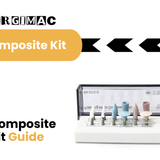
Find out how to choose the best Dental Composite Kit for your practice. Compare features, materials, and tips for reliable, long-lasting restorations.
Every composite restoration is a test of control. From preventing moisture contamination to sculpting flawless anatomy, your success lies in the details. This is where a high-quality dental composite kit becomes your most reliable partner in the operatory. It’s more than just a collection of materials; it’s a complete system where the bonding agent, resin, and finishing tools are designed to work in perfect harmony. This synergy eliminates guesswork and minimizes the variables that can lead to post-operative sensitivity or premature failure. This guide will help you choose a kit that solves common clinical challenges, ensuring you have reliable materials to support your technique and deliver consistently excellent work.
Key Takeaways
- Think Beyond the Resin: A composite kit is a complete restorative system. Success depends on the compatibility between the resin, bonding agent, and your instruments, not just the composite material itself.
- Prioritize Clinical Application: Choose a kit based on its suitability for your most common procedures—like anterior aesthetics or posterior strength—rather than defaulting to a single universal solution.
- Master the Fundamentals to Prevent Failure: The best materials can't compensate for poor technique. Consistently successful restorations come from mastering moisture control, proper handling, and choosing long-term value over initial cost.

What’s Inside a Dental Composite Kit?
When you open a dental composite kit, you’re looking at a complete system designed for aesthetic and durable restorations. While the specific contents can vary between brands, every kit provides the essential components needed to successfully place a composite filling, from preparing the tooth to the final polish. Think of it as your go-to solution for common restorative procedures, whether you're addressing a simple cavity or performing more complex cosmetic bonding.
These kits are curated to streamline your workflow, ensuring you have compatible materials that work together seamlessly. A well-organized kit not only saves chair time but also helps you achieve predictable, high-quality results for your patients. It brings together the core resin material, the adhesive system to bond it to the tooth, and the tools needed for application and finishing. Understanding each component's role is the first step in selecting the right kit for your practice’s needs and delivering restorations that look great and last for years.
Composite Resins: The Foundation of Your Restoration
At the heart of any composite kit is the resin itself—the tooth-colored restorative material used to fill cavities and rebuild tooth structure. These resins are typically available in a range of shades and opacities, allowing you to create restorations that blend flawlessly with the patient's natural dentition. Most kits include several common shades in pre-loaded compules or syringes for direct application. The formulation of the resin determines its handling properties, strength, and polishability, which are all critical factors for a successful clinical outcome. High-quality composite materials are engineered for low shrinkage, excellent wear resistance, and long-term color stability.
Exploring Different Composite Formulations
When selecting a dental composite kit, it’s essential to understand the various formulations available, as each type is engineered for specific clinical needs. For instance, flowable composites are characterized by their lower viscosity, which allows them to adapt intimately to cavity preparations. This makes them ideal for small, conservative restorations and as liners under other restorative materials, helping to achieve a void-free seal. Their excellent flow properties ensure they reach every corner of the preparation, providing a solid foundation for the rest of the filling.
For anterior restorations where aesthetics are the top priority, nanofill and hybrid composites are often the material of choice. These materials incorporate advanced filler technology with microscopic particles, which results in superior strength, wear resistance, and exceptional polishability. This allows you to create restorations that not only mimic the natural luster and translucency of enamel but also maintain their appearance over the long term, resisting stain and wear. The fine particle size is key to achieving that seamless, high-gloss finish that patients expect for their front teeth.
In the posterior, where efficiency is often as important as durability, bulk fill composites offer a significant advantage. These materials are designed to be placed in thicker increments—typically 4-5mm in a single layer—without compromising depth of cure or increasing polymerization shrinkage stress. This capability can dramatically reduce chair time, streamlining the restorative workflow while still delivering strong, reliable results for high-stress-bearing areas. Understanding these formulations allows you to select the most appropriate material for each clinical scenario, leading to better, more predictable patient outcomes.
Creating a Strong Bond: Adhesives and Agents
A restoration is only as strong as its bond. That’s why every composite kit includes a bonding agent, or dental adhesive system. This component is crucial for creating a durable micromechanical bond between the composite resin and the tooth’s enamel and dentin. A reliable adhesive prevents microleakage, reduces the risk of post-operative sensitivity, and ensures the long-term integrity of the restoration. Kits may feature different generations of bonding systems—from total-etch to self-etch—so it’s important to choose one that aligns with your preferred clinical technique. You can find a wide range of cements, liners, and adhesives to complement any restorative system.
Achieving Precision: Essential Application Instruments
Placing and shaping composite resin requires finesse, and the right instruments make all the difference. While not always included in every kit, specialized tools are essential for the procedure. These instruments are designed to help you apply, sculpt, and contour the material without it sticking or pulling away. A well-balanced, non-stick placement instrument allows for precise anatomical shaping before curing. For clinicians who prioritize comfort and control, the ergonomic design of instruments from the SurgiMac Air Series can significantly reduce hand fatigue during delicate restorative work, ensuring you can shape every detail perfectly.
A Breakdown of Standard Kit Components
Syringes, Dispensing Tips, and Applicators
The efficiency of a composite kit often begins with its delivery system. Most kits include several syringes, which are typically pre-loaded with various shades of composite resin for direct and easy application. This setup streamlines the restorative process by having the most common shades ready to go. Attached to these syringes are dispensing tips, which are critical for precision. High-quality tips allow you to extrude the material with consistent pressure and control, ensuring you can place the composite exactly where it’s needed within the preparation. This level of accuracy not only minimizes material waste but is also fundamental to creating a well-adapted restoration and avoiding voids that could compromise the final result.
Beyond initial placement, the quality of your applicators and instruments directly impacts your ability to sculpt and contour the resin. Ideal tools feature non-stick surfaces that prevent the material from pulling away, which is essential for creating lifelike anatomical details. This is where ergonomics become critical to clinical success. Instruments designed for comfort and control, like the lightweight, balanced tools in the SurgiMac Air Series, significantly reduce hand fatigue during intricate procedures. This enhanced control allows you to work with greater precision for longer, ensuring every restoration is shaped to perfection for optimal patient outcomes.
From Curing to Polishing: Your Finishing Tools
Once the composite is placed and sculpted, it must be light-cured to harden, or polymerize. While the curing light is a separate piece of equipment, kits often contain accessories like light-guide shields. After curing, the restoration needs to be finished and polished to create a smooth, lustrous surface that resists staining and plaque accumulation. Kits typically include an assortment of finishing discs, points, and polishing pastes. These tools help you refine the final anatomy, adjust the occlusion, and achieve a high-gloss finish that mimics natural enamel. A comprehensive selection of burs and diamonds is key to giving every restoration that perfect final touch.
Which Composite Kits Do Professionals Trust?
When it comes to restorative dentistry, trust is everything. You need materials that deliver consistent, predictable, and aesthetically pleasing results for your patients. The composite kits that earn the confidence of dental professionals are those backed by rigorous clinical testing, proven performance, and positive peer feedback. While brand loyalty is common, the most trusted kits are those that consistently help clinicians achieve durable, high-quality restorations. From established industry leaders to exciting new innovators, the market offers a range of reliable options designed to meet the demands of modern dental practices.
Why Clinicians Choose SurgiMac Composite Kits
Achieving a flawless composite restoration depends just as much on your technique and instruments as it does on the material itself. At SurgiMac, we focus on empowering clinicians with the tools needed for ultimate precision. While we curate a comprehensive catalog of top-tier restorative materials, our specialty lies in the instruments that bring your work to life. Applying and sculpting composites requires exceptional control and tactile sensitivity, which is why our Air Series instruments are crafted for flawless balance and comfort. For intricate work in tight spaces, the ergonomic design of our Slim Series ensures you can work efficiently without fatigue, leading to superior patient outcomes.
A Look at Other Top-Rated Composite Brands
In the world of dental composites, several names have built a strong reputation over decades of innovation and reliable clinical performance. Leading dental brands such as 3M, Kerr, and Dentsply Sirona offer well-regarded kits that have been thoroughly tested for safety, performance, and durability. These manufacturers are known for their extensive research and development, resulting in materials with excellent handling properties, shade stability, and wear resistance. Other trusted names you'll frequently see in operatories include Ivoclar Vivadent, Kulzer, and Tokuyama Dental America. These brands are consistently recognized by publications like Dentistry Today for their high-quality composite systems that help clinicians meet patient expectations.
The Future of Restorations: Bioactive Composites
The field of restorative materials is constantly evolving, with exciting advancements that are changing how we approach dental care. One of the most significant trends is the rise of bioactive composites, which are formulated to interact with the natural tooth structure by releasing and recharging ions like calcium and phosphate. This technology aims to support the health of the tooth and create a more durable marginal seal. Alongside material science, digital dentistry is making a major impact. Innovations in 3D printing materials are paving the way for creating durable, lifelike restorations more efficiently than ever before, signaling a shift toward more integrated and technologically advanced workflows.
How Do You Compare Dental Composite Kits?
Choosing the right composite kit isn't just about finding a single product; it's about selecting a complete system that aligns with your clinical standards, workflow, and patient needs. With so many options available, it helps to have a clear framework for evaluation. By focusing on a few key areas—from the physical properties of the resin to the ergonomics of the instruments—you can confidently select a kit that delivers consistent, high-quality results for your practice.
Assessing Material Quality for Lasting Results
The foundation of any great restoration is the composite resin itself. When evaluating a kit, look for materials with a proven track record of high quality. This means resins that offer excellent wear resistance, low polymerization shrinkage, and long-term durability to ensure your restorations last. A superior composite maintains its integrity under occlusal stress and resists staining over time, leading to better patient outcomes. The variety of resins included is also important; a good kit should provide options suitable for both anterior and posterior restorations, giving you the versatility you need for various clinical situations. You can explore a range of trusted cements, liners, and adhesives to complement your chosen composite system.
Filler Content and Particle Size
The performance of a composite resin is largely determined by its filler content and particle size. The formulation of the resin dictates its handling properties, strength, and polishability, which are all critical for a successful clinical outcome. A higher filler load generally translates to greater strength and wear resistance, making it ideal for posterior restorations that endure significant chewing forces. Conversely, composites with smaller, more uniform particles tend to polish to a higher, more durable luster, making them perfect for anterior teeth where aesthetics are paramount. When comparing kits, consider the types of restorations you perform most often and choose a system with a formulation engineered for those specific demands.
Key Features: Radiopacity and Fluoride Release
Beyond strength and aesthetics, two key features can significantly influence your choice of composite kit: radiopacity and fluoride release. A radiopaque material is essential for diagnostics, as it shows up clearly on X-rays, allowing you to easily distinguish the restoration from the tooth structure and check for recurrent decay at the margins. Additionally, some composites are formulated to release fluoride, which can help protect the tooth from future cavities. This feature is particularly beneficial for patients with a high caries risk. While not a substitute for excellent oral hygiene, a fluoride-releasing composite provides an added layer of defense, supporting the long-term health of the restored tooth.
Sculptability and Handling: What to Look For
A composite’s performance in your hands is just as critical as its physical properties. The material should have a non-sticky consistency that is easy to sculpt and adapt to the tooth structure without slumping. The kit should be intuitive for both new and experienced dentists, with tools that are simple to handle for precise work. This is where high-quality instruments make a significant difference. Ergonomically designed tools, like those in the SurgiMac Air Series, reduce hand fatigue and allow for greater control during placement and shaping. A kit that simplifies the application process saves chair time and helps you achieve predictable, excellent results with less effort.
Beyond the Price Tag: Calculating Long-Term Value
While the initial price of a composite kit is a factor, it's essential to consider the overall value it brings to your practice. A cheaper kit might save you money upfront, but if it leads to premature restoration failures, color instability, or difficult handling, the long-term costs in chair time and patient satisfaction can be much higher. Think about the complete picture: how many restorations can you complete with the materials provided? How long do those restorations last? Investing in a high-performance kit from a trusted supplier ensures you are using reliable materials that contribute to the efficiency and reputation of your practice, ultimately providing a better return on your investment.
Considering Material Efficiency and Waste Reduction
Efficiency in a dental practice isn't just about saving time; it's also about minimizing material waste. The design of a composite kit plays a big role here. Many kits offer unit-dose compules, which are excellent for supporting your infection control protocols and ensuring you only dispense what you need for a single procedure. This approach reduces the risk of bulk materials expiring before they can be used up. A kit with a long shelf life and versatile shades also contributes to less waste, as you won't be left with expired, niche products on your shelf. Ultimately, the most significant way to reduce waste is by preventing restoration failures. Using a high-quality, durable composite from the start minimizes the need for costly and time-consuming re-dos, making it the most efficient choice for your practice and your patients.
Achieving a Perfect Match: Aesthetics and Shade Options
Achieving a natural-looking restoration is a primary goal, especially in the esthetic zone. A top-tier composite kit should offer a comprehensive and logical shade system that makes it easy to match the patient's natural dentition. Look for kits with a range of opacities and shades that blend seamlessly with the surrounding tooth structure. Modern systems often include simplified shade guides or use digital integration to streamline the selection process, reducing guesswork and improving accuracy. The composite should also have excellent polishability, allowing you to create a high-gloss, lifelike finish that mimics the luster of natural enamel and satisfies even the most discerning patients.
Common Dental Shade Systems
The traditional approach to shade matching relies on the VITA Classical Shade Guide, a system that requires a keen eye and consistent lighting to select the right hue, value, and chroma. To create lifelike results, many clinicians use a layering technique, applying different opacities of composite to replicate the natural dentin and enamel. However, this process can be time-consuming and subjective. In response, the industry has moved toward simplified solutions. The most significant innovation is the development of universal shade composites, which use structural color technology to blend seamlessly with the surrounding tooth structure. These single-shade systems reduce inventory needs and take the guesswork out of matching, allowing you to achieve predictable, aesthetic results more efficiently.
Putting Patients First: Biocompatibility and Safety
Patient safety is paramount in every procedure. When selecting a composite kit, always choose materials from reputable brands known for their commitment to quality and safety. These manufacturers rigorously test their products to ensure they are biocompatible and free from harmful substances. Verifying that a product has cleared regulatory standards provides peace of mind for both you and your patients. Partnering with a supplier like SurgiMac ensures you have access to dental equipment and supplies that meet stringent safety and performance benchmarks. Using trusted, well-researched materials is a cornerstone of providing responsible and effective patient care.
Understanding Contraindications and Safety Protocols
Before you even open a composite kit, it's critical to know when not to use it. Understanding the contraindications is just as important as mastering your application technique. The biggest hurdle for composite restorations is the inability to achieve and maintain a completely dry operating field. Moisture contamination is the enemy of a strong bond. For restorations like Class I, II, and VI, where achieving perfect isolation can be challenging, a dry field is non-negotiable. Without it, you risk a compromised bond, microleakage, and post-operative sensitivity, which can lead to premature failure of the restoration and an unhappy patient.
Beyond moisture control, you also have to consider the restoration's size and location. Composites may not be the best choice for very large restorations, especially on the occlusal surfaces of posterior teeth that handle significant chewing forces. In these situations, the material might be more prone to fracture or wear over time. Furthermore, for esthetically prominent areas of posterior teeth, a large composite might not provide the ideal long-term cosmetic result. The ideal scenario for composite materials remains small to moderate restorations where you can achieve a strong bond to surrounding enamel margins. Knowing these limitations helps you select the right material for the right clinical situation, ensuring a more predictable outcome.
Adhering to safety protocols is the other side of the coin. The quality and biocompatibility of your materials are fundamental to patient care. It's essential to use products from manufacturers who rigorously test their materials to meet stringent safety standards, as outlined by organizations like the American Dental Association. This ensures the materials are free from harmful substances and perform as expected. Of course, safety extends beyond the material itself. Proper infection control and the use of reliable personal protective equipment are critical during any restorative procedure. Using high-quality exam gloves and disposables, like those in our MacSafe line, protects both you and your patient, creating a secure clinical environment for achieving the best results.
How to Choose the Right Composite Kit for Your Practice
Selecting the perfect composite kit isn't just about restocking a material; it's about investing in predictable, high-quality outcomes for your patients. The right kit streamlines your workflow, enhances your clinical artistry, and ensures your restorations are both beautiful and durable. With so many options available, the key is to match the kit’s features to your practice’s specific demands, from the types of procedures you perform most often to the equipment you already own. Let’s walk through the essential factors to consider so you can choose with confidence.
What Are Your Primary Clinical Needs?
First, consider the primary function the composite will serve in your practice. Are you focused on cosmetic anterior restorations that demand a wide shade range and excellent polishability? Or do you perform more posterior restorations where strength and wear resistance are the top priorities? A composite kit is a curated set of materials for composite restorations, designed to repair everything from minor chips to significant decay. Universal composites offer a great balance for general use, while specialized flowable or packable composites provide better handling for specific situations. Evaluating your daily procedures will help you narrow down the options to a kit that truly meets your clinical needs.
Matching Composites to Clinical Applications
The best composite kit for your practice is one that aligns with your most common procedures. Instead of relying on a single universal solution, think about the specific demands of each restoration. For anterior teeth, the focus is on aesthetics—you need a material with excellent polishability and a wide range of shades to create an invisible margin. In contrast, posterior restorations require a composite with superior strength and wear resistance to withstand the heavy forces of chewing. A versatile kit that offers materials suitable for both scenarios provides the greatest clinical flexibility. The success of these applications also hinges on your tools; precise sculpting of anterior anatomy is easier with instruments designed for control, like the lightweight tools in the SurgiMac Air Series, which help you achieve flawless results.
Is Your Equipment Compatible?
Before committing to a new composite system, verify that it works with your existing equipment. The most critical factor is compatibility with your curing light. Check the composite manufacturer’s specifications to ensure your light’s wavelength and intensity are sufficient for a complete and reliable cure. An under-cured restoration can lead to premature failure and sensitivity. Similarly, confirm that the composite is compatible with your preferred bonding agents and adhesives. While many modern systems are designed for broad compatibility, a quick check can prevent frustrating and costly clinical complications down the road, ensuring a seamless integration into your workflow.
Does the Kit Match Your Clinical Technique?
A composite’s handling properties can significantly impact chair time and the final result. Look for a material that suits your personal technique. Do you prefer a composite that is easy to sculpt and stays put, or one that adapts more readily to cavity preparations? A kit should be intuitive for both seasoned dentists and new associates. To make application even more precise, pair your kit with ergonomic instruments. Tools from the SurgiMac Air Series are designed for superior control and comfort, helping you manipulate any composite material with greater ease and accuracy for consistently excellent work.
Can You Count on Your Supplier for Inventory?
Your choice of composite is also a choice of supplier. Running out of a crucial shade or bonding agent mid-procedure can disrupt your entire schedule. It’s essential to partner with a reliable supplier who can provide consistent stock and prompt delivery. A dependable supply chain helps you avoid common composite inventory mistakes and ensures you always have the materials you need. At SurgiMac, we pride ourselves on being a trusted source for all your dental equipment and supplies, giving you peace of mind so you can focus on patient care.
Staying Current with Composite Technology
Dental composite technology is constantly evolving, offering better performance and new clinical possibilities. Recent advancements have led to materials with superior bonding strength, improved fracture resistance, and enhanced aesthetics that more closely mimic natural tooth structure. Nanofiller technology has created composites that are not only stronger but also retain their polish longer. Keep an eye on innovations like bioactive composites that can release fluoride or aid in remineralization. Choosing a kit that incorporates modern technology ensures you are providing your patients with the most durable and long-lasting restorations possible, keeping your practice at the forefront of clinical care.
Common Mistakes to Avoid with Composite Kits
Selecting the right composite kit is a great first step, but achieving durable, esthetic restorations requires careful technique and avoiding common pitfalls. Even the most advanced materials can underperform if they aren't used correctly. From moisture control to handling, small errors can compromise the longevity of your work and impact patient satisfaction. Let’s walk through some of the most frequent mistakes clinicians encounter and discuss practical ways to prevent them, ensuring you get the best possible outcome from every procedure. By being mindful of these key areas, you can refine your technique and consistently produce restorations that stand the test of time.
Mismatching the Composite Kit to the Procedure
Not all composite kits are created equal, and a one-size-fits-all approach can lead to subpar results. A common misstep is using a universal composite designed for posterior strength in a highly esthetic anterior case that demands superior shade matching and polishability. Before purchasing, evaluate the types of restorations you perform most often. Do you need a kit with a wide range of shades for cosmetic work, or is a durable, bulk-fill material for posterior teeth your priority? Considering factors like handling properties, opacity, and wear resistance will help you select a kit that aligns with your specific clinical applications. The right material makes the procedure smoother and ensures a better final result.
Ignoring Proper Adhesion and Moisture Control
The success of any composite restoration hinges on a strong, reliable bond, and nothing compromises that bond faster than moisture contamination. A frequent oversight is failing to maintain a completely dry and isolated field during the bonding and placement stages. Saliva and gingival crevicular fluid can interfere with the adhesive, leading to microleakage, post-operative sensitivity, and eventual restoration failure. Implementing a strict isolation protocol is non-negotiable. Using a quality bonding agent from a trusted line of cements, liners, and adhesives is equally important. Taking the time to ensure proper adhesion is an investment that prevents costly and time-consuming remakes down the road.
Using Incorrect Handling and Storage Methods
The physical properties of composite resins are sensitive to their environment, making proper handling and storage critical. A frequent issue is the material sticking to instruments, which can make sculpting anatomy difficult and introduce voids into the restoration. Using high-quality, non-stick dental instruments can make a significant difference. For example, tools from the Titanium Black Series are designed to reduce glare and improve tactile sensitivity. Additionally, always follow the manufacturer’s instructions for storage. Exposing composites to ambient light or high temperatures can initiate premature polymerization, altering their handling characteristics and compromising their physical properties. Bringing refrigerated materials to room temperature before use is another small but crucial step for predictable results.
Letting Price Outweigh Clinical Performance
While managing overhead is essential for any practice, choosing a composite kit based solely on the lowest price is a mistake that can be far more costly in the long run. Inexpensive materials may lack the durability, polishability, and shade stability of higher-quality composites. This can lead to premature wear, discoloration, and restoration failure, resulting in lost chair time for remakes and a potential loss of patient trust. Instead, focus on long-term value. Investing in a reliable composite system from a reputable supplier ensures predictable clinical performance and durable outcomes. High-quality dental supplies are an investment in your practice’s reputation and your patients’ oral health.
Related Articles
Frequently Asked Questions
Q: Can I mix and match bonding agents and composites from different brands?
A: While it might be tempting to use your favorite bonding agent with a new composite, it’s generally best to stick with the system provided in the kit. Manufacturers design and test their adhesives and resins to work together for optimal bond strength and chemical compatibility. Mixing systems can introduce variables that may compromise the longevity of the restoration. For predictable and reliable results, using the components as a complete system is always the safest approach.
Q: What's the real difference between universal, flowable, and packable composites?
A: Think of these as different tools for different tasks. Universal composites are the versatile workhorses of restorative dentistry, offering a good balance of strength and aesthetics for most anterior and posterior fillings. Flowable composites have a lower viscosity, allowing them to flow easily into small, irregular preparations, making them ideal for liners or conservative restorations. Packable composites are much stiffer and are designed to be condensed into posterior cavities, offering excellent strength to withstand chewing forces.
Q: My composite is always sticky and hard to handle. What am I doing wrong?
A: Stickiness is a common frustration that can often be traced back to a few factors. First, ensure your composite has been brought to room temperature if it was refrigerated, as cold material can be stiff and difficult to manage. Also, be mindful of your operatory light, as excessive exposure can begin the curing process prematurely, making the material sticky. Finally, your instruments play a huge role. Using a high-quality, non-stick placement instrument, like those in the SurgiMac Titanium Black Series, can make sculpting and contouring a much smoother process.
Q: How can I prevent post-operative sensitivity after placing a composite?
A: Post-operative sensitivity is often linked to the bond between the tooth and the restoration. The two biggest culprits are moisture contamination and an incomplete cure. Achieving excellent isolation is critical to prevent saliva from interfering with the adhesive process. Following the manufacturer's instructions for your bonding agent to the letter is also essential. Finally, ensure your curing light is functioning correctly and that you are curing the material for the recommended time to achieve full polymerization.
Q: Is it better to buy a complete kit or purchase components separately?
A: For most practices, starting with a complete kit is a great choice. It ensures all your materials are compatible and often provides better value than buying each item individually. It’s an efficient way to stock up on the essentials. However, as you fine-tune your preferences, you may find you prefer a specific shade or bonding agent. In that case, purchasing individual components to supplement your primary kit allows you to customize your inventory to perfectly match your clinical style.
Read More
Tags
Blog posts
-
, by SurgiMac A Clinician's Guide to Absorbable Suture Material
-
, by SurgiMac A Clinician's Guide to Dental Composite Resin Kits
-
, by SurgiMac How to Disinfect with Metrex CaviWipes Correctly
