


A Clinician's Guide to Dental Resin Cement
- , by SurgiMac
- 30 min reading time
Get clear answers on dental resin cement—what it is, how it works, and when to use it for strong, lasting dental restorations in your practice.
Light-cured, dual-cured, self-etch, total-etch… the options can feel endless. The material you need for a thick, opaque crown is completely different from what you'd use for a delicate veneer. Choosing incorrectly can lead to post-op sensitivity or a debonded restoration down the road. This guide is here to bring clarity. We'll break down the different types of dental resin cement, explaining exactly when and why to use each one. It's time to move past the idea of a generic "dental glue" and master the specific resin cements that ensure your best work lasts.
Key Takeaways
- Choose the right cement for each restoration: Success hinges on matching the cement's curing method (light, dual, or self-cured) and physical properties like bond strength and viscosity to the specific clinical situation.
- Prevent common issues with precise technique: Avoid post-operative sensitivity and bond failure by maintaining a clean, dry field, preparing the tooth surface carefully, and following the cement manufacturer’s guidelines exactly.
- Source materials from a trusted partner: Look for a supplier that offers clinically proven cements and adhesives, prioritizing long-term value and reliable performance over the lowest initial price.

What is Dental Resin Cement?
Dental resin cement is a cornerstone of modern restorative dentistry, acting as the high-performance adhesive that permanently bonds indirect restorations to the tooth structure. Unlike traditional cements, resin-based formulas create a powerful micromechanical and chemical bond with both enamel and dentin, offering superior strength, longevity, and aesthetics. This makes them the go-to choice for securing everything from crowns and bridges to veneers and inlays. Understanding the science behind these materials is key to achieving predictable, durable, and visually seamless results for your patients.
What Makes Dental Resin Cement So Effective?
At its core, dental resin cement is a sophisticated blend of materials designed for maximum adhesion and durability. The primary component is a polymerizable resin matrix, often containing monomers like BIS-GMA, which forms the strong, cross-linked foundation of the cement. This matrix is reinforced with inorganic fillers, such as silica or glass particles, which enhance its physical properties, including compressive strength and wear resistance. This composition allows the cement to offer high bond strength while maintaining a minimal film thickness, ensuring a precise fit for restorations. When you select from a range of professional cements, liners, and adhesives, you are choosing a material engineered for reliable, long-lasting clinical outcomes.
The Chemistry of a Lasting Dental Bond
The success of resin cement lies in the dental bonding process, which creates a tenacious link between the restoration, the cement, and the tooth. The process begins with etching the tooth surface, typically with phosphoric acid, to create microscopic pores in the enamel and dentin. Next, a bonding agent is applied, penetrating these tiny irregularities to form resin tags upon curing. This creates a strong micromechanical lock. The resin cement is then applied to the restoration, which is seated on the prepared tooth. As the cement cures, it chemically bonds to both the bonding agent on the tooth and the internal surface of the restoration, creating a unified, durable structure that effectively seals the margin against microleakage.
When Should You Use Dental Resin Cement?
The versatility of dental resin cement makes it indispensable for a wide array of clinical situations. In restorative dentistry, it is the standard for permanently cementing crowns, bridges, inlays, onlays, and implant-supported restorations. Its strength ensures these restorations can withstand occlusal forces over the long term. In cosmetic dentistry, dental bonding utilizes composite resin to repair chipped or fractured teeth, close small gaps (diastemas), conceal discoloration, and even reshape teeth for a more harmonious smile. Because resin cements are available in various shades and opacities, they allow for restorations that blend flawlessly with the natural dentition, delivering both function and exceptional aesthetics.
What Are the Different Types of Resin Cement?
Dental resin cements are not a one-size-fits-all solution. They are categorized based on their polymerization method, or how they set and harden. Understanding the differences between light-cured, dual-cured, and self-cured cements is fundamental to selecting the right material for each specific clinical application. Each type offers distinct advantages in terms of working time, placement control, and suitability for different restorative materials. Making an informed choice ensures a strong, durable bond and contributes to the long-term success of the restoration, whether you're placing a delicate veneer or a full-coverage crown. Let's break down the three primary curing mechanisms to help you match the right cement to the right procedure.
Light-Cured: For Control and Precision
Light-cured resin cements offer you maximum control over working time. These materials remain in a paste-like state until you are ready to polymerize them. Light-cured resins require a specific light source, such as a UV or LED light, to initiate the curing process. This on-demand hardening allows for meticulous cleanup of excess cement and precise positioning of the restoration before the final set. This method allows for quick setting times, making it ideal for procedures where immediate bonding is necessary, such as cementing thin, translucent restorations like porcelain veneers, inlays, onlays, and orthodontic brackets. Because they depend entirely on light for polymerization, their use is limited to restorations that permit adequate light transmission.
Dual-Cured: The Best of Both Worlds
For situations with more variables, dual-cured cements provide a reliable safety net. As their name suggests, dual-cured cements offer the versatility of being cured both by light and through a chemical reaction. This dual mechanism ensures that even in areas where light cannot penetrate completely, the cement will still set effectively. This makes it a popular choice for a wide range of dental applications, including thicker or more opaque restorations like all-ceramic crowns, bridges, and endodontic posts. The initial light cure helps stabilize the restoration quickly, while the self-curing chemical reaction ensures a complete and thorough set throughout the entire material.
Self-Cured: For Deep or Opaque Restorations
When light penetration is impossible, self-cured cements are the go-to solution. Also known as chemical-cured cements, these materials begin to set as soon as the base and catalyst components are mixed. Self-cured cements are designed to harden independently of light exposure, making them particularly useful in situations where light cannot reach, such as with metal or opaque zirconia crowns, bridges, and prefabricated posts. While they offer less control over working time compared to light-cured options, their reliability in deep or dark areas of the mouth is unmatched. You can find a variety of high-quality cements and adhesives to suit these specific clinical needs.
How to Choose the Right Curing Method
Ultimately, the right curing method comes down to the specific clinical case in front of you. The selection of an adhesive system should be based on multiple factors, including the restoration type, the material it’s made from (e.g., ceramic, metal, zirconia), and its location in the mouth. For example, a thin, translucent veneer is a perfect candidate for a light-cured cement, while a metal-based crown requires a self-cured or dual-cured system. Research exploring dentists' preferences shows that understanding these variables is key to ensuring optimal bonding and longevity. Always consider the thickness of the restoration and its ability to transmit light before making your final decision.
Expanding the Cement Spectrum
While resin cements are a powerhouse in restorative dentistry, the full spectrum of dental cements includes other essential materials tailored for specific clinical needs. Understanding these alternatives, from moisture-tolerant luting agents to advanced bioceramics, allows you to refine your approach for every case. These cements offer unique benefits in terms of handling, biocompatibility, and long-term stability. Expanding your knowledge beyond resin-based options ensures you have the perfect tool for any restorative challenge, whether you're focused on ease of cleanup, a strong seal, or promoting pulpal health. Let's explore some of the key players in this broader category of cements and adhesives.
Luting Cements (RMGIs)
Resin Modified Glass Ionomers (RMGIs) are a popular choice for luting cements due to their ease of use and reduced post-operative sensitivity. One of their biggest advantages is their ability to handle some moisture during application, making them suitable for a wide variety of clinical situations. According to Spear Education, RMGIs like RelyX Luting and FujiCEM 2 are known for creating a strong bond while allowing for much easier cleanup compared to other cements. This makes them an excellent option for securing indirect restorations, especially in cases where you might anticipate needing to remove the restoration in the future.
Traditional Permanent Cements
Traditional permanent cements, like zinc phosphate and conventional glass ionomers, have served as foundational materials in restorative dentistry for decades. Their long history of clinical success makes them a highly predictable choice. As noted by Dentsply Sirona, these cements are engineered to provide a reliable bond for applications like metal-based crowns and bridges, ensuring restorations remain securely in place over the long term. Their strong sealing properties, fluoride release (in the case of glass ionomers), and excellent biocompatibility make them a trusted choice for clinicians who prioritize durability and a proven track record in their restorative work. They remain a reliable staple in any clinical inventory.
Bioceramic Cements
Bioceramic cements represent a modern advancement in luting materials that actively support tooth structure. Products like Calibra Bio are designed to minimize microleakage and protect the integrity of restoration margins by forming a hydroxyapatite-like material upon setting. According to insights from Dentsply Sirona, their unique properties allow them to bond effectively to both the tooth and various restorative materials, making them an excellent choice for endodontic procedures and permanent cementation. The self-curing nature of bioceramic cements ensures they set completely even in deep areas where light cannot penetrate, providing a dependable solution for opaque restorations or deep preparations.
What Makes a Great Dental Resin Cement?
Selecting the right dental resin cement is about more than just adhesion. The success of your work depends on the cement’s specific properties. A material ideal for a posterior crown may not suit an anterior veneer. To ensure predictable outcomes, evaluate a few key characteristics before mixing. This helps you confidently choose a cement that matches the clinical situation, restorative material, and your handling preferences.
Gauging Bond Strength for Lasting Restorations
A cement's primary job is creating a lasting bond. Strong adhesion between the restoration and tooth is your best defense against microleakage and failure. It's crucial to understand the properties of your chosen bonding agents and their compatibility with substrates like enamel or zirconia. Durability is just as important. The cement must be tough enough to withstand daily occlusal forces without fracturing, ensuring the restoration remains stable for years.
Understanding Strength Metrics: Compressive and Flexural
When evaluating dental cements, two numbers are especially important: compressive and flexural strength. Compressive strength measures the material's ability to resist direct crushing forces, like those from chewing and grinding. A high compressive strength is essential for posterior restorations that bear the brunt of occlusal loads. Flexural strength, on the other hand, indicates the cement's ability to resist bending and fracturing under tension. This is critical for preventing marginal breakdown and ensuring the long-term integrity of the restoration. The best materials are engineered with a reinforced resin matrix and inorganic fillers that optimize both of these properties, providing the toughness needed to withstand daily functional stresses without failing.
Finding the Right Flow: Viscosity and Handling
A cement’s handling impacts procedural efficiency. Viscosity, or its thickness, is a major factor. A low-viscosity cement flows easily, ideal for seating crowns, while a higher-viscosity material won’t slump, giving you more control with veneers. Good handling also means a practical film thickness for a close fit and easy cleanup. Since saliva and blood can interfere with bonding, reliable handling characteristics are key to managing the clinical environment.
Balancing Working Time and Moisture Tolerance
Proper moisture control is critical for a successful bond. Contamination from saliva or gingival fluid can compromise the adhesive interface. While proper tooth preparation is fundamental, some modern cements are more hydrophilic, offering better performance in challenging conditions. Also consider working and setting times. You need enough working time to apply the material without feeling rushed, while a quick setting time improves efficiency and patient comfort.
How to Get a Perfect Shade Match
For restorations in the aesthetic zone, the cement is vital to the final look. High-quality resin cements come in various shades and opacities to match the restoration to surrounding teeth. A translucent shade lets natural tooth color show through for veneers, while an opaque shade can block discoloration. Look for a cement with excellent color stability to prevent yellowing, ensuring your beautiful crowns and restorations maintain their aesthetic appeal long-term.
Key Scientific Properties for Clinical Success
Beyond the immediate handling and bond strength, the long-term success of a restoration relies on the underlying scientific properties of the cement. These characteristics determine how the material behaves in the oral environment over months and years. Understanding properties like insolubility, fluoride release, and biocompatibility is essential for ensuring not only the durability of your work but also the health and safety of your patients. Let's examine the key scientific benchmarks that separate a good cement from a great one.
Ensuring Longevity: Insolubility and Radiopacity
A permanent cement should be exactly that—permanent. This starts with insolubility. An ideal cement must be insoluble in oral fluids, meaning it won't dissolve or break down over time when exposed to saliva. This resistance prevents the formation of marginal gaps that can lead to microleakage and eventual restoration failure. Equally important is radiopacity. A radiopaque cement appears on radiographs, allowing you to clearly distinguish the cement line from the tooth structure and the restoration. This is critical for diagnosing secondary caries or assessing the marginal fit during follow-up appointments, providing a clear picture of the restoration's long-term health.
Preventing Future Decay: Fluoride Release
Some advanced resin cements offer more than just adhesion; they provide a therapeutic benefit. Many self-adhesive resin cements are formulated to release fluoride ions into the adjacent enamel and dentin. This feature can help prevent recurrent decay at the restoration margin, which is one of the most common reasons for failure. For patients with a moderate to high caries risk, choosing a fluoride-releasing cement adds a valuable layer of protection. This proactive approach to caries prevention supports the longevity of your work and contributes to the patient's overall oral health, making it a significant factor to consider during material selection.
Prioritizing Patient Safety: Biocompatibility and Cytotoxicity
Above all, the materials we use must be safe for our patients. A dental cement needs to be biocompatible, meaning it won't cause an adverse reaction in the surrounding tissues or the body as a whole. While resin cements are generally safe, it's important to understand their cytotoxicity. Some chemicals within the resin can be harmful to cells, particularly during the initial setting phase before the material is fully cured. This is why precise technique, including thorough curing and careful removal of excess material, is so important. Sourcing your cements, liners, and adhesives from a trusted supplier ensures you are working with materials that meet rigorous safety and performance standards.
Which Resin Cement Brands Do Dentists Trust?
Choosing the right dental resin cement is a critical decision that impacts the longevity and success of your restorations. The market is filled with excellent options, each formulated to meet specific clinical demands, from bond strength and handling to aesthetics. Understanding the key players and their flagship products can help you select the best material for your practice and your patients. Below, we’ll explore some of the most trusted brands in the industry, giving you a clear picture of what makes their resin cements stand out.
SurgiMac: Reliability in Every Application
At SurgiMac, our focus is on providing clinicians with reliable, high-performance materials that streamline procedures and deliver predictable outcomes. Our collection of cements, liners, and adhesives is carefully curated to meet the diverse needs of modern restorative dentistry. While we are continuously expanding our proprietary lines, we ensure that every product we offer, from temporary cements to permanent bonding agents, meets rigorous standards for quality and clinical efficacy. Our goal is to be your trusted source for all essential dental supplies, empowering you to work with confidence.
Kerr Dental: A Legacy of Innovation
Kerr Dental is a household name in the dental industry, known for its long history of innovation and quality. Their Maxcem Elite Self-Etch Adhesive Resin Cement is a favorite among many clinicians for its simplicity and robust performance. This cement is designed for ease of use, eliminating the need for separate etching, priming, and bonding steps. Its advanced formulation provides high bond strength to both enamel and dentin, making it a versatile choice for cementing crowns, bridges, inlays, onlays, and posts. The easy cleanup and lack of hand mixing also contribute to a more efficient workflow.
3M Dental: Science-Backed Solutions
Another industry leader, 3M Dental, is renowned for its research-driven product development. The 3M RelyX Ultimate Adhesive Resin Cement is a prime example of their commitment to excellence. This product is celebrated for its exceptional bond strength and versatility, making it suitable for virtually all indirect restorations, including glass ceramics. When paired with Scotchbond Universal Adhesive, it creates a complete system that ensures durable, long-lasting results. Clinicians often praise RelyX Ultimate for its high wear resistance and excellent aesthetics, which are crucial for achieving natural-looking restorations that satisfy patients.
More High-Performing Cements to Know
Beyond Kerr and 3M, several other brands offer high-quality resin cements worth considering. Prime-Dent, for instance, offers a Light Cure One-Step Dentin/Enamel Bonding Resin that simplifies the bonding process. As a single-component, hydrophilic adhesive, it’s designed to create a strong, reliable bond with minimal steps. Similarly, Cosmedent’s Complete Unfilled Resin is known for its minimal film thickness and low potential for patient sensitivity. This dental adhesive is engineered to provide a strong bond, making it a dependable choice for a variety of clinical applications where precision and patient comfort are top priorities.
How to Overcome Common Challenges with Resin Cement
Resin cements are workhorses in modern dentistry, but achieving flawless, long-lasting results requires handling a few common hurdles. From post-operative sensitivity to the risk of staining, mastering your technique and material selection is key to ensuring both clinical success and patient satisfaction. By understanding these challenges and adopting the right strategies, you can consistently produce restorations that are as durable as they are beautiful. Let’s walk through some practical solutions to the most frequent issues encountered when working with resin cements.
Worried About Staining? Here's What to Do
One of the biggest advantages of resin cement is its ability to create a natural, aesthetic look. However, the bonding material can be more susceptible to staining than porcelain. To manage this, start by selecting high-quality cements, liners, and adhesives with proven color stability. Educating your patients on proper oral hygiene and the effects of staining agents like coffee, tea, and tobacco is also a critical step. When patients understand their role in maintaining their restoration, they are more likely to protect their investment. A combination of superior materials and clear patient communication is the best defense against discoloration, ensuring the restoration looks great for years to come.
Understanding Chemical Incompatibility and Color Shift
Not all bonding agents and cements are designed to work together, and a mismatch can lead to clinical failure. A common issue arises when simple, acidic bonding agents are paired with dual-cured or self-cured resin cements. These cements often contain an amine catalyst to initiate the chemical cure. When an acidic bonding agent comes into contact with this catalyst, a neutralization reaction can occur right at the adhesive interface. This chemical conflict can prevent the cement from curing completely, leading to a weaker bond and increasing the risk of microleakage. The same amine component can also cause a gradual color shift over time, leading to yellowing that compromises the final aesthetic result. Always verify the compatibility between your chosen systems to ensure a stable, lasting restoration.
How to Minimize the Risk of Chipping
While today’s resin cements offer impressive strength, the longevity of resin-dentin bonds can be compromised over time. Research shows that bond degradation can occur through hydrolysis, which may eventually lead to chipping or failure. To ensure the best long-term outcomes, meticulous preparation of the tooth surface is essential. Using precise, ergonomic instruments, like those in our Air Series, allows for careful handling and preparation. It's also important to follow the manufacturer’s instructions for the specific cement you are using, as this ensures you achieve the strongest possible bond and give the restoration the best chance at a long, functional life.
Simple Steps to Reduce Post-Op Sensitivity
Post-operative sensitivity is a common patient complaint, but it’s largely preventable. The key is choosing a resin cement formulated to be gentle on the pulp and applying it with a technique that ensures a complete seal. When used correctly, many modern resin cements cause virtually no discomfort for the patient. Make sure to avoid over-drying the dentin, as this can lead to sensitivity. A properly isolated and conditioned surface allows the cement to create a perfect marginal seal, which prevents microleakage and the fluid shifts that cause pain. Prioritizing a careful, systematic approach will significantly enhance patient comfort and reduce follow-up appointments.
Beyond the Cement: Other Factors for Success
While choosing the right dental cement is a critical decision, its performance doesn't happen in a vacuum. Achieving a truly successful, long-lasting restoration involves looking at the bigger clinical picture. Factors like occlusal harmony, proper material handling, and the technology you use to cure the cement are just as important as the cement itself. Mastering these elements will help you prevent complications and ensure your restorations stand the test of time.
The Importance of Proper Occlusion
Even the most advanced resin cement can be compromised if the restoration is subjected to excessive or poorly distributed occlusal forces. Proper occlusion is fundamental to the longevity of any restoration. Before dismissing the patient, it's essential to meticulously check their bite to ensure there are no high spots or interferences that could create stress concentrations on the restoration or the cement layer. Uneven forces can lead to fractures, debonding, or wear on the opposing dentition. Using high-performance surgical and dental instruments, like those in our Pro Series, provides the reliability and balance needed to make precise adjustments and achieve a harmonious bite that protects the restoration for years to come.
Storage and Handling Best Practices
A cement’s handling characteristics directly impact procedural efficiency and the final outcome. As noted in a recent SurgiMac article, a cement's viscosity is a major factor; some are designed to flow easily for seating crowns, while others are thicker to prevent slumping with veneers. However, these properties can be compromised if the material isn't stored correctly. Always follow the manufacturer’s guidelines for temperature and humidity to maintain the cement's intended consistency and setting time. When it's time for application, ensure you are using the correct mixing tips and dispensing tools to guarantee a homogenous mix, which is crucial for all types of cements and adhesives to perform as expected.
The Role of Curing Light Technology
For light-cured and dual-cured cements, the polymerization process is entirely dependent on receiving adequate light energy. Your curing light is not just an accessory; it's a critical piece of dental equipment that dictates the final strength and stability of the bond. An underperforming light can result in an incomplete cure, leading to reduced bond strength, post-operative sensitivity, and potential discoloration. Regularly test your light’s output with a radiometer, keep the tip clean and free of debris, and ensure you position the light as close as possible to the restoration for the full recommended time. This simple diligence ensures that the advanced chemistry of your chosen resin cement can work to its full potential.
Your Step-by-Step Guide to Flawless Application
The success of any resin cement application hinges on technique. Contamination is the enemy of a strong bond; saliva, blood, or any excess moisture can interfere with adhesion and compromise the final result. Maintaining a clean, dry working field is non-negotiable. Use high-quality dental disposables and isolation materials to keep the area pristine throughout the procedure. Pay close attention to the cement’s working and setting times, and ensure you are applying the correct thickness. Each step, from etching and priming to final curing, builds upon the last, so precision at every stage is crucial for a predictable and durable outcome.
Step 1: Preparing the Tooth and Restoration Surface
A strong bond starts with a perfectly prepared surface. The success of any resin cement application depends on creating a clean, dry field and properly conditioning the tooth. The process begins by etching the tooth surface, usually with phosphoric acid, to create microscopic pores in the enamel and dentin. This micro-mechanical foundation is crucial. Next, a bonding agent is applied, which flows into these tiny irregularities and, once cured, forms resin tags that lock the cement in place. Using precise instruments, like those from our Pro Series, ensures you can work meticulously without damaging surrounding tissues, setting the stage for a durable and long-lasting restoration.
Step 2: Using Try-In Gels for Aesthetic Verification
Before you commit to the final bond, it’s essential to verify the aesthetics, especially in the anterior region. This is where try-in gels become invaluable. These water-soluble gels are color-matched to the final cement shades and allow you to preview how the restoration will look once seated. This step lets you assess the shade, translucency, and overall harmony with the adjacent teeth without any risk. Because resin cements come in various shades, this verification process ensures you select the perfect one to achieve a flawless, natural-looking result that meets your patient's expectations. It’s a simple but critical step for preventing aesthetic surprises.
Step 3: Applying the Cement and Seating the Restoration
With the shade confirmed, it's time to apply the cement and seat the restoration. Load a thin, even layer of your chosen resin cement onto the intaglio surface of the restoration. Gently seat it onto the prepared tooth with firm, consistent pressure to ensure it is fully seated and expresses any excess cement. Cements with optimal viscosity and handling make this process smoother. For light-cured or dual-cured cements, you can perform a brief "tack cure" for a few seconds. This partially sets the material, making it easy to remove the excess cement from the margins with a scaler or explorer before the final cure.
Step 4: Curing the Cement and Final Cleanup
The final step is to ensure a complete and thorough cure. For light-cured and dual-cured cements, expose all surfaces of the restoration to a high-quality curing light for the manufacturer-recommended time. Proper polymerization is essential for the cement to reach its maximum strength and stability. Once fully cured, perform a final cleanup, removing any residual cement from the interproximal areas and margins. Double-check the occlusion and make any necessary adjustments to ensure a perfect fit. Throughout this process, maintaining excellent infection control and moisture isolation is critical, as any contamination can compromise the integrity of the final bond.
Where to Source High-Quality Dental Resin Cement
Selecting the right dental resin cement is only half the battle; finding a reliable source for your supplies is just as crucial for your practice. The right supplier does more than just ship boxes. They become a partner in your clinical success, ensuring you have consistent access to high-quality materials, predictable inventory, and fair pricing. When you’re ready to purchase, you’ll find that resin cements are available through specialized dental suppliers and online platforms. Knowing where to look and what to look for can streamline your procurement process, saving you time and ensuring you get the best value for your investment. A dependable supply chain means you can focus less on logistics and more on delivering excellent patient care.
What to Look for in a Dental Supplier
For dental professionals, sourcing materials from a specialized supplier is always the best approach. Companies that focus exclusively on the dental industry understand the specific clinical challenges you face and can provide expert guidance. While large distributors like Patterson Dental are well-known, it's also beneficial to work with suppliers who offer a curated selection of both leading brands and their own high-quality product lines. At SurgiMac, we provide a comprehensive catalog of cements, liners, and adhesives designed to meet the demands of modern dentistry. A trusted supplier acts as a resource, offering reliable products and the support you need to make informed purchasing decisions for your practice.
Why Ordering Your Dental Supplies Online Makes Sense
Ordering your dental supplies online offers unmatched convenience and efficiency. Online platforms provide immediate access to a vast catalog of products, allowing you to compare options and check specifications without leaving your office. Many e-commerce sites also provide valuable social proof, showing how many times a product has been purchased, which can indicate its popularity and reliability among your peers. For example, some consumer sites show that a popular resin kit has been bought over 5,000 times in a single month. This transparency helps you see what’s working for other practices. An online portal simplifies reordering, tracks your purchase history, and gives you a clear view of your expenses, making inventory management much simpler.
How to Evaluate a Supplier's Reliability
When choosing an online supplier, it’s important to look for signs of credibility and trustworthiness. A reliable supplier will have a proven track record of positive reviews from other dental professionals. Look for clear, detailed product descriptions, transparent pricing, and accessible customer service. Much like how online marketplaces highlight top-rated products, a good dental supplier should make it easy to identify clinically-vetted, high-performance materials. They should also have a straightforward return policy and stand behind the quality of their products. A supplier’s commitment to quality and customer support is a strong indicator of their reliability as a long-term partner for your practice.
How to Balance Cost with Clinical Performance
While budget is always a consideration, the true value of a dental resin cement goes beyond its price tag. When comparing products, look at the complete picture. A lower-cost cement might seem appealing, but if it leads to compromised bond strength or requires more chair time for application, it can cost you more in the long run. Instead, focus on clinical value. Consider the material’s durability, ease of use, and aesthetic outcomes. A high-quality cement that ensures long-lasting restorations and happy patients is a far better investment. Look for suppliers that offer competitive pricing on premium products, like this one-step bonding resin, to get the best of both worlds.
Frequently Asked Questions
How is resin cement different from traditional cements like glass ionomer?
The biggest difference is how they bond to the tooth. Traditional cements, like glass ionomer, create a chemical bond and are known for releasing fluoride. Resin cements, however, create a much stronger micromechanical bond by interlocking with the etched tooth surface. This results in superior strength, better marginal sealing to prevent leakage, and more durable, long-lasting restorations, especially under heavy biting forces.
Can I just use a dual-cured cement for all my restorations to be safe?
While dual-cured cements are incredibly versatile, they aren't always the optimal choice for every single case. For highly aesthetic work, like thin porcelain veneers, a light-cured cement gives you complete control over positioning and cleanup for the best cosmetic result. Conversely, for opaque metal or zirconia crowns where light can't penetrate, a self-cured cement ensures a complete, reliable set. Think of it as choosing the most specialized tool for the specific job at hand.
What is the most critical step for preventing post-operative sensitivity?
Preventing post-operative sensitivity really comes down to protecting the dentin and achieving a perfect seal. The most critical step is to avoid over-drying the tooth after etching, which can desiccate the dentin tubules and lead to patient discomfort. Following the manufacturer's instructions for your chosen bonding agents precisely ensures you create a complete, gap-free seal that prevents fluid movement and subsequent sensitivity.
How does my choice of restoration material affect which cement I should use
? The restoration material is a major factor because it dictates how much light can pass through to the cement. Translucent materials, like glass-ceramics, work beautifully with light-cured cements because the curing light can easily penetrate them. However, opaque materials like metal-based crowns or some types of zirconia block the light completely. For these cases, you must use a self-cured or dual-cured cement to guarantee the material hardens properly underneath the restoration.
Besides bond strength, what is another key property I should pay attention to? Handling characteristics, especially viscosity and film thickness, are incredibly important for efficiency and a stress-free procedure. A cement with a low film thickness ensures your restoration seats completely without altering the bite. Likewise, a cement with the right viscosity is easy to work with; it won't be too runny or too thick, which makes cleaning up excess cement around the margins much faster and more predictable.
Related Articles
Tags
Blog posts
-
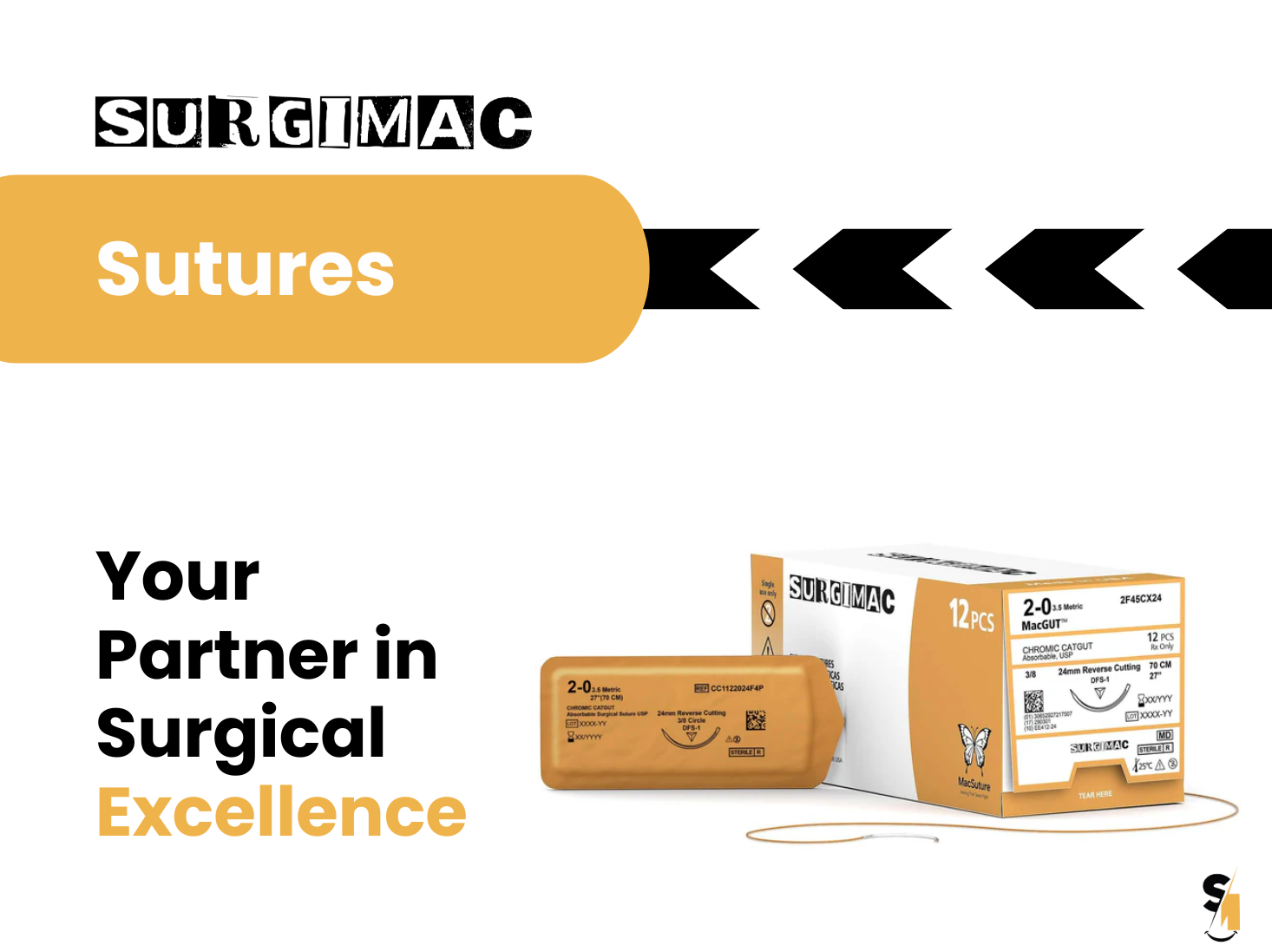
, by SurgiMac A Clinician's Guide to Absorbable Suture Material
-
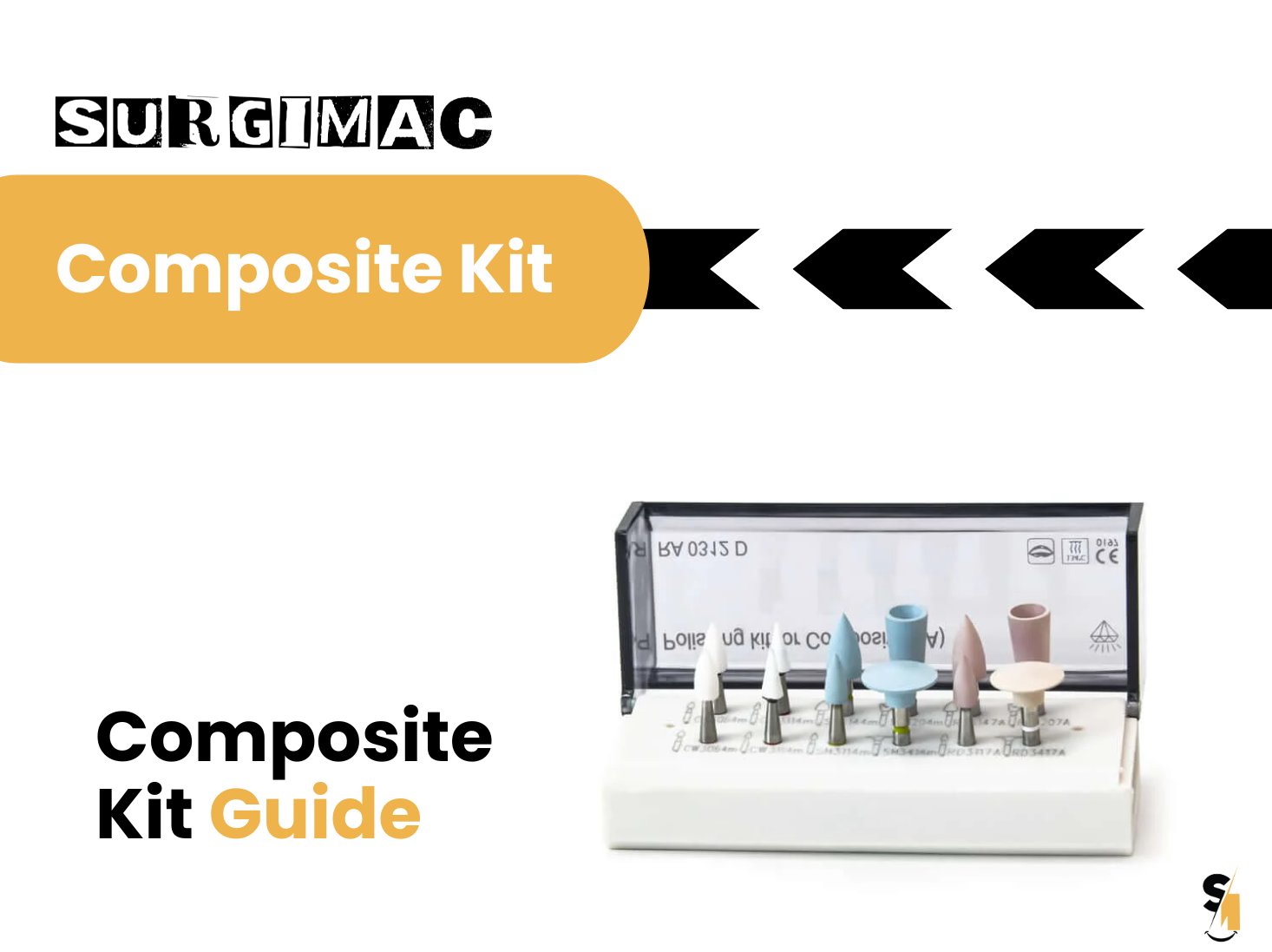
, by SurgiMac A Clinician's Guide to Dental Composite Resin Kits
-
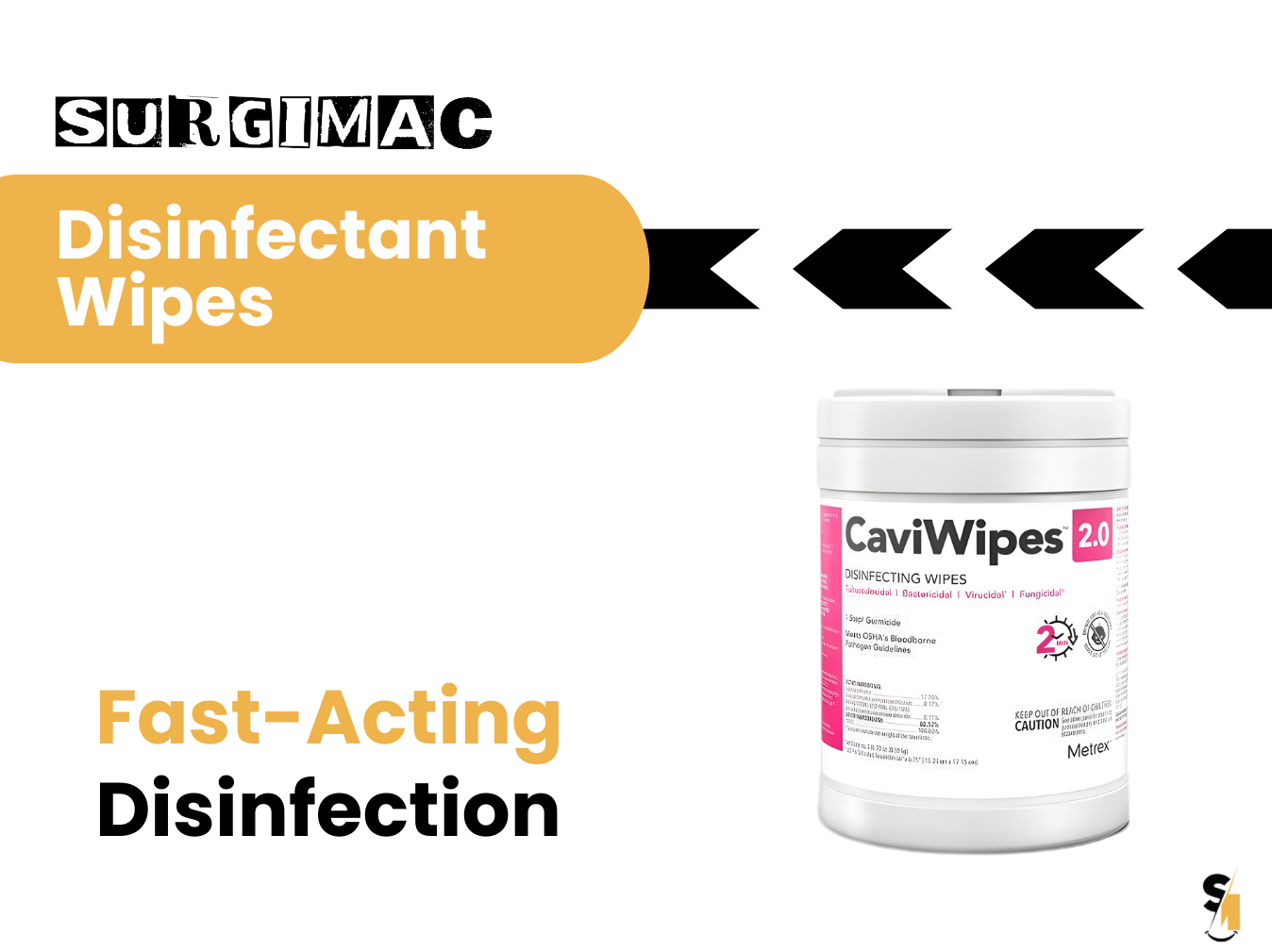
, by SurgiMac How to Disinfect with Metrex CaviWipes Correctly
