

Fluoride Varnish Application: A Complete Clinical Guide
- , by SurgiMac
- 32 min reading time
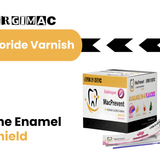
Fluoride varnish application protects adult enamel, reduces sensitivity, and helps prevent cavities. Learn benefits, steps, and aftercare for your patients.
It's a common myth that fluoride treatments are just for kids. The truth is, many of your adult patients are prime candidates for enhanced preventive care. Factors like medication-induced dry mouth, dietary acid exposure, and previous restorative work significantly increase their risk for decay. This is where a professional fluoride varnish application for adults becomes essential. This quick procedure delivers a powerful, sustained dose of fluoride varnish directly to the enamel. It's a simple way to interrupt the decay process, preserve tooth structure, and protect your patients' long-term oral health.
Key Takeaways
- Offer Varnish as a Key Adult Preventive Service: Fluoride varnish is not just for kids; it effectively strengthens adult enamel, prevents cavities, and provides significant relief from dentin hypersensitivity by creating a more acid-resistant tooth surface.
- Tailor Application Frequency to Patient Risk: A one-size-fits-all approach doesn't work. Assess individual risk factors like xerostomia, diet, and caries history to determine the optimal treatment schedule, typically every three to six months for high-risk adults.
- Educate Patients on Critical Aftercare: The treatment's success depends on what happens after the patient leaves the chair. Provide clear instructions to avoid hot drinks, hard foods, and brushing for at least four to six hours to maximize the varnish's protective benefits.

What Is Fluoride Varnish & How Does It Work?
As a dental professional, you’re always looking for effective, evidence-based ways to protect your patients' oral health. Fluoride varnish is a cornerstone of modern preventive care, offering a simple yet powerful tool against dental caries. Unlike foams or gels that require trays and more chair time, fluoride varnish is a highly concentrated topical treatment that is painted directly onto the teeth with a small brush. According to the National Maternal and Child Oral Health Resource Center, it's a liquid containing fluoride that helps prevent cavities.
The application is quick, efficient, and generally well-tolerated by patients. Once applied, the varnish sets rapidly upon contact with saliva, forming a thin, adherent layer over the enamel. This layer continuously releases fluoride ions over several hours, delivering a sustained therapeutic dose directly to the tooth surface. This prolonged contact time is what makes varnish so effective at strengthening enamel and interrupting the decay process before it can begin. For clinicians, having reliable dental equipment and supplies on hand is key to integrating this service smoothly into routine appointments.
How Fluoride Varnish Strengthens Tooth Enamel
The primary function of fluoride varnish is to support the natural process of remineralization. Every day, tooth enamel is subjected to acid attacks from plaque bacteria and dietary sugars, leading to the loss of minerals (demineralization). Fluoride intervenes by attracting calcium and phosphate ions back to the tooth surface, effectively rebuilding weakened enamel. As noted in a review from the NCBI Bookshelf, fluoride varnishes are primarily used to prevent tooth decay and help teeth rebuild their minerals. When fluoride is present, the new mineral crystals that form, known as fluorapatite, are stronger and more acid-resistant than the original hydroxyapatite. This creates a more resilient tooth structure that is better equipped to withstand future acid challenges.
What's in Professional Fluoride Varnish?
The high efficacy of professional fluoride varnish comes from its specific formulation. The most common and well-researched composition is a 5% sodium fluoride (NaF) varnish, a concentration that provides a potent therapeutic effect in a single application. This is a significantly higher concentration than what is found in over-the-counter toothpastes or rinses, which is why it is intended for professional use only. The "varnish" itself is typically a resin-based carrier, such as colophony, which allows the fluoride to adhere to the tooth surface for an extended period. This sticky consistency ensures the fluoride isn't immediately washed away by saliva, maximizing its absorption into the enamel for optimal protective benefits.
Why Should Adults Get Fluoride Varnish?
Fluoride varnish has become a cornerstone of modern preventive dentistry, and its advantages extend far beyond pediatric care. For adult patients, a professional application offers a powerful, multi-faceted approach to maintaining oral health. It addresses some of the most common dental concerns adults face, from caries risk to sensitivity, all with a simple, non-invasive procedure. Let's look at the key benefits you can share with your patients to reinforce the value of this essential treatment.
How It Fights Cavities and Rebuilds Enamel
The primary benefit of fluoride varnish is its proven ability to prevent dental caries. The varnish delivers a high concentration of fluoride that adheres to the tooth surface, continuously releasing fluoride ions over several hours. This process serves two critical functions: it inhibits demineralization caused by acid-producing bacteria and actively promotes remineralization by enhancing the uptake of calcium and phosphate. By integrating into the enamel structure to form fluorapatite, it creates a new tooth surface that is significantly more resistant to acid attacks. This makes it an indispensable tool in your arsenal of preventive dental supplies for at-risk adult patients.
Finding Relief from Dentin Hypersensitivity
For adults experiencing dentin hypersensitivity, fluoride varnish offers fast and effective relief. The mechanism is straightforward: the varnish works by occluding exposed dentinal tubules, which blocks the hydrodynamic mechanism responsible for pain signals. This is particularly beneficial for patients with gingival recession, enamel abrasion, or erosion who report sensitivity to cold, hot, or sweet stimuli. A single application can provide immediate comfort that lasts for weeks or even months. Offering this treatment not only addresses a common patient complaint but also demonstrates a commitment to comprehensive, comfortable care, which is supported by using ergonomic tools like our Air Series instruments.
Protecting Teeth from Acid Erosion
Modern diets and certain medical conditions expose adult teeth to significant acid challenges, leading to dental erosion. Fluoride varnish provides a crucial layer of defense against this irreversible process. By coating the enamel, it acts as a physical barrier against dietary acids from sources like soft drinks, citrus fruits, and wine, as well as intrinsic acids from conditions like GERD. More importantly, the fluoride strengthens the enamel surface, making it more resilient to future acid attacks. Integrating varnish application into your practice helps protect your patients' enamel integrity over the long term, preserving tooth structure and function. The procedure is quick and relies on simple dental disposables for a clean application.
A Smart Investment in Preventive Dental Care
Preventive care is always more cost-effective than restorative treatment, and fluoride varnish is a prime example. The small investment in a biannual varnish application can prevent the need for far more expensive and invasive procedures down the road, such as fillings, crowns, or root canals. For the patient, this means fewer expenses, less time in the dental chair, and better preservation of their natural dentition. For your practice, it reinforces the value of routine preventive appointments and builds patient trust. By using high-quality, affordable supplies from the SurgiMac brand, you can deliver exceptional preventive care that is both clinically effective and financially sensible for everyone involved.
Who Are the Best Candidates for Fluoride Varnish?
While fluoride varnish is a fantastic tool for pediatric dentistry, its benefits extend far beyond that. Identifying the right adult candidates is key to a successful preventive care strategy. Think of it as a targeted intervention for patients whose oral health is compromised by medical, lifestyle, or biological factors. The American Dental Association (ADA) supports using 5% sodium fluoride varnish for adults, especially those at an elevated risk for developing caries.
Moving beyond a one-size-fits-all approach allows you to provide personalized care that addresses the root causes of dental disease. By recognizing specific risk factors, you can recommend fluoride varnish as a simple, non-invasive, and effective treatment to protect and strengthen your patients' enamel. The ideal candidates are often those who need an extra layer of defense against decay, whether due to health conditions, dietary habits, or challenges with daily oral hygiene. Integrating this treatment into your adult care protocols can make a significant difference in long-term patient outcomes.
For Patients with a High Caries Risk
Adults with a high risk of developing caries are prime candidates for fluoride varnish application. This group includes patients with a history of recent restorations, evidence of incipient lesions, or poor plaque control. The ADA specifically recommends 5% fluoride varnish as a preventive measure for adults at higher risk for cavities. This treatment acts as a topical shield, delivering a high concentration of fluoride directly to the tooth surface to inhibit demineralization and promote remineralization. By incorporating varnish into their routine visits, you can offer these patients a powerful tool to prevent cavities and interrupt the decay process before it requires more invasive intervention.
Patients with Orthodontic Appliances
Patients undergoing orthodontic treatment face a unique challenge: the very appliances designed to improve their smile can create areas where plaque accumulates and hygiene is difficult. Brackets and wires act as retention sites for bacteria, significantly increasing the risk of demineralization and the formation of white spot lesions. Fluoride varnish is an ideal preventive measure for these patients. Applied around the orthodontic hardware, it provides a sustained release of fluoride to protect the vulnerable enamel. As a protective coating, it acts as a physical barrier against dietary and bacterial acids, helping to ensure that when the braces come off, the patient is left with a straight, healthy, and lesion-free smile.
Patients with Extensive Restorative Work
For adults with a history of multiple restorations, the focus of preventive care shifts to protecting the remaining tooth structure and preventing recurrent decay. The margins where crowns, fillings, and bridges meet the natural tooth are susceptible to plaque accumulation and new caries. Fluoride varnish is an excellent tool for fortifying these high-risk areas. By applying varnish during routine hygiene appointments, you can strengthen the adjacent enamel and dentin, making them more resistant to acid attacks. This simple step helps to extend the longevity of existing restorative work and reduces the likelihood that your patient will need more complex and costly treatments in the future.
Post-Radiation or Chemotherapy Patients
Patients who have undergone radiation to the head and neck or certain types of chemotherapy often experience severe xerostomia, or dry mouth. The resulting lack of saliva dramatically compromises the mouth's natural defenses, leading to a high risk of rampant caries. For this vulnerable population, regular fluoride varnish applications are not just beneficial—they are essential. The ADA strongly supports its use for high-risk adults, and these patients are among the highest risk. The varnish provides a much-needed topical fluoride source to manage the effects of a dry oral environment, helping to prevent devastating tooth loss. Using sterile, single-use dental disposables ensures a safe and hygienic application every time.
Addressing Dry Mouth (Xerostomia) and Related Conditions
Patients experiencing xerostomia, or dry mouth, face a significantly higher risk of caries due to reduced salivary flow. Saliva is essential for neutralizing acids and washing away food debris, and its absence leaves enamel vulnerable. This condition is a common side effect of many medications, autoimmune diseases like Sjögren's syndrome, and medical treatments such as radiation or chemotherapy. For these individuals, fluoride varnish provides critical protection. It offers a sustained fluoride release that helps fortify enamel against acid attacks, compensating for the lack of natural protection from saliva. Applying varnish regularly is a proactive step to manage their oral health challenges effectively.
When Diet and Lifestyle Increase Your Cavity Risk
A patient’s daily habits can also make them an excellent candidate for fluoride varnish. Those with high-sugar or high-acid diets, frequent snackers, or individuals who regularly consume sugary beverages are constantly exposing their teeth to cariogenic challenges. Varnish can help mitigate the damage by strengthening the enamel. Furthermore, consider patients who may have difficulty with oral hygiene due to physical limitations, such as elderly individuals or those with disabilities. For them, fluoride varnish is a simple and effective professional treatment that provides lasting protection, supporting their efforts to maintain good oral health between appointments.
Fluoride Varnish for Pediatric Patients
Fluoride varnish is a game-changer in pediatric dentistry and one of the most effective tools for preventing early childhood caries (ECC), a prevalent disease among young children. This simple, in-office treatment provides a powerful protective barrier during the critical years when primary teeth are most vulnerable. By integrating fluoride varnish applications into your pediatric care protocol, you can set your youngest patients on a path toward a lifetime of healthy smiles, making a significant impact long before restorative work is ever needed. This early intervention is fundamental to establishing a positive foundation for lifelong oral health.
Professional Guidelines for Children
The foundation of pediatric oral health is built on early and consistent professional care. Leading health organizations have established clear guidelines to support this. The American Academy of Pediatrics (AAP) recommends that every child has their first oral health check by six months of age and establishes a "dental home" by their first birthday. This proactive approach allows you to identify risks early, educate parents on proper home care, and introduce preventive measures like fluoride varnish at the most opportune time. It shifts the focus from treating problems to preventing them from ever starting, which is the ultimate goal of preventive dentistry.
The Role of the Dental Home
The concept of a "dental home" is central to modern pediatric dentistry. It represents a continuous, comprehensive, and family-centered relationship between your practice and the patient. This isn't just about scheduling appointments; it's about building trust and providing a reliable source for all aspects of a child's oral health. A strong dental home ensures that care is coordinated, preventive strategies are consistently applied, and parents feel supported and educated. It transforms the dental office from a place of potential anxiety into a familiar, positive environment for the child, encouraging regular visits and better long-term outcomes.
Fluoride Application by Pediatricians
The importance of early fluoride intervention is so widely recognized that it has become an interdisciplinary effort. Many pediatricians are now trained to apply fluoride varnish during well-child visits, especially for infants and toddlers who may not have established a dental home yet. This collaboration between medical and dental professionals creates a crucial safety net, ensuring that children receive the benefits of fluoride protection even before their first dental visit. It underscores the treatment's safety and its vital role in public health initiatives aimed at reducing early childhood caries across the country.
The Pediatric Application Experience
For both the clinician and the young patient, the fluoride varnish application process is refreshingly simple and fast. The procedure involves painting a thin layer of the varnish directly onto the surfaces of the teeth with a small, disposable brush. It takes only a few minutes, which is ideal for children with short attention spans. The varnish sets almost immediately upon contact with saliva, so there's no need for uncomfortable trays or long waiting periods. Using reliable dental disposables and wearing protective gloves from our MacSafe line ensures the application is hygienic, efficient, and stress-free for everyone involved.
After the varnish is applied, it hardens into a thin film that continuously releases fluoride for several hours. You'll instruct parents to avoid brushing their child's teeth until later that day or the next morning, typically after 4 to 12 hours, to maximize its effectiveness. While the process is non-invasive and generally well-tolerated, some children may be fussy during the brief application. It’s helpful to explain to parents that this momentary discomfort provides long-lasting protection against cavities. The quick, straightforward nature of the treatment makes it a highly practical and impactful part of any pediatric preventive appointment.
A Step-by-Step Guide to Fluoride Varnish Application
The application of fluoride varnish is a straightforward and efficient process that can be easily integrated into routine appointments. Unlike gels or foams that require trays, varnish is painted directly onto the teeth, making it a comfortable experience for the patient and a quick procedure for the clinician. Following a consistent protocol ensures you achieve the best possible outcomes for caries prevention and sensitivity management. Proper technique not only maximizes the therapeutic benefits but also reinforces patient confidence in your preventive care recommendations.
Before the Application: Patient Assessment and Prep
Before application, a thorough patient assessment is key. Review their dental history for factors like recent caries, poor oral hygiene, a high-sugar diet, xerostomia, or exposed root surfaces, as these indicate a higher risk for decay. Explain the benefits and what the patient can expect. Ensure you have all necessary dental supplies ready, including the varnish, applicator brush, and gauze. Wearing high-quality nitrile gloves from the MacSafe collection is essential for maintaining proper infection control protocols throughout the application.
The Quick and Simple Application Process
The application itself is quick and simple. First, remove any heavy plaque from the tooth surfaces; a full prophylaxis is not required. Next, use cotton rolls or gauze to dry the teeth, as the varnish adheres best to a dry surface. Open the unit-dose package and mix the varnish thoroughly. Using the applicator brush, apply a thin, even layer to all tooth surfaces, paying special attention to high-risk areas like exposed roots, cervical margins, and around restorations. The varnish sets quickly upon contact with saliva, so there’s no need for the patient to wait.
Ensuring a Comfortable and Pain-Free Experience
Fluoride varnish is an exceptionally well-tolerated treatment, making it ideal for patients who may have difficulty with more invasive procedures, including older adults or those with special healthcare needs. The process is gentle and fast. To ensure a positive experience, manage patient expectations beforehand. Let them know the varnish may feel slightly sticky or give their teeth a temporary yellowish tint, which disappears after they brush. Provide clear aftercare instructions, advising them to avoid hard foods, hot drinks, and brushing or flossing for at least 4–6 hours to maximize fluoride uptake.
How Often Should Adults Receive Fluoride Varnish?
Determining the right application schedule for fluoride varnish is key to maximizing its preventive benefits for your adult patients. Unlike a one-size-fits-all approach, the ideal frequency depends entirely on an individual's caries risk profile. By tailoring the treatment plan, you can provide targeted protection that addresses specific patient needs, from those with excellent oral health to those facing significant challenges. This personalized strategy not only improves clinical outcomes but also reinforces the value of preventive care in your practice. Let's break down how to establish the right cadence for varnish application based on risk level and how to seamlessly integrate it into your routine appointments.
Recommended Schedule Based on Caries Risk
For optimal protection, the general recommendation for adult fluoride varnish application is every three to six months. This frequency is particularly critical for patients you've identified as having a high risk for caries. Factors like xerostomia, a history of frequent decay, exposed root surfaces, or high sugar intake place patients in this category. For these individuals, a consistent three-month interval provides a sustained release of fluoride to support remineralization and inhibit new lesion development. A thorough caries risk assessment is the first step in creating a treatment plan that effectively manages their oral health and prevents more complex restorative work down the road.
Pairing Fluoride Varnish with Prophylaxis Appointments
Incorporating fluoride varnish application into routine hygiene appointments is a simple and effective way to enhance preventive care. The process is quick, taking only a minute or two to complete, making it an easy addition to your existing workflow. For many adult patients, a biannual application during their regular cleanings is sufficient to lower their caries risk. This approach is also highly cost-effective, as it helps prevent the need for more invasive and expensive treatments later on. You can perform the application using basic dental disposables like a micro-brush, making it a straightforward and valuable service for patients of all ages who could benefit from extra protection.
What to Tell Patients After a Fluoride Varnish Application
Clear, simple aftercare instructions are just as important as a flawless application. When patients understand what to do (and what to avoid) after their treatment, they help ensure the fluoride varnish delivers its maximum protective benefits. Setting these expectations beforehand prevents post-procedure questions and improves patient compliance. Here’s a breakdown of the essential instructions to share with your adult patients, ensuring they leave the chair confident and informed about the next 24 hours of care.
What Can Patients Eat and Drink Post-Treatment?
Advise your patients to wait at least 30 minutes before eating or drinking anything. This initial waiting period is critical, as it gives the varnish time to properly adhere to the tooth surfaces. For the rest of the day, it’s best for them to stick to soft foods and avoid anything very hot, crunchy, or sticky. Hot beverages like coffee or tea can reduce the varnish's effectiveness, while hard or sticky foods can scrape it off. Explaining these dietary guidelines helps patients understand that these small sacrifices protect their investment in their oral health.
How to Brush and Floss for the First 24 Hours
This can be the trickiest instruction for patients, so it’s important to be clear. Instruct them to skip brushing and flossing for the rest of the day and night after the application. They can resume their normal oral hygiene routine the following morning, ideally waiting 24 hours after treatment. This extended contact time allows for the highest possible fluoride uptake into the enamel, which is the entire goal of the procedure. You can frame it as letting a "protective shield" fully set. This simple analogy often helps patients remember and follow the guidance.
Explaining the Post-Application Look and Feel
Managing patient expectations about the look and feel of their teeth post-application is key. Let them know that their teeth might have a slightly dull or yellowish tint after you apply the varnish. Reassure them that this is completely normal and temporary; the original color will return as soon as they brush their teeth the next day. Some patients may also notice a slightly sticky or coated feeling on their teeth. This is also normal and simply means the varnish is in place and doing its job protecting their enamel from decay.
Addressing Common Patient Concerns About Fluoride Varnish
As a clinician, you’re not just treating teeth; you’re educating patients. When you recommend fluoride varnish to an adult for the first time, they’re bound to have questions. Being prepared with clear, confident answers can make all the difference in patient acceptance and compliance. Anticipating these common questions helps you guide the conversation, build trust, and reinforce the value of preventive care in your practice. Here are straightforward answers to the questions your adult patients are most likely to ask.
Is Fluoride Varnish Safe for Adults?
You can confidently reassure your patients that fluoride varnish is exceptionally safe for adults. Its safety profile is well-documented, and it is approved for use across all age groups, including pregnant women and older adults. According to the National Maternal and Child Oral Health Resource Center, the application method is highly targeted, using only a small amount of varnish that adheres directly to the teeth. This minimizes ingestion and makes it a secure and effective option for delivering concentrated fluoride protection right where it’s needed most, without systemic risks.
How Effective Is It and How Long Does It Last?
Fluoride varnish is highly effective at preventing cavities because it stays on the teeth for several hours, continuously releasing fluoride to strengthen enamel. This prolonged contact is key to its success in remineralizing early lesions and making teeth more resistant to acid attacks. For optimal protection, the recommended application schedule is typically every three to six months. You can explain to patients that while the immediate coating wears away, the protective benefits last for several months, acting as a shield against decay until their next preventive appointment.
Why Varnish Isn't Just for Children
Many adults associate fluoride treatments with childhood dental visits, so it’s important to clarify why it’s equally beneficial for them. You can explain that risk factors for cavities, such as dry mouth, gum recession, and certain dietary habits, can increase with age. As Colgate Professional notes, fluoride varnish is a powerful tool for preventing decay in both children and adults, especially those at higher risk. Framing it as a personalized preventive measure tailored to their current oral health needs helps shift their perspective and highlights its importance in their long-term care plan.
How Does Fluoride Varnish Compare to Other Treatments?
While various professional fluoride treatments are available, fluoride varnish has become a preferred choice for many dental practices due to its unique application and clinical benefits. Understanding how it compares to traditional gels, foams, and rinses can help you select the most effective preventive care strategy for your adult patients.
A Clinical Comparison: Varnish vs. Gels, Foams, and Rinses
Fluoride varnish is a dental treatment that acts like a protective shield for your teeth. Unlike gels and foams that require bulky trays and several minutes of chair time, varnish is simply painted onto the teeth and sets quickly upon contact with saliva. This application method is more comfortable for patients, reduces the risk of ingestion, and is incredibly efficient. The American Dental Association (ADA) specifically suggests using 5% fluoride varnish for adults who are at a higher risk of developing cavities. While at-home rinses are useful, they contain a much lower concentration of fluoride and depend entirely on patient compliance, making in-office varnish a more reliable intervention. This streamlined process requires minimal dental disposables and maximizes patient comfort.
ADA Guidelines for Different Age Groups
The American Dental Association (ADA) provides clear, evidence-based guidelines that support the use of fluoride varnish across different age groups, but the recommendations are tailored to risk. For adults, the ADA specifically supports using 5% sodium fluoride varnish, especially for those at an elevated risk for developing caries. This endorsement is crucial because it validates varnish as a standard of care for adult patients, moving it beyond its traditional pediatric role. The guidelines recognize that adult risk factors—such as medication-induced xerostomia, dietary habits, and extensive restorative work—necessitate targeted preventive measures. By recommending varnish, the ADA empowers clinicians to offer a proven, effective intervention that directly addresses the unique challenges adult patients face in maintaining their oral health.
Alternative In-Office Fluoride Treatments
While fluoride varnish has become a go-to for many practices, it's helpful to know how it stacks up against other professional options. Traditional fluoride gels and foams, applied using trays, were once the standard. However, they require more chair time, can be uncomfortable for patients with a strong gag reflex, and pose a higher risk of ingestion. In contrast, varnish is painted on quickly and adheres upon contact with saliva, maximizing patient comfort and safety. The prolonged contact time of varnish also ensures a more sustained fluoride release compared to the shorter application window of gels and foams. This superior efficacy and efficiency are why fluoride varnish has become a preferred choice for modern preventive care.
Prescription-Strength Home-Use Fluoride Products
A comprehensive preventive strategy extends beyond the dental chair. For high-risk adult patients, supplementing in-office varnish treatments with prescription-strength home-use products can be highly effective. According to ADA guidelines, these products can include a 0.5% fluoride gel or paste or a 0.09% fluoride mouthrinse. These formulations provide a daily therapeutic dose of fluoride to support remineralization and are an excellent adjunct for patients with severe dry mouth, high caries activity, or who are undergoing radiation therapy. Recommending these products reinforces your role as a partner in your patient's oral health, providing them with the tools they need to manage their risk between professional appointments.
Why Varnish Is Often the Superior Clinical Choice
From a clinical standpoint, fluoride varnishes are highly effective tools for preventive care. Their primary functions are to prevent or reduce tooth decay and to help teeth rebuild their minerals through remineralization. The varnish adheres to the tooth surface for several hours, allowing for a prolonged and targeted release of fluoride ions exactly where they are needed most. This makes it an excellent option for managing dentin hypersensitivity. As one source notes, fluoride varnish is a "simple, affordable way to improve oral health" for patients of all ages. Furthermore, applying fluoride varnish twice a year has been shown to be cost-effective, as it helps prevent the need for more expensive restorative treatments. Integrating this service is a practical way to enhance your practice with trusted dental equipment and supplies.
Understanding Safety and Contraindications for Adults
Fluoride varnish has an excellent safety profile, making it a go-to preventive treatment for most adult patients. However, like any clinical procedure, it’s essential to understand the potential side effects and specific situations where its use is not recommended. Discussing these points with your patients beforehand helps manage their expectations and ensures a safe, positive experience. A thorough patient assessment is always the first step in providing effective and responsible care.
Reviewing Potential Side Effects and Allergic Reactions
For most patients, the side effects of fluoride varnish are minimal and temporary. The most common observation is a slight yellow or dull tint on the teeth immediately after application. You can reassure your patients that this is completely normal and will disappear after they brush their teeth the next morning. True allergic reactions are rare but can occur, particularly in patients with a known allergy to colophony (rosin), a common ingredient in many varnishes. Always review patient allergies during the initial assessment.
Beyond that, adverse effects are uncommon when the varnish is applied correctly. Using high-quality disposable gloves and applicators from a trusted line like MacSafe ensures a hygienic process, minimizing any risk of cross-contamination and protecting both you and your patient.
Dental Fluorosis
When patients bring up fluorosis, it’s a great opportunity to educate them on the difference between systemic and topical fluoride. You can explain that dental fluorosis, which appears as white or brown spots, is a cosmetic condition caused by ingesting excessive amounts of fluoride *while* the teeth are still developing in childhood. It’s a question of timing and dosage. A professional fluoride varnish applied to fully formed adult teeth simply cannot cause fluorosis. The treatment is topical, designed to protect the existing enamel surface. Reassure your patients that the minimal amount used in their treatment is working to strengthen their teeth from the outside, not altering them from the inside, making fluorosis a non-issue for adult varnish applications.
Acute Fluoride Toxicity
The word "toxicity" can sound scary, so it’s important to put it into perspective for your patients. You can clarify that acute fluoride toxicity happens only when a large quantity is ingested at once—the classic example being a child swallowing an entire tube of toothpaste. The amount of fluoride in a single-dose varnish application is carefully measured and minimal by comparison. When applied correctly, the varnish adheres directly to the teeth, meaning only a negligible amount is ever swallowed. You can frame the professional application as a safe, targeted procedure designed to prevent disease, which is fundamentally different from the accidental, high-volume ingestion that leads to toxicity.
Discussing Other Health Concerns
It’s common for patients to come in with questions about fluoride’s systemic effects, often referencing articles about thyroid or neurological health. The best approach is to validate their concern and then provide clinical clarity. You can explain that the studies they’re seeing often involve high levels of systemic fluoride ingested over many years, typically through drinking water in specific geographic areas with naturally high concentrations. This is a completely different scenario from a biannual topical treatment. Reassure them that the minimal systemic absorption from a professionally applied fluoride varnish has not been linked to these broader health issues. Major health organizations worldwide continue to endorse it as a safe and highly effective preventive measure for oral health.
Who Should Not Receive Fluoride Varnish?
While nearly all adults are candidates for fluoride varnish, there are a few clear contraindications. The treatment should be avoided for patients with a known hypersensitivity to fluoride or any of the varnish's specific ingredients, such as rosin. Additionally, you should postpone application for patients with ulcerative gingivitis, stomatitis, or other open sores in the mouth, as the varnish can cause irritation to these tissues.
A comprehensive oral examination using reliable dental instruments is critical to identify these conditions before proceeding. While some once believed that patients in communities with fluoridated water did not need varnish, current guidelines emphasize that adults at high risk for caries can still receive significant benefits from professional fluoride treatments, regardless of their water source.
Frequently Asked Questions
Q: Why should I recommend fluoride varnish to an adult patient who already uses fluoride toothpaste and has good oral hygiene?
A: Fluoride varnish works as a high-strength, targeted boost to routine care. While daily toothpaste provides consistent low-level protection, varnish delivers a concentrated dose of fluoride that remains on the teeth for hours. This is especially valuable for adults with risk factors like gingival recession, acidic diets, or dry mouth. It helps remineralize early weak spots and protects areas that brushing alone may not fully reach.
Q: Can fluoride varnish be applied over existing dental work like crowns, bridges, or fillings?
A: Yes. Varnish is safe for all common restorative materials and is actually beneficial around them. It helps protect the margins where restorations meet natural tooth structure—areas that are particularly vulnerable to recurrent decay—thereby supporting the longevity of the restoration.
Q: How exactly does fluoride varnish help with sensitivity on exposed root surfaces?
A: Sensitivity often comes from exposed dentinal tubules that allow stimuli to reach the nerve. Fluoride varnish works by sealing these tubules. When applied, it forms a protective barrier that blocks external triggers like temperature changes, providing both immediate and sustained relief from sensitivity.
Q: Since the fluoride concentration is so high, what should I tell a patient who is concerned about safety?
A: Reassure them that fluoride varnish is safe and widely used. Although the concentration is high, the total amount applied is very small. It adheres directly to the teeth, minimizing ingestion. This targeted delivery makes it safer than older tray-based fluoride treatments.
Q: What is the clinical reason for the specific aftercare instructions, like avoiding brushing for several hours?
A: The goal is to maximize fluoride uptake. The varnish acts as a reservoir, slowly releasing fluoride to strengthen enamel by forming more acid-resistant mineral structures. Brushing or eating hard foods too soon can remove the varnish prematurely, reducing its effectiveness. Following aftercare instructions ensures the patient receives the full benefit of the treatment.
Related Articles
Tags
Blog posts
-
, by SurgiMac A Clinician's Guide to Absorbable Suture Material
-
, by SurgiMac A Clinician's Guide to Dental Composite Resin Kits
-
, by SurgiMac How to Disinfect with Metrex CaviWipes Correctly
