


The Lidocaine Dental Injection: A Complete Guide
- , by SurgiMac
- 36 min reading time
Get clear answers on what to expect from a lidocaine dental injection, including safety tips, side effects, and how it helps ensure patient comfort.
Your best work happens when your patient is comfortable and calm. It allows you to focus completely on the clinical details, whether you're performing a complex restoration or a simple extraction. A skillfully delivered lidocaine dental injection is the key to creating this perfect environment. It removes distractions and paves the way for clinical excellence. This foundation of comfort also lets you get the most from your precision instruments, like those in our Air Series collection. We'll walk through the essentials of lidocaine administration, helping you build every procedure on a foundation of trust and effective pain management.
Key Takeaways
- Master Lidocaine's Clinical Application: Lidocaine provides rapid and reliable local anesthesia by blocking nerve signals. Formulations containing epinephrine are standard for prolonging duration and providing hemostasis, creating ideal conditions for surgical work.
- Prioritize Patient Safety with Thorough Screening: A comprehensive medical history is your most critical tool for preventing complications. Before administration, carefully review patient health, focusing on cardiovascular, liver, or kidney conditions and potential drug interactions.
- Manage the Patient Experience Through Communication: Reduce patient anxiety by explaining each step, using a topical anesthetic, and employing a slow injection technique. Providing clear post-procedure instructions on what to expect ensures a safe and comfortable recovery.

Lidocaine in Dentistry: What Is It and How Does It Work?
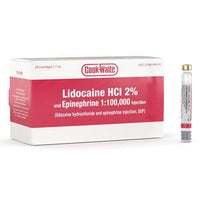
Lidocaine, also known as Lignocaine, is a local anesthetic used to numb a specific area of the body, making it a cornerstone of modern, pain-free dentistry. When administered, it ensures patients remain comfortable during procedures ranging from simple fillings to more complex surgical work. Its reliability and rapid onset have made it one of the most trusted anesthetic products in dental practices across the country. The primary function of lidocaine is to temporarily prevent nerves in the treatment area from transmitting pain signals to the brain, creating a window of numbness that allows clinicians to work efficiently and effectively.
How Lidocaine Blocks Pain Signals
Lidocaine works by creating a temporary blockade on the nerve’s communication pathway. When injected near a nerve, it stops the nerve endings from sending pain signals. It does this by blocking sodium channels within the nerve cell membranes. These channels are essential for generating the electrical impulses that travel along the nerve to the brain, where they are interpreted as pain. By preventing this electrical signal from starting, lidocaine effectively numbs the targeted area. This loss of feeling is localized, meaning the rest of the body is unaffected, allowing you to perform precise procedures without causing your patient discomfort.
Types of Lidocaine Used in Dentistry
In clinical practice, lidocaine is the most commonly used local anesthetic. It is often combined with epinephrine, a vasoconstrictor, to enhance its performance. Adding epinephrine constricts the blood vessels at the injection site, which serves two key purposes. First, it reduces bleeding, providing a clearer field of view during surgical procedures. Second, it slows the rate at which the lidocaine is absorbed into the bloodstream, which keeps the anesthetic concentrated in the desired area and significantly extends its duration. Before the injection, a topical anesthetic gel is also frequently applied to numb the surface tissue, making the initial needle insertion more comfortable for the patient.
When is a Lidocaine Dental Injection Necessary?
Lidocaine is a cornerstone of modern dental practice, relied upon for its rapid onset and predictable efficacy. Its ability to provide profound local anesthesia makes it indispensable for a wide range of treatments, from routine restorative work to complex surgical interventions. By ensuring patient comfort, clinicians can perform procedures with greater precision and efficiency. Having reliable anesthetic products on hand is fundamental to managing patient care and achieving optimal clinical outcomes in daily practice.
Fillings and Restorative Work
For routine cavity fillings and restorations, lidocaine is the go-to local anesthetic. It effectively blocks nerve signals in the treatment area, ensuring patients remain comfortable while you prepare the tooth and place the restorative material. This pain-free experience is crucial for patient cooperation and satisfaction, especially during longer appointments. When patient comfort is managed with effective anesthesia, you can focus on the fine details of the restoration, using precision instruments like our Air Series tools to achieve ideal form and function without causing distress.
Extractions and Minor Oral Surgery
Local anesthetics like lidocaine are essential for tooth extractions and other minor oral surgeries. Achieving profound numbness is non-negotiable to perform these procedures safely and without causing patient discomfort. Formulations containing epinephrine are particularly valuable here, as the vasoconstrictor helps control bleeding and extends the duration of the anesthetic effect. For surgical procedures that demand both excellent anesthesia and reliable instrumentation, pairing lidocaine with high-quality tools like our Hexa Series surgical instruments or sharp MacCut blades ensures you can work with confidence and control.
Periodontal Therapy and Deep Cleanings
Lidocaine is frequently used during scaling and root planing to numb the gingiva and surrounding tissues. This makes the process much more comfortable for patients, particularly those with significant root exposure, inflammation, or sensitivity. By managing discomfort, you can perform a more thorough debridement of subgingival calculus and toxins, which is critical for successful periodontal therapy. Using ergonomic instruments from our Slim Series collection further enhances procedural efficiency, allowing for precise movements without contributing to operator fatigue during these detailed cleanings.
Root Canals
During root canal therapy, lidocaine is administered to ensure the patient remains completely pain-free while you access the pulp chamber and remove infected or inflamed tissue. Because endodontic procedures often carry a high level of patient anxiety, effective pain management is key to a successful and positive experience. Complete anesthesia allows you to meticulously clean, shape, and fill the canal system without interruption. This critical step, combined with high-performance burs and diamonds for efficient access, sets the foundation for preserving the natural tooth and achieving long-term endodontic success.
The Lidocaine Dental Injection: What to Expect
For many patients, the injection is the most stressful part of a dental procedure. Guiding them through it with clear communication and a gentle technique can significantly reduce anxiety and build trust. A well-managed injection sets a positive tone for the entire appointment, ensuring the patient feels safe, informed, and comfortable in your care.
First Step: Numbing with a Topical Gel
Before the injection, the first step is applying a topical anesthetic to the injection site. This gel or liquid numbs the surface of the gums, so the patient barely feels the needle. After drying the tissue, apply the topical agent for a minute or two to ensure it’s effective. This is also a critical moment for infection control to prevent introducing bacteria into the tissue. For added patient comfort, some clinicians buffer the lidocaine with sodium bicarbonate before injection. This neutralizes the solution’s acidity and can make the experience more comfortable for the patient.
How Your Dentist Administers the Injection
Once the area is numb, it’s time for the injection. A slow and steady technique is key to minimizing discomfort. The goal is to deposit the local anesthetic solution gradually, allowing the tissue to accommodate it without pressure. Common anesthetic products like lidocaine work by blocking nerve signals in the targeted area, preventing pain impulses from reaching the brain. A gentle approach, combined with aspirating to ensure you haven’t entered a blood vessel, ensures both patient comfort and clinical safety. This careful technique makes the difference between a stressful event and a smooth, routine procedure.
Common Injection Techniques: Infiltration vs. Nerve Block
In dental practice, two primary techniques are used to deliver local anesthetic: infiltration and nerve block. The infiltration technique is the most common for localized procedures. It involves injecting the lidocaine solution directly into the soft tissue near the apex of the tooth you're working on. This method is highly effective for numbing a small area, making it ideal for single-tooth fillings or crown preparations. With an onset time of less than two minutes, it allows you to start work promptly, ensuring patient comfort while you use precision instruments from our Pro Series for detailed restorative work.
In contrast, a nerve block is used when you need to anesthetize a larger area, such as an entire quadrant. This technique involves depositing the anesthetic solution near a major nerve trunk, which blocks sensation to all the areas the nerve supplies. It’s essential for more extensive procedures like multiple extractions, implant placements, or quadrant dentistry where profound anesthesia is required. According to a review on local anaesthesia in dentistry, the onset for a nerve block is slightly longer, typically taking two to four minutes. This approach is fundamental for complex surgical cases where you rely on dependable instruments like our Hexa Series elevators and forceps.
What Will You Feel During the Injection?
Communication is essential throughout the injection process. Let your patient know they might feel a small pinch or a slight stinging sensation as the anesthetic begins to work. Reassure them that this is normal and will quickly be replaced by a feeling of numbness. Describe the spreading sensation as the anesthetic takes effect in their lip, cheek, or tongue. It’s also helpful to manage their expectations for after the procedure. Explain that it’s normal to have some minor soreness at the injection site for a day or two once the numbness wears off.
How Long Does Dental Numbness Last?
Managing patient expectations and planning your procedures effectively both depend on a solid understanding of lidocaine’s timeline. From the moment of injection to when the sensation returns, knowing the onset and duration helps ensure a smooth and comfortable experience for everyone. The predictability of lidocaine is one of its greatest assets in a clinical setting, allowing you to work efficiently while keeping your patient at ease. Let's break down what you and your patients can expect.
How Quickly Does It Work?
One of the main reasons lidocaine is a staple in dental practices is its rapid onset of action. When injected, lidocaine typically begins to take effect very quickly, with some patients feeling numbness in as little as four minutes. This swift action minimizes patient anxiety and allows you to proceed with the planned treatment without significant delay. For a busy practice, this efficiency is invaluable for maintaining a steady workflow and keeping appointments on schedule. The fast-acting nature of lidocaine ensures that the anesthetic is working precisely when you need it to.
How Long Does the Numbness Last?
A common question from patients is, "How long will this last?" In general, the numbing effect from a local dental anesthetic can last anywhere from one to four hours. This duration is usually sufficient for completing a wide range of procedures, from simple fillings to more involved restorative work. It’s also a practical timeframe for patient recovery, as the sensation typically returns before the end of the day. Advising patients on this timeline helps them plan their post-appointment activities, like when it’s safe to eat or drink without risking injury to their numb lips, cheek, or tongue.
Numbness Timelines by Injection Type
The duration of numbness also depends heavily on the injection technique you use. For localized work on one or two teeth, an infiltration injection numbs a small, specific area and typically has a shorter duration. This is often perfect for straightforward restorative procedures. In contrast, a nerve block targets a main nerve branch to anesthetize an entire region, such as a full quadrant. This technique provides a longer and more profound period of numbness, making it suitable for more extensive treatments like multiple extractions or crown preparations. The choice between these techniques allows you to tailor the duration of anesthesia, which can range from 30 minutes to over two hours depending on the method and the specific anesthetic products used, especially those containing epinephrine.
Factors That Influence How Long You Stay Numb
The one-to-four-hour window is a general guideline, as the exact duration of numbness can vary. Several key factors influence how long the anesthetic effect lasts. Formulations containing epinephrine, a vasoconstrictor, will prolong the effect by keeping the lidocaine localized at the injection site. The dosage administered and the specific injection technique also play a significant role. Furthermore, individual patient factors like a faster metabolism can shorten the duration. The presence of an infection in the area can also impact effectiveness, sometimes requiring different management. Having access to reliable anesthetic products ensures you have the right formulation for every clinical scenario.
Understanding the Potential Side Effects of Lidocaine
Lidocaine is one of the most widely used and trusted local anesthetics in dentistry, with an excellent safety profile. However, like any medical procedure, administering an injection carries potential side effects and risks. Being well-versed in these possibilities allows you to prepare patients effectively and respond swiftly if an adverse event occurs. Most reactions are mild, localized, and resolve on their own without intervention. Serious complications are rare, but recognizing the signs is a critical part of patient care. Ensuring you use high-quality, sterile anesthetic products and adhere to proper injection protocols are the first and most important steps in minimizing risks and ensuring a positive patient experience. This preparation, combined with a thorough review of the patient's medical history, forms the foundation of safe and effective local anesthesia.
What Are the Most Common, Minor Reactions?
The most common side effects of a lidocaine injection are minor and localized to the injection site. It's helpful to let patients know that some discomfort, tenderness, or even slight bruising where the needle was inserted is normal. This sensation typically lasts for a couple of days and resolves on its own. Occasionally, a patient might experience minor swelling in the area. These reactions are generally a result of the needle passing through tissue and are not a cause for concern. Proper sterile technique, including the use of appropriate infection control products, is fundamental to preventing complications like infection and ensuring these common reactions remain mild and transient.
Recognizing Rare But Serious Side Effects
While uncommon, systemic side effects can occur and require immediate attention. One of the most serious, though rare, risks is methemoglobinemia, a blood disorder where an abnormal amount of methemoglobin is produced. According to the Mayo Clinic, symptoms include pale, gray, or blue-colored skin, lips, or nails, along with confusion, headache, lightheadedness, a rapid heartbeat, or unusual fatigue. Other potential systemic reactions can involve the central nervous system (CNS), causing dizziness or drowsiness. Recognizing these signs early is key to managing the situation effectively. A thorough understanding of a patient's medical history can help identify individuals who may be at a higher risk for these complications.
Risks of Accidental Intravascular Injection
One of the most critical aspects of administering local anesthesia is avoiding an accidental intravascular injection. This occurs when the needle enters a blood vessel, allowing the anesthetic to be rapidly absorbed into the bloodstream. As noted in a study from PMC, this can lead to serious systemic complications affecting the heart and brain. To prevent this, aspirating before injecting is a non-negotiable step in your protocol. By pulling back on the plunger to check for blood, you can confirm you are in the correct tissue plane. This simple yet vital technique, combined with a slow injection rate, significantly reduces the risk of systemic toxicity and ensures the anesthetic remains localized for maximum effect and patient safety.
Understanding Lidocaine Toxicity
Lidocaine toxicity occurs when the concentration of the anesthetic in the bloodstream becomes too high, leading to adverse systemic reactions. This can result from administering too large a dose, rapid absorption, or an accidental intravascular injection. The initial signs often involve the central nervous system and may include dizziness, tinnitus, confusion, or muscle twitching. If the concentration continues to rise, it can lead to more severe effects like seizures, respiratory depression, and cardiovascular collapse. Careful dose calculation based on the patient's weight and medical condition is essential. Using precisely formulated anesthetic products and adhering to maximum recommended dosages are fundamental practices for preventing this serious complication.
Additional Serious Side Effects to Monitor
Beyond toxicity, it's important to be aware of other rare but serious adverse reactions. One such condition is methemoglobinemia, a blood disorder that impairs the ability of red blood cells to carry oxygen. While uncommon, it can be triggered by certain local anesthetics. Symptoms include cyanosis (a blue or gray discoloration of the skin, lips, or nails), headache, shortness of breath, and unusual fatigue. According to the Mayo Clinic, certain populations, such as infants and older adults, may be at higher risk. A thorough review of the patient's medical history is your best tool for identifying potential contraindications and ensuring a safe procedure for every patient.
How to Spot an Allergic Reaction
True, IgE-mediated allergic reactions to lidocaine are exceedingly rare, with an incidence rate of less than 1%. Most adverse reactions are often misdiagnosed as allergies when they are actually related to anxiety or the effects of epinephrine. However, it's crucial to recognize the signs of a true anaphylactic reaction. These include skin rash, itching, or hives, and more severe symptoms like swelling of the face, lips, tongue, or throat, which can compromise the airway. As a clinician, maintaining a high standard of care includes wearing proper protective equipment, such as MacSafe exam gloves, and being prepared to manage a medical emergency. If a patient exhibits these signs, immediate intervention is required.
Reactions to Preservatives and Other Ingredients
When a patient has an adverse reaction, it’s easy to point to lidocaine as the cause, but the anesthetic agent itself is rarely the problem. Often, the reaction is triggered by other components within the anesthetic solution. Many local anesthetics contain preservatives, such as methylparaben, which are added to prevent bacterial contamination and extend shelf life. According to research, these preservatives can sometimes break down into substances that cause allergic-type reactions in sensitive individuals. This is why it's so important to be familiar with the full ingredient list of the anesthetic products you use. Understanding the complete formulation helps you differentiate between a true drug allergy and a sensitivity to an additive, ensuring a more accurate diagnosis and safer patient care moving forward.
Diagnosing a True Lidocaine Allergy
It’s critical to remember that true, confirmed allergic reactions to lidocaine are exceptionally rare, occurring in less than 1% of cases. Many events that present like an allergy are actually psychogenic responses stemming from patient fear and anxiety, such as hyperventilation or fainting. Other reactions may be due to systemic toxicity from an accidental intravascular injection or administering too much of the drug. Before labeling a patient with a lidocaine allergy, it's essential to investigate the incident thoroughly. A misdiagnosis can unnecessarily limit future treatment options for the patient. A careful review of the symptoms, the dosage administered, and the patient's emotional state during the injection provides a clearer picture of the true cause, allowing for better management in subsequent appointments.
Who Should Be Cautious with Lidocaine?
While lidocaine is one of the most widely used and safest local anesthetics in dentistry, it’s not the right choice for every patient. A thorough and updated medical history is the most critical tool for preventing adverse reactions and ensuring a safe procedure. Before any injection, it’s essential to conduct a comprehensive review of the patient’s health status, current medications, and any known allergies. This diligence is a fundamental standard of care that protects both the patient and the practice.
Understanding contraindications and potential complications allows you to make informed decisions, whether that means adjusting the dosage, choosing a different formulation, or opting for an alternative anesthetic altogether. Having a full range of high-quality anesthetic products on hand ensures you are prepared for any clinical scenario. Ultimately, patient safety begins with a clear understanding of who might be at a higher risk for complications and how to manage that risk effectively. A detailed pre-anesthetic assessment isn't just a box to check; it's a conversation that uncovers potential risks that might not be immediately obvious. It's an opportunity to educate the patient about their options and involve them in the decision-making process, which can significantly reduce anxiety and improve their overall experience. This proactive approach builds patient trust and reinforces your commitment to providing personalized, high-quality care.
Considerations for Specific Patient Populations
Certain patient groups require special consideration to ensure the safe and effective administration of lidocaine. A one-size-fits-all approach doesn’t work when treating pregnant patients, children, or older adults. Each group has unique physiological factors that can influence how they metabolize the anesthetic and respond to treatment. Taking the time to understand these nuances is a hallmark of exceptional patient care. It allows you to tailor your approach, adjust dosages appropriately, and provide clear, reassuring communication. This careful planning ensures that every patient, regardless of their life stage, receives the safest and most comfortable care possible.
Use During Pregnancy and Breastfeeding
Treating patients during pregnancy often comes with questions about medication safety. Fortunately, lidocaine is classified as FDA Category B, meaning it is considered safe for use in pregnant women. Studies confirm that using local anesthetics for necessary dental procedures does not increase the risk of adverse outcomes for the mother or the developing baby. This allows you to confidently address your patient's oral health needs, which is crucial for their overall well-being during pregnancy. For nursing mothers, lidocaine is also considered safe, as it passes into breast milk in clinically insignificant amounts. Providing this reassurance can help alleviate patient concerns and build trust.
Use in Pediatric and Geriatric Patients
Both the youngest and oldest patients require a cautious and well-monitored approach to local anesthesia. According to the Mayo Clinic, lidocaine should be used with extreme care in children younger than six months due to the risk of toxicity. Similarly, older patients may have altered drug metabolism or underlying health conditions that necessitate careful dosage calculation and monitoring. For both groups, it is especially important to differentiate between a true allergic reaction, anxiety, and signs of drug toxicity, as each requires a different management strategy. A thorough medical history and clear communication are your best tools for ensuring a safe and positive experience for these vulnerable patients.
Health Conditions to Discuss with Your Dentist
A patient’s systemic health has a direct impact on how their body metabolizes and responds to local anesthetics. It is vital to screen for specific conditions before administration. Key areas of concern include significant cardiovascular disease, as the vasoconstrictor often included with lidocaine can affect heart rate and blood pressure. Additionally, patients with severe liver or kidney disease may have an impaired ability to metabolize and excrete the anesthetic, increasing the risk of systemic toxicity. A known allergy to amide anesthetics, while rare, is an absolute contraindication. Always ask patients directly about their history with heart, liver, or kidney conditions and any previous reactions to dental anesthesia.
Medications That May Interact with Lidocaine
A patient’s current medication list is just as important as their medical history. Certain drugs can interact with lidocaine, altering its effectiveness or increasing the risk of side effects. For example, medications like cimetidine or beta-blockers can slow the metabolism of lidocaine, raising its concentration in the blood. It’s crucial to ask for a complete list of all medications, including over-the-counter drugs, herbal supplements, and vitamins, as patients may not think to mention them. Documenting everything provides a clear picture of potential interactions and helps you select the safest and most effective anesthetic protocol for each individual.
What Are the Alternatives to Lidocaine?
For patients who are poor candidates for lidocaine or who have significant dental anxiety or needle phobia, several alternatives can ensure a comfortable experience. Other local anesthetics, such as mepivacaine or prilocaine, may be more suitable for patients with certain cardiovascular conditions or sensitivities. In cases of extreme anxiety, adjunctive options like nitrous oxide or oral conscious sedation can be used alongside local anesthesia to help the patient relax. Discussing these options with the patient beforehand can alleviate fears and create a more positive and controlled clinical environment, ensuring the procedure is both safe and stress-free.
Other Pain Management Strategies
Beyond selecting the right anesthetic, your technique and communication play a huge role in creating a comfortable patient experience. A patient-centered approach starts with explaining each step of the procedure to reduce anxiety. Before the injection, applying a topical anesthetic to numb the gums is a simple but effective step that makes a significant difference. When you do administer the injection, a slow and steady technique minimizes discomfort. For even greater comfort, some clinicians buffer the lidocaine with sodium bicarbonate to neutralize its acidity. For patients with significant dental phobia, adjunctive options like nitrous oxide can be used alongside local anesthesia to promote relaxation. These thoughtful strategies, combined with reliable dental supplies, help build trust and ensure every procedure is as stress-free as possible.
Preparing for Your Lidocaine Dental Injection
Guiding your patients through pre-appointment preparation is fundamental to ensuring a safe and effective procedure. Clear communication not only builds trust but also helps mitigate potential risks associated with local anesthetics like lidocaine. By establishing a clear protocol for patient disclosure and pre-procedure instructions, you set the stage for a smooth clinical experience and a positive patient outcome. This preparation involves a thorough review of their medical background, simple dietary advice, and an open dialogue to address any of their questions or concerns.
Why Your Full Medical History Matters
A comprehensive medical history is the cornerstone of safe anesthetic administration. Before any procedure, it's critical to have patients disclose all known allergies, especially to medications, foods, or dyes. You should also screen for underlying health conditions that could heighten the risk of adverse effects. Conditions such as heart disease, high blood pressure, or liver issues can influence how a patient metabolizes the anesthetic. A detailed intake process ensures you can select the appropriate anesthetic products and dosage, tailoring the treatment plan to each patient’s unique health profile and ensuring their safety is the top priority.
Key Health Conditions and Lifestyle Factors to Disclose
Open communication about a patient's health is essential for tailoring a safe and effective anesthetic approach. Certain conditions require special consideration, starting with cardiovascular health. Since many anesthetic products contain a vasoconstrictor, patients with hypertension or arrhythmias need careful management. Similarly, severe liver or kidney disease can impair the body's ability to metabolize and excrete the anesthetic, increasing the risk of systemic toxicity. It's also critical to confirm the patient has no known allergies to amide anesthetics, which is a rare but absolute contraindication. Be sure to review all current medications, as drugs like beta-blockers can alter lidocaine metabolism. Finally, lifestyle factors like smoking and alcohol consumption can also influence a patient's response, making a complete and honest disclosure a non-negotiable part of pre-procedural care.
What to Eat (and Avoid) Before Your Appointment
While there are no specific dietary restrictions required before a standard lidocaine injection, you can offer patients simple advice to improve their experience. Recommending that they stay well-hydrated is a great practice. Drinking plenty of water before the appointment can help their system process and flush the anesthetic more efficiently after the procedure is complete. This small step may help shorten the duration of residual numbness, allowing patients to return to their normal routine more comfortably. It’s a simple, actionable tip that demonstrates your commitment to their post-procedure comfort and overall well-being.
Questions You Should Ask Your Dentist
Encouraging patients to ask questions is a key part of the informed consent process and helps ease any anxiety they may feel. Be prepared to discuss how lidocaine works, what sensations they should expect, and the duration of numbness. It's also important to remind them to inform their other healthcare providers about their dental procedure, as lidocaine can occasionally interfere with certain medical test results. Proactively addressing these topics ensures patients feel heard and confident in their care. This open communication, combined with a sterile environment using proper infection control protocols, reinforces the professionalism of your practice.
Post-Procedure Care: Managing Numbness and Recovery
Once the procedure is complete, the focus shifts to ensuring a smooth and comfortable recovery for your patient. Providing clear, simple post-operative instructions is one of the most important things you can do to prevent complications and reduce patient anxiety. Guiding them through what to expect as the local anesthetic wears off helps build trust and ensures they know how to care for the treated area properly. It also helps them understand when to relax and when it might be necessary to contact your office.
Excellent patient care doesn't end when they leave the chair. The post-procedure period is just as critical for achieving successful outcomes. By equipping patients with the right information, you empower them to be active participants in their own healing. This includes practical advice on eating and drinking, what sensations are normal, and which symptoms warrant a phone call. This level of communication reinforces your practice's commitment to their well-being and is the final step in excellent clinical care, which starts with using reliable dental supplies that ensure a safe procedure from start to finish. Below are key points to cover with every patient after administering a lidocaine injection.
How to Stay Safe While Your Mouth is Numb
The first few hours after an appointment are critical. While the patient's mouth is still numb, they are at risk of accidentally injuring their cheek, lips, or tongue. Advise them to avoid chewing food and to be careful with hot beverages to prevent burns. A soft diet or liquids are the safest options during this time. Once the numbness is completely gone, they can typically eat and drink again without restrictions. It's helpful to let them know that some temporary sensitivity to heat, cold, or pressure around the treated tooth is normal and should subside. Clear communication here prevents unnecessary worry and potential soft tissue damage.
What to Expect as the Numbness Wears Off
Managing patient expectations about the duration of numbness can prevent a lot of follow-up calls. The effects of local dental anesthetics generally last from one to four hours. However, it's important to explain that this timeline can vary. The specific anesthetic product used, the dosage, the injection location, and the patient’s individual metabolism all play a role in how long the numbness lingers. Reassure them that a gradual return of sensation is the normal course of recovery. A little tenderness at the injection site for a day or two is also common and not usually a cause for concern. Setting these expectations helps patients feel more in control of their recovery process.
When Should You Call Your Dentist Post-Procedure?
Empowering patients to recognize warning signs is key to their safety. Instruct them to call your office or seek immediate medical attention if they experience signs of an allergic reaction, such as a skin rash, itching, hives, or swelling of the face, lips, tongue, or throat. Any trouble breathing is a medical emergency. You should also advise them to contact you if they experience severe or increasing pain, bleeding that doesn't stop with pressure, or numbness that persists for more than six to eight hours. While your practice relies on top-tier infection control protocols, patients should still be aware of signs of infection like swelling or fever and know to report them promptly.
Addressing Common Fears About Dental Injections
Patient anxiety surrounding local anesthetics is one of the most common hurdles in clinical practice. Fear of pain, needles, or potential side effects can create significant stress for both the patient and the provider. Addressing these concerns directly and with empathy is key to building trust and ensuring a smooth, positive treatment experience. By understanding the root of these fears and equipping your practice with effective communication strategies and techniques, you can help patients feel more comfortable and in control.
Providing clear, factual information demystifies the process and empowers patients. When they understand what to expect and know their concerns are being heard, they are more likely to remain calm and cooperative. This section offers practical guidance for managing common patient questions and anxieties about dental anesthetics, helping you turn apprehension into confidence.
Worried About the Needle? Here's What to Know
The fear of the needle is very real for many patients. While a topical anesthetic helps numb the surface, the discomfort often comes from the pH of the anesthetic solution itself. One effective technique to improve patient comfort is to neutralize the acidic anesthetic agent. Research shows that mixing sodium bicarbonate with lidocaine just before the injection can significantly reduce the stinging sensation. This simple step demonstrates a commitment to patient comfort that can ease anxiety. Using high-quality, reliable anesthetic products and employing a slow, steady injection technique further minimizes discomfort and builds patient confidence in your care.
Dental Anesthetic Myths vs. Facts
Many patients arrive with preconceived notions about anesthetics, often fearing a severe allergic reaction. It’s important to reassure them by separating myth from fact. True, life-threatening allergic reactions to local anesthetics like lidocaine are exceptionally rare. While some patients may experience mild, localized reactions or side effects from the epinephrine in the solution, a true allergy is not common. Educating patients on the difference can alleviate their fears. Of course, every practice must be prepared for any adverse event. Maintaining rigorous safety protocols and having a well-stocked emergency kit are essential components of responsible patient care.
How to Talk to Your Dentist About Your Anxiety
Open dialogue is your most powerful tool for managing patient anxiety. Encourage patients to voice their fears before the procedure begins. A calm, quiet, and reassuring tone can make a world of difference. Explain each step of the process, letting the patient know what sensations to expect and when. Simple communication before and during the injection can prevent surprises and help the patient feel more secure. When you create an environment where questions are welcomed, you build a foundation of trust that not only eases anxiety for the current appointment but also encourages long-term patient loyalty.
Frequently Asked Questions
Q: Why is epinephrine added to lidocaine, and are there times I should avoid it?
A: Epinephrine is a vasoconstrictor, meaning it narrows blood vessels. Adding it to lidocaine serves two important functions: it reduces bleeding at the injection site, which is helpful for surgical visibility, and it slows the absorption of the anesthetic into the bloodstream. This keeps the lidocaine concentrated where you need it for longer, extending the duration of numbness. However, you should be cautious with patients who have certain cardiovascular conditions or are taking medications such as non-selective beta-blockers, as epinephrine can influence heart rate and blood pressure.
Q: How should I manage a patient who reports a lidocaine allergy?
A: A true allergy to an amide local anesthetic like lidocaine is extremely rare. Most reported “allergies” are actually anxiety-related responses, such as fainting, or reactions to epinephrine that may cause a racing heart. The first step is to take a detailed patient history to understand what occurred during the previous experience. If a genuine allergy is suspected, referring the patient to an allergist for testing is the safest option. In the meantime, it may be wise to keep alternative anesthetics from a different class, such as ester-based anesthetics, available in your practice.
Q: Why does lidocaine sometimes fail to work in an infected area?
A: This is a common clinical challenge. Lidocaine must penetrate the nerve membrane to block pain signals effectively. Infected tissue typically becomes more acidic, creating a low-pH environment that alters the chemical structure of the lidocaine molecule. This change makes it much more difficult for the anesthetic to cross the nerve sheath. In such situations, administering a nerve block farther away from the infected area often provides more reliable and effective anesthesia.
Q: What is the maximum recommended dose of lidocaine for a typical adult patient?
A: Patient safety should always come first. For lidocaine with epinephrine, the maximum recommended dose is generally about 7 milligrams per kilogram (mg/kg) of body weight, not exceeding a total of 500 mg. For lidocaine without epinephrine, the limit is typically 4.5 mg/kg, with a maximum of 300 mg. It is important to calculate the dose according to the patient’s weight, overall health status, and the manufacturer’s guidelines for the specific anesthetic product being used.
Q: How does lidocaine compare to other anesthetics like articaine?
A: Lidocaine is widely regarded as the gold standard because of its reliability and versatility across most dental procedures. Articaine, another commonly used amide anesthetic, is known for its ability to diffuse through bone tissue more effectively, which makes it particularly useful for infiltration anesthesia, especially in the mandible. Both options are highly effective, and the best choice usually depends on the procedure being performed, the treatment site, and the patient’s medical history.
Clinical Management of Adverse Reactions
While lidocaine has an exceptional safety record, being prepared to manage potential adverse reactions is a critical component of patient care. Most reactions are mild and localized, but a swift, knowledgeable response to a rare, serious event is the hallmark of a well-prepared clinical practice. Understanding the signs of systemic toxicity and anaphylaxis, and having a clear protocol in place, ensures you can act decisively to protect your patient’s well-being. This readiness not only upholds the highest standard of care but also provides peace of mind for both you and your patient, reinforcing the trust they place in your expertise.
Managing Severe Systemic Toxicity
Although rare, severe systemic toxicity from lidocaine requires immediate recognition and management. One of the most serious risks is methemoglobinemia, a condition where an abnormal amount of methemoglobin is produced, impairing oxygen delivery to tissues. According to the Mayo Clinic, key symptoms include pale, gray, or blue-colored skin, lips, or nails, along with confusion, headache, lightheadedness, a rapid heartbeat, or unusual fatigue. Other systemic reactions can involve the central nervous system (CNS), leading to dizziness or drowsiness. A comprehensive review of a patient's medical history before administration is your most effective tool for identifying individuals at higher risk for these complications, allowing for prompt and effective intervention if symptoms arise.
Managing Anaphylaxis
True allergic reactions to lidocaine are exceedingly rare, with a reported incidence rate of less than 1%. Many adverse events are misdiagnosed as allergies when they are actually anxiety-related responses or physiological effects of epinephrine. However, you must be able to recognize the signs of a true anaphylactic reaction, which can include skin rash, itching, or hives, and more severe symptoms like swelling of the face, lips, tongue, or throat that can compromise the airway. Maintaining a high standard of care means being prepared to manage any medical emergency. This includes having the right protocols in place and using proper protective equipment, such as reliable MacSafe exam gloves, to ensure a safe and sterile environment. If a patient shows signs of anaphylaxis, immediate intervention is required.
Related Articles
Tags
Blog posts
-

, by SurgiMac A Clinician's Guide to Absorbable Suture Material
-
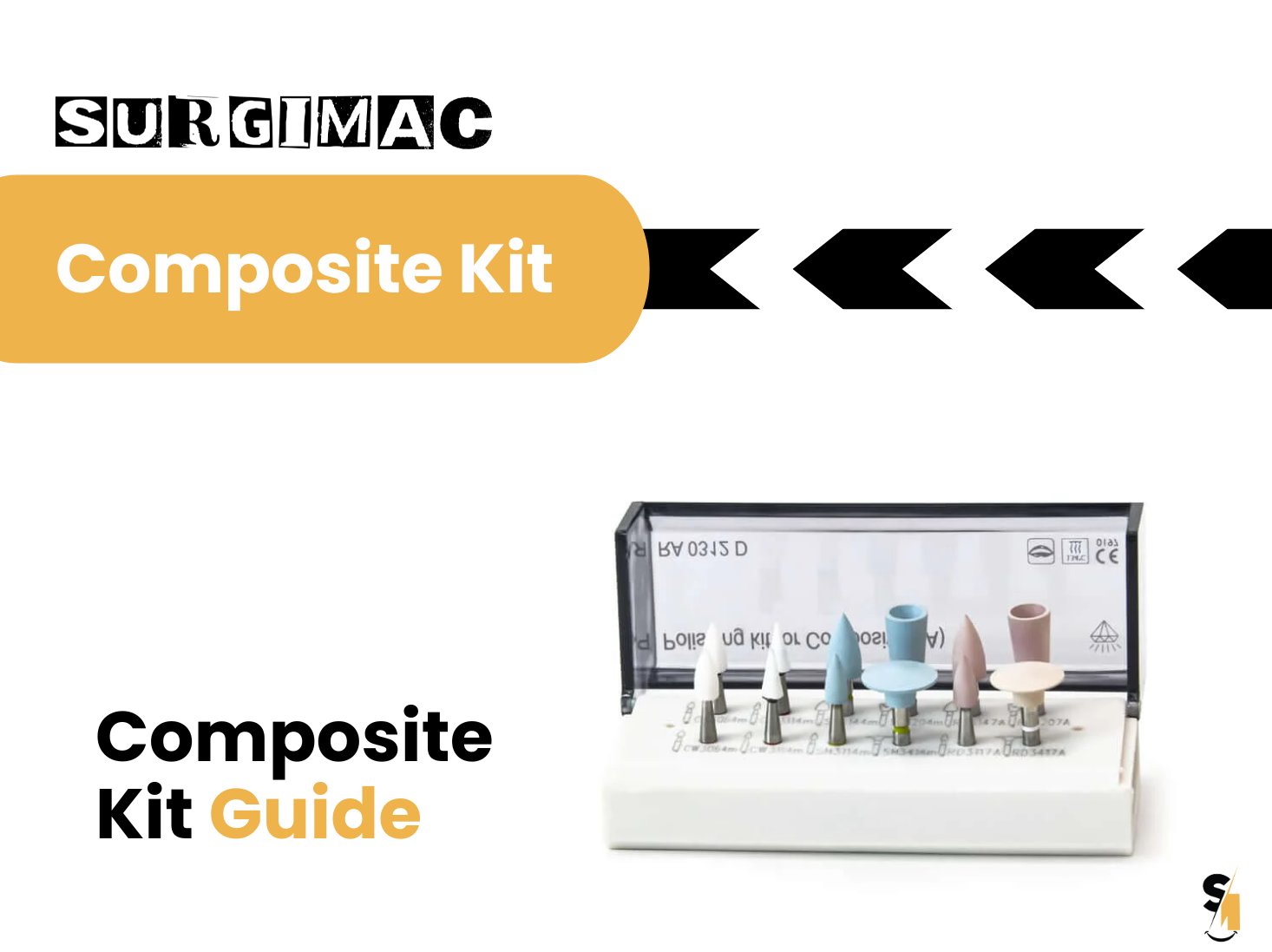
, by SurgiMac A Clinician's Guide to Dental Composite Resin Kits
-
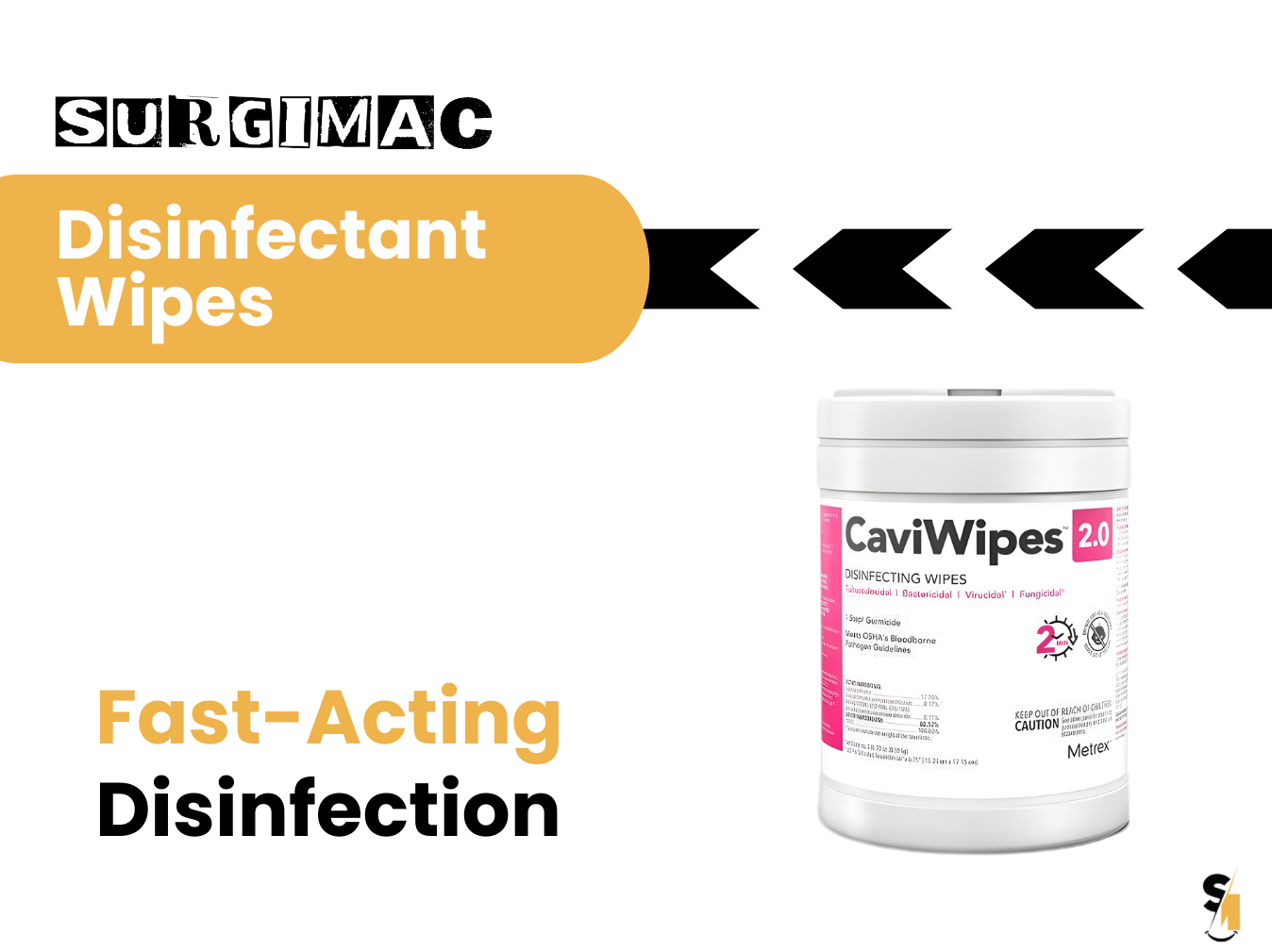
, by SurgiMac How to Disinfect with Metrex CaviWipes Correctly
