


Lidocaine Epinephrine Dental 101: The Ultimate Guide
- , by SurgiMac
- 36 min reading time
Get expert guidance on lidocaine epinephrine dental use, including concentrations, safety tips, and best practices for effective anesthesia in dental procedures.
We’ve all been there: a critical procedure gets complicated by bleeding that obscures your view and compromises your control. This is precisely where lidocaine with epinephrine makes a difference. While the lidocaine ensures profound anesthesia, the epinephrine delivers powerful vasoconstriction for a clean, visible surgical field. This hemostatic control is essential for accurate work, especially with tools like MacCut surgical blades. This guide details how using the right lidocaine epinephrine dental concentration enhances procedural control and supports the high standards of care your patients expect.
Key Takeaways
- Rely on the synergy of lidocaine and epinephrine: Lidocaine delivers fast-acting pain control by blocking nerve impulses, while epinephrine extends the anesthetic's duration and provides critical hemostasis for a clearer surgical field.
- Tailor the concentration to the procedure: Select the right epinephrine level for every case, using 1:50,000 for surgical hemostasis, 1:100,000 for routine restorative work, and 1:200,000 for patients with specific health considerations.
- Uphold safety with fundamental protocols: Always perform a thorough medical history review, calculate dosage based on patient weight, and use proper aspiration techniques to prevent complications and ensure a safe patient experience.

What Is Lidocaine with Epinephrine?
Lidocaine combined with epinephrine is one of the most widely used local anesthetics in dentistry, and for good reason. This powerful combination provides reliable, effective pain management for a vast range of clinical procedures. By pairing a fast-acting anesthetic with a vasoconstrictor, this formulation allows you to work efficiently while ensuring your patient remains comfortable. Understanding how these two components work together is key to leveraging their full potential for achieving profound anesthesia and optimal surgical conditions. It’s a foundational product in any practice’s inventory of anesthetic supplies.
How Lidocaine Delivers Local Anesthesia
Lidocaine is a trusted amide local anesthetic that works by temporarily blocking the pathway of pain signals along nerve fibers. Specifically, it obstructs sodium channels within the nerve membranes, which prevents the nerve from depolarizing and sending a pain impulse to the brain. This mechanism provides a rapid onset of numbness in the targeted area, making it an excellent choice for procedures where immediate pain control is critical. Its consistent and predictable performance has made it a staple in dental practices for decades, offering reliable anesthesia for everything from restorative work to minor surgical interventions.
Why Add Epinephrine? The Vasoconstrictor's Role
Epinephrine is added to lidocaine formulations for its powerful vasoconstrictive properties, meaning it temporarily narrows the blood vessels at the injection site. This action delivers several significant clinical advantages. First, it slows the rate at which lidocaine is absorbed into the bloodstream, which keeps the anesthetic concentrated in the desired area for a longer period. This extends the duration of numbness, reducing the need for reinjection during lengthy procedures. Second, the reduced blood flow provides excellent hemostasis, minimizing bleeding and giving you a clearer view of the surgical field. This effect is invaluable during extractions, periodontal surgery, and implant placements.
What Makes This Anesthetic Combo So Effective?
When combined, lidocaine and epinephrine create a synergistic effect that enhances the overall quality of local anesthesia. You get the rapid pain-blocking action of lidocaine coupled with the prolonged duration and hemostatic control offered by epinephrine. This dual-action solution ensures patients remain comfortable for the entire procedure while providing you with a clean, visible operating field. The vasoconstriction also reduces the total amount of anesthetic needed and lowers the risk of systemic toxicity by limiting its absorption. This trusted combination is why lidocaine with epinephrine remains the gold standard for countless dental applications, balancing profound anesthesia with enhanced safety and surgical precision.
How Does It Work for Dental Anesthesia?
When lidocaine and epinephrine are combined, they create a powerful and reliable anesthetic solution perfectly suited for dental procedures. Lidocaine handles the primary task of numbing the patient by preventing nerve cells from sending pain signals to the brain. Epinephrine complements this action by constricting blood vessels in the area. This dual-action mechanism not only ensures the patient remains comfortable but also gives you, the clinician, a clearer, more controlled surgical field to work in. Understanding how these two components function together is key to achieving predictable and effective local anesthesia for a wide range of dental treatments, from routine fillings to complex extractions. This synergy is why the combination remains a cornerstone of modern dental practice.
Mechanism of Action and Speed of Onset
Lidocaine works by blocking sodium channels in the nerve membranes. This action stops the initiation and conduction of nerve impulses, effectively preventing pain signals from reaching the brain. One of its most significant clinical advantages is its rapid onset time. When administered, you can expect profound anesthesia to take effect within just a few minutes, allowing procedures to begin promptly. This quick action minimizes patient anxiety and improves overall workflow efficiency in the clinic. The reliability and speed of lidocaine make it an indispensable tool for managing patient comfort during various dental procedures.
Typical Onset Times for Infiltration and Nerve Blocks
The time it takes for lidocaine with epinephrine to take effect depends on your injection technique. For an infiltration injection, where the anesthetic is delivered near the terminal nerve endings of a specific tooth, the onset is very rapid—often within two to three minutes. This is because the solution is placed directly at the site of action. In contrast, a nerve block, which targets a larger nerve trunk to anesthetize an entire region, generally takes slightly longer, around three to five minutes. The anesthetic needs more time to diffuse through tissue and penetrate the nerve bundle. In either scenario, lidocaine’s quick action is a major clinical advantage, allowing you to proceed efficiently with your planned treatment using your preferred dental instruments.
Anesthetic Duration and Hemostatic Control
The addition of epinephrine is what extends the working time of lidocaine. As a vasoconstrictor, epinephrine narrows the blood vessels at the injection site. This reduces blood flow, slowing the rate at which the lidocaine is absorbed into the bloodstream and carried away from the nerve. The result is a longer-lasting anesthetic effect, typically around 60 minutes for local infiltration and up to 90 minutes for nerve blocks. Furthermore, this reduced blood flow provides excellent hemostasis, minimizing bleeding and improving visibility in the surgical field. This makes the combination ideal for procedures where a clear view is critical for precision.
Understanding Pulpal vs. Soft Tissue Anesthesia Duration
It's crucial to distinguish between pulpal and soft tissue anesthesia duration when using lidocaine with epinephrine. While the tooth itself (pulpal anesthesia) typically remains numb for about 60 minutes, the surrounding lips, cheeks, and tongue (soft tissue anesthesia) can stay numb for three hours or more. This difference occurs because the highly vascular pulp tissue metabolizes and clears the anesthetic more quickly. In contrast, the less vascular soft tissues hold onto the anesthetic longer. Understanding this distinction is key for managing patient expectations post-procedure and for planning treatment timelines, especially for longer appointments. Ensuring you have a reliable supply of dental anesthetics allows you to confidently manage both pain and patient communication.
What Factors Influence Anesthetic Effectiveness?
Several factors can influence how well a lidocaine and epinephrine solution works for a given patient. The specific concentration of both the anesthetic and the vasoconstrictor plays a major role, as does the administration technique you use. Patient-specific variables, including their metabolism, the pH of their tissue (inflammation can reduce effectiveness), and the vascularity of the injection site, also contribute to the outcome. The presence of epinephrine is crucial, as it not only prolongs the duration but also localizes the anesthetic effect. By carefully considering these factors, you can optimize your approach and ensure your patients receive effective and reliable pain control with your chosen anesthetic products.
What Are the Top Brands and Formulations?
When you’re focused on patient care, the last thing you want to worry about is the reliability of your supplies. Choosing a trusted brand of local anesthetic ensures consistent performance, predictable onset, and reliable duration, which all contribute to a smoother procedure and a better patient experience. The market offers several high-quality formulations, each tailored to specific clinical needs. Understanding the key players and standard concentrations helps you stock your practice with the right solutions for every scenario, from routine fillings to complex surgical work. Let's explore some of the most dependable options available to dental professionals.
SurgiMac's Premier Anesthetic Selection
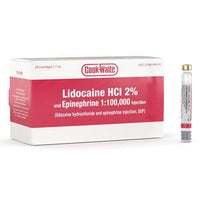
SurgiMac provides a range of anesthetic products designed for clinical reliability. Among them, the Cook-Waite Lidocaine HCL 2% with Epinephrine 1:50,000 is a popular choice for procedures requiring profound anesthesia and maximum hemostasis. This formulation is ideal for surgical applications where controlling bleeding is critical for visibility and success. Each 1.7 mL cartridge is siliconized to ensure a smooth, gentle injection, enhancing patient comfort from the start. Sourcing from a trusted supplier like SurgiMac guarantees you receive products that meet stringent quality standards, allowing you to perform procedures with complete confidence in your materials.
Exploring Other Industry-Leading Brands
Alongside its curated selections, SurgiMac also distributes products from other industry leaders, ensuring you have access to a comprehensive inventory. Septodont is a globally recognized brand known for its high-quality dental pharmaceuticals. Their Lidocaine HCl 2% with Epinephrine 1:100,000 formulation is a staple in dental practices everywhere. It offers an excellent balance of duration and vasoconstriction, making it versatile enough for a wide array of restorative and surgical procedures. Packaged in standard 1.7 mL cartridges, this anesthetic provides the dependable performance that clinicians expect for routine and specialized treatments alike.
Your Guide to Anesthetic Concentrations and Cartridges
When stocking your practice, you'll find that most lidocaine with epinephrine formulations come in two standard concentrations: 1:100,000 and 1:50,000. These options allow you to tailor the anesthetic effect and level of hemostasis to the specific demands of each procedure. The industry-standard 1.7 mL cartridges are designed for compatibility with most dental syringes, simplifying your inventory management. Having both Lidocaine HCL 2% & Epinephrine cartridges on hand ensures you are prepared for any clinical situation, from a simple restoration to a more involved surgical extraction where bleeding control is paramount.
How Do Different Concentrations Compare in Practice?
Choosing the right lidocaine with epinephrine concentration is a key clinical decision that directly impacts procedural success and patient safety. While all formulations provide effective anesthesia, the amount of epinephrine dictates the duration of action, hemostatic control, and potential systemic effects. Understanding the distinct applications for each concentration allows you to tailor your approach for every patient and procedure, from routine fillings to complex surgical interventions. Let's break down the three standard formulations to clarify when and why you might choose one over the other.
When to Use 1:50,000 Epinephrine
The 1:50,000 epinephrine concentration is your most potent option for achieving profound hemostasis. This formulation is ideal for surgical procedures where minimizing bleeding is critical for maintaining a clear field of vision and ensuring a positive outcome. Think of it as the go-to for extractions, periodontal surgery, or implant placements. The higher epinephrine level provides powerful vasoconstriction, which also extends the duration of the anesthetic effect. This makes 2% lidocaine with 1:50,000 epinephrine an excellent choice for longer, more invasive appointments where both pain and bleeding control are top priorities.
When to Use 1:100,000 Epinephrine
Considered the workhorse of dental anesthesia, the 1:100,000 epinephrine concentration strikes an ideal balance between efficacy and safety for a wide range of applications. It provides reliable pain control and adequate hemostasis for most routine restorative procedures, such as fillings, crowns, and root canals. This formulation offers a sufficient duration for typical appointments without the intense vasoconstriction of the 1:50,000 solution. Because it minimizes systemic absorption and potential side effects, lidocaine with 1:100,000 epinephrine is often the standard choice for everyday dentistry, delivering predictable results for the majority of your patients.
When to Use 1:200,000 Epinephrine
When treating patients with cardiovascular concerns or a sensitivity to epinephrine, the 1:200,000 concentration is the safest choice. This formulation contains the lowest dose of vasoconstrictor, reducing the impact on heart rate and blood pressure. Research confirms that 2% lidocaine with 1:200,000 epinephrine offers a better safety profile regarding hemodynamic parameters compared to higher concentrations. While it provides slightly less hemostasis and a shorter duration of action, it delivers effective anesthesia for many procedures, making it an invaluable option for medically compromised or elderly patients where caution is paramount.
How to Choose the Right Concentration for Each Procedure
Selecting the appropriate concentration comes down to a careful assessment of two key factors: the patient’s medical history and the specific demands of the procedure. Always begin with a thorough review of the patient's health, paying close attention to any cardiovascular conditions. Next, consider the procedural requirements. Do you need significant hemostasis for a surgical extraction? A 1:50,000 solution is likely best. Is it a routine crown preparation on a healthy patient? The 1:100,000 formulation is a reliable choice. By tailoring your selection from a trusted source of anesthetic supplies, you can ensure both effective anesthesia and optimal patient safety.
Which Procedures Rely on Lidocaine with Epinephrine?
Lidocaine with epinephrine is a cornerstone of modern dentistry, valued for its reliability across a wide spectrum of clinical applications. Its dual-action formula provides profound numbness while controlling bleeding, making it an indispensable tool for ensuring patient comfort and procedural success. From routine restorative work to complex surgical interventions, this combination allows clinicians to work with precision and confidence. Its predictable onset and duration make it a go-to choice for practitioners who need consistent results, ensuring a smooth workflow and positive patient outcomes in daily practice.
For Restorative Dentistry and Routine Care
In restorative dentistry, lidocaine with epinephrine is a true workhorse. Its rapid onset and effective numbing for one to two hours make it ideal for common procedures like fillings, crown preparations, and root canals. The vasoconstrictive properties of epinephrine are particularly beneficial, as they minimize bleeding and gingival fluid seepage. This creates a clean, dry field, which is critical for successful bonding when using modern cements and adhesives. By ensuring excellent visibility and moisture control, this anesthetic helps you achieve precise margins and durable restorations every time.
For Oral Surgery and Periodontal Treatments
For more invasive procedures, the hemostatic effect of epinephrine is non-negotiable. In oral surgery, such as tooth extractions and implant placements, it significantly reduces bleeding, providing a clear view of the surgical site. This is also vital in periodontal treatments like gingivectomies or flap surgeries, where precision is paramount. A well-controlled field allows for accurate incisions with tools like MacCut surgical blades and meticulous wound closure. After the procedure, you can rely on high-quality sutures from our MacSuture collection to ensure optimal healing, confident that the initial hemostasis has set the stage for a successful recovery.
Special Considerations for Pediatric Dentistry
When treating children, the primary goal is to provide a safe and positive experience, and effective anesthesia is key. Lidocaine with epinephrine is commonly used in pediatric dentistry, but it requires careful consideration. Dosage must be meticulously calculated based on the child’s weight to prevent overdose, as younger patients have a lower tolerance. The Mayo Clinic advises that children under six months require especially close monitoring. By administering the correct dose, you can achieve profound anesthesia that keeps the child comfortable throughout the procedure, helping to build trust and reduce dental anxiety for future visits.
What Are the Essential Safety Considerations?
While lidocaine with epinephrine has a long-standing record of safety and efficacy, responsible administration is key to ensuring positive patient outcomes. Like any clinical procedure, using this anesthetic requires a clear understanding of potential reactions, patient-specific contraindications, and established safety protocols. By prioritizing these considerations, you can confidently manage patient comfort while upholding the highest standards of care. Adhering to best practices not only protects your patients but also reinforces the trust they place in your practice.
Potential Adverse Reactions and Cardiovascular Effects
Even with careful administration, some patients may experience mild side effects from lidocaine with epinephrine. Potential reactions can include an increased heart rate, a feeling of anxiety, or, in rare cases, dizziness. These effects are typically transient and resolve quickly, but close monitoring is essential. Keeping the patient informed and comfortable can help manage any anxiety. Having reliable and clearly labeled anesthetic products on hand ensures you are administering the correct, high-quality formulation, which is the first step in minimizing the risk of adverse reactions and maintaining procedural control.
Central Nervous System and Respiratory Effects
While highly effective, lidocaine can impact the central nervous system (CNS) if systemic absorption becomes excessive. Lidocaine’s primary function is to block sodium channels in nerve membranes, which stops pain signals from reaching the brain. However, if high concentrations enter the bloodstream, this same mechanism can affect the CNS, leading to symptoms ranging from drowsiness and lightheadedness to more severe reactions like muscle twitching, tremors, or even seizures. In very rare, high-dose scenarios, it can lead to respiratory depression. This is why adhering to proper dosage calculations based on patient weight and using careful aspiration techniques are fundamental safety measures in every procedure.
Methemoglobinemia: A Rare But Serious Risk
Methemoglobinemia is a rare but serious condition where the iron in hemoglobin is oxidized, rendering it unable to transport oxygen effectively. While more commonly associated with other anesthetics like prilocaine, it can occur with lidocaine, especially in cases of overdose. According to Septodont, accidental intravascular injection or slow metabolic breakdown can increase this risk. The hallmark sign is cyanosis (a bluish tint to the skin and mucous membranes) that doesn't respond to oxygen therapy, accompanied by symptoms like headache, dizziness, and shortness of breath. Immediate recognition and management are critical, underscoring the importance of vigilant patient monitoring during and after anesthetic administration.
Cardiovascular and Blood Pressure Changes
The epinephrine in the anesthetic solution is responsible for most cardiovascular effects. Its vasoconstrictive properties are excellent for achieving hemostasis, but they can also cause a temporary increase in heart rate and blood pressure. Most healthy patients tolerate these changes without issue. However, for individuals with pre-existing cardiovascular conditions, these effects can be more significant. This is why a thorough medical history review is non-negotiable before administering any anesthetic with epinephrine. By understanding your patient's health status, you can select the appropriate concentration and minimize the risk of adverse cardiovascular events.
Signs of a True Allergic Reaction
True allergic reactions to amide anesthetics like lidocaine are exceedingly rare, but it's crucial to distinguish them from more common side effects. While a patient might feel anxious or experience a racing heart from the epinephrine, a genuine allergy presents with specific immunological responses. According to the Mayo Clinic, signs of a true allergic reaction include skin rash, hives, severe itching, and swelling of the face, lips, tongue, or throat, which can lead to difficulty breathing. These symptoms constitute a medical emergency and require immediate intervention. Always be prepared to manage anaphylaxis in your practice.
Common, Less Severe Side Effects
Most side effects associated with lidocaine with epinephrine are mild, transient, and directly related to the epinephrine component. It's not uncommon for patients to report feeling a bit shaky, anxious, or experiencing heart palpitations shortly after the injection. These symptoms typically resolve within a few minutes as the body metabolizes the epinephrine. Reassuring the patient that these feelings are normal and temporary can help alleviate their anxiety. Proper injection technique, including slow administration, also helps minimize these effects, ensuring a more comfortable experience for your patient from start to finish.
Screening Patients: Contraindications and Medical History
A thorough patient screening is the foundation of safe anesthetic administration. Before any procedure, it's crucial to review a patient's complete medical history to identify potential contraindications. Pay close attention to conditions like severe heart disease, uncontrolled high blood pressure, or known allergies. Asking targeted questions about their health history helps you make an informed decision about whether lidocaine with epinephrine is the appropriate choice. This diligence prevents complications and demonstrates a commitment to personalized, patient-centered care, building a strong and trusting relationship from the start.
Key Drug Interactions to Avoid
A patient's current medications can significantly impact their response to local anesthesia. It's critical to be aware that combining lidocaine with epinephrine with certain drugs can lead to adverse effects. For instance, using it concurrently with other local anesthetics can amplify toxic effects. More critically, patients taking monoamine oxidase inhibitors (MAOIs) or tricyclic antidepressants are at risk for severe hypertensive episodes if administered epinephrine. According to drug labeling from Pfizer, it's best to avoid using these combinations if possible. A detailed medication review during the patient screening process is your best defense against these preventable drug interactions.
Patients with Sulfite Allergies or Asthma
Many anesthetic formulations, including lidocaine with epinephrine, contain sodium metabisulfite as a preservative. While generally harmless, this sulfite can trigger severe allergic reactions in susceptible individuals, particularly those with asthma. Reactions can range from mild wheezing to life-threatening anaphylaxis. Therefore, it's essential to specifically ask patients about any known sulfite allergies or a history of asthma before administration. Being prepared for any potential adverse event is part of a safe practice. Ensuring your clinic is stocked with emergency response supplies, including reliable protective gear from a line like MacSafe, helps you stay ready for any situation.
Considerations for Patients with Liver Disease
Lidocaine is primarily metabolized in the liver. For patients with compromised liver function, this process can be significantly slowed, leading to an accumulation of the drug in the bloodstream and an increased risk of systemic toxicity. If you are treating a patient with known hepatic disease, it is crucial to exercise caution. This typically involves reducing the total dose of the anesthetic and extending the time between injections. Close monitoring for signs of toxicity, such as dizziness, confusion, or muscle twitching, is also essential to ensure patient safety throughout the procedure and recovery period.
Guidelines for Pregnancy and Breastfeeding
Treating pregnant patients requires a careful balance between providing necessary dental care and ensuring the safety of both mother and fetus. While lidocaine with epinephrine is generally considered safe for use during pregnancy when clinically indicated, it does cross the placenta. The American Dental Association supports providing necessary treatment, but it's wise to use the lowest effective dose and consult with the patient's obstetrician if there are any concerns. For breastfeeding mothers, small amounts of lidocaine may pass into breast milk, but it is poorly absorbed by the infant and is generally considered compatible with breastfeeding.
Risk of Tissue Damage and Chondrolysis
While not a common concern in dental practice, it's important to be aware of the full safety profile of the anesthetics you use. The official labeling for lidocaine with epinephrine includes a warning against intra-articular infusions, particularly for post-operative pain management. This practice has been linked to reports of chondrolysis, which is the breakdown of joint cartilage, especially in the shoulder. This warning underscores the importance of using anesthetics strictly for their intended routes of administration and indications. Adhering to approved dental injection techniques ensures you avoid such risks and maintain the highest standard of patient safety.
Maximum Dosage Guidelines and Emergency Protocols
Adhering to established dosage guidelines is non-negotiable. The maximum recommended dose of lidocaine with epinephrine is determined by the patient's weight, making careful calculation especially important in pediatric dentistry. Always document the dosage administered in the patient's chart. Beyond dosage, every practice should have clear emergency protocols in place. This includes having a well-stocked emergency kit and ensuring your team is trained to respond effectively. Maintaining proper infection control standards with products like MacSafe gloves and disposables is also a critical component of overall procedural safety.
Debunking Common Myths About Epinephrine
Patients may sometimes express concern about epinephrine, often due to common misconceptions. It's helpful to clarify that epinephrine is not just an additive; it's a vital component that serves two key safety functions. As a vasoconstrictor, it localizes the anesthetic, prolonging its effect so you can work without interruption. It also reduces bleeding at the injection site, which improves visibility and creates a cleaner surgical field. Educating patients on how epinephrine enhances both the safety and effectiveness of their treatment can ease their fears and reinforce their confidence in your clinical judgment.
How to Administer This Anesthetic Safely
Administering lidocaine with epinephrine is a routine part of daily practice, but maintaining the highest safety standards is non-negotiable. Consistent, careful protocols protect your patients and reinforce your clinic's reputation for excellent care. From the moment you pick up the syringe to post-procedure monitoring, every step matters. Following established best practices for injection technique, patient monitoring, product handling, and overall safety ensures predictable outcomes and patient confidence. These protocols are not just about avoiding complications; they are about delivering the smoothest, most comfortable experience possible. Let's walk through the key components of safe and effective administration.
Proper Injection and Aspiration Techniques
Effective and safe administration begins with meticulous technique. A slow injection rate is crucial for minimizing patient discomfort and preventing a rapid systemic uptake of the anesthetic. Before depositing the solution, always perform an aspiration test by gently pulling back on the plunger. This simple but critical step ensures the needle tip is not inside a blood vessel, which helps you avoid an intravascular injection and the potential for systemic toxicity. Using high-quality, sterile anesthetic supplies and a fresh, sharp needle for each injection further enhances patient comfort and procedural precision. Mastering these foundational techniques is essential for achieving profound anesthesia while prioritizing patient safety in every procedure.
How to Monitor Patients and Assess Vital Signs
Vigilant patient monitoring is a cornerstone of safe anesthetic administration. During and after the injection, maintain verbal contact and observe the patient for any signs of adverse reactions, such as dizziness, anxiety, or changes in breathing. For patients with pre-existing cardiovascular conditions or those receiving higher doses, monitoring vital signs like heart rate and blood pressure is a critical precaution. According to the American Dental Association, being prepared for any response is key. This continuous assessment allows for immediate intervention if needed and provides an essential layer of safety, ensuring a controlled and secure clinical environment for every patient.
Best Practices for Storage and Handling
The efficacy and safety of lidocaine with epinephrine depend heavily on proper storage and handling. Anesthetic cartridges should be stored in a cool, dry place away from direct sunlight and heat, as exposure can degrade the epinephrine and reduce the solution's effectiveness. Before loading a cartridge, always inspect it for cracks, check the expiration date, and ensure the solution is clear and free of precipitates. Proper handling also extends to disposal; used needles and cartridges must be discarded in designated sharps containers to maintain a safe clinical environment. Adhering to these protocols ensures that every dose you administer is both potent and safe, upholding the standards of your practice's infection control plan.
Product Formulation: Latex-Free and Preservative-Free Options
Patient safety starts with the products you choose. Many modern anesthetic formulations, like the Cook-Waite lidocaine available through SurgiMac, are specifically designed to minimize allergic reactions. These products are often formulated without methylparaben, a preservative that can trigger sensitivities in some patients. Furthermore, they are latex-free, which is a critical safety feature to prevent reactions in patients with latex allergies. When you select high-quality, thoughtfully formulated anesthetic supplies, you’re taking a proactive step to protect your patients and ensure a smooth, complication-free procedure. Always check the product specifications to confirm its composition before administration.
Proper Storage Temperature and Conditions
To ensure your anesthetic is effective when you need it, proper storage is essential. Lidocaine with epinephrine cartridges should be kept at a controlled room temperature, ideally below 77°F (25°C), and protected from direct sunlight and heat sources. Exposure to high temperatures can cause the epinephrine to degrade, which will shorten the anesthetic's duration and reduce its hemostatic properties. This simple step preserves the chemical integrity of the solution, ensuring you get the predictable, reliable performance you expect. Think of it as a small but crucial part of your inventory management that directly impacts clinical outcomes and patient comfort.
Avoiding Contamination from Disinfecting Solutions
Maintaining the sterility of anesthetic cartridges is critical, but the method you use matters. Never submerge cartridges in disinfecting solutions, especially those containing quaternary ammonium salts. As noted in guidelines from DailyMed, these chemicals can compromise the rubber diaphragm, leading to contamination of the anesthetic solution. Instead of soaking, the correct protocol is to wipe the diaphragm with an appropriate disinfectant just before use. This practice is a key component of a robust infection control strategy, ensuring that the anesthetic you administer is sterile and safe, protecting both the patient and the integrity of your procedure.
Key Safety Precautions During Administration
A thorough pre-administration routine is your first line of defense. Always begin by reviewing the patient's complete medical history, paying close attention to cardiovascular conditions, liver function, and any known allergies to amide anesthetics. Clear communication about the procedure helps manage patient anxiety and builds trust. It is also essential to be prepared for potential adverse reactions, however rare. This includes having a well-stocked emergency kit and established protocols for managing medical emergencies. Finally, ensure you and your staff are protected by using appropriate personal protective equipment, such as MacSafe disposable gloves, to prevent needlestick injuries and maintain aseptic technique throughout the procedure.
Post-Procedure Patient Guidance
Your responsibility for patient safety doesn't end when the procedure is over. The final, critical step is providing clear, concise post-operative instructions to ensure a smooth and complication-free recovery at home. When patients leave your office still numb from lidocaine with epinephrine, they are at risk for accidental soft tissue injury. Equipping them with simple, actionable guidance is essential for preventing issues like bitten lips or cheeks. This not only protects the patient but also reinforces their trust in your practice, demonstrating that your care extends beyond the dental chair. Let's cover the key instructions that every patient should receive.
Instructing Patients on Post-Anesthesia Care
Clear communication is key to a safe recovery. Before your patient leaves the chair, provide them with direct and easy-to-follow instructions. Advise them to avoid eating any solid foods until the numbness has completely subsided, which can take a few hours. Suggest soft foods or liquids in the meantime. Emphasize that they should not bite, chew, or poke the numb area of their lip, cheek, or tongue. As the Mayo Clinic notes, this simple guidance is crucial to prevent accidental injury while the anesthetic effect lingers. Providing these instructions both verbally and in a written handout can help ensure compliance and a smooth, uneventful recovery process for your patient.
Preventing Accidental Soft Tissue Injury
Explaining the "why" behind your instructions can significantly improve patient adherence. Patients, especially children, may not understand the risk of injury when they can't feel a part of their mouth. Take a moment to explain that the profound numbness that kept them comfortable during the procedure also means they can't feel pain from biting their own tissue. As we've discussed, you can ease their fears by framing the anesthetic's effectiveness as a benefit that simply requires a little caution afterward. Before they depart, maintain verbal contact and observe them for a few moments to ensure they are not already unconsciously biting or worrying the numb area. This final check provides an extra layer of safety and reinforces your commitment to their total wellbeing.
Why Is It Often Preferred Over Other Dental Anesthetics?
Lidocaine with epinephrine has become a cornerstone of modern dental practice for several compelling reasons. Its widespread adoption isn't based on tradition alone; it’s rooted in a unique combination of efficacy, safety, and procedural control that few other local anesthetics can match. For clinicians, the choice of anesthetic directly impacts workflow efficiency, patient comfort, and the final clinical outcome. This combination consistently delivers predictable results, making it a reliable choice for a vast range of dental treatments, from simple restorations to complex surgical interventions.
The preference for lidocaine with epinephrine stems from three primary advantages: its fast-acting and long-lasting anesthetic effect, its ability to provide excellent hemostasis for a clear surgical field, and its well-established safety profile. Together, these benefits allow dental professionals to perform procedures with greater confidence and precision. When sourcing these essential supplies, it's crucial to choose a provider that guarantees quality and consistency, which is why many practices rely on a comprehensive range of anesthetic products to meet their clinical needs and ensure patient safety. This reliability is what makes it a staple in dental operatories across the country.
Fast-Acting and Long-Lasting Anesthesia
In a busy dental practice, efficiency is key. Lidocaine is a true workhorse, known for its rapid onset that allows procedures to begin just a few minutes after administration. This quick action minimizes patient waiting time and helps keep appointments on schedule. Once effective, the anesthesia typically provides profound numbing for about one to two hours, a duration that is ideal for the majority of restorative and surgical dental procedures. This predictable timeframe ensures the patient remains comfortable from start to finish without subjecting them to unnecessarily prolonged numbness after the appointment, striking a perfect balance between procedural efficacy and patient experience.
Improved Hemostasis for Better Visibility
The inclusion of epinephrine is what truly sets this combination apart, particularly for surgical applications. As a vasoconstrictor, epinephrine narrows the blood vessels at the injection site. This action provides critical hemostasis, significantly reducing bleeding during the procedure. The result is a much clearer surgical field, which is essential for treatments requiring high precision, such as periodontal surgery, extractions, or implant placements. When working with ultra-sharp MacCut surgical blades, for example, enhanced visibility is paramount for ensuring clean incisions and protecting surrounding tissues. This improved control allows clinicians to work more accurately and efficiently, leading to better outcomes.
A Trusted Safety Profile and Minimal Bleeding
With decades of clinical use and extensive research, lidocaine with epinephrine has a proven track record of safety and reliability. When administered correctly following a thorough patient medical history review, it is a safe choice for most patients. Studies have even shown that formulations with lower epinephrine concentrations, such as 1:200,000, maintain excellent efficacy while offering an even better safety profile regarding hemodynamic effects. The vasoconstriction provided by epinephrine also limits the systemic absorption of lidocaine, keeping the anesthetic localized to the treatment area and further enhancing its safety. This, combined with reduced bleeding, minimizes procedural risks and supports a smoother patient recovery.
Where Can You Source Reliable Anesthetic Supplies?
Choosing a supplier for your anesthetic solutions is a critical decision that directly impacts patient safety and procedural success. A reliable partner does more than just ship boxes; they provide consistent access to high-quality products, ensure regulatory compliance, and understand the operational needs of a modern dental practice. When your supply chain is dependable, you can focus entirely on delivering exceptional patient care without worrying about product availability or efficacy. Sourcing from a trusted provider ensures you have the right formulations on hand for every clinical scenario, backed by stringent quality control.
Shop SurgiMac's Comprehensive Anesthetic Collection
Having access to a range of anesthetic options is essential for tailoring pain management to individual patient needs and specific procedures. At SurgiMac, we offer a complete selection of anesthetic products to equip your practice for any situation. Our inventory includes trusted solutions like Cook-Waite Lidocaine HCl 2% with Epinephrine, available in common concentrations such as 1:50,000 and 1:100,000. This variety ensures you can achieve the desired level of vasoconstriction and duration of anesthesia, whether you're performing a routine restoration or a complex surgical extraction. By providing these proven formulations, we help you deliver predictable and effective local anesthesia every time.
Ensuring Quality Standards and Compliance
When administering anesthetics, there is no room for compromise on quality. Sourcing your supplies from a reputable distributor guarantees that every cartridge meets strict manufacturing and regulatory standards. SurgiMac is committed to providing products that are safe, effective, and fully compliant, giving you complete confidence in the materials you use for patient care. This commitment to excellence protects your patients, upholds your practice's reputation, and ensures you are always aligned with industry best practices. Choosing a supplier dedicated to quality control is a fundamental part of responsible clinical practice and risk management.
Streamline Your Inventory with Bulk Purchasing Options
Managing inventory can be a significant challenge for busy dental practices. Running out of an essential item like lidocaine can disrupt your schedule and compromise patient treatment. SurgiMac helps you maintain a well-stocked clinic by offering convenient bulk purchasing options for anesthetic supplies. Buying in larger quantities not only ensures you have critical products on hand when you need them but also simplifies your ordering process and can lead to significant cost savings. Streamlining your procurement allows your team to spend less time on administrative tasks and more time focusing on what matters most: your patients.
Frequently Asked Questions
Q: What's the practical difference between the 1:100,000 and 1:50,000 epinephrine concentrations?
A: Think of 1:100,000 as your reliable everyday option for routine restorative work like crowns and fillings—it provides strong anesthesia with sufficient bleeding control. The 1:50,000 concentration contains more epinephrine, making it ideal for surgical procedures where maximum hemostasis is critical, such as extractions or periodontal surgery.
Q: Is it safe to use lidocaine with epinephrine on patients with cardiovascular disease?
A: This requires careful clinical judgment and a thorough review of the patient’s medical history. Many patients with well-controlled cardiovascular conditions can safely receive limited amounts of epinephrine, often at lower concentrations like 1:200,000. It’s important to consult the patient’s physician when needed, adhere strictly to dosage guidelines, and use proper injection technique. In many cases, achieving profound anesthesia reduces overall stress, which is beneficial for the patient.
Q: Why might an anesthetic injection be less effective in an infected or inflamed area?
A: Infected or inflamed tissues are more acidic (lower pH), which interferes with how the anesthetic works. Lidocaine must be in a non-ionized form to penetrate the nerve membrane effectively. The acidic environment reduces the availability of this form, making it more difficult to achieve adequate numbness in that area.
Q: What are the most important steps to prevent an intravascular injection?
A: The most critical step is aspiration. After positioning the needle, gently pull back on the syringe plunger to check for blood. If aspiration is positive, reposition the needle and test again before injecting. Pair this with a slow, controlled injection technique to minimize risks and ensure patient safety.
Q: How should I explain the role of epinephrine to an anxious patient?
A: Keep the explanation simple and reassuring. Let them know that epinephrine helps the anesthetic work more effectively and last longer, so they remain comfortable throughout the procedure. You can also explain that it reduces bleeding, which allows for a safer and more precise treatment. Framing it as something that enhances both comfort and safety usually helps ease concerns.
Related Clinical Resources
- Mastering Dental Anesthetics: A Clinician's Guide
- Orabloc Articaine Injection Cartridges 50/Pk | SurgiMac Dental Supply
Related Articles
Tags
Blog posts
-
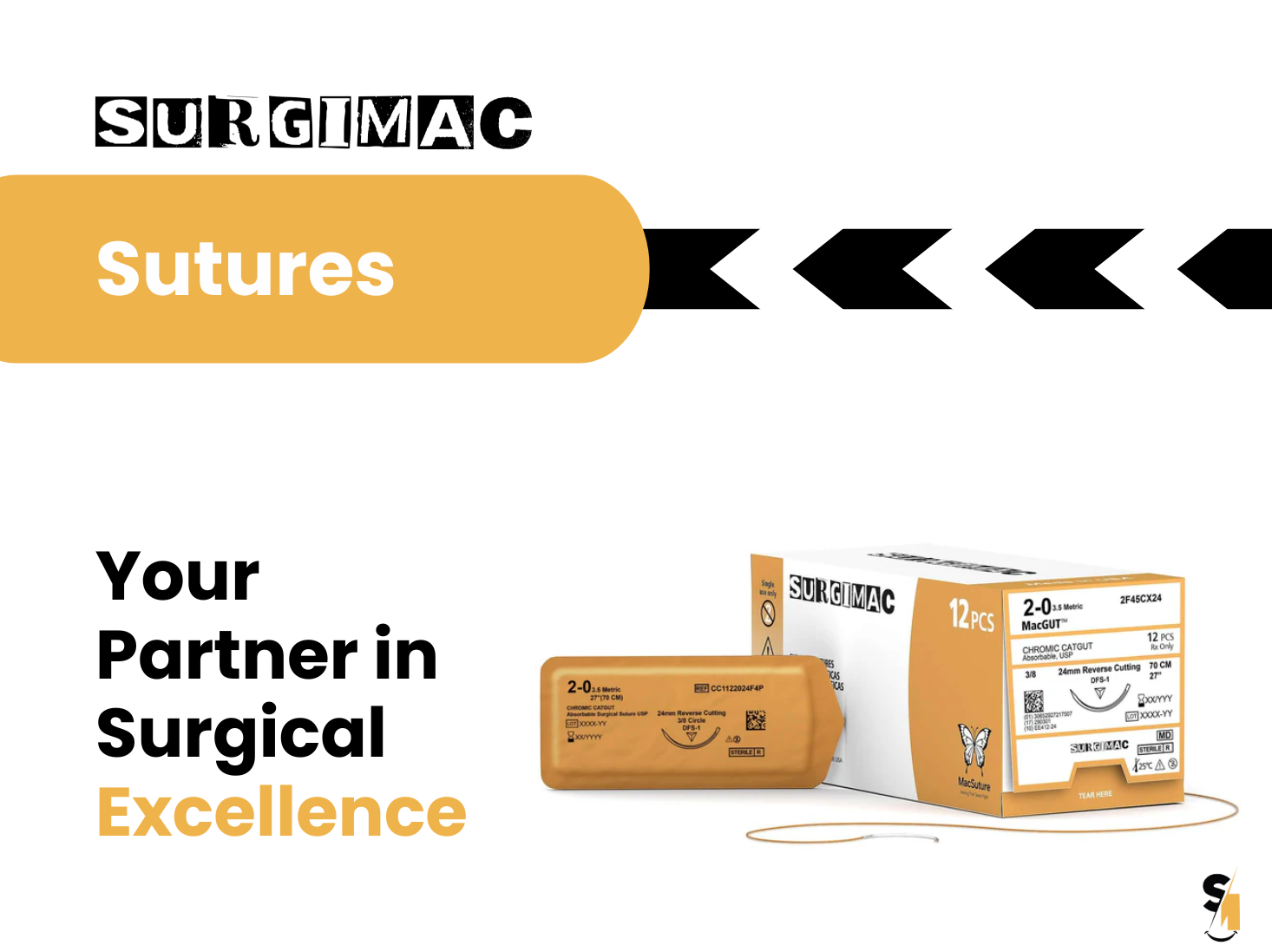
, by SurgiMac A Clinician's Guide to Absorbable Suture Material
-
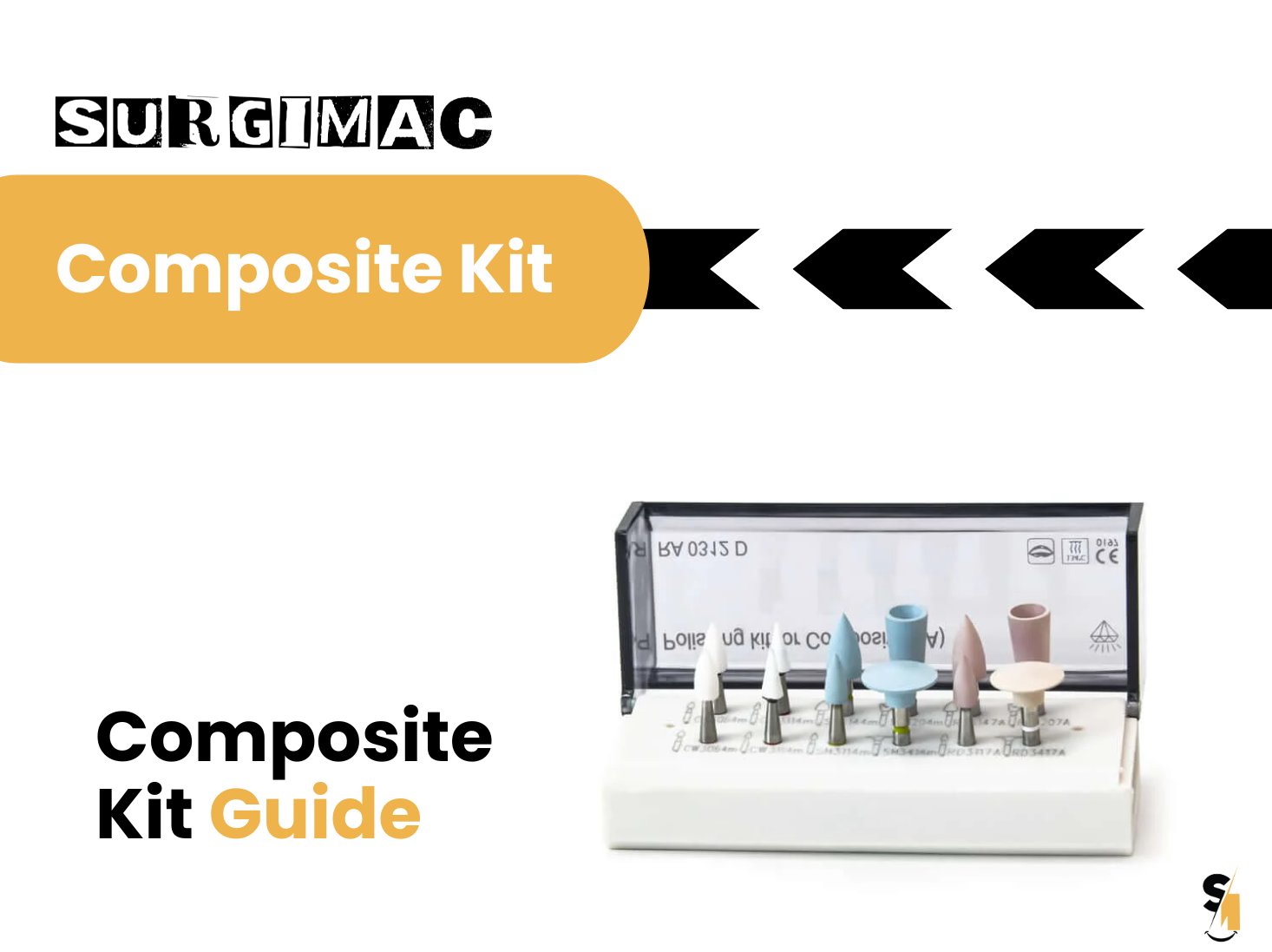
, by SurgiMac A Clinician's Guide to Dental Composite Resin Kits
-
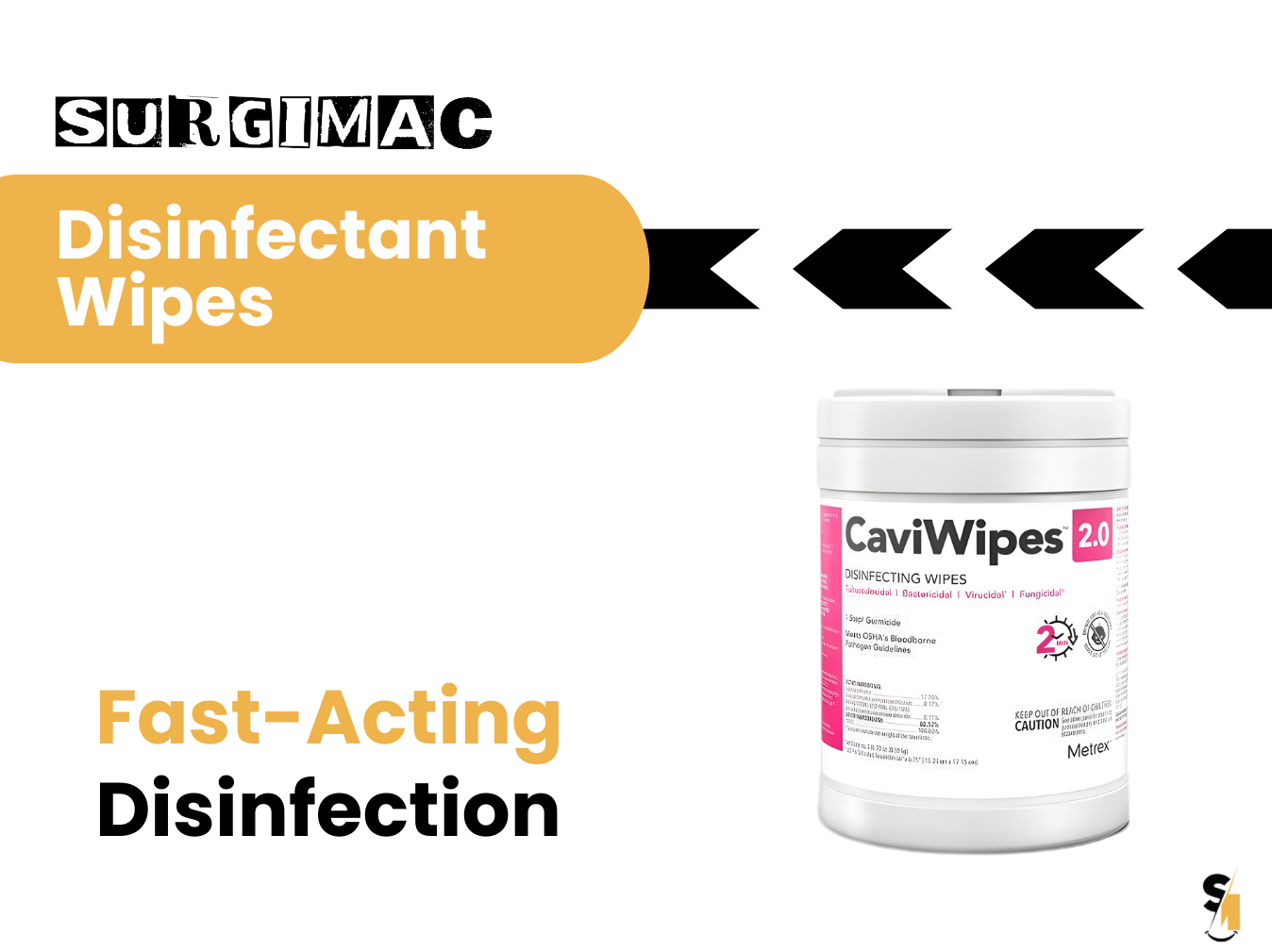
, by SurgiMac How to Disinfect with Metrex CaviWipes Correctly
