
Needle Driver vs Forceps: What's the Difference?
- , by SurgiMac
- 26 min reading time
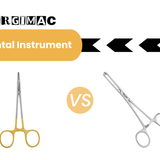
Needle driver vs forceps: Learn the key differences, clinical uses, and how to choose the right instrument for safe, efficient dental and surgical care.
Think of your surgical tray like a specialist's toolbox. You wouldn't use a delicate screwdriver to pry something open, and you wouldn't use a heavy hammer for a task requiring finesse. The same logic applies in a clinical setting, especially when it comes to the needle driver vs forceps discussion. One is a powerful, specialized tool for suturing, designed to grip a needle with unshakeable force. The other is a versatile instrument for gently grasping and manipulating tissue. Confusing their roles can compromise the integrity of your work. Let's clarify their distinct purposes to ensure you're always working with precision, efficiency, and the right tool for the job.
Key Takeaways
- Needle Drivers Suture, Forceps Handle Tissue: A needle driver's sole purpose is to securely guide a suture needle, thanks to its locking jaws. Forceps are designed for the delicate task of grasping, stabilizing, and retracting tissue without causing trauma.
- The Jaws and Lock Reveal the Job: An instrument's function is clear from its design. Needle drivers have short, strong, cross-hatched jaws and a ratchet lock for gripping metal. Forceps have varied, more delicate tips, usually without a lock, for safely managing soft tissue.
- Proper Selection Protects Patients and Instruments: Using the wrong tool is a critical error that can damage instruments and harm patients. Suturing with forceps causes needle slippage and tissue trauma, while grasping tissue with a needle driver can crush it and compromise healing.

Needle Driver vs. Forceps: What's the Difference?
At a glance, needle drivers and forceps can look quite similar, but using them interchangeably is a critical mistake that can compromise procedural success and patient safety. Each instrument is engineered for a distinct purpose, with specific design features that make it the right tool for one job and the wrong tool for another. Understanding the fundamental differences between them is the first step toward ensuring you have the correct instrument in hand for every task, from suturing a complex incision to gently manipulating delicate tissue. Let's break down what defines each tool and its primary role in a clinical setting.
What Is a Needle Driver?
A needle driver, also known as a needle holder, is a specialized surgical instrument designed for one primary job: to securely grasp and guide a suturing needle. Think of it as the ultimate tool for precision stitching. Its design is all about providing maximum control and preventing needle slippage. The jaws are typically short and sturdy, with a serrated or cross-hatched texture for an unshakeable grip. Most importantly, needle drivers feature a locking ratchet mechanism that holds the needle firmly in place. This allows you to maneuver the needle through tissue with confidence, making it essential for closing wounds and ensuring every stitch is perfectly placed for optimal healing.
What Are Forceps?
While a needle driver is a specialist, forceps are the versatile multi-taskers on your instrument tray. Their main purpose is to grasp, hold, and manipulate tissues or other materials during a procedure. Unlike needle drivers, most forceps are not designed for suturing and typically lack a locking mechanism. Their jaws are crafted to handle delicate tissues gently, minimizing trauma. You'll find them in countless shapes and sizes, each tailored for a specific task, from holding a piece of gauze to retracting soft tissue. For example, the fine tips of Adson forceps are perfect for delicate work, while hemostatic forceps are designed to clamp vessels. They are indispensable for maintaining a clear field and controlling materials, but they are not the right tool for driving a needle.
Key Design Differences: Needle Driver vs. Forceps
At a glance, needle drivers and forceps might seem interchangeable, but their designs are fundamentally different, each tailored for a specific clinical function. Understanding these distinctions is the first step to ensuring you use the right instrument for every task, which directly impacts procedural efficiency and patient outcomes. The main differences come down to four key areas: the jaws, the locking mechanism, the overall construction, and the materials used. Choosing an instrument with the right features ensures you have the control and precision you need.
Jaws and Grip
The most telling difference between a needle driver and forceps lies in the design of their jaws. A needle driver features short, sturdy jaws with a serrated or cross-hatched surface. This design provides a secure, non-slip grip specifically for holding a suture needle, preventing it from twisting or slipping as you pass it through tissue. In contrast, forceps have a wide variety of jaw types depending on their intended use. Tissue forceps may have fine teeth for grasping delicate structures, while dressing forceps are often serrated for holding gauze.
Locking vs. Non-Locking Mechanisms
Most needle drivers are equipped with a ratchet, which is a locking mechanism located near the finger rings. This allows you to clamp the instrument onto a needle and maintain a firm hold without applying constant manual pressure. This feature is critical for reducing hand fatigue during lengthy or complex suturing procedures. While some types of forceps, like hemostats, also have locking ratchets to clamp vessels, many common forceps are non-locking. These spring-action forceps are designed for quick grasping and releasing of tissues or materials.
Handle and Body Construction
The overall build of a needle driver is optimized for leverage and control. They typically have a shorter, more robust body compared to many forceps, providing the strength needed to drive a needle through dense tissue without flexing. While both instruments often feature finger-ring handles, the ergonomic design can vary. For example, SurgiMac’s Hexa Series instruments feature hollow, non-slip handles for superior balance and tactile feedback during surgical procedures. This contrasts with the often longer, more slender build of many forceps.
Materials and Finishes
Both needle drivers and forceps are crafted from high-grade stainless steel to ensure durability and allow for repeated sterilization. However, premium needle drivers often feature tungsten carbide inserts in their jaws, which are identifiable by their gold-colored handles. This addition provides an exceptionally hard and durable gripping surface. For enhanced visibility, instruments like those in the Titanium Black Series feature a specialized coating that reduces glare under bright clinical lighting. The quality of the material, as seen in the reliable Pro Series, ensures your instruments perform consistently.
Common Types of Needle Drivers
Not all needle drivers are created equal. Just as you’d choose a specific bur for a specific preparation, the needle driver you select should be tailored to the procedure, the suture size, and the tissue type. Using the right instrument not only makes your job easier but also protects the integrity of the suture needle and ensures precise, predictable wound closure. Understanding the most common types will help you equip your practice with the tools you need for a wide range of clinical situations, from routine extractions to delicate periodontal surgery.
Mayo-Hegar: The All-Purpose Standard
Think of the Mayo-Hegar needle driver as the reliable workhorse of your surgical tray. It’s one of the most widely used instruments due to its simple, effective design. Featuring strong, broad jaws with a cross-hatched pattern for a secure grip, the Mayo-Hegar is versatile enough to handle a variety of needle and suture sizes. This makes it an excellent go-to for general suturing tasks. Its robust construction ensures durability and control, which is why you’ll find this design in dependable instrument lines like SurgiMac’s Pro Series, built for consistent performance in everyday surgical procedures.
Castroviejo: For Microsurgery and Precision
When you’re working in tight spaces or performing delicate procedures that demand the utmost precision, the Castroviejo needle holder is the instrument of choice. Unlike the scissor-like grip of a Mayo-Hegar, the Castroviejo features a spring-action, pencil-like grip. This design allows for incredibly fine, controlled movements, which is essential for microsurgery, periodontal plastic surgery, or placing very small sutures. For clinicians who prioritize this level of control and tactile feedback, instruments from our Air Series and Titanium Black Series are engineered with similar principles of ergonomic comfort and enhanced precision in mind.
Other Specialized Variants
Beyond the Mayo-Hegar and Castroviejo, you’ll find a variety of other specialized needle drivers. Some have longer shanks for reaching deep into the oral cavity, while others have very fine tips for the smallest needles. The right choice depends on the specific task. A larger, heavier driver provides more control for passing a thick needle through dense tissue, while a smaller, more delicate driver is necessary to avoid bending or breaking fine needles. When building your surgical kit, it’s wise to include a few options to match the different procedures you perform and the various MacSuture types you use.
Common Types of Forceps and Their Roles
Forceps are one of the most versatile instruments in any clinical setting, but not all are created equal. Think of them as specialized extensions of your hands, with each type designed for a specific function. While a needle driver is built for one primary job (suturing), forceps handle a wide range of tasks, from grasping delicate tissues and controlling bleeding to managing materials. Their design varies significantly based on their intended role, featuring different jaw types, handle styles, and locking mechanisms. Understanding these variations is key to selecting the right tool, ensuring procedural efficiency, and protecting patient tissues from unintended trauma. Choosing the correct forceps from a quality collection, like SurgiMac’s instrument lines, ensures you have the right balance of grip and gentleness for any situation.
Tissue Forceps
Tissue forceps are designed to gently grasp and stabilize soft tissue during surgical procedures. Their primary function is to hold tissue securely without causing crush injuries or punctures, which is essential for preserving tissue viability and promoting optimal healing. These instruments often feature fine, serrated tips or small teeth that provide a firm grip with minimal pressure. You’ll rely on them for manipulating skin, fascia, or delicate internal structures. For example, when you need to hold a tissue flap steady for suturing, a pair of high-quality tissue forceps from the Pro Series provides the control and reliability required for such a delicate task. Their precise construction ensures you can work confidently, knowing the tissue is secure.
Hemostatic Forceps
Hemostatic forceps, or hemostats, are indispensable for controlling bleeding. Their main purpose is to clamp blood vessels, effectively stopping blood flow to maintain a clear and visible surgical field. Most hemostats feature a locking mechanism that allows them to remain clamped on a vessel without continuous hand pressure, freeing you to focus on other aspects of the procedure. The jaws are typically serrated to ensure a secure grip on the vessel wall. Whether you're managing minor bleeding during a dental extraction or performing a more complex surgical procedure, having reliable hemostats is non-negotiable. These are foundational surgical and dental instruments that directly contribute to procedural safety and efficiency.
Adson Forceps for Delicate Tissues
Adson forceps are a specialized type of tissue forceps prized for their precision in handling delicate tissues and small vessels. They are easily recognizable by their wide, flat thumb grasp area and fine, pointed tips. This design provides exceptional control and tactile feedback, allowing for meticulous manipulation with minimal risk of tissue damage. They are ideal for tasks like positioning skin edges for suturing or grasping fine anatomical structures in periodontal or cosmetic surgery. For the highest level of precision, instruments from the Titanium Black Series offer reduced glare and enhanced visibility, making them a perfect choice for intricate work where every detail matters.
Thumb and Dressing Forceps
Thumb and dressing forceps are versatile, non-locking instruments used for a variety of grasping and handling tasks. Operated by simple pressure between the thumb and forefinger, they are the go-to tool for picking up and managing items on your tray. Dressing forceps are specifically designed for handling sterile materials like gauze or cotton rolls, helping you maintain an aseptic field during wound care. Thumb forceps have a broader application, assisting with tasks like removing small debris or placing and removing sutures. Because they are not intended for holding tissue during surgery, their tips are often smoother to avoid damaging delicate materials. These essential dental instruments are fundamental to organization and efficiency in any clinical workflow.
When to Use a Needle Driver vs. Forceps
Knowing the precise moment to use a needle driver versus forceps is fundamental to surgical efficiency and patient safety. While both are staples on a surgical tray, they are designed for distinct tasks and are not interchangeable. Using the right instrument for its intended purpose prevents damage to tissues, protects the integrity of your tools, and ensures the best possible clinical outcome. Making the correct choice comes down to understanding the specific job at hand: closing a wound or manipulating tissue.
For Suturing: Grab a Needle Driver
When it's time to close a surgical site, a needle driver is the only instrument for the job. These tools are specifically engineered to grasp and guide a suturing needle with exceptional control. Their strong, cross-hatched jaws provide a secure grip on the needle, preventing rotation and allowing you to pass it through tissue with predictable accuracy. Using a needle driver ensures the integrity of both the needle and the suture material, leading to cleaner wound closure. For demanding surgical procedures, instruments from the Hexa Series are built to provide the necessary grip and ergonomic comfort for precise suturing.
For Grasping and Control: Choose Forceps
Forceps are your go-to instrument for grasping, holding, and manipulating tissues. Unlike needle drivers, their primary role is not suturing. Instead, you should use forceps to stabilize or retract tissue, manage bleeding by compressing small vessels, or remove debris from a surgical site. While some clinicians might use forceps to steady a needle in a pinch, this is not their intended function and can damage the instrument's delicate tips. For tasks requiring delicate tissue handling with enhanced visibility, the non-reflective finish of our Titanium Black Series instruments can be a significant advantage in reducing glare.
Common Use Cases in Dentistry
In a dental setting, these roles become even more distinct. Needle drivers are essential during periodontal surgery for securing gingival flaps or after implant placement to close the incision site. You’ll reach for them any time you’re working with MacSuture products. Forceps, on the other hand, have a much broader range of applications. They are used for general tissue handling, guiding surgical burs, placing and removing packing materials, and assisting in extractions. Having a clear understanding of these roles ensures you have the right dental instruments on your tray for every step of the procedure, promoting efficiency and clinical precision.
What Happens When You Use the Wrong Instrument?
In a field as precise as dentistry, every tool on your tray has a specific job. While it might be tempting to grab the closest instrument in a pinch, using one for a task it wasn't designed for is more than a minor shortcut. It can directly impact procedural efficiency, tissue health, and patient outcomes. Making the right choice between a needle driver and forceps isn't just about following protocol; it's about maintaining control and ensuring the highest standard of care. Let’s break down the real-world consequences of making the wrong call.
The Risks of Using Forceps for Suturing
Trying to suture with forceps is a recipe for frustration and poor results. Forceps lack the secure locking mechanism and specialized jaw design of a needle driver, making it nearly impossible to hold a suture needle firmly. The needle can easily slip, rotate, or drop, forcing you to constantly readjust your grip. This inefficiency does more than just slow you down. As one study notes, using the wrong tool can prolong the surgery, damage tissue, and lead to slower healing. Each failed attempt to pass the needle creates unnecessary trauma, compromising the integrity of the wound closure and increasing the risk of post-operative complications. A proper needle driver is designed to work seamlessly with quality sutures, like our sterile MacSuture line, for clean and predictable results.
The Damage from Using a Needle Driver on Tissue
Using a needle driver to grasp tissue is a critical error that can cause significant, avoidable harm. The powerful, cross-serrated jaws of a needle holder are engineered to grip hard, round metal, not soft, delicate tissue. As surgical guides emphasize, it is crucial not to use needle holders on tissue because their strong jaws can cause severe damage. Applying that force to gingiva or mucosa can crush, tear, and devitalize the tissue, leading to increased post-operative pain, inflammation, and scarring. This not only creates a more uncomfortable recovery for your patient but can also compromise the final esthetic and functional outcome. This is precisely why a wide range of specialized dental instruments exists, each designed to perform its function without causing collateral damage.
How Instrument Choice Affects Patient Outcomes
Ultimately, your instrument selection has a direct and measurable effect on patient care. Using the correct tool for the job is fundamental to ensuring safety and achieving excellent clinical results. When you use a needle driver for suturing and forceps for tissue handling, you work more efficiently, minimize tissue trauma, and create the optimal conditions for rapid and comfortable healing. This commitment to precision demonstrates a high level of professionalism and care that patients can feel. Equipping your practice with high-quality, ergonomic instruments, such as those in our Air Series collection, is a direct investment in superior control and better patient outcomes.
How to Choose the Right Instrument for the Job
Selecting the right instrument isn't just about preference; it's a critical decision that directly impacts procedural efficiency, patient safety, and clinical outcomes. Using the wrong tool can lead to tissue trauma, instrument damage, and prolonged chair time. A thoughtful approach to instrument selection ensures you can work confidently and effectively, whether you're performing a routine extraction or a complex implant surgery. Your choice should be guided by three core principles: the specific task at hand, the ergonomic needs of you and your team, and the synergy between different instruments on your tray.
Understanding these factors allows you to build a setup that supports your workflow, not complicates it. For example, the demands of placing delicate sutures are vastly different from those of manipulating dense tissue. Likewise, an instrument that feels balanced and comfortable in your hand will reduce fatigue and improve precision during lengthy procedures. By mastering instrument selection, you refine your technique and uphold the highest standard of care. SurgiMac offers a comprehensive range of dental instruments designed to meet these varied clinical demands, ensuring you always have the perfect tool within reach.
Match the Instrument to the Task
The most fundamental rule of instrument selection is to match the tool to its intended function. Needle drivers are engineered specifically for holding and guiding suture needles. Their jaws provide a firm, secure grip that prevents the needle from slipping or rotating, ensuring precise placement with every pass. Forceps, on the other hand, are designed for grasping, retracting, or stabilizing tissue. Their delicate serrations are meant to handle soft tissues without causing unnecessary trauma. Confusing their roles is a recipe for complications. Using forceps to drive a needle can damage the needle, break the suture, and compromise the integrity of the wound closure.
Consider Ergonomics and Clinician Comfort
Your comfort is not a luxury; it's essential for precision and career longevity. Repetitive motions and long procedures can lead to significant hand and wrist fatigue, which can compromise your control. Ergonomically designed instruments are crafted to feel like a natural extension of your hand, providing superior balance and reducing strain. For clinicians who prioritize a lightweight feel and flawless control, SurgiMac’s Air Series instruments are an excellent choice. For delicate work requiring maximum visibility, the Titanium Black Series features a non-glare finish that enhances contrast and reduces eye strain, allowing you to work with greater accuracy and comfort.
Why You Might Need Both on Your Tray
In many surgical scenarios, the question isn't whether to use a needle driver or forceps, but how to use them together. Experienced clinicians know that having both instruments on the tray creates a more fluid and efficient workflow. You might use forceps to gently stabilize the tissue edge while using a needle driver to accurately place a suture. This two-handed technique provides optimal control and minimizes tissue movement, leading to cleaner, more precise closures. Having both instruments readily available saves valuable time and ensures you are prepared for any step in the procedure without having to pause. Our surgical-grade Hexa Series instruments are built to handle these demanding, coordinated tasks with reliability.
Best Practices for Instrument Handling
Using the right instrument is only half the battle; using it correctly is what truly defines clinical excellence. Proper handling techniques not only ensure procedural accuracy and patient safety but also extend the life of your valuable tools. By mastering your grip, avoiding common mistakes, and committing to a routine of care and inspection, you can make every movement more efficient and effective. This attention to detail is what separates good outcomes from great ones, ensuring both you and your patients benefit from the highest standard of care.
Master Your Grip and Control
A secure, controlled grip is fundamental to any procedure. For instruments with finger rings, like many needle drivers and hemostats, a tripod grip offers excellent stability and fine motor control. The key is to match the instrument to the task. When suturing, select a needle driver with jaws appropriate for the size of your needle and MacSuture material. The instrument's length should also correspond to the depth and location of the surgical site. For clinicians who prioritize comfort and precision, instruments from the Air Series are crafted with an ergonomic, lightweight design to reduce hand fatigue and allow for flawless control during long or delicate procedures.
Avoid These Common Handling Mistakes
A few common handling errors can compromise patient safety and damage your instruments. One of the most critical mistakes is using forceps on delicate tissue without the proper finesse, which can cause unnecessary trauma. When using a needle driver, always grasp the needle perpendicularly, about one-quarter to one-half of the way from the swaged end. Grasping it incorrectly can weaken the needle or cause it to slip. Similarly, never use a needle driver for tasks it wasn't designed for, like bending wire or plates, as this can misalign the jaws and ruin the instrument. Selecting the right tool from a comprehensive dental instrument collection is the first step to avoiding these pitfalls.
Proper Care, Cleaning, and Inspection
Meticulous care is essential for maintaining the performance and longevity of your instruments. Needle drivers, in particular, should be inspected for jaw wear, cracks, or misalignment after every use and before cleaning. A simple test is to hold the closed jaws up to a light; if light shines through, the instrument may not hold a needle securely. Regular cleaning and adherence to proper sterilization protocols are non-negotiable for preventing cross-contamination and preserving the instrument's integrity. Investing in high-quality tools, like those in the durable Pro Series, means you have instruments built to withstand rigorous daily use, but only if they are maintained correctly.
Find Your Perfect Instrument with SurgiMac
Selecting the right instrument is about more than just function; it’s about finding a tool that feels like an extension of your hand. Your choice impacts your efficiency, your comfort, and ultimately, your patient outcomes. At SurgiMac, we’ve designed our instrument collections to meet the specific demands of different clinical situations, ensuring you have the perfect tool for every task. Whether you prioritize surgical power, ergonomic comfort, or enhanced visibility, we have a series tailored to your needs.
Pro and Hexa Series for Surgical Precision
When a procedure requires unwavering strength and reliability, you need an instrument that won’t let you down. Needle drivers provide a stable, locked grip on the needle, allowing for controlled movement that is essential for accurate stitch placement. For these demanding surgical applications, our Pro Series instruments offer high-performance reliability from premium-grade stainless steel. For advanced surgical work, the Hexa Series features ergonomic hollow handles and non-slip grips, ensuring you maintain precise control even under challenging conditions. Both collections deliver the surgical precision your work demands.
Air and Titanium Black Series for Superior Control
In delicate procedures, superior control and visibility are paramount. The design of your needle holder directly impacts your ability to work with precision and avoid fatigue. Our Air Series instruments are exceptionally lightweight and balanced for flawless control and comfort during long procedures. For even greater visibility, the Titanium Black Series features a non-reflective finish that reduces glare. Using the correct tools like needle holders from these collections enhances your tactile sensitivity, allowing you to perform delicate work with confidence.
Pair with MacSuture for a Complete Setup
A great instrument is only half of the equation for successful wound closure. The right suture material is just as critical, as your choice of tool often depends on the needle size and tissue type. To create a truly seamless and efficient surgical setup, pair your SurgiMac needle driver with our premium MacSuture line. Available in a range of absorbable and non-absorbable materials, MacSuture provides the strength and biocompatibility needed for optimal healing. By combining a precision instrument with the appropriate suture, you ensure a predictable and effective system for every procedure.
Frequently Asked Questions
Can I use forceps to place a quick suture if a needle driver isn't handy?
While it might seem like a convenient shortcut, using forceps for suturing is a bad idea. Forceps lack the specialized jaw design and locking mechanism needed to securely grip a needle. This causes the needle to slip and rotate, leading to frustration, wasted time, and multiple attempts that create unnecessary trauma to the tissue. For a clean, predictable closure, a proper needle driver is the only tool for the job.
What’s the difference between locking forceps, like hemostats, and needle drivers?
This is a great question because they can look similar. The key difference is in the jaws. Hemostats are designed to clamp and occlude soft, hollow structures like blood vessels, so their jaws are made for compression. A needle driver, however, has jaws specifically engineered with a cross-hatched pattern to grip a hard, round needle without letting it slip or twist. Using a hemostat for suturing can damage the needle and won't provide the rotational control you need.
How can I tell if my needle driver is worn out and needs replacing?
A worn-out needle driver can compromise your suturing. The easiest way to check is to clamp the jaws shut and hold them up to a light. If you see light shining through, the jaws are worn and won't hold a needle securely. You should also test the ratchet mechanism to ensure it locks and unlocks smoothly but firmly. A worn instrument can lead to needle slippage, which is a risk you don't want to take.
Why is it so bad to grab tissue with a needle driver?
Using a needle driver to grasp tissue is a critical mistake that can cause significant damage. The instrument's powerful jaws are designed to grip hard metal, not delicate tissue. Applying that kind of focused force can crush and devitalize the tissue, leading to increased post-operative pain, slower healing, and potential scarring. Always use the appropriate tissue forceps for gentle and safe tissue manipulation.
With so many options, what's the most versatile type of needle driver for a general dental practice?
For most general dental procedures, a Mayo-Hegar needle driver is an excellent and reliable choice. Its strong, simple design works well with a wide variety of needle and suture sizes, making it a true workhorse for your surgical tray. Investing in a high-quality instrument made from premium stainless steel ensures dependable performance and durability through repeated sterilization cycles.
Related Articles
Tags
Blog posts
-
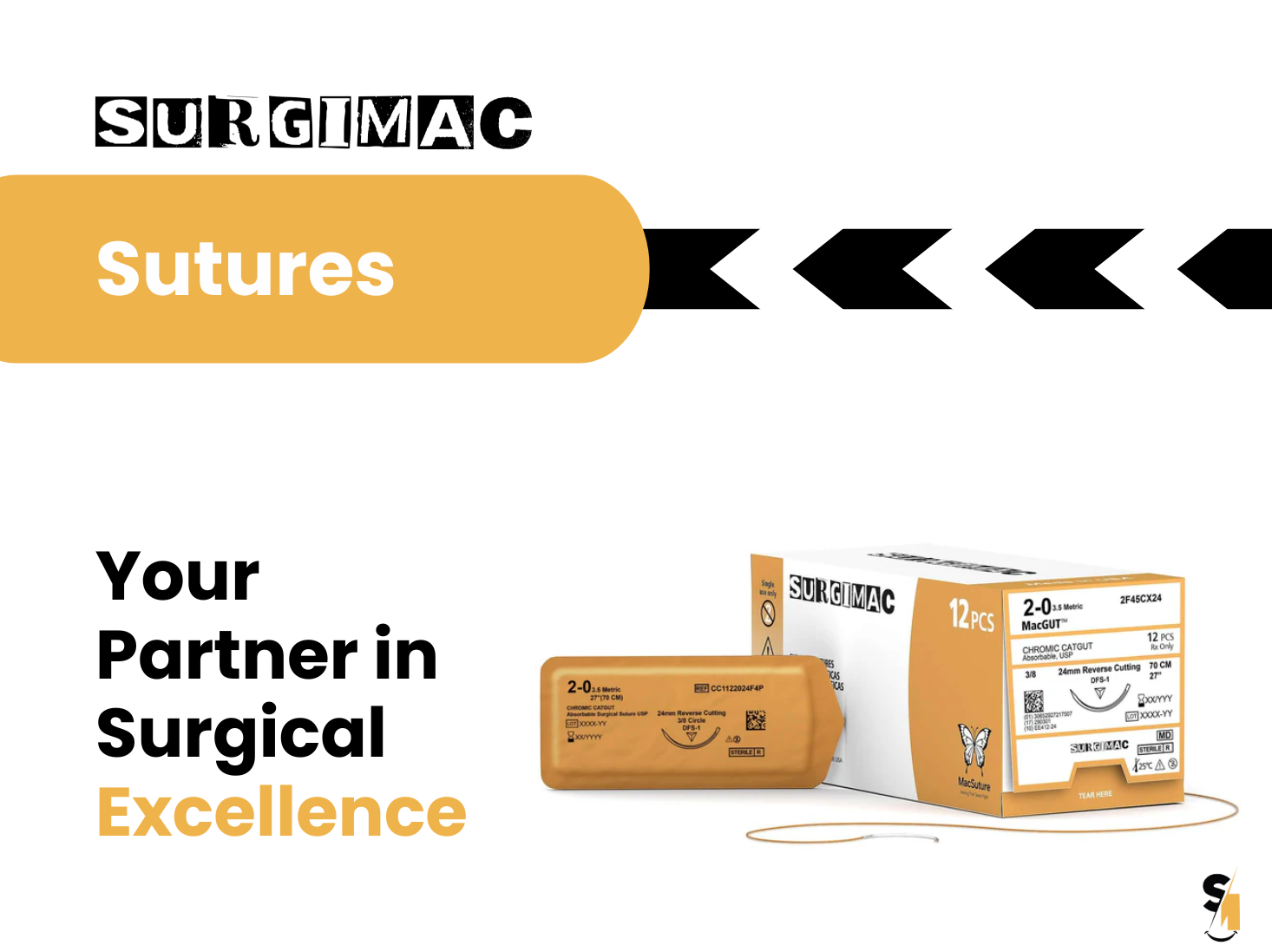
, by SurgiMac A Clinician's Guide to Absorbable Suture Material
-
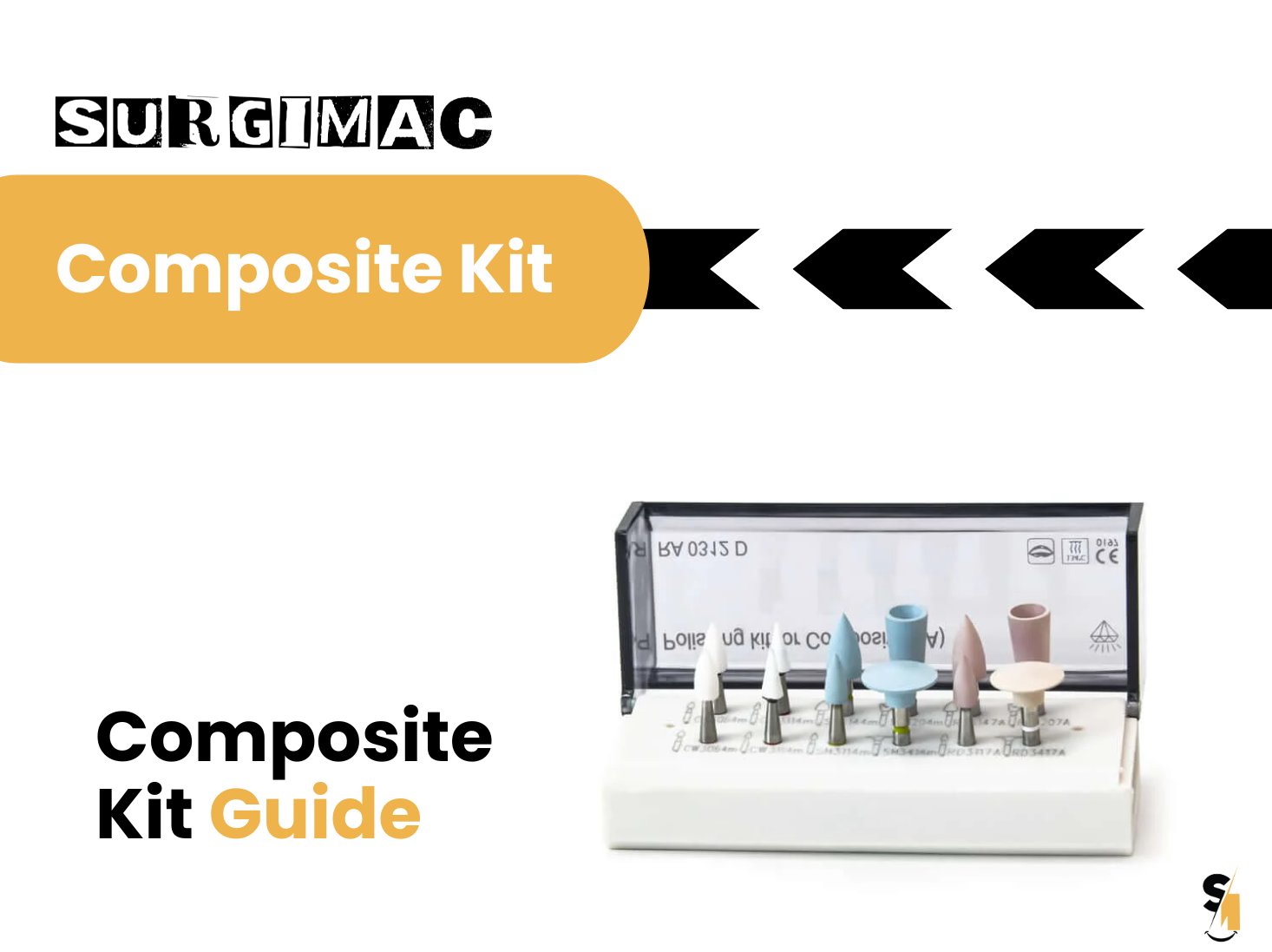
, by SurgiMac A Clinician's Guide to Dental Composite Resin Kits
-

, by SurgiMac How to Disinfect with Metrex CaviWipes Correctly
