
Nitrile vs Latex Gloves: Which Is Best for Your Practice?
- , by SurgiMac
- 35 min reading time
Compare nitrile vs vinyl vs latex gloves for dental and clinical use. Find out which glove offers the best protection, fit, and safety for your practice.
Precision is the hallmark of quality dental work. The gloves you wear should feel like a second skin, not a hindrance. You need excellent tactile sensitivity and a secure fit to perform delicate tasks with confidence. For years, the choice was simple. But today, the nitrile vs latex gloves debate is more complex, with vinyl also in the mix. Does the superior feel of latex outweigh its allergy risks? Can modern nitrile truly match its dexterity? This guide breaks down how each material in our MacSafe line impacts your performance—from grip to comfort—so you can find the perfect balance between protection and clinical precision.
Key Takeaways
- Select gloves based on procedural risk: Use strong, chemical-resistant nitrile gloves for all clinical work to ensure reliable protection, and assign less-durable vinyl gloves only for low-risk tasks like light cleaning or administrative duties.
- Prioritize a latex-free practice for safety: Make nitrile your default glove to protect both your team and patients from common latex allergies, ensuring a safe clinical environment without sacrificing performance or tactile sensitivity.
- Look beyond the price tag for true value: The cheapest glove is rarely the most cost-effective; durable nitrile gloves prevent frequent tears and reduce overall consumption, offering better long-term value and safety than less-sturdy alternatives.

Nitrile vs. Vinyl vs. Latex Gloves: What's the Difference?
Choosing the right disposable gloves is a fundamental part of maintaining a safe and efficient dental practice. The three most common materials on the market are nitrile, vinyl, and latex, and each comes with its own distinct profile of protection, comfort, and cost. Understanding these differences is key to selecting the best glove for your clinical needs, ensuring the safety of both your team and your patients. Let's break down the characteristics of each material so you can make an informed decision for every procedure, from routine exams to complex surgical work.
What Are Nitrile Gloves?
Nitrile gloves are a synthetic rubber option that has become the gold standard in many dental and medical settings. They offer superior chemical resistance compared to vinyl, providing a more reliable barrier against potential irritants and hazardous materials. This makes them an excellent choice for tasks involving chemicals or where cross-contamination is a primary concern. High-quality nitrile gloves often provide excellent durability and protection, justifying their price by reducing the risk of punctures and the need for frequent changes. The MacSafe line, for example, offers dependable performance for clinicians who prioritize safety and strength without compromising comfort.
Glove Color as a Visual Cue
Glove color is more than a matter of preference; it’s a functional tool that enhances safety and organization in your practice. Implementing a color-coding system offers a simple yet effective way to prevent cross-contamination. For example, you can assign one color for patient care and another for administrative duties, creating a clear visual boundary that minimizes the risk of procedural errors. Brightly colored gloves also make it easier to spot when a glove is soiled or compromised by a small puncture, ensuring you can change them promptly. This immediate visual identification reinforces strict hygiene standards and adds efficiency to your infection control protocols, allowing your team to work with greater confidence.
What Are Vinyl Gloves?
Vinyl gloves are made from polyvinyl chloride (PVC) and are known for being a cost-effective option. They are less durable and protective than their nitrile and latex counterparts, which makes them best suited for applications where the risk of exposure to hazardous substances or sharp objects is minimal. Because they are more affordable, vinyl gloves are a practical choice for low-risk, short-duration tasks like light cleaning, handling paperwork, or in situations where frequent glove changes are necessary. While they don't offer the same level of protection as nitrile, they serve a purpose for specific, non-clinical applications within a practice.
What Are Latex Gloves?
For years, latex gloves were the top choice in healthcare because of their incredible comfort, fit, and tactile sensitivity. They conform to the hand like a second skin, which is ideal for precision tasks common in medical and surgical situations. However, the significant drawback is the risk of latex allergies, which can affect both clinicians and patients. While latex gloves still offer unmatched tactile sensitivity, most dental professionals today choose nitrile due to its superior safety profile, excellent strength, and allergy-safe properties. This shift highlights the industry's move toward prioritizing safety without a major sacrifice in performance.
What Are Polyethylene (Poly) Gloves?
Beyond the big three, you might also encounter polyethylene (poly) gloves. These are made from a thin plastic and are the most affordable disposable gloves on the market. However, their low cost comes with significant trade-offs. Poly gloves offer minimal protection against chemicals or sharp objects and have a loose fit, which makes them unsuitable for any clinical or patient-facing tasks. Their primary use is for very low-risk situations where frequent glove changes are needed, such as handling food in a breakroom or light janitorial work. Think of them as a barrier for quick, non-hazardous jobs, but never as a substitute for the reliable protection required in a dental setting.
The Evolution of Disposable Gloves in Healthcare
The disposable gloves we use today are the result of decades of innovation driven by one primary goal: improving safety in healthcare. The journey began with a heavy reliance on one material, but as our understanding of material science and occupational hazards grew, the market adapted. Initially, the industry was dominated by latex, celebrated for its comfort and dexterity. However, this widespread use soon revealed a significant downside in the form of allergic reactions, prompting a search for safer alternatives that didn't compromise performance. This need for a reliable, non-allergenic barrier pushed the industry forward.
This shift led to the rise of synthetic options like nitrile and vinyl. The growing awareness of latex allergies, coupled with a demand for gloves that could stand up to a wider range of chemicals and physical stresses, created the perfect environment for innovation. This evolution wasn't just about creating new materials; it was about responding directly to the needs of healthcare professionals who required better infection control solutions. The transition from a single-material standard to a diverse market of specialized gloves reflects the healthcare industry's commitment to protecting both clinicians and patients from preventable risks.
The Rise of Latex in the 1980s and 90s
During the 1980s and 90s, latex gloves were the undisputed champion in healthcare settings. Their popularity was well-earned; they offered an exceptional combination of elasticity, tactile sensitivity, and a snug fit that felt like a second skin. For dental professionals performing intricate procedures, this level of dexterity was invaluable. Latex became the go-to choice for nearly every medical and dental task. However, as their use became universal, a serious issue emerged. Reports of allergic reactions, ranging from mild skin irritation to severe anaphylaxis, began to increase among both healthcare workers and patients, signaling that the industry's preferred glove had a hidden risk.
The Introduction of Nitrile and State Regulations
The introduction of nitrile gloves was a game-changer, offering a direct solution to the growing latex allergy problem. As a synthetic rubber, nitrile provided a latex-free alternative with the added benefits of superior puncture resistance and greater durability against chemicals. This marked a major step forward in glove technology. The transition was further accelerated as state regulations began to mandate safer work environments, emphasizing the need to minimize latex exposure in healthcare facilities. As a result, many practices shifted to nitrile to ensure a safer clinic for everyone, establishing it as the new standard for reliable, high-performance protection. The MacSafe line embodies this modern standard, delivering safety you can trust.
Nitrile vs. Latex Gloves: A Clinical Comparison
Choosing the right disposable glove isn't just about personal preference; it's a clinical decision that impacts safety, comfort, and procedural outcomes. Each material—nitrile, vinyl, and latex—brings a unique set of properties to the table. Understanding these differences is key to selecting the best barrier protection for your team and your patients. Let's break down how they stack up in four critical areas: performance, durability, chemical resistance, and dexterity.
Comparing Material Performance and Properties
At a fundamental level, the material of a glove dictates its fit and feel. Latex, derived from natural rubber, offers a snug, form-fitting feel that many clinicians have historically preferred. Vinyl gloves, made from PVC, are typically looser and less elastic, which can be a drawback during tasks requiring fine motor skills. Nitrile gloves, crafted from a synthetic rubber copolymer, strike an excellent balance. They conform to the hand like latex but without the associated allergy risks, providing both comfort and reliable barrier protection. High-quality disposable gloves are designed to minimize hand fatigue, making material choice a key factor in day-to-day clinical practice.
Which Glove Offers the Best Puncture Resistance?
In a dental setting, protection against punctures from sharp instruments is non-negotiable. This is where nitrile gloves truly shine. They are known for their exceptional strength and are significantly more resistant to tearing and punctures than both latex and vinyl. While latex is quite durable, it can be susceptible to micro-tears that are not immediately visible. Vinyl gloves offer the lowest level of durability and are best reserved for low-risk, short-duration tasks. For reliable protection during routine and complex procedures, choosing a glove from a trusted MacSafe line ensures your hands are shielded from potential hazards, providing peace of mind for both you and your patient.
Failure Rates and Reliability by the Numbers
When a glove fails, it's more than just an inconvenience—it's a breach in your infection control protocol. The data on failure rates is clear, and it varies significantly across materials. Nitrile gloves consistently show the lowest failure rates under clinical stress, thanks to their durable synthetic polymer structure that resists microscopic pinholes. In stark contrast, vinyl gloves have a much higher failure rate; their rigidity makes them prone to tearing when stretched or during use, creating an unacceptable risk for any task involving patient contact. While latex offers good elasticity, it can degrade when exposed to certain chemicals found in the dental office. For any practice prioritizing predictable safety, the numbers point directly to nitrile. Investing in high-quality disposable gloves is an investment in reliability, minimizing exposure and protecting everyone in your clinic.
How Do They Stand Up to Chemicals?
Your hands come into contact with a wide range of substances daily, from disinfectants to bonding agents. Nitrile gloves provide a more robust barrier against chemicals, oils, and solvents compared to latex and vinyl. This superior chemical resistance is essential for maintaining safety during material handling and operatory cleanup. Latex offers moderate protection but can degrade when exposed to certain chemicals. Vinyl provides very limited chemical resistance and is not recommended for handling hazardous materials. Proper infection control protocols depend on having a reliable barrier, and nitrile offers the most consistent and comprehensive protection against common dental chemicals.
Glove Thickness (Mil) and Its Role in Safety
When you see a "mil" measurement on a box of gloves, it’s referring to the thickness of the material. One mil is equal to one-thousandth of an inch, so a 5-mil glove is 0.005 inches thick. While that might seem like a tiny difference, it plays a significant role in protection. Thicker gloves generally offer greater resistance to punctures and tears, which is a critical feature when you’re working with sharp scalers, burs, or other dental instruments. The right thickness provides a more durable barrier between your skin and potential contaminants. While thinner gloves can offer slightly more tactile sensitivity, a thicker glove provides an added layer of security and confidence during most clinical procedures.
Matching Glove Material to Specific Chemicals
Your practice relies on a variety of chemicals, from surface disinfectants to bonding agents, and your gloves are the first line of defense. Nitrile is the clear winner for chemical resistance, standing up well to the oils, solvents, and cleaning solutions commonly found in a dental operatory. Latex offers moderate protection but can degrade when exposed to certain substances, while vinyl provides the least chemical resistance and should not be used when handling hazardous materials. Choosing the right glove is a key component of your infection control protocol, and nitrile’s robust barrier properties make it the most reliable choice for protecting your hands throughout the day.
Specialized Materials for High-Risk Substances
For high-risk procedures involving an elevated chance of exposure to pathogens or harsh chemicals, not just any glove will do. In these situations, you need a glove designed for enhanced durability and uncompromising protection. Thicker nitrile gloves are often the best choice, as their increased strength provides superior resistance to punctures and tears when it matters most. For peace of mind during surgical work or when handling potent materials, it’s essential to choose a glove from a trusted, high-performance line. Investing in a specialized, reliable glove ensures you have the confidence to focus on the procedure at hand without questioning the integrity of your barrier protection.
Fit and Feel: A Look at Dexterity and Sensitivity
Precision is paramount in dentistry, and your gloves shouldn't get in the way. For years, latex was the top choice for its unmatched tactile sensitivity, offering a "second-skin" feel. However, modern advancements have made nitrile a strong competitor. High-quality nitrile gloves are now thinner and more flexible than ever, providing excellent feedback and dexterity for delicate tasks. While they may not feel exactly like latex, their superior safety profile makes them the preferred choice for most clinicians. When working with fine instruments from the Air Series, you need a glove that allows for precise control, and today's nitrile options deliver just that. Vinyl, being looser and less elastic, generally offers the least tactile sensitivity.
Powdered vs. Powder-Free: Which is Better for Your Practice?
The choice between powdered and powder-free gloves once came down to convenience, but modern safety standards have made the decision clear. Powdered gloves, typically dusted with cornstarch, were designed to make donning and doffing easier. However, this convenience comes with significant clinical risks. The powder can carry allergens, leading to respiratory and skin reactions for both clinicians and patients. More critically, the FDA has banned powdered gloves for medical and surgical use because the particles can cause wound inflammation and contaminate the sterile field. For these reasons, powder-free gloves are now the required standard for any dental practice. They eliminate the risks of airborne particles and contamination, ensuring a safer environment. Lines like MacSafe are exclusively powder-free, reflecting the industry-wide commitment to the highest level of patient and provider safety.
Weighing the Pros and Cons of Each Glove
Choosing the right disposable glove means balancing protection, comfort, and cost. Each material has unique pros and cons that impact clinical efficiency and safety. Understanding these trade-offs helps you standardize your inventory for every procedure, from high-risk applications to routine exams. The glove you select is critical for maintaining a sterile environment. Let's break down the specifics of nitrile, vinyl, and latex to help you make an informed decision.
Nitrile Gloves: Superior Protection at a Price
Nitrile gloves are the gold standard in many dental practices. They offer excellent resistance to chemicals, punctures, and abrasions, providing a reliable barrier against contaminants. This durability makes them a top choice for tasks involving sharp instruments or hazardous materials. While their upfront cost is higher than vinyl, their superior strength often means fewer tears and less frequent changes, offering better long-term value. The MacSafe nitrile glove collection is designed for this dependability, ensuring clinicians have the protection they need without sacrificing tactile sensitivity. For practices prioritizing safety, nitrile is a worthwhile investment.
Vinyl Gloves: The Budget-Friendly Option
Vinyl gloves are a cost-effective option best suited for low-risk, short-duration tasks. Their main advantage is affordability, making them practical for cleaning, handling paperwork, or brief exams where exposure risk is minimal. However, this lower cost comes with a trade-off. Vinyl is less durable than nitrile or latex and offers a looser fit, which can reduce tactile sensitivity. It is also more susceptible to punctures and provides less protection against chemicals. While not ideal for complex procedures, vinyl gloves serve a purpose for quick, non-invasive tasks.
Understanding the Limitations of Vinyl Protection
While vinyl gloves are often seen as a budget-friendly choice, their limitations in a clinical setting are significant. Made from polyvinyl chloride (PVC), they are far less durable than nitrile or latex, making them more susceptible to punctures and tears during a procedure. This lack of strength creates an unreliable barrier, increasing the risk of exposure to contaminants. Furthermore, their looser, less elastic fit compromises tactile sensitivity, which is essential for the precision required in dentistry. Handling delicate instruments or performing intricate tasks becomes more challenging. For these reasons, vinyl gloves are best reserved for low-risk, non-clinical activities like light cleaning, while a more robust option like MacSafe nitrile gloves should be the standard for any patient-facing care.
Latex Gloves: Unmatched Feel vs. Allergy Risks
For years, latex gloves were preferred for their incredible elasticity and snug fit, providing unmatched tactile sensitivity. This "second-skin" feel is ideal for delicate procedures requiring fine motor control. However, the significant risk of latex allergies for both clinicians and patients has led to a sharp decline in their use. Allergic reactions can range from mild skin irritation to severe anaphylaxis. Because of this, most practices have transitioned to safer alternatives. While the precision of latex is undeniable, the allergy risk makes nitrile a safer choice for modern infection control protocols.
Managing Allergy Risks and Ensuring Clinical Safety
Choosing the right disposable glove goes beyond performance and durability. It's a critical decision for the health and safety of both your clinical team and your patients. Allergic reactions and chemical sensitivities can disrupt your practice, so understanding the risks associated with each material is essential for maintaining a safe environment.
Understanding the Dangers of Latex Allergies
For years, latex was the standard, but its potential to cause allergic reactions has made it a serious concern in healthcare. Latex allergies can affect both clinicians who wear the gloves daily and sensitive patients. Reactions can range from mild skin irritation to more severe systemic responses. Because of this widespread issue, many dental practices have transitioned to creating latex-free environments to protect everyone. This shift has increased the demand for reliable alternatives like nitrile and vinyl, which provide excellent protection without the allergenic proteins found in natural rubber. Our MacSafe collection includes high-quality, latex-free options to support a safer practice.
Latex Allergy Statistics for Healthcare Workers
The statistics on latex allergies paint a clear picture of why this is a critical issue for dental professionals. While the risk for the general public is very low (less than 1%), healthcare workers have a significantly higher chance of developing a sensitivity, with prevalence rates estimated between 5% and 17%. This increased risk is largely due to the constant, long-term exposure inherent to clinical work. The concern also extends to patients, as certain groups, like those with Spina Bifida, can have a latex allergy prevalence as high as 60%. These numbers underscore the importance of standardizing a latex-free environment, not just for your team's well-being but as a fundamental aspect of modern patient care.
Beyond Latex: Chemical Sensitivities to Synthetic Gloves
While moving away from latex solves one problem, it's important to know that synthetic gloves can also cause skin sensitivities. Some nitrile gloves are manufactured using chemical accelerators, which can trigger allergic contact dermatitis (a Type IV hypersensitivity) in some individuals. This can lead to redness, itching, and discomfort for staff members with prolonged glove use. Thankfully, glove technology has advanced. Many manufacturers now offer accelerator-free nitrile gloves designed specifically for sensitive skin, minimizing the risk of irritation. When sourcing your disposable gloves, it's worth checking if accelerator-free options are available to ensure your team stays comfortable and protected.
How to Protect Your Team and Patients from Reactions
Ultimately, your choice of glove is a core component of your practice's safety protocol. Protecting your team from occupational skin conditions is just as important as ensuring patient safety. High-quality nitrile gloves provide a superior barrier against chemicals and pathogens compared to vinyl, offering peace of mind during clinical procedures. Investing in premium gloves from a trusted supplier ensures consistent performance and reduces the risk of glove failure. By carefully selecting your infection control supplies, you not only protect your staff but also build patient trust, showing your commitment to the highest standards of care and safety in your practice.
Best Practices for Clinicians with Eczema and Sensitive Skin
For clinicians with eczema or sensitive skin, the constant cycle of hand washing and glove use can be a major challenge. Protecting your hands is crucial not only for your comfort but also for maintaining the high standard of care your patients expect. By adopting a few key practices, you can minimize irritation and keep your skin healthy. This involves choosing the right protective gear and implementing a consistent skincare routine that supports your skin's natural barrier. Let's explore some practical steps you can take to manage skin sensitivity in a demanding clinical environment.
The Importance of Glove Liners and Proper Materials
Choosing the right glove is your first line of defense. While nitrile is the industry standard for its durability, some individuals may react to the chemical accelerators used during manufacturing, causing contact dermatitis. If you experience irritation, look for accelerator-free nitrile options. For an extra layer of protection, consider wearing soft, breathable glove liners underneath your exam gloves. These can help absorb moisture and reduce friction against the skin. Sourcing high-quality, powder-free gloves from a reliable line like MacSafe also minimizes exposure to potential irritants, helping you focus on your patients instead of your hands.
Skincare Routines for Healthy Hands
Beyond the gloves you wear, a consistent skincare routine is essential for managing sensitive skin. The goal is to lock in moisture and protect your skin's natural barrier, which is constantly challenged by frequent washing. Always use lukewarm water and a mild, fragrance-free cleanser. After washing, gently pat your hands dry with a soft towel—never rub, as this can cause irritation. Immediately apply a thick, high-quality moisturizer or barrier cream to replenish hydration. Making this a habit after every hand wash is key. By building a simple, gentle routine and paying attention to what triggers your skin, you can keep your hands healthy, comfortable, and ready for the precise work your profession demands.
Which Glove Is Best for Specific Dental Procedures?
Choosing the right glove isn’t just about personal preference; it’s about matching the material’s properties to the clinical task at hand. The demands of a surgical extraction are vastly different from those of a routine exam or laboratory work. Selecting the appropriate glove ensures optimal safety, dexterity, and performance for you, your staff, and your patients. By understanding the unique strengths of each glove type, you can standardize protocols in your practice that prioritize protection and efficiency for every procedure.
Choosing the Right Glove for Surgical Procedures
For surgical procedures, protection and reliability are non-negotiable. Nitrile gloves are the clear choice here due to their exceptional strength and resistance to punctures and chemicals. When you’re working with sharp instruments like MacCut surgical blades, you need a robust barrier you can trust. Nitrile provides superior chemical resistance compared to vinyl, offering a more reliable barrier against potential irritants. This ensures your dexterity is never hindered by your equipment. For a secure and safe option, high-quality MacSafe nitrile gloves provide the durability and tactile sensitivity required for precise surgical work.
What to Wear for Routine Dental Exams
During routine examinations, tactile sensitivity is key for accurate diagnostics. While latex gloves have historically been praised for their unmatched feel, the high risk of allergic reactions has made them less common in modern practices. Today, most clinicians choose nitrile for routine check-ups. Nitrile is now the preferred choice for its superior safety profile, strength, and reduced allergy risk. This makes it a safer choice for both patients and staff without a significant compromise in dexterity. It’s a reliable workhorse for daily tasks that keeps your infection control standards high.
Selecting Gloves for Lab Work and Impression Materials
When handling dental materials or cleaning instruments, you need a glove that can withstand chemicals and prevent tears. Nitrile gloves are again the top contender for laboratory work and material handling. They are known for their exceptional strength and are less likely than latex to tear or puncture. Whether you are working with MacImpress impression materials or handling sterilization chemicals, nitrile provides a more robust barrier against punctures and chemicals. This durability is essential in a clinical environment where you’re constantly interacting with a variety of substances and sharp tools, ensuring your hands stay protected throughout the day.
Glove Considerations for Non-Clinical Tasks
Your commitment to safety and hygiene shouldn't stop at the operatory door. The tasks your team performs throughout the day, from cleaning up to grabbing a snack in the break room, also require the right protection. While these activities are considered low-risk compared to clinical procedures, choosing the appropriate glove is still important for preventing cross-contamination and ensuring personal safety. Using the right glove for the right job, even in non-clinical settings, reinforces your practice's dedication to maintaining a clean and professional environment from front to back.
Food Handling in the Break Room
Maintaining hygiene in shared spaces like the break room is crucial for preventing the spread of germs. When it comes to handling food, the right gloves can prevent cross-contamination. For quick, low-risk tasks like preparing a sandwich, vinyl gloves are a practical and cost-effective choice. They are suitable for short-term use where exposure to hazardous materials is not a concern. However, if tasks involve oils or require more durability, nitrile gloves are a better option. High-quality disposable gloves ensure that your team can handle food safely without worrying about glove integrity, keeping your break room clean and hygienic.
General Cleaning and Maintenance
For general cleaning and maintenance, the glove you choose should match the intensity of the task. Vinyl gloves can be a budget-friendly solution for light duties like wiping down counters or handling paperwork. However, for more demanding cleaning that involves chemicals or potential contact with sharp objects, nitrile is the superior choice. MacSafe nitrile gloves provide a more robust barrier against chemicals, oils, and solvents than vinyl, ensuring your team stays protected during operatory cleanup and material handling. Investing in durable gloves for these tasks is a key part of your overall infection control strategy.
Nitrile vs. Latex: A Complete Cost Breakdown
When managing your practice’s budget, the cost of disposables like gloves is a significant factor. However, the most effective cost analysis goes beyond the price per box. True value is found by balancing the upfront expense with long-term performance, safety, and efficiency. A glove that fails during a procedure not only compromises safety but also increases consumption and waste, ultimately impacting your bottom line. Let's break down the costs associated with nitrile, vinyl, and latex gloves to help you make an informed purchasing decision.
Looking Beyond the Upfront Price Tag
On the surface, the price differences between glove types are clear. Vinyl gloves are consistently the most affordable option, making them an attractive choice for tasks with a low risk of exposure and short duration. Latex gloves typically occupy the middle ground in terms of cost. Nitrile gloves generally have the highest initial purchase price. This is due to the synthetic rubber formulation and the manufacturing process required to achieve their high standards of durability and chemical resistance. While the per-box cost is higher, it’s important to view this as the starting point of a larger value equation for your practice’s disposable supplies.
How to Calculate Long-Term Value and Cost-in-Use
A cheaper glove isn't cost-effective if it tears easily. The concept of "cost-in-use" reveals the true expense over time. Nitrile gloves offer superior puncture resistance, proving to be three to five times more durable than latex. This strength reduces the likelihood of mid-procedure rips and the need for frequent changes, lowering overall consumption. Investing in high-quality nitrile gloves from a trusted line like MacSafe ensures reliable barrier protection, minimizing risks and waste. In contrast, less durable vinyl gloves may fail more often during demanding tasks, leading to higher usage rates and ultimately negating their initial low price.
Smart Bulk Buying to Reduce Practice Costs
You can effectively manage glove costs without compromising on quality through strategic purchasing. Buying in bulk is one of the most reliable ways to lower your per-unit cost. At SurgiMac, we support your practice’s budget by offering competitive pricing and discounts on larger orders, helping you stock up on essential supplies efficiently. Another smart strategy is to match the glove to the task. You can reserve high-performance nitrile gloves for clinical procedures while using more affordable vinyl gloves for light-duty, non-patient-facing activities like administrative tasks or surface cleaning. This tiered approach ensures you get the right protection where it matters most while optimizing your dental supply budget.
How to Choose the Right Glove for Your Practice
Selecting the right disposable glove isn’t just about checking a box on your supply order. It’s a critical decision that impacts clinical safety, procedural outcomes, staff comfort, and your budget. A glove that fails during a procedure compromises infection control, while an ill-fitting one can cause hand fatigue and reduce tactile sensitivity. To make the best choice, consider your practice’s unique needs by evaluating allergies, procedural risks, and team preferences.
Step 1: Assess Patient and Staff Allergy History
Your first priority is the health and safety of everyone in your clinic. Before stocking up, confirm any known latex allergies among your staff and include a question about latex sensitivity on patient intake forms. A Type I latex allergy can cause serious reactions, making it essential to have reliable alternatives on hand. For this reason, many practices are moving toward a latex-free standard. Nitrile gloves are an excellent alternative, offering comparable performance without the allergenic proteins. The MacSafe collection provides both nitrile and low-protein latex options, allowing you to create a safe environment for everyone.
Step 2: Match the Glove to the Clinical Task
Different clinical tasks carry different levels of risk, and your glove choice should reflect that. For high-risk procedures involving potential exposure to bloodborne pathogens or harsh chemicals, nitrile gloves are the superior choice. Their robust chemical and puncture resistance provides a reliable barrier when you need it most. For low-risk, short-duration tasks like initial patient exams or handling lab materials, vinyl gloves can be a cost-effective option. Aligning your glove selection with the specific demands of each procedure is a cornerstone of effective infection control and ensures you use your resources wisely.
Step 3: Prioritize Your Team's Comfort and Fit
Your team wears gloves all day, so comfort isn’t a luxury, it’s a necessity for preventing hand fatigue and ensuring precision. A glove that fits poorly can slip, tear, or feel cumbersome, hindering dexterity during delicate procedures. Nitrile gloves are known for their excellent fit, as they conform to the hand’s shape with body heat, providing great tactile sensitivity. Ensure you stock a full range of sizes to accommodate every team member. Providing comfortable and reliable disposable gloves shows your staff you value their well-being and helps them perform at their best.
Step 4: Consider Environmental and Disposal Factors
While all disposable gloves contribute to clinical waste, making informed choices can align with your practice’s sustainability goals. The key is to minimize waste by selecting the right glove for the job, reducing the frequency of tears and replacements. Using a durable nitrile glove for a demanding task is often more resourceful than using multiple pairs of less-sturdy vinyl gloves. While the gloves themselves are not recyclable in a clinical setting, adopting a mindset of mindful consumption supports broader environmental responsibility. This same principle of sustainability guides our instrument design, like in the recyclable stainless steel Eco Series.
The Biodegradability of Latex vs. Synthetic Gloves
When you're thinking about your practice's environmental footprint, the biodegradability of your disposable gloves is a key factor. Because they are made from natural rubber, latex gloves are the most biodegradable choice available. In the right composting environment, they can break down much more quickly than synthetic options. This makes them a more sustainable choice from a disposal standpoint. While clinical safety always comes first, this focus on sustainability mirrors the philosophy behind our Eco Series instruments, which are crafted from recyclable stainless steel for environmentally conscious practices.
On the other hand, synthetic gloves present a significant environmental challenge. Standard nitrile gloves, while prized for their durability, can take centuries to decompose in a landfill. Vinyl gloves, made from PVC, are also known for their long persistence and are widely considered the least eco-friendly option of the common disposables. While the industry's move to nitrile has been vital for allergy prevention and clinical safety, it's important to be aware of this environmental trade-off. Being mindful of the entire lifecycle of your supplies allows you to make well-rounded decisions that align your clinical standards with your practice's sustainability goals.
Debunking 4 Common Myths About Disposable Gloves
Navigating the world of disposable gloves can feel complex, and a few common misconceptions often cloud clinical judgment. Believing these myths can lead to compromised safety, wasted resources, and decreased efficiency in your practice. Let's clear up the confusion by addressing four of the most persistent myths about disposable gloves, so you can equip your team with the right protection for every procedure. Making an informed choice starts with having the correct information, ensuring both your staff and patients are properly protected.
Myth #1: "All gloves offer the same protection."
It’s easy to assume that a glove is just a glove, but this is one of the most dangerous myths in clinical practice. The material of a glove directly determines its protective capabilities. For instance, nitrile gloves offer superior chemical resistance compared to their vinyl counterparts, providing a more reliable barrier against potential irritants and hazardous materials. Vinyl gloves are more prone to micro-tears when stretched, which can compromise the barrier without any visible signs. Choosing high-quality disposable gloves from a trusted line like MacSafe ensures you get a reliable barrier designed for clinical environments, not a one-size-fits-all solution.
Myth #2: "One glove type works for every task."
Just as you wouldn't use a scaler for an extraction, you shouldn't use one type of glove for every task in your practice. A routine patient exam has different demands than handling sterilization chemicals or performing a surgical procedure. Vinyl gloves might be adequate for low-risk, short-duration tasks, but they lack the durability needed for more demanding work. Nitrile gloves provide the balanced protection and dexterity required for most clinical applications. Understanding the differences between materials helps you make an informed decision, ensuring you have the right tool for every task and maintain the highest standards of infection control.
Myth #3: "The cheapest glove is always the most cost-effective."
Focusing solely on the upfront price of a box of gloves can be a costly mistake. While vinyl gloves are often cheaper per unit, their lower durability can lead to frequent rips and tears, forcing staff to use more gloves per procedure. This not only increases waste but also drives up the actual cost-in-use. High-quality nitrile gloves from the MacSafe collection often provide superior durability and protection, justifying their price by reducing the risk of contamination and the need for frequent changes. Investing in reliable gloves is an investment in safety and long-term value for your practice.
Myth #4: "You have to sacrifice durability for sensitivity."
In the past, clinicians often chose latex gloves for their unmatched tactile sensitivity, sometimes at the expense of durability or allergy safety. However, glove technology has advanced significantly. While latex still offers excellent feedback, modern nitrile gloves are engineered to provide exceptional tactile sensitivity without compromising on strength or creating allergy risks. Today’s premium nitrile gloves are thinner and more flexible than ever, allowing for precise movements and a comfortable fit during delicate procedures. You no longer have to choose between feeling your work and having a durable, protective barrier.
Frequently Asked Questions
Q: Why are nitrile gloves so highly recommended for dental practices?
A: Nitrile gloves have become the standard because they offer the best all-around protection and performance. They provide a strong barrier against chemicals and are significantly more resistant to punctures than vinyl or latex, which is critical when working with sharp instruments. Plus, they are a safe, latex-free option, protecting both your team and patients from potential allergies without sacrificing a comfortable fit or tactile sensitivity.
Q: Is it ever appropriate to use vinyl gloves in a clinical setting?
A: Yes, but their use should be limited. Vinyl gloves are a cost-effective choice for very low-risk, short-term tasks where a barrier is needed but durability isn't a major concern. Think light cleaning, handling paperwork, or brief, non-invasive patient interactions. For any procedure involving potential exposure to fluids or sharp instruments, you should always switch to a more protective glove like nitrile.
Q: I know about latex allergies, but can nitrile gloves cause skin reactions too?
A: While nitrile gloves eliminate the risk of latex allergies, some individuals can experience skin sensitivity to them. This reaction is often caused by chemical accelerators used during the manufacturing process. If a team member experiences redness or irritation, look for accelerator-free nitrile gloves. These are specifically designed for sensitive skin and can provide the protection you need without the discomfort.
Q: How can I manage glove costs without sacrificing safety and quality?
A: The best approach is to think about long-term value instead of just the upfront price. A durable nitrile glove, like those from the MacSafe collection, may cost more initially but often saves money by preventing rips and reducing the number of gloves used per procedure. You can also adopt a tiered strategy: use high-performance nitrile gloves for clinical work and more affordable vinyl gloves for administrative or light cleaning tasks.
Q: Besides surgery, what are the most important procedures that require a high-quality nitrile glove?
A: Any task that involves handling chemicals, sharp instruments, or potential exposure to pathogens demands a reliable nitrile glove. This includes restorative work with bonding agents, periodontal scaling where punctures are a risk, and endodontic procedures. Essentially, if a glove failure could compromise infection control or safety, choosing a durable, high-quality nitrile glove is the correct clinical decision.
Read More
Tags
Blog posts
-
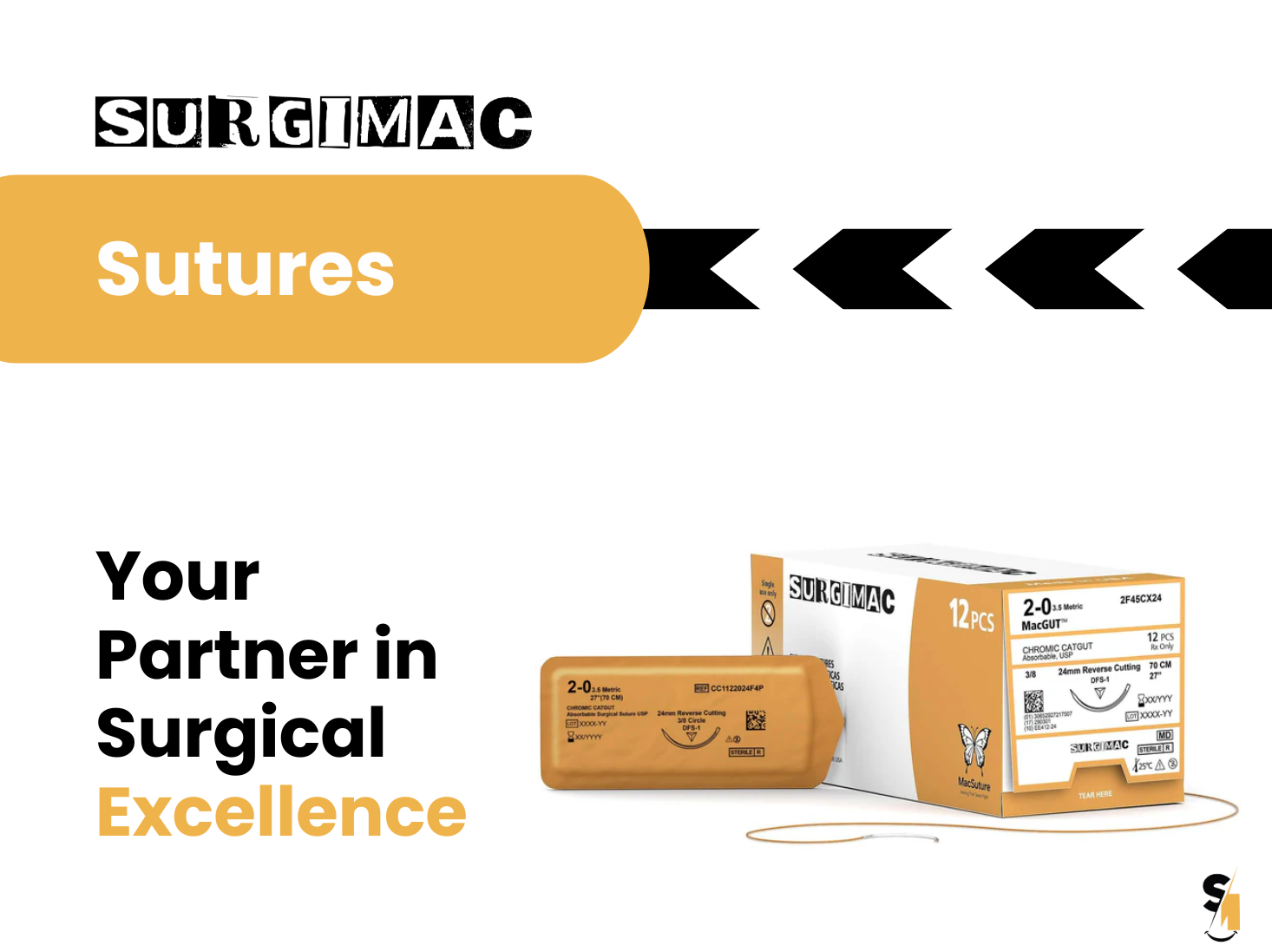
, by SurgiMac A Clinician's Guide to Absorbable Suture Material
-
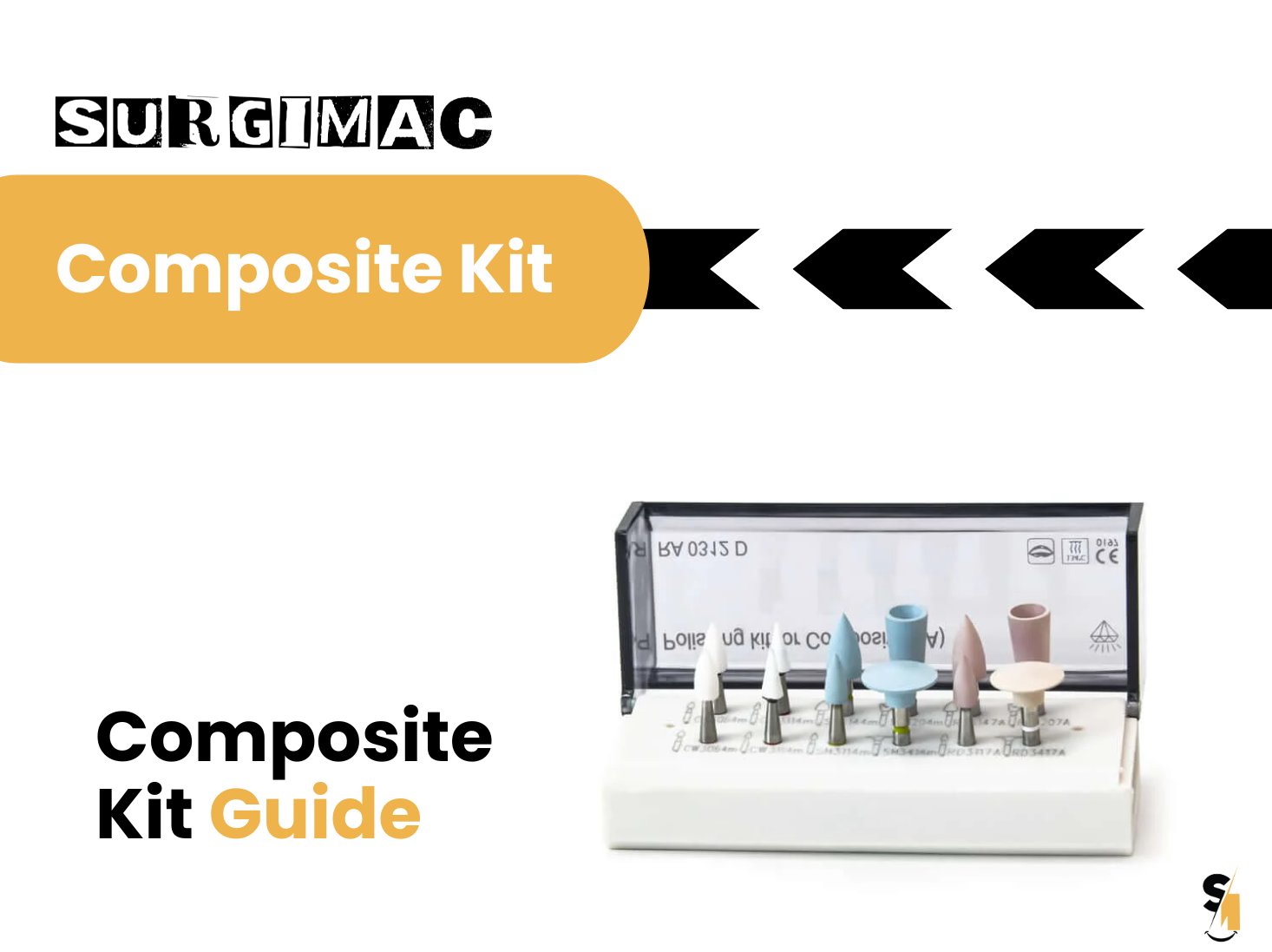
, by SurgiMac A Clinician's Guide to Dental Composite Resin Kits
-
, by SurgiMac How to Disinfect with Metrex CaviWipes Correctly
