
The Ultimate Prophy Angle Handpiece Buyer's Guide
- , by SurgiMac
- 30 min reading time
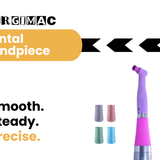
Find out how to select the best prophy angle handpiece for comfort, efficiency, and infection control in your dental practice with this practical guide.
Long days of back-to-back appointments take a physical toll, and your hands and wrists often feel it first. The tools you use daily are critical for your comfort and career longevity. A heavy, poorly balanced, or loud prophy angle handpiece can cause significant hand and wrist fatigue, making ergonomics a top priority. Just as our Air Series instruments are engineered for balance, your prophy angle should feel like a natural extension of your hand. We'll cover the key ergonomic features to look for, helping you protect your health while delivering a flawless polish.
Key Takeaways
- Focus on ergonomics and cup design for better outcomes: A lightweight, well-balanced angle minimizes hand fatigue during long days, while a flexible cup adapts to tooth contours for a thorough polish with less splatter.
- Choose between disposable and reusable based on your workflow: Disposable angles streamline infection control and save time on sterilization; reusable options can offer long-term cost savings if your practice has a solid sterilization protocol in place.
- Look beyond the sticker price to calculate the true cost: Factor in long-term expenses like maintenance for reusable handpieces or the cumulative cost of disposables. Strategic bulk purchasing can also offer significant savings on your most-used supplies.

Prophy Angles 101: How Do They Actually Work?
A prophy angle is an essential tool in every dental professional's toolkit, designed specifically for polishing teeth during a prophylaxis appointment. This small but mighty attachment connects to a low-speed dental handpiece, transforming it into a powerful cleaning and polishing device. Its primary job is to work with a prophylaxis paste to remove soft deposits, plaque, and stains from tooth surfaces, leaving patients with a smooth, clean, and bright smile. Understanding its mechanics and the different components available is the first step in selecting the right tool for your clinical needs and ensuring excellent patient outcomes.
Anatomy of a Prophy Angle
At its core, a prophy angle is a simple piece of equipment. It consists of a main body that snaps or screws onto a low-speed handpiece and a head that holds a polishing cup or brush. Inside, a gear system transfers the rotational force from the handpiece to the cup, allowing it to spin effectively. Most modern prophy angles are disposable and made from durable, lightweight plastic to support single-patient use and streamline infection control protocols. They are available in different configurations, such as 90-degree or contra-angle designs, which provide improved ergonomic comfort and better access to hard-to-reach posterior areas. A secure fit to the handpiece is critical for preventing wobble and ensuring smooth, consistent operation.
How Prophy Angles Deliver a Perfect Polish
The magic of a professional polish happens when the prophy angle’s rotational motion is combined with an abrasive prophy paste. As the cup or brush spins against the tooth surface, it gently but effectively lifts extrinsic stains and plaque. The effectiveness of the polish depends on several factors, including the rotational speed, the pressure applied by the clinician, and the design of the cup. When you're evaluating different prophy angles, you should focus on four key features: the cup design, ergonomic handling, splatter control, and handpiece compatibility. A well-designed angle provides a smooth, chatter-free performance that allows you to work efficiently while maximizing patient comfort and delivering a beautifully polished finish.
Choosing the Right Prophy Cup or Brush
Prophy angles are not a one-size-fits-all tool. They come with a variety of interchangeable cups and brushes to address different clinical situations. Soft, flexible cups are the standard choice for general polishing and are ideal for sensitive patients. Firm cups provide more rigidity for removing heavy stains. You can also find specialized designs, like spiral cups that reduce splatter and improve interproximal cleaning, or tapered brushes perfect for polishing around orthodontic brackets and in occlusal pits. Pedo-sized cups are also available for smaller mouths. Having a selection of these dental disposables on hand allows you to customize each cleaning to the patient’s specific needs, ensuring a thorough and comfortable experience every time.
Matching Cup Firmness to Clinical Needs
Selecting the right cup firmness is a clinical decision that directly impacts both the effectiveness of the polish and your patient's comfort. A soft, flexible cup is the standard for most patients; its ability to flare allows it to adapt to tooth contours and slip gently beneath the gingival margin, making it perfect for routine cleanings and patients with sensitivity. For heavy extrinsic staining from coffee or tobacco, a firm cup provides the rigidity needed for effective removal. However, use it with a light touch to prevent discomfort or enamel abrasion. Stocking your practice with a variety of prophy angles with both soft and firm cups ensures you can tailor every prophylaxis treatment to the patient's specific needs.
Clinical Polishing Techniques for Optimal Results
Once you've selected the right prophy angle and cup, your technique is what brings it all together for a flawless finish. The goal is to remove stains and plaque effectively without generating excessive heat or causing patient discomfort. To achieve this, always use a light, intermittent pressure with a slow, controlled handpiece speed. Apply the cup to the tooth surface before activating the handpiece and use a dabbing or wiping motion, starting at the gingival third and moving toward the incisal or occlusal edge. This allows the cup to flare slightly, reaching into interproximal spaces and just below the gingival margin. Mastering this technique ensures you can deliver a superior polish efficiently, maximize patient comfort, and get the most out of your high-quality dental instruments.
How to Choose the Best Prophy Angle for Your Practice
Choosing the right prophy angle comes down to understanding your practice’s unique needs, your clinical preferences, and your budget. With so many options available, it’s helpful to break them down by key categories: the brand and its features, the power source (cordless or corded), and the usage type (disposable or reusable). Each model offers distinct advantages, whether you prioritize ergonomic comfort, infection control, or long-term cost-effectiveness. Evaluating these factors will help you select a prophy angle that not only delivers a great polish but also integrates seamlessly into your daily workflow, enhancing both your efficiency and your patient’s experience. Let's look at how these different models stack up.
Why Clinicians Trust SurgiMac Prophy Angles
When you're evaluating your options, it's smart to focus on the features that directly impact performance and comfort. The best prophy angles are designed with the clinician in mind. Pay close attention to four critical features: the cup design, ergonomic handling, splatter control, and handpiece compatibility. A well-designed cup adapts better to tooth surfaces, while an ergonomic build reduces hand fatigue during long procedures. At SurgiMac, we ensure our prophy angles are engineered to meet these exact standards, providing a reliable and comfortable experience that helps you work efficiently without compromising on the quality of care.
Cordless vs. Corded: Which Handpiece Is Right for You?
The debate between cordless and corded systems often comes down to mobility versus consistent power. Corded handpieces are reliable workhorses, but the cord can sometimes feel restrictive. Cordless models offer complete freedom of movement, which can improve your posture and reduce drag. A major consideration with any system is aerosol management. For instance, studies on Premier Dental’s AeroPro® Cordless Prophy Handpiece System show it can effectively polish while generating less aerosol and splatter compared to other cordless options. This makes it a strong choice for practices prioritizing safety and a cleaner working environment for both clinicians and patients.
The Disposable vs. Reusable Prophy Angle Debate
Your choice between disposable and reusable prophy angles impacts both workflow and infection control protocols. Reusable angles require a strict sterilization process after each use, while disposable angles offer the convenience of single-use application. However, it's a common misconception that all disposable angles arrive sterile. Many are simply clean-packaged, not sterilized. To ensure the highest standard of hygiene, it's crucial to source from brands like Pac-Dent, which offers single-use prophy angles that are sterilized after packaging. This eliminates any ambiguity and supports your practice’s commitment to superior infection control.
Prioritizing Patient Safety: The Importance of Latex-Free Angles
Patient safety is the foundation of everything we do in the clinic, and that includes the products we choose for routine procedures. Latex allergies can cause reactions ranging from mild irritation to severe anaphylaxis, making it essential to create a latex-safe environment. When selecting your prophy angles, you should always choose latex-free options to protect patients from potential allergic reactions. This simple choice eliminates a significant risk and demonstrates a commitment to comprehensive patient care. It's a standard practice that aligns with other safety measures, like using high-quality, latex-free exam gloves. By making latex-free disposables your default, you ensure every patient receives the safest treatment possible without having to second-guess your supplies.
Specialized Angles for Improved Access and Efficiency
While a standard 90-degree prophy angle works well for most anterior surfaces, posterior and interproximal areas present a greater challenge. This is where specialized prophy angles can make a significant difference in your daily workflow. To improve your reach and effectiveness, you should look for angles with features like articulating heads for hard-to-reach spots or splatter guards to keep the work area clean. These designs aren't just about convenience; they directly contribute to a more thorough polish and a better patient experience. Just as a surgeon needs specific instruments for delicate procedures, a hygienist benefits from having a variety of specialized prophy angles to tackle every contour and crevice with precision and control.
Combination and Articulating Head Designs
Let's get more specific about these specialized designs. Combination heads are a fantastic way to streamline your polishing routine. Some angles have both a polishing cup and a pointed tip, saving time by not needing to switch tools when moving from broad surfaces to pits and fissures. This dual-functionality allows for a seamless workflow, which is invaluable during busy appointment schedules. Articulating heads offer another advantage by providing enhanced flexibility. These heads pivot to help you maintain the ideal angle against the tooth surface, especially around the distal of second molars or in patients with limited opening. Having access to these advanced dental supplies ensures you can work more ergonomically and achieve a consistent, high-quality polish for every single patient.
Your Prophy Angle Handpiece Checklist: Key Features to Consider
Choosing the right prophy angle comes down to a few key factors that directly impact your clinical efficiency, comfort, and patient outcomes. When you're comparing models, focus on the features that will make your prophylaxis procedures smoother and more effective. A well-designed prophy angle isn't just a tool; it's an extension of your clinical skill. Let's break down the most important features to consider so you can select the best option for your practice and your patients.
Why Ergonomics and Weight Matter for Better Handling
Long days of back-to-back appointments can take a toll on your hands and wrists. A lightweight, well-balanced prophy angle is essential for reducing muscle strain and preventing long-term fatigue. Look for models with a comfortable grip and a design that feels natural in your hand. Excellent ergonomics allow for greater control and maneuverability, especially when accessing hard-to-reach posterior areas. This focus on comfort and precision is a core principle behind our Air Series instruments, which are engineered to minimize hand fatigue during delicate procedures. The right prophy angle should offer the same level of comfort and control.
Finding the Right Cup for Maximum Splatter Control
The design of the prophy cup is critical for both performance and cleanliness. An effective cup features flexible, soft edges that adapt well to tooth contours, allowing you to efficiently remove plaque and interproximal stains. This adaptability not only improves patient comfort but also reduces the need for extensive hand scaling. Additionally, look for cups with internal webbing or a design that minimizes splatter. Proper splatter control keeps the prophy paste where it belongs, ensuring a cleaner working field, a more pleasant patient experience, and a more professional procedure overall.
The Role of Splatter Guards in a Cleaner Workspace
While a flexible cup is essential for adapting to tooth anatomy, many modern prophy angles also incorporate a dedicated splatter guard. This feature, often a small shield or flange integrated into the angle's head, acts as a physical barrier to contain prophy paste and bio-aerosols during rotation. Keeping splatter contained is about more than just tidiness; it’s a fundamental aspect of maintaining a clean working field and upholding professional standards. A controlled procedure means less mess for the patient, a clearer view for you, and a more hygienic environment overall. This simple but effective design element supports your practice’s infection control protocols and contributes to a more pleasant and professional patient experience from start to finish.
Decoding Speed, Torque, and Power Settings
Consistent performance is key to achieving a uniform polish. The ideal prophy angle operates with smooth, steady rotation without stalling under pressure. Whether you prefer a corded or cordless model, the handpiece should deliver consistent torque to remove tough stains without generating excessive heat. For cordless systems, look for long-lasting battery life and multiple speed settings that allow you to adjust the power based on the specific patient's needs. This versatility ensures you can provide a gentle yet effective polish for every case, from light plaque removal to heavy stain management.
How to Ensure Sterilization and Infection Control
Infection control is non-negotiable. Disposable, single-use prophy angles are the industry standard for preventing cross-contamination between patients. Ensure the angles you choose are individually packaged to maintain cleanliness until the moment of use. While disposable angles are not typically sterilized after packaging unless specified, their single-use nature is the primary safeguard. Integrating them into your workflow is a simple and effective step in a comprehensive infection control protocol. Always supplement their use with proper PPE, including high-quality gloves from our MacSafe line, to protect both yourself and your patients.
Is an Illuminated Handpiece Worth It?
Visibility is paramount for precision. Some modern prophy angle systems come equipped with built-in LED illumination, which can be a game-changer during polishing procedures. A direct light source at the treatment site helps illuminate the oral cavity, especially in the posterior regions where overhead lighting can be insufficient. This enhanced visibility allows you to clearly see and target residual plaque and stains, ensuring a more thorough and meticulous cleaning. While not a standard feature on all models, illumination can significantly improve your accuracy and efficiency, making it a worthwhile consideration for your collection of dental instruments.
Evaluating Gearless Designs for Quieter Operation
The constant hum and vibration of a dental handpiece can contribute to both clinician fatigue and patient anxiety. Many traditional prophy angles use a gear-driven system, which can create noise and chatter during operation. Gearless designs, however, offer a significant improvement by providing a much quieter and smoother experience. This reduction in operational noise helps create a more relaxed environment for your patients. For the clinician, a gearless angle means less vibration transferring to your hand, reducing fatigue over a long day. A well-designed angle delivers a smooth, chatter-free performance that allows you to work efficiently while maximizing patient comfort and delivering a beautifully polished finish.
Assessing Handpiece Kits and Accessories
When you're evaluating your options, it's smart to focus on the features that directly impact performance and comfort. A handpiece is more than just a single tool; it's part of a larger system. Look at the complete kit and what it includes. Does it come with a reliable charging base, extra batteries for cordless models, and a variety of prophy cups or brushes? A comprehensive kit ensures you have the versatility to handle different patient needs without interruption. Having a full suite of compatible dental equipment and accessories on hand streamlines your workflow and ensures you’re always prepared for the next appointment, making your practice more efficient and adaptable.
Features like Bluetooth Pedals and Wireless Charging
Modern handpieces are incorporating technology that significantly enhances clinical workflow. Wireless charging pads eliminate the need to plug in the handpiece, creating a cleaner, more organized workspace and ensuring your tool is always ready to go. Even more impactful are Bluetooth foot pedals, which remove another cord from the operatory floor. This not only reduces a common trip hazard but also provides complete freedom of movement. These cordless models and their wireless accessories allow you to maintain better posture and reduce the physical constraints of being tethered to a console, making your day more comfortable and efficient.
Managing Patient Expectations and Concerns
Clear communication is the foundation of patient trust. While most patients look forward to that smooth, just-polished feeling, it’s our job to set realistic expectations about what polishing can and can’t do. Addressing their concerns about sensitivity or enamel wear head-on not only builds confidence but also reinforces your role as a dedicated healthcare provider. By explaining the purpose, limitations, and clinical considerations behind polishing, you empower patients to be active participants in their oral health, ensuring they leave your chair feeling informed and cared for.
Explaining the Purpose and Limitations of Polishing
One of the most important conversations to have with a patient is explaining that polishing is primarily a finishing step for stain removal, not a whitening treatment. A prophy angle, when paired with prophy paste, is incredibly effective at removing soft deposits and extrinsic stains from tooth surfaces, resulting in that smooth, clean feeling patients love. It’s a key part of a prophylaxis appointment that helps restore a natural luster to the teeth. However, it’s crucial to manage expectations by clarifying that this process cleans the surface but does not alter the tooth's underlying, intrinsic shade. This simple explanation helps prevent disappointment and educates patients on the true purpose of the procedure.
Extrinsic Stains vs. Intrinsic Color
Helping patients understand the difference between extrinsic stains and intrinsic color is key. Explain that extrinsic stains are on the surface of the enamel, caused by things like coffee, tea, red wine, or tobacco. These are the stains that a professional polish can effectively remove. Intrinsic color, on the other hand, is the natural shade of their dentin, which lies beneath the enamel. This shade is determined by genetics and can darken over time. Polishing won't change this internal color. Making this distinction clear helps patients understand why their teeth may still appear yellowish after a cleaning and sets the stage for a separate conversation about whitening options if they are interested.
Discussing Potential Tooth Sensitivity and Enamel Wear
It's natural for patients to have concerns about tooth sensitivity or enamel wear, and it’s important to address these directly. Reassure them that when performed correctly, polishing is a safe procedure with minimal risk. However, you should also acknowledge that it is an abrasive process. For patients with existing conditions like gum recession, exposed dentin, or demineralized enamel, polishing can sometimes cause temporary sensitivity. You can explain that you always assess their specific needs and choose the least abrasive paste and softest cup necessary to get the job done, prioritizing their comfort and the preservation of their enamel above all else.
When to Recommend Forgoing a Polish
A truly patient-centered approach means knowing when to recommend forgoing a polish. While it’s a routine part of many cleanings, it isn’t always necessary or beneficial. If a patient has severe hypersensitivity, newly erupted teeth with immature enamel, or certain cosmetic restorations that could be damaged, skipping the polish is a sound clinical decision. The primary goal of a hygiene appointment is the thorough removal of plaque and calculus with precision instruments, like those in our Slim Series. If a patient has little to no stain, you can confidently explain that a polish isn't needed and that their excellent home care is paying off, reinforcing positive habits while prioritizing their oral health.
Solving Your Biggest Prophy Angle Problems
Even the most reliable tools can present challenges, and prophy angles are no exception. From managing aerosols to preventing hand fatigue, addressing these issues head-on is key to maintaining a safe, efficient, and comfortable clinical environment. By understanding the common hurdles and implementing proactive strategies, you can optimize your polishing procedures for better outcomes and a smoother workflow. Let’s walk through some of the most frequent challenges dental professionals face with prophy angles and the practical steps you can take to overcome them. These solutions will help protect both your team and your patients while ensuring every prophy procedure is as effective as possible.
Your Guide to Prophy Angle Maintenance and Decontamination
Infection control is non-negotiable, and your prophy angle handpiece is a critical control point. Research shows that low-speed handpiece motors can become internally contaminated during use, which underscores the importance of rigorous maintenance protocols. To prevent cross-contamination, always adhere to the manufacturer’s guidelines for cleaning, lubrication, and sterilization. Using high-quality sterilization supplies is essential for ensuring your reusable handpieces are safe for every patient. For an added layer of safety and convenience, many practices opt for disposable prophy angles, which eliminate the risk of internal contamination between appointments and streamline your workflow.
Proper Disposal of Used Prophy Angles
Once the polish is complete, your commitment to safety doesn't end. Single-use prophy angles are the industry standard for preventing cross-contamination, and their proper disposal is a critical final step. These used items must be treated as contaminated waste. Always discard them in designated biohazard or sharps containers, making sure to follow all local and state disposal regulations. This simple action is essential for protecting your team from potential exposure to infectious materials and maintaining a safe clinical environment for everyone. This practice is a cornerstone of a comprehensive infection control protocol, ensuring you uphold the highest standards of hygiene from start to finish.
Simple Tips for Managing Aerosols and Ensuring Safety
Aerosols and splatter are significant safety concerns in any dental practice. The right prophy angle can make a substantial difference in minimizing their production. Look for models with soft, flexible cups designed to hug the tooth surface, which helps contain polishing paste and reduce splatter. Studies have shown that certain handpiece systems are designed to generate less aerosol, improving air quality in the operatory. Combining a well-designed prophy angle with high-volume evacuation is an effective strategy for controlling airborne particles. Of course, proper personal protective equipment remains your first line of defense. Ensure your team is always equipped with reliable gear from the MacSafe collection to protect against spray and splatter.
How to Minimize Hand Fatigue and Noise During Procedures
Performing multiple polishing procedures a day can take a toll on your hands and wrists. Ergonomics are crucial for preventing musculoskeletal strain and ensuring long-term career health. Modern prophy angles are designed to be lightweight, balanced, and quiet to reduce physical stress. Cordless models offer greater freedom of movement, while handpieces with a 360-degree swivel can minimize cord drag and improve maneuverability. As some evaluations have noted, a handpiece with a constant low speed can significantly reduce both splatter and hand fatigue. Prioritizing an ergonomic design, like those found in our Air Series instruments, helps you work more comfortably and efficiently throughout the day.
Will It Fit? A Quick Guide to Handpiece Compatibility
There’s nothing more disruptive to a procedure than discovering your prophy angle doesn’t fit your handpiece. Compatibility issues can lead to wasted time and supplies, interrupting your clinical workflow. Before purchasing new prophy angles, always confirm they are compatible with your existing low-speed handpiece motors, as most use a standard Doriot-style or "U-style" connection. When selecting a new system, focus on four key features: cup design, ergonomic handling, splatter control, and, of course, compatibility with your current equipment. Keeping a clear inventory of your dental equipment and supplies and verifying connection types with your supplier will ensure you always have the right tools ready to go.
What's the Real Cost of a Prophy Angle Handpiece?
When selecting a prophy angle handpiece, the initial price tag is only one piece of the puzzle. The total cost of ownership involves considering everything from the model's durability and features to whether it's disposable or reusable. A smart investment balances upfront costs with long-term value, ensuring your practice operates efficiently without compromising on patient care. Evaluating the full financial picture helps you choose a handpiece that fits your budget, workflow, and clinical standards.
Making an informed decision requires looking at how different models impact your overhead over time. For example, a lower-priced handpiece might seem like a good deal initially, but if it requires frequent replacement or costly maintenance, it could be more expensive in the long run. Conversely, a premium model may have a higher upfront cost but deliver superior performance and longevity, ultimately providing a better return on investment. By analyzing these factors, you can equip your hygiene team with reliable tools that support both clinical excellence and financial health.
Understanding the Factors That Influence Price
When you're stocking your hygiene operatories, it's easy to let the sticker price guide your decisions. But the cheapest option isn't always the most cost-effective. The true cost of a prophy angle goes beyond the initial purchase. It’s about the total cost of ownership—a concept that balances upfront expenses with long-term value. Think about it: a low-cost angle that constantly breaks or stalls mid-procedure creates downtime and frustration, ultimately costing you more in lost time and replacement supplies. Factors like the quality of materials, the brand's reputation, and whether an angle is disposable or reusable all contribute to the final price. A smart investment considers durability and performance to ensure your practice runs smoothly.
From Material Quality to Regulatory Compliance
So, what exactly are you paying for? High-quality materials are a major factor. Better polymers and precision-engineered gears mean a higher price point, but they also deliver more reliable performance and durability. The research and development that goes into creating special features, like improved ergonomics or splatter control, also adds to the cost. Furthermore, meeting strict safety regulations and undergoing rigorous testing isn't cheap, but it's a non-negotiable part of ensuring the tools you use are safe and effective. This commitment to quality is why we invest so heavily in the engineering of our own instrument lines, like the Pro Series. When you factor in the hidden costs of reusable angles—like staff time for cleaning and the expense of sterilization supplies—disposable angles often prove to be the more economical choice for a busy practice.
Entry-Level vs. Premium: When to Invest More
Prophy handpieces are available across a spectrum of price points, each offering different benefits. Entry-level models are often lightweight, ergonomic, and more affordable, making them a practical choice for practices managing a tight budget or for clinicians who prefer a simpler tool. While they perform the essential function of polishing effectively, they may not offer the advanced features or robust construction of higher-end options.
Premium models, on the other hand, are built for durability and enhanced performance. These handpieces often feature superior torque, quieter operation, and advanced ergonomic designs to reduce hand fatigue. While the initial investment is higher, their longevity and reliability can lead to lower replacement costs over time. When browsing dental equipment and supplies, consider your practice’s patient volume and long-term goals to decide which tier of handpiece is the right fit for your team.
The True Cost: A Breakdown of Disposable vs. Reusable Angles
Choosing between disposable and reusable prophy angles directly impacts both your budget and your workflow. Disposable angles offer unmatched convenience, eliminating the time and labor associated with cleaning and sterilization. While their per-item cost is low, these costs accumulate steadily, especially in a high-volume practice. It's also important to note that while they come in clean packaging, they are not pre-sterilized.
Reusable prophy angles require a larger initial investment but can be more cost-effective over time. Their primary advantage lies in their alignment with stringent infection control protocols, as they are designed for thorough sterilization. However, this adds steps to your workflow and requires investment in proper sterilization equipment and materials. The best choice depends on whether your practice prioritizes the convenience of disposables or the long-term economy and control of reusables.
How to Save Money with Smart Bulk Purchasing
For any busy dental practice, managing supply costs is a constant priority. One of the most effective strategies for reducing overhead on frequently used items like disposable prophy angles is bulk purchasing. Buying in larger quantities almost always unlocks a lower per-unit price, leading to significant savings over the course of a year. This approach allows you to stock up on essential supplies, minimize the frequency of reordering, and protect your practice from unexpected price increases.
Before placing a large order, it’s helpful to analyze your practice’s consumption rate to determine the right quantity. This ensures you have enough stock to meet patient demand without over-investing in inventory that takes up valuable storage space. By planning ahead and leveraging bulk discounts on your essential dental disposables, you can effectively manage your budget while keeping your clinic running smoothly.
Planning for Long-Term Maintenance and Replacement Costs
The true cost of a reusable prophy handpiece extends far beyond its purchase price. Proper maintenance is critical for ensuring its longevity, performance, and safety. Regular cleaning, lubrication, and servicing not only extend the life of the handpiece but also prevent unexpected failures that can disrupt patient appointments and lead to costly emergency repairs. Neglecting maintenance can compromise both the tool’s effectiveness and patient safety.
When investing in new equipment, consider the manufacturer's reputation for durability and the availability of support. High-quality instruments, like those in our Pro Series, are crafted from premium materials to withstand the demands of daily clinical use and rigorous sterilization cycles. Factoring in potential maintenance and replacement costs from the start helps you calculate the total cost of ownership and make a financially sound decision for your practice.
Frequently Asked Questions
Q: Are disposable prophy angles better than reusable ones?
A: Neither option is universally “better”—it depends on your practice priorities. Disposable angles offer unmatched convenience and simplify infection control by eliminating the need for reprocessing, which saves staff time. Reusable angles, while requiring a strict sterilization workflow and higher upfront cost, can be more economical over time. It ultimately comes down to choosing between convenience and long-term cost efficiency.
Q: What's the most effective way to reduce splatter during polishing?
A: Start with the design of the prophy cup. Soft, flexible cups that adapt well to the tooth surface help contain paste and reduce splatter. Equally important is your technique—using high-volume evacuation is essential for controlling aerosols. Consistent use of proper PPE, including gloves and masks, is also critical for maintaining a safe operatory environment.
Q: I'm concerned about hand fatigue. What features should I prioritize in a prophy angle?
A: Focus on ergonomics. A lightweight, well-balanced handpiece reduces strain during long procedures. Cordless options can further improve comfort by eliminating cord drag and allowing freer movement. An ergonomic grip that fits naturally in your hand is key to minimizing muscle fatigue over the course of a busy day.
Q: How do I know if a new prophy angle will fit my current handpiece?
A: Most prophy angles are designed with a standard Doriot-style (U-style) connection, making them compatible with the majority of low-speed handpieces. Still, it’s best to verify compatibility by checking both your handpiece specifications and the product details before purchasing, especially when buying in bulk.
Q: Are disposable prophy angles sterile when I open them?
A: Not always. Most disposable prophy angles are clean but not sterile unless clearly labeled as such by the manufacturer. Their safety advantage comes from being single-use, which helps prevent cross-contamination. If your procedure requires sterility, be sure to select angles that are specifically packaged and labeled as sterile.
Read More
- Dental Handpieces: A Complete Buyer's Guide
- The Ultimate Guide to the Dental Prophy Angle
- Prophy Paste: A Complete Guide for Clinicians
Decoding Warranties and Return Policies
When you invest in a new prophy handpiece, you’re investing in your practice’s productivity. A comprehensive warranty is your safety net, protecting you from unexpected repair costs and downtime due to manufacturing defects. Before committing, it’s crucial to review the warranty terms to understand what’s covered and for how long. A strong warranty reflects the manufacturer’s confidence in their product’s quality and durability. Just as important is the return policy. If a handpiece doesn’t meet your ergonomic needs or clinical expectations, you’ll want a straightforward process for an exchange or return. Always check these policies before making a purchase to ensure you have access to reliable support for your core dental equipment.
Exploring Payment Options and Manufacturer Incentives
Managing your practice’s cash flow is just as important as delivering excellent clinical care. Many suppliers understand this and offer flexible payment options or financing to make investing in high-quality equipment more manageable. Beyond payment plans, look for manufacturer incentives that can significantly reduce your long-term costs. For high-volume items like disposable prophy angles, bulk purchasing programs often provide substantial discounts, lowering your cost-per-patient. Keep an eye out for seasonal promotions and loyalty programs as well, as these can offer additional value on the dental disposables you use every day. Taking a strategic approach to purchasing helps you optimize your budget while ensuring your team has the best tools available.
Tags
Blog posts
-
, by SurgiMac A Clinician's Guide to Absorbable Suture Material
-
, by SurgiMac A Clinician's Guide to Dental Composite Resin Kits
-
, by SurgiMac How to Disinfect with Metrex CaviWipes Correctly
