


Stainless Steel Crowns: Pediatric Buyer Guide
- , by SurgiMac
- 11 min reading time
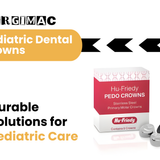
Get stainless steel crowns sourcing guidance for pediatric dentistry, including indications, sizing, durability, and practice inventory planning.
For pediatric dentists, stainless steel crowns are not just another restorative supply. They are a chairside reliability tool, an inventory planning decision, and a procurement category that affects clinical workflow every week. When a practice stocks the right pediatric crown assortment, clinicians can move from diagnosis to restoration with fewer delays, fewer substitutions, and a more predictable fit process.
Need to source pediatric crown options now? Explore SurgiMac's stainless steel crowns collection for primary molar, anterior, and kit-based options for professional dental use.
This guide focuses on the buyer considerations that matter most for dental professionals: indications, sizing, durability, anterior versus posterior selection, and practical inventory planning. It is designed for dentists, pediatric specialists, dental assistants, practice managers, and DSO procurement teams that need clinically relevant information and a clear path to sourcing dependable products.
Stainless steel crowns buyer considerations for pediatric dentistry
Stainless steel crowns are preformed restorations commonly used in pediatric dentistry to cover and protect primary teeth that need full-coronal coverage. The category is especially important when a tooth has extensive structural loss, a high risk of recurrent caries, or needs protection after pulp therapy. According to an NCBI Bookshelf review, stainless steel crowns were introduced into pediatric dentistry in 1947 and have remained an established pediatric restorative option for decades.
For buyers, the clinical history matters because it explains why this is a replenishment category rather than an occasional purchase. Crowns must be available in enough sizes and forms to support real treatment flow. If a practice sees pediatric patients regularly, a narrow assortment can create chairside friction even when the clinician has the right treatment plan.
A strong buying process starts with three questions. What procedures does the practice perform most often? Which teeth and arch positions are most likely to require coverage? Which sizes move fastest in the practice's actual patient population? Those answers guide whether the practice should prioritize individual crown packs, anterior options, posterior primary molar crowns, or a broader kit.
SurgiMac's product assortment supports this practical path from education to procurement. Practices can review the broader stainless steel crowns collection, compare product types, and pair the buying process with clinical education such as SurgiMac's clinical stainless steel crown guide.
When are stainless steel crowns indicated for pediatric patients?
In pediatric dentistry, stainless steel crowns are most often considered when a direct restoration may not provide enough coverage or durability for the remaining tooth structure. The NCBI Bookshelf review on stainless steel crowns in primary dentition lists common indications such as use following pulp therapy. Multisurface caries restorations, high caries risk, and developmental defects including amelogenesis imperfecta and dentinogenesis imperfecta.
That does not mean every pediatric restorative case requires a crown. Clinical judgment still depends on diagnosis, tooth position, remaining structure, eruption stage, occlusion, patient cooperation, and the expected life of the primary tooth. However, the indication pattern is clear enough to shape inventory planning. Practices that perform pulpotomies or treat high-caries-risk pediatric populations need reliable access to a range of crown sizes.
Common clinical scenarios that affect purchasing
- Primary molars needing full-coronal coverage after pulp therapy.
- Primary teeth with multisurface caries where direct restoration durability may be a concern.
- Pediatric patients with elevated caries risk where restoration longevity is a priority.
- Developmental enamel or dentin defects that require broader protection.
- Cases where maintaining arch space until natural exfoliation is part of the treatment goal.
Procurement teams should translate these indications into stocking categories. Posterior primary molar crowns are typically central to pediatric crown inventory, while anterior crowns may be needed for practices that handle esthetic-zone pediatric cases. Family practices that treat both children and adults may also evaluate permanent stainless steel crown kits. But those should be stocked based on actual procedure mix rather than assumptions.
How do you select the correct size stainless steel crown?
Selecting the correct size is a clinical process, but procurement quality has a direct effect on how smooth that process feels. The clinician needs a crown that approximates the tooth's mesiodistal width, can be adjusted to seat properly, and supports acceptable occlusion and contour after preparation. If the inventory is incomplete, the team may waste time testing sizes that are too far from the needed range.
- Start with tooth type and arch position. Separate anterior, posterior, primary, and permanent options before evaluating individual size.
- Assess mesiodistal fit. The selected crown should approximate the natural tooth width without excessive tightness or visible spacing concerns.
- Check occlusal clearance. The crown must work with the prepared tooth and the patient's bite after appropriate clinical adjustment.
- Evaluate contour and marginal adaptation. Precontoured crowns can reduce adjustment time, but clinicians still need to confirm fit.
- Crimp and adjust when clinically appropriate. Crimping and contouring help refine retention and margins, depending on the crown design and case.
- Confirm final seating before cementation. Final fit checks reduce the risk of avoidable chairside complications.
From a purchasing standpoint, the key is not only size availability. It is also how easily the team can find the right size during treatment. Crown trays, organized kits, clear labeling, and consistent reorder habits all help assistants support the dentist without interrupting workflow.
For practices building or refreshing a pediatric crown setup, SurgiMac carries options such as Evolve Pediatric Stainless Steel Primary Molar Posterior Crowns and Evolve Pediatric Stainless Steel Primary Anterior Crowns.
Anterior vs posterior pediatric stainless steel crowns
Anterior and posterior stainless steel crowns serve different workflow needs. Posterior crowns are often associated with primary molar coverage, durability, and space maintenance considerations. Anterior crowns may be evaluated when front teeth need full-coronal coverage and the practice wants a preformed option in the appropriate size range.
| Buying factor | Anterior pediatric crowns | Posterior pediatric crowns |
|---|---|---|
| Primary use case | Full coverage for selected anterior primary teeth. | Full coverage for primary molars and posterior pediatric cases. |
| Fit priority | Size range, contour, and visible-zone adaptation. | Mesiodistal width, occlusion, marginal fit, and retention. |
| Inventory approach | Stock based on actual anterior case frequency. | Maintain broader availability for common pediatric molar needs. |
| Workflow concern | Fast access to the correct anterior form. | Reduced chairside delays during pulpotomy and multisurface caries cases. |
| SurgiMac example | Evolve Pediatric Stainless Steel Primary Anterior Crowns. | Primary Molar Stainless Steel Crowns 5/pk. |
The best choice is not anterior or posterior in isolation. It is an assortment that matches the procedures the practice actually performs. Pediatric specialty offices may need deeper stock across multiple primary molar sizes, while general practices may prefer a leaner assortment plus a clear reorder plan.

Durability and material considerations for stainless steel crowns
Durability is one reason stainless steel crowns remain relevant in pediatric restorative dentistry. The NCBI Bookshelf review states that stainless steel crowns have outperformed materials such as amalgam and composite in durability and longevity for more than a half-century. For clinical buyers, that supports the need to evaluate crowns as performance products, not commodity items.
Material quality, form consistency, contour, and corrosion resistance all matter. Product descriptions in the SurgiMac catalog note pediatric crown options manufactured using corrosion-resistant surgical-grade stainless steel. Buyers should also review whether crowns are preformed, precrimped, and available in the size range their clinicians need.
What durability means for procurement
Durability is not only about how a crown performs after placement. It also affects standardization. When a practice repeatedly uses crowns that fit predictably and hold up under normal clinical expectations, the team can build a more consistent workflow. Assistants learn the tray. Dentists know the adjustment pattern. Procurement can forecast reorders with more confidence.
Wear resistance and space maintenance are also important considerations for primary teeth. One competing manufacturer describes stainless steel primary molar crowns as offering high wear resistance and helping allow space for permanent teeth to erupt into place. Buyers should treat such features as prompts for product comparison and confirm product details through current product pages before purchasing.
Procurement checklist for dental practices and DSOs
Dental procurement teams need a repeatable way to evaluate stainless steel crowns. The goal is not simply to find the lowest unit cost. It is to source a reliable assortment that supports clinical needs, reduces emergency ordering, and keeps chairside teams supplied.
- Match inventory to procedure mix. Pediatric specialty offices, family practices, and DSOs may need different crown depths.
- Separate anterior and posterior needs. Do not assume one category covers every pediatric case.
- Review sizing depth. Broader sizing can reduce delays when the first selected crown does not fit.
- Consider kits for setup and packs for replenishment. Kits help establish breadth, while individual packs support ongoing reorder control.
- Check packaging and labeling. Clear size organization helps assistants maintain treatment flow.
- Confirm compatibility with the practice's technique. Clinicians may prefer specific crown contours, crimping behavior, or tray organization.
- Choose suppliers that support reorder reliability. A crown category loses value when common sizes are frequently unavailable.
For DSOs, the same checklist can support standardization across locations. A central team can identify preferred product lines, set minimum par levels, and give each location a practical reorder guide. That approach helps reduce local variation while preserving enough flexibility for individual provider preferences.
SurgiMac supports this type of buying workflow by offering collection-level browsing, individual product pages, and related accessory options. Practices can compare pediatric anterior crowns, posterior primary molar crowns, and crown kit accessories from one supplier instead of building the category from scattered sources.
What should practices keep in stock?
A practical stainless steel crown inventory should cover the procedures a practice performs most often, not every possible scenario. Start by reviewing recent pediatric restorative cases and identifying the teeth, sizes, and product types used most frequently. Then build a core assortment around those patterns.
Most pediatric-focused practices should consider stock for primary molar crowns because multisurface caries and post-pulp-therapy restorations commonly involve posterior primary teeth. Practices that provide anterior pediatric restorative care should also evaluate anterior crown options. Family practices with a wider age mix may review permanent crown kits, but those purchases should be based on documented clinical need.
A practical stock-planning model
- Core stock: high-use posterior primary molar sizes.
- Supplemental stock: anterior pediatric crowns where case volume justifies them.
- Setup stock: introductory or master kits for new programs or new locations.
- Replenishment stock: individual packs for sizes that turn quickly.
- Organization support: trays and accessory kits that keep crowns easy to find.
Practices should also track stockouts. If a common size runs out twice in a quarter, the par level may be too low. If certain sizes sit unused for long periods, the practice may need a leaner reorder plan. This kind of review helps procurement align inventory with real patient demand.
Frequently asked questions about stainless steel crowns
Do dentists still use stainless steel crowns for pediatric patients?
Yes. Stainless steel crowns remain a common restorative option in pediatric dentistry, especially for primary teeth that need full-coronal coverage after pulp therapy, multisurface caries, or high-caries-risk situations.
How long do stainless steel crowns typically last in primary teeth?
Longevity depends on case selection, placement, oral hygiene, occlusion, and the natural exfoliation timeline of the primary tooth. They are widely used because they are known for durability in pediatric restorative care.
Are stainless steel crowns safe for children?
Stainless steel crowns are routinely used in pediatric dentistry when clinically indicated. Dental professionals should consider material details, patient history, and any relevant sensitivities as part of normal clinical judgment.
What are the disadvantages of stainless steel crowns?
Potential drawbacks include metallic appearance, the need for proper sizing and adjustment, and the importance of correct case selection. These factors make product choice and clinical technique important.
Can stainless steel crowns be used for adult teeth?
They can be used in selected adult or permanent-tooth situations, often as interim or special-purpose restorations. Pediatric primary-tooth use remains the main focus for many dental practices.
Shop stainless steel crowns with SurgiMac
When your team needs a dependable pediatric crown workflow, sourcing matters. SurgiMac helps dental professionals compare stainless steel crowns, pediatric anterior options, primary molar crowns, and related accessories in one professional dental supply catalog.
Shop stainless steel crowns from SurgiMac and build an inventory that supports clinical efficiency, sizing readiness, and reliable pediatric restorative care.
Tags
Blog posts
-
, by SurgiMac A Clinician's Guide to Absorbable Suture Material
-
, by SurgiMac A Clinician's Guide to Dental Composite Resin Kits
-
, by SurgiMac How to Disinfect with Metrex CaviWipes Correctly
