
5 Best Surface Cleaners for Dental Offices
- , by SurgiMac
- 25 min reading time
Find the best surface cleaners for dental offices. Compare top options for effective disinfection, safety, and efficiency to keep your practice clean and compliant.
You’ve invested in top-tier disinfectants and trained your team on infection control. But are you certain that common, unintentional mistakes aren’t undermining your efforts? Simple habits, like using one wipe for too many surfaces or not observing the correct contact time, can render even the best products ineffective. These small errors can compromise the safety of your entire operatory. This article will highlight the most frequent disinfection mistakes we see in dental practices and provide clear, actionable steps to correct them. By refining your technique, you can ensure your chosen surface cleaners are delivering the powerful protection your patients and staff deserve.
Key Takeaways
- Prioritize Compliance and Compatibility: Before considering any disinfectant, confirm its EPA registration. Next, ensure its contact time is practical for your patient turnover and that it is chemically compatible with your chairs, counters, and equipment to prevent costly damage.
- Master the Two-Step Process: Effective disinfection requires two distinct actions. First, use a wipe to pre-clean all visible debris from the surface. Then, use a second, fresh wipe to apply the disinfectant, making sure the surface stays wet for the entire required contact time.
- Use the Right Tool for the Job: A one-size-fits-all approach is inefficient. Use a fast-acting, broad-spectrum disinfectant from a trusted line like MacSafe for high-touch clinical surfaces, and select specific, approved products for sensitive equipment to maintain a safe and efficient workflow.

What Are Surface Disinfectants and Why Do They Matter in Your Practice?
Surface disinfectants are specialized chemical agents formulated to kill germs, bacteria, and viruses on hard, non-porous surfaces. In a busy dental office, where the risk of cross-contamination between patients and staff is a constant concern, effective disinfection is a non-negotiable part of your daily protocol. These products are your first line of defense in maintaining a sterile and safe environment, moving beyond simple cleaning to actively eliminate harmful pathogens.
The core purpose of a surface disinfectant is to ensure a high level of cleanliness that protects everyone in your practice. As noted by Dentsply Sirona, proper surface cleaning and disinfecting is essential to minimize the risks of cross-contamination. This step is a fundamental pillar of any successful infection control program, helping to break the chain of transmission from countertops and dental chairs to equipment and instruments.
Maintaining this standard requires consistent effort and attention to detail. Even the most seasoned dental teams can make small mistakes that could lead to non-compliance or compromise patient safety. As a resource from Henry Schein Dental highlights, seemingly minor errors in disinfection can have significant consequences. This is why choosing the right products and using them correctly is so critical. Ultimately, surface disinfectants are not just another item on your supply list; they are essential tools for safeguarding the health of your patients and your team. Following established guidelines for their use is imperative for creating a clean, compliant, and safe practice.
The Best Surface Disinfectants for Your Dental Office
Selecting the right surface disinfectant is one of the most critical decisions you’ll make for your practice’s infection control protocol. With countless options on the market, the goal is to find a product that is not only effective against a broad spectrum of pathogens but also works efficiently within the fast-paced flow of a dental operatory. The ideal disinfectant balances kill time, surface compatibility, and ease of use, ensuring your team can maintain a safe environment for every patient without compromising on turnaround time.
A reliable disinfectant does more than just clean; it provides peace of mind. It’s your first line of defense in preventing cross-contamination between patients and protecting your staff from occupational exposure. From high-touch surfaces like light handles and chair controls to countertops and equipment, every area requires a disinfectant that meets EPA standards and is formulated for the unique challenges of a clinical setting. Below, we’ll look at some of the most trusted and effective options available to dental professionals.
MacSafe Surface Disinfectants by SurgiMac
When you need a disinfectant you can count on, our own MacSafe line is designed to meet the high standards of modern dental practices. These surface cleaners are formulated to effectively eliminate a wide range of germs, bacteria, and viruses, ensuring a superior level of cleanliness in your operatories. In an environment where the risk of cross-contamination is a constant concern, using a reliable, professional-grade disinfectant is non-negotiable. MacSafe products provide the efficacy required to keep your clinical surfaces sanitized and your practice compliant, protecting both your patients and your team with every wipe.
CaviWipes and Sani-Cloth Options
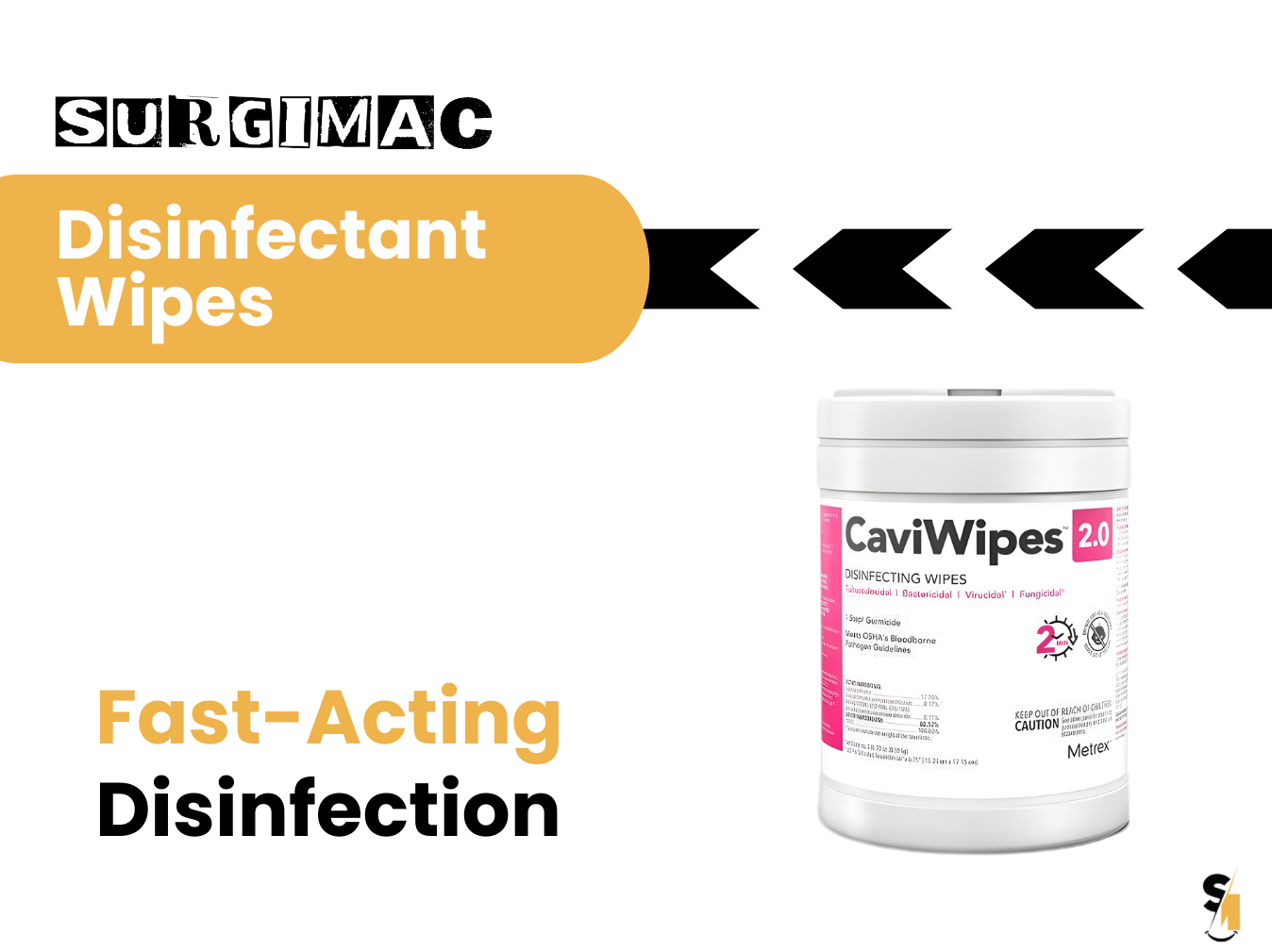
It’s no surprise that brands like CaviWipes and Sani-Cloth are staples in dental offices across the country. They have a long-standing reputation for reliability and effectiveness. However, even with the best products, proper technique is essential. As experts from Henry Schein Dental note, even experienced teams can make small mistakes that lead to non-compliance or re-contamination. That’s why it’s so important to choose a product with clear instructions and a contact time that fits your workflow. These trusted brands are designed to meet the rigorous demands of a busy practice, helping you maintain a consistent and effective infection control protocol.
Other Trusted Professional Brands
Beyond the most common names, there are many other high-quality, professional-grade disinfectants that support a safe and hygienic practice. The fundamental principle is ensuring any product you choose is designed for a healthcare setting and has the necessary EPA registration. Proper disinfection is absolutely essential for protecting everyone in your office from potential pathogens. Whether you’re wiping down a treatment room or preparing instruments for sterilization, using a certified disinfectant is a cornerstone of patient and staff safety. At SurgiMac, we offer a curated selection of dental supplies to ensure you have access to the best tools for the job.
How to Choose a Surface Disinfectant: 4 Key Features to Check
With so many options on the market, selecting the right surface disinfectant can feel overwhelming. But making an informed choice is fundamental to your practice’s infection control protocol. The best product for your office is one that is effective, efficient, and safe for your equipment and staff. To simplify the process, focus on four key features: EPA registration, contact time, surface compatibility, and ease of use. Evaluating disinfectants based on these criteria will help you confidently choose a solution that meets your clinical needs and keeps your practice running smoothly.
EPA Registration and Kill Claims
Before you consider any other feature, confirm that the disinfectant is registered with the Environmental Protection Agency (EPA). This registration is your assurance that the product has been rigorously tested and proven effective against the specific pathogens listed on its label. An EPA number on the packaging means the product meets federal standards for safety and efficacy. Beyond registration, review the product’s "kill claims" to ensure it targets the microorganisms relevant to a dental setting, such as bacteria, viruses, and fungi. This verification is the first step in building a reliable infection control strategy.
Contact Time (How Fast It Works)
Contact time, or dwell time, is the amount of time a disinfectant must remain wet on a surface to kill the claimed pathogens. This can range from 30 seconds to 10 minutes or more. In a busy dental practice, a shorter contact time is often more practical, as it allows for faster room turnover between patients. It's critical that your team understands how to maximize your disinfectant’s contact time to ensure proper disinfection. If a surface dries before the required contact time is met, the disinfection process is incomplete. Always check the manufacturer’s instructions and choose a product with a contact time that fits your office’s workflow.
Compatibility with Your Surfaces and Equipment
Not all disinfectants are created equal when it comes to material compatibility. Some chemicals can be corrosive or damaging to sensitive materials like dental chair upholstery, plastics, and metals over time. To protect your investment in dental equipment and supplies, choose a disinfectant that is approved for use on the specific surfaces in your operatory. Always consult both the disinfectant label and your equipment manufacturer’s guidelines. Selecting a product formulated for broad material compatibility helps prevent costly damage while ensuring a safe environment for both patients and staff.
Ease of Use and Dispensing Method
The most effective disinfectant is one your staff will use correctly and consistently. The product’s form—whether it’s a pre-moistened wipe, a ready-to-use spray, or a concentrate that requires dilution—plays a big role in staff compliance. Wipes, like those in our MacSafe line, offer convenience and control, reducing the risk of using too few wipes for the job. Sprays are useful for broader coverage but can create aerosols. Simple fixes and user-friendly products lead to safer, more effective infection prevention in your practice. Choose a dispensing method that aligns with your team’s preferences and your office’s protocols.
Comparing Performance: What to Look for in a Disinfectant
Once you’ve confirmed a disinfectant meets the basic requirements like EPA registration and material compatibility, it’s time to look at how it actually performs in a busy clinical setting. Two products with identical kill claims on paper can deliver very different results in practice. The key is to evaluate factors that directly impact your workflow, efficiency, and confidence in your infection control protocols. A superior disinfectant not only kills pathogens effectively but also makes it easier for your team to do their job correctly and consistently, patient after patient.
Choosing a product that performs well under pressure means fewer errors, faster turnover times, and a safer environment for everyone. When you're evaluating options, think beyond the label and consider the hands-on experience. Does the wipe stay saturated long enough to cover a full bracket table? Does the spray leave a hazy film on your dental chair? These practical considerations are what separate a good disinfectant from a great one. Let’s break down the three core performance indicators you should assess before committing to a new surface disinfectant.
Speed and Coverage
A disinfectant’s kill time is only effective if the product stays wet on the surface for the entire duration. That’s where speed and coverage come in. You need a formula that works quickly but doesn’t evaporate before its contact time is up. The best disinfectants are formulated to eliminate germs, bacteria, and viruses efficiently while providing comprehensive coverage without streaking or drying too fast. When applying a spray or wipe, ensure it visibly wets the entire surface. This ensures your infection control efforts are truly effective, not just going through the motions. A product that spreads easily and evenly makes it simple for your team to achieve full coverage every time.
Efficacy Against Key Pathogens
Your dental practice faces a specific set of microbial threats, so you need a disinfectant with a proven track record against them. Look for products with broad-spectrum efficacy, meaning they are effective against a wide range of pathogens, including bacteria, viruses, and fungi relevant to a healthcare setting. A versatile, 3-in-1 product that cleans, disinfects, and decontaminates can streamline your workflow significantly. Products like our MacSafe Surface Disinfectants are specifically designed to meet the demands of a clinical environment, giving you confidence that you’re neutralizing the pathogens of greatest concern and keeping your operatory safe for both patients and staff.
Wipe Durability and Finish
The physical quality of a disinfectant wipe is just as important as the chemical solution it carries. A flimsy wipe that tears or leaves lint behind can compromise the entire disinfection process and create more work. Durable, non-woven wipes ensure you can apply enough pressure to clean surfaces thoroughly without the material breaking down. It’s also critical to use enough wipes to prevent cross-contamination; one wipe should not be used to clean multiple surfaces. A high-quality wipe provides a consistent finish without leaving a sticky or dull residue on your equipment, maintaining the professional appearance of your practice while ensuring clinical-level cleanliness.
Matching the Right Disinfectant to the Right Job
Not every surface in your dental practice is the same, so your disinfection strategy shouldn't be one-size-fits-all. Matching the right product to the right application ensures you achieve effective pathogen kill rates without damaging your equipment or slowing down your workflow. Different areas—from the front desk to the operatory—have unique needs based on contact frequency and material composition. By tailoring your approach, you can maintain a higher standard of safety and efficiency throughout your clinic. Let's break down how to choose the best disinfectant for specific jobs around your practice.
For High-Touch Surfaces
High-touch surfaces are the front lines against cross-contamination. Think of countertops, light handles, chair controls, and doorknobs. For these areas, you need a disinfectant that works quickly and effectively. The goal is a product formulated to eliminate a broad spectrum of germs, bacteria, and viruses, ensuring a high level of cleanliness between appointments. Wipes like our MacSafe Surface Disinfectant Wipes are ideal because they offer a fast contact time and powerful cleaning action, allowing you to turn over your operatory with confidence.
For Equipment and Non-Critical Items
Your dental equipment and non-critical items require a disinfectant that is both effective and material-friendly. You need a versatile solution that can clean and disinfect without causing corrosion or degradation. A 3-in-1 spray or wipe is perfect for hard, non-porous surfaces like curing lights and X-ray heads. Before using any product, always check the equipment manufacturer’s instructions for use (IFU) to confirm compatibility. Choosing a compatible disinfectant helps streamline your infection control inventory and protects your valuable equipment.
For General Operatory Upkeep
Maintaining a consistently safe operatory goes beyond just the high-touch zones. It’s about establishing a routine that covers all the bases. Even experienced dental teams can make small disinfection mistakes that lead to cross-contamination. This is why a clear protocol for general upkeep is so important. Using a reliable disinfectant for wiping down chairs, carts, and other surfaces between every patient helps create a consistently hygienic environment. This practice reinforces your commitment to safety for both your patients and your team.
4 Common Disinfection Mistakes to Avoid
Even the most effective surface disinfectant won't perform correctly if your team isn't using it properly. A strong infection control protocol depends on consistent, correct application every single time. Unfortunately, a few common habits can undermine your efforts, leaving your operatory vulnerable to pathogens. Let's walk through the four most frequent mistakes and how to correct them to ensure your practice remains a safe environment for both patients and staff. By addressing these simple errors, you can maximize the effectiveness of your chosen products and maintain the highest standards of clinical hygiene.
Using One Wipe for Too Many Surfaces
It can be tempting to make one disinfectant wipe go the distance, but this practice can do more harm than good. Using a single wipe across multiple surfaces not only dilutes the disinfectant's chemical concentration but also risks cross-contamination, spreading pathogens from one area to another. An overused wipe simply doesn't have enough solution to meet the required contact time or cover the entire surface area effectively. To ensure proper disinfection, use a fresh wipe for each large surface or distinct zone in your operatory. This guarantees that every surface receives the full benefit of the disinfectant and prevents the transfer of microorganisms.
Not Following the Required Contact Time
Every EPA-registered disinfectant has a specific "contact time" or "dwell time"—the amount of time the surface must remain visibly wet for the product to kill the listed pathogens. If the disinfectant dries before this time is up, you can't be certain that disinfection has been achieved. This is one of the most critical steps in the entire process. Always check the manufacturer's instructions for the exact contact time and reapply if the surface dries too quickly. Products like MacSafe disinfectants are formulated for efficiency, but even they require adherence to the label's directions to guarantee efficacy and keep your practice compliant and safe.
Mixing Different Cleaning Chemicals
Never mix different cleaning or disinfecting products. Combining chemicals, such as bleach and ammonia-based cleaners, can create toxic gases that are hazardous to inhale. In other cases, mixing can neutralize the active ingredients in both products, rendering them completely ineffective. Your best strategy is to stick to one trusted system for your cleaning and disinfection protocol. Using a suite of compatible cleaning and sterilization products from a single supplier can help prevent accidental mixing and ensure that every product works as intended. Always read the labels and safety data sheets (SDS) before use to understand any potential chemical interactions.
Using the Wrong Product for the Surface
Not all disinfectants are suitable for every surface. Harsh chemicals can damage sensitive materials over time, leading to discoloration, cracking, or corrosion of your valuable equipment. For example, a high-alcohol-content disinfectant might be perfect for a stainless steel tray but could damage the upholstery on a dental chair. Always verify that your chosen disinfectant is compatible with the surfaces you intend to clean. This protects the longevity of your dental equipment and ensures that you are cleaning effectively without causing unintended harm. When in doubt, consult the equipment manufacturer’s guidelines for recommended cleaning agents.
Best Practices for Safe and Effective Surface Disinfection
Choosing a high-quality disinfectant is the first step, but your team’s technique is what truly ensures a safe and sterile environment. Even the most effective product won't work correctly if it's not used according to proper protocols. Consistent, correct application is the foundation of your practice's infection control strategy, protecting both your patients and your staff from cross-contamination.
To get the most out of your surface disinfectants, it’s essential to build standardized procedures that every team member follows without exception. This means moving beyond simply wiping down a surface and calling it clean. True disinfection requires attention to detail, from the initial preparation of the surface to the final moments of the required contact time. By establishing clear, actionable best practices, you create a clinical environment where safety is systematic, not incidental. Let’s walk through the four non-negotiable steps for safe and effective surface disinfection in your dental office.
Always Pre-Clean Debris First
You can’t disinfect a dirty surface. Disinfectants are designed to kill pathogens on contact, but they can’t penetrate physical debris like blood, saliva, or other bioburdens. Pre-cleaning to remove this visible soil is a critical first step before you even think about disinfecting. If you skip it, you’re essentially just spreading germs around underneath a layer of disinfectant that can't do its job.
The best approach is the "clean-wipe-discard" method. Use one disinfectant wipe to thoroughly clean the surface and remove all visible debris, then discard it immediately. Afterward, use a fresh, second wipe to apply the disinfectant to the now-clean surface, ensuring it remains wet for the full contact time. This two-step process guarantees the disinfectant can work as intended.
Follow Proper Application Methods
Every disinfectant comes with specific manufacturer's instructions for use (IFU), and following them is not optional—it’s essential for efficacy. The most important instruction to follow is the product's contact time, which is the amount of time a surface must remain visibly wet for the disinfectant to kill the pathogens listed on its label. If the surface dries before the contact time is up, you need to reapply the product.
Pay close attention to the IFU for your chosen MacSafe Surface Disinfectants or other products. Following the manufacturer's guidelines for application is the only way to ensure you are achieving the level of disinfection your practice requires and that the product is performing as promised.
Implement Clear Staff Training and Protocols
Consistency is key to successful infection control. The disinfection process should be the same every time, no matter which team member is cleaning the operatory. The only way to achieve this is by implementing clear, written protocols and providing comprehensive training for your entire staff. These protocols should detail every step of the cleaning and disinfection process for different surfaces and equipment in your office.
Regular training sessions and refreshers help reinforce these habits and keep everyone up-to-date on the latest standards. When your team has clear guidelines to follow, you minimize the risk of human error and create a consistently safe environment for everyone. This commitment to sterilization protocols is a cornerstone of patient trust and clinical excellence.
Always Wear the Right PPE
Surface disinfectants are powerful chemicals, and protecting yourself during their use is just as important as protecting your patients. Your team should always wear the appropriate personal protective equipment (PPE) when handling and applying these products. This includes utility gloves, masks, and protective eyewear to prevent splashes from contacting skin, eyes, or mucous membranes.
Using the right PPE is a fundamental safety measure. The MacSafe collection offers reliable exam gloves and disposable lab coats designed to provide a barrier against chemical exposure and pathogens. Equipping your staff with high-quality PPE ensures they can perform their disinfection duties safely and confidently, maintaining a secure clinical environment for themselves and your patients.
Finding the Best Value on Surface Disinfectants
When stocking your practice, it’s easy to focus on the sticker price of supplies. But true value in surface disinfectants goes far beyond the cost per canister. The best value comes from a product that balances price with performance, efficiency, and uncompromising safety. A cheaper product that requires more wipes, has a longer contact time, or damages your equipment will ultimately cost you more in time, materials, and repairs.
Think about cost-per-use, not just cost-per-wipe. A durable, high-quality wipe that stays saturated can clean a larger area without shredding, meaning your team uses fewer wipes to get the job done. Similarly, a versatile 3-in-1 spray that cleans, disinfects, and decontaminates hard, non-porous surfaces streamlines your inventory and simplifies protocols. Investing in effective infection control products from trusted lines like MacSafe ensures you get reliable performance that saves resources in the long run.
Efficiency is another critical part of the value equation. In a busy dental practice, time is money. A disinfectant with a rapid contact time allows for faster operatory turnover between patients, directly impacting your daily workflow and productivity. Furthermore, ensuring the disinfectant is compatible with your dental chairs, countertops, and equipment prevents costly damage from harsh chemicals. The right choice protects your investments while keeping your practice running smoothly.
Ultimately, the greatest value lies in safety and compliance. The cost of an infection control breach—in terms of patient trust, staff safety, and potential fines—is immeasurable. Choosing an EPA-registered, hospital-grade disinfectant designed for clinical environments is a non-negotiable investment. This ensures you are providing the highest standard of care and protecting your practice from preventable risks, which is the most valuable outcome of all.
Ready to Stock Up on Surface Disinfectants?
Keeping your dental practice clean and safe is non-negotiable, and the right surface disinfectant is your first line of defense. Effective disinfection is essential for eliminating pathogens and maintaining the high level of cleanliness that ensures patient safety and builds trust. Choosing a versatile product that cleans, disinfects, and decontaminates hard, non-porous surfaces helps streamline your infection control protocols and keeps your practice running efficiently.
At SurgiMac, we understand you need reliable solutions that deliver consistent results. That’s why we offer a comprehensive selection of infection control products, including trusted brands and our own dependable MacSafe line. By selecting the right disinfectant for your specific needs, you can avoid common mistakes like using the wrong chemical for a surface or failing to achieve proper disinfection, which can lead to cross-contamination. Pairing these solutions with the proper PPE, such as MacSafe disposable gloves, ensures your team can perform their duties safely and effectively. Explore our full range of surface disinfectants today and find the ideal products to uphold the highest standards of hygiene in your practice.
Frequently Asked Questions
Tags
Blog posts
-
, by SurgiMac A Clinician's Guide to Absorbable Suture Material
-
, by SurgiMac A Clinician's Guide to Dental Composite Resin Kits
-
, by SurgiMac How to Disinfect with Metrex CaviWipes Correctly
