
VPS Impression Material for Accurate Final Restorations
- , by SurgiMac
- 21 min reading time
Shop VPS impression material for accurate final impressions. Compare viscosities, strengthen restorative workflows, and choose the right material.
When a crown, bridge, or implant restoration depends on a precise final impression, even a small void or distorted margin can create avoidable chairside adjustments. Selecting VPS impression material with the right viscosity, set time, and handling characteristics helps dental teams capture dependable detail from the start.
Shop MacImpress VPS impression material for precise restorative workflows.
VPS impression material is an addition silicone used to capture detailed final impressions for crowns, bridges, implants, inlays, and onlays. Its dimensional stability and elastic recovery can support accurate casts when the material is selected, handled, stored, and poured according to the manufacturer's instructions. Research describes VPS impression material as widely used in dentistry for dimensional accuracy and stability. Clinical results still depend on proper isolation, tray selection, material pairing, seating, and inspection.
Successful restorative dentistry starts with a mold that reflects the exact shape of the patient's teeth. You must understand the science behind your supplies to get the best results every time. We will start by answering a key question: What is VPS impression material? The path to better clinical outcomes begins with these core facts.
What is VPS impression material?
Vinyl polysiloxane is a type of dental mold material. Most people call it VPS or addition silicone. Dentists use it to make very precise molds of a patient's teeth. These molds help labs build crowns and bridges that fit well and stay in place.
Understanding addition silicone chemistry
The name addition silicone refers to its polymerization reaction. Unlike condensation silicones, addition silicones do not release a volatile byproduct during setting. This characteristic supports the dimensional stability associated with VPS impression materials.
That chemistry does not eliminate technique-sensitive errors. Air entrapment, moisture contamination, movement during setting, and improper tray adhesion can still compromise the impression. Dental teams should follow the selected product's instructions for mixing, working time, intraoral set time, disinfection, storage, and pouring.
The benefits of high dimensional stability
One big reason doctors pick VPS is its great detail. It can capture very small parts of the mouth. This is vital for complex work like multi-unit bridges. According to research, vps impression material has great size stability and detail during the stone pouring phase.
VPS material also stays stable for a long time after it sets. Some other products change shape if you do not pour the model right away. But VPS keeps its form for many days. This gives dental teams more time to send the mold to a lab and makes sure the final crown fits well.
Choosing the right viscosity for clinical success
Another key trait is how the material handles being pulled out of the mouth. VPS has high strength, which keeps thin edges from tearing. It also has a memory feature that helps it snap back to its first shape. This trait helps make sure that VPS as an alginate alternative gives much better results for final models.
VPS comes in many forms, known as thicknesses or viscosities. You can find it as a thick putty or a very thin wash, where each type has a specific job. For example, a heavy body material provides a strong tray base, while a light body wash picks up tiny details. Picking the right flow level is a key skill to get the best fit every time.
Some materials are made to work well even when the mouth is wet. These are called hydrophilic products. They help push past saliva to reach the tooth surface. This keeps the final mold clear and free of gaps so the lab can work with ease.
Why accuracy depends on material performance
Dimensional stability and fit
Getting a precise fit for crowns and bridges starts with how the tools work. Polyvinyl siloxane (VPS) is a top choice for these cases. This is due to its great dimensional stability. It keeps its shape well after it sets. This is key for making a good stone die. The stability means the model will match the mouth of the patient exactly. If a mix warps, the final work will not fit the prep.
A stable vps impression material helps to lower the risk of change. This is true when you pour the stone. If the stuff shifts even a tiny bit, the final crown may not fit. This can lead to gaps that cause health issues or need more work. Using high-quality VPS ensures the fit stays true from the chair to the lab. It stays stable even if you wait a few days to pour the model.
Elastic recovery and tear strength
Taking a mold out of the mouth puts stress on the base. It must stretch to pass over tooth shapes and then return to its first form. This is known as elastic recovery. VPS types are popular because they have great recovery after it changes shape compared to other types. This helps keep the fine details of the arch safe. Without this trait, the mold would stay stretched and lead to a poor fit.
Tear strength is also needed for keeping deep margins clear. Thin parts of the stuff can rip if the strength is too low. High strength keeps the edges sharp and whole when you pull the tray. This stops the need for a re-take. It saves time and money for the clinic. It also makes sure the lab gets a clear view of the work. Strong mixes can handle the force of removal from tight spots without failing.
Viscosity and moisture control
The mouth is a wet place. This can make it hard to get a good mold. VPS types often have parts that help them work with saliva. This is called hydrophilicity. It allows the mix to wet the tooth surfaces easily. This capture of every detail happens without air holes or gaps. Good moisture control leads to a better fit for dental work. It ensures the margins are clear and easy for the lab to see.
Using the right thickness, or viscosity, also plays a big role in success. A mix of light and heavy body types helps to capture fine details. Light body flows into small gaps around the tooth. Heavy body provides the support needed to hold the shape. Getting this balance right helps to avoid common errors. This team effort ensures the final mold is both detailed and strong. It leads to better results for the patient and the dentist.
Compare MacImpress VPS options before your next final-impression case.
When should clinicians use VPS for final impressions?
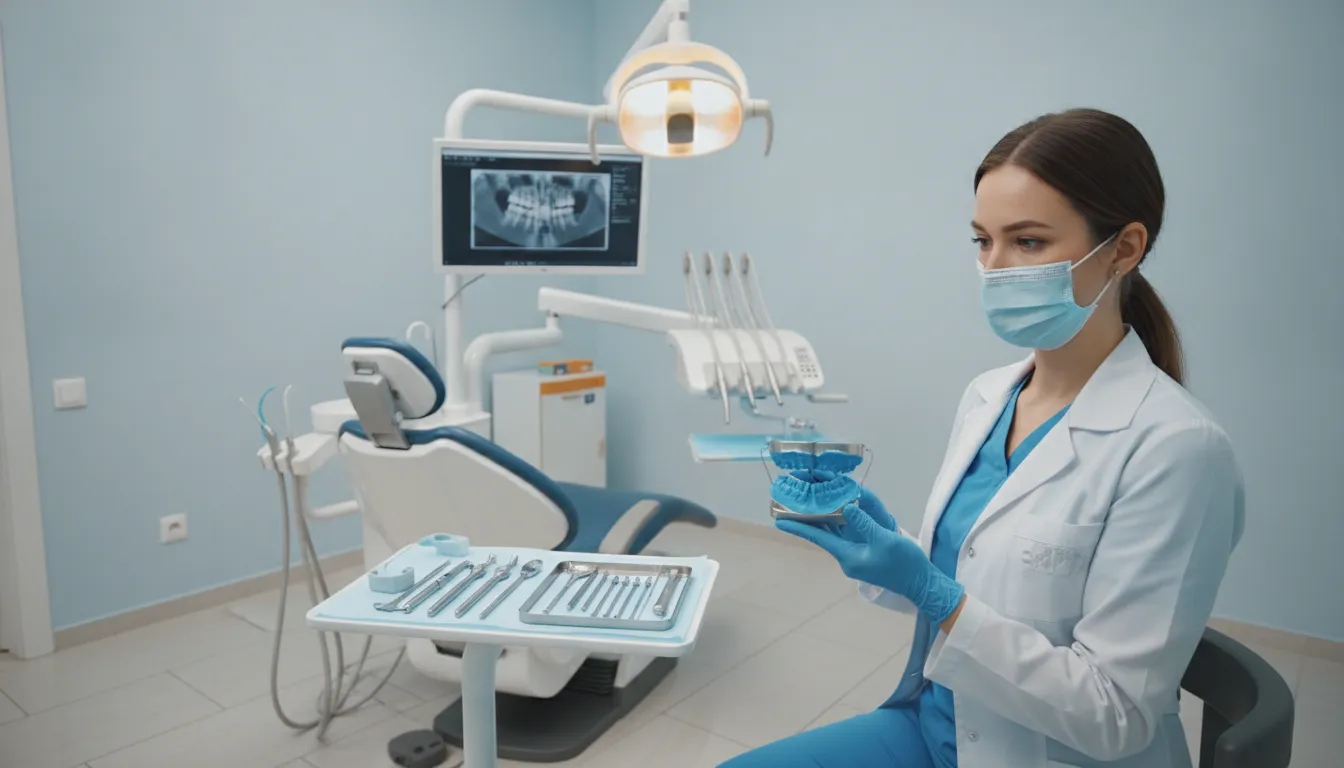
Dental teams often choose VPS impression material for final impressions that demand fine detail and dimensional stability. Common indications include fixed prosthodontic and implant workflows. Material selection alone does not determine the result, so clinicians should assess the preparation, tissue management, isolation, tray, viscosity pairing, and manufacturer's instructions for each case.
Clinicians often rely on this material for high-stakes clinical tasks. It is common to use it for:
- Crowns and fixed bridges
- Dental implant models
- Inlays and onlays
- Final restorative parts
Crowns and bridge restorations
Fixed parts like crowns and bridges need a very close fit to stay in place and last. Even a small error in the mold can cause the new tooth to feel wrong or fail. Dentists use VPS because of its great dimensional accuracy and high stability. It picks up the fine lines of a tooth prep with ease. This helps the lab make a crown with a tight seal at the gum line. A tight seal is key to stop new decay and keep the tooth healthy.
The high strength of this material also makes it a great choice. When you pull the set mold out of the mouth, it does not tear easily. This is very helpful for deep preps or thin spots. If a mold tears, the final crown will not fit the patient. By using high-quality VPS impression materials, you lower the risk of having to do the work a second time. This saves time for the office and keeps the patient happy.
Implant workflows and abutments
Implant cases need even more care than standard crowns. The spot for the implant must be exact so the parts fit together. VPS is the main choice for these cases because it has great elastic recovery. This means it goes back to its first shape after you pull it out of the mouth. Research shows that VPS has better recovery from deformation when compared to other types. This trait is what makes it so reliable for complex jobs.
For these hard cases, the stability of the mold is the most vital part. You might need to pour the stone days later or ship the mold to a lab. VPS stays the same size for weeks, which is much better than alginate. Many teams use it instead of alginate for any task that needs a long-term record. This means the implant parts will fit just right when they come back from the lab.
Inlays, onlays, and final parts
Small parts like inlays and onlays must fit into a tight space in the tooth. These tooth preps often have many small angles and sharp details. VPS putty and light-body wash work well as a team to capture these tiny spots. The material flows into the small gaps and then sets into a firm, hard mold. This helps the lab tech see every small detail of the tooth. When the tech sees a clear mold, they can make a part that fits the first time.
Using different types of material makes the work go more smoothly. You can use a thick body for the tray and a light wash around the tooth. This "wash" way of working captures the most detail while the thick base adds strength. To get the best results, dentists often refine their precision VPS putty techniques to match each case. This leads to new parts that drop into place with almost no change needed at the chair.
How to choose the right VPS viscosity
Picking the right thickness is a key step for any dental impression. Thickness refers to how thin or heavy the high-quality VPS impression materials are when you use them. This choice is vital because the flow of the tool helps decide the final precision of the stone model. As research shows, the viscosity of VPS material is a top factor that changes the fit of the final crown. For best results, you must match the thickness to the task and the method you plan to use.
Four main VPS viscosity types
There are four common levels of VPS thickness used in dental clinics. Light body material is thin and flows into small gaps with ease. It is best for capturing the fine details of a tooth prep. Medium body, also called monophase, is a good all-around choice. It can work well for many different tasks in the office. Heavy body is much thicker and provides a strong, stiff base for the tray. Putty is the thickest type of all. It is often used to make a firm base for high-precision molds.
| Viscosity Type | Best Use Case | Common Role |
|---|---|---|
| Light Body | Crown and bridge preps | Wash material |
| Medium Body | Implants and general use | Tray or wash |
| Heavy Body | Fixed prosthetics | Tray material |
| Putty | Full arch impressions | Tray or base |
Matching viscosity to your technique
In most cases, you will use two different thickness levels at the same time. The "tray material" is the thick base, such as heavy body or putty. It gives the mold its shape and strength. The "wash material" is the thin type, like light body. You place the wash on the teeth to capture fine details of the prep and margins. This two-part system is a standard way to get a clear and precise mold.
If the wash is too thick, it may not flow into the gum line. If the tray material is too thin, it might not provide enough pressure to push the wash into place. Using the right precision VPS putty techniques ensures that your final model is correct. This helps you avoid errors that can lead to a poor fit for crowns or bridges. Proper choice of these tools is a core part of a good dental workflow.
One-step vs two-step methods
You can use these tools in a few different ways. In a one-step method, you place the wash and tray material in the mouth at the same time. This is fast and works well for many patients. A two-step method involves taking a base mold first with putty. Once that sets, you add a light body wash and take a second impression. This method can offer more detail for complex cases. Both ways rely on picking the right thickness to get a clean result without voids or drags.
Some pros prefer a monophase method with medium body material. This material acts as both the wash and the tray base. It is thick enough to stay in the tray but thin enough to flow around the tooth. This can save time and lower the number of items you need to keep in stock. But for very deep margins, a light body wash is often still the best way to see every detail.
A reliable VPS impression workflow
Getting a perfect mold needs a clear plan. A good workflow helps you avoid common errors like voids or pulls. When you use high-quality VPS impression materials, you ensure that the final model fits the patient well. This process starts with picking the right tools and keeping the area dry.
Prep and tray choice
First, pick a tray that fits the dental arch. A tray that is too small can cause thin spots in the material. These thin spots may warp when you pour the stone model. Many pros use precision VPS putty techniques to create a strong base for the mold. Make sure the tray is rigid so it does not flex during the set.
Clean and dry the teeth before you start. Moisture can stop the material from capturing fine details. While some vps impression material options are more hydrophilic, a dry field is always best. Use air or cotton rolls to clear away saliva and blood. This step is key for a crisp finish.
Mix and seat the material
- Load the tray with the heavy body or putty material. Avoid trapping air bubbles as you fill the tray.
- Place the light body material around the tooth or prep site. Work fast to stay in the working time.
- Seat the tray with firm and even pressure. Do not let the patient bite down, as this can cause shifts.
- Hold the tray still until it is fully set. Moving the tray too soon will lead to a blurry mold.
- Check the set time on the box. Some materials need about 4 minutes and 30 seconds to reach a full set.
Remove and check the mold
Pull the tray out with a quick, straight motion. Do not rock the tray side to side. This helps the material snap back to its shape. VPS is known for superior elastic recovery, which means it resists permanent change after you pull it off the teeth.
Look at the mold under a bright light. Check for thin walls or air bubbles at the margins. If you see a flaw, you may need to take the mold again. Once you are happy, rinse the mold and use a dental disinfectant. Dry the mold before you send it to the lab for the best results.
Choose MacImpress supplies that match your tray and wash technique.

Troubleshooting common VPS impression errors
Even with high-quality vps impression materials, clinical errors can occur during the molding process. Small mistakes often lead to poor fit in the final restoration. You must find the cause of the error to know if you need to retake the mold. Common issues range from surface voids to large distortions in the material.
Surface voids and air bubbles
Surface voids often happen when moisture or air gets trapped in the tray. Since vps impression material needs a dry field for accuracy, saliva or blood can block the material from touching the tooth. You should use a steady tip when you place the light body to stop air from getting in. This helps you get a clean mold of the margins and fine details.
If you see small holes on the surface, check your drying steps. Using a surfactant or a more hydrophilic wash can help the material flow better. But if a void sits on a critical margin, you must retake the mold. Poor margins lead to gaps that cause decay in the future. Accurate molds ensure the precision VPS putty techniques you use result in a tight fit.
Pulls and drags in the mold
Pulls and drags look like thin streaks or distorted areas in the set material. These errors often occur if the tray moves before the vps material fully sets. Most VPS products need between two and five minutes to cure in the mouth. Removing the tray too soon will lead to a shape that does not match the tooth. This makes the stone die inaccurate for the lab.
To fix this, use a timer to track the setting time for your specific product. You should also hold the tray steady until the material is hard to the touch. Drags can also happen if you do not use enough tray adhesive. If the material peels away from the tray, the whole mold will distort. Using dental impression putty with the right tray size helps keep the material in place.
Tray show-through and seating issues
Tray show-through happens when the tray hits the teeth or soft tissue. This means there is not enough material between the tray and the prep. When the material is too thin, it can tear or warp when you take it out. You can avoid this by picking a tray that is large enough for the arch. Correct seating ensures a full layer of material covers all parts of the teeth.
If you see the tray shining through, the mold is likely not accurate. The thin spots lack the strength to keep their shape during the stone pour. You should also check for seating errors like a "rocking" tray. If the tray does not sit flat, the bite will be off. Using the right VPS as an alginate alternative gives you the stability needed for complex cases.
Choosing VPS impression material for your practice
Selecting the right VPS impression material is key for your dental workflow. Your choice affects how well a stone die fits the final restorative work. Clinicians often pick these materials because they have great dimensional accuracy and stability. To get the best results, you must look at viscosity, set time, and how the material handles moisture in the mouth.
Viscosity and clinical needs
The thickness or viscosity of your material is a top factor for accuracy. High-quality vps impression material comes in light, medium, and heavy body options. Light body flows well to catch fine details around the tooth. Heavy body or precision VPS putty techniques give the tray stability. Using the right mix helps you avoid small errors in your final dental models.
MacImpress offers a range of viscosities to fit any case. Whether you use a one-step or two-step method, the material must catch every edge. This consistency helps you build better prosthetics for your patients. Most pros choose these tools when clinical precision is the top goal.
Set time and workflow speed
Set time is another vital part of choosing your material. Some products take about four minutes and thirty seconds to fully set in the mouth. A fast set time can help patients who feel uneasy during the process. But you still need enough work time to place the tray correctly and let the material flow.
Proper set times lead to a more predictable day in the clinic. When you know exactly how long a material takes, you can plan your steps better. This helps your team stay on track and reduces the need for new impressions. Reliable materials like MacImpress make it easier to get a perfect mold on the first try.
Moisture and detail capture
The mouth is a wet place, which can make it hard to get a clean mold. Hydrophilicity is the ability of a material to work well near saliva or moisture. This trait is a must for catching fine tissue details without voids. Good moisture control leads to a better fit for crowns and bridges.
Storing your materials correctly also helps keep them working well. Heat or cold can change how they act when you use them. By following clear storage rules, you ensure your VPS stays consistent. This focus on detail helps you provide the best care for every person who sits in your chair.
Frequently Asked Questions
How long can I store a VPS impression before pouring the model?
VPS impression material offers strong dimensional stability after setting. However, storage conditions and allowable delays before pouring vary by formulation. Follow the specific manufacturer's instructions for disinfection, storage, transport, and pour timing. Research supports the dimensional stability of polyvinyl siloxane, but no material or technique guarantees an exact cast or restoration fit.
Why is hydrophilicity important in VPS impression material?
Hydrophilicity allows the material to flow into wet areas of the mouth. Since the mouth always has saliva and moisture, a hydrophilic material helps capture fine details along the gum line. This trait reduces the risk of air bubbles and voids in the mold. High-quality VPS impression material uses surfactants to help the mix spread evenly over tooth surfaces. This ensures a precise fit for restorations.
What is the typical setting time for VPS impression material?
Setting times vary by product and temperature. Most regular-set materials take about four to five minutes to fully harden in the mouth. Fast-set options can finish in as little as two minutes. For example, some products need four minutes and 30 seconds to set. Clinicians should check the instructions for each specific brand to avoid distortion. Using the correct time helps ensure the mold captures all details.
How does VPS impression material compare to alginate?
VPS offers much better accuracy and stability than alginate. While alginate is cheaper, it shrinks quickly and must be poured right away. VPS stays the same size for days and can even be poured multiple times. Many doctors use VPS as an alginate alternative for crown and bridge work where precision is vital. This shift helps reduce the need for retakes and improves the final fit of dental prosthetics.
Ready to make better dental molds today?
A consistent final-impression protocol can help teams reduce preventable retakes and communicate clearer expectations to the laboratory. Compare working time, intraoral set time, viscosity, delivery system, tray compatibility, and storage requirements before selecting a material. Then standardize the procedure and inspect every impression before it leaves the operatory.
Shop MacImpress VPS impression material for your restorative workflow.
Tags
Blog posts
-
, by SurgiMac A Clinician's Guide to Absorbable Suture Material
-
, by SurgiMac A Clinician's Guide to Dental Composite Resin Kits
-
, by SurgiMac How to Disinfect with Metrex CaviWipes Correctly
