
Dental Putty: A Guide to Types & Best Practices
- , by SurgiMac
- 24 min reading time
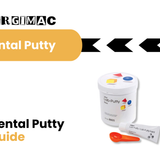
Get expert tips on dental putty types, clinical uses, and best practices for accurate impressions and reliable restorations in your dental practice.
Nothing disrupts a clinical schedule quite like a poorly fitting restoration that needs to be sent back to the lab. The root cause can often be traced back to a single, critical step: the impression. A distorted or incomplete impression guarantees a flawed outcome, wasting valuable chair time and frustrating both you and your patient. High-quality dental putty is your first line of defense against these costly remakes. Its heavy-body consistency and excellent stability are designed to create a precise, reliable blueprint for the lab to follow. This article will explore what makes a great dental putty, how to choose the right one for your practice, and the techniques that ensure a perfect impression every time.
Key Takeaways
- Choose the right putty for the clinical task: Use a high-stability Vinyl Polysiloxane (VPS) like MacImpress for precise final restorations, and select a reliable alginate such as AlgiMac for efficient preliminary work like study models.
- Perfect your technique for accurate impressions: A great material requires precise application. Always ensure a homogenous mix, select the right tray size, keep the tray completely still during setting, and perform a final quality check to avoid remakes.
- Make smart purchasing decisions: The true cost of putty includes chair time and remakes, not just the price per tub. Partner with a trusted supplier for consistent quality and consider buying in larger quantities to manage your budget without compromising clinical standards.

What is Dental Putty?
Dental putty is a high-viscosity impression material used to capture precise and detailed replicas of a patient's teeth and surrounding soft tissues. Think of it as the foundational step for creating perfectly fitting restorations. This pliable, dough-like substance is typically a two-part system, a base and a catalyst, that are mixed together to initiate a setting reaction. Once set, it creates a stable and accurate negative mold of the patient's dentition. This mold is then used by dental laboratories to fabricate everything from single crowns to complex bridgework.
The primary advantage of putty is its "heavy body" consistency, which provides excellent support and stability in the impression tray. It effectively displaces soft tissues and captures the necessary anatomical landmarks without slumping or distorting. Often used in conjunction with a lower-viscosity "wash" material, the putty-wash technique allows for the capture of incredibly fine details, which is critical for the success of restorative and prosthodontic procedures. High-quality impression materials are essential for minimizing chair time and ensuring superior patient outcomes.
Key Applications in Your Practice
Dental putty is a versatile workhorse in any clinical setting. Its most common application is creating accurate impressions for fabricating a wide range of dental restorations. This includes single crowns, bridges, and dentures that require a precise fit for long-term success. It is also indispensable for implant dentistry, where it captures the exact position of implant abutments. Beyond permanent restorations, putty is used to create molds for temporary crowns and bridges, ensuring patient comfort and function while the final prosthesis is being made. Additionally, it serves a key role in orthodontic work for creating study models and planning treatments.
Essential Properties and Clinical Benefits
The clinical value of dental putty comes from its unique physical properties. High dimensional stability is paramount, as it ensures the impression remains accurate from the moment it leaves the patient's mouth until the lab pours the model. Excellent tear strength prevents the material from ripping upon removal, especially in areas with undercuts. Furthermore, its ability to capture fine surface details is what allows for the creation of restorations with seamless margins and a perfect fit. Materials like SurgiMac’s MacImpress Vinyl Polysiloxane (VPS) system are engineered to deliver these benefits, providing clinicians with reliable, distortion-free impressions for consistent and predictable results.
A Breakdown of Dental Putty Types
Choosing the right impression material is fundamental to achieving accurate and reliable clinical outcomes. The material you select depends on the specific procedure, your workflow preferences, and the level of detail required. From preliminary models to final restorations, each type of dental putty offers a unique set of properties tailored to different applications. Understanding these differences will help you equip your practice with the best tools for every case.
Fast-Set vs. Regular-Set
One of the first decisions you'll make is choosing between a fast-set or regular-set material. The primary difference is the working and setting time. Fast-set putty typically hardens in about two to three minutes, giving you around one minute to mix and place it. This is an excellent choice for patients with a sensitive gag reflex or for straightforward procedures where speed is a priority. Regular-set putty, in contrast, provides a longer working time of two to three minutes before hardening in four to six minutes. This extended timeframe is better suited for more complex cases, such as full-arch impressions, that require additional time for careful placement and manipulation.
Vinyl Polysiloxane (VPS)
Vinyl Polysiloxane (VPS) is the gold standard for final impressions, prized for its exceptional accuracy and dimensional stability. This material captures the finest details with incredible precision, ensuring that crowns, bridges, and implants fit perfectly. Its superior tear resistance and ability to rebound from deformation make it a highly reliable choice. The MacImpress Collection by SurgiMac leverages an advanced VPS formulation to deliver these benefits consistently. Available in various viscosities and setting times, MacImpress provides the control and clarity needed for superior-fitting restorations and predictable results.
Polyether
Polyether impression materials are known for their inherent hydrophilic properties, meaning they perform exceptionally well in the moist environment of the oral cavity. This moisture tolerance allows them to capture crisp, clear margins even with the presence of saliva or sulcular fluid. Polyethers offer great dimensional stability and a rigidity that some clinicians prefer for certain techniques, like implant impressions. While they provide excellent detail, their handling characteristics are distinct from VPS materials, so the choice often comes down to procedural needs and personal preference.
Alginate Impression Materials
Alginate is a versatile and cost-effective material used for a wide range of preliminary applications. It’s the go-to choice for creating diagnostic models, fabricating custom trays, and making orthodontic study casts. While it doesn't offer the same long-term dimensional stability as VPS or polyether, its ease of use and rapid setting time make it incredibly efficient for routine tasks. For practices seeking both speed and precision, AlgiMac offers a high-quality, fast-setting alginate that mixes smoothly and captures reliable detail for all your preliminary impression needs.
What to Look for in Top Dental Putty Brands
When selecting a dental putty, you’re looking for more than just a material; you’re choosing a partner in precision. The best brands consistently deliver on the key properties that define a successful impression: accuracy, dimensional stability, and ease of use. A high-quality putty captures every minute detail of the patient’s dentition without distortion, ensuring that crowns, bridges, and other restorations fit perfectly on the first try. This level of reliability minimizes the need for adjustments and remakes, which saves valuable chair time and enhances patient satisfaction.
Leading brands invest heavily in research and development to refine their formulations. They focus on creating materials with ideal handling characteristics, such as a smooth, non-sticky consistency that is easy to mix and load into trays. They also optimize working and setting times to align with the workflows of busy dental practices. While many established names like 3M ESPE, Kerr, and Dentsply Sirona have built a strong reputation over decades, it's also important to consider innovative brands that offer specialized performance. By comparing the top contenders, you can identify the putty that best aligns with your clinical needs, procedural preferences, and practice goals.
SurgiMac's MacImpress VPS System
SurgiMac's MacImpress VPS System is engineered for clinicians who refuse to compromise on accuracy. Known for its high precision and excellent dimensional stability, this Vinyl Polysiloxane (VPS) material ensures your impressions remain true from the moment they set until the lab pours the model. This stability is critical for producing superior-fitting restorations and reducing the likelihood of costly remakes. The formulation provides exceptional tear resistance and flawlessly reproduces intraoral details. For dental professionals seeking consistent, predictable results for all final impressions, MacImpress delivers the confidence and clinical consistency needed for modern restorative dentistry.
3M ESPE
3M ESPE is a leader in dental innovation, and its impression materials are no exception. The brand is widely recognized for offering products that integrate smoothly with digital workflows. Many of their dental putty products are known for their digital compatibility, allowing for seamless integration with CAD/CAM systems. This forward-thinking approach helps streamline the restorative process, from impression-taking to final fabrication. For practices that have adopted or are transitioning to digital dentistry, 3M ESPE provides reliable materials that bridge the gap between traditional techniques and modern technology, ultimately improving efficiency and output.
Kerr Corporation
For generations, Kerr Corporation has been a trusted name in restorative dentistry, and its dental putties are favored for their exceptional performance. Kerr materials are particularly noted for their ability to provide excellent detail reproduction, a critical factor for achieving passive fits in complex restorative cases. Clinicians also appreciate these putties for their ease of use and predictable handling characteristics, which simplify the impression-taking process. Whether you are working on a single crown or a full-arch restoration, Kerr’s formulations are designed to capture every essential detail with clarity and precision, supporting high-quality clinical outcomes.
Dentsply Sirona
Dentsply Sirona’s dental putty products are designed for high performance and are a staple in restorative dentistry worldwide. The brand is synonymous with reliability, offering materials that produce consistent and accurate results time after time. This predictability is invaluable in a busy practice where efficiency and dependable outcomes are paramount. Widely used for a variety of impression-taking procedures, Dentsply Sirona’s putties are formulated to meet the demands of modern clinical practice. Their consistent behavior and proven track record make them a go-to choice for dentists who need a material they can trust for crucial restorative work.
GC America
GC America is known for producing versatile and effective dental materials, and its dental putty is a prime example. This brand’s putty is celebrated for its effectiveness in capturing fine details, making it a suitable choice for a wide range of dental procedures. Its versatility allows clinicians to use it for everything from preliminary impressions to final restorations, making it a practical and economical option for many practices. The material’s reliable performance and ability to deliver clear, detailed impressions help ensure that the final restoration will meet both clinical standards and patient expectations, making it a valuable tool in any dental office.
How to Select the Right Dental Putty
Choosing the right dental putty isn't just about grabbing the first tub you see. It’s a decision that directly impacts your workflow, the accuracy of your restorations, and your patient's comfort. The ideal material should feel like a natural extension of your clinical skills, mixing smoothly and capturing every crucial detail without a fight. Think about your daily procedures: are you frequently working with anxious patients or those with a sensitive gag reflex? A fast-set putty might be your best friend. Are you tackling complex cases that require a bit more working time? A regular-set material could provide the flexibility you need.
Beyond setting time, consider the material's handling properties. A putty that is too stiff can be difficult to mix and seat, while one that’s too soft might not provide enough support in the tray. The goal is to find a balanced consistency that delivers both ease of use and clinical precision. High-quality impression materials are formulated to provide this balance, ensuring you can work confidently and efficiently. By evaluating a few key factors, you can select a dental putty that streamlines your process and helps you achieve flawless impressions every time.
Setting Time and Workflow Efficiency
Your choice between a fast-set and regular-set putty can significantly influence your chairside efficiency. Fast-set options, which typically harden in two to three minutes, are perfect for straightforward procedures and can be a game-changer for patients who are anxious or have a strong gag reflex. This quicker turnaround time helps minimize patient discomfort and keeps your schedule running smoothly. On the other hand, regular-set putties offer a more generous working time, which is invaluable for complex cases like full-arch impressions or when you need a few extra moments to ensure the tray is seated perfectly. The MacImpress VPS system offers various set times, allowing you to tailor your material choice to the specific clinical situation and patient needs.
Mixing Consistency and Handling
The handling characteristics of a dental putty are critical for achieving a void-free and accurate impression. A high-quality material should have a smooth, non-sticky consistency that is easy to mix by hand. Always follow the manufacturer’s instructions for the base-to-catalyst ratio, as an incorrect mix can prevent the material from setting properly. Knead the two parts together until you achieve a uniform color with no streaks, which indicates a homogenous mix. The putty should be firm enough to load into the tray without slumping, yet pliable enough to capture fine details without excessive pressure. This ideal consistency ensures you can work efficiently without compromising the quality of your impression.
Accuracy and Patient Comfort
Ultimately, the success of a restoration hinges on the precision of the initial impression. The primary role of dental putty is to create a detailed and dimensionally stable negative of the patient's dentition. Look for a material with high tear strength and excellent elastic recovery to prevent distortion when removing the tray from the mouth. This ensures that even the finest margins are captured accurately. Patient comfort is also a key factor. A putty with a neutral taste and odor, combined with the appropriate setting time, can make the entire procedure a more pleasant experience, leading to better patient cooperation and more reliable results.
Shelf Life and Storage
Proper inventory management is essential for ensuring your dental putty performs as expected. Most impression putties have a shelf life of around two years, but this can be compromised by improper storage. To maintain the material's effectiveness and consistency, store it in a cool, dry place away from direct sunlight and heat sources. Always check the expiration date before use, as expired materials can lead to poor setting times and inaccurate impressions, resulting in wasted chair time and resources. Integrating this simple check into your infection control and setup routine helps guarantee that you are always working with a reliable, effective product.
Best Practices for Applying Dental Putty
Achieving a perfect impression depends on both high-quality material and precise application. Flawless technique prevents material waste, reduces chair time, and ensures the final restoration fits perfectly. Following these best practices will help you consistently produce accurate impressions, forming the foundation for successful clinical outcomes. These steps are essential for getting the most from reliable materials like the MacImpress VPS System.
Ensure Proper Mixing and Ratios
Your impression's success starts with the mix. Always follow the manufacturer's instructions for the base-to-catalyst ratio, as deviations compromise setting properties and stability. Knead the components together quickly until you achieve a uniform color with no streaks. An inconsistent mix results in an unreliable impression that fails to capture necessary details. Proper handling ensures your material performs exactly as intended, providing a solid foundation for restorative work.
Prepare and Load Trays Correctly
Selecting the right impression tray is the next crucial step. Choose a tray that provides full coverage of the dental arch without impinging on soft tissues. An ill-fitting tray leads to an inaccurate impression. When loading the putty, distribute it evenly to capture all tooth surfaces and marginal details without overflowing. Proper loading promotes uniform pressure during seating, which is essential for capturing the fine details required for high-precision dental crowns and restorations.
Master Your Impression-Taking Technique
Once the tray is loaded, your technique determines the quality. Seat the tray with firm, even pressure, ensuring it is properly aligned over the arch. Hold the tray completely still until the material has fully set per the manufacturer’s instructions. Even slight movements can introduce distortions that render the impression unusable. Maintaining a dry field is also key, as moisture can interfere with the material’s ability to accurately record surface details. A steady hand is non-negotiable.
Inspect Impressions for Quality Control
Before sending an impression to the lab, perform a thorough quality check. Examine the set material under good lighting, looking for any voids, drags, or pulls, especially around preparation margins. Ensure all critical anatomical landmarks are clearly defined. If you spot any imperfections, it is always better to retake the impression immediately. A flawless impression is the blueprint for a flawless restoration. A final inspection is your ultimate safeguard for clinical excellence.
Understanding Dental Putty Costs
When stocking your practice, the cost of dental putty is more than just a line item on an invoice. It’s an investment in clinical accuracy, workflow efficiency, and patient satisfaction. The price you see is influenced by a combination of material science, brand reputation, and purchasing strategy. While it might be tempting to choose the lowest-priced option, understanding the value behind the cost is key to making a smart decision for your practice. A putty that reduces chair time and eliminates the need for impression retakes often provides a far better return.
Factors like raw material quality, manufacturing standards, and even global supply chain dynamics can affect pricing. However, the most significant variables you can control are the type of material you choose and how you source it. By looking at the complete picture, from the putty’s formulation to the reliability of your supplier, you can find a solution that fits your budget without compromising the quality of care your patients expect. Let’s break down the main factors that determine the cost of dental putty.
How Material Affects Price
The formulation of a dental putty is the single biggest factor influencing its price. Advanced materials like Vinyl Polysiloxane (VPS) cost more to produce than traditional alginates because they offer superior clinical benefits. For example, the MacImpress VPS system is engineered for exceptional dimensional stability, high tear resistance, and precise detail reproduction. While the initial cost may be higher, these properties lead to fewer impression retakes, better-fitting restorations, and ultimately, greater long-term value. Investing in a high-performance material ensures predictability and helps you avoid the hidden costs of clinical errors and material waste.
The Role of Brand and Quality
Established brands often carry a higher price tag, and for good reason. Decades of research, rigorous quality control, and extensive clinical testing build a reputation for reliability that practitioners depend on. When you choose a trusted brand, you’re paying for the assurance of consistent performance with every mix. However, it’s also important to recognize that a higher price doesn’t always equate to better quality. The SurgiMac brand was developed to offer clinicians premium, reliable products at a competitive price point, proving that you don’t have to overpay for dependable results in your practice.
Cost Savings with Bulk Orders
Your purchasing strategy can significantly impact your supply costs. Buying dental putty in larger quantities is one of the most effective ways to lower your per-unit expense. Many suppliers offer tiered pricing that rewards bulk orders, allowing you to stock up on essential materials while staying within budget. By consolidating your orders for putty and other dental disposables with a single, trusted distributor, you can often unlock additional savings and streamline your inventory management. This approach not only mitigates the impact of market price fluctuations but also ensures your clinic is always prepared.
Where to Source High-Quality Dental Putty
Selecting the right dental putty is a critical step, but it’s only half the equation. The other half is finding a dependable supplier who can consistently deliver high-quality materials when you need them. Sourcing from the right partner protects your practice from the headaches of inconsistent stock, fluctuating prices, and questionable product quality. A great supplier does more than just ship boxes; they become an extension of your team, offering reliability, expert support, and the peace of mind that comes from knowing your inventory is in good hands.
Your choice of supplier directly impacts your clinical outcomes and operational efficiency. A partnership with a trusted distributor ensures you have access to clinically vetted dental equipment and supplies that perform as expected, every time. This allows you to focus on what truly matters: providing exceptional patient care. Whether you prefer to work with a dedicated distributor, browse online marketplaces, or build direct relationships, the key is to find a source that aligns with your practice’s standards for quality, value, and service. Let’s explore the best avenues for sourcing dental putty and what to look for in a reliable supply partner.
Trusted Distributors like SurgiMac
Working with a specialized dental distributor is one of the most efficient ways to source high-quality putty. Trusted distributors like SurgiMac curate a selection of the industry’s best products, saving you the time and effort of vetting countless brands yourself. We offer our own advanced MacImpress VPS system, which is engineered for exceptional accuracy and stability. In addition to our in-house brand, we also provide access to other leading names in the industry. Many practitioners seek out brands like 3M ESPE or Kerr Corporation for their innovative formulations, and a comprehensive distributor ensures you can source these trusted products from a single, reliable point of contact. This streamlines your procurement process and guarantees every product meets rigorous clinical standards.
Online Supply Marketplaces
Online marketplaces have become a popular option for sourcing dental supplies, offering a centralized platform to compare products and prices from various vendors. These digital hubs provide transparency, allowing your team to view price histories and manage inventory from a single interface. Using an online platform can be an effective way to manage your practice’s budget and ensure you are getting competitive rates on the materials you use most. While the convenience is undeniable, it’s important to carefully vet the individual sellers on these platforms. Always prioritize suppliers with a strong reputation for quality control and reliable shipping to avoid disruptions in your practice.
How to Choose a Reliable Supplier
When evaluating a potential supplier, it’s essential to look beyond the sticker price. The most reliable partners offer a blend of competitive pricing, product durability, and consistent performance, which ultimately delivers a better return on investment. A trustworthy supplier should have a proven track record of excellent customer service and transparent business practices. Ask about their quality control processes, shipping reliability, and support system. The ideal partner is one who understands your clinical needs and is committed to helping your practice succeed. At SurgiMac, we pride ourselves on being more than just a supplier; we are a partner dedicated to providing the highest quality products and unwavering support to dental professionals.
Frequently Asked Questions
Q: When should I choose a fast-set putty over a regular-set one?
A: A fast-set putty is your best option for straightforward procedures or when working with patients who have a sensitive gag reflex. Its quick setting time minimizes patient discomfort and helps keep your schedule on track. For more complex cases, like full-arch impressions that require more time for precise tray placement, a regular-set material provides the extended working time you need to get it right without feeling rushed.
Q: Can I use the same type of putty for both preliminary and final impressions?
A: Not typically. Different materials are designed for different levels of precision. Alginate, like our AlgiMac, is perfect for preliminary work such as diagnostic models and custom trays because it's cost-effective and sets quickly. For final impressions that demand the highest accuracy for crowns, bridges, and implants, a Vinyl Polysiloxane (VPS) material like MacImpress is the clinical standard due to its superior dimensional stability and detail reproduction.
Q: What are the most common causes of impression errors, and how can I avoid them?
A: Most errors come down to technique. The most common issues are an improper mix ratio, movement during setting, and moisture contamination. To avoid them, always follow the manufacturer's mixing instructions precisely, hold the tray completely still until the material is fully set, and ensure a dry field before seating the tray. A final quality check under good lighting to spot any voids or drags before sending it to the lab is also a crucial step.
Q: Is it really more cost-effective to buy a premium putty?
A: Yes, in the long run, it often is. While a premium VPS putty like MacImpress may have a higher upfront cost, it's an investment in accuracy and efficiency. Its high tear strength and dimensional stability significantly reduce the chances of needing a retake. This saves you valuable chair time, material costs, and lab fees associated with remakes, providing a better return on your investment.
Q: What is the single most important factor to consider when selecting a dental putty?
A: The most important factor is the clinical application. Your choice should always be guided by the specific procedure you are performing. Ask yourself what the impression will be used for. A preliminary study model has different requirements than a final impression for a multi-unit bridge. Matching the material’s properties, such as accuracy, stability, and setting time, to the demands of the case will always lead to the best outcome.
Read More
Related Articles
Tags
Blog posts
-
, by SurgiMac A Clinician's Guide to Absorbable Suture Material
-
, by SurgiMac A Clinician's Guide to Dental Composite Resin Kits
-
, by SurgiMac How to Disinfect with Metrex CaviWipes Correctly
