
What Are Gracey Curettes Used For? A Clinical Guide
- , by SurgiMac
- 32 min reading time
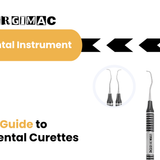
Find out what are Gracey curettes used for in periodontal therapy, plus tips on selection, technique, and maintenance for optimal clinical results.
Long days of scaling and root planing can take a toll on your hands and wrists. While we all know what are Gracey curettes used for in a clinical sense, choosing the right instrument can also be a decision for your own ergonomic health. The design of a Gracey curette, from its handle weight to its blade sharpness, directly impacts your efficiency and comfort. A lightweight, well-balanced instrument like those in our Air Series reduces muscle strain, allowing you to maintain control and precision throughout the day. This guide will not only cover the clinical applications of Gracey curettes but also show you how to select an instrument that supports your well-being and enhances your performance.
Key Takeaways
- Master the Gracey Numbering System: Each number pair is designed for a specific tooth surface, such as an 11/12 for mesial and a 13/14 for distal areas. Correctly matching the instrument to the anatomy ensures precise, effective calculus removal with minimal tissue trauma.
- Select the Right Design for the Job: Your instrument choice should be guided by pocket depth and root anatomy. Use standard Graceys for routine work, After Five designs for pockets deeper than 5 mm, and Mini or Micro Mini curettes for tight spaces like furcations.
- Prioritize Ergonomics and Maintenance: An instrument's effectiveness is tied to its quality and upkeep. Select curettes with ergonomic handles to reduce fatigue and high-grade steel for durability, and commit to regular sharpening to maintain a sharp, effective cutting edge for every procedure.

What is a Gracey Curette?
Gracey curettes are the go-to instruments for meticulous subgingival work. Developed in the 1940s, these specialized tools are designed for the precise removal of calculus and biofilm from root surfaces. Unlike more general-purpose scalers, each Gracey curette is area-specific, meaning it’s engineered to adapt perfectly to the unique contours of certain teeth and surfaces. This specificity is their greatest strength, allowing you to perform effective scaling and root planing with minimal tissue trauma. For any clinician focused on periodontal health, mastering the Gracey curette is fundamental to achieving excellent patient outcomes.
Gracey vs. Universal Curettes: What's the Difference?
While both are essential for hygiene procedures, Gracey and universal curettes serve different functions. A universal curette is a versatile workhorse; it has two parallel cutting edges and a 90-degree blade face, allowing you to use it on most tooth surfaces throughout the entire mouth. A Gracey curette, on the other hand, is a specialist. It features a single cutting edge and an offset blade, designed to adapt flawlessly to specific tooth surfaces, like the mesial surface of a molar. This area-specific design provides superior access and adaptation in deep or complex periodontal pockets, making it the ideal choice for definitive scaling and root planing. Many clinicians keep a full range of dental instruments to switch between universal and Gracey curettes as needed.
Anatomy of a Gracey Curette: Blade, Shank, and Handle
Understanding the three main components of a Gracey curette helps you appreciate its clinical effectiveness. The blade is curved in two planes and has a single, lower cutting edge, which is what allows it to conform so well to convex root surfaces. Next, the shank connects the blade to the handle. Its unique angles and length determine which area of the mouth the instrument can access. Finally, the handle provides your grip and control. Modern instruments, like those in the SurgiMac Air Series, feature lightweight, ergonomic handles designed to reduce hand fatigue and improve tactile sensitivity during long procedures, making your work more comfortable and precise.
Why the Offset Blade Design Matters
The genius of the Gracey curette lies in its offset blade. The blade is angled at approximately 70 degrees to the terminal shank, which is not an arbitrary number. This specific angulation makes the instrument self-angulated. When you position the terminal shank parallel to the tooth surface you are treating, the cutting edge automatically meets the root at the perfect angle for effective calculus removal. This design accomplishes two critical goals: it maximizes the efficiency of your strokes and significantly reduces the risk of causing trauma to the surrounding gingival tissue. It’s a thoughtful feature that supports safer, more effective periodontal care and contributes to better long-term patient health.
How to Read the Gracey Curette Numbering System
Understanding the Gracey curette numbering system is the key to using these instruments effectively. The numbers are not random; they are a precise guide that tells you exactly where and how to use each curette. Once you crack the code, you can select the perfect instrument for any tooth surface, ensuring a more efficient and effective cleaning process. This system allows for targeted calculus removal with minimal guesswork, protecting soft tissues and improving patient outcomes. Think of it as a map to navigating the subgingival environment with confidence and precision.
Decode the Numbering Pairs
Gracey curettes are organized in pairs, with each number indicating a specific application area within the mouth. This system makes it easy to identify the right tool for the job. The lower-numbered curettes are for anterior teeth, while the higher numbers are designed for the more complex surfaces of posterior teeth.
Here’s a quick breakdown:
- Gracey 1/2 & 3/4: Used on all surfaces of anterior teeth.
- Gracey 5/6: For anterior teeth and premolars.
- Gracey 7/8 & 9/10: Designed for the buccal and lingual surfaces of posterior teeth.
- Gracey 11/12: Angled to access the mesial surfaces of posterior teeth.
- Gracey 13/14: Angled for the distal surfaces of posterior teeth.
Understand the Single-Cutting Edge and Blade Angle
What truly sets Gracey curettes apart is their unique blade design. Unlike universal curettes, a Gracey blade is offset from the terminal shank at an angle of approximately 70 degrees. This specific angulation means that only one cutting edge, the lower one, is used for scaling. This design automatically creates the ideal angle for calculus removal when the terminal shank is held parallel to the tooth surface. The blade also features a rounded back and toe, which helps prevent laceration and trauma to the gingival tissue during subgingival work. This thoughtful engineering makes Gracey curettes exceptionally safe and effective for deep cleaning.
Match the Number to the Tooth Surface
Using the correct Gracey curette for its intended surface is crucial for clinical success. Matching the number to the tooth surface allows for better adaptation, more effective calculus removal, and significantly less harm to the surrounding gums. When you use the right instrument, the blade naturally conforms to the tooth’s anatomy, making your work more precise and ergonomic. Having a full set of high-quality dental instruments ensures you are prepared for any clinical situation. For example, the comprehensive selection in SurgiMac’s Pro Series provides the reliability needed to perform meticulous periodontal debridement, ultimately leading to better patient outcomes and a more efficient workflow.
Key Clinical Uses for Gracey Curettes
Gracey curettes are the go-to instruments for non-surgical periodontal therapy, and for good reason. Their area-specific design allows for a level of precision that universal curettes simply can't match, especially below the gumline. When you need to meticulously remove deposits from root surfaces without causing undue trauma to the soft tissue, a Gracey is your best tool. From routine scaling to managing advanced periodontitis, these curettes play a central role in helping patients achieve and maintain periodontal health. Let's look at the primary clinical applications where Gracey curettes truly shine.
Perform Subgingival Scaling
The primary function of a Gracey curette is subgingival scaling, which involves the careful removal of plaque and calculus from root surfaces beneath the gingival margin. Unlike supragingival scaling, this procedure is performed in a delicate environment where visibility is limited. The unique, area-specific design of a Gracey curette, with its offset blade, allows you to adapt the cutting edge precisely to the tooth’s root anatomy. This ensures thorough debridement while minimizing discomfort and tissue trauma for the patient. Using a high-quality instrument from a collection like the SurgiMac Pro Series gives you the sharpness and durability needed to efficiently fracture and remove even the most tenacious calculus deposits.
Conduct Root Planing
Following subgingival scaling, root planing is the next critical step in treating periodontal disease, and Gracey curettes are essential for this procedure. The goal of root planing is to smooth the root surface, removing any remaining calculus and necrotic cementum that can harbor bacteria. A smooth surface is less likely to accumulate new plaque and provides a clean foundation for the gingival tissues to heal and reattach. The single, sharp cutting edge of a Gracey curette allows for controlled, definitive strokes that plane the root surface without gouging it. For this detailed work, instruments from the Slim Series offer excellent tactile feedback and control, helping you achieve a glass-like finish.
Complete Periodontal Debridement and Maintenance
Gracey curettes are fundamental to both initial periodontal debridement and ongoing maintenance therapy. For patients with periodontitis, these instruments are used to disrupt and remove the subgingival biofilm and calculus that drive the disease process. Their ability to conform to root contours in deep pockets makes them incredibly effective. During periodontal maintenance appointments, Gracey curettes allow for targeted removal of any new deposits, helping to prevent disease recurrence. For these often lengthy procedures, choosing an instrument with an ergonomic design, such as those in the lightweight Air Series, can significantly reduce hand fatigue and improve your efficiency throughout the day.
Access Deep Periodontal Pockets
While standard Gracey curettes are effective in pockets up to 4-5mm, deeper periodontal pockets require specialized designs. This is where modified Gracey curettes, such as After Five and Mini Five versions, become indispensable. After Five curettes feature a longer terminal shank, allowing you to reach the base of pockets greater than 5mm deep. Mini Five curettes have both a longer shank and a shorter blade, which improves access to narrow pockets, furcations, and developmental concavities. Using these modified dental instruments ensures that no area is left untreated, which is critical for achieving successful clinical outcomes in patients with moderate to advanced periodontitis.
A Guide to Gracey Curette Numbers and Their Uses
Understanding the Gracey curette numbering system is key to performing efficient and effective periodontal therapy. Each number pair corresponds to a specific area of the mouth, ensuring you have the right instrument geometry for every tooth surface. Think of it as a roadmap to precision; once you know the system, you can confidently select the perfect tool to remove subgingival calculus and biofilm with minimal tissue trauma. This guide breaks down the numbering system so you can easily match each curette to its intended clinical use, helping you work smarter, not harder.
From the simple shanks of the anterior curettes to the complex contra-angles of the posterior designs, each instrument is purpose-built. Knowing which Gracey to grab for a specific task not only improves your clinical outcomes but also enhances your efficiency and reduces chair time. It's about having the right tool for the job, every single time. Investing a few moments to master this system pays dividends in every periodontal procedure, allowing for smoother workflows and superior patient care. This detailed breakdown will help you select the correct instrument with confidence.
Gracey 1/2 & 3/4: For Anterior Teeth
The Gracey 1/2 and 3/4 curettes are your go-to instruments for all surfaces of the anterior teeth. Their design features a short, simple shank that provides direct access to the incisors and canines, making them ideal for scaling and root planing in the front of the mouth where maneuverability is key. Whether you're addressing a light build-up or performing more intensive periodontal debridement, the Gracey 1/2 and 3/4 allow for precise adaptation to the curved surfaces of anterior teeth. This ensures thorough cleaning from the facial to the lingual aspects, setting the foundation for successful periodontal treatment.
Gracey 5/6: For Anterior Teeth and Premolars
The Gracey 5/6 curette is a versatile instrument designed for scaling anterior teeth and premolars. It can also be used on the facial and lingual surfaces of molars. Its shank is slightly longer and more angled than the 1/2 and 3/4 curettes, providing the necessary reach to adapt to the anatomy of premolars without compromising control. This makes the Gracey 5/6 an excellent transitional instrument in your kit, bridging the gap between the anterior-specific curettes and the more complex designs required for posterior teeth. It’s a workhorse for routine periodontal maintenance and thorough debridement.
Gracey 7/8 & 9/10: For Posterior Facial and Lingual Surfaces
When you need to access the buccal (facial) and lingual surfaces of posterior teeth, reach for the Gracey 7/8 or 9/10 curettes. These instruments feature a more contra-angled shank than the anterior curettes, allowing you to easily adapt the blade to the broad surfaces of molars and premolars while maintaining a neutral wrist position. The Gracey 7/8 is particularly effective for premolars, while the 9/10 offers slightly better access to molars. Both are essential for thorough debridement of the posterior sextants, removing calculus from just below the gingival margin with precision and control.
Gracey 11/12: For Posterior Mesial Surfaces
The Gracey 11/12 curette is specifically engineered to treat the mesial surfaces of posterior teeth. Its distinct contra-angle design allows the blade to adapt precisely to these hard-to-reach areas, ensuring you can effectively remove calculus and disrupt biofilm. This instrument is a critical component of any periodontal setup, as it enables you to perform thorough root planing on the surfaces that face forward in the posterior quadrants. For instruments that prioritize this kind of ergonomic precision, consider exploring the Air Series, which offers exceptional balance and control for reduced hand fatigue.
Gracey 13/14: For Posterior Distal Surfaces
As the perfect partner to the 11/12, the Gracey 13/14 curette is designed exclusively for the distal surfaces of posterior teeth. It features a more pronounced contra-angle, allowing the terminal shank to remain parallel to the tooth’s distal surface during instrumentation. This unique geometry provides unparalleled access for removing calculus from the back of molars and premolars, areas that are notoriously difficult to reach. Using the 11/12 and 13/14 pair ensures you can provide comprehensive, 360-degree care for every posterior tooth, leaving no surface untreated.
Gracey 15/16 & 17/18: For Extended Posterior Access
The Gracey 15/16 and 17/18 curettes are modified designs for challenging posterior cases. The Gracey 15/16 is an adaptation of the 11/12, featuring a more pronounced angle in the shank but with the same blade, allowing for improved access to the mesial surfaces of molars. The Gracey 17/18 is designed for superior access to the distal surfaces of posterior teeth, with a more exaggerated shank angle and a shorter blade. These instruments are invaluable for treating patients with deep pockets, third molars, or unique dental anatomy, providing the extra reach and adaptation needed for complete debridement.
Choose Your Design: Standard, After Five, Mini, or Micro Mini
Selecting the right Gracey curette design is crucial for effective periodontal therapy. While all Gracey curettes share the same area-specific, offset blade design, variations in shank length and blade size allow you to adapt to different pocket depths and root anatomies. Understanding these designs helps you work more efficiently, access difficult areas with greater ease, and ultimately improve patient outcomes. SurgiMac offers a range of dental instruments with ergonomic designs to ensure you have the right tool for every clinical scenario.
When to Use Standard Gracey Curettes
Standard Gracey curettes are the go-to instruments for routine scaling and root planing in shallow to moderate pockets (1–5 mm). Their original design provides excellent tactile feedback, allowing you to detect and remove calculus deposits effectively. These curettes are ideal for patients with generalized gingivitis or early-stage periodontitis where pocket depths are not excessive. For reliable, everyday performance, instruments from the Pro Series are crafted from high-grade stainless steel to ensure durability and consistent clinical results. Standard Graceys are the foundation of any periodontal instrument kit, perfect for general debridement and maintaining periodontal health in most of your patients.
When to Use After Five Curettes for Deeper Pockets
When you encounter periodontal pockets deeper than 5 mm, the standard Gracey may not reach the base of the pocket. This is where After Five curettes become essential. These instruments feature a terminal shank that is 3 mm longer than a standard Gracey, providing the extended reach needed for deep subgingival work. Additionally, the blade is thinned by 10%, allowing for easier insertion into tight, deep pockets with minimal tissue distension. This design is perfect for scaling and root planing in moderate to advanced periodontitis. The ergonomic design of SurgiMac’s Slim Series instruments complements the After Five design, reducing hand fatigue during longer, more complex procedures.
When to Use Mini and Micro Mini Curettes for Tight Spaces
For the most challenging periodontal landscapes, Mini and Micro Mini curettes offer unparalleled access. Mini Five curettes also have a 3 mm longer terminal shank, but their blades are 50% shorter than a standard Gracey. This modification is perfect for adapting to narrow root surfaces, furcations, and developmental concavities. Micro Mini curettes take this a step further with an even smaller and thinner blade, making them the ultimate tool for the deepest, tightest pockets where precision is paramount. The enhanced visibility offered by the Titanium Black Series is especially beneficial when using these fine instruments, as the non-reflective finish reduces glare and improves contrast.
How to Match the Design to the Clinical Need
Building an effective periodontal toolkit involves selecting instruments based on specific clinical indicators. Before starting treatment, assess the patient’s periodontal chart, noting pocket depths, tissue tone, and the amount of calculus present. For routine prophylaxis or patients with shallow pockets, standard Graceys are sufficient. For moderate to deep pockets, After Five curettes should be your primary choice. In cases of advanced periodontitis with complex root anatomy or extremely tight tissue, Mini or Micro Mini curettes will allow you to debride thoroughly. A well-rounded practice will have a variety of these designs on hand, enabling you to provide customized, effective care for every patient. Explore the different SurgiMac instrument collections to build a versatile and reliable setup for your practice.
Why Gracey Curettes Excel in Subgingival Work
Gracey curettes are the gold standard for subgingival debridement for a reason. Their specialized design isn't just about fitting specific tooth surfaces; it's engineered to provide a safer, more effective approach to working below the gumline. When you need to remove calculus and disrupt biofilm from the delicate root surface, the unique features of a Gracey curette allow you to work with confidence and precision. This translates directly into less tissue trauma for the patient, more thorough cleaning, and ultimately, better long-term periodontal health outcomes. Let's explore the three key advantages that make Gracey curettes indispensable for deep cleaning procedures.
Reduce Soft Tissue Trauma
Patient comfort and safety are paramount during any periodontal procedure. The design of a Gracey curette is inherently protective of the soft tissues. Unlike instruments with sharp points on both sides of the blade, a Gracey features a rounded back and toe. This allows the instrument to be inserted into the sulcus or periodontal pocket and moved along the root surface with a significantly lower risk of lacerating the delicate gingival tissue. The blade’s 70-degree offset also ensures that only one cutting edge is active, giving you precise control over where the instrument engages. This thoughtful engineering minimizes iatrogenic injury, reduces patient discomfort, and fosters a more positive clinical experience.
Achieve Precision Calculus and Biofilm Removal
The true genius of the Gracey curette lies in its area-specific design. Each instrument is created to adapt perfectly to the unique contours of certain tooth surfaces, from the broad facial surfaces of molars to the tight line angles of anterior teeth. This precise adaptation allows the single cutting edge to make optimal contact with the root, effectively removing tenacious calculus deposits and disrupting biofilm. While universal curettes are versatile, they can't always match the intimate fit of a Gracey in deep or narrow pockets. The result is a cleaner, smoother root surface, which is fundamental for promoting tissue healing. Instruments from the Slim Series are particularly effective for this detailed work.
Improve Periodontal Patient Outcomes
When you combine reduced tissue trauma with superior calculus removal, the result is a clear improvement in periodontal health. Using the correct Gracey curette for the job leads to more effective debridement, which is the foundation of successful non-surgical periodontal therapy. By thoroughly cleaning the root surface, you create an environment where inflammation can resolve, pocket depths can decrease, and clinical attachment levels can stabilize. This not only helps manage periodontal disease but also makes the procedure more comfortable for the patient and more efficient for the clinician. Ergonomically designed instruments, like those in SurgiMac’s Air Series, further enhance your control, reducing fatigue and allowing you to perform at your best for every patient.
How Technique Impacts Gracey Curette Performance
A Gracey curette is a precision tool, but its effectiveness is directly tied to your clinical skill. Even the highest quality instrument requires proper handling to achieve optimal results in subgingival scaling, root planing, and periodontal debridement. Mastering your technique ensures you can remove calculus efficiently, protect soft tissues, and provide the best possible patient outcomes. Think of it as a partnership between you and your instrument; a well-balanced tool from a collection like the SurgiMac Pro Series feels like an extension of your hand, but you guide its every move.
Your technique comes down to three core pillars: blade angulation and pressure, adaptation to complex anatomy, and consistent instrument maintenance. When you get these right, you can work confidently and effectively, even in the most challenging periodontal pockets. Proper technique not only improves clinical results but also reduces hand fatigue and extends the life of your instruments. By focusing on these fundamentals, you ensure every stroke is both safe and productive, helping your patients on their path to better periodontal health.
Master Correct Blade Angulation and Pressure
Achieving the correct blade angulation is fundamental to using a Gracey curette effectively. The blade is designed to be used with the terminal shank parallel to the tooth surface you are treating, which automatically places the cutting edge at an ideal 70-degree angle to the root. This specific angulation allows for efficient calculus removal without gouging the root surface. Apply firm lateral pressure with controlled, overlapping strokes to dislodge deposits. Using an instrument with excellent tactile feedback, like those in our Titanium Black Series, helps you feel the root surface and distinguish calculus from cementum, allowing you to apply just the right amount of pressure.
Adapt Your Technique for Furcations and Deep Pockets
Gracey curettes are specifically designed to clean deep and hard-to-reach periodontal pockets without harming the gingiva. However, navigating complex areas like furcations and concavities requires you to adapt your technique. This means adjusting your grasp, fulcrum, and stroke direction to keep the cutting edge perfectly adapted to the root’s unique contours. For these challenging areas, consider using instruments with modified shanks, such as After Five or Mini curettes. The ergonomic design of our Slim Series instruments can also help improve access and reduce hand fatigue during these intricate procedures, allowing for greater precision where it matters most.
Use Proper Sharpening Techniques to Preserve the Blade
A sharp curette is a safe and effective curette. A dull blade requires more pressure, increases patient discomfort, and can burnish calculus instead of removing it, making future debridement more difficult. You should sharpen your instruments regularly to maintain their effectiveness. It is critical to use a proper sharpening stone and technique to preserve the original 70-degree angle of the blade. After each use, ensure you follow proper sterilization protocols and inspect your instruments for signs of wear. Avoiding harsh cleaning chemicals will also help protect the metal and extend the instrument’s lifespan, ensuring it’s always ready for the next procedure.
What to Look For When Choosing a Gracey Curette
Choosing the right Gracey curette involves more than just matching the number to the tooth surface. The instrument's physical design is just as critical for your clinical performance, efficiency, and long-term comfort. When you’re performing detailed subgingival work for hours, the right tool can make the difference between a smooth, productive day and one filled with hand fatigue. By focusing on the handle, material quality, and grip, you can select an instrument that feels like a natural extension of your hand.
Select a Handle to Reduce Fatigue
Scaling and root planing are repetitive tasks, and the right handle can significantly reduce musculoskeletal strain. A lightweight, well-balanced handle minimizes the stress on your hand, wrist, and arm over the course of a long day. Many clinicians prefer wider diameter, hollow, or silicone-cushioned handles because they allow for a more relaxed grasp, reducing the muscle force needed to maintain control. SurgiMac’s Air Series instruments are designed with this principle in mind, offering exceptional balance and comfort for clinicians who value precision without the strain. An instrument that fits your hand comfortably is your best defense against fatigue.
Prioritize Premium-Grade Stainless Steel for Durability
The quality of the metal is fundamental to a curette's performance and longevity. Opting for instruments made from premium-grade stainless steel ensures the blade will hold its sharpness longer and resist corrosion through countless sterilization cycles. A durable blade provides consistent, effective calculus removal and requires less frequent sharpening, saving you valuable time and effort. This commitment to quality also means the instrument’s precise blade angulation is maintained for predictable results. When you invest in instruments like those from the Pro Series, you're choosing high-performance tools crafted for reliability and accuracy in every procedure.
Find an Ergonomic Grip for Better Control
A secure grip is the foundation of precise instrumentation. An ergonomic design with a textured or ribbed surface prevents slippage, which is especially important when working in a wet environment. This enhanced tactile feedback allows you to feel subtle subgingival deposits and confidently adapt to complex root anatomy. Better control translates directly to more effective debridement and improved patient safety by minimizing the risk of soft tissue trauma. For example, the Hexa Series features ergonomic hollow handles with non-slip grips, perfect for procedures requiring confident handling. Ultimately, choosing the right dental instruments with an ergonomic grip enhances your clinical precision and confidence.
Best Practices for Sterilization and Maintenance
Properly maintaining your Gracey curettes is just as important as using the correct technique. A well-cared-for instrument ensures patient safety, delivers optimal clinical results, and protects your investment by extending its lifespan. Neglecting maintenance can lead to ineffective calculus removal, patient discomfort, and an increased risk of instrument breakage. By establishing a consistent routine for sterilization, inspection, and sharpening, you can ensure your curettes are always ready for the demands of subgingival work. This commitment to instrument care is a cornerstone of professional practice, reflecting a dedication to both quality and safety in every procedure you perform.
Follow Proper Sterilization Protocols
Effective sterilization begins immediately after use. First, carefully remove any bioburden or debris from the instrument, always wearing appropriate personal protective equipment like MacSafe nitrile gloves. Following a thorough cleaning, package the curettes in sterilization pouches and process them in an autoclave according to the manufacturer’s instructions and CDC guidelines. Having a full set of essential Graceys, such as the 1/2 for anteriors, 11/12 for posterior mesial surfaces, and 13/14 for posterior distal surfaces, ensures you always have a sterile, procedure-ready instrument on hand. A disciplined approach to your sterilization workflow not only prevents cross-contamination but also preserves the integrity of your instruments.
Inspect and Manage Your Instrument Lifecycle
Even the highest quality instruments have a finite lifespan. Regularly inspect your Gracey curettes for signs of wear, such as thinning blades or a rounded toe, which can compromise their effectiveness. A dull or worn curette can burnish calculus instead of removing it, making future debridement more difficult. To maintain their cutting edge, sharpen them regularly using a proper sharpening stone and technique. Instruments made from premium-grade stainless steel, like those in our Pro Series, offer excellent durability, but they still require routine checks. Create a system to track the age and condition of your instruments, and be prepared to retire them when they no longer meet clinical standards. This proactive management ensures you always work with tools that are safe, precise, and effective.
Find Your Perfect Gracey Curette with SurgiMac
Choosing the right Gracey curette is about more than just the number; it’s about finding an instrument that feels like an extension of your hand. The ideal curette combines sharpness, durability, and ergonomics to help you perform your best work with confidence and minimal fatigue. At SurgiMac, we’ve developed several distinct instrument lines to meet the specific needs and preferences of every dental professional. Whether you prioritize a lightweight feel, enhanced visibility, or rugged durability, there’s a SurgiMac Gracey curette designed for you.
Air Series: For Unmatched Comfort and Precision
When you’re performing meticulous subgingival scaling and root planing, comfort is key. The Air Series was crafted for clinicians who value exceptional balance and an almost weightless feel. These instruments are designed to reduce hand and wrist fatigue during long procedures, allowing you to maintain precision from the first patient to the last. Gracey curettes from this collection are ideal for detailed periodontal debridement, where a light touch and superior control are essential for effectively removing calculus without causing undue stress on your joints.
Slim Series: For Ergonomic Scaling and Debridement
Efficiency and ergonomics go hand in hand, especially during routine scaling and debridement. The Slim Series features a sleek, compact design that offers an excellent grip and superior control. These curettes are perfect for navigating tight contacts and deep periodontal pockets with ease. The ergonomic build helps you work more efficiently while reducing the risk of tissue trauma. By providing a comfortable and secure hold, Slim Series Gracey curettes allow for precise, effective cleaning that supports positive patient outcomes and your own clinical comfort.
Pro Series: For High-Performance Clinical Excellence
For clinicians who demand the highest standards of performance, the Pro Series delivers. Made from premium-grade stainless steel, these Gracey curettes offer exceptional durability, sharpness, and balance for every procedure. They are built to withstand the rigors of daily use and sterilization while maintaining their clinical integrity. When you need to access hard-to-reach posterior areas, such as with a Gracey 15/16 or 17/18, the reliability of a Pro Series instrument ensures you can work with confidence and achieve excellent results in even the most demanding periodontal treatments.
Titanium Black Series: For Reduced Glare and Better Sensitivity
Visibility is critical during subgingival procedures. The Titanium Black Series features a non-reflective matte finish that minimizes glare from operatory lights, creating a clear, high-contrast view of the treatment area. This unique coating not only improves visibility but also enhances tactile sensitivity, allowing you to feel subtle root surface textures and calculus deposits more distinctly. The comfortable, ergonomic handle further reduces hand fatigue, making these Gracey curettes an excellent choice for intricate work where precision and visual acuity are paramount.
Source Gracey Curettes for Your Clinic or DSO
Equipping your practice with high-quality Gracey curettes is a direct investment in your clinical efficacy and patient care. Whether you are an independent practitioner or sourcing supplies for a large DSO, SurgiMac makes it simple to find the right dental instruments for your team. Our collections offer a range of designs to suit different clinical preferences and procedural needs, all manufactured to exacting standards. By partnering with a reliable supplier, you ensure your team always has sharp, dependable, and ergonomic tools ready for every periodontal procedure.
Frequently Asked Questions
If I'm building a new instrument kit, which Gracey curettes are the most essential to start with?
For a well-rounded starter kit, three Gracey pairs provide excellent coverage. The Gracey 1/2 is designed for anterior teeth, the Gracey 11/12 is used on the mesial surfaces of posterior teeth, and the Gracey 13/14 is intended for the distal surfaces of posterior teeth. This combination allows you to effectively treat the majority of clinical situations and serves as a strong foundation for a periodontal instrument set.
How can I tell when it's time to sharpen or replace my Gracey curettes?
Regular assessment is essential because a sharp curette is both safer and more efficient. A simple plastic test stick can help evaluate the edge—a sharp blade will bite into the surface, whereas a dull one will slide across it. You may also notice light reflecting from the cutting edge, which indicates rounding. Replacement becomes necessary when repeated sharpening has excessively thinned the blade or altered the shape of the toe, reducing the instrument's effectiveness and safety.
When should I choose a modified design like an After Five or Mini curette over a standard one?
Standard Gracey curettes are suitable for routine periodontal therapy and pockets up to approximately 5 mm. When treating deeper pockets, After Five curettes provide better access due to their extended terminal shank. Mini curettes combine an extended shank with a shorter blade, making them especially useful for narrow pockets, furcations, and areas with complex root anatomy. These specialized designs improve adaptation and help ensure thorough root debridement in more advanced periodontal cases.
Does the handle of the curette really make a difference in my daily work?
Yes, handle design has a direct impact on comfort, tactile sensitivity, and long-term ergonomics. Lightweight, larger-diameter handles help reduce pinch force and hand fatigue, allowing for a more relaxed grip during prolonged procedures. Textured surfaces can further improve control and minimize slippage. Selecting a handle that feels balanced and comfortable can enhance precision while helping protect against repetitive strain injuries.
What's the biggest mistake clinicians make when using Gracey curettes?
One of the most common mistakes is failing to maintain the terminal shank parallel to the tooth surface being instrumented. Gracey curettes are designed so that this parallel relationship automatically creates the ideal working angulation for effective scaling. Incorrect positioning can lead to burnished calculus, incomplete deposit removal, or unnecessary root surface trauma. Maintaining proper shank orientation is fundamental to achieving efficient, safe, and predictable periodontal instrumentation.
Related Articles
Tags
Blog posts
-
, by SurgiMac A Clinician's Guide to Absorbable Suture Material
-
, by SurgiMac A Clinician's Guide to Dental Composite Resin Kits
-
, by SurgiMac How to Disinfect with Metrex CaviWipes Correctly
