
What Is a Barraquer Needle Holder? A Complete Guide
- , by SurgiMac
- 32 min reading time
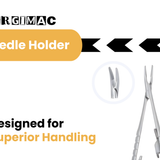
Get expert tips on choosing, using, and caring for a Barraquer Needle Holder to achieve precise suturing in dental and microsurgical procedures.
Your skill is best expressed when instruments feel like a natural extension of your hands. While a standard needle holder works for routine procedures, it falls short for the intricate work that defines clinical excellence. For microsurgery, delicate tissue grafts, and cosmetic suturing, you need a specialized tool. The Barraquer needle holder is that tool. Designed for professionals who refuse to compromise on precision, its signature spring-action handle gives you a direct feel for the needle’s path. This focus on seamless control is a core principle behind our Air Series instruments, ensuring your tools always support your skill.
Key Takeaways
- Prioritize Tactile Feedback Over Locking Power: The Barraquer’s spring-action handle provides smooth, continuous control without the jarring clicks of a ratchet lock. This direct feedback is crucial for making micro-adjustments during procedures on fragile tissue.
- Select It for Delicate Tissue Management: This instrument excels in procedures like periodontal grafts, implant surgery, and soft tissue suturing where precision is non-negotiable. Its fine jaws are designed to handle fine-gauge materials like MacSuture without causing tissue trauma.
- Choose Quality for Long-Term Performance: When selecting a Barraquer, look for high-grade stainless steel and an ergonomic design that reduces hand fatigue. Investing in a premium instrument from a collection like the SurgiMac Pro Series ensures lasting durability and consistent, reliable performance.

What is a Barraquer Needle Holder?
The Barraquer Needle Holder is a specialized surgical instrument designed for exceptional precision when handling the finest needles and sutures. Originally developed for the delicate demands of ophthalmic surgery, its unique design has made it an indispensable tool in dental microsurgery and other procedures requiring meticulous control. Unlike conventional needle holders that use a locking ratchet mechanism, the Barraquer operates with a gentle, spring-action handle. This allows for smooth, fluid movements and superior tactile feedback, giving the clinician complete control over needle placement without the jarring click of a lock.
This instrument is the go-to choice for professionals performing intricate suturing on fragile tissues. Its purpose is to grasp and guide a needle through tissue with minimal force and maximum accuracy, preventing tissue trauma and ensuring clean, precise wound closure. Whether you're working with delicate gingival flaps or placing sutures in a tight, hard-to-reach area, the Barraquer provides the stability and control needed for optimal outcomes. Instruments in collections like the SurgiMac Pro Series are crafted with this same dedication to performance, ensuring every tool meets the highest standards of clinical excellence.
The Ophthalmologist Behind the Name: Ignacio Barraquer
The Barraquer needle holder carries the legacy of its namesake, Dr. Ignacio Barraquer (1884-1965), a pioneering Spanish ophthalmologist who transformed his field. He is celebrated for developing phacoemulsification, a groundbreaking technique that used suction to remove cataracts and laid the foundation for modern, less invasive eye surgery. His work was driven by a commitment to improving patient outcomes and advancing surgical methods, earning him a reputation as a true innovator in his specialty. The needle holder named in his honor is a direct reflection of this philosophy. It was designed to embody the same principles of precision and control that Dr. Barraquer championed, allowing clinicians to perform the most delicate procedures with confidence and minimal tissue trauma.
What Makes the Barraquer Design Unique?
The Barraquer Needle Holder’s design is a masterclass in purpose-built ergonomics. Its most defining feature is the spring-tension handle, which allows you to open and close the jaws with subtle finger pressure. This mechanism provides a smooth, vibration-free operation, which is critical when working under magnification. The jaws themselves are fine and delicate, often with a textured or smooth surface designed to hold a tiny needle securely without causing damage or slippage. Available with either straight or curved tips, the instrument can be selected to best suit the surgical angle and improve visibility in confined spaces. This combination of features gives you unparalleled control for precise, repetitive movements.
When Should You Use a Barraquer Needle Holder?
While the Barraquer Needle Holder earned its reputation in eye surgery, its applications in modern dentistry are extensive and growing. It excels in any procedure where precision and delicate tissue handling are paramount. This makes it a staple in periodontal plastic surgery, such as suturing for gingival grafts, connective tissue grafts, and papilla reconstruction. It is also ideal for closing incisions after dental implant placement or performing guided bone regeneration. When working with fine suture materials from our MacSuture line, the Barraquer ensures the needle passes through tissue cleanly and accurately, promoting better healing and more aesthetic results for your patients.
Broader Clinical Applications
Ophthalmology and Microsurgery
The Barraquer Needle Holder was originally engineered for the exacting demands of ophthalmic surgery, where any misstep can have significant consequences. Its design is centered on providing flawless control when working with the finest needles and sutures. The signature spring-action handle delivers exceptional tactile feedback, allowing for smooth, fluid movements and micro-adjustments without the abruptness of a locking mechanism. This makes it an indispensable tool for any microsurgical procedure where precision is paramount. This same commitment to superior control and visibility is reflected in our Titanium Black Series instruments, which are designed to reduce glare and enhance focus during delicate surgical work.
ENT and Veterinary Procedures
While the Barraquer Needle Holder is a staple in ophthalmology and advanced dentistry, its utility extends into other specialized fields like ENT and veterinary medicine. In these areas, it is trusted for procedures that require meticulous tissue management and minimal trauma. Its fine jaws are perfectly suited for handling fine-gauge materials, ensuring the needle passes through tissue cleanly and accurately. This is the same reason it is so highly valued in periodontal plastic surgery for suturing gingival and connective tissue grafts. When paired with high-quality materials like our MacSuture line, the Barraquer helps ensure optimal healing and aesthetic outcomes in your most delicate cases.
How Does the Barraquer Mechanism Work?
The Barraquer needle holder stands apart from other suturing instruments because of its unique spring-tension mechanism. Instead of a traditional locking ratchet, it operates with a gentle, squeezable handle that provides smooth, continuous control. This design eliminates the subtle vibrations and jerky movements that can occur when engaging or disengaging a ratchet lock. The result is an incredibly intuitive feel that allows for exceptional precision, especially in microsurgical applications where every millimeter matters.
This mechanism is the key to the instrument's performance, offering direct tactile feedback from the needle to your fingertips. It allows you to make micro-adjustments on the fly without interruption, ensuring a seamless suturing process. For clinicians who perform delicate procedures, this enhanced control can significantly improve outcomes and reduce procedure time. The design also minimizes hand fatigue during long or complex cases, making it a comfortable and reliable choice for any practice that prioritizes precision. Many high-performance dental instruments are designed with similar ergonomic principles in mind.
Spring-Tension vs. Ratchet: What's the Difference?
The primary difference between a spring-tension and a ratchet mechanism lies in how they apply and release pressure. A traditional ratchet needle holder uses interlocking teeth to lock the jaws in place, which requires a distinct action to engage and release. This can sometimes create a slight jolt. In contrast, the Barraquer’s spring-tension handle provides fluid, consistent pressure. You control the grip entirely by how firmly you squeeze the handle, allowing for a smoother, more controlled operation. This design is essential for delicate tasks where precise needle placement and manipulation are critical for success.
How Fine Jaws Improve Suturing Precision
The effectiveness of the Barraquer needle holder is also due to its meticulously designed jaws. They are typically very fine and feature delicate serrations to securely grasp the needle without causing damage or slippage. This secure hold ensures the needle remains stable during tissue penetration and suturing. Many models feature curved jaws, which provide superior access and visibility in confined surgical sites, such as those encountered in periodontal or implant surgery. This thoughtful design allows you to work more efficiently in tight spaces, similar to the enhanced visibility offered by instruments in the Titanium Black Series.
Why a Non-Locking Grip Enhances Precision
One of the most significant advantages of many Barraquer models is the non-locking grip. This feature gives you continuous, uninterrupted control over the needle’s position and pressure. Without the need to pause and unlock a ratchet, you can perform suturing with greater speed and fluidity. This is particularly beneficial in microsurgery, where quick, precise movements are essential for optimal tissue handling and wound closure. The non-locking design reduces hand strain and allows for a more natural, ergonomic workflow, ultimately contributing to cleaner suturing and better clinical outcomes.
Which Type of Barraquer Needle Holder Do You Need?
The Barraquer needle holder isn't a single, uniform tool; it’s a family of instruments designed with subtle variations to meet specific clinical demands. Understanding these differences is key to selecting the right instrument for your procedure, ensuring you have the ideal balance of grip, control, and maneuverability. The primary distinctions lie in the locking mechanism, jaw curvature, overall length, and the material used for the tips. Each variation offers a unique advantage, whether you're performing a delicate periodontal graft or suturing in a hard-to-reach area. By familiarizing yourself with these types, you can refine your technique, improve procedural efficiency, and achieve more predictable clinical outcomes. Let's look at the key characteristics that differentiate Barraquer needle holders.
Locking vs. Non-Locking: Which to Choose?
One of the first decisions you'll face is choosing between a locking and a non-locking Barraquer needle holder. A locking version, often featuring a ratchet mechanism, secures the needle in the jaws, allowing you to hold it firmly without applying continuous manual pressure. This can reduce hand fatigue during longer, more complex procedures. In contrast, a non-locking model relies entirely on your hand pressure for grip. This design provides immediate, responsive control and allows for quick needle release and repositioning, which is invaluable for rapid, delicate suturing techniques. The choice ultimately comes down to procedural needs and personal preference. If you prioritize a secure, fixed grip, the locking type is ideal. If you value fluid motion and instant control, the non-locking version is the better fit.
Straight vs. Curved Jaws: Which Is Better?
The shape of the jaws significantly impacts how you access the surgical site. Barraquer needle holders are available with either straight or curved jaws, each suited for different applications. Straight jaws are perfect for suturing in areas with clear, direct access, allowing for straightforward needle passage through tissue. Curved jaws, however, are designed to work around anatomical obstructions. The curvature provides better visibility and access to confined spaces, such as the posterior or interproximal areas of the mouth. This design allows you to maintain an ergonomic hand position while reaching challenging angles, making it an essential tool for many periodontal and implant surgeries. Many of SurgiMac's dental instrument collections include options to suit any clinical scenario.
How to Select the Right Size and Length
Just as with any precision tool, size matters. Barraquer needle holders come in various lengths, and selecting the appropriate one is crucial for maintaining control and comfort. Shorter instruments, typically around 5 inches, offer greater tactile sensitivity and are ideal for delicate microsurgical procedures where fine motor control is paramount. Longer instruments provide extended reach, which is necessary for accessing deeper surgical sites without compromising your posture or visibility. When choosing a size, consider the specific dental procedures you perform most often. The right length will feel like a natural extension of your hand, enabling precise movements and reducing strain during use.
Common Sizes and Tip Dimensions
The precision of a Barraquer needle holder is most evident in its tip design. The jaws are exceptionally fine, often featuring delicate serrations that grip the needle securely without causing damage or slippage. This stable hold is critical for maintaining control as the needle passes through tissue, especially when using fine-gauge materials like those in our MacSuture line. These instruments typically range in length from 4.5 to 7 inches, with shorter models providing superior tactile feedback for intricate microsurgical work. Choosing the right combination of tip design and length ensures the tool feels like a natural extension of your hand—a core principle behind our ergonomic Slim Series instruments.
Why Choose Tungsten Carbide Jaws?
For clinicians who demand superior performance and longevity, Barraquer needle holders with Tungsten Carbide (TC) inserts are the gold standard. Tungsten carbide is an exceptionally hard material that is welded onto the instrument's jaws. This enhancement provides a significantly stronger, more reliable grip on the suture needle, preventing any slipping or rotation during tissue penetration. The fine, pyramid-shaped serrations on the TC tips ensure the needle is held securely with minimal pressure. This not only improves precision but also extends the instrument's lifespan, as TC tips are far more durable than standard stainless steel. Investing in instruments from high-performance lines like the SurgiMac Pro Series ensures you get this lasting quality.
How Does the Barraquer Compare to Other Needle Holders?
When you’re choosing a needle holder, the decision often comes down to the specific demands of the procedure. While workhorse instruments like the Mayo-Hegar or Crile-Wood are staples in many practices, the Barraquer needle holder occupies a special niche. Its design is fundamentally different, trading the locking security of a ratchet for the tactile feedback of a spring-tension handle. This makes it less of an all-purpose tool and more of a specialist’s instrument.
Other needle holders provide a firm, locked grip that’s excellent for general suturing and handling tougher tissues. However, that same locking mechanism can be cumbersome when you need to make micro-adjustments or work with extremely fine needles and sutures. The Barraquer’s unique design eliminates the jerky movements associated with engaging and disengaging a ratchet, offering a fluid, continuous motion that translates directly from your hand to the needle tip. This distinction is what makes it the preferred choice for procedures where precision is paramount.
Understanding Needle Holder Classifications: Mayo-Hegar vs. Mathieu
To appreciate the Barraquer’s specific advantages, it helps to understand the more common needle holder designs. The Mayo-Hegar is often considered the standard in many surgical kits, known for its strong, simple ratchet lock and robust jaws that provide a powerful grip. It’s a reliable choice for a wide range of procedures. The Mathieu needle holder, on the other hand, features a plier-style handle with a ratchet lock at the base that engages as you squeeze. This design allows for quick grasping and releasing, which some clinicians prefer for repetitive suturing. Both are effective, but they represent a different philosophy of control compared to the Barraquer’s spring-action finesse.
Barraquer vs. Olsen-Hegar Needle Holders
The Olsen-Hegar needle holder is another instrument designed for delicate work, but it operates differently than the Barraquer. The key distinction is its mechanism: the Olsen-Hegar uses a traditional ratchet lock, similar to the Mayo-Hegar, but is built with finer jaws for more delicate applications. While effective, the act of engaging and disengaging the ratchet can create subtle vibrations. The Barraquer’s spring-tension handle eliminates this entirely, providing fluid, continuous pressure without any clicks or jolts. This makes the Barraquer the superior choice for the most demanding microsurgical procedures where seamless motion and direct tactile feedback are critical for success.
Barraquer vs. Blalock Needle Holders
The Blalock needle holder is another specialized instrument, characterized by its half-serrated jaws designed to provide a secure grip on sutures and needles. It is a capable tool for manipulating small items during surgery. However, the Barraquer is engineered for an even higher level of specialization. Its design, born from the demands of ophthalmic surgery, is focused entirely on providing meticulous control over the finest needles and suture materials, like those in our MacSuture line. While a Blalock offers a secure hold, the Barraquer provides unparalleled precision and tactile sensitivity, making it the definitive instrument for procedures where even the slightest hand movement matters.
Why It Offers Superior Precision and Control
The secret to the Barraquer’s exceptional control lies in its spring-tension handle. Unlike conventional ratchet-based holders that lock into place, the Barraquer operates with a gentle, squeezable action. This mechanism provides direct tactile feedback, allowing you to feel the needle’s interaction with the tissue. The result is a smooth, vibration-free operation that gives you complete authority over every movement. This design is ideal for delicate tasks where even the slightest tremor could compromise the outcome. For clinicians who value flawless balance and ease of use, instruments from collections like the Air Series offer a similar focus on ergonomic control. This level of precision is simply unattainable with a standard locking needle holder.
How Do Materials Affect Instrument Durability?
A high-quality Barraquer needle holder is built to last. Look for instruments crafted from premium-grade stainless steel, which ensures both strength and corrosion resistance through countless sterilization cycles. The internal fastening wings are often made of tempered stainless steel for enhanced durability, ensuring the spring mechanism maintains its responsiveness over time. The jaws are another critical feature; they should have a finely textured surface to provide a secure grip on the needle, preventing any slippage during suturing. When you invest in well-made instruments like those in the Pro Series, you’re choosing tools designed for reliability and longevity, which is essential for such a specialized piece of equipment.
How It Performs in Microsurgery and Dentistry
Originally designed for the intricate demands of ophthalmic surgery, the Barraquer needle holder has proven indispensable in dental microsurgery. Its fine jaws and delicate handling make it particularly suitable for periodontal and implant procedures where precision is non-negotiable. While a robust needle holder is perfect for routine extractions, the Barraquer excels at suturing delicate soft tissues, manipulating fine membranes, and placing sutures in tight, hard-to-reach areas. Its ability to handle tiny needles and fine-gauge suture material without causing damage makes it a superior choice for achieving aesthetic and functional excellence in cosmetic and restorative dentistry. It’s a perfect example of how specialized dental instruments can refine clinical outcomes.
Which Dental Procedures Call for a Barraquer?
The Barraquer needle holder isn't your everyday, all-purpose instrument. Its specialized, delicate design makes it the go-to choice for procedures where precision is not just preferred, but absolutely critical. The fine jaws and spring-action mechanism allow for a level of control that heavier, locking needle holders simply can't match. This makes it an indispensable tool in specific dental disciplines that involve intricate work with fine suture materials and delicate tissues. When you need to place a suture with pinpoint accuracy without damaging the surrounding anatomy, this is the instrument you reach for.
When you’re performing microsurgery, handling fragile gingival flaps, or placing precise stitches in tight intraoral spaces, the Barraquer truly shines. It excels in periodontal surgery, soft tissue management, and even certain orthodontic applications where meticulous suturing can directly impact the clinical outcome. Think of it as the fine-tipped pen in your instrument tray—perfect for when every detail matters. Using the right tool for these demanding tasks ensures cleaner work, better healing, and more predictable results for your patients. It’s about having the confidence that your instrument will respond exactly as you intend, allowing you to focus entirely on the surgical site.
Using the Barraquer in Periodontal Surgery
In periodontal surgery, you're often working with incredibly delicate tissues that demand a gentle touch. The Barraquer needle holder is perfectly suited for these procedures thanks to its fine jaw design. This feature allows you to precisely manipulate thin needles and fine-gauge MacSuture materials without causing unnecessary trauma to the gingiva. Whether you're performing a connective tissue graft, a free gingival graft, or intricate flap surgery, the Barraquer provides the control needed for meticulous suturing. Its non-locking grip allows for quick, fluid movements, which is essential for placing multiple, accurate stitches efficiently. This level of precision is a hallmark of high-performance surgical tools like those found in the Pro Series collection.
How the Barraquer Improves Soft Tissue Suturing
Beyond periodontal applications, the Barraquer is highly effective for any procedure involving the suturing of oral soft tissues. Its design ensures a secure grip on the needle, which is crucial for achieving clean, accurate sutures in mobile or fragile areas like the oral mucosa. This is particularly important during procedures such as frenectomies, biopsy closures, or repairing soft tissue lacerations. The instrument’s delicate touch helps prevent the needle from slipping or rotating in the jaws, minimizing tissue tearing and promoting better aesthetic healing. For clinicians who prioritize precision across all their procedures, having reliable dental instruments is key to delivering superior patient care and predictable outcomes.
The Barraquer's Role in Orthodontic Procedures
While not always the first instrument that comes to mind for orthodontics, the Barraquer needle holder has its place in specialized procedures. Certain models are designed with an ergonomic finger rest that optimizes control during delicate suturing tasks. This is invaluable for orthodontic-related surgeries, such as the exposure of an impacted canine or placing sutures around temporary anchorage devices (TADs). The instrument’s lightweight, balanced design reduces hand fatigue, allowing you to maintain steady control and accuracy. This focus on ergonomics and comfort aligns with the design philosophy of instrument lines like the Air Series, which are crafted to support clinicians through long or complex procedures.
Common Mistakes to Avoid with Barraquer Needle Holders
Even the most refined instrument is only as effective as the clinician wielding it. The Barraquer needle holder’s delicate design offers unparalleled control, but achieving that level of precision requires proper technique. To get the most out of your instrument and ensure optimal patient outcomes, it’s crucial to sidestep a few common pitfalls in handling, needle placement, and instrument care.
How to Improve Your Grip and Handling Technique
Your grip directly translates to control at the needle’s tip. A frequent mistake is holding the needle holder with just the thumb and index or ring finger. This grip can inadvertently move the tip sideways, leading to improper needle placement and making suturing more difficult. Instead, adopt a palm grip, which stabilizes the instrument and allows for fluid, controlled wrist movements. This technique is essential for the fine, deliberate motions required in microsurgery. Using well-balanced, ergonomic instruments, like those in the SurgiMac Air Series, can also help facilitate a proper grip and reduce hand fatigue during lengthy procedures.
How to Load the Needle Correctly
Properly loading the needle is a critical step that sets the stage for a successful suture. As clinical sources note, errors in placement can lead to compromised wound healing or scarring. To ensure precision, grasp the suture needle with the holder’s jaws at a point one-half to two-thirds of the distance from the swaged end. The needle should be perpendicular to the jaws. This positioning provides the stability needed to drive the needle through tissue accurately and predictably. Pairing your technique with high-quality needles, such as those in the MacSuture line, further ensures consistent performance and reliable tissue engagement.
Why Instrument Inspection and Care Matter
A high-performance instrument requires routine inspection to maintain its function. Over time, the jaws of a needle holder can wear down, develop cracks, or become bent, which significantly affects their grip on the needle. A compromised grip can lead to needle slippage and potential complications during a procedure. Before each use, take a moment to inspect the instrument’s jaws for proper alignment and surface integrity. Ensure they close evenly and make full contact. Investing in durable instruments crafted from high-grade materials, like those in the SurgiMac Pro Series, provides a reliable foundation, but consistent care is what guarantees their longevity and performance.
How to Choose the Right Barraquer Needle Holder
Selecting the right Barraquer needle holder isn’t just about adding another tool to your tray—it’s about investing in an instrument that directly impacts your precision, comfort, and clinical outcomes. A well-chosen needle holder feels like an extension of your hand, allowing for seamless, controlled movements during delicate suturing. But with various options available, how do you identify the one that’s right for your practice? It comes down to evaluating three key factors: the quality of the materials, the ergonomic design, and the balance between initial cost and long-term value. By focusing on these areas, you can confidently choose an instrument that will serve you reliably for years to come.
What to Look for in Quality and Materials
When you’re evaluating a Barraquer needle holder, start with its construction. The best instruments are typically made from high-grade stainless steel, which provides the durability and corrosion resistance needed to withstand daily use and rigorous sterilization protocols. The spring mechanism is another critical feature; it should allow the jaws to open automatically and smoothly when you release pressure, providing "ease of use and precision" during delicate procedures. When inspecting an instrument, check for a flawless finish and precisely aligned jaws. High-quality manufacturing, like that found in SurgiMac’s Pro Series instruments, guarantees that your needle holder will perform consistently every time you reach for it.
Specialized Coatings for Reduced Glare
Intense overhead lighting is a necessity in any clinical setting, but it can create significant glare on standard stainless steel instruments. This reflection isn't just a minor distraction; it can lead to eye fatigue and obscure your view of the surgical site, which can hinder performance during delicate work. To address this, look for instruments with specialized coatings designed to absorb light rather than reflect it. Our Titanium Black Series, for example, features a non-reflective finish that enhances visibility and reduces eye strain under bright operating lamps. This advanced surface treatment allows you to maintain focus on the finest details without interference, ensuring greater accuracy and comfort during precise procedures.
Why Ergonomics Matter for Comfort and Control
Microsurgery and intricate periodontal work demand sustained focus and steady hands, which is why ergonomics are non-negotiable. The Barraquer’s signature spring-tension handle is designed to enable "smooth, vibration-free operation, allowing the surgeon to maintain the instrument in a relaxed grip, reducing hand fatigue over long procedures." This feature is essential for maintaining control and preventing the muscle strain that can compromise precision. When choosing a needle holder, consider its weight, balance, and how it feels in your hand. Collections like the SurgiMac Air Series are engineered for exceptional balance and comfort, helping you work more efficiently without sacrificing control.
Handle Design: Knurled Grips and Finishes
The handle is your primary connection to the instrument, so its design is critical for maintaining a secure grip and tactile control. Many high-quality Barraquer needle holders feature a knurled or textured surface. This pattern isn't just for looks—it provides essential friction that prevents the instrument from slipping, even when you're wearing gloves or working in a wet environment. A secure grip is fundamental for translating your fine motor movements into precise needle placement. The handle's finish also plays a key role in performance. A matte or satin finish is often preferred over a highly polished one because it minimizes glare from overhead surgical lights, which helps reduce eye strain. Specialized coatings, like those on our Titanium Black Series instruments, are engineered to reduce glare and improve visibility, helping you work without distraction.
How to Balance Price with Long-Term Value
While it can be tempting to opt for a lower-priced instrument, it’s important to consider the long-term value. A premium Barraquer needle holder is an investment in your practice. Its superior design and durable materials make it a "worthwhile investment for professionals needing precision in delicate surgeries." A well-crafted instrument will last longer, perform more reliably, and ultimately save you the cost and frustration of frequent replacements. Instead of focusing solely on the price tag, think about the instrument's overall contribution to your clinical efficiency and patient outcomes. Sourcing from a trusted provider of dental supplies ensures you receive a tool built for longevity and performance.
Where to Source High-Quality Barraquer Needle Holders
Finding the right Barraquer needle holder is just as important as knowing how to use it. The quality of your instrument directly impacts your control, precision, and ultimately, your clinical outcomes. Sourcing from a reputable supplier ensures you get a tool that is reliable, durable, and designed to perform under the demanding conditions of dental and microsurgical procedures. When you invest in a high-quality instrument, you’re investing in consistency and confidence for every suture you place.
Tips for Choosing a Medical Supply Distributor
You can find Barraquer needle holders through a variety of general medical supply distributors. These companies often carry a broad range of surgical tools, including specialized instruments for different fields. For example, some suppliers offer models like the Barraquer Needle Holder from WPI Inc., which is crafted for delicate ophthalmic procedures. While these distributors provide options, it’s essential to confirm that the instrument’s specifications—such as jaw design, material, and tension—are perfectly suited for the specific demands of dental surgery. Always check for quality markers and ensure the supplier has a strong reputation among dental professionals.
Why Choose SurgiMac’s Air and Slim Series Instruments
For clinicians who prioritize performance and reliability, exploring specialized collections is the best approach. At SurgiMac, our dental instruments are designed with the needs of dental professionals in mind. Our Pro Series features Barraquer needle holders made from premium-grade stainless steel, ensuring exceptional balance and accuracy for every procedure. For those who value superior ergonomics and control, the Air Series offers flawless handling, while the Titanium Black Series reduces glare for enhanced visibility during intricate work. Choosing SurgiMac means selecting an instrument engineered for the precision your practice demands.
How to Care for Your Barraquer Needle Holder
Your Barraquer needle holder is a precision instrument, and like any high-quality tool, it requires proper care to maintain its performance and extend its lifespan. Investing a few moments in routine maintenance ensures your instrument remains reliable, accurate, and safe for every procedure. By following a consistent protocol for cleaning, sterilization, and storage, you protect your investment and ensure it functions exactly as intended when you need it most. This commitment to care is fundamental to achieving predictable clinical outcomes and maintaining a professional standard in your practice.
Step-by-Step Cleaning and Sterilization
Proper cleaning and sterilization are non-negotiable for patient safety and instrument longevity. To keep your Barraquer needle holder in optimal condition, you must follow strict protocols after each use. The most effective method is using an autoclave, which employs steam under pressure to eliminate contaminants. Alternatively, you can use chemical cleaners specifically formulated for surgical instruments. This critical step removes bioburden and ensures the instrument is sterile for the next procedure. Following a consistent sterilization process not only complies with infection control standards but also preserves the integrity of the instrument’s delicate components, ensuring it performs reliably every time.
How to Properly Store and Handle Your Instruments
How you store and handle your Barraquer needle holder is just as important as how you clean it. Always keep the instrument in a clean, dry environment to prevent corrosion and accidental damage. High-quality needle holders, like those in our Pro Series, are crafted from durable materials like tempered stainless steel, but even the best materials benefit from proper care. When handling the instrument, avoid using excessive force, which can misalign the delicate jaws. Gentle, controlled movements will not only improve your suturing precision but also help maintain the instrument’s calibration and performance over thousands of uses.
How to Extend Your Instrument's Lifespan
To get the most out of your Barraquer needle holder, regular inspection is essential. Before and after each use, take a moment to check for any signs of wear, such as bends, cracks, or worn jaw surfaces that could compromise its grip. The serrated tips are designed to hold needles securely, so ensuring they remain sharp and well-defined is vital for optimal function. If you notice any damage, it's best to repair or replace the instrument. Investing in premium dental instruments from the start and pairing them with a consistent maintenance routine is the best way to ensure they deliver precision and reliability for years to come.
Related Articles
Frequently Asked Questions
When should I choose a Barraquer over a standard Mayo-Hegar needle holder?
Think of it in terms of power versus precision. A Mayo-Hegar is your reliable workhorse, perfect for general suturing where a secure, locked grip is needed for tougher tissues. You should reach for a Barraquer when you’re working with delicate tissues and fine sutures, like in periodontal plastic surgery or implant procedures. Its spring-action design gives you direct tactile feedback and control that a locking instrument simply can't offer, allowing for more precise needle placement without tissue trauma.
I'm new to using a Barraquer. Should I start with a locking or non-locking version?
This really comes down to your comfort and the procedures you perform most. A non-locking version offers the most fluid motion and is the classic choice for rapid, delicate suturing. However, a locking model can be a great starting point if you're concerned about hand fatigue, as it secures the needle for you. Many clinicians find the non-locking type becomes more intuitive with practice, but there's no wrong answer—choose the one that gives you the most confidence and control.
Are Tungsten Carbide (TC) tips really worth the extra cost on a Barraquer?
Absolutely. Tungsten Carbide inserts provide a significantly more secure grip on the suture needle, preventing any slipping or rotation as you pass it through tissue. This is incredibly important when you're working with very fine needles that can be difficult to control. TC tips are also far more durable than standard stainless steel, meaning the instrument will maintain its performance and last much longer, making it a smart long-term investment for any practice that values precision.
Can I use a Barraquer for all my suturing needs, or is it just for microsurgery?
While the Barraquer is the star player in microsurgery, its use isn't strictly limited to it. It's best to think of it as a specialty instrument. It’s the ideal choice for any procedure that requires meticulous suturing of delicate tissues, such as closing biopsy sites or placing fine sutures around an implant. For routine extractions or suturing tougher tissues, a more robust, conventional needle holder is still the more appropriate tool. The Barraquer complements your instrument set for those cases demanding the highest level of finesse.
What's the most common mistake that can damage the instrument?
The most common mistake is using it for tasks it wasn't designed for. Applying too much force, attempting to grasp thick needles, or using it on tough, fibrous tissue can easily bend the fine jaws or damage the delicate spring mechanism. This instrument is built for precision, not power. Always use a gentle touch and reserve it for its intended purpose to ensure it remains properly calibrated and functional for years to come.
Next Steps in Surgical Precision
Tags
Blog posts
-
, by SurgiMac A Clinician's Guide to Absorbable Suture Material
-
, by SurgiMac A Clinician's Guide to Dental Composite Resin Kits
-
, by SurgiMac How to Disinfect with Metrex CaviWipes Correctly
