

What Is a Ryder Needle Holder? A Clinical Guide
- , by SurgiMac
- 40 min reading time
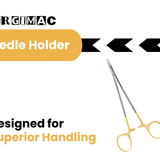
Get expert tips on Ryder Needle Holder uses, features, and care. Learn how to choose, maintain, and maximize precision for dental and surgical procedures.
Some procedures are all about finesse, not force. When you need absolute precision, you reach for a specialist. In your suturing kit, that specialist is the Ryder needle holder. It’s not your everyday tool. It’s engineered for maneuvering fine-gauge needles in tight surgical fields where bulky instruments fail. Its delicate, narrow jaws give you the control needed for periodontal microsurgery or complex implant placements. Knowing when to use this instrument is crucial for equipping your practice with the right tools, like our high-performance Pro Series, for every single case.
Key Takeaways
- Choose the Right Tool for the Job: The Ryder needle holder is designed for finesse. Use it for delicate procedures in tight spaces, like periodontal or implant surgery, where its slender profile gives you superior control and visibility.
- Prioritize Tungsten Carbide Jaws: For a secure, non-slip grip on fine needles, always select a Ryder needle holder with tungsten carbide (TC) inserts. This material prevents needle rotation and ensures the instrument maintains its performance and durability over time.
- Proper Maintenance Preserves Precision: Extend the life of your instrument and ensure patient safety with a consistent care routine. This includes immediate rinsing after use, correct sterilization, and regular checks of the jaw alignment and ratchet lock to catch wear before it affects performance.

What Is a Ryder Needle Holder?
A Ryder needle holder is a specialized surgical instrument designed for one critical task: securely grasping and maneuvering small needles during suturing. Think of it as a high-precision extension of your hand, offering the fine control needed for accurate stitch placement in delicate or confined surgical fields. Unlike more robust needle holders, the Ryder is distinguished by its slender profile and fine tips, making it an indispensable tool in procedures where every millimeter counts. Its primary purpose is to ensure the needle passes through tissue smoothly and at the correct angle, which is fundamental for achieving optimal wound closure and promoting effective healing.
This instrument is not a general-purpose tool; it is specifically engineered for finesse. The design allows clinicians to handle fine-gauge needles that might be damaged or insecurely held by larger, heavier instruments. Whether you are performing a gingival graft, placing sutures around a dental implant, or working in another microsurgical environment, the Ryder needle holder provides the stability and tactile feedback necessary for success. For any clinician performing intricate surgical work, having a reliable Ryder needle holder from a trusted collection of dental instruments is essential for maintaining control and achieving predictable, high-quality outcomes. Its delicate construction makes it ideal for specialties like periodontics, oral surgery, and any procedure requiring meticulous tissue handling.
A Brief History of Surgical Instrument Craftsmanship
The tools we rely on today are the result of a long and fascinating evolution. The journey of surgical instruments began in ancient civilizations, where early practitioners used tools crafted from stone, bone, and bronze to perform procedures. The Romans, in particular, developed a sophisticated array of instruments, including scalpels, forceps, and hooks, laying the groundwork for a craft that would be refined over centuries. As medical knowledge grew, so did the demand for more specialized and precise tools, moving the practice of instrument making from a side-task for blacksmiths to a highly respected, specialized trade by the 19th century.
This history of innovation is directly tied to advancements in clinical techniques. For example, the introduction of tungsten carbide inserts on the jaws of needle holders was a game-changer, providing a far more secure grip on fine needles and preventing rotation during suturing. This single material enhancement dramatically improved control and procedural outcomes. Today, this legacy of craftsmanship continues, blending artistry with modern science. At SurgiMac, we honor this tradition through collections like our Pro Series, which features instruments made from premium-grade stainless steel, ensuring every tool offers the balance, reliability, and precision required for modern clinical excellence.
Defining Its Role in Precision Surgery
In any surgical setting, from periodontal surgery to complex implant placements, the goal of suturing is to approximate tissue edges for clean healing. The Ryder needle holder is central to this process. Its main role is to provide an unwavering grip on the suture needle, preventing any slipping or rotation as it passes through tissue. This secure hold allows you to place sutures with exceptional accuracy, which is especially important when working with delicate tissues or in areas with limited visibility. By facilitating precise needle control, the Ryder needle holder helps minimize tissue trauma, reduces procedure time, and supports the integrity of your MacSuture materials, ultimately contributing to better patient outcomes and more predictable healing.
Anatomy of a Ryder Needle Holder
The effectiveness of a Ryder needle holder comes down to a few distinct design elements that set it apart. First is its compact and slender build, which is often shorter than other common patterns like the Mayo-Hegar. This streamlined design provides excellent maneuverability in tight surgical fields. The most critical feature is its jaws, which are typically enhanced with tungsten carbide inserts. These inserts offer a significantly more secure grip on small needles and are far more durable than standard stainless steel. Many high-quality models, like those in our Pro Series, also include a reliable ratcheted locking mechanism. This allows you to lock the needle in place, freeing your hand to focus on positioning without maintaining constant pressure. Combined with ergonomic finger rings, these features ensure comfort and control during even the most demanding procedures.
Common Sizes and Lengths
Ryder needle holders are available in a range of lengths to suit different clinical scenarios, typically from 12.5 cm (5") up to 23 cm (9"). This variety isn't arbitrary; it allows you to select an instrument that provides the best possible balance and reach for the specific surgical site. A shorter holder, for instance, offers greater control and tactile feedback for procedures in easily accessible areas. Conversely, a longer instrument is essential for reaching deeper into the oral cavity, such as during posterior implant placements or third molar extractions, without compromising your posture or visibility. Choosing the appropriate length is a key factor in maintaining precision and reducing hand fatigue during delicate suturing tasks.
Jaw and Tip Variations
The most significant feature to look for in a Ryder needle holder is the jaw construction. High-quality models are crafted with tungsten carbide (TC) inserts, which are easily identifiable by their gold-colored handles. These inserts provide a far superior grip on fine suture needles compared to standard stainless steel, effectively preventing any rotation or slippage during tissue penetration. This secure hold is critical for precision. The tips are also finely serrated, creating a cross-hatched or diamond-dusted surface that further enhances the instrument's grip. This combination ensures that even the smallest needles are held firmly, giving you complete control. Instruments in our Titanium Black Series exemplify this commitment to advanced functionality and precision.
Smooth vs. Serrated Jaws
While some surgical instruments offer a choice between smooth and serrated jaws, the Ryder needle holder is almost exclusively designed with serrated tips. The reason is directly tied to its specialized function. The fine, intricate work this instrument is built for requires an unyielding grip on very small, smooth needles. Serrated jaws provide the necessary friction to lock the needle in place, ensuring it doesn't shift as you apply pressure. Smooth jaws, while useful in other applications where minimizing tissue contact is the priority, simply don't offer the level of security needed for the delicate suturing tasks a Ryder is used for. For this tool, a non-slip, serrated grip is the standard for safe and effective performance.
Handle and Grip Design
The handle of a Ryder needle holder is ergonomically designed for both comfort and control. It features classic finger rings that allow for a stable, intuitive grip, similar to surgical scissors. A crucial component of this design is the ratchet lock mechanism located just below the rings. This lock allows you to clamp the needle into the jaws at a desired pressure and maintain that hold without continuous manual force. This simple feature is incredibly effective at reducing hand fatigue during lengthy or repetitive procedures. It frees you to concentrate fully on needle placement and suture tying, knowing the instrument is securely holding the needle. This focus on ergonomics is a core principle in our Air Series instruments, which are crafted for flawless balance and ease of use.
Ryder vs. Other Needle Holders: What's the Difference?
When you’re building your instrument tray, you know that not all tools are created equal. While many needle holders might look similar at first glance, their design nuances can make a world of difference in your workflow and patient outcomes. Instruments like the Mayo-Hegar or Olsen-Hegar are staples in many practices, but the Ryder needle holder offers distinct advantages for specific, delicate procedures.
The primary difference lies in its refined design. Ryder needle holders are engineered for finesse, providing superior control when working in challenging or restricted areas. Think of it as the specialist’s choice for tasks that demand absolute precision. Let’s break down the key features that set the Ryder apart from other common dental instruments and why it might be the perfect addition to your toolkit.
Why It Excels in Confined Surgical Fields
The most noticeable feature of a Ryder needle holder is its slender, often shorter profile. Compared to the more robust Mayo-Hegar, the Ryder’s delicate jaws and streamlined body are specifically designed for operating in confined spaces. This makes it an invaluable tool for periodontal microsurgery, implant procedures in the posterior region, or any suturing task where visibility and maneuverability are limited. Its compact design allows you to place sutures with accuracy without the instrument obstructing your view, ensuring clean and precise wound closure every time.
How Tungsten Carbide Delivers a Superior Grip
Many high-quality Ryder needle holders feature tungsten carbide inserts in their jaws, and for good reason. This extremely hard material provides a significantly stronger and more reliable grip on the needle compared to standard stainless steel. This enhanced grip prevents the needle from twisting or slipping during suturing, which is critical for maintaining control and protecting surrounding tissues. The durability of tungsten carbide also means the instrument resists wear and tear, extending its lifespan and ensuring consistent performance. This commitment to superior materials is a hallmark of premium instrument lines like SurgiMac’s Pro Series, which are built for clinical excellence.
Ensuring Needle Stability with Cross-Serrated Jaws
Look closely at the tips of a Ryder needle holder, and you’ll often find a fine, cross-serrated pattern. This isn't just for show; this texture works in tandem with the tungsten carbide inserts to lock the needle securely in place. The pattern provides a firm, multi-directional hold that minimizes any chance of slippage, even when handling fine needles and delicate MacSuture materials. This level of stability gives you the confidence to perform intricate suturing techniques with predictable results, which is especially important in aesthetic and surgical procedures where precision is paramount.
The Mayo-Hegar Needle Holder
If the Ryder is the specialist, the Mayo-Hegar is the reliable workhorse of your surgical kit. It’s one of the most common needle holders found in dental and surgical settings, prized for its robust construction and versatility. The Mayo-Hegar features a strong ratchet locking mechanism and wide, sturdy jaws, making it ideal for grasping larger, heavier needles used in general surgery. While it provides a secure grip for effective tissue approximation, its bulkier design makes it less suitable for the delicate, confined spaces where a Ryder excels. Think of the Mayo-Hegar for procedures requiring strength and a firm hold, rather than the intricate finesse needed for microsurgery.
The Mathieu Needle Holder
The Mathieu needle holder offers a unique design focused on speed and efficiency, particularly for delicate tasks. Instead of traditional finger rings, it features a plier-like handle with a spring mechanism that allows you to lock and unlock the needle with a simple squeeze. This design is excellent for rapid, repetitive suturing, making it a favorite in oral surgery and orthodontics for placing ligatures. While both the Mathieu and Ryder are built for precision, the choice often comes down to user preference in grip and workflow. The Mathieu’s quick-release action is perfect for certain applications, whereas the Ryder’s traditional feel provides a different type of tactile control for complex suturing.
The Castroviejo Needle Holder
When your procedure demands the highest level of precision, the Castroviejo needle holder is the instrument of choice. Designed specifically for microsurgery, it features extremely fine tips and a lightweight, pencil-like grip that offers unparalleled control over the smallest needles. This instrument is essential in ophthalmic, plastic, and advanced periodontal surgeries where accuracy is paramount. While a Ryder is built for finesse in confined spaces, the Castroviejo takes it a step further for true microsurgical applications. Its unique locking mechanism, often a squeeze-to-release system, allows for subtle adjustments, making it a critical tool in our most advanced Pro Series instrument collections.
The Olsen-Hegar Needle Holder
The Olsen-Hegar needle holder is the multi-tasker of the instrument world, combining a needle holder and scissors into a single tool. This dual-function design is all about efficiency, allowing you to grasp a needle, place a suture, and cut the thread without ever needing to switch instruments. This can significantly streamline your workflow, especially in fast-paced procedures. However, this convenience comes with a trade-off. The added bulk of the scissor blades makes the Olsen-Hegar less nimble than a dedicated instrument like the Ryder, making it less ideal for suturing in tight or hard-to-reach areas where maximum visibility and maneuverability are required.
The Gillies Needle Holder
Known for its distinctive asymmetrical design, the Gillies needle holder is another combination tool that integrates scissors but with a unique ergonomic approach. It features an offset handle with one larger finger loop and a non-looped thumb grip, which provides a different feel and excellent maneuverability for specific techniques. This design is often favored in plastic and reconstructive surgery, as it facilitates a quick, fluid motion for both suturing and cutting. Unlike the symmetrical, control-focused design of the Ryder, the Gillies is built for a particular workflow that prioritizes speed and a seamless transition between placing and cutting sutures.
What Are Ryder Needle Holders Made Of?
The performance of any surgical instrument comes down to the quality of its materials. Ryder needle holders are no exception. Their construction is a thoughtful combination of two high-performance materials, each chosen for a specific purpose. The body is crafted for resilience and longevity, while the jaws are engineered for an unyielding grip and precision. This dual-material design ensures the instrument can withstand the rigors of daily clinical use and repeated sterilization cycles without compromising its delicate function. Understanding what your Ryder needle holder is made of helps you appreciate why it performs so reliably and how to care for it properly. High-quality instruments, like those in the SurgiMac Pro Series, are built from materials selected to meet the highest standards of clinical excellence, ensuring you have a tool you can depend on.
The Power of Tungsten Carbide Inserts
The most critical part of a needle holder is its jaw—the part that actually grips the needle. Ryder needle holders feature tungsten carbide jaw inserts, a material prized for its incredible hardness and durability. These inserts provide a significantly more secure grip on suture needles compared to standard stainless steel. This enhanced grip is crucial for preventing needle rotation or slippage during delicate suturing, allowing for greater precision and control. Because tungsten carbide is so wear-resistant, the jaws maintain their gripping integrity for much longer, ensuring consistent performance over the instrument's lifespan. This makes them a reliable choice for procedures where accuracy is paramount.
The Durability of a Stainless Steel Body
While the jaws require exceptional hardness, the body of the Ryder needle holder is typically constructed from premium-grade stainless steel. This material provides the ideal balance of strength, durability, and corrosion resistance. Surgical stainless steel is engineered to endure the demanding environment of a dental or surgical practice, including exposure to bodily fluids and harsh cleaning agents. More importantly, it can withstand repeated high-temperature sterilization cycles without degrading or rusting. This ensures the instrument remains hygienic and structurally sound over thousands of uses. This commitment to quality materials is a hallmark of professional-grade dental instruments, providing the reliability you need for every procedure.
How Material Choice Impacts Instrument Longevity
The combination of a stainless steel body and tungsten carbide jaws creates an instrument that is truly built to last. The stainless steel provides a robust and corrosion-resistant frame, while the tungsten carbide inserts ensure the functional tip of the instrument doesn't wear down quickly. This design directly translates to enhanced performance and longevity. A durable instrument maintains its precision and gripping strength, reducing the risk of procedural complications and ensuring predictable results. Investing in instruments made from these high-quality materials, such as those in the ergonomic Hexa Series, means you are equipping your practice with tools designed for peak performance and long-term value.
When Should You Use a Ryder Needle Holder?
The Ryder needle holder isn’t your everyday, all-purpose instrument. It’s a specialist, designed for situations where precision and control are absolutely non-negotiable. Its slender profile and delicate jaws make it the ideal choice for maneuvering small needles in confined spaces and handling fine suture materials. While a Mayo-Hegar might be your workhorse for general procedures, the Ryder excels in specific, high-stakes applications across various medical and dental fields. Think of it as the fine-tipped pen in your instrument kit—perfect for detailed work that demands accuracy. Let’s explore the clinical scenarios where this instrument truly shines.
Ideal for Dental and Periodontal Procedures
In the intricate landscape of the oral cavity, space is a luxury. This is where the Ryder needle holder becomes an indispensable tool for dental professionals. Its fine, narrow tips are specifically designed to grasp and guide small suture needles with exceptional accuracy, which is critical when working with delicate gingival tissues. The cross-serrated tungsten carbide jaws provide a secure, slip-free grip on the needle, allowing you to place precise stitches during periodontal flap surgery, gingival grafting, or implant procedures. When using fine sutures like those in the MacSuture line, this level of control ensures minimal tissue trauma and promotes better healing outcomes for your patients.
A Staple in Cardiovascular Surgery
While your focus is on the oral cavity, it’s valuable to know that the Ryder needle holder is trusted in some of the most demanding surgical environments, including cardiothoracic surgery. In these procedures, surgeons work with extremely fine sutures—often 5-0, 6-0, and 7-0—to repair delicate vessels and heart tissue. The Ryder’s design provides the precision and reliable grip necessary to perform these intricate tasks safely. This cross-disciplinary trust underscores the instrument's high-caliber engineering and reliability. When an instrument is dependable enough for cardiac surgery, you can be confident in its performance for your most detailed dental procedures.
Perfecting Microsurgery and Delicate Tissue Handling
Beyond specific fields, the Ryder needle holder is a top choice for any microsurgical application where delicate tissue handling is paramount. Its design is perfect for procedures performed under magnification, from plastic surgery to neurosurgery. The instrument’s sensitive tips allow for precise needle manipulation without damaging surrounding structures. In dentistry, this is particularly relevant for advanced procedures like periodontal plastic surgery or endodontic microsurgery. Pairing a Ryder needle holder with other precision-focused tools, such as those in the Slim Series, helps create an ergonomic setup that supports meticulous work, reduces hand fatigue, and ultimately leads to superior clinical results.
Matching the Ryder to Fine Suture Sizes (8-0, 9-0, 10-0)
The finer the suture, the more critical your instrument choice becomes. When you're working with suture sizes like 8-0, 9-0, or 10-0, you're handling material that is incredibly delicate. Using a standard, heavier needle holder on these fine-gauge needles is a recipe for frustration—it can easily bend the needle, fray the suture, or cause it to slip at a critical moment. This is precisely where the Ryder needle holder proves its worth. Its jaws are specifically engineered to match the delicacy of these sutures, providing a secure grip without causing damage. This allows you to handle the finest suture materials with confidence, ensuring that the integrity of your closure is never compromised by an ill-suited tool. The instrument acts as a true extension of your hand, giving you the fine control needed for the most meticulous microsurgical work.
What to Look for in a Quality Ryder Needle Holder
Not all Ryder needle holders are created equal. When you're investing in an instrument that plays such a crucial role in surgical outcomes, knowing what to look for is key. The right tool feels like an extension of your hand, providing the control and reliability you need for precise suturing. From the jaws to the handles, specific features distinguish a durable, high-performance instrument from one that will quickly need replacing. Let's break down the three most important areas to inspect before making a purchase.
Evaluating Jaw Design and Grip
The jaws are where the action happens, and their design directly impacts your control. Look for Ryder needle holders with tungsten carbide inserts. This material is exceptionally hard and provides a secure, non-slip grip on the surgical needle, which is essential for preventing rotation or slippage during a pass. A firm hold ensures the needle follows the exact path you intend, leading to cleaner, more accurate stitch placement. Many high-quality instruments, like those in our Pro Series, feature finely cross-serrated jaws to further enhance this grip, giving you confidence with every suture you place.
Assessing Handles and Ratchet Lock Functionality
Suturing requires focus and stamina, and an uncomfortable instrument can lead to hand fatigue and compromise your precision. Ergonomic finger-ring handles are a must, as they provide a comfortable, balanced feel for prolonged use. For clinicians who prioritize comfort and control, our Air Series instruments are crafted for flawless balance and ease of use. Equally important is a reliable ratchet lock. This mechanism should engage and disengage smoothly, holding the needle securely with minimal effort. A quality ratchet allows you to focus entirely on the procedure, knowing the needle is held firmly in place until you’re ready to release it.
Why Precision Tips Are Key to Surgical Control
Ryder needle holders are distinguished by their delicate, narrow tips, which are specifically designed to grasp small suture needles in confined spaces. This makes them ideal for microsurgery and intricate dental procedures where larger instruments would be cumbersome. When examining an instrument, check that the tips are perfectly aligned and finely tapered for maximum visibility and access. The precision offered by these delicate tips allows for meticulous tissue handling and suturing. For procedures requiring the utmost visual clarity, instruments from the Titanium Black Series can further enhance control by reducing glare under surgical lights.
The Clinical Impact of Choosing the Right Needle Holder
Selecting a needle holder might seem like a routine decision, but the right instrument can significantly influence both the outcome of a procedure and your own physical comfort. A high-quality Ryder needle holder does more than just hold a needle; it enhances your control, improves the accuracy of your suturing, and reduces hand fatigue during long or complex procedures. This direct impact on clinical performance is why investing in a well-designed instrument is so important. It’s about ensuring every stitch is placed with precision, promoting optimal healing for your patients, and supporting your own longevity in the practice.
Improving Accuracy and Patient Outcomes
The primary role of a Ryder needle holder is to provide an unwavering grip on the suture needle, preventing any slipping or rotation as it passes through tissue. This secure hold allows you to place sutures with exceptional accuracy, which is especially critical when working with delicate tissues or in areas with limited visibility. Many high-quality Ryder needle holders feature tungsten carbide inserts in their jaws, providing a significantly stronger and more reliable grip than standard stainless steel. This enhanced control, a hallmark of premium dental instruments, minimizes tissue trauma and ensures the integrity of your sutures, ultimately leading to cleaner wound closure and more predictable patient healing.
Minimizing Clinician Hand Fatigue
Suturing requires focus and stamina, and an uncomfortable instrument can quickly lead to hand fatigue, compromising your precision. A well-designed Ryder needle holder with ergonomic finger-ring handles provides a comfortable, balanced feel that reduces strain during prolonged use. This is especially important in microsurgery or complex implant cases that demand sustained control. For clinicians who prioritize comfort without sacrificing performance, our Air Series instruments are crafted for flawless balance and ease of use. By minimizing fatigue, the right instrument allows you to maintain your highest level of skill from the first stitch to the last, ensuring consistent, high-quality results for every patient.
Are You Making These Common Handling Mistakes?
Even the most skilled clinicians can fall into habits that compromise the effectiveness of their instruments. When it comes to a precision tool like the Ryder needle holder, small adjustments in technique can make a significant difference in procedural outcomes and instrument longevity. Let’s walk through a few common missteps and how you can correct them to ensure you’re getting the most out of your equipment. By refining your technique, you protect your investment in high-quality tools, like those in our Pro Series, and ensure consistent, predictable results for your patients.
Perfecting Your Grip and Finger Placement
Your grip is the foundation of control. A frequent error is holding the needle driver with the thumb and index or ring finger. This grip can inadvertently shift the instrument's tip, reducing your precision during delicate maneuvers. The correct technique involves placing your thumb and fourth finger into the rings. This "tripod" grip stabilizes the instrument, allowing your index finger to rest along the shaft to guide the tip with accuracy. This method provides superior control and rotation, which is essential for the fine suturing tasks a Ryder holder is designed for. Instruments with ergonomic designs, like our Air Series, are built to complement a proper grip and minimize hand fatigue during lengthy procedures.
Proper Technique for Handling Needles and Sutures
Proper suturing technique ensures secure wound closure and promotes optimal healing. One common mistake is failing to keep the needle driver parallel to the wound when starting a throw. This alignment is key to driving the needle through the tissue at the correct angle and depth. Another frequent error is not crossing your hands with every throw when performing an instrument tie. This step is crucial for creating a square, secure knot that won't slip. Consistently applying these principles, especially when using high-quality MacSuture products, will help you achieve reliable and durable wound closure every time, preventing complications and supporting better patient outcomes.
How to Avoid Critical Cleaning and Maintenance Errors
Proper care is essential for extending the life of your Ryder needle holder. A widespread misconception is that tungsten carbide-jawed instruments cannot be placed in an ultrasonic cleaner. In most cases, they can, but you should always follow the manufacturer's specific instructions. A critical error is skipping the initial pre-treatment. All dental instruments should be rinsed with cold running water immediately after use to remove gross debris before it dries. This simple step prevents bioburden from hardening and makes the subsequent cleaning and sterilization process more effective, ensuring your instruments remain in peak condition for years to come.
How to Clean and Maintain Your Ryder Needle Holder
Proper care is the key to protecting your investment and ensuring your Ryder needle holder delivers consistent, reliable performance for years to come. High-quality instruments, like those in our Pro Series, are crafted for longevity, but their precision depends on a consistent cleaning and maintenance routine. Following a structured process not only preserves the instrument's function but also upholds the highest standards of patient safety and infection control. By integrating these steps into your practice’s workflow, you ensure your tools are always ready for the demands of any procedure.
Your Step-by-Step Cleaning Protocol
To maintain the integrity of your Ryder needle holder, begin the cleaning process immediately after use. Start with a cold water rinse to remove gross debris like blood or tissue. Next, fully immerse the instrument in an enzymatic cleaner bath or a solution of water and a neutral pH detergent for at least ten minutes. This critical step breaks down any remaining bioburden and prepares the instrument for effective sterilization. Always keep the ratchet open during this process to ensure the cleaning solution reaches every surface, including the jaw serrations and box lock.
The Importance of Daily Instrument Checks
A quick daily inspection can prevent intraoperative complications and extend the life of your instrument. Before sterilization, take a moment to check for any signs of wear, damage, or corrosion. A simple but effective test is to slowly click each ratchet to confirm it engages and disengages smoothly. Inspect the tungsten carbide jaws for chips or wear and ensure the tips align perfectly when closed. Identifying minor issues early allows for timely repair or replacement, ensuring your needle holder functions flawlessly when you need it most.
Tips for Long-Term Care and Peak Performance
Consistent care is the foundation of long-term instrument performance. Adhering to a strict cleaning and inspection protocol ensures your Ryder needle holder remains a reliable tool in your surgical kit. Proper maintenance not only prolongs the instrument’s functional life but also enhances its precision during delicate suturing tasks. By following these best practices, you can be confident that your needle holder is always in optimal condition, supporting predictable and successful patient outcomes. This commitment to care ensures your instruments are always ready for peak performance.
Your Guide to Proper Sterilization
Proper sterilization isn’t just a box to check—it’s a critical component of patient safety and a key factor in extending the life of your valuable instruments. A well-maintained Ryder needle holder will perform reliably for years, but only if it's cared for correctly. Integrating a strict sterilization protocol protects your patients, your staff, and your investment in high-quality tools. Effective infection control begins with understanding the right way to clean and sterilize every instrument after every use. For stainless steel instruments like Ryder needle holders, this process is straightforward but requires attention to detail to ensure complete sterility and prevent damage that could compromise their function during a delicate procedure. Taking these extra few minutes after each use ensures your instruments are always ready and reliable.
Preparing New, Non-Sterile Instruments for First Use
It’s a common assumption that a brand-new instrument is ready for clinical use the moment you unwrap it. However, even the highest quality dental instruments are considered non-sterile from the factory. They can carry residues from the manufacturing and polishing process that must be removed to ensure patient safety. Before its first use, every new instrument requires a full cleaning and sterilization cycle. The first and most important step is to consult the manufacturer’s Instructions for Use (IFU), as protocols can vary. Generally, this involves a thorough wash with a neutral pH detergent, a rinse, and then processing through a standard sterilization cycle, such as an autoclave. This initial preparation ensures your new tool performs exactly as intended and meets all infection control standards from its very first procedure.
Adhering to Steam Sterilization Protocols
Steam sterilization, or autoclaving, is the gold standard for most dental and surgical instruments. The process starts long before the instrument enters the autoclave. First, you must manually clean the needle holder to remove any visible bioburden. As a best practice, "instruments should be pretreated with an initial cold water rinse with running utility (tap) water." This prevents blood and other organic materials from drying and adhering to the surface. After rinsing, scrub the instrument with a soft brush and a neutral pH detergent, paying close attention to the serrated jaws, joints, and ratchet mechanism. Once cleaned, place the needle holder in an open and unlocked position inside a sterilization pouch to ensure steam reaches every surface.
What Are the Alternative Sterilization Methods?
While autoclaving is the final step, pre-sterilization cleaning is essential for its success. Soaking instruments in an enzymatic cleaner is a highly effective way to break down stubborn organic debris. According to one guide, you should "use an enzymatic cleaner bath or a solution of water and neutral pH (7) detergent" and ensure "instruments should be fully submerged for at least 10 minutes." This step loosens any material you might have missed during the initial rinse. For an even deeper clean, an ultrasonic cleaner can be used. Just be sure to wear appropriate personal protective equipment, like high-quality nitrile gloves from the MacSafe collection, throughout the cleaning and handling process to protect yourself from contaminants and sharp points.
Why You Should Always Follow Manufacturer Guidelines
Never assume that all instruments can be treated the same way. Always refer to the manufacturer’s Instructions for Use (IFU) for specific guidance on cleaning and sterilization. For example, "there is a common misconception that tungsten carbide-jawed needle holders cannot be placed into an ultrasonic cleaner because the jaws will pop out." Following the manufacturer's specific advice prevents accidental damage and ensures your warranty remains valid. Instruments from different lines, such as SurgiMac’s Pro Series or Titanium Black Series, are built to last, but their longevity depends on proper care. Adhering to the recommended protocols is the best way to guarantee your Ryder needle holder maintains its precision and performance over time.
How to Choose the Right Ryder Needle Holder
Selecting the right Ryder needle holder isn’t just about picking a tool; it’s about choosing a partner for precision. The ideal instrument feels like a natural extension of your hand, allowing you to place sutures with confidence and control, especially in delicate procedures. With so many options available, making the right choice comes down to understanding the specific demands of your work and knowing what features translate to superior performance. A well-chosen needle holder can significantly impact procedural efficiency, reduce hand fatigue, and ultimately contribute to better patient outcomes.
When evaluating your options, three key factors should guide your decision: the instrument's size and length relative to the procedure, the markers of professional-grade quality, and the material of the jaw inserts. Each of these elements plays a critical role in how the instrument performs under pressure. Whether you’re working in a tight space, handling fine suture needles, or need an instrument that will withstand the rigors of daily use, paying close attention to these details will ensure you invest in a tool that meets the highest standards of clinical excellence.
How to Match Instrument Size to Your Procedure
Ryder needle holders are specifically engineered to grasp small, delicate suture needles, making them a go-to for procedures requiring exceptional finesse. Their slender jaws provide clear visibility and access to confined surgical sites. When selecting one, consider the length of the instrument in relation to the treatment area. A shorter holder offers greater tactile feedback and control for anterior work or easily accessible sites. For posterior regions or deeper surgical fields, a longer instrument provides the necessary reach without compromising your posture or visibility. The goal is to find a balance that allows for precise manipulation without causing hand strain, ensuring every suture is placed perfectly.
What Defines a Professional-Grade Instrument?
A professional-grade Ryder needle holder is defined by its craftsmanship and reliability. Look for instruments with flawlessly aligned, slim-profile jaws that close evenly and securely. The ratchet mechanism should engage and disengage smoothly, providing a confident lock without requiring excessive force. High-quality instruments, like those in our Pro Series, are balanced to reduce hand fatigue during lengthy procedures. This level of quality ensures the instrument provides a secure grip on the finest suturing needles, preventing any slipping or rotation that could compromise the integrity of the closure. Investing in a well-made tool guarantees consistent, predictable performance you can rely on every day.
Choosing Between Tungsten Carbide and Stainless Steel
The material of the jaw inserts is one of the most critical features of a needle holder. While standard stainless steel is common, Tungsten Carbide (TC) inserts offer significant advantages. Tungsten Carbide is exceptionally hard, providing a far more secure grip on the suture needle and dramatically reducing wear over time. This enhanced grip prevents the needle from twisting or slipping, which is essential for precise placement in delicate tissues. Instruments with TC inserts, such as those found in our premium Air Series, maintain their gripping surface integrity much longer than stainless steel, ensuring a longer service life and making them a wise long-term investment for any practice.
Signs It's Time to Replace Your Ryder Needle Holder
Even the most durable Ryder needle holder won't last forever. Consistent use, handling, and sterilization eventually take their toll. Recognizing the signs of wear is critical for maintaining procedural integrity and ensuring patient safety. Using a compromised instrument can lead to needle slippage, suture failure, and unnecessary tissue trauma, turning a routine procedure into a complicated one. Regular, quick inspections before each use can help you catch issues early and decide when it's time to retire an instrument from your rotation. Think of it as essential preventative maintenance for your most important tools.
How to Spot Jaw Misalignment and a Weak Grip
A secure grip starts with perfectly aligned jaws. To check your needle holder, close it and hold it up to a light source. You shouldn't see any light passing through the tips. Over time, the jaws can wear down, creating gaps that prevent the instrument from holding a needle securely. This misalignment can cause the needle to twist or slip during suturing, which compromises your control and precision. A daily inspection is the best way to catch this. If you notice the jaws no longer meet perfectly or the grip feels weak, it’s a clear sign that the instrument’s performance is compromised and it's time for a replacement.
When to Inspect the Ratchet for Wear and Tear
The ratchet mechanism is what allows you to lock the needle in place, freeing your hands and ensuring consistent tension. This component needs to function flawlessly. To test it, slowly engage and disengage each click of the ratchet. The movement should be smooth and secure, with no sticking or slipping. If the ratchet fails to hold, pops open unexpectedly, or feels gritty, it’s worn out. A faulty ratchet can release a needle at a critical moment, posing a significant risk during any procedure. This isn't a component that can be ignored; a worn ratchet means the entire instrument is unreliable and should be replaced with a professional-grade tool from a collection like the SurgiMac Pro Series.
Checking for Dullness and Worn Jaws
The jaws are the functional heart of your Ryder needle holder, and their condition directly impacts your control. High-quality instruments feature tungsten carbide inserts because the material’s hardness provides a superior, non-slip grip on the needle. However, even this durable material will eventually show signs of wear. Inspect the jaw surfaces regularly. If the cross-serrated pattern appears smooth or polished, the inserts have become dull. A dull surface cannot grip a fine needle securely, leading to rotation and slippage during suturing. This not only compromises your precision but can also damage delicate tissues. When you notice this loss of integrity, it’s a clear indication that the instrument has reached the end of its functional life and should be replaced with a reliable tool from a collection like the Hexa Series to ensure continued performance.
Is It Time to Retire Your Instrument?
Beyond specific failures in the jaws or ratchet, general signs of wear and tear can indicate it's time for a replacement. Look for visible cracks, pitting, or rust on the instrument's body, as these can compromise its structural integrity and sterilization. If the tips have become dull or damaged, the needle holder will lose its delicate handling capabilities. Continuing to use a compromised instrument not only affects the quality of your work but can also lead to procedural complications. Retiring an old tool isn't a failure—it's a commitment to excellence and patient care. When you're ready, invest in new, high-quality dental instruments to maintain your practice's high standards.
Frequently Asked Questions
Related Articles
Tags
Blog posts
-
, by SurgiMac A Clinician's Guide to Absorbable Suture Material
-
, by SurgiMac A Clinician's Guide to Dental Composite Resin Kits
-
, by SurgiMac How to Disinfect with Metrex CaviWipes Correctly
