
Dental Forceps Chart Explained: Numbers & Functions
- , by SurgiMac
- 47 min reading time
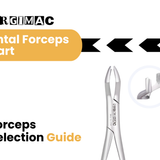
A dental forceps chart helps you select the right extraction tool quickly. Learn how to read forceps numbers and match instruments to each clinical need.
A successful extraction relies on your skill, but an efficient one relies on your system. When every second counts, clear communication and having the right tool ready are non-negotiable. This is where a dental forceps chart becomes the foundation of your preparation. It acts as a clear, visual map for your entire team, standardizing instrument selection to minimize delays and prevent errors. This allows you to focus solely on the patient, confident that your workflow is seamless. Using a chart alongside reliable, high-quality instruments, like those in our Pro Series, helps ensure consistently excellent clinical outcomes.
Key Takeaways
- Decode the Forceps Numbering System: Learning the standardized numbers is the fastest way to identify the right tool for a specific tooth and arch. This clinical shorthand eliminates guesswork, streamlines your workflow, and ensures you can move from diagnosis to extraction with confidence.
- Anatomical Design Dictates Success: The right forceps must perfectly match the tooth's anatomy. While universal forceps handle simple cases, specialized instruments like the robust Hexa Series are essential for providing the correct leverage and grip needed for complex posterior or surgical extractions.
- Quality is a Long-Term Investment: High-quality forceps are defined by their materials and ergonomics. Investing in instruments made from premium stainless steel with comfortable, non-slip handles improves tactile feedback, reduces hand fatigue, and ensures your tools will perform reliably for years.

What Is a Dental Forceps Chart, and Why Do You Need One?
A dental forceps chart is an essential reference tool that helps clinicians quickly identify the correct forceps for a specific tooth extraction. Think of it as a visual map of the oral cavity, matching each tooth with its corresponding instrument number. These charts are designed to streamline the extraction process, ensuring you can select the right tool with confidence and precision. By organizing forceps based on their designated arch, tooth type, and function, a chart minimizes guesswork and supports a more efficient and predictable clinical workflow. Whether you're performing a routine extraction or a complex surgical procedure, having a reliable chart on hand is fundamental to procedural success.
Why Tooth Extractions Are Necessary
While preserving natural teeth is always the primary goal, extractions are sometimes a necessary intervention to protect a patient's overall oral health. The decision to extract is never made lightly and is based on a thorough diagnosis where other restorative options are no longer viable. Understanding the key indications for extraction helps contextualize the need for precise and reliable instrumentation. From advanced disease to orthodontic planning, each scenario demands a specific approach and the right tools to ensure a smooth, atraumatic procedure for the patient.
Common Reasons for Removing a Tooth
Severe Decay or Damage
When a tooth is compromised by extensive caries that penetrate deep into the pulp, or has suffered a severe fracture that extends below the gumline, a standard restoration may not be possible. In these cases, extraction becomes the most practical solution to eliminate pain, prevent the spread of infection, and prepare the site for a future prosthesis like an implant or bridge. The procedure removes the source of the problem, providing immediate relief and setting the stage for long-term oral rehabilitation.
Advanced Periodontal Disease
Advanced periodontitis can cause significant damage to the supporting structures of the teeth, including the alveolar bone and periodontal ligament. As this supportive tissue is lost, teeth can become excessively mobile, leading to discomfort and functional problems. When a tooth's prognosis is poor due to severe bone loss and mobility, extraction is often necessary to halt the disease process in that area and prevent further complications, such as abscesses or damage to adjacent teeth.
Impacted Teeth
Impacted teeth, most commonly third molars (wisdom teeth), are teeth that fail to erupt fully into their proper position. They can remain trapped beneath the gum tissue or bone, often growing at an angle. This can lead to a host of issues, including pain, infection (pericoronitis), cysts, and damage to the roots of neighboring teeth. Extracting impacted teeth is a common surgical procedure that alleviates these symptoms and prevents future oral health problems from developing.
Orthodontic Preparation
Creating a perfectly aligned smile sometimes requires strategic extractions to resolve severe crowding. When there isn't enough space in the dental arch to accommodate all the teeth, an orthodontist may recommend removing certain teeth, typically premolars, to create the necessary room for proper alignment. This planned extraction is a critical step in the overall orthodontic treatment, allowing the remaining teeth to be moved into their ideal positions for optimal function and aesthetics.
The Anatomy of Dental Forceps
Dental forceps are more than simple pliers; they are precision-engineered instruments designed to apply controlled force for tooth extraction. Each pair is crafted to match the specific anatomy of the tooth it is intended to remove, from the curvature of the crown to the configuration of the roots. Understanding the three fundamental components of a forcep—the beaks, the hinge, and the handles—is essential for selecting the correct instrument and executing a successful extraction. This knowledge ensures that the force applied is efficient, predictable, and minimally traumatic to the surrounding tissues.
Understanding the Three Core Components
The Beaks: Gripping the Tooth
The beaks are the working end of the forceps, meticulously shaped to conform to the tooth's cervical line and engage the root surface just below the cementoenamel junction. Their design is critical for achieving a secure grip without crushing the crown or damaging adjacent structures. Beaks vary widely in shape and size—some are pointed for incisors, while others are broader and feature anatomical curves to fit the contours of multi-rooted molars. A precise fit ensures that force is transmitted directly to the root, facilitating effective luxation.
The Hinge: The Pivot Point
The hinge, or joint, is the pivot that connects the beaks to the handles, allowing them to open and close. While it may seem like a simple component, its construction is vital for the instrument's stability and smooth operation. A high-quality hinge provides reliable movement without sticking or looseness, enabling the clinician to make subtle adjustments during the procedure. The angle and design of the hinge also differ between forceps for maxillary and mandibular teeth, accommodating the different lines of access required for each arch.
The Handles: Ensuring Operator Control
The handles are where the clinician applies force and guides the instrument. An ergonomic design is crucial for providing a comfortable, non-slip grip, which translates to superior control and reduced hand fatigue during lengthy or difficult procedures. Many modern dental instruments, like those in our Hexa Series, feature textured or hollow handles to enhance tactile sensitivity and control. The handles allow the operator to transfer rotational and apical pressure effectively, making the entire extraction process more efficient and predictable.
How Forceps Work as a Lever System
At their core, dental forceps function as a simple yet powerful Class 1 lever system, similar to a pair of scissors or a crowbar. The hinge acts as the fulcrum (pivot point), the handles are where the effort is applied by the clinician, and the beaks deliver the resulting force to the tooth (the load). This mechanical advantage allows the clinician to multiply the force they apply, generating enough pressure to expand the alveolar bone and sever the periodontal ligament. This principle is what enables a controlled and efficient extraction with minimal physical exertion.
Making Sense of Forceps Numbering Systems
The numbering system for dental forceps is a standardized code that communicates an instrument's intended use. Each number corresponds to a specific design tailored for a particular tooth or area of the mouth. The primary distinction is between maxillary (upper jaw) and mandibular (lower jaw) forceps. Maxillary forceps, like the commonly used #150, are designed to align with the anatomy of the upper arch. In contrast, mandibular forceps, such as the #151, are angled to provide optimal access and leverage for lower teeth. This system further breaks down by tooth type, with different numbers assigned for incisors, premolars, and molars, ensuring the beak design provides a secure grip on the crown and root structure.
Universal vs. Manufacturer Charts: Which Should You Use?
While a universal numbering system provides a general guideline, you'll also encounter manufacturer-specific charts. Different brands may introduce subtle design variations or unique instruments that carry proprietary numbers. For instance, the distinction between American Pattern (horizontal hinge) and English Pattern (vertical hinge) forceps can also influence selection and technique. Some manufacturers even offer "universal" forceps designed to work on multiple teeth. To ensure you have the right instrument for the job, it's always best to cross-reference a universal chart with the specific guidelines provided by the manufacturer of your chosen dental instruments, such as those in our durable Hexa Series.
Your Guide to Dental Forceps Types and Functions
Understanding the fundamental design differences between forceps is the first step to selecting the right tool for an extraction. Each instrument is engineered with specific anatomical challenges in mind, from the curvature of the jaw to the shape of the tooth root. The primary distinction begins with the jaw they are designed for—maxillary or mandibular—but extends to finer details like beak texture, hinge style, and specialized applications. A well-rounded instrument kit includes a variety of forceps to handle everything from routine anterior extractions to complex posterior cases.
For clinicians looking to build a reliable and versatile toolkit, exploring collections like SurgiMac's Pro Series offers a solid foundation of high-quality, durable instruments. These forceps are crafted from premium-grade stainless steel to ensure balance and accuracy. For more demanding procedures, the Hexa Series provides ergonomic designs with non-slip grips, ensuring maximum control during surgical extractions. Familiarizing yourself with these functional categories will help you match the right instrument to the clinical situation with confidence.
Choosing Forceps for Maxillary (Upper) Teeth
Maxillary forceps are specifically designed to align with the anatomy of the upper jaw. You can typically identify them by their handles, which are either straight or have a slight upward curve, allowing for a comfortable and effective grip when accessing upper teeth. The beaks are engineered to conform to the shape of specific maxillary teeth. For instance, forceps like the #150 are considered universal for upper incisors, canines, and premolars, while the #53R and #53L are anatomically shaped for upper right and left molars, respectively. Having a selection of these specialized dental instruments is essential for performing smooth and predictable maxillary extractions.
Forceps #150: The Universal Upper
Often called the workhorse of maxillary extractions, the #150 forceps is arguably the most recognized instrument in a dentist's toolkit. Its "universal" designation comes from its incredible versatility. The design features slightly curved beaks that adapt well to the crowns of most upper teeth, making it the go-to choice for extracting upper incisors, canines, and premolars. Its straightforward design provides excellent grip and control for routine procedures. For any practice, having a high-quality #150 is non-negotiable, which is why it’s a staple in foundational instrument sets like our reliable Pro Series, designed for everyday clinical excellence.
Forceps #99 and #210: For Incisors and Wisdom Teeth
While the #150 handles many cases, specialized situations demand specialized tools. The #99 forceps, with its straight, narrow beaks, is specifically engineered for upper anterior teeth, providing a precise grip on incisors. On the opposite end of the arch, the #210 forceps is designed to tackle the often-challenging upper third molars. Its bayonet-style bend allows clinicians to reach the posterior region of the mouth without compromising visibility or leverage. These instruments demonstrate why a comprehensive set of extraction forceps is essential for handling the unique anatomical demands of every tooth in the upper jaw.
Forceps #88L/R and #18L/R: Navigating Upper Molars
Extracting multi-rooted upper molars requires instruments that can securely engage the tooth's complex anatomy. The #88L/R forceps, often called "cowhorns," feature two pointed beaks designed to fit into the buccal bifurcation, providing a powerful grip. The #18L/R forceps are another excellent option, anatomically designed to conform to the crown of upper molars. The "L" and "R" designations are critical, as these instruments are mirror images of each other to perfectly adapt to the molars on the left and right sides. For these demanding procedures, the precision and ergonomic grip of our Hexa Series instruments ensure maximum control.
Forceps #65: The Bayonet for Root Tips
When a crown fractures and only root fragments remain, the #65 forceps becomes an indispensable tool. Known as a bayonet forceps, its unique shape features an offset that allows you to reach deep into an empty socket while keeping your hand and the instrument's handle out of your line of sight. The long, fine beaks are perfect for grasping small, retained root tips in the maxillary arch that other forceps cannot access. This specialized instrument is a prime example of how having the right dental instruments can turn a potential surgical extraction into a more straightforward procedure, preventing complications and improving patient outcomes.
Choosing Forceps for Mandibular (Lower) Teeth
In contrast, mandibular forceps are built for the lower jaw and feature a distinct design to accommodate a vertical extraction path. Their handles are typically angled at or near 90 degrees to the beaks, providing the leverage needed to work on the lower arch. This "downward" orientation allows the clinician to maintain a proper wrist position and apply controlled force. Universal lower forceps, such as the #151, are suitable for most lower incisors, canines, and premolars. For lower molars, the cowhorn-style beaks of the #23 or #16 forceps are designed to securely grip the tooth at the bifurcation, ensuring a firm hold during luxation and removal.
Forceps #151: The Universal Lower
The #151 forceps is a true workhorse in any dental operatory, earning its reputation as the universal tool for the lower arch. Its design is versatile enough to securely grip most lower incisors, canines, and premolars, making it the go-to instrument for a wide range of routine extractions. The beaks are engineered to adapt to the crowns of these teeth, providing a reliable hold without causing unnecessary trauma to surrounding tissues. This adaptability makes the #151 an indispensable part of any foundational toolkit, allowing clinicians to perform efficient extractions with confidence. For practices building a reliable set of everyday tools, instruments from the Pro Series offer the durability and performance needed for consistent results.
Forceps #74: For Mandibular Anteriors
When precision is critical for lower anterior teeth, the #74 forceps is the specialized instrument for the job. Unlike more universal designs, the #74 features narrow, pointed beaks specifically shaped to engage the slender crowns of mandibular incisors and canines. This anatomical fit ensures a secure grip below the cementoenamel junction, allowing for controlled luxation with minimal risk of fracture. The design provides the exact leverage needed to work in the tight spacing of the lower anterior region, making it an essential tool for clean, predictable extractions. This level of precision is a hallmark of specialized Slim Series instruments, which are crafted for control and efficiency.
Forceps #15, #16, and #17: Gripping Lower Molars
Extracting lower molars presents a unique challenge due to their multi-rooted structure, which is where cowhorn-style forceps like the #15, #16, and #17 excel. The distinct, pointed beaks are engineered to engage the tooth at the bifurcation of the roots, providing a powerful and secure grip that standard forceps cannot achieve. This design allows the clinician to apply firm, controlled pressure to luxate the tooth effectively from the socket. The robust construction of these instruments is crucial for managing the significant forces required for molar extractions, making them indispensable for predictable outcomes in the posterior mandible. For such demanding procedures, the ergonomic grip of our Hexa Series forceps ensures maximum control.
Forceps #222: For Third Molars
The extraction of mandibular third molars, or wisdom teeth, often involves limited access and complex root anatomy, requiring a highly specialized instrument. The #222 forceps is specifically engineered to meet these demands. Its unique bayonet-style design and offset beaks provide the necessary angle to reach deep into the posterior of the mouth, ensuring a secure grip on the third molar. This allows for effective leverage and removal, even when the tooth is partially erupted or awkwardly positioned. Having the #222 in your armamentarium is essential for addressing the unique challenges posed by wisdom teeth extractions, turning a potentially difficult procedure into a more manageable one. These specialized surgical instruments are a must-have for comprehensive oral surgery.
Serrated or Non-Serrated Beaks: What's the Difference?
The design of the forceps' beaks plays a critical role in how securely the instrument grips the tooth. Serrated beaks feature a textured or grooved inner surface that provides enhanced traction, minimizing the risk of slippage, especially on teeth with smooth or compromised crown structures. This feature can make extractions more efficient and predictable. Non-serrated, or smooth, beaks are also effective and may be preferred by some clinicians to reduce the risk of enamel fracture. The choice often comes down to operator preference and the specific clinical scenario. Many modern forceps, including those in advanced collections, incorporate serrations to give clinicians an added layer of confidence.
American vs. English Patterns: Does Hinge Style Matter?
Forceps can also be categorized by their hinge design, with the two most common styles being American and English patterns. American pattern forceps feature a horizontal hinge that is concealed within the joint of the instrument, creating a seamless design. English pattern forceps, on the other hand, have a vertical hinge with a visible screw, which positions the pivot point closer to the working end. While both are effective, some practitioners find the plier-like grip of the English pattern more intuitive, while others prefer the streamlined feel of the American pattern. This distinction is largely a matter of ergonomic preference and training.
Handling Specialty and Pediatric Extractions
Beyond standard maxillary and mandibular designs, a range of specialty forceps exists for unique clinical situations. Root tip forceps, for example, have long, thin beaks designed to retrieve fractured root fragments from the socket. Ash forceps are another common variation, often used for mandibular premolars. Additionally, pediatric forceps are scaled-down versions of adult instruments, designed to fit the smaller oral anatomy of children and the shape of primary teeth. Having access to these specialized tools ensures you are prepared for less common scenarios and can provide the best care for every patient, regardless of their age or the complexity of the extraction.
Apical Forceps for Root Fragments
Apical forceps are specialized instruments designed to retrieve fractured root fragments from the socket during an extraction. Their characteristically long, thin beaks provide precise access to root tips, which is crucial for removing all remnants of the tooth and preventing complications like infection or delayed healing. These tools are particularly vital in complex cases where fragments are deep within the socket and difficult to reach. Having access to specialized instruments like these ensures you are prepared for challenging scenarios and can provide the best care for every patient. Adding apical forceps to your toolkit enhances procedural efficiency and supports better clinical outcomes by minimizing the risk of retained root fragments.
How to Read a Dental Forceps Chart Correctly
At first glance, the numbers etched onto dental forceps can seem like a complex code. But once you understand the system, these classifications become an invaluable guide to selecting the right instrument with speed and confidence. This standardized numbering system is designed to communicate a forceps' intended use, correlating directly to the specific tooth, arch, and anatomical features it was built to handle. Think of it as a clinical shorthand. Instead of describing an instrument as "the one for upper right molars," a simple number conveys all that information and more.
Learning to read these numbers and design indicators allows you to quickly identify the proper tool, streamline your workflow, and ensure you have the precise instrument needed for a successful and efficient extraction. This system brings a predictable order to your instrument tray, which is essential for procedural focus. It removes guesswork, allowing you to move seamlessly from diagnosis to treatment. By internalizing these classifications, you can enhance your procedural efficiency, reduce chair time, and ultimately improve the patient experience. It’s a fundamental skill that supports both new and experienced clinicians in performing extractions with greater precision and predictability.
Getting to Know Standard Forceps Numbers
The numbering convention for extraction forceps is a universal language in dentistry. Each number or letter combination corresponds to a specific design intended for a particular tooth or group of teeth. The system categorizes forceps based on whether they are for maxillary (upper) or mandibular (lower) teeth, as well as for anterior teeth, premolars, or molars. For example, forceps designed for maxillary teeth typically have a curve in the handle to accommodate the upper arch, while mandibular forceps often feature a 90-degree angle to facilitate a firm, vertical grip. Mastering these conventions helps you quickly locate the correct dental instruments for any extraction scenario, reducing chair time and improving patient outcomes.
Matching Forceps to Tooth Anatomy
Beyond the general arch, forceps numbers get even more specific, corresponding to the unique anatomy of each tooth. For the maxillary arch, forceps like the #150 are considered universal for upper incisors and premolars, while the #53R and #53L are designed specifically for the contours of upper right and left molars, respectively. For the mandibular arch, the #151 is a go-to for lower incisors and premolars, and the #23 (often called a "cowhorn") is uniquely shaped to engage the bifurcation of lower molars. The beaks of each numbered forceps are meticulously crafted to grip the tooth at the cervical line without damaging the crown or surrounding tissue. SurgiMac’s Hexa Series forceps are engineered with these precise anatomical considerations, ensuring a secure grip and optimal leverage.
What Do Material and Design Codes Mean?
While the number tells you the forceps' primary application, its material and design features indicate its quality and performance characteristics. Most high-quality forceps are crafted from surgical-grade stainless steel, which provides exceptional durability, corrosion resistance, and the ability to withstand repeated sterilization cycles. You can see this commitment to quality in SurgiMac’s Pro Series instruments. Additionally, design elements offer further clues. For instance, serrated beaks provide an enhanced grip on the tooth structure, while a matte or dark finish, like that on our Titanium Black Series, is engineered to reduce glare and improve visibility during delicate procedures. These indicators help you choose an instrument that not only fits the tooth but also suits your clinical preferences and procedural demands.
Beyond Forceps: Other Instruments in the Extraction Kit
While forceps are the star players for the final lift, a successful extraction rarely relies on them alone. A truly efficient and atraumatic procedure begins with a set of preparatory instruments designed to safely and effectively loosen the tooth from its socket. These supporting tools—elevators, luxators, periotomes, and periosteal elevators—do the critical groundwork. Their primary role is to sever the periodontal ligament and gently expand the alveolar bone, which minimizes the force required from the forceps. This methodical approach not only makes the extraction smoother but also significantly reduces the risk of root fractures and damage to the surrounding bone and soft tissue, which is vital for patient comfort and future restorative options like implants.
Think of these instruments as the key to unlocking the tooth before its removal. Each one has a specific function, from delicately cutting ligament fibers to creating space for the forceps beaks to seat properly. Using them correctly preserves the integrity of the socket, which is a cornerstone of modern exodontia. High-quality instruments, like those found in our Pro Series collection, are engineered with the balance and sharpness needed for these precise tasks. By understanding the role of each instrument in your extraction kit, you can approach every case with a strategy that prioritizes both efficiency and the preservation of anatomical structures.
Dental Elevators and Luxators
Dental elevators and luxators are fundamental to the initial phase of an extraction. Elevators are designed to function as levers, applying controlled force to luxate the tooth within its socket. By inserting the tip between the tooth and the alveolar bone, you can gently expand the socket and sever the periodontal ligament, creating the mobility needed for an easier extraction. Luxators, on the other hand, are more refined. With their thinner, sharper blades, they are used less for leverage and more for precisely cutting the periodontal ligament fibers around the tooth. This action minimizes trauma to the surrounding bone, making them an excellent choice for extractions where socket preservation is a top priority. Instruments from our ergonomic Hexa Series are built to provide the control needed for these delicate but essential movements.
Periotomes and Periosteal Elevators
For procedures requiring the utmost precision, periotomes and periosteal elevators are indispensable. A periotome features a very thin, sharp blade designed to be inserted into the gingival sulcus to meticulously sever the periodontal ligament with minimal bone displacement. This makes it the go-to instrument for truly atraumatic extractions, especially when planning for immediate implant placement. A periosteal elevator serves a different but equally important purpose: reflecting and retracting the mucoperiosteal flap during surgical extractions. This provides clear visibility and access to the underlying bone. The lightweight design of instruments in our Air Series offers exceptional tactile sensitivity, allowing you to perform these delicate tissue management tasks with precision and confidence.
How to Select the Right Forceps for Any Extraction
Choosing the correct forceps is less about memorizing numbers and more about understanding dental anatomy and instrument design. The right tool makes for a smoother, more predictable extraction, minimizing trauma to surrounding tissues and reducing chair time. A well-organized set of dental instruments ensures you can confidently handle everything from a simple anterior extraction to a complex surgical case involving fractured roots. Let’s look at how to match forceps to specific clinical situations.
Your Go-To Forceps for Anterior Extractions
For extracting anterior teeth—incisors and canines—and premolars, you’ll want forceps that provide a straight, direct line of access. Universal forceps like the #150 (for maxillary) and #151 (for mandibular) are staples in any operatory for this reason. Their beaks are designed to conform to the conical shape of single-rooted teeth, allowing for a secure grip at the cementoenamel junction (CEJ). The straight handles of forceps like the #99 also offer excellent control for the rotational and luxation movements needed to expand the alveolar bone. Having reliable, well-balanced forceps from a collection like the SurgiMac Pro Series ensures you have the tactile feedback necessary for these precise procedures.
Your Go-To Forceps for Posterior Extractions
Posterior teeth present a greater challenge due to their multi-rooted anatomy and limited accessibility. This is where tooth-specific and quadrant-specific forceps become essential. For maxillary molars, forceps like the #53L and #53R are designed with one pointed beak to engage the buccal bifurcation and a rounded beak for the palatal root. Similarly, mandibular molar forceps, such as the #16 (Cowhorn), are engineered to grip the bifurcation of the two roots securely. The robust construction of forceps found in the Hexa Series provides the strength needed to transmit controlled force for a successful extraction without fracture.
Tackling Root Tip and Surgical Extractions
When a crown fractures and leaves root fragments behind, standard forceps won’t suffice. This is where more delicate, specialized instruments are required. Root tip forceps, such as the #65, feature a bayonet-style design with thin, pointed beaks that can reach deep into the socket to grasp fragments securely. For surgical extractions that require creating a flap, visibility is paramount. Instruments from the Titanium Black Series can be particularly helpful, as their dark finish reduces glare from overhead lights. Paired with sharp, precise MacCut surgical blades to create a clean incision, these tools give you the control needed for complex cases.
How to Approach Complex Extraction Cases
Every clinician encounters difficult extractions, such as molars with divergent or fused roots. In these situations, a thorough review of radiographs is the critical first step. An X-ray reveals the root morphology and informs your instrument choice. For instance, Cowhorn forceps are highly effective for engaging bifurcated lower molars, but only if the anatomy is suitable. Having a versatile set of forceps, including those designed for challenging anatomy, prepares you for the unexpected. The ergonomic, non-slip grips of the Hexa Series instruments are built for these demanding procedures, ensuring you can maintain precise control even when significant force is required.
Which Dental Forceps Brands Can You Trust?
When it comes to extraction instruments, the brand you choose matters. The right forceps not only ensure a smoother procedure but also contribute to your comfort and control, which directly impacts patient outcomes. While many manufacturers produce high-quality instruments, they often differ in handle design, beak configuration, and material composition. Understanding the strengths of leading brands helps you select tools that feel like a natural extension of your hands and align perfectly with your clinical approach. From innovative ergonomic features to time-tested reliability, each brand brings something unique to the operatory.
SurgiMac's Pro and Hexa Series Forceps
At SurgiMac, we design instruments with the clinician’s experience in mind. Our Hexa Series forceps are a perfect example, featuring ergonomic hexagonal handles that provide a secure, no-slip grip for maximum control during complex extractions. This design minimizes hand fatigue while ensuring you can apply precise, consistent pressure. For clinicians who demand exceptional clinical performance, our Pro Series offers instruments crafted from premium-grade stainless steel for superior balance and durability. Many of our forceps include finely serrated beaks, which enhance grip on the tooth and reduce the risk of fracture, making extractions safer and more efficient for both you and your patient.
What to Know About the Hu-Friedy Forceps Collection
Hu-Friedy is a name that carries significant weight in the dental community, known for its extensive and reliable instrument collections. Their forceps are highly regarded for their durability and precision engineering. Many dental professionals trust Hu-Friedy instruments for their advanced ergonomic designs, which are developed to reduce the strain of repetitive motions and prevent hand fatigue during long procedures. With a wide variety of forceps tailored to specific teeth and extraction scenarios, the brand has built a strong reputation for quality and innovation, making it a staple in dental practices around the world.
How Other Leading Brands Compare
Beyond SurgiMac and Hu-Friedy, several other manufacturers offer excellent extraction forceps that cater to diverse clinical needs. Brands like Aesculap and Kerr are also well-recognized for their contributions to dental instrumentation. Aesculap is known for its German-engineered precision and high-quality materials, producing instruments that stand up to rigorous daily use. Meanwhile, Kerr Dental focuses on creating reliable and efficient tools that support streamlined workflows in busy practices. Exploring these options allows you to compare different design philosophies and find the instruments that best complement your technique and preferences.
What Defines a High-Quality Dental Forceps?
Beyond just matching a number to a tooth, the true measure of a dental forcep lies in its construction and design. The right instrument feels like an extension of your hand, providing the control and confidence needed for a smooth extraction. When you're evaluating forceps for your practice, three key features stand out: the ergonomics of the handle, the anatomical precision of the beaks, and the quality of the materials used. These elements work together to reduce procedural time, minimize patient discomfort, and prevent the hand fatigue that can build up over a long day of clinical work. Investing in well-crafted instruments isn't just about durability; it's about enhancing your technique and ensuring predictable outcomes for every patient.
Why Ergonomic Handle Design Matters
A comfortable grip is non-negotiable for procedural control and reducing hand fatigue. Ergonomically designed handles allow you to maintain a firm, steady hold without straining your muscles during a difficult extraction. Look for features like non-slip grips and balanced weight distribution, which provide greater tactile sensitivity and control. For example, SurgiMac’s Hexa Series instruments are designed with ergonomic hollow handles to ensure a secure, comfortable grip. Additionally, many high-quality forceps feature serrated beaks. This textured surface grips the tooth securely, preventing slippage and allowing for a more predictable and efficient extraction. This thoughtful design makes the entire process smoother for both you and your patient.
Handle Textures: Knurled vs. Smooth Grips
The texture of a forceps handle directly impacts your grip, control, and tactile feedback. Knurled handles feature a rough, patterned surface designed to provide maximum traction, helping you maintain a tight hold even when working in wet conditions. This enhanced, slip-resistant grip is crucial for maintaining control during delicate procedures without needing to squeeze excessively. On the other hand, smooth handles are often preferred for their comfort and how easy they are to clean. While they don't offer the same level of grip, they are ideal for situations where a gentler touch is required. The choice ultimately comes down to your personal preference and the demands of the specific extraction.
Spring-Loaded and Specialized Handles
Beyond surface texture, some forceps incorporate mechanical features to improve handling. Spring-loaded handles, for instance, offer additional control and ease of use, allowing for smoother operation during extractions. This feature is particularly beneficial for reducing hand fatigue during prolonged procedures. Other instruments feature highly specialized handles tailored to specific clinical needs. Designs like those found in our Slim Series are built with compact, ergonomic forms to maximize efficiency and comfort. These thoughtful designs aren't just about feeling good in your hand; they are engineered to enhance your precision and support your clinical endurance throughout the day.
The Importance of Anatomical Beak Design
Dental forceps are not one-size-fits-all. Each instrument is engineered with a specific anatomical purpose in mind. The beaks are precisely shaped to conform to the contours of a particular tooth in a specific location, whether it's an upper molar or a lower incisor. This anatomical specificity is crucial for achieving a secure grasp on the tooth root without damaging adjacent tissues or the alveolar bone. A proper fit ensures that force is applied effectively along the long axis of the tooth, facilitating a clean lift from the socket. When building your toolkit, it’s essential to have a variety of dental instruments designed for different areas of the mouth to handle any extraction scenario with precision.
Tip Shapes: Straight, Angled, and Curved
The shape of the forceps' beaks is meticulously engineered to match the anatomy of the tooth and its position in the arch. Straight beaks are generally reserved for anterior teeth, where a direct line of access allows for straightforward engagement. As you move toward the posterior, the beaks become more angled or curved to navigate the contours of the jaw and properly seat onto premolars and molars. This curvature is not just for access; it ensures that extraction forces are applied along the long axis of the tooth, which is critical for minimizing root fractures and trauma to the surrounding bone. The fundamental design difference between maxillary and mandibular dental instruments is a prime example of how shape dictates function.
Tip Surfaces: Serrated, Grooved, and Diamond-Dusted
The inner surface of the beaks is just as important as their shape. Most modern forceps feature serrated or grooved surfaces to provide superior traction on the tooth. As noted in our guide on dental forceps types, this texturing minimizes the risk of slippage, which is especially valuable when working with teeth that have smooth or compromised crowns. For even greater control, some advanced instruments feature diamond-dusted tips. This fine coating offers an exceptionally secure grip with less compressive force, reducing the chance of iatrogenic tooth fracture. Collections like the SurgiMac Pro Series often incorporate serrated beaks to give clinicians an added layer of confidence and predictability during extractions.
Checking for Material Quality and Sterilization Safety
The longevity and safety of your forceps depend entirely on the material they are made from. Premium forceps are crafted from high-grade surgical stainless steel, which offers exceptional durability and resistance to corrosion. This ensures the instrument maintains its integrity and sharpness through countless sterilization cycles. SurgiMac’s Pro Series forceps, for instance, are made from premium stainless steel to meet the highest clinical standards. For practices focused on sustainability, the Eco Series offers an alternative crafted from recyclable stainless steel without compromising on quality. High-quality materials are fundamental for effective sterilization, preventing cross-contamination and ensuring patient safety with every use.
Premium Stainless Steel Construction
The foundation of any reliable dental instrument is the material it's made from, and surgical-grade stainless steel remains the industry benchmark for a reason. This material provides the exceptional durability needed to withstand the forces of an extraction, resists corrosion from moisture and sterilizing agents, and holds up through countless sterilization cycles without degrading. This ensures both longevity for your investment and safety for your patients. At SurgiMac, we build our instruments to this high standard, from the dependable performance of our Pro Series to the sustainable, recyclable stainless steel used in our Eco Series. Choosing instruments made from this proven material means you can trust them to perform consistently, procedure after procedure.
Advanced Materials: Titanium and Delrin
While stainless steel is the workhorse of the operatory, advanced materials like titanium offer specialized advantages for demanding procedures. Titanium instruments are remarkably strong yet about 40% lighter than their steel counterparts, which significantly reduces hand fatigue during long or complex surgical extractions. This material is also non-magnetic and highly corrosion-resistant. Our Titanium Black Series leverages these benefits and adds a non-reflective finish that minimizes glare from operatory lights, enhancing visibility at the surgical site. This combination of reduced weight and improved visual clarity allows for greater precision and control when it matters most, making titanium an excellent choice for clinicians focused on ergonomics and peak performance.
Overcoming Common Challenges in Forceps Selection
Even with years of experience, selecting the right forceps for every unique extraction scenario requires careful consideration. The anatomy of each tooth, its position in the arch, and the condition of the crown and roots all play a critical role. Choosing an instrument that doesn't provide the right grip or leverage can turn a straightforward procedure into a complicated one, increasing chair time and patient discomfort. The key is to combine your clinical judgment with a systematic approach to instrument selection, ensuring you have reliable, well-designed tools at your disposal. By understanding common mistakes and utilizing available resources, you can approach every extraction with greater confidence and efficiency, which ultimately improves patient outcomes.
Common Mistakes to Avoid When Choosing Forceps
One of the most frequent missteps in dental extractions is using the wrong forceps for the tooth. A mismatch between the beak design and the tooth’s anatomy can lead to an unstable grip, root fractures, or damage to adjacent teeth. Another common issue is applying excessive force before the tooth is sufficiently loosened, which can increase patient trauma and the risk of complications. To avoid these pitfalls, it's essential to have a versatile set of dental instruments designed for specific situations. For example, the ergonomic, non-slip grips of the SurgiMac Hexa Series are built for advanced surgical procedures, ensuring you have precise control when it's needed most.
How a Forceps Chart Simplifies Your Choice
In a busy practice, efficiency is everything. A well-organized dental forceps chart is an invaluable resource that streamlines the selection process. Instead of relying solely on memory, a chart provides immediate, clear guidance on which instrument corresponds to each tooth. This visual aid helps you and your team quickly identify the correct forceps, reducing the chance of error and saving precious time during a procedure. Many clinicians find it helpful to keep a laminated chart in each operatory or create a custom guide based on their preferred instrument set, like the dependable and accurate forceps found in our Pro Series collection.
Essential Training and Reference Tools for Your Practice
Beyond a static chart, many digital resources can help you refine your selection skills. Some manufacturers offer interactive online tools that guide you to the right forceps based on specific clinical criteria. These platforms are excellent for training new staff or for a quick refresher on less common extractions. Visual guides and detailed product descriptions also serve as powerful reference materials. Exploring comprehensive collections of surgical and dental instruments online allows you to compare beak designs, handle styles, and materials, ensuring you are fully informed about the tools you use every day. Continuous learning and familiarity with your toolkit are fundamental to mastering the art of extraction.
Instrument Care and Maintenance for Longevity
Investing in high-quality dental forceps is only the first step. The true value of your instruments is realized through consistent and meticulous care. Proper maintenance not only protects your investment but is also fundamental to patient safety and procedural success. Instruments crafted from superior materials, like the premium stainless steel used in our Pro Series, are designed to withstand the demands of a busy practice, but their longevity still depends on a disciplined approach to cleaning and sterilization. Following a strict protocol ensures your forceps remain reliable, effective, and safe for every procedure, allowing you to perform with confidence day after day.
Proper Cleaning and Inspection Protocols
Effective instrument care begins immediately after use. To prevent bioburden from drying and hardening, forceps should be cleaned as soon as possible. This process typically involves manual scrubbing or using an ultrasonic cleaner to remove all visible debris from the beaks, hinge, and handles. Once cleaned, a thorough visual inspection is critical. Carefully check for any signs of wear, corrosion, pitting, or misalignment. Pay close attention to the beaks to ensure they are free of chips and that the hinge functions smoothly. Any instrument showing signs of damage should be removed from service immediately to prevent potential complications during an extraction. This step is a non-negotiable part of your infection control workflow.
Following Manufacturer Sterilization Guidelines
After cleaning and inspection, sterilization is the final step to ensure your forceps are safe for patient use. Always adhere to the manufacturer’s specific instructions for use (IFU), as different materials and designs may have unique requirements. The most common method for sterilizing dental instruments is steam autoclaving. The quality of your forceps' material is crucial here; high-grade surgical stainless steel, used in collections like the Pro Series and the sustainable Eco Series, is engineered to endure countless sterilization cycles without compromising its structural integrity or sharpness. Following the correct guidelines ensures your instruments remain in optimal condition, protecting both your patients and your practice.
What's the Investment for Quality Dental Forceps?
Investing in dental forceps is about more than just buying a tool; it's about securing an instrument that delivers predictable results, feels comfortable in your hand, and withstands the daily demands of sterilization and clinical use. The cost of forceps can range widely, reflecting differences in materials, ergonomic design, and brand reputation. While it might be tempting to choose a less expensive option to manage initial costs, a well-crafted forcep is a long-term asset for your practice. High-quality instruments provide better tactile feedback, reduce the risk of root fractures, and minimize operator fatigue. They also last longer, reducing the lifetime cost of ownership and ensuring you have reliable tools for every extraction. Finding the right balance between your budget and clinical needs is key to outfitting your practice for success.
Smart, Budget-Friendly Forceps for New Practices
Starting a new practice often means making every dollar count. Fortunately, there are excellent entry-level forceps that provide reliability without a significant upfront cost. While some brands offer basic forceps around the $130 mark, it's important to look for instruments that don't sacrifice quality for price. SurgiMac's Eco Series is a perfect example of this balance. Crafted from high-quality, recyclable stainless steel, these instruments offer dependable performance and durability. They provide the clinical precision you need to build your practice with confidence, all while adhering to eco-conscious manufacturing standards. This makes them a smart, responsible choice for clinicians just starting their careers.
Investing in Mid-Range, Professional-Grade Forceps
For established practices looking to upgrade or expand their instrument collection, mid-range forceps offer an ideal blend of performance and value. These instruments are typically crafted from high-grade stainless steel, ensuring excellent resistance to corrosion and wear over years of use. They are the workhorses of a busy clinic, designed for consistent, everyday performance. The SurgiMac Pro Series fits perfectly in this category, delivering exceptional balance, strength, and reliability. These instruments meet the highest standards of clinical excellence, providing the tactile feedback and control needed for a wide range of extraction procedures without stretching your budget.
When to Choose Premium Forceps for Long-Term Value
When precision and ergonomics are your top priorities, investing in premium forceps is a decision that pays dividends in comfort and clinical outcomes. Top-tier instruments often feature advanced designs, superior materials, and lifetime warranties. For demanding surgical procedures, the SurgiMac Hexa Series offers ergonomic hollow handles and non-slip grips for maximum control and reduced hand fatigue. Another premium option is the Titanium Black Series, which features a specialized coating that reduces glare and enhances visibility at the surgical site. These collections represent a long-term investment in your practice, providing unparalleled performance for the most delicate and complex cases.
Where Should You Buy Dental Forceps?
Once you know which forceps you need, the next critical step is finding a trustworthy source. The quality of your instruments directly impacts procedural success and patient safety, so it’s essential to partner with suppliers who prioritize excellence. Sourcing from the right place ensures you receive authentic, durable tools that perform as expected every time.
Why Buying from Authorized Dealers Is a Smart Move
Purchasing from an authorized dealer is the surest way to get authentic, high-quality instruments. These suppliers have direct relationships with manufacturers, which eliminates the risk of receiving counterfeit or substandard products. Authorized dealers provide access to a brand's full catalog, complete with accurate product information and reliable customer support. At SurgiMac, we are a trusted national provider of leading dental brands and the direct source for our own meticulously crafted instrument lines, including the high-performance Pro Series and surgical-grade Hexa Series.
How to Find Professional Purchase Programs
Look for suppliers that offer programs tailored to the needs of dental professionals. These programs often provide significant value through competitive pricing, bulk discounts, and streamlined ordering. Many suppliers also offer conveniences like free shipping on qualifying orders, which helps manage practice overhead. By sourcing your dental supplies from a dedicated provider, you can simplify procurement and ensure you always have the necessary tools on hand without overextending your budget. This approach allows you to focus more on patient care and less on inventory logistics.
Don't Forget: Check for Warranties and Quality Assurance
A manufacturer’s warranty is a strong indicator of their confidence in a product’s quality and longevity. Many reputable brands offer lifetime warranties against defects in materials and workmanship, giving you peace of mind in your investment. Before purchasing, always check the warranty details and return policies. High-quality dental instruments are built to last, and a solid warranty protects your practice from premature replacements. Investing in instruments backed by a strong quality guarantee ensures you have reliable tools that will serve your practice for years to come.
Frequently Asked Questions
Tags
Blog posts
-
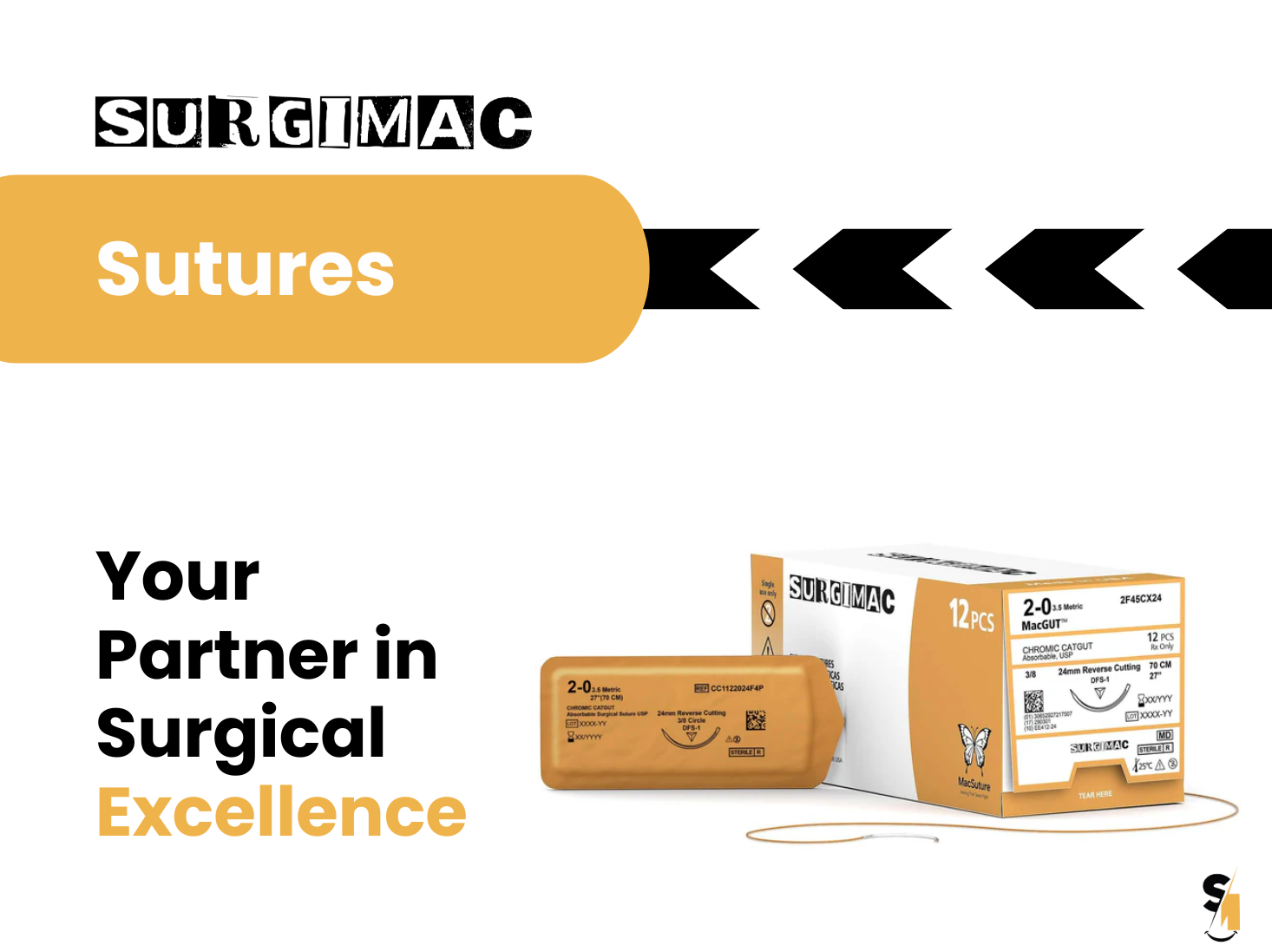
, by SurgiMac A Clinician's Guide to Absorbable Suture Material
-
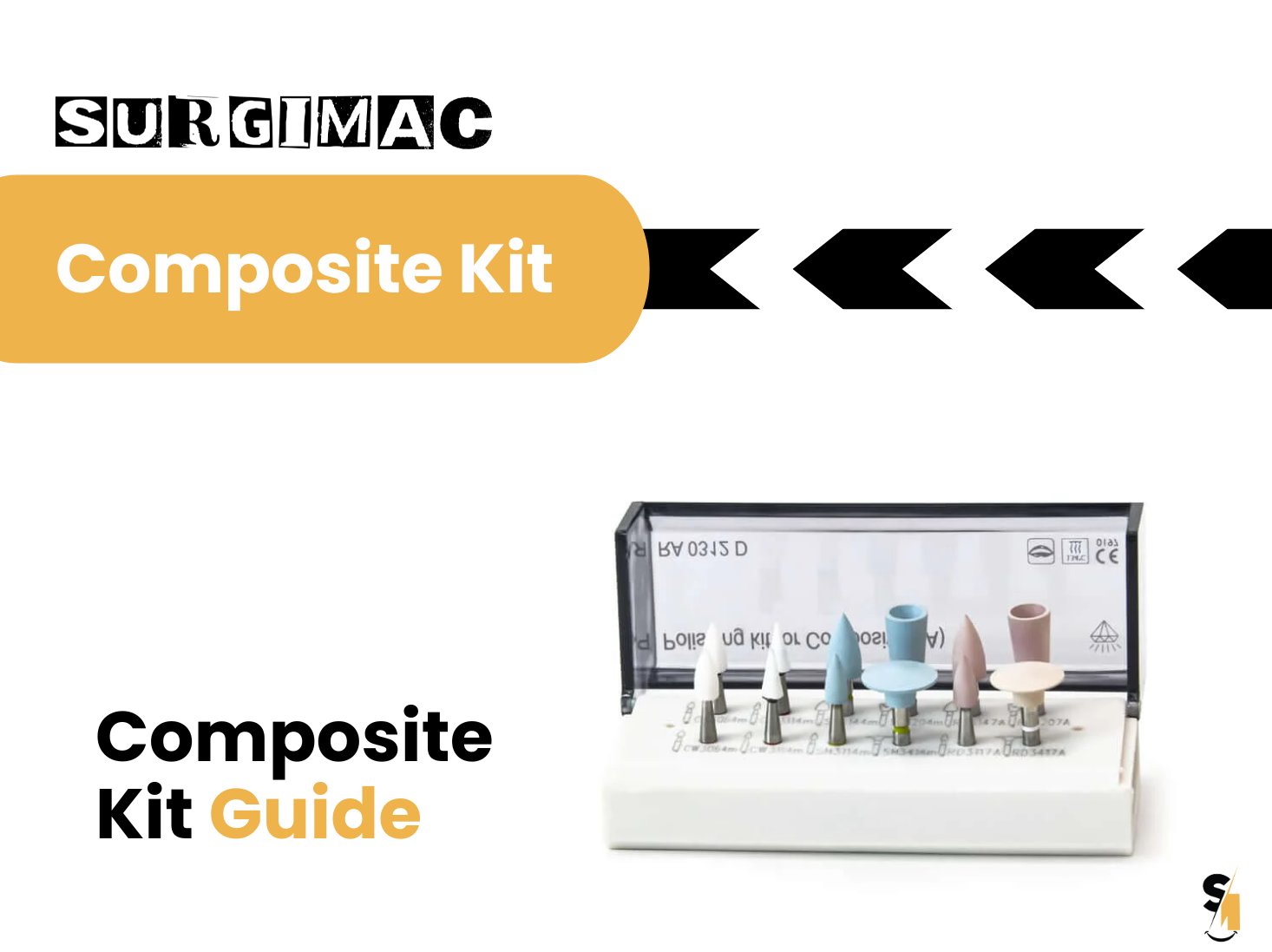
, by SurgiMac A Clinician's Guide to Dental Composite Resin Kits
-

, by SurgiMac How to Disinfect with Metrex CaviWipes Correctly
