

Fluoride Varnish for Adults: What You Need to Know
- , by SurgiMac
- 30 min reading time
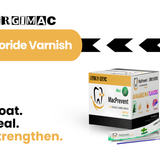
Fluoride varnish for adults helps prevent cavities, rebuild enamel, protect restorations, and relieve sensitivity for stronger, healthier teeth.
The health of your patients' enamel hangs in a delicate balance, caught in the constant tug-of-war between demineralization and remineralization. A professional fluoride varnish application is your tool to decisively tip the scales. By painting this concentrated agent directly onto the tooth, you create a super-saturated environment that promotes fluorapatite—a mineral far more resistant to acid than natural hydroxyapatite. This simple advantage translates into powerful clinical results. The evidence-based benefits of fluoride varnish for adults range from arresting incipient lesions to providing lasting relief from dentinal hypersensitivity, making it a cornerstone of preventive care.
Key Takeaways
- Varnish Excels Due to Prolonged Enamel Contact: Its unique adhesive properties allow it to remain on the teeth for hours, delivering a sustained, high-concentration dose of fluoride that is more effective for remineralization than short-term gels or rinses.
- Identify High-Risk Adults for Targeted Treatment: Fluoride varnish is most effective when applied every three to six months to patients with specific risk factors, including xerostomia, a history of recurrent decay, or exposed root surfaces.
- Patient Education is Key to Clinical Success: Maximize the treatment's benefits by providing clear post-application instructions, such as delaying brushing for 4-6 hours, to ensure complete fluoride absorption and long-term protection.
 What Is Fluoride Varnish and How Does It Work?
As a dental professional, you’re always looking for effective, evidence-based tools to protect your patients' oral health. Fluoride varnish is one of the most powerful preventive treatments available, especially for adults. Unlike foams or gels, fluoride varnish is a concentrated topical agent applied directly to the tooth surface. Its sticky, resinous base allows it to adhere to enamel for several hours, delivering a high dose of fluoride right where it’s needed most.
This prolonged contact time is the key to its effectiveness. The varnish works by putting a supercharged amount of fluoride onto the teeth, which helps rebuild minerals in the enamel and provides a robust defense against acid attacks from cariogenic bacteria. It’s a simple, fast, and comfortable application that offers significant protective benefits, making it an essential part of modern preventive dentistry. The entire process requires just a few dental disposables and can be completed in minutes.
How Fluoride Varnish Rebuilds Tooth Enamel
The core benefit of fluoride varnish lies in its ability to supercharge the natural process of remineralization. When enamel is exposed to acids, it loses essential minerals like calcium and phosphate, leaving it vulnerable to decay. Fluoride intervenes by attracting these minerals back to the tooth surface and integrating into the enamel to form fluorapatite—a stronger, more acid-resistant compound than the natural hydroxyapatite.
This process effectively repairs incipient lesions, such as white spots, before they progress into cavities. Research from the Cleveland Clinic confirms that fluoride can reverse early tooth decay through this mechanism. In fact, one study found that fluoride varnish application increased enamel remineralization by 63.6% compared to no treatment, demonstrating its significant clinical impact on strengthening vulnerable teeth.
Varnish vs. Other Fluorides: What's the Difference?
While daily-use products like fluoride toothpaste are fundamental for oral hygiene, fluoride varnish operates on a different level. The primary distinction is its concentration and duration of contact. Varnish contains a much higher parts-per-million (PPM) of fluoride than over-the-counter products or even prescription rinses. Because it’s painted on and adheres to the teeth, it remains active for hours, allowing for maximum fluoride uptake by the enamel.
In-office gels and rinses, while also professionally applied, are typically only in contact with the teeth for a few minutes. Studies have shown that professional fluoride treatments, like varnish, significantly reduce the risk of future caries in high-risk adults. The evidence suggests that applying these treatments more frequently—two or more times a year—provides superior protection compared to a single annual application, making it a cornerstone of preventive care.
Why Is Fluoride Varnish So Effective for Adults?
While once considered a pediatric treatment, fluoride varnish has become a cornerstone of adult preventive dentistry. Its unique properties offer a powerful, evidence-based solution for managing common oral health challenges your adult patients face. From caries prevention to sensitivity relief, incorporating fluoride varnish into your clinical protocols can significantly improve patient outcomes and reinforce your practice's commitment to proactive care. Let's explore the four primary benefits that make it an indispensable tool.
Preventing and Halting Tooth Decay
One of the most compelling reasons to use fluoride varnish is its proven effectiveness in caries prevention. For adult patients, especially those at high risk, this treatment can be a game-changer. Research shows that fluoride varnish can reduce the incidence of new cavities by up to 33% in this demographic. Its high fluoride concentration and sticky consistency allow it to adhere to tooth surfaces for hours, continuously releasing fluoride to inhibit demineralization and bacterial activity. This makes it a critical component of any comprehensive infection control strategy aimed at managing caries risk in your adult patient population.
The Clinical Evidence: A Look at the Numbers
The data supporting fluoride varnish is compelling. As mentioned, its application can decrease the incidence of new cavities by as much as 33% in adult populations. This impressive result is rooted in its ability to drive remineralization. One study highlighted by the Cleveland Clinic found that varnish increased enamel remineralization by 63.6% compared to no treatment. This is why a consistent application schedule—at least twice a year for high-risk individuals—is so critical. By providing a sustained, high-concentration dose, you can effectively manage caries risk and strengthen vulnerable enamel far beyond what daily home care can achieve.
Rebuilding and Fortifying Tooth Enamel
Fluoride varnish is highly effective at remineralizing enamel. The concentrated fluoride application helps rebuild essential minerals that have been stripped away by acid attacks from plaque and dietary sugars. This process not only strengthens the enamel structure but can also reverse early-stage decay. For patients presenting with incipient lesions, such as white spots, fluoride varnish can help repair the enamel before a cavity fully develops. By integrating this treatment, you provide patients with a non-invasive way to protect their teeth against acid damage and maintain a resilient smile. It's a vital part of the modern toolkit of dental equipment and supplies.
Protecting Existing Dental Restorations
Your patients invest significant time and resources into restorative work, from simple fillings to complex crowns and bridges. Protecting that investment is just as critical as the initial procedure. The margins where a restoration meets the natural tooth structure are often the most vulnerable points for failure due to secondary caries. Microleakage and plaque accumulation along these margins create an ideal environment for acid-producing bacteria to thrive, compromising both the restoration and the surrounding enamel. Applying fluoride varnish is a proactive strategy to fortify these high-risk areas, helping to ensure the longevity of the restorative work and prevent the need for premature replacements.
Fluoride varnish isn't just for virgin enamel; it’s a powerful tool for safeguarding existing restorations. When applied over and around the margins, the varnish delivers a concentrated dose of fluoride that strengthens the adjacent tooth structure. This process creates a more resilient, acid-resistant seal that helps prevent decay from infiltrating the interface between the tooth and the restorative material. By making the surrounding enamel less susceptible to demineralization, you effectively extend the life of the restoration. This simple, non-invasive application provides a crucial layer of defense, preserving your clinical work and your patient's oral health with minimal chair time.
Find Relief from Painful Tooth Sensitivity
Many adults struggle with dentinal hypersensitivity, and fluoride varnish offers a simple and effective solution. The varnish works by occluding exposed dentinal tubules, blocking the pathway from external stimuli to the dental pulp. This provides immediate and lasting relief from the sharp pain often associated with hot, cold, or sweet foods and drinks. Studies confirm that various fluoride varnish formulations are effective in reducing tooth sensitivity. Offering this treatment can greatly enhance patient comfort and quality of life, making it a valuable service for those with gingival recession or enamel erosion.
Enjoying Durable, Long-Term Protection
The unique formulation of fluoride varnish is designed for extended contact. Unlike rinses or gels, it adheres to the teeth for several hours, creating a durable reservoir of fluoride that is slowly released into the saliva and plaque. This long-lasting protection is key to its clinical efficacy. For optimal results, consistent application is crucial. Evidence suggests that professional fluoride treatments two or more times a year lead to better preventive outcomes. When applying the varnish, using quality dental disposables ensures a smooth, hygienic, and effective procedure every time, reinforcing the long-term benefits for your patient.
Addressing Safety and Potential Side Effects
Patient trust is the foundation of effective dental care, and addressing questions about treatment safety is a critical part of building that relationship. When it comes to fluoride varnish, you can confidently reassure your patients. The clinical evidence overwhelmingly supports its safety for both children and adults. Being prepared with clear, evidence-based information allows you to have productive conversations, alleviate any concerns, and reinforce the value of this essential preventive treatment. By proactively discussing its excellent safety profile, you empower patients to feel secure and confident in their care plan.
Discussing Fluoride Safety with Patients
Fluoride varnish is widely regarded as one of the safest and most effective preventive treatments in modern dentistry. Its topical application method means only a minimal amount of fluoride is ingested, significantly reducing any risk of systemic effects. You can confidently share with patients that extensive research supports this. For instance, a comprehensive review by the Centers for Disease Control and Prevention (CDC) analyzed data from over 10,000 applications and found no evidence of significant adverse events. Having this data on hand allows you to address patient concerns directly and build their confidence in the treatment’s reliability and protective benefits.
Recognizing and Managing Adverse Reactions
While adverse reactions to fluoride varnish are exceedingly rare, it’s important to be aware of them. A decade-long safety review reported only 65 adverse events, with the most common being mild and temporary reactions like localized swelling, burning, itching, or soreness. These symptoms typically resolve on their own without intervention. Before application, it's best practice to review a patient's allergies, particularly to colophony (a common resin ingredient in some varnishes). Ensuring a sterile application by using high-quality disposable gloves and other protective supplies also helps minimize any potential for irritation, ensuring a safe and comfortable experience for your patient.
Which Adult Patients Need Fluoride Varnish Most?
While fluoride varnish offers preventive benefits for a wide range of adult patients, it is most effective when targeted toward individuals with specific risk factors. Identifying these candidates in your practice is key to maximizing the treatment's clinical impact. A comprehensive patient evaluation—including a review of their medical history, dietary habits, and existing oral conditions—will help pinpoint who stands to gain the most from regular applications.
Think of it as a strategic tool in your preventive toolkit. For some patients, it’s an essential intervention to halt active demineralization, while for others, it’s a proactive measure to keep healthy enamel strong. The primary candidates generally fall into three categories: those with a high clinical risk for caries, those with medical conditions that compromise oral health, and those whose lifestyle habits put their enamel in constant jeopardy. By recognizing these patient profiles, you can confidently recommend fluoride varnish as a targeted, effective therapy to protect and preserve their oral health.
For Patients with a High Caries Risk
Fluoride varnish is particularly beneficial for adults who are at high risk for cavities, especially those with a history of recurrent decay. This group includes patients with numerous restorations, exposed root surfaces from gingival recession, and individuals undergoing orthodontic treatment where hygiene can be challenging. For these patients, varnish isn't just a preventive measure; it's an active defense. The concentrated fluoride application strengthens vulnerable enamel, helps remineralize incipient lesions, and provides a durable layer of protection on surfaces that are difficult to clean or are already compromised. It’s a simple, effective way to interrupt the caries cycle and preserve tooth structure.
A Solution for Patients with Xerostomia (Dry Mouth)
Adults experiencing xerostomia, or dry mouth, are prime candidates for fluoride varnish. Whether caused by medications, systemic diseases like Sjögren's syndrome, or radiation therapy, a reduction in salivary flow significantly increases caries risk. Saliva is the body’s natural defense mechanism, neutralizing acids and aiding in remineralization. Without adequate saliva, the oral environment becomes more acidic and susceptible to decay. Fluoride varnish provides a much-needed layer of protection, adhering to the teeth and continuously releasing fluoride. This helps compensate for the lack of saliva, fortifying enamel against acid attacks and reducing the likelihood of rapid decay.
When Diet and Lifestyle Increase Caries Risk
Patient habits play a huge role in oral health, and those with certain dietary and lifestyle factors can greatly benefit from fluoride varnish. This includes individuals who consume a diet high in sugars and acids from frequent snacking, soda, or sports drinks. These habits create a sustained acidic challenge to the enamel. Similarly, patients with inconsistent or poor oral hygiene practices may not be adequately removing plaque, leaving their teeth vulnerable. For these individuals, fluoride varnish acts as a safety net, strengthening enamel to better withstand frequent acid exposure and offering an added layer of defense that supports their at-home care efforts.
What's the Recommended Application Schedule for Adults?
Determining the ideal frequency for fluoride varnish application isn’t a one-size-fits-all decision. It requires a careful assessment of each patient's unique risk profile, oral health status, and lifestyle factors. While clinical guidelines provide a solid framework, your professional judgment is essential for creating a preventive care plan that truly meets their needs. The goal is to move beyond a routine schedule and tailor the treatment to offer maximum protection against dental caries and other oral health issues.
This personalized approach ensures that patients at higher risk receive the intensive support they need, while those with lower risk maintain their oral health without unnecessary intervention. By evaluating factors like medical history, diet, and existing dental conditions, you can confidently recommend an application schedule that supports long-term enamel strength and patient wellness.
Standard Guidelines for Treatment Frequency
For adult patients, the recommended frequency of fluoride varnish application is directly tied to their caries risk level. According to the American Dental Association (ADA), adults identified as being at high risk for dental caries should receive a professional fluoride varnish treatment every three to six months. This cadence is particularly crucial for individuals with a history of root caries or other significant risk factors.
Further research supports this, suggesting that high-risk adults benefit most from at least two applications per year to achieve optimal protection. Establishing this regular preventive schedule helps maintain a consistent therapeutic level of fluoride on the tooth surfaces, interrupting the demineralization process and promoting enamel repair between appointments.
ADA Recommendations and Professional Guidelines
When it comes to professional standards, the American Dental Association (ADA) provides clear, evidence-based guidance. Their recommendations state that adults at high risk for caries should receive a professional fluoride varnish application every three to six months. This schedule is designed to maintain a protective fluoride concentration on the enamel, consistently interrupting the demineralization process and supporting remineralization. However, these are guidelines, not mandates. Your clinical expertise is crucial for tailoring treatment. A comprehensive risk assessment—evaluating everything from salivary flow to dietary habits—allows you to adjust this frequency, ensuring each patient receives a preventive plan that truly addresses their individual needs and promotes long-term oral health.
Customizing the Schedule Based on Patient Risk
While the three-to-six-month guideline is a great starting point, several factors can prompt you to recommend more frequent applications. A patient’s individual health profile and lifestyle choices play a significant role in determining their specific needs. For instance, patients experiencing xerostomia (dry mouth), often resulting from medications or medical conditions, have reduced salivary flow and are at a much higher risk for caries, warranting a three-month interval.
Other conditions that may call for a more frequent schedule include a history of enamel erosion, active periodontal disease, or exposed root surfaces. Even patients undergoing cosmetic procedures or orthodontic treatment can benefit from more regular applications to protect vulnerable enamel. A thorough patient assessment, using precise tools from collections like the Pro Series, is key to identifying these factors and creating a truly customized and effective preventive plan.
The Fluoride Varnish Application: A Step-by-Step Guide
Communicating the simplicity and effectiveness of a fluoride varnish application helps build patient confidence and ensures they follow post-treatment care instructions. Here’s a straightforward breakdown of the process and the key guidance to provide your patients.
Step 1: The In-Chair Application Process
The application of fluoride varnish is a quick and non-invasive procedure, making it an easy addition to a routine dental visit. The process begins with isolating and drying the teeth to ensure optimal adhesion. Using high-quality dental disposables like cotton rolls and gauze is essential for maintaining a dry field. Once the teeth are prepared, you will paint a thin layer of the varnish directly onto the enamel surfaces. The entire treatment is typically completed in just a few minutes. Its sticky consistency allows it to adhere to the tooth surface, delivering a high concentration of fluoride for several hours after the patient leaves the chair.
Modern Formulations and Patient Comfort
Patient experience is paramount, and thankfully, the days of uncomfortable fluoride trays with unpleasant tastes are largely behind us. Modern fluoride varnishes are formulated with comfort in mind, featuring mild, neutral, or even pleasant flavors. The thin, paint-on application feels far less invasive than bulky gels or foams and sets quickly upon contact with saliva, forming a smooth layer that patients often barely notice. This improved experience increases patient acceptance and ensures better compliance with post-treatment instructions. Because most patients find the treatment tolerable, it's easier to integrate this essential preventive measure into routine adult care, reinforcing your commitment to a positive and effective clinical visit.
Step 2: Essential Post-Application Patient Care
Clear post-treatment instructions are crucial for maximizing the varnish's efficacy. Advise your patients to avoid hard, sticky, or hot foods and beverages for the rest of the day. They should also refrain from brushing or flossing for at least 4-6 hours, or ideally until the next morning, to allow for complete fluoride absorption. Reassure them that their regular oral hygiene routine, including brushing with a fluoride toothpaste and daily flossing, should resume the following day. For adults at high risk of caries, professional topical fluoride treatments should be applied two or more times a year to achieve the best protective outcomes.
Fluoride Varnish Myths vs. Facts
Patient education is a cornerstone of effective dental care, and that includes clearing up common myths about certain treatments. When patients understand the "why" behind your recommendations, they're more likely to be on board with their care plan. Let's walk through some of the most frequent misconceptions about fluoride varnish for adults so you can guide these conversations with confidence and clarity. By proactively addressing these points, you can build trust and help your patients see the true value of this preventive service.
Myth: "Fluoride is just for kids."
It’s easy to see why this myth persists, as fluoride treatments are a standard part of pediatric dental visits. However, the protective benefits of fluoride don't have an age limit. You can explain to your adult patients that their risk for caries can change over time due to factors like diet, medication, or health conditions. Fluoride varnish is a safe and highly effective tool for adults of all ages, including older adults and pregnant women, who need extra help strengthening their enamel. It’s a simple, powerful way to provide preventive care that supports long-term oral health, regardless of the patient's age.
Fact: Is fluoride varnish safe for adults?
Some patients may have questions about the safety of fluoride. It's helpful to explain that professional fluoride varnish is a targeted, topical treatment applied directly to the teeth. The formulation is designed to adhere to the enamel, delivering a high concentration of fluoride exactly where it's needed most to fight decay, remineralize enamel, and reduce sensitivity. Reassure them that the amount of fluoride used in a varnish application is small and has been proven safe and beneficial for maintaining adult dental health. Using high-quality cements, liners, and adhesives, including professional-grade varnish, is a standard of care for protecting vulnerable teeth.
Fact: It's a preventive measure, not a cure-all.
Managing patient expectations is key. It's important to clarify that fluoride varnish is a preventive measure, not a cure for existing cavities. Its primary job is to make tooth surfaces more resistant to acid attacks and to repair the very earliest stages of decay. For instance, it can be incredibly effective at addressing incipient lesions, or "white spots," that appear on teeth. Research shows that varnish can even help reduce the size of these spots after orthodontic treatment. Frame it as one part of a comprehensive oral health strategy that includes consistent home care and regular professional cleanings.
Where Does Varnish Fit in Your Preventive Toolkit?
As a clinician, you have a variety of fluoride treatments at your disposal, and choosing the right one depends on the patient’s specific risk profile, clinical needs, and even their tolerance for in-office procedures. While all fluoride treatments aim to strengthen enamel and prevent caries, their delivery methods, efficacy, and patient compliance rates can vary significantly. Understanding these differences is key to developing an effective preventive care plan.
Fluoride varnish has become a preferred method for many practices due to its unique properties and proven results, especially in adult populations at high risk for decay. Unlike traditional gels, foams, or rinses, varnish offers a distinct advantage in its application and duration of contact with the tooth surface. Let's break down how it stacks up against other common preventive options, from over-the-counter products to other professionally applied treatments. This comparison will help clarify why varnish is often the superior choice for achieving long-lasting protection and optimal patient outcomes.
In-Office Application vs. At-Home Fluoride
The primary distinction between professional and at-home fluoride lies in concentration and application. At-home products, like fluoride toothpaste and over-the-counter rinses, are excellent for daily maintenance and play a vital role in a patient's oral hygiene routine. However, professional treatments like fluoride varnish deliver a much higher, concentrated dose that is meticulously applied to ensure complete coverage. This in-office application provides a significant therapeutic benefit that daily-use products cannot replicate. It acts as a powerful intervention, creating a durable layer of protection that continuously releases fluoride ions over several hours, offering robust defense against acid attacks for your high-risk patients.
How Varnish Compares to Rinses and Gels
When comparing professional treatments, fluoride varnish stands out for its superior adhesion and ease of use. Traditional fluoride gels and foams require trays, which can be uncomfortable for patients, trigger gag reflexes, and require several minutes of chair time. Fluoride rinses offer even shorter contact time with the enamel. Varnish, on the other hand, is painted directly onto the teeth and sets quickly upon contact with saliva. This sticky consistency keeps it in place for hours, maximizing fluoride uptake. Research confirms its effectiveness, showing that varnish can reduce new caries by up to 33% in high-risk adults. This makes it one of the most efficient and effective preventive treatments available.
Evaluating Cost-Effectiveness and Research Limitations
While the clinical benefits of fluoride varnish are well-established, a comprehensive evaluation also involves looking at its economic impact and acknowledging the nuances of the supporting research. As a clinician, you're not only focused on patient outcomes but also on the practicalities of implementing preventive programs within your practice. Understanding the cost-effectiveness helps justify the treatment to both patients and practice managers, while being aware of research limitations allows you to critically appraise new evidence as it emerges. This balanced perspective is essential for making informed, evidence-based decisions that align with the highest standards of patient care and practice management.
The Economic Impact of Fluoride Varnish Programs
Incorporating fluoride varnish into your preventive protocols is not just a clinical decision—it's a sound financial one. The cost of applying varnish is minimal compared to the expense of restorative procedures. By preventing or arresting caries, you save your patients from the financial burden and discomfort of fillings, root canals, or extensive work like crowns and bands. An economic study highlighted this by showing a fluoride varnish program could prevent 133 cavities and save approximately $195,347 in its first year. While this study focused on a pediatric population, the principle holds true for adults, where preventing recurrent decay around existing restorations or halting root caries offers significant long-term savings for both the patient and the healthcare system.
Understanding the Limitations of Current Evidence
While the body of evidence supporting fluoride varnish is strong, it’s important to approach the research with a critical eye. Many studies have demonstrated its efficacy, but some have limitations that are worth noting. For example, it can be difficult to isolate the precise effect of varnish alone, as study populations often have varying levels of exposure to other fluoride sources, like fluoridated water. Furthermore, some research may have methodological weaknesses, such as small sample sizes or a lack of blinding, which can affect how broadly the results can be applied. This doesn't diminish the value of varnish but reminds us that clinical decisions should always integrate the best available evidence with professional judgment and individual patient needs, supported by reliable dental equipment and supplies.
How to Talk to Patients About Fluoride Varnish Treatment
Effective patient communication is just as critical as the clinical application itself. When patients understand the process, the benefits, and their role in the treatment’s success, they are more likely to be compliant and satisfied with the outcome. A clear, structured conversation can demystify fluoride varnish, address potential concerns, and reinforce the value of your preventive care recommendations. By guiding them through each step, you build trust and empower them to take an active role in their oral health, ensuring the treatment delivers the best possible results.
Helping Patients Prepare for Their Appointment
Before the patient is even in the chair, you can set the stage for a smooth and positive experience. Explain that the fluoride varnish application is a quick, painless, and non-invasive procedure. It’s helpful to let them know it typically takes just a few minutes to complete at the end of their regular appointment. You can describe the process simply: their teeth will be dried, and a thin layer of varnish will be painted on with a small brush. Using quality dental disposables ensures a hygienic and efficient application every time. This simple preparation helps manage expectations and reduces any anxiety they might have about trying a new treatment.
Explaining What to Expect After Treatment
Clear post-treatment instructions are essential for maximizing the varnish’s efficacy. Advise your patients to avoid eating or drinking for at least 30 minutes after application and to stick to soft foods for the rest of the day. It’s also important to tell them not to brush or floss until the next morning. Explain that these steps allow the fluoride to remain in contact with the enamel for an extended period, which is crucial for the remineralization process. You should also mention that they might feel a thin, slightly sticky coating on their teeth, which is completely normal and will brush away easily the following day.
Tips for Clearly Communicating the Benefits
To help patients understand the value of fluoride varnish, frame the benefits in clear, impactful terms. Explain that it’s a proven way to strengthen enamel and make teeth more resistant to acid attacks from bacteria and sugary foods. You can mention that studies show fluoride varnish can reduce new cavities in high-risk adults. It’s also a powerful tool for reversing early-stage decay, such as white spot lesions, and can significantly reduce tooth sensitivity. Focusing on these tangible outcomes helps patients see the treatment not as an upsell, but as a vital investment in their long-term oral health.
Getting the Best Results from Fluoride Varnish
A professional fluoride varnish application is a powerful tool for caries prevention, but its success doesn't end when the patient leaves the chair. The true long-term benefits are realized when the in-office treatment is supported by consistent patient habits. Educating your patients on how to care for their teeth post-application is crucial for extending the protective effects and promoting a lifetime of oral health. By providing clear guidance on at-home hygiene and dietary choices, you empower them to become active partners in their own preventive care, ensuring the varnish delivers maximum clinical value.
Pairing Treatment with Excellent Home Care
To ensure the fluoride varnish fully adheres and penetrates the enamel, instruct patients to avoid eating or drinking for at least two hours post-treatment. After this initial period, it's essential they understand that the varnish complements, but does not replace, their daily oral hygiene routine. Reinforce the need for brushing twice daily with a fluoride toothpaste and flossing once a day. This mechanical removal of plaque is critical for preventing new biofilm accumulation. Explain that the varnish provides an added layer of defense, particularly in interproximal spaces and other hard-to-reach areas, but a diligent at-home regimen is what maintains that clean foundation. Proper use of dental disposables and consistent care are the cornerstones of successful preventive dentistry.
How Diet Impacts Treatment Success
Diet plays a significant role in the oral environment and can either support or undermine the effects of fluoride varnish. Counsel your patients on the importance of a diet that promotes remineralization. Foods rich in calcium and phosphate—like dairy products, leafy greens, and lean proteins—provide the essential building blocks that fluoride helps integrate back into the enamel matrix. Conversely, frequent consumption of sugary and acidic foods or beverages creates a hostile acidic environment that leads to demineralization, directly counteracting the varnish's protective benefits. By making smart dietary choices, patients can help maintain a neutral oral pH, allowing the fluoride treatment to work most effectively at strengthening and repairing their enamel.
Frequently Asked Questions
Why do my teeth feel sticky or look slightly yellow after the application?
This is a completely normal and temporary effect of the treatment. The sticky feeling comes from the natural resin base that helps the varnish adhere to your teeth for several hours. This prolonged contact is what allows the fluoride to effectively strengthen your enamel. The slight yellow tint is also temporary and will disappear the next morning after you brush your teeth as usual.
Can fluoride varnish reverse a cavity that has already formed?
Fluoride varnish is a powerful preventive tool, not a restorative one. It works wonders on the earliest stage of tooth decay, known as an incipient lesion or "white spot," by helping to remineralize and repair the weakened enamel. However, once decay has progressed and created a physical hole, or cavity, in the tooth, it cannot be reversed. At that point, a filling or other restorative procedure is needed to repair the damage.
Is fluoride varnish safe for pregnant patients?
Yes, professional fluoride varnish is considered safe and beneficial for pregnant patients. Hormonal changes during pregnancy can increase the risk for oral health issues, including cavities and gingivitis. Because the varnish is a topical treatment applied directly to the teeth, there is minimal systemic absorption, making it a safe way to protect the mother's enamel and maintain oral health throughout her pregnancy.
Do adults with a low risk for cavities still benefit from fluoride varnish?
While fluoride varnish is most critical for patients at high risk for decay, it can still offer benefits to those with a lower risk profile. Think of it as an extra layer of insurance for your smile. It can help manage tooth sensitivity, strengthen enamel against future acid attacks, and provide targeted protection for any vulnerable areas. For low-risk patients, the application frequency may be less often, but it remains a valuable tool for long-term oral health maintenance.
Does dental insurance typically cover fluoride varnish for adults?
Coverage for adult fluoride varnish varies significantly from one insurance plan to another. While it is a standard preventive benefit for children, many plans are still catching up to its proven value for adults. We are seeing more plans begin to offer coverage as they recognize that preventing decay is more cost-effective than treating it. It's always best for patients to check their specific plan details. If it isn't covered, it's an affordable out-of-pocket investment in preventing more complex and expensive dental work down the road.
Next Steps for Your Practice
- Fluoride Varnish: Benefits & Application Guide
- How to Apply Fluoride Varnish: A Clinical Guide
- A Clinician's Guide to Fluoride Varnish Composition
Related Articles
Tags
Blog posts
-
, by SurgiMac A Clinician's Guide to Absorbable Suture Material
-
, by SurgiMac A Clinician's Guide to Dental Composite Resin Kits
-
, by SurgiMac How to Disinfect with Metrex CaviWipes Correctly
