
The Clinician's Guide to the Cryer Elevator
- , by SurgiMac
- 36 min reading time
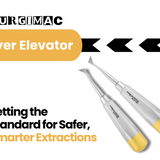
Get expert tips on using and maintaining the Cryer elevator for dental extractions. Learn best practices and find quality instruments from Surgimac.
Your Cryer elevator is a workhorse in your practice, but even the best tools need consistent care to perform flawlessly. At SurgiMac, we believe proper maintenance is about more than just cleaning—it’s about protecting your investment and ensuring patient safety. A well-maintained elevator delivers predictable results, lasts longer, and reduces complications during an extraction. This isn't about adding complex steps to your day. It's about building simple, effective habits for handling, cleaning, and inspection that uphold the high standard of care your patients deserve.
Key Takeaways
- Know Its Role: The Cryer elevator is a specialist tool designed for leverage and rotation. Use its sharp, triangular tip to engage and remove stubborn or fractured root stumps, particularly in multi-rooted teeth where one root has already been extracted.
- Prioritize Technique Over Force: A successful extraction depends on control, not power. Apply steady, rotational pressure using a stable fulcrum on the bone—never an adjacent tooth—to minimize trauma and preserve the surrounding anatomy.
- Invest in Quality and Maintain It Diligently: A reliable Cryer elevator is forged from surgical-grade stainless steel for durability. Protect your instrument with proper handling, sterilization, and regular inspection to ensure it performs safely and effectively for years.
What is a Cryer Elevator?
If you’ve ever faced a tricky extraction with a fractured root, you know the value of having the right tool on hand. A Cryer elevator is a specialized dental instrument designed specifically for these challenging situations. Its primary job is to help you remove root tips from a tooth socket, making the entire extraction process smoother and less traumatic for your patient. Think of it as the specialist you call in when a standard elevator can't quite reach or dislodge a stubborn root fragment. It’s designed to work in the space created by a removed root, using the inter-radicular bone as a fulcrum to elevate the remaining piece.

Using a Cryer elevator effectively can significantly cut down on procedure time and improve patient outcomes. It’s an essential part of any comprehensive set of dental equipment and supplies, especially for practices that handle a high volume of extractions. By providing precise leverage and control, this tool helps you work more efficiently while preserving the surrounding bone and tissue. It’s all about having the right instrument to turn a potentially difficult procedure into a routine success. This isn't just about brute force; it's about finesse and using mechanical advantage to your benefit, which ultimately leads to a better experience for both you and your patient.
Alternative Names for the Cryer Elevator
Like many specialized tools in a dental professional's toolkit, the Cryer elevator goes by a few different names. Knowing these alternatives can be helpful, whether you're discussing a case with a colleague or sourcing new instruments for your practice. These names often describe the instrument's appearance or its specific function, offering a quick visual or mechanical cue. Understanding this common terminology ensures clear communication and helps you identify the exact tool you need without any confusion. This clarity is essential for maintaining a well-organized inventory of high-quality dental instruments, ensuring you're always prepared for any clinical scenario that arises.
The "East-West" or "Flag" Elevator
The most common alternative names for the Cryer elevator are the "East-West" or "Flag" elevator. These descriptive monikers come directly from the instrument's unique design and application. The term "Flag" elevator is a nod to the sharp, triangular working end, which resembles a small pennant or flag. This shape is crucial for gaining purchase on a fractured root surface. The name "East-West" refers to the specific rotational movement used during an extraction. After engaging the root tip, you apply a controlled, lateral force—much like turning a key—to luxate the root from the periodontal ligament. This side-to-side, or "East-West," motion leverages the instrument's design to efficiently remove the fragment while minimizing trauma to the surrounding alveolar bone.
A Closer Look at its Key Components
At first glance, the Cryer elevator has a distinct and robust design. It typically features a short, sturdy handle that’s shaped to fit comfortably and securely in your palm. This design isn't just for comfort; it’s engineered to give you maximum control and leverage when applying rotational force. You’ll find them available in various sizes and standard handle designs, allowing you to choose the perfect fit for your hand and the specific needs of the procedure. The combination of a solid grip and a sharp, functional tip is what makes this tool so effective in tight spaces.
The Three Core Components: Handle, Shank, and Blade
To truly appreciate how a Cryer elevator works, it helps to understand its anatomy. The instrument is composed of three distinct parts working in harmony: the handle, the shank, and the blade. The handle is ergonomically designed to rest securely in your palm, providing the grip needed to apply controlled rotational force without slipping. Connected to the handle is the shank, a strong, rigid shaft that transfers your precise movements directly to the working end. Finally, the blade—or tip—is the star of the show. This sharp, triangular point is engineered to bite into the root structure, allowing you to use the inter-radicular bone as a fulcrum and elevate the fragment out of the socket. Each component is essential for the instrument's function, turning a challenging extraction into a predictable one.
Understanding Tip Variations: Flat vs. Scooped
The business end of the Cryer elevator, its blade, comes with subtle but important variations. The most common design features a sharp, angled tip that is slightly scooped or hollow-ground. This unique curvature isn't just for show; it’s designed to cup the convex surface of the root, creating a more secure purchase point. This helps prevent the instrument from slipping and allows for a more efficient transfer of rotational force to lift the root fragment. You'll almost always find these instruments in pairs—a left and a right—to adapt to the mesial and distal surfaces of the tooth. Choosing the correct orientation is key to engaging the root properly and protecting the surrounding anatomy. At SurgiMac, our dental instruments are crafted with these clinical details in mind to ensure you have the precise tool you need for every scenario.
The Cryer Elevator's Function in Extractions
The real magic of the Cryer elevator is in its tip—a thick, curved, and sharply pointed triangle. This unique shape is perfect for engaging and elevating fractured roots deep within the socket. The primary use of elevator instruments like the Cryer is to apply strong, controlled twisting forces to loosen a tooth or root before extraction with forceps. It’s particularly indispensable for removing impacted roots or sectioned teeth, where other instruments might fail to get a proper purchase point. It allows you to work precisely where you need to, minimizing damage to the surrounding structures.
The Wheel and Axle Principle in Action
The Cryer elevator is a perfect example of the wheel and axle principle applied to dentistry. The handle serves as the "wheel," and the shank acts as the "axle." When you apply rotational force to the larger-diameter handle, that force is multiplied into powerful torque at the instrument's sharp, triangular tip. This mechanical advantage is what allows you to generate a strong, controlled twisting force to engage and elevate a fractured root with minimal effort. It’s not about using brute strength; it’s about applying steady, rotational pressure to efficiently luxate the root fragment from the socket. This principle is fundamental to many of the high-quality dental instruments we rely on, enabling precise movements that preserve surrounding bone and tissue.
Built to Last: Materials and Construction
A great Cryer elevator is built to last. High-quality models are typically forged from surgical-grade German stainless steel, a material known for its exceptional durability and resistance to corrosion. This robust construction ensures the instrument can withstand the significant force required during extractions without bending or breaking. It also means it can endure countless cycles of cleaning and sterilization while maintaining its sharp, effective edge. Investing in well-made instruments from trusted sources ensures you have reliable tools that perform consistently for years to come, making it a smart investment for your practice.
What Makes a Great Cryer Elevator?
When it comes to extractions, having the right tool in your hand can make all the difference between a smooth procedure and a challenging one. The Cryer elevator is a powerhouse for removing fractured or stubborn root stumps, but not all elevators are created equal. A great Cryer elevator isn't just a piece of steel; it's a precision instrument designed for a specific, demanding task. Its effectiveness comes down to a thoughtful combination of design, material, and ergonomics.
Choosing the right one means looking closely at its specific features. From the distinct shapes of left and right models to the precise curvature of the tip and the feel of the handle in your palm, every detail matters. A well-crafted elevator works as an extension of your hand, giving you the control and leverage needed to work efficiently and safely. Investing in a high-quality instrument ensures predictable results, enhances patient comfort, and provides the durability your practice depends on. Let’s break down the key characteristics that separate a good Cryer elevator from a great one.
Choosing Between Left and Right Models
The Cryer elevator is specifically designed with distinct left and right models for a reason: precision. These instruments are primarily used for removing root stumps from mandibular molars, especially when one root has been removed and the other remains firmly in place. The design works on the principles of a lever and wedge, allowing you to use the empty socket as a fulcrum. By engaging the remaining root with the sharp, triangular tip, you can apply controlled rotational force to elevate it cleanly. This targeted approach is far more effective than using a generic elevator, as the angled blade is shaped to access and lift the specific root you’re targeting.
How to Select the Perfect Size and Tip
The business end of the Cryer elevator is its tip, and its design is critical for success. The ideal tip has a sharp, triangular point that can effectively wedge into the space between the root and the alveolar bone. The shape, width, and curve of the blade should closely match the anatomy of the tooth root you’re working on. A tip that conforms well to the root’s curvature allows for better engagement, providing maximum leverage with minimal force. This not only makes the extraction easier but also helps preserve the surrounding bone structure, which is crucial for your patient’s healing and future restorative options.
Why Handle Design Matters for Control
While the tip does the heavy lifting, the handle is your connection to the instrument. A well-designed handle provides the grip and control necessary to apply precise, modulated force. Most Cryer elevators feature a robust, short handle that fits comfortably in your palm, allowing you to generate significant torque without slipping. This ergonomic design is essential for transferring force efficiently from your hand to the instrument's tip. The handle’s design supports the elevator’s primary function—acting as a lever—and gives you the tactile feedback needed to feel how the root is responding, ensuring a safer and more controlled procedure.
How to Spot a Quality Instrument
When selecting your next Cryer elevator, pay close attention to the materials and craftsmanship. High-quality dental equipment and supplies are typically forged from surgical-grade German stainless steel. This material isn’t just for show; it offers superior strength, corrosion resistance, and the ability to hold a sharp edge through countless sterilization cycles. Inspect the instrument for a smooth finish and a precisely machined tip. A quality elevator will feel balanced and solid in your hand. Investing in a well-made instrument from a trusted source ensures it will perform reliably for years, making it a smart addition to your clinical toolkit.
Material Matters: The Role of German Stainless Steel
The material composition of your Cryer elevator is fundamental to its performance and longevity. High-quality dental instruments are forged from surgical-grade German stainless steel, and for good reason. This specific alloy is renowned for its exceptional durability and resistance to corrosion, which is critical in a clinical setting. During an extraction, you apply significant force, and you need an instrument that won’t bend, warp, or break under pressure. German stainless steel provides that reliability. Furthermore, its robust nature means it can withstand countless sterilization cycles without degrading, all while maintaining the sharp, effective edge needed for precise work. This ensures your elevator performs consistently every time you reach for it.
Recognizing International Quality Standards
Beyond the raw material, the manufacturing process itself is a key indicator of quality. Reputable manufacturers adhere to stringent international standards (like ISO certifications or CE marking) to ensure every instrument they produce meets precise specifications for performance and safety. When you choose an elevator from a trusted source, you're not just buying a tool; you're investing in reliability. This commitment to quality ensures the instrument performs predictably and safely, protecting both your patient and your practice. Making a smart investment in well-crafted instruments from a dependable supplier like SurgiMac means you’ll have tools that serve you effectively for years to come, becoming a trusted part of your clinical workflow.
Proper Technique for Using a Cryer Elevator
Using a Cryer elevator effectively and safely comes down to a combination of knowledge, technique, and control. This instrument is a powerhouse for extractions, especially when dealing with retained roots, but its sharp, pointed tip demands respect. The goal is always a clean, efficient extraction that minimizes trauma to the patient and preserves the surrounding bone structure. Mastering the correct application of force, maintaining a stable fulcrum, and understanding the instrument's mechanical advantages are the keys to success. By focusing on these core principles, you can make the Cryer elevator one of the most reliable tools in your extraction kit, ensuring predictable and positive outcomes for your patients.
Perfecting Your Positioning and Grip
Proper technique begins with understanding the instrument's primary purpose. The Cryer elevator is designed to loosen teeth by severing the periodontal ligament fibers and gently expanding the alveolar bone around the tooth. To do this, you need a stable fulcrum—ideally, the crest of the buccal or lingual bone, not an adjacent tooth. Establish a firm grip on the handle, using a palm grip for power and a finger rest on a nearby stable surface for control. This prevents slippage and protects the patient’s soft tissues. Insert the tip into the space created by a bur or between the root and the bone, ensuring it’s seated securely before applying any rotational force.
The Index Finger-on-Shank Technique for Maximum Control
For even greater finesse, many clinicians adopt the index finger-on-shank technique. This method refines the standard palm grip by extending your index finger along the instrument's shank, moving your control point closer to the working tip. This simple adjustment provides superior tactile feedback, allowing you to feel the subtle movements of the root and the resistance from the periodontal ligament. With this grip, you can apply rotational force with exceptional precision, preventing excessive pressure and minimizing the risk of slippage. This level of control is crucial for preserving the integrity of the surrounding alveolar bone and soft tissues, making it an invaluable technique for difficult extractions, especially when using premium instruments like SurgiMac's Cryer elevators.
Applying Controlled and Effective Force
The Cryer elevator excels at applying strong, controlled rotational force. Its design, featuring a thick, curved, and pointed tip, is perfect for engaging a specific point on the root, often deep within the socket. Think of it as applying a wheel-and-axle principle; you are using the instrument to twist the root out of its socket. The force should be deliberate and steady, not a sudden jerking motion. Apply pressure along the long axis of the instrument, rotating your wrist and forearm to luxate the root. Listen and feel for the tearing of the periodontal ligament and the slight expansion of the socket. This tactile feedback is your guide to applying just the right amount of pressure without causing a fracture.
Key Safety Measures for Every Procedure
Patient safety is paramount during any extraction. One of the most critical rules when using any elevator is to protect the adjacent teeth and tissues. It's best to avoid using a healthy neighboring tooth as a fulcrum, as this can easily cause fractures or luxation. If you absolutely must use an adjacent tooth for leverage, apply minimal force and protect it with your finger. Always keep your non-working hand available to support the patient’s jaw and retract the lips and cheeks. This provides stability and improves your visibility. Ensuring your patient is comfortable and properly anesthetized with quality anesthetic products is also a crucial step for a smooth and safe procedure.
Common Mistakes to Avoid
Knowing what not to do is just as important as knowing what to do. A frequent error is choosing the wrong instrument for the job. For instance, a standard Cryer elevator may not be the best choice for retrieving very small root tips because its short working end can't reach deep enough into the socket. In that case, a root tip pick would be more appropriate. Another common mistake is applying excessive force, which can lead to root fracture or damage to the alveolar bone. Always start with gentle pressure and increase it gradually. Finally, avoid using the elevator as a prying lever against a weak or compromised adjacent tooth. Having a full range of high-quality dental equipment and supplies on hand ensures you can always select the perfect tool for the specific clinical situation.
How Does the Cryer Compare to Other Elevators?
In any dental practice, having a full toolkit is non-negotiable. When it comes to extractions, no single elevator can do it all. While the Cryer elevator is a powerhouse for specific situations, understanding how it compares to other common elevators, like the Coupland, is key to performing smooth and efficient procedures. The goal is always to use the right instrument at the right time to apply force correctly, minimizing trauma to the patient and making your job easier.
Choosing between a Cryer, a Coupland, or another type of elevator isn't about which one is "better"—it's about which one is designed for the precise task at hand. Each instrument has a unique shape and function that makes it the ideal choice for a specific stage of an extraction. Let's break down the key differences so you can confidently select the perfect tool for every scenario you encounter.
Cryer vs. Coupland: A Head-to-Head Comparison
Think of the Cryer and Coupland elevators as specialists with different approaches. The Cryer elevator, with its triangular tip, is built for leverage. It excels at using a Class I lever principle, similar to how a seesaw works, to lift and remove fractured roots. In contrast, the Coupland elevator acts more like a wedge. Its tip has one concave and one convex side, designed to be inserted between the bone and the tooth root to gently expand the socket and sever the periodontal ligament. While both are essential dental equipment and supplies, they serve distinct mechanical purposes during an extraction.
Design Differences: What Sets Them Apart?
The most obvious difference is the working end. The Cryer elevator features a sharp, triangular point designed to engage the bifurcation of multi-rooted teeth. This shape provides a solid purchase point to apply rotational force. However, this design has its limits. The thicker tip of a conventional Cryer might not be suitable for retrieving very small root fragments deep within a socket, as it can be too bulky to fit between the root and the alveolar bone. For those delicate tasks, a finer instrument like a root tip pick is often a better choice. The design dictates the function, making each elevator a solution for a specific clinical problem.
When Should You Use Each Instrument?
Knowing when to reach for a Cryer is crucial. It truly shines when you're dealing with the root stumps of mandibular molars. Imagine a scenario where you've removed one root, but the other remains firmly in place. The Cryer is the perfect tool to insert into the empty socket, using the inter-radicular bone as a fulcrum to elevate the remaining root. It masterfully employs lever, wedge, and wheel-and-axle principles. A Coupland, on the other hand, is typically used earlier in the procedure to create initial mobility for the entire tooth before you even think about sectioning it or using more aggressive burs and diamonds.
Beyond the Cryer: Other Types of Dental Elevators
While the Cryer elevator is a standout for its specific strengths, it’s just one member of a comprehensive team of extraction tools. A truly prepared practice is stocked with a variety of dental instruments, because no two extractions are exactly alike. Different root anatomies, patient factors, and unexpected complications demand a versatile approach. Having a range of elevators at your disposal means you can adapt your technique on the fly, choosing the instrument that offers the best mechanical advantage for the situation. This isn't just about having backups; it's about having a complete system that allows you to work with precision, preserve bone, and ensure the best possible outcome for your patient every time.
Specialized Tools for Specific Tasks: Warwick James and Kublins Elevators
For situations that require a more delicate touch or a different angle of approach, specialized elevators like the Warwick James are invaluable. This straight elevator features a unique tip with one concave and one convex side, making it exceptionally effective for wedging into the periodontal ligament space to gently loosen a tooth. It’s less about the rotational force of a Cryer and more about controlled, steady pressure to initiate luxation. Similarly, Kublins elevators, which are often finer, are perfect for accessing hard-to-reach areas, like impacted third molars. These instruments demonstrate that successful extractions often depend on nuanced tool selection, allowing you to apply force precisely where it’s needed most.
When to Use Root Tip Picks for Fine Work
When a root tip fractures and leaves a small fragment deep within the socket, reaching for a bulky elevator can do more harm than good. This is where root tip picks become essential. These instruments are significantly thinner and longer than a Cryer, designed for finesse rather than force. Their slender profile allows you to navigate deep into the socket with minimal disruption to the surrounding bone, carefully teasing out tiny fragments that other tools can't access. Using a root tip pick is the difference between a precise, minimally invasive retrieval and a more traumatic procedure that requires removing additional bone. It’s the ultimate tool for detailed work, ensuring you leave behind a clean socket ready for optimal healing.
Making the Right Choice for Your Patient
Ultimately, successful extractions depend on your ability to assess the situation and select the appropriate instrument. The Cryer elevator is specifically designed to remove root tips from the socket with incredible efficiency, especially when you have a good access point. Its robust construction and short, sturdy handle give you a confident grip and excellent control during the procedure. By understanding the unique strengths of each elevator in your arsenal, you can create a clear and effective workflow for any extraction, ensuring you work safely and predictably every single time.
How to Maintain Your Cryer Elevator
Your Cryer elevator is a workhorse in your practice, but even the most robust instruments need consistent care to perform their best. Think of maintenance not as a chore, but as a way to protect your investment and ensure patient safety. A well-maintained elevator provides predictable results, lasts longer, and reduces the risk of complications during an extraction. Proper care goes beyond a simple rinse and sterilization; it’s a systematic process that includes careful handling, meticulous cleaning, and regular inspection. By building these simple habits into your daily routine, you ensure your instruments are always ready for the job. This commitment to maintenance reflects the high standard of care you provide, ensuring every tool you use is in optimal condition. Taking a few extra moments after each procedure can add years to your instrument's life and give you peace of mind knowing you’re using a tool that is safe, effective, and reliable.
The Do's and Don'ts of Storage and Handling
The key to a long-lasting Cryer elevator starts with how you handle and store it. While these instruments are built to be strong, their tips are precision-engineered and can be damaged if not cared for properly. Avoid tossing them into a drawer or tray with other heavy instruments where the working ends can get knocked around, chipped, or dulled. Instead, use a dedicated sterilization cassette or a designated spot in your instrument tray to keep them secure. Proper storage protects the delicate tips, ensuring they remain sharp and effective for every procedure. This simple step is one of the easiest ways to protect your collection of dental equipment and supplies and keep them in service for years to come.
Your Guide to Effective Sterilization
Proper sterilization is non-negotiable for patient safety and instrument longevity. Most high-quality Cryer elevators are made from surgical-grade stainless steel and are designed to be fully autoclavable. Before sterilizing, always make sure the instrument is thoroughly cleaned of all debris. Follow the manufacturer’s guidelines for temperature and cycle times, as this will ensure effective sterilization without damaging the instrument. Avoid using harsh chemicals or abrasive cleaners that can cause corrosion or dull the finish. Consistent, correct sterilization not only prevents cross-contamination but also helps maintain the integrity of your instruments, which is critical for any procedure involving anesthetic products and sterile fields.
A Simple Maintenance Checklist
A quick inspection before and after each use can catch small issues before they become big problems. Create a simple mental checklist to run through every time you handle your Cryer elevator. First, examine the tip for any signs of wear, such as dullness, chips, or bending. A compromised tip can make extractions more difficult and less predictable. Next, check the handle to ensure it’s securely attached and free of any cracks or damage that could affect your grip. Just as you would inspect your burs and diamonds for wear, giving your elevators a once-over ensures they are always in top working condition and ready for the next procedure.
How to Extend Your Instrument's Life
Beyond daily cleaning and inspection, a few long-term strategies can help you get the most out of your Cryer elevators. Over time, the tips will naturally dull with use. Consider using a professional sharpening service to restore the edge, as improper sharpening can alter the instrument's shape and function. It’s also important to know when to retire an instrument. If an elevator shows significant wear, deep pitting, or damage that can't be repaired, it’s time for a replacement. Investing in high-quality instruments from reputable suppliers often means better materials and craftsmanship, ensuring they last longer and perform more reliably, much like well-made crowns, bands & shells.
Advanced Cryer Elevator Techniques
Once you’ve mastered the basics, you can begin to use the Cryer elevator for more complex procedures. These advanced techniques require a higher level of skill, precision, and a deep understanding of dental anatomy, but they can make a significant difference in challenging extractions and improve patient outcomes. It’s all about using the unique design of the Cryer elevator to its fullest potential while prioritizing safety and control.
Techniques for Complex Extractions
The Cryer elevator’s design, with its thick, curved, and pointy tip, is built for a specific job: applying strong, focused twisting forces. This makes it incredibly effective for engaging a single point on the tooth, often deep within the socket where other instruments can't reach. Your goal is to use this leverage to luxate the tooth or root fragment efficiently. Think of it as a precision tool for rotation. By carefully positioning the tip and applying a controlled twisting motion, you can dislodge even stubborn root tips that might otherwise require more invasive surgical intervention.
Sectioning Multi-Rooted Teeth
For multi-rooted teeth with stubborn or divergent roots, sectioning is a game-changer. This technique involves strategically cutting the tooth at the furcation to separate the roots into individual segments. By using high-quality burs and diamonds to create this division, you establish a perfect purchase point for the Cryer elevator. Instead of trying to move the entire tooth at once, you can address each root separately. This approach significantly reduces the amount of force required for luxation, which in turn minimizes trauma to the surrounding alveolar bone. It transforms a potentially difficult extraction into a more predictable and controlled procedure, allowing the Cryer to work its magic by engaging one root at a time for a clean, efficient lift.
Managing Oval-Shaped Roots
Extracting teeth with oval-shaped roots, such as some premolars and canines, presents a unique challenge. Their shape resists the rotational forces that are so effective on conical roots, making them difficult to luxate without applying excessive pressure. A smart technique is to section the root longitudinally, effectively turning one large, oval-shaped piece into two smaller, more circular segments. This simple adjustment creates a more manageable shape that is easier to engage and rotate with your elevator. By altering the root's geometry, you can apply force more effectively, leading to a smoother extraction with less stress on the surrounding bone. This is a prime example of how understanding dental anatomy and having the right dental instruments allows for a more refined and less traumatic procedure.
How to Prevent Common Complications
With great power comes great responsibility. The same force that makes the Cryer elevator effective can also cause complications if not applied correctly. Using too much pressure can lead to iatrogenic damage, such as fracturing the jawbone. It’s also crucial to avoid using a healthy neighboring tooth as a fulcrum. While sometimes unavoidable, if you must brace against an adjacent tooth, use very light force to prevent accidental damage. Using high-quality, reliable dental equipment and supplies gives you the tactile feedback needed to apply just the right amount of pressure.
Why Continued Training is Non-Negotiable
Advanced techniques are built on a foundation of excellent visibility. You can’t be precise if you can’t see what you’re doing. Many dentists use magnification like dental loupes or even microscopes to get a clear, detailed view of the surgical site. This enhanced vision allows you to position the elevator with pinpoint accuracy and see the subtle movements of the tooth as it begins to luxate. Committing to continued learning and adopting tools that improve your visualization are key steps in refining your extraction skills and ensuring you can handle complex cases with confidence.
Handling Challenging Cases with Confidence
Sometimes, you need to create a better entry point for the elevator. For impacted teeth or those with complex, curved roots, you might need to create small slots in the tooth or bone. This technique gives the elevator a solid purchase point and improves your leverage. Another effective strategy is sectioning a multi-rooted tooth. By using burs and diamonds to separate the roots, you can remove each piece individually. This approach requires significantly less force for each segment, which helps preserve the surrounding bone and makes the entire extraction process smoother and safer.
Creating Purchase Points on Decayed Roots
When a root is severely decayed or fractured below the gumline, finding a solid surface to engage your elevator can feel impossible. This is where creating a purchase point becomes a game-changer. Instead of struggling for leverage on a compromised tooth structure, you can strategically create a small slot or trough to give your instrument a secure entry point. For impacted teeth or those with complex, curved roots, you might need to create small slots in the tooth or bone. This technique gives the elevator a solid purchase point and improves your leverage. Using a fine surgical bur, you can carefully prepare a small notch that provides the perfect spot for the sharp tip of your Cryer elevator to engage securely, allowing you to apply controlled rotational force exactly where it’s needed.
The Role of Magnification in Precision Extractions
Precision in oral surgery is directly tied to visualization; you simply can't treat what you can't see clearly. This is why magnification has become a standard of care in modern dentistry. Many dentists use magnification like dental loupes or even microscopes to get a clear, detailed view of the surgical site. This enhanced vision allows you to position the elevator with pinpoint accuracy and see the subtle movements of the tooth as it begins to luxate. It transforms the procedure from a tactile guessing game into a visually guided process, which minimizes iatrogenic damage, preserves the alveolar bone, and sets the stage for a smoother recovery for your patient. It’s a fundamental component of providing the highest quality care.
Using Surgical Loupes for Enhanced Visibility
Putting the principle of magnification into practice often starts with a great pair of surgical loupes. These are more than just magnifying glasses; they are essential clinical tools that bring the operative field into sharp focus. Committing to continued learning and adopting tools that improve your visualization are key steps in refining your extraction skills and ensuring you can handle complex cases with confidence. When you combine this clear view with the tactile feedback from quality dental instruments, every movement becomes more deliberate—from the initial elevation to the final closure with a precise suture. This level of detail ensures better outcomes and reinforces your confidence in every procedure.
Choosing Your Next Cryer Elevator: A Buyer's Guide
Selecting the right Cryer elevator for your practice doesn’t have to be complicated. By focusing on a few key aspects of design, material, and sourcing, you can find a reliable instrument that serves you and your patients well for years. Let's walk through what to look for to make sure you're choosing the best tool for the job.
What Features Matter Most?
When you're evaluating a Cryer elevator, pay close attention to its core design. The instrument is specifically crafted to remove root tips from a tooth socket, so its shape is critical for efficiency. Look for a model with a robust build and a short handle. This combination provides an ideal grip, giving you better control and leverage during extractions. A well-designed tip, whether for the left or right side, will engage the root fragment cleanly, making the procedure smoother for both you and your patient. Prioritizing these functional features ensures the tool performs exactly as you need it to.
Investing in Quality: What to Expect
Your dental instruments are an investment in your practice, and you want them to last. For long-term use, choose Cryer elevators made from high-quality, surgical-grade German stainless steel. This material is strong and resistant to corrosion, meaning it can withstand daily procedures and repeated sterilization. While a premium instrument might have a higher upfront cost, its durability pays off over time. By investing in quality dental equipment and supplies, you avoid the frequent replacements that come with lesser-quality tools, ensuring you get the most value from your purchase.
Why Professionals Trust Surgimac Instruments
When in doubt, leaning on trusted brands is a smart move. Manufacturers with a reputation for quality have already perfected their designs and materials. For example, the HuFriedy Group is a well-regarded name in the dental community, and their A31 Cryer Elevator (also known as EA31) is a popular choice. Choosing a tool from an established brand gives you confidence that you're working with an instrument that is precise, durable, and designed with the practitioner in mind. It’s a simple way to ensure you’re getting a high-performance tool.
Where to Find Reliable Dental Instruments
Once you know what you’re looking for, the final step is finding a reliable place to purchase it. To guarantee you’re getting a genuine, high-quality instrument, it’s best to buy from authorized distributors and trusted suppliers. Many manufacturers have a 'Where to Buy' section on their website to find official partners. Sourcing your tools from a reputable supplier like SurgiMac ensures you receive authentic products that meet professional standards. This protects you from counterfeits and ensures your new Cryer elevator performs safely and effectively.
Frequently Asked Questions
1. What's the key difference between a Cryer and a Coupland elevator?
Think of it this way: a Coupland elevator is primarily used to create space and achieve initial mobility. It acts like a wedge, gently expanding the tooth socket. The Cryer elevator, on the other hand, is the specialist you bring in for leverage. Its sharp, triangular tip is designed to engage a specific point on a fractured root and lift it out, making it more of a lever than a wedge.
2. When is the ideal time to use a Cryer elevator in an extraction?
The Cryer elevator truly shines in a specific scenario: when you're working on a lower molar and have already removed one root, but the other remains firmly in place. You can insert the Cryer's tip into the empty socket and use the solid bone between the roots as a fulcrum to cleanly and efficiently elevate the remaining fragment.
3. Why are there specific left and right versions of the Cryer elevator?
The separate left and right designs are all about precision and anatomy. The angle of the triangular tip is specifically crafted to fit perfectly against the curved surface of a root from a particular direction. Using the correct version allows the tip to get a secure grip on the root, giving you maximum control and leverage without slipping.
4. What's the most common mistake to avoid when using a Cryer elevator?
The biggest pitfall is using a healthy neighboring tooth as a leverage point. The force generated by a Cryer elevator is significant, and bracing it against an adjacent tooth can easily cause fractures or damage. Always try to use the dense alveolar bone as your fulcrum to ensure a safe and controlled extraction.
5. How can I tell if my Cryer elevator is still in good condition?
Get in the habit of inspecting the instrument before each use. Pay close attention to the working tip. If it appears dull, chipped, or bent in any way, it's time for maintenance or replacement. A compromised tip won't engage the root properly, which will force you to use more pressure and reduce your overall control.
Explore More Dental Instrument Guides
- Large Cryer Elevators: A Dental Professional's Guide
- The Ultimate Guide to Dental Extraction Forceps - SurgiMac Dental Supply
- Dental Tools for Sale: Harness Dental Precision by SurgiMac - SurgiMac Dental Supply
Related Articles
Blog posts
-
, by SurgiMac A Clinician's Guide to Absorbable Suture Material
-
, by SurgiMac A Clinician's Guide to Dental Composite Resin Kits
-
, by SurgiMac How to Disinfect with Metrex CaviWipes Correctly
