
A Clinician's Guide to Lidocaine Cartridges
- , by SurgiMac
- 43 min reading time
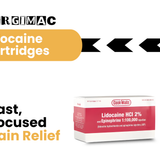
Lidocaine cartridges are essential for safe, effective dental anesthesia. Learn how to choose, store, and use them for optimal patient care and practice success.
Running a successful dental practice goes beyond the operatory; it requires smart business decisions about your supplies. Lidocaine cartridges are a perfect example. As a fundamental part of your inventory, how you source and manage them directly impacts your budget and clinical readiness. Everything from brand reputation to volatile supply chains can affect your costs and availability. This article gives you a practical look at the business side of anesthetics. We’ll explore what drives pricing, how to vet suppliers, and the best practices for storage, ensuring you maintain a cost-effective and reliable supply.
Key Takeaways
- Match the Formulation to the Procedure: Select plain lidocaine for short treatments or patients with contraindications, and use a formulation with epinephrine to prolong anesthesia and provide hemostasis for more extensive work.
- Uphold Strict Safety Standards: Prevent adverse events by always calculating the maximum recommended dose based on patient weight and conducting a thorough medical history review to identify potential allergies or contraindications.
- Ensure Anesthetic Integrity Through Proper Handling: Protect the sterility and potency of your cartridges by sourcing from authorized suppliers, storing them at controlled room temperatures, and checking expiration dates before administration.

What Exactly Is a Lidocaine Cartridge?
A lidocaine cartridge is a staple in any dental practice, serving as the primary tool for delivering local anesthesia and ensuring patient comfort. At its core, lidocaine is a local anesthetic designed to numb the specific area where it's administered. It’s the go-to choice for a wide range of procedures, from routine fillings to more invasive surgical work, because of its reliability and rapid onset.
These cartridges, often called carpules, are small, pre-filled glass cylinders containing a sterile lidocaine solution. They are designed to be loaded into a dental syringe for precise, controlled injection. The primary function is straightforward: to stop nerves from sending pain signals to the brain, creating a temporary loss of sensation in the targeted tissue. This allows you to perform necessary treatments efficiently while keeping your patient relaxed and pain-free. Understanding the components and formulations of these cartridges is key to selecting the right product for each patient and procedure, ensuring both safety and clinical effectiveness.
How Does Lidocaine Anesthetic Work?
Lidocaine works by temporarily blocking the pathway of pain signals along nerve fibers. When injected, the solution diffuses into the surrounding tissue and targets the nerve cell membranes. Specifically, it blocks the voltage-gated sodium channels within these membranes. By preventing sodium ions from entering the nerve cell, lidocaine stops the nerve from generating and conducting an electrical impulse. This interruption effectively prevents the sensation of pain from reaching the brain, resulting in localized numbness. The effect is confined to the injection site, allowing you to work precisely without affecting the patient’s overall consciousness.
What's Inside a Lidocaine Cartridge?
A standard lidocaine cartridge contains several key components. The primary active ingredient is lidocaine hydrochloride (HCl), typically in a 2% concentration. Many formulations also include a vasoconstrictor, most commonly epinephrine, in concentrations like 1:50,000 or 1:100,000. Epinephrine constricts local blood vessels, which reduces bleeding at the procedural site and slows the absorption of lidocaine into the bloodstream. This prolongs the duration of the anesthetic effect, giving you a longer working time. SurgiMac offers a comprehensive selection of anesthetic products to meet these varied clinical needs, ensuring you have the right formulation for every situation.
Lidocaine and Epinephrine Content
The solution inside each cartridge is carefully formulated for clinical effectiveness. The active ingredient is a 2% concentration of lidocaine hydrochloride, but the key variable is often the vasoconstrictor: epinephrine. Available in common concentrations like 1:50,000 and 1:100,000, epinephrine constricts local blood vessels at the injection site. This action serves two critical functions. First, it reduces bleeding, providing a clearer field for detailed procedural work. Second, it slows the systemic absorption of the lidocaine, which prolongs the anesthetic effect and gives you a more generous window of time to complete your treatment while keeping the numbness localized for patient safety.
Allergy-Safe and Protective Features
Patient safety is paramount, and modern anesthetic cartridges are designed with this in mind. To minimize the risk of adverse reactions, many formulations are manufactured to be methylparaben-free, which helps prevent allergic responses in sensitive patients. Furthermore, the cartridges are produced without natural rubber latex, addressing another common allergen. These protective features are vital for upholding a high standard of care in your practice. Pairing these allergy-safe anesthetics with other protective supplies, such as the MacSafe line of disposable gloves, ensures you create a consistently safe and controlled clinical environment for every patient who sits in your chair.
A Guide to Different Lidocaine Cartridge Types
Choosing the right lidocaine cartridge is a critical decision that directly impacts procedural success and patient comfort. While they may look similar, cartridges vary significantly in their formulation, concentration, and even volume. Understanding these differences allows you to tailor your anesthetic approach to the specific demands of the procedure and the unique health profile of your patient. The primary distinctions come down to the presence of a vasoconstrictor, the concentration of the active ingredients, and the physical size of the cartridge itself. Each of these factors plays a key role in determining the onset, duration, and depth of anesthesia, as well as the level of hemostasis you can achieve. Making an informed selection from the available anesthetic products ensures you can work with confidence and precision.
With or Without Epinephrine: Which is Right?
The most fundamental difference among lidocaine cartridges is the inclusion of a vasoconstrictor, most commonly epinephrine. Plain lidocaine formulations contain only the anesthetic agent and are ideal for very short procedures or for patients with specific medical conditions, such as severe cardiovascular disease, where vasoconstrictors are contraindicated.
However, most dental procedures benefit from lidocaine combined with epinephrine. Epinephrine constricts blood vessels at the injection site, which serves two important clinical functions. First, it slows the absorption of lidocaine into the bloodstream, prolonging the duration of the anesthetic effect. Second, it provides hemostasis, reducing bleeding in the surgical field for better visibility and a cleaner working environment.
Decoding Lidocaine Concentrations
When you see a label like "Lidocaine HCl 2% with Epinephrine 1:100,000," it’s describing the precise formulation inside the cartridge. The "2%" indicates the concentration of the anesthetic agent, lidocaine hydrochloride. The "1:100,000" represents the dilution of epinephrine. This is the most common formulation used in dentistry, offering a reliable balance of duration and safety.
Other concentrations are available for specific clinical scenarios. A 1:50,000 epinephrine concentration provides more potent vasoconstriction and is often used for surgical procedures requiring maximum hemostasis. Conversely, a 1:200,000 dilution contains less epinephrine and may be selected for patients with mild cardiovascular concerns or for procedures where a shorter duration of action is sufficient.
Understanding Cartridge Color Coding
To make identification fast and foolproof, local anesthetic cartridges follow a standardized color-coding system. This visual shortcut is a critical safety feature in any busy practice, allowing you to confirm the formulation at a glance and minimize the risk of error. The colors on the cartridge band correspond directly to the anesthetic and vasoconstrictor content. For example, a red band indicates Lidocaine 2% with epinephrine 1:100,000, while a green band signifies Lidocaine 2% with epinephrine 1:50,000. A light blue band is used for plain lidocaine without a vasoconstrictor. This system, guided by American Dental Association (ADA) standards, ensures consistency across all the anesthetic products you stock, helping you work safely and efficiently.
Choosing the Right Cartridge Size
In the United States, the standard dental anesthetic cartridge contains 1.7 ml of solution. While other sizes like 1.8 ml or 2.2 ml are used internationally, the 1.7 ml volume is the benchmark for consistent and predictable dosing in American dental practices. This standardization helps clinicians accurately calculate the total administered dosage, which is essential for preventing toxicity and ensuring patient safety.
These cartridges are typically packaged in tins or boxes of 50, allowing for efficient inventory management within your practice. Having a reliable stock of these essential dental disposables ensures you are always prepared for both routine and complex patient treatments.
Top Lidocaine Cartridge Brands for Your Practice
When it comes to local anesthesia, having a reliable and effective product is non-negotiable. Fortunately, dental professionals have access to several high-quality brands that manufacture lidocaine cartridges. The choice often comes down to specific formulations, concentrations, and the established trust a clinician has with a particular manufacturer. Leading brands are known for their stringent quality control, consistent performance, and commitment to patient safety. Understanding the key players in the market can help you make an informed decision for your practice, ensuring you have the right tools for effective pain management. From industry staples to private-label options, each brand offers formulations designed to meet the diverse needs of modern dental procedures.
SurgiMac Anesthetic Products
As a comprehensive supplier, SurgiMac is dedicated to equipping dental practices with the highest quality clinical products, from our precision-engineered Air Series instruments to essential MacSafe infection control supplies. We understand that reliable pain management is fundamental to patient care and procedural success. While we are continuously expanding our offerings, we encourage clinicians to explore our curated selection of anesthetic products to find solutions that meet our rigorous standards for quality and performance. We partner with trusted manufacturers to ensure every item in our catalog helps you deliver exceptional patient outcomes with confidence.
Septodont Cook-Waite
Septodont is a name that’s practically synonymous with dental anesthetics, and for good reason. Their Cook-Waite Lidocaine HCl 2% with Epinephrine 1:100,000 is a staple in operatories around the world. This formulation is widely trusted for its ability to provide profound and predictable anesthesia for a variety of routine dental procedures. Clinicians often rely on its consistent performance to ensure patient comfort and procedural efficiency. The brand's long-standing reputation is built on decades of reliable results, making it a go-to choice for many dental professionals seeking a dependable local anesthetic.
Patterson Dental
Patterson Dental offers its own trusted line of anesthetic products, including Patterson® Lidocaine HCl 2% with Epinephrine. This brand provides another reliable option for clinicians seeking effective pain control. Available in standard 1.7 mL cartridges, it is designed for convenience and seamless integration into daily practice workflows. Like other leading brands, Patterson focuses on delivering a consistent and effective product that helps manage patient comfort during dental treatments. Their anesthetic is a popular choice in many practices, reflecting the brand's strong presence and reputation within the dental supply industry.
Other Reputable Anesthetic Brands
Beyond the major names, the market includes several other reputable brands that provide lidocaine cartridges. Formulations from brands like Xylocaine Dental and Lignospan are also commonly used in clinical practice, offering various concentrations and epinephrine combinations to suit different procedural needs. Having a diverse market ensures that clinicians can select an anesthetic injection product that best fits their specific techniques and patient requirements. At SurgiMac, we are committed to offering a broad range of top-tier dental disposables and supplies, ensuring you have access to the products you trust for every aspect of your practice.
Lidocaine Safety: Managing Risks and Side Effects
Lidocaine is one of the most widely used and trusted local anesthetics in dentistry, known for its excellent safety record when administered correctly. However, like any medication, it carries a risk of adverse reactions and potential complications. Understanding these profiles is not just about clinical knowledge; it's about upholding your commitment to patient safety. A comprehensive approach involves managing common reactions, adhering to strict dosage guidelines, conducting thorough patient screenings, and considering the unique needs of special populations, such as pregnant patients.
By mastering these protocols, you can confidently use anesthetic products to ensure patient comfort while minimizing risks. This section will walk you through the key safety considerations, helping you refine your clinical practice and prepare for any situation that may arise. From recognizing early signs of an adverse event to calculating the precise dosage for each individual, these guidelines are foundational to effective and responsible pain management in your dental practice.
How to Handle Common Adverse Reactions
While severe allergic reactions to lidocaine are rare, adverse events can occur. More commonly, reactions are linked to preservatives or antioxidants within the anesthetic solution, such as metabisulfites or parabens. These components can trigger responses in sensitive individuals. It's essential to recognize the signs, which can range from localized swelling and itching to more systemic symptoms. Having a well-stocked emergency kit and a clear protocol for managing medical emergencies is a standard of care. Ensuring your team is trained and your practice is equipped with necessary infection control and safety supplies provides a crucial layer of protection for both your patients and your practice.
Managing Fainting (Vasovagal Reactions)
One of the most common patient reactions you'll encounter isn't pharmacological but physiological: fainting, also known as a vasovagal reaction. This response is often triggered by anxiety or the sight of a needle rather than the anesthetic itself. It can happen suddenly, especially if the patient is sitting in an upright position during the injection. The key to management is simple and immediate. If you notice a patient becoming pale, lightheaded, or diaphoretic, the best course of action is to stop the procedure and reposition them into a supine position. Lying the patient down helps restore blood flow to the brain, and they will typically recover quickly. Keeping the patient calm and reassured is just as important as the physical intervention.
Understanding Serious Side Effects
While lidocaine has a remarkable safety profile, serious side effects, though rare, are possible and are typically related to excessive dosage or accidental intravascular injection. These adverse events primarily affect the central nervous system (CNS) and the cardiovascular system. Early signs of CNS toxicity can include dizziness, anxiety, confusion, and tinnitus, which may progress to muscle twitching, tremors, or even seizures if not addressed. Cardiovascular effects might present as hypotension (low blood pressure) and bradycardia (a slow heart rate). Vigilant patient monitoring during and after administration is crucial for early detection.
Preventing these complications starts with meticulous technique. Always aspirate before injecting to avoid entering a blood vessel, and administer the anesthetic slowly. Most importantly, adhere strictly to the maximum recommended dose calculated based on the patient's weight. Using high-quality, accurately formulated anesthetic products from a trusted supplier is another foundational element of patient safety. Ensuring your supply chain is reliable means you can be confident in the potency and purity of the solutions you administer, minimizing variables and supporting predictable outcomes for every procedure.
Methemoglobinemia: A Rare but Critical Risk
Methemoglobinemia is a rare but serious blood disorder that can be triggered by local anesthetics. In this condition, the iron in hemoglobin is changed, making it unable to carry oxygen effectively. This can lead to oxygen deprivation in the body's tissues. It’s critical to recognize the signs promptly, which include pale, gray, or blue-colored skin (cyanosis), headache, a rapid heart rate, shortness of breath, and profound fatigue or dizziness. If you observe any of these symptoms in a patient following the administration of a local anesthetic, it constitutes a medical emergency. You must seek immediate medical assistance to ensure the patient receives the appropriate treatment without delay.
Safe Dosing to Prevent Lidocaine Toxicity
One of the most critical aspects of lidocaine administration is preventing systemic toxicity, which occurs when the dose exceeds what the body can safely metabolize. Studies have shown that confusion around maximum dosage calculations is common among clinicians. The maximum recommended dose (MRD) should always be calculated based on the patient's weight and overall health status. While some product information sheets may seem overly conservative, they serve as an important baseline for safety. Always use your clinical judgment, document your calculations, and choose clearly labeled SurgiMac anesthetic products to ensure you can administer doses with precision and confidence. Never estimate; always calculate.
Recognizing Early Signs of Toxicity
Systemic toxicity from local anesthetics is a dose-dependent issue that progresses along a predictable spectrum. The initial signs are typically related to central nervous system (CNS) excitation. A patient might report feeling lightheaded, dizzy, or anxious. You may observe confusion, tinnitus (ringing in the ears), or muscle twitching. It's crucial to recognize these early indicators, as they are a warning that the plasma concentration of the anesthetic is approaching toxic levels. If the dose continues to increase, these excitatory signs can progress to CNS depression, including drowsiness, unconsciousness, and eventually respiratory arrest. Prompt recognition and intervention at the first sign of trouble are key to preventing a more severe outcome and ensuring patient safety during any procedure.
Maximum Recommended Dosages for Adults and Children
Adhering to the maximum recommended dose (MRD) is the most effective way to prevent systemic toxicity. For lidocaine 2% with epinephrine, the MRD is generally accepted as 7 mg/kg (3.2 mg/lb) of body weight, with an absolute maximum dose of 500 mg, regardless of how much the patient weighs. For children, the calculation is the same, but their lower body weight means their absolute maximum dose will be much lower. A standard 1.7 mL cartridge of 2% lidocaine contains 34 mg of the anesthetic. Therefore, a healthy 150 lb (68 kg) adult could safely receive up to approximately 14 cartridges, though you would rarely approach this limit. Always calculate the specific MRD for each patient before you begin, and keep a running tally of the cartridges used. This simple step is a cornerstone of safe and responsible pain management.
Patient Screening: Who Shouldn't Receive Lidocaine?
A thorough patient screening is your first line of defense against adverse events. Before any procedure, a detailed review of the patient's medical history, current medications, and known allergies is essential. Pay close attention to patients with severe liver or kidney disease, as their ability to metabolize lidocaine may be impaired. Additionally, be aware of potential cross-reactions. For example, patients with sulfite allergies (often found in certain foods and wines) may react to anesthetic formulations containing a vasopressor, as these often contain sulfites as a preservative. A well-prepared practice with the right dental equipment and supplies is equipped to handle the needs of a diverse patient population.
Precautions for Patients with Heart Conditions
When treating patients with a history of cardiovascular disease, the presence of epinephrine in an anesthetic solution requires careful consideration. Epinephrine is a powerful vasoconstrictor that, while beneficial for prolonging anesthesia and providing hemostasis, can also increase heart rate and blood pressure. For patients with certain heart conditions, this can pose an unnecessary risk. According to FDA guidelines, if epinephrine is clinically necessary for these patients, you should use the smallest possible dose to achieve the desired effect. In many cases, opting for a plain lidocaine formulation is the safest approach. Having a variety of anesthetic products available allows you to tailor pain management to each patient's specific health profile, ensuring both safety and comfort.
Identifying Key Drug Interactions
A comprehensive review of a patient's current medications is a critical step in preventing adverse drug interactions with local anesthetics. Certain medications can alter the body's response to lidocaine and epinephrine, leading to potential complications. You should pay special attention to patients taking tricyclic antidepressants or MAOIs, as these can potentiate the effects of epinephrine and lead to severe hypertension. Similarly, beta-blockers like propranolol can interfere with the metabolism of lidocaine, increasing the risk of toxicity. It's crucial to document all medications your patient is taking to make an informed decision about the safest anesthetic protocol for their procedure.
Managing Sulfite Sensitivities
Lidocaine cartridges containing a vasoconstrictor like epinephrine also include a preservative, typically potassium metabisulfite, to maintain the stability of the epinephrine. While generally safe, this component can cause allergic-type reactions in a small subset of the population, particularly those with asthma. A true sulfite allergy can manifest as severe respiratory distress. Therefore, it is essential to ask patients about any known sensitivities or history of asthma during your screening process. For any patient with a confirmed sulfite allergy, you must avoid anesthetics with vasoconstrictors. The appropriate choice is a plain anesthetic solution, which does not contain sulfites, ensuring you can provide effective pain management without triggering a dangerous allergic response.
Using Lidocaine Safely During Pregnancy
Treating pregnant patients often requires special consideration, but necessary dental work should not be postponed. Lidocaine is classified as FDA Pregnancy Category B, meaning animal studies have not demonstrated a fetal risk, and it is widely considered the safest local anesthetic for use during pregnancy. While clinicians have historically been cautious, particularly during the first trimester, emerging research suggests that anesthetics may be safe throughout the entire pregnancy. The best practice is to proceed with necessary treatments to avoid infection or stress, always consulting with the patient's obstetrician when appropriate. Using high-quality MacSafe protective gear further ensures a safe environment for both mother and baby.
When Are Lidocaine Cartridges Used in Dentistry?
Lidocaine is a versatile and indispensable anesthetic in modern dentistry, but its application isn't one-size-fits-all. Knowing when and how to use specific formulations is key to ensuring patient comfort and procedural success. From simple fillings to complex surgical work, the right lidocaine cartridge provides predictable, effective pain control. Let's walk through the most common clinical scenarios where lidocaine is the anesthetic of choice, helping you match the product to the procedure with confidence.
Ideal for Routine Local Anesthesia
For the majority of routine dental work, lidocaine is the gold standard for local infiltration. Procedures like fillings, crown preparations, and simple extractions require reliable and fast-acting anesthesia to ensure a pain-free patient experience. A formulation of 2% lidocaine with 1:100,000 epinephrine is highly effective for numbing the treatment area, providing adequate duration for most common appointments. Using dependable anesthetic products is fundamental to a smooth workflow and maintaining patient trust. This formulation strikes an ideal balance, offering sufficient anesthesia without unnecessarily long-lasting effects.
Effective Nerve Blocks for Complex Procedures
When a procedure involves a larger treatment area or requires deeper, more profound anesthesia, a nerve block is the indicated technique. Lidocaine is an excellent choice for mandibular blocks and other regional anesthesia. It typically takes effect within two to four minutes and delivers effective pulpal anesthesia for approximately 90 minutes, making it ideal for root canals, multiple extractions, or implant placements. For these extensive treatments, pairing effective anesthesia with high-performance surgical instruments from the Pro Series ensures you have the control and precision needed to achieve optimal clinical outcomes.
Topical Applications for Patient Comfort
Patient comfort begins even before the injection. Lidocaine is also available in topical forms, which are applied to the mucous membranes to numb the injection site. This simple step significantly reduces the discomfort associated with needle insertion, easing patient anxiety and building a positive rapport. Topical lidocaine works by blocking nerve signals directly at the surface, making it a valuable tool for pre-injection numbing, managing gag reflexes during impressions, or for minor soft tissue procedures. Integrating topical anesthetics into your routine is a small touch that makes a big difference in the overall patient experience.
Managing Pain During Dental Hygiene Appointments
Pain management is just as important in hygiene appointments as it is in restorative procedures. Many patients experience sensitivity or anxiety during scaling and root planing, which can deter them from seeking regular preventive care. Local anesthesia with lidocaine can be a game-changer for these individuals, allowing the hygienist to perform a thorough cleaning without causing discomfort. Ensuring adequate pain control not only improves the quality of the hygiene treatment but also reinforces your practice’s commitment to compassionate care. This focus on patient well-being, combined with strict infection control protocols, creates a safe and comfortable environment for everyone.
Proper Administration of Lidocaine Cartridges
Administering local anesthesia is a blend of science and skill. While lidocaine is incredibly safe and effective, proper technique is what guarantees predictable outcomes and upholds patient safety. From the moment you pick up the syringe to the final post-procedure instructions, every step matters. Mastering the administration process not only ensures profound numbness but also minimizes the risk of complications and builds patient trust. It’s about more than just blocking pain; it’s about delivering a standard of care that reflects precision, preparedness, and a deep understanding of the pharmacology at play. This commitment to excellence is the foundation of every successful dental procedure.
Safe Injection Techniques
A successful injection begins long before the needle touches the mucosa. It starts with a thorough patient screening to identify any contraindications. Once cleared, the technique itself is paramount. A slow, steady injection rate—ideally delivering 1 mL of solution over 60 seconds—is crucial for patient comfort and safety, as it allows the tissue to accommodate the fluid and reduces the risk of systemic uptake. Always aspirate before depositing the solution to ensure you haven't entered a blood vessel. This simple step is one of the most effective ways to prevent intravascular injection and potential toxicity. As the solution diffuses into the tissue to block nerve pathways, your careful technique ensures it stays exactly where it’s needed to achieve profound anesthesia.
Beyond the mechanics of the injection, preparedness is a key component of safety. Every dental practice must be equipped to handle a medical emergency, however rare. This includes having emergency equipment, oxygen, and other medicines readily accessible. Using sterile, single-use needles and cartridges from a trusted supplier is also non-negotiable for preventing infection and ensuring the integrity of the anesthetic solution. By combining meticulous technique with a prepared environment stocked with reliable dental disposables, you create a safety net that protects both your patient and your practice, allowing you to perform procedures with the utmost confidence.
Post-Procedure Patient Instructions
Your duty of care extends beyond the chair. Clear and concise post-procedure instructions are essential for ensuring a patient’s safety and comfort after they leave your office. The most critical piece of advice is to avoid eating or drinking hot liquids until the numbness has completely worn off. Explain that while their lips, tongue, and cheek are numb, they won't be able to feel a bite, which can lead to significant soft tissue injury. This simple instruction can prevent accidental self-injury and a follow-up emergency visit. Providing these guidelines both verbally and in writing helps reinforce the message and ensures the patient understands how to care for themselves properly.
It’s also helpful to manage their expectations about the duration of the numbness. Let them know roughly how long the anesthetic effect will last and what sensations are normal as it wears off. Reassure them that temporary numbness is the intended effect of the medication. Encourage them to call the office if they experience any unusual symptoms or if the numbness persists significantly longer than expected. This open line of communication empowers patients, makes them feel cared for, and solidifies their trust in your practice as a partner in their oral health.
How to Choose the Right Lidocaine Cartridge
Selecting the appropriate lidocaine cartridge is a foundational decision that directly influences procedural success and patient safety. It’s not just about achieving numbness; it’s about tailoring the anesthesia to the individual, the treatment, and the required timeframe. A well-chosen cartridge ensures your patient remains comfortable, your field is clear, and the procedure can be completed efficiently without interruption. Making the right choice involves a careful evaluation of three key areas: patient-specific factors, the demands of the procedure itself, and the necessary duration of the anesthetic effect. By systematically considering these elements, you can confidently select the ideal formulation for every clinical scenario.
Putting the Patient First: Key Factors to Consider
Before any injection, a thorough review of the patient's medical history is essential. Certain individuals may have sensitivities or allergies to components within the anesthetic solution. As research notes, "Antioxidants and preservatives in lidocaine, such as metabisulfite and parabens, may trigger allergic or adverse reactions in some people." This makes it critical to screen for known allergies. Beyond allergies, consider the patient’s overall health, including cardiovascular conditions, which may influence your decision to use a formulation with a vasoconstrictor like epinephrine. SurgiMac offers a comprehensive range of anesthetic products to ensure you have a suitable option for every patient’s unique physiological needs.
Matching the Anesthetic to the Dental Procedure
The nature of the dental procedure is a primary driver in cartridge selection. A simple restorative procedure may only require a standard local infiltration, whereas a complex extraction or implant placement demands a more profound and longer-lasting nerve block. For example, a product like Cook-Waite Lidocaine HCl 2% with Epinephrine 1:100,000 is specifically formulated for routine dental work. For more invasive surgeries, a different concentration or formulation might be necessary to achieve adequate hemostasis and anesthesia. Pairing the correct anesthetic with precision dental instruments allows you to perform at your best, ensuring clean margins and predictable outcomes with minimal patient discomfort.
How Long Does Anesthesia Need to Last?
Estimating the length of a procedure is key to selecting a cartridge that provides adequate pain control from start to finish. Anesthetic duration varies significantly based on the formulation and injection technique. For instance, an infiltration may provide around 60 minutes of pulpal anesthesia, while a nerve block can last for approximately 90 minutes. For longer, more involved treatments, a lidocaine solution containing epinephrine is often the best choice, as the vasoconstrictor localizes the anesthetic and extends its effective duration. This foresight prevents the need to re-administer anesthesia mid-procedure, creating a smoother experience for both you and your patient.
Onset Times for Infiltration vs. Nerve Blocks
The speed at which lidocaine takes effect is a key reason it remains a clinical favorite, and this onset time varies depending on your injection technique. For local infiltration, where you are numbing a small, targeted area around a single tooth, the anesthetic begins working very quickly—typically in less than two minutes. This rapid action is perfect for maintaining an efficient workflow during routine procedures. When you need to anesthetize a larger region, such as an entire quadrant, a nerve block is the appropriate choice. The onset for a nerve block takes slightly longer, usually between two to four minutes, as the solution needs time to diffuse and reach the main nerve trunk. This predictability allows you to administer the anesthetic and confidently begin treatment shortly after, knowing your patient is comfortable.
Duration of Pulpal and Soft Tissue Anesthesia
The duration of anesthesia is just as critical as its onset, ensuring you have enough time to complete your work without interruption. For a standard infiltration, you can expect pulpal anesthesia to last for about 60 minutes, which is ample time for most restorative procedures. When a nerve block is administered, the duration is significantly longer, providing approximately 90 minutes of pulpal anesthesia. It's also important to consider the lingering effects on soft tissues. After a nerve block, patients will experience numbness in their lips, tongue, and cheeks for about three to three and a half hours. Communicating this timeline clearly is essential patient education, helping to prevent accidental cheek or lip biting after they leave your office. Having reliable dental disposables ensures these clinical timelines are consistent and predictable.
What Determines the Price of Lidocaine Cartridges?
When stocking your practice, you’ve likely noticed that the price of lidocaine cartridges can vary significantly. This isn't random; several key factors contribute to the cost per unit, and understanding them can help you make smarter purchasing decisions for your clinic. From the manufacturer's reputation to global supply chain dynamics, the price tag reflects a complex mix of quality, demand, and logistics. These variables can feel out of your control, but being aware of them puts you in a better position to manage your inventory and budget effectively.
Thinking strategically about these elements allows you to balance cost with clinical needs, ensuring you have a reliable supply of high-quality anesthetic products without overextending your budget. By looking beyond the sticker price, you can identify the true value of your supplies and choose a supplier that aligns with your practice's standards for patient care and financial health. It’s about finding that sweet spot where affordability meets unwavering quality. Let’s break down the three main drivers behind lidocaine cartridge pricing so you can approach your next order with confidence.
Does Brand Reputation Impact Cost?
The manufacturer's name on the box plays a significant role in pricing. Established brands with a long history of clinical reliability and stringent quality control often have higher price points. This premium is tied to their investment in research, development, and manufacturing processes that ensure consistent potency, purity, and safety in every cartridge. When you choose a local anesthetics supplier, you're paying for the assurance that the product will perform as expected. While generic or lesser-known brands may be more affordable, it’s crucial to verify they meet the same rigorous standards to ensure patient safety and procedural success.
Save More with Bulk Purchasing
Like many other dental supplies, lidocaine cartridges are often cheaper per unit when purchased in larger quantities. Suppliers can offer better pricing on bulk orders because it streamlines their own logistics, from warehousing to shipping. For a busy practice, buying in bulk can be a highly effective cost-saving strategy. The growing preference for single-use, disposable cartridges to enhance infection control naturally increases consumption, making volume discounts even more attractive. By analyzing your practice’s usage rates, you can determine an optimal order size that secures a lower price point without overstocking and risking expiration.
Exploring Cost-Saving Programs and Auto-Ship Options
Beyond volume discounts, many suppliers offer programs designed to make inventory management more predictable and affordable. Membership or loyalty programs, for instance, can provide significant savings on recurring orders. Some suppliers offer members an extra percentage off on essential dental disposables, which can add up quickly for a busy practice. Another valuable option is an auto-ship or subscription service. By setting up automatic deliveries of your most-used anesthetic products, you not only ensure you never run out but often receive a discount on each order. These programs reflect a supplier’s commitment to supporting your practice’s operational and financial health, turning a simple purchase into a strategic partnership.
How Market Trends Affect Anesthetic Prices
Global market forces have a direct impact on the cost of lidocaine. The demand for lidocaine hydrochloride is steadily increasing, which can put upward pressure on prices. More importantly, the healthcare industry has recently faced significant shortages of lidocaine and epinephrine, often due to manufacturing delays or raw material scarcity. When supply tightens, prices inevitably rise. Partnering with a dependable supplier like SurgiMac helps insulate your practice from some of this volatility, as established distributors are better equipped to manage inventory and anticipate market shifts, ensuring you have consistent access to essential anesthetics.
Best Practices for Storing and Handling Lidocaine
Proper storage and handling of lidocaine cartridges are fundamental to ensuring both patient safety and clinical efficacy. From the moment they arrive from your supplier to the point of administration, every step matters. Mishandling can compromise the anesthetic's sterility, potency, and stability, leading to suboptimal pain control or adverse patient reactions. Establishing a clear protocol in your practice protects your patients and preserves the integrity of your materials. It all starts with sourcing from a trusted provider that maintains strict quality control throughout the supply chain. By following best practices for temperature control, inventory management, and aseptic technique, you can confidently deliver safe and effective local anesthesia for every procedure.
Proper Storage: Temperature and Environment
Lidocaine cartridges are sensitive to their environment. To maintain their stability and effectiveness, store them at a controlled room temperature, typically between 68°F and 77°F (20°C to 25°C). Keep them in their original packaging and away from direct sunlight or sources of extreme heat, which can degrade the anesthetic and vasoconstrictor. It's equally important to prevent them from freezing, as this can cause the glass cartridge to crack and compromise sterility. Designate a clean, dry, and organized area for your anesthetic supplies to prevent accidental damage. Choosing a supplier who prioritizes quality and adheres to proper storage conditions ensures the product arrives at your clinic in optimal condition, ready for safe administration.
How to Identify a Compromised Solution
Before administering any anesthetic, a quick visual inspection is a critical and non-negotiable safety step. A compromised solution can lead to ineffective anesthesia or an adverse patient reaction. First, examine the liquid itself. It should be crystal clear. According to official guidelines, you should discard the medicine if it appears pinkish, darker than slightly yellow, or contains any visible particles. Next, check the cartridge's physical integrity. Look for cracks in the glass, a corroded cap, or a plunger that is extruded, all of which indicate a breach in sterility. While a small nitrogen bubble (about 2mm) is normal and intentionally included to prevent oxygen contamination, large bubbles may suggest the solution was frozen. When in doubt, always discard the cartridge. Upholding these standards is a core part of your practice's sterilization protocol.
Shelf Life vs. Expiration: What You Need to Know
Every lidocaine cartridge has a clearly marked expiration date, and respecting it is non-negotiable for patient safety. An expired anesthetic may have reduced potency, leading to ineffective pain management. More critically, its sterility can no longer be guaranteed. To manage your inventory effectively, implement a first-in, first-out (FIFO) system, ensuring older stock is used before newer deliveries. Before preparing any injection, make it a habit to double-check the date on the cartridge. With the demand for lidocaine products steadily growing, maintaining a well-organized inventory system is essential for ensuring you always have a fresh, effective, and safe supply on hand for your patients.
Key Steps to Prevent Cartridge Contamination
Aseptic technique is crucial when handling anesthetic cartridges. Before each use, visually inspect the cartridge for any cracks, chips, or discoloration of the solution. If you notice a damaged cap or any other defect, discard the cartridge immediately. The rubber diaphragm should be wiped with an appropriate disinfectant just before placing it into the syringe. Never submerge cartridges in liquid sterilizing solutions, as this can cause contamination. Proper handling also prevents issues like solution leakage during injection, which can occur from friction between the cartridge and plunger. By wearing MacSafe gloves and following strict hygiene protocols, you uphold the highest standards of infection control and ensure a safe experience for every patient.
Properly Disinfecting Cartridge Diaphragms
Maintaining sterility is a non-negotiable part of administering local anesthesia. Before you even think about loading a cartridge, a quick but thorough visual inspection is your first step. Check the glass for any cracks or chips and ensure the solution is clear and free of discoloration. If you spot any damage or defect, the cartridge should be discarded immediately to prevent any risk to the patient. Once you've confirmed its integrity, the next critical action is to disinfect the rubber diaphragm. Using an appropriate disinfectant, wipe the diaphragm just before placing the cartridge into the syringe. This simple step, performed while wearing your MacSafe exam gloves, is essential for preventing contamination at the point of needle puncture and upholding aseptic technique.
A Critical Warning Against Autoclaving
It’s crucial to understand that anesthetic cartridges are single-use items delivered in a sterile state, and they should never be re-sterilized. Under no circumstances should you ever autoclave a lidocaine cartridge. The intense heat and pressure of an autoclave will not only cause the glass to crack but will also degrade the anesthetic solution and the vasoconstrictor, rendering them ineffective and unsafe. Similarly, you must never submerge cartridges in liquid sterilizing solutions. This practice poses a significant risk of contamination, as the chemical solution can permeate the diaphragm and mix with the anesthetic. The only correct procedure is to perform a surface wipe of the diaphragm with a suitable disinfectant immediately before use. Any other attempt at sterilization compromises the product's integrity and patient safety.
Where to Source High-Quality Lidocaine Cartridges
Sourcing high-quality lidocaine is fundamental to patient safety and the success of your clinical procedures. The reliability of your anesthetic cartridges depends entirely on the integrity of your supply chain. Partnering with a reputable source ensures you receive authentic, properly stored products that perform as expected every time. Whether you prefer working with a dedicated sales representative or ordering online, knowing what to look for in a supplier will protect your practice and your patients.
Why Partner with Authorized Dental Suppliers?
When choosing a supplier for local anesthetics, it’s essential to prioritize quality and diversity in their product offerings. The best approach is to work with suppliers that are recognized and authorized within the dental community. An authorized supplier has a direct relationship with manufacturers, guaranteeing that the products you receive—from SurgiMac anesthetic products to other leading brands—are authentic and have been handled according to strict storage and transportation standards. This direct line of accountability provides full traceability, which is critical in the rare event of a product recall or quality concern. Sourcing from an authorized distributor eliminates the risk of counterfeit or improperly stored products that could compromise patient safety and clinical outcomes.
Understanding Prescription Requirements and Return Policies
When you purchase lidocaine cartridges, it’s important to remember they are classified as prescription drugs. This isn't just a formality; it's a critical measure to ensure patient safety and regulatory compliance. To order these essential anesthetic products, you must have your valid State License number on file with your supplier. This requirement verifies that only qualified dental professionals can access and administer these medications, upholding the standards of care set by regulatory bodies like the FDA. Keeping your license information current with your suppliers ensures a smooth and compliant ordering process every time.
Another key policy to be aware of is that anesthetic products, including lidocaine cartridges, are typically non-returnable. This strict rule is in place to protect the integrity and sterility of the anesthetic. Once a product leaves the controlled environment of the supplier's warehouse, its storage conditions cannot be guaranteed, potentially compromising its effectiveness and safety. While this policy requires careful ordering, it ultimately serves to protect your patients from the risks associated with improperly handled medications. Always double-check your order details before finalizing your purchase to maintain an efficient and safe inventory.
Smart Tips for Buying Anesthetics Online
Purchasing dental supplies online offers convenience and efficiency, but it requires careful selection. A trustworthy online supplier provides a seamless and transparent user experience. Look for a website with clear, detailed product descriptions, transparent pricing, and high-resolution images. The platform should be easy to use, allowing you to quickly find products and manage your orders. Before making a purchase, confirm that the website has a secure payment system and a clearly stated privacy policy to protect your practice’s information. A professional online store, like a comprehensive dental equipment and supplies catalog, should also feature accessible customer service options, such as a phone number or live chat, so you can get answers to your questions quickly.
How to Vet a New Dental Supplier
Before committing to a new supplier, take a few steps to verify their credibility. Start by reading reviews and testimonials from other dental professionals. A supplier with a strong reputation for reliability and excellent customer service is always a good sign. Don’t hesitate to ask about their quality control procedures and how they handle product issues. For instance, in the case of a damaged cartridge cap, a dependable supplier will have a clear protocol for reporting the defect, complete with the lot number, and will facilitate a replacement or credit. This level of accountability is a key indicator of a trustworthy partner. A proactive approach ensures you build a relationship with a supplier who is as committed to quality and patient care as you are.
Frequently Asked Questions
Why is epinephrine added to lidocaine, and when should I choose a plain solution?
Epinephrine acts as a vasoconstrictor, narrowing the blood vessels at the injection site. This serves two main purposes: it prolongs the duration of anesthesia by slowing systemic absorption, and it reduces intraoperative bleeding, improving visibility during procedures. You should opt for a plain lidocaine solution when performing short, simple treatments or when treating patients with contraindications to vasoconstrictors—such as those with severe cardiovascular disease, uncontrolled hypertension, or hyperthyroidism.
What are the most critical steps to prevent lidocaine toxicity?
Preventing lidocaine toxicity hinges on careful dosing and proper injection technique. Always calculate the maximum recommended dose based on your patient’s weight, age, and medical condition—never assume a universal dose. Aspirate before injecting to ensure the needle isn’t in a blood vessel, which could cause rapid systemic absorption. Administer the anesthetic slowly and incrementally, monitoring the patient for signs of dizziness, tinnitus, or numbness around the mouth, which may indicate early toxicity.
Can I safely use lidocaine on a pregnant patient?
Yes. Lidocaine is regarded as the safest local anesthetic during pregnancy and is classified as FDA Pregnancy Category B, meaning animal studies have not shown a risk to the fetus. It is appropriate for necessary dental procedures when used within recommended dosages. Pain and infection pose greater risks than local anesthesia itself. For complex or medically sensitive cases, it’s advisable to coordinate with the patient’s obstetrician before proceeding.
What's the best way to store lidocaine cartridges to ensure they remain effective?
Lidocaine cartridges should be stored at controlled room temperature (20–25°C), away from direct sunlight, excessive heat, or freezing temperatures. Freezing can crack the glass or degrade the anesthetic’s stability. Always keep cartridges in their original packaging in a clean, dry area until use to preserve sterility and potency. Proper storage ensures consistent anesthetic performance and patient safety.
Besides the brand, what really determines the quality of a lidocaine cartridge?
While brand reputation matters, supply chain integrity is equally important. Even the best product can lose its effectiveness if mishandled during storage or transport. Partnering with a reliable, authorized supplier like SurgiMac ensures your cartridges are genuine, have been stored under proper conditions, and maintain full potency and sterility. This consistency translates directly into more predictable anesthesia and safer patient outcomes.
Read More
- A Clinician's Guide to Anesthetic Use Patient Care
- Nitrile vs. Vinyl Glove: A Clinical Breakdown
- Sterilization Pouch 101: A Guide for Your Practice
Related Articles
Tags
Blog posts
-
, by SurgiMac A Clinician's Guide to Absorbable Suture Material
-
, by SurgiMac A Clinician's Guide to Dental Composite Resin Kits
-
, by SurgiMac How to Disinfect with Metrex CaviWipes Correctly
