MacPrevent 5% Sodium Fluoride Varnish with TC...
SKU 90002-Bx
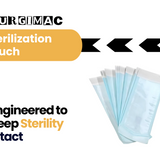
Get expert tips on choosing the right sterilization pouch, sealing techniques, and storage practices to keep your dental instruments safe and sterile.
Your infection control protocol is only as strong as its weakest link. Often, that vulnerability lies in a seemingly simple item: the sterilization pouch. A faulty seal, a microscopic tear, or improper use can undo an entire cycle, compromising patient safety and wasting valuable chair time. This guide is designed to fortify that crucial link in your process. We will cover the essential features of a quality pouch, the correct techniques for sealing, and the common mistakes to avoid. With SurgiMac’s trusted range of sterilization pouches, you can uphold your commitment to sterility with confidence.
Think of a sterilization pouch as a personal safe for your dental instruments. It’s a single-use bag designed to hold tools during the sterilization process—typically in an autoclave—and maintain their sterility until you’re ready to use them. These pouches are a fundamental part of any infection control protocol, creating a barrier that keeps sterilized instruments free from contaminants like bacteria and viruses.

The design is simple but smart. Most pouches are made of medical-grade paper on one side and a clear plastic film on the other, allowing you to see the contents inside. They also feature a special opening that lets you access the clean tools without compromising their sterility. Using pouches correctly ensures that every instrument you use is safe for your patients, which is the cornerstone of a trustworthy and professional practice. They are an indispensable part of your daily workflow, providing peace of mind and upholding the highest standards of care.
Not all sterilization pouches are created equal, and the right type for you often depends on your practice’s specific needs and workflow. Here’s a quick breakdown of the most common options:
Choosing the right pouch isn’t just about size; it’s about ensuring it’s compatible with your practice’s sterilization equipment. The materials used in a pouch must be able to withstand the specific sterilization agent—whether it's high-pressure steam or chemical gas—without compromising the sterile barrier. Using an incompatible pouch can lead to failed sterilization cycles, damaged instruments, and potential patient safety risks. Let's look at the two most common methods.
Steam autoclaving is the workhorse of sterilization in most dental offices, using pressurized steam to effectively kill microorganisms. For this method, you need pouches that allow steam to penetrate and sterilize the contents while preventing recontamination after the cycle. High-quality sterilization pouches are specifically designed with a medical-grade paper side that acts as a porous barrier for steam entry and a non-porous, clear film side for easy instrument identification. This dual-material construction is essential for ensuring that instruments are not only sterilized but also remain dry and sterile until they are needed for a procedure.
For instruments that are sensitive to heat and moisture, Ethylene Oxide (EO) gas sterilization offers a reliable low-temperature alternative. However, this method requires pouches specifically designed to be permeable to EO gas. Standard steam-only pouches can block the gas from reaching the instruments, rendering the cycle ineffective. Many modern pouches are versatile, designed for compatibility with both steam and EO gas sterilization. These pouches feature chemical indicators that change color upon exposure to either agent, providing clear visual confirmation that the pack has been processed. This versatility is a major advantage for clinics that utilize multiple sterilization techniques.
When you’re stocking up on dental equipment and supplies, it’s easy to think all pouches are the same, but a few key features make a world of difference. First, look for strong, durable seals that won’t rupture under pressure. The integrity of the seal is what protects the instrument from contamination.
Next, ensure the pouches are made from durable materials that can withstand the high heat and pressure of the sterilization process without tearing. Finally, always choose pouches with built-in sterilization indicators. These chemical indicators, often found both inside and outside the pouch, change color when proper sterilization conditions have been met. This provides immediate visual confirmation that the contents are sterile and ready for use, which is a non-negotiable for patient safety.
Sterilization pouches are more than just a convenient way to package instruments; they are a critical component of your practice's infection control system. Their primary role is to ensure that once an instrument is sterilized, it stays that way until it’s time for the procedure. This prevents cross-contamination and protects both your patients and your staff.
Pouches also help address common sterilization issues, like "wet packs," which happen when condensation leaves instruments damp and unsterile after a cycle. A quality pouch helps facilitate proper drying. Beyond safety, they bring a level of organization to your practice. By keeping instruments grouped in sterile, clearly visible packs, you can streamline your workflow, reduce setup time, and ensure you have everything you need right at your fingertips.
When it comes to sterilization, the pouch you choose is just as important as the autoclave itself. Think of it as the final line of defense in your infection control protocol. A high-quality pouch ensures that once your instruments are sterilized, they stay that way until you’re ready to use them. But with so many options on the market, how do you know you’re picking the right one? It’s about more than just finding the cheapest option; it’s about reliability and patient safety.
Choosing a quality pouch means looking for specific features that guarantee performance under pressure—literally. The right pouch will have strong seals that won’t fail, clear indicators that confirm sterilization, and durable materials that protect your valuable instruments. Investing a little time in selecting the best pouches for your practice can save you from the significant headaches of failed sterilization cycles, damaged equipment, or compromised patient care. Let’s break down the four key things you should always look for to ensure you’re getting a product you can trust.
The primary job of a sterilization pouch is to maintain a sterile barrier. That all starts with the seal. A quality pouch features strong, wide seals that prevent bursting or peeling during the intense heat and pressure of the autoclave cycle. After sterilization, these seals must remain perfectly intact to keep contaminants out. Look for pouches made from durable, medical-grade paper and puncture-resistant plastic film. This is especially critical when sterilizing sharp or heavy instruments, like burs and diamonds, which can easily tear through flimsy materials and compromise the entire process. A tough pouch protects your instruments and ensures they remain sterile until the moment of use.
While a strong single seal is the minimum requirement, a triple-seal construction takes security to the next level. Think of it as built-in insurance for your sterilization process. This design features three parallel, heat-sealed lines along the edges of the pouch, creating a wider, more resilient barrier. This redundancy is critical because it significantly reduces the risk of the pouch bursting or peeling open under the intense heat and pressure of the autoclave. Each seal reinforces the others, ensuring that even if one were to weaken, the sterile barrier remains completely intact. This added layer of protection is exactly what you need to have full confidence that your instruments are shielded from any potential contamination after the cycle is complete. When selecting your supplies, opting for pouches with this feature is a simple way to reinforce your commitment to patient safety.
How do you know a sterilization cycle was successful? You shouldn't have to guess. Quality pouches come with built-in chemical indicators that change color when exposed to the specific parameters of sterilization, such as steam and high temperature. These visual cues provide immediate confirmation that the contents have been processed correctly. The best pouches feature both internal and external indicators. The external one lets you know at a glance that the pouch has been through the autoclave, while the internal indicator confirms the sterilizing agent penetrated the pouch and reached the instruments inside. This feature is a non-negotiable for safety and compliance.
Dental instruments are not one-size-fits-all, and neither are sterilization pouches. A quality supplier will offer a wide range of sizes to accommodate everything from a single mirror to a full cassette of instruments. Using the correct size is crucial for effective sterilization. An oversized pouch is wasteful, while an overloaded one can prevent proper steam penetration and compromise the seal. Having a variety of sizes on hand, suitable for items like different crowns, bands, and shells, streamlines your workflow, ensures proper sterilization, and helps keep your instrument organization simple and efficient.
The materials used to make a sterilization pouch are fundamental to its performance. They must be able to withstand the extreme conditions of an autoclave without melting, shrinking, or breaking down. Look for pouches made from medical-grade paper on one side and a transparent, multi-layer plastic film on the other. The paper side is porous, allowing the sterilizing agent (like steam) to enter, while the plastic film is non-porous, creating a barrier against contaminants after the cycle. This combination ensures all your dental equipment and supplies are not only effectively sterilized but also remain visible for easy identification without needing to open the pouch.
Patient and staff safety is the top priority in any clinical setting, and that includes accounting for potential allergies. Latex allergies can cause serious reactions, which is why choosing latex-free sterilization pouches is an essential part of a comprehensive safety protocol. These pouches provide a secure alternative, ensuring that every individual in your practice, from the clinical team to the patient in the chair, is protected from exposure. This commitment to safety should extend throughout your practice, influencing your choice in all infection control supplies, including essentials like MacSafe nitrile gloves. By making latex-free a standard for your pouches, you eliminate a variable and create a safer environment for everyone, demonstrating a proactive approach to patient care.
The best clinical tools are the ones that make your job easier without compromising on quality, and sterilization pouches are no exception. Smart design features are engineered to simplify your workflow and reduce the chance of human error. For example, self-sealing pouches with a pre-folded end and a built-in adhesive strip allow for a quick, secure seal without the need for extra equipment. This makes them ideal for practices that value efficiency. Other thoughtful details, like a thumb notch for easy opening, ensure you can access instruments aseptically without fumbling. This focus on practical, ergonomic design is the same principle behind our Air Series instruments, which are crafted for flawless balance and control. When your supplies are designed to work with you, your entire process becomes smoother and more reliable.
There’s nothing more frustrating than breaking a sterile seal only to realize you’ve opened the wrong pack. This is where a transparent film becomes an indispensable feature. The clear plastic side of a quality pouch allows for immediate, at-a-glance visibility of the contents inside. This simple design element ensures you can quickly identify the exact instruments you need—whether it’s a specific scaler or a set of Pro Series surgical tools—without compromising the sterility of the pack. This not only speeds up your procedure setup but also reduces waste by preventing the unnecessary opening of sterile packages. It’s a feature that enhances organization, improves efficiency, and ultimately supports a more seamless and predictable clinical workflow.
Proper organization is a cornerstone of effective infection control. Quality sterilization pouches often include dedicated writable surfaces or designated areas in the header for clear labeling. This feature is critical for tracking and documentation, allowing you to note essential information such as the date of sterilization, the contents of the pouch, and the operator who ran the cycle. Clear labeling supports a "first-in, first-out" inventory system, ensuring you always use your oldest sterile packs first. This simple habit enhances organization, aids in compliance with health and safety standards, and ensures that every instrument you use can be traced back through your sterilization process, adding another layer of accountability to your practice.
Picking the right sterilization pouch can feel like a small decision, but it has a big impact on your practice's safety and efficiency. With so many options on the market, it’s easy to feel overwhelmed. The good news is that you can simplify the process by focusing on a few key factors. The best pouch for your needs will be made from durable materials, offer a clear indication of sterility, and be the perfect size for your instruments.
Think of it as choosing the right tool for the job. A high-quality pouch protects your instruments, your patients, and your practice's reputation. It’s the final, critical step in ensuring your tools are completely sterile and ready for use. By paying attention to the material, balancing cost with quality, looking for built-in indicators, and selecting the correct size, you can confidently choose a pouch that meets the highest standards of care. Let’s walk through exactly what to look for.
The first thing to check is what the pouch is made of. The material needs to be tough enough to survive the intense conditions inside an autoclave. The materials must be able to handle the high heat and pressure of the sterilizing machine without melting or breaking. A pouch made from medical-grade paper and a clear, puncture-resistant film is standard. This combination allows sterilizing agents like steam to penetrate while preventing microbes from getting in after the cycle is complete. A weak pouch that tears or delaminates compromises the sterility of your dental equipment and supplies, forcing you to repeat the entire process and wasting valuable time.
We all want to manage costs, but sterilization is one area where you shouldn’t compromise. While it’s tempting to go for the cheapest pouches, poor quality can lead to failed cycles, damaged instruments, and potential patient safety risks. A pouch that fails costs you more in the long run in terms of time, supplies, and peace of mind. Instead of focusing solely on price, look for value. A reliable pouch from a trusted supplier ensures your instruments are properly sterilized every time. Always "choose good quality pouches and use them before their expiration date" to guarantee they perform as expected and keep your practice running smoothly.
How can you be sure a pouch has successfully gone through the sterilization cycle? Look for built-in chemical indicators. These are one of the most helpful features of modern sterilization pouches. "Many pouches have special spots that change color when they've been through the sterilization process." This simple visual cue is a quick and effective way to confirm that the contents have been processed. These external indicators, which often look like arrows or squares, change color when exposed to specific temperatures, giving you and your team an immediate layer of assurance before you even open the pouch. This makes it easy to separate processed from unprocessed instruments at a glance.
Size matters when it comes to sterilization pouches. A pouch that’s too small can be stressed at the seams and may burst under pressure in the autoclave. A pouch that’s too large allows the instrument to slide around, which can challenge the seal integrity or even damage delicate tools like your burs and diamonds. A good rule of thumb is to "pick the right size pouch (fill it about three-quarters full)." This leaves enough space for proper air removal and steam circulation around the instrument while ensuring a secure, peel-proof seal. Keeping a variety of sizes on hand ensures you always have the right fit for every tool.
Using a sterilization pouch correctly is one of the most critical steps in your practice’s infection control protocol. It’s not just about bagging an instrument; it’s about creating and maintaining a sterile barrier that protects your patients and your team. Getting this process right every single time is non-negotiable. The best practices aren’t complicated, but they do require attention to detail and consistency. From the moment you select an instrument to the time you open the sterile pouch for use, each step plays a vital role in ensuring the instrument is free from contaminants.
Think of the process in four key stages: loading, sealing, sterilizing, and storing. Each stage has its own set of rules that prevent common errors like failed sterilization or compromised packaging. For instance, how you place instruments inside the pouch and how you arrange pouches in the sterilizer directly impacts whether the steam or chemical vapor can reach every surface. A perfect seal is your guarantee that once the instruments are sterile, they stay that way. Finally, proper documentation and storage provide the final layers of safety and accountability. Following these guidelines ensures your practice is not only compliant with industry standards but is also providing the highest level of care with all its dental equipment and supplies.
The journey to a sterile instrument begins the moment a procedure ends, not when it enters the autoclave. Before you even think about bagging an instrument, it must be meticulously cleaned. This pre-cleaning step is non-negotiable because any organic material, like blood or saliva, can act as a shield, preventing the sterilant from reaching the instrument's surface. The CDC is clear that effective cleaning is a prerequisite for sterilization. Skipping this step or doing it improperly means the entire cycle could fail, leaving microorganisms behind on your tools. This initial cleaning ensures that every surface of your instruments, from a simple mirror to a precision tool from the Air Series, is ready for complete sterilization.
Once a procedure is finished, you must handle all instruments as if they are contaminated. This means wearing the proper personal protective equipment (PPE), including heavy-duty utility gloves, to prevent sharps injuries. Our MacSafe line offers reliable protection for this critical task. When moving instruments to the processing area, never carry them by hand. Instead, place them in a rigid, leak-proof container with a secure lid to prevent spills and cross-contamination. Using a designated transport container is a best practice that not only protects your team but also prevents accidental damage to your valuable instruments, ensuring they remain in top condition for every patient.
How you load your instruments is the foundation of a successful sterilization cycle. First, never overfill a pouch. Cramming too many instruments inside can strain the seams and risk a puncture or tear. Ensure that hinged instruments are open and that any items with multiple parts are disassembled to allow the sterilant to reach all surfaces. When placing pouches into the sterilizer, give them space to breathe. Overcrowding prevents proper steam circulation. The best method is to place them on their side in a rack, with the paper side of one pouch facing the plastic side of the next. If you must lay them flat, position them with the paper side facing up to facilitate drying.
Your technique is just as critical as the quality of the pouch itself. To ensure effective sterilization, avoid overfilling pouches, as this can strain the seams and prevent proper steam penetration. Always open hinged instruments and disassemble any multi-part items so the sterilant can reach every surface. When sealing the pouch, make sure the seal is perfectly flat and secure, without any wrinkles or gaps that could compromise the sterile barrier. After the cycle is complete, allow the pouches to dry completely inside the autoclave before handling them. Always handle sterile packs with clean, dry hands—ideally while wearing fresh disposable gloves—and store them in a cool, dry, protected area to maintain their integrity until they are needed.
The seal is the gatekeeper of sterility. An incomplete or faulty seal renders the entire process useless. If you’re using self-sealing pouches, make sure to fold along the perforated line and press down firmly from the center outwards to create a tight, even bond. For heat-sealed pouches, verify that your equipment is calibrated to the correct temperature and pressure. Before and after each cycle, visually inspect the seal. Look for any gaps, wrinkles, or bubbles that could create a channel for microorganisms to enter. Remember, an overstuffed pouch is the number one cause of a broken seal, so always choose a pouch size that comfortably fits the instrument.
Once your pouch is sealed, the next critical decision is selecting the correct sterilization cycle. This isn't a one-size-fits-all setting; the cycle you choose depends entirely on the type of dental instruments you are processing. Most standard stainless steel tools are well-suited for a steam sterilization cycle, but you must always follow the specific guidelines from both the autoclave and instrument manufacturers. A common error is failing to adjust cycle times and temperatures for different materials, which can lead to incomplete sterilization. To ensure success, you must monitor the key parameters—temperature, pressure, and time—and use the pouch's chemical indicators to confirm the cycle ran correctly. This diligence ensures every instrument is safe and ready for patient care.
The environment where you store your sterilization pouches—both before and after processing—matters. Pouches should be kept in a clean, dry, and climate-controlled area. The ideal conditions are a room temperature below 75°F (24°C) and a relative humidity between 30% and 50%. Extreme temperatures or high humidity can weaken the paper, compromise the adhesive on the seal, and potentially support microbial growth. Storing pouches flat and in a single layer helps protect them from damage and ensures the sterile barrier remains intact until the moment of use. This simple step is crucial for maintaining the shelf life of your sterilized instruments.
Thorough documentation is your proof of compliance and a critical tool for quality assurance. For every sterilization cycle, you should maintain a detailed log. This record should include the date, the sterilizer used, and the cycle number. Be sure to note the specific contents of the load, the cycle parameters (time, temperature, and pressure), and the results of the chemical indicators both on the outside and inside of the pouches. Finally, have the operator who ran the cycle initial the entry. This log provides complete traceability and is essential for tracking down any issues, performing maintenance, and demonstrating your commitment to patient safety during any inspection or audit.
You’ve carefully selected the right pouches and perfected your sterilization process. But what happens next can make or break all that hard work. Proper storage and handling are critical for ensuring your instruments remain sterile until the moment you need them. Think of it as the final, crucial step in your infection control protocol. Storing pouches incorrectly can expose them to moisture, temperature fluctuations, and physical damage, all of which can compromise the sterile barrier. A torn or wet pouch means you have to start the entire sterilization process over again, wasting time and resources.
A well-organized storage system not only protects your inventory but also streamlines your workflow, making it easier to find what you need and manage your supply effectively. Let's walk through the simple, actionable steps you can take to store and handle your dental equipment and supplies correctly, protecting your patients and your practice. These best practices will help you maintain the integrity of your sterile instruments and ensure you’re always ready for your next procedure.
Temperature plays a bigger role than you might think. Extreme heat can degrade the pouch material and compromise the seal, while cold can make the plastic brittle. For best results, store your pouches in a climate-controlled room that stays cooler than 75°F (24°C). This stable, cool environment helps preserve the integrity of both the pouch and the adhesive on self-sealing types. Avoid storing them near autoclaves, heaters, or in direct sunlight, as these heat sources can cause premature aging of the materials. A consistent, cool temperature is your best bet for keeping your pouches in perfect condition.
Just like temperature, humidity needs to be kept in check. Too much moisture in the air can weaken the paper side of the pouch and potentially compromise the sterile barrier long before you even use it. The ideal environment is a clean, dry place with a relative humidity between 30% and 50%. This means keeping pouches away from sinks, sterilizers, or any areas prone to dampness. Storing them in closed cabinets or on shelves away from exterior walls can help protect them from environmental humidity changes. Keeping your storage area dry is a simple but essential step in maintaining sterility.
How you arrange your sterile packs is just as important as the environment they're stored in. Always use a "first-in, first-out" system to rotate your stock, ensuring you use older pouches before they expire. When placing them on shelves or in drawers, avoid stacking them too high or placing heavy items on top. The weight can compress the pouches, potentially compromising the seal or even puncturing the material. This is a critical step in your overall infection control strategy. Finally, always handle sterile packs with clean, dry hands. Touching them with wet or contaminated gloves can wick moisture and microbes through the paper side, rendering the contents unsterile. These simple habits protect the integrity of the sterile barrier you worked so hard to create.
Sterilization pouches don’t last forever, and their effectiveness has a time limit. While some properly stored, heat-sealed pouches can keep items sterile for up to nine months, it's crucial to have a system for tracking their age. Always check the manufacturer's expiration date on the box. A great habit to get into is the "first-in, first-out" (FIFO) method. When you get a new shipment, place it behind your existing stock. This ensures you’re always using the oldest pouches first, reducing waste and making sure you’re never using an expired product. Regular inventory checks are a key part of any solid quality assurance protocol.
An organized supply closet is more than just aesthetically pleasing—it’s a cornerstone of good infection control. Store your pouches flat and in a single layer to prevent them from getting crushed or creased, which can damage the seal. When you need to grab a pouch, always do so with clean, dry hands or gloves to avoid transferring contaminants. Stacking boxes too high or cramming pouches into drawers can lead to accidental tears or punctures. By keeping your storage area neat and tidy, you make it easier to practice the "first-in, first-out" system and quickly inspect pouches for any damage before use.
Sterilization is a process of precision, where even the smallest oversight can compromise the safety of your instruments and, ultimately, your patients. While you’ve likely performed this task thousands of times, it’s easy for minor bad habits to creep into the daily routine. Getting these details right isn’t just about following protocol; it’s about creating an environment where patient safety is consistently upheld.
Think of your sterilization process as a chain—every link must be strong. A poorly sealed pouch, an overloaded sterilizer, or improper storage can break that chain and render the entire effort useless. By being mindful of a few common pitfalls, you can ensure your sterilization practices are as effective and reliable as possible. Let’s walk through some of the most frequent mistakes and, more importantly, how to correct them to keep your practice running smoothly and safely.
A sterilization pouch is only as good as its seal. If the seal is incomplete, wrinkled, or folded, it creates a pathway for contaminants to enter after the sterilization cycle is complete. This completely defeats the purpose of the process. To prevent this, always visually inspect the seal on every single pouch. Make sure it’s flat, continuous, and free of any gaps. If you’re using a heat-sealer, regularly check that it’s calibrated to the correct temperature and pressure for the pouches you use. A quick check before and after the cycle can save you from having to re-sterilize your dental equipment and supplies.
It can be tempting to fit as much as possible into one pouch or one sterilizer cycle, but this is a critical error. Overloading prevents the sterilizing agent, like steam, from circulating freely and reaching every surface of the instruments. Don’t stuff a pouch so full that it strains the seams, as this can cause it to burst during the cycle. Similarly, when loading the sterilizer, arrange pouches in a single layer with space between them. Think of it like baking cookies—if they’re too close together, they won’t cook evenly. The same principle applies here to ensure complete sterilization.
The life of a sterile pouch doesn’t end when it comes out of the autoclave. How you store and handle it is just as important. Pouches should be stored flat in a clean, dry, and climate-controlled area, ideally below 75°F (24°C) with 30-50% humidity. Stacking them can create pressure that compromises the seals. When you need to handle a pouch, always do so with clean, dry hands or gloves. The natural oils and moisture on your skin can weaken the paper and create a potential entry point for microbes, so avoid touching the pouch more than necessary.
Proper documentation might feel like an administrative chore, but it’s a non-negotiable part of the sterilization process. Keeping detailed records of each cycle is essential for quality assurance and compliance. Your log should include the date, the cycle number, the contents of the load, the cycle parameters (time, temperature, pressure), and the results of the chemical indicators. This information is your proof that sterilization was successful. In the event of an audit or an infection control question, these detailed records will be your best friend, demonstrating your commitment to patient safety.
When it comes to sterilization, there’s no room for error. Patient safety is the top priority, and that means every tool and supply in your practice, including sterilization pouches, must meet strict industry standards. Think of compliance not as a hurdle, but as a framework that supports the safety and integrity of your work. Understanding these requirements helps you choose the right products and confidently maintain a sterile environment for every procedure. It’s about building a foundation of trust with your patients, starting with the supplies you choose.
It might surprise you to learn that sterilization pouches are classified as Class II medical devices by the FDA. This designation is important because it means they must undergo a rigorous review process to prove they are safe and effective for their intended use. Manufacturers are required to obtain what’s known as a 510(k) clearance, which involves submitting detailed evidence that their pouches meet specific quality and performance standards. This ensures the packaging you rely on is capable of creating and maintaining a sterile barrier, protecting both your patients and your practice from contamination.
Beyond the initial clearance, manufacturers must continuously comply with a host of federal regulations. These rules, outlined in the Code of Federal Regulations, are designed to ensure every pouch is safe for use in a medical or dental setting. Adherence to these standards is a key indicator of a supplier's commitment to quality. When you choose pouches from a reputable source, you can trust that they have been manufactured according to these strict guidelines. This gives you peace of mind that you’re using a product that effectively maintains sterility from the autoclave to the patient.
Top-tier manufacturers don’t just meet the minimum requirements; they implement their own rigorous quality assurance protocols. This commitment to quality is a crucial part of the supply chain. The FDA actively supports this by developing programs that encourage innovative and safe sterilization for medical devices. By choosing suppliers who prioritize these best practices, you are aligning your practice with the highest standards of care. It means the pouches you use have been tested and verified at every stage, ensuring they perform reliably every single time.
While the chemical indicators on your pouches provide a great first-glance confirmation, they only show that sterilization conditions were met on the outside of the pack. To be certain your autoclave is effectively killing all microorganisms, you need to go a step further with biological indicators (BIs), also known as spore tests. These are the gold standard for sterilization verification. A BI contains a sample of highly resistant bacterial spores, typically Geobacillus stearothermophilus for steam autoclaves. If your sterilizer can kill these tough spores, you can be confident it’s killing everything else. Routine testing, often done weekly, is a fundamental part of a robust infection control program and provides the highest level of assurance that your instruments are truly sterile.
When it comes to implantable devices, the standard for sterility assurance is even more stringent. Because these items are placed directly into bone or soft tissue, the risk of infection from a non-sterile device is severe. For this reason, every single sterilization load containing an implantable device must be monitored with a biological indicator. Furthermore, the implantable device should be quarantined and not released for use until the BI test result is confirmed as negative. This protocol ensures that you have definitive proof of sterility before the device is used in a procedure, providing a critical layer of protection for your patient. This is a non-negotiable step in patient safety and a key requirement for compliance.
A positive biological indicator is a red flag that demands immediate action. The first step is to take the sterilizer out of service right away. You must then recall and re-process every instrument from the failed load, as well as any other loads processed since your last known negative BI test. Before putting the sterilizer back into service, it's crucial to identify the cause of the failure—it could be operator error, improper loading, or a mechanical malfunction. Following CDC guidelines, you should run three consecutive empty sterilization cycles, each containing a BI. Only after all three tests come back negative can you confidently return the sterilizer to service, knowing the issue has been resolved.
Where you place your biological indicator inside the autoclave is just as important as running the test itself. The goal is to challenge the sterilizer by placing the BI in the area that is most difficult for steam to reach. This "cold spot" is typically located in the center of the load, on the bottom shelf, and near the front of the chamber by the door. To run the test correctly, place the BI inside a representative pouch or pack and position it in this challenging location. If the spores in this hard-to-reach spot are killed, you can be confident that the sterilant effectively penetrated the entire load, ensuring all your dental instruments are sterile.
A comprehensive quality assurance program relies on a three-pronged approach to sterilization monitoring. First, you have physical monitoring, which involves checking the sterilizer’s gauges for time, temperature, and pressure during each cycle. Second is chemical monitoring, using the indicators on your pouches to provide immediate visual confirmation that the pack was processed. The final and most definitive step is biological monitoring with spore tests. Together, these three checks create a powerful safety net. Meticulous documentation of all three is essential for demonstrating compliance and ensuring every instrument is safe for patient use. This diligent approach protects your patients, your team, and your practice from the significant risks of a sterilization failure.
Once you understand the technical side of sterilization pouches, the next step is sourcing them for your practice. Making an informed purchase is about more than just finding a good price; it’s about establishing a reliable supply chain for one of your most critical infection control items. A smart purchasing strategy involves knowing who is authorized to buy these products, how to assess their true value beyond the price tag, and what to look for in a supplier’s policies. Getting these details right ensures you receive high-quality, compliant products that support a safe and efficient clinical workflow.
Sterilization pouches are not general consumer goods; they are classified as medical devices intended for professional use. Because of their critical role in patient safety, their sale is often restricted. In most cases, you will find that "you need a dental or medical license to purchase these pouches." This requirement acts as an important safeguard, ensuring that only trained clinicians with a thorough understanding of infection control protocols are handling the sterilization process. When you partner with a trusted supplier, they will typically verify your professional credentials, confirming that these essential infection control supplies are getting into the right hands.
While managing practice expenses is always a priority, sterilization is one area where cutting corners can have serious consequences. It can be tempting to opt for the cheapest pouches available, but it's crucial to remember that "poor quality can lead to failed cycles, damaged instruments, and potential patient safety risks." A pouch that fails during a cycle isn't just a minor inconvenience; it forces you to repeat the entire process, wasting time and materials. As you evaluate your options, focus on value rather than price. A reliable pouch from a trusted supplier ensures your instruments are properly sterilized every time, because "a pouch that fails costs you more in the long run in terms of time, supplies, and peace of mind."
Your purchasing experience doesn't end when you click "confirm order." Before committing to a supplier, take a moment to review their shipping and return policies. A reliable partner will have clear, fair, and transparent guidelines. Look for information on shipping times, costs, and what to do if a shipment arrives damaged. It’s also wise to understand the return process. Some suppliers offer free returns or extended return windows, which can be particularly helpful if you order in bulk. Knowing these details upfront helps you make an informed decision and ensures you have a smooth, predictable process for keeping your practice stocked with essential sterilization supplies.
Choosing the right sterilization pouch is a critical decision for any practice. With so many options available, it helps to know what sets the top contenders apart and how to evaluate them based on your specific needs. The best pouch for your practice will be reliable, easy to use, and meet all necessary safety standards, ensuring your instruments are perfectly sterile every time. Let's walk through how to find the perfect fit.
It’s no surprise that so many dental professionals turn to SurgiMac for their dental equipment and supplies. Their sterilization pouches are known for being incredibly reliable and straightforward to use. The self-sealing design is a huge plus, as it removes the need for extra heat-sealing equipment, which saves both time and counter space in a busy practice. These pouches are specifically created to keep medical and dental tools sterile from the autoclave to the moment you need them. This focus on convenience and dependable performance makes them a trusted staple in clinics everywhere.
While SurgiMac is a fantastic choice, it’s always smart to be aware of other reputable brands in the field. Companies like STERIS and Henry Schein Dental also offer high-quality sterilization products. STERIS provides a wide array of packaging solutions, including wraps and trays, designed for various healthcare settings. Henry Schein is another key player, offering a variety of self-seal sterilization pouches tailored specifically for the demands of a dental practice. Knowing the landscape helps you make an informed decision and feel confident that you’re choosing from the best options available.
When you’re weighing your options, it really comes down to a few key factors: the sealing method, the material, and how long the pouch maintains sterility. Self-sealing pouches are a game-changer for practices that don't process huge volumes of instruments at once, as they simplify the workflow. You should also look at the pouch material itself—paper/plastic combinations are common and effective. In fact, one study found that these pouches can maintain sterility for up to six months, making them a solid choice for long-term sterile storage. Considering these points will help you find the perfect balance of convenience, quality, and cost for your practice.
1. What's the real difference between the internal and external indicators on a pouch?
Think of them as two different checkpoints for safety. The external indicator, which is on the outside of the pouch, changes color to give you a quick visual cue that the pouch has been through a sterilization cycle. It confirms the pack was exposed to heat. The internal indicator, placed inside with the instruments, is the more crucial test. It only changes color when the sterilizing agent—like steam—has actually penetrated the pouch and reached the instruments under the correct conditions of time and temperature.
2. Can I reuse a sterilization pouch to save on costs?
Absolutely not. Sterilization pouches are designed for single use only. The materials, including the paper, plastic, and adhesive seal, are made to withstand the sterilization process just once. Attempting to reuse a pouch compromises its integrity, meaning it can no longer guarantee a sterile barrier. The seal won't be as strong, and the paper can break down, putting your instruments and patients at risk of contamination.
3. What should I do if I notice a pouch is wet after a sterilization cycle?
A wet pouch is considered contaminated and should not be used. This situation, often called a "wet pack," means the instruments inside are not sterile because moisture can allow microorganisms to travel through the paper. You'll need to open the pouch, let the instruments dry completely, and then repackage them in a new pouch to run through another full sterilization cycle. It's also a good idea to check your sterilizer to make sure it's functioning correctly.
4. How can I tell if a pouch's seal is compromised after storage?
Before you open any sterile pouch, give it a quick inspection. Run your fingers along the seal to feel for any gaps, wrinkles, or areas where it might be peeling away from the plastic. You should also look for any punctures, tears, or signs of moisture on the paper side. If you see any of these issues, consider the pouch contaminated. The instruments inside are not safe to use and must be re-sterilized in a new pouch.
5. Why is it so important to use the right size pouch for an instrument?
Using the correct size is crucial for both safety and effectiveness. If a pouch is too small, the instrument can stress or even puncture the seals during the sterilization cycle. If it's too large, the instrument can shift around, which can also challenge the seal's integrity. A properly sized pouch ensures there is enough room for the steam to circulate freely around the entire instrument while holding it securely in place, leading to a successful and reliable sterilization outcome.