
6 Essential Periosteal Elevator Uses for Dentists
- , by SurgiMac
- 38 min reading time
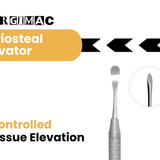
Periosteal elevator uses explained for dental and surgical procedures. Learn how to choose, use, and maintain the right periosteal elevator for your practice.
Picking the right periosteal elevator is more than just a simple choice—it's critical for a successful outcome. A broad elevator perfect for a large posterior flap becomes a liability in delicate anterior work. This is why a deep understanding of specific periosteal elevator uses is non-negotiable for building a versatile surgical kit. You need the right instrument for the right job. Having a range of options, from the robust Pro Series for demanding extractions to the delicate Slim Series for precise periodontal work, ensures you are prepared for any clinical scenario you encounter.
Key Takeaways
- Prioritize Atraumatic Flap Reflection: The success of any surgical procedure begins with a clean elevation of the periosteum. This foundational step minimizes tissue trauma, provides clear visibility, and is essential for promoting faster patient healing.
- Match Your Instrument to the Procedure: A single elevator can't do it all. Choose specific designs based on the surgical site and task—from broad tips for large flaps to fine points for delicate dissection. Ergonomic options like the Air Series can also reduce hand fatigue and improve control.
- Combine Proper Technique with Consistent Maintenance: Effective use requires applying firm, steady pressure while staying on the bone to avoid tissue damage. Equally important is a strict regimen of cleaning, sterilization, and sharpening to ensure your instruments perform reliably and safely every time.

What Is a Periosteal Elevator?
A periosteal elevator is a fundamental surgical instrument designed with one primary goal: to carefully lift and separate the periosteum—the dense membrane covering your bones—from the underlying bone surface. Think of it as the key that grants access to the surgical site. In any procedure requiring bone work, from simple extractions to complex reconstructions, achieving a clean separation of this tissue is critical. Doing so not only provides a clear field of view but also significantly minimizes trauma to the surrounding soft tissues, which is essential for promoting faster and more comfortable patient healing.
These instruments are mainstays in operating rooms and dental clinics for good reason. Their design, which typically features a sharp or semi-sharp working end and an ergonomic handle, allows for controlled, precise movements. Whether you're reflecting a full-thickness flap for an implant placement or gently exposing bone for a grafting procedure, the periosteal elevator is the tool that makes it possible. It’s one of the most versatile dental instruments in a clinician’s toolkit, playing a foundational role across oral surgery, periodontics, and implantology. The ability to cleanly elevate the periosteum without tearing it is a skill that directly impacts surgical outcomes, making the choice of elevator and proper technique paramount.
Its Role in Modern Dental Surgery
In the context of dental surgery, the periosteal elevator is indispensable. Its core function is to create the necessary access for procedures that directly involve the alveolar bone. For example, during tooth extractions, it’s used to gently detach the gingival tissue and periosteum from around the tooth, making the extraction smoother and less traumatic. When preparing a site for a dental implant, the elevator creates a clean slate by reflecting a tissue flap, allowing for precise osteotomy preparation. It’s also a critical tool in bone grafting, sinus lifts, and various periodontal surgeries where modifying or augmenting the bone is the primary objective. Essentially, it paves the way for successful surgical intervention.
The Mechanism: Separating Tissue to Expose Bone
The mechanics of a periosteal elevator are straightforward yet require a delicate touch. The process begins by inserting the instrument’s sharp or rounded tip into the space between the bone and the periosteum, often starting at an incision line. Once positioned, the elevator acts as a small, controlled lever. Using a point on the bone as a fulcrum, you apply gentle, steady pressure to carefully pry and push the tissue away from the bone surface. This technique allows for a clean, atraumatic separation, preserving the integrity of the periosteum, which is vital for blood supply and healing. The goal is to achieve optimal exposure of the underlying bone with minimal disruption to the surrounding tissues.
Core Functions: Blunt Dissection and Bone Cleaning
The elevator’s two main jobs are blunt dissection and bone cleaning. Blunt dissection involves using the instrument to gently separate the periosteum from the bone without cutting, which is crucial for preserving the tissue’s blood supply and promoting faster healing. This atraumatic technique provides a clear, unobstructed view of the surgical site. Once the flap is reflected, the elevator is then used to scrape away any remaining tissue fibers, ensuring the bone surface is perfectly clean. This is a non-negotiable step for procedures like implant placement, where direct contact is required for successful osseointegration. Instruments with specialized finishes, like the Titanium Black Series, can enhance visibility, while the robust construction of the Pro Series provides the reliability needed for thorough bone preparation.
Which Periosteal Elevator Do You Need? A Guide to Common Types
While all periosteal elevators share the same fundamental purpose, their designs are specialized for different surgical scenarios, anatomical locations, and tissue types. Choosing the right instrument is a key step in ensuring a clean, efficient procedure with minimal trauma to the patient. The shape of the tip, the width of the blade, and the angle of the instrument all play a role in its effectiveness. From broad, robust elevators for retracting large flaps to fine, delicate tools for precise dissection, there’s a specific design for nearly every clinical need.
Understanding the distinctions between common types will help you select the best tool for the job. Many of these classic designs are available across SurgiMac’s instrument collections, including the durable Pro Series and the ergonomically advanced Air Series, ensuring you have access to high-quality, reliable options for any procedure. Let’s look at some of the most frequently used periosteal elevators in dental and surgical practices.
Molt Periosteal Elevators
The Molt periosteal elevator is one of the most versatile and widely used instruments in oral surgery. It’s a double-ended tool, typically featuring a thin, pointed tip on one end and a broader, rounded blade on the other. The pointed end is perfect for making the initial lift and carefully separating the interdental papilla, while the wider end is used to elevate and retract the larger mucoperiosteal flap once it has been raised. This dual-function design makes it an indispensable tool for a wide range of procedures, from routine tooth extractions to more complex implant placements. Its adaptability makes it a true workhorse in any surgical kit.
Prichard Periosteal Elevators
When you need to retract a large tissue flap with confidence, the Prichard periosteal elevator is an excellent choice. This instrument is generally larger and more robust than a Molt elevator, featuring a broad, flat blade on one end and a sharp, pointed tip on the other. The sharp end is specifically designed to make the first cut into the periosteum, allowing for a clean and precise initial lift. The wide, slightly curved blade provides substantial leverage for retracting full-thickness flaps during periodontal surgery or extensive implant procedures, giving you clear visibility and access to the underlying bone. Its sturdy construction ensures you can apply firm, controlled pressure without damaging the instrument.
Freer Periosteal Elevators
For procedures that demand a more delicate touch, the Freer periosteal elevator is the go-to instrument. It is typically a double-ended tool with small, flat blades that can be either rounded or semi-sharp. The Freer elevator is significantly more delicate than the Molt or Prichard, making it ideal for lifting and reflecting the periosteum in confined or sensitive areas. While commonly used in nasal and plastic surgery, it has found a firm place in dentistry for tasks requiring fine dissection, such as sinus lift procedures or delicate flap management around implants. The precision offered by this instrument is mirrored in SurgiMac’s Slim Series, which focuses on ergonomic control for detailed work.
Goldman-Fox Periosteal Elevators
The Goldman-Fox periosteal elevator is a specialized instrument designed primarily for oral and maxillofacial surgery, particularly periodontal procedures. Its unique design often includes a sharp, spear-shaped tip on one end and a wider, leaf-shaped blade on the other. This configuration is exceptionally effective for reflecting and retracting flaps in interproximal areas, where other instruments might be too bulky. The sharp tip allows for precise dissection of the gingival fibers, while the rounded blade helps gently elevate the tissue away from the bone. This instrument provides excellent control for manipulating tissue and exposing bone during regenerative procedures and pocket reduction surgeries, making it a staple in any periodontist’s toolkit.
Spoon and Fine Periosteal Elevators
When preserving the integrity of delicate tissues is the top priority, spoon and fine periosteal elevators are essential. As the name suggests, these instruments are characterized by their rounded, spoon-shaped tips. This atraumatic design is perfect for gently lifting the periosteum without the risk of tearing or perforating it. They are invaluable during procedures like guided bone regeneration and sinus lifts, where maintaining an intact periosteum or Schneiderian membrane is critical for success. The smooth, rounded edges allow you to carefully dissect and elevate tissue with minimal force, ensuring a cleaner surgical field and promoting better post-operative healing for your patients. These are some of the most important dental instruments for delicate work.
Buser Periosteal Elevators
The Buser periosteal elevator is a master of versatility, making it a popular choice for a wide range of dental procedures. It is designed with a pointed tip for precise dissection and a broader, semi-sharp blade for effective flap elevation. This dual functionality allows you to seamlessly transition from initiating a delicate lift to retracting a larger tissue flap without switching instruments. This efficiency makes it suitable for everything from routine extractions to more complex surgical interventions like guided bone regeneration. The Buser ensures a clean and methodical approach to accessing the underlying bone, which is fundamental for any successful surgical outcome.
Woodson Periosteal Elevators
When a procedure demands the utmost care for delicate tissues, the Woodson periosteal elevator is an invaluable tool. It is particularly useful in periodontal surgeries, combining a fine, rounded working end with the functionality of a traditional elevator. Its unique design allows for the atraumatic reflection of the periosteum, minimizing the risk of tears or perforations. This makes it ideal for procedures where careful handling is non-negotiable, such as tunneling techniques or when working around thin biotypes. The Woodson’s gentle touch helps preserve the integrity of the soft tissue, which is crucial for predictable healing and aesthetic results.
Seldin Periosteal Elevators
The Seldin periosteal elevator is characterized by its fine, pointed tip, which is perfect for accessing tight spaces and performing delicate dissection. This instrument is essential for procedures that require a high degree of precision, such as sinus lifts and intricate implant placements, where maintaining the integrity of surrounding tissues is critical. The sharp, narrow design allows you to carefully separate tissue fibers in confined areas, like the interproximal space, with exceptional control. For clinicians who value precision, instruments from collections like the Titanium Black Series can further enhance visibility and reduce glare during such detailed work.
Glickman Periosteal Elevators
The Glickman periosteal elevator features a unique design that includes a sharp, angled tip for initial tissue separation and a broader blade for effective flap retraction. This powerful combination makes it an excellent choice for both dental and maxillofacial surgeries, providing the necessary leverage and control for successful outcomes. The sharp point is used to initiate the flap, while the wide, paddle-like end is used to elevate and hold the tissue, offering clear visibility of the surgical site. Its robust construction makes it a reliable instrument for more demanding procedures where significant force may be required, aligning with the high-performance standards of our Pro Series instruments.
Key Periosteal Elevator Uses in Your Dental Practice
The periosteal elevator is one of the most versatile and indispensable instruments in dental surgery. Its primary function is to separate the periosteum—the dense connective tissue layer covering the bone—from the underlying bone surface. This simple action is the foundational first step in countless procedures, creating the clean surgical field necessary for predictable and successful outcomes. By carefully reflecting a full-thickness mucoperiosteal flap, you gain clear visibility and direct access to the surgical site, whether you're performing an extraction, placing an implant, or executing a complex periodontal procedure.
Achieving an atraumatic flap reflection is critical for preserving the blood supply to the soft tissues, which in turn promotes faster healing and better post-operative results. This requires an instrument that is not only sharp and durable but also ergonomically designed for maximum control. That’s why many clinicians rely on instruments from dedicated surgical lines like the SurgiMac Pro Series, which are crafted from premium-grade stainless steel for reliable performance. For procedures requiring exceptional precision and reduced hand fatigue, the lightweight design of the Air Series offers flawless balance and control. Ultimately, the right elevator makes all the difference in protecting delicate tissues and setting the stage for clinical success.
Simplifying Tooth Extractions
During surgical extractions, especially for impacted teeth or retained roots, a periosteal elevator is the first instrument you’ll reach for after making an incision. Its role is to gently lift the mucoperiosteal flap away from the alveolar bone, exposing the tooth and surrounding structures. This provides the clear line of sight needed to section a tooth or remove bone with a bur. Proper flap elevation also creates space for luxators and forceps, allowing for a more controlled and less traumatic extraction. Using a sharp, well-maintained elevator ensures a clean separation of tissue, minimizing damage to the gingiva and periosteum, which is crucial for predictable healing and preserving the bone for future restorations.
Preparing the Ideal Site for Dental Implants
In implant dentistry, precision is everything. The periosteal elevator is fundamental in preparing the site for implant placement by creating a full-thickness flap to expose the alveolar ridge. This step is non-negotiable for accurately assessing bone topography, including its height and width, and ensuring the osteotomy is performed in the ideal location. A cleanly reflected flap also allows for any necessary alveoloplasty or bone augmentation. For these delicate procedures, instruments from the Titanium Black Series can be particularly helpful, as their non-reflective surface reduces glare from overhead lights, enhancing visibility and allowing you to work with greater confidence and accuracy.
Supporting Periodontal and Flap Surgery
Periosteal elevators are workhorses in periodontal surgery. Whether you are performing flap for access surgery to debride deep pockets, crown lengthening, or osseous resective surgery, the procedure begins with reflecting a flap. The elevator allows you to carefully separate the gingival and mucosal tissues from the underlying bone, providing access to root surfaces for thorough scaling and root planing and to the alveolar bone for recontouring. The integrity of the flap is paramount for successful healing and tissue reattachment. An instrument with a fine, sharp tip allows for precise dissection while preserving the delicate papillary tissue, which is key to achieving an aesthetic outcome.
Aiding in Bone Grafting and Ridge Preservation
Bone grafting and ridge preservation procedures rely on creating a well-defined space to contain the graft material. A periosteal elevator is used to meticulously lift the periosteum and create a soft tissue pouch over the bony defect. This ensures the particulate graft or membrane is held securely against the host bone, a critical factor for successful integration and new bone formation. A clean, atraumatic elevation also helps maintain the vitality of the flap, ensuring it has an adequate blood supply to support the graft during the healing phase. The robust design of instruments in the Hexa Series provides the leverage needed for these demanding surgical tasks.
How They Assist in Sinus Lift Procedures
For sinus augmentation procedures, particularly a lateral window approach, the periosteal elevator plays a crucial role in initial access. After making an incision over the lateral wall of the maxillary sinus, the elevator is used to reflect a full-thickness flap, exposing the bone. This step must be performed with exceptional care to maintain tissue integrity. Once the bony window is created, specialized sinus lift elevators are used to gently separate the Schneiderian membrane from the sinus floor. However, the initial flap reflection sets the stage for the entire procedure. Using a precise and well-controlled instrument is essential to avoid complications and ensure a clear, accessible surgical field.
Assisting in Cyst and Lesion Removal from the Jawbone
In procedures involving cyst and lesion removal, the periosteal elevator is essential for creating a clear access point to the affected area of the jawbone. By carefully reflecting the mucoperiosteal flap, you can expose the lesion while minimizing trauma to the surrounding tissues. This atraumatic approach is fundamental, as it preserves the integrity and blood supply of the flap, which is critical for predictable healing after the procedure. Once the bone is exposed, you have the direct visibility required for complete enucleation of the cyst or excision of the lesion. The controlled, steady pressure required for this task demands a dependable instrument. High-quality surgical instruments, like those found in the Pro Series, provide the reliability needed to perform this foundational step with confidence and precision.
Beyond Dentistry: Other Surgical Applications
While the periosteal elevator is a staple in every dental practice, its fundamental design makes it an indispensable tool in other surgical disciplines as well. The instrument’s ability to cleanly separate the periosteum from bone is a universal need in procedures where bone access is critical. This versatility underscores the importance of having a reliable, well-crafted instrument. The same precision and durability demanded for preparing dental implant sites are equally valued in orthopedic, plastic, and even veterinary surgery, demonstrating the tool's foundational role in modern medicine. Let's explore how this essential instrument performs in fields beyond the dental operatory.
Orthopedic Surgery
In orthopedic surgery, periosteal elevators are fundamental for exposing bone surfaces during a wide range of procedures. Surgeons rely on them to facilitate fracture repairs, place implants, and perform bone grafting. The instrument’s design allows for the careful and atraumatic lifting of the periosteum, the dense membrane covering the bones. This step is critical for gaining access to the underlying bone without causing unnecessary damage to the surrounding neurovascular and soft tissues. The precise control offered by a quality elevator ensures the periosteum remains viable, which is essential for proper bone healing and recovery post-surgery.
Plastic and Reconstructive Surgery
Periosteal elevators are also integral to the delicate work of plastic and reconstructive surgery. They are frequently used in craniofacial procedures, rhinoplasty, and septoplasty, which involves correcting the nasal septum. In these operations, the ability to gently manipulate soft tissue and periosteum is vital for achieving successful aesthetic and functional outcomes. For example, during a mastoidectomy, surgeons use the elevator to gain access to the bone behind the ear. The instrument’s precision allows for the preservation of the periosteum, which is crucial for the healing and stability of the reconstructed area, as detailed in many surgical technique guides.
Spinal Surgery
The stakes are incredibly high in spinal surgery, where precision is paramount to protect the spinal cord and surrounding nerves. Periosteal elevators are crucial for procedures like spinal fusions and laminectomies, where surgeons need clear access to the vertebrae. The instrument is used to carefully retract the thick ligaments and periosteum covering the spinal column, exposing the bone for instrumentation or decompression. The ability to perform this task atraumatically is essential for minimizing post-operative pain and ensuring a stable environment for bone fusion. The controlled leverage provided by a well-designed elevator allows surgeons to work efficiently while protecting critical neural structures, a principle that demands the most reliable and durable instruments, such as those found in the Pro Series.
Ear, Nose, and Throat (ENT) Surgery
ENT procedures often take place in highly confined and delicate anatomical spaces, requiring instruments that offer exceptional control and a fine touch. Periosteal elevators are indispensable in operations like septoplasty, where they are used to lift the mucous membrane from the cartilage of the nasal septum, or in mastoid surgery to expose the bone behind the ear. In these delicate fields, preserving the thin periosteal layer is vital for promoting proper healing and achieving successful functional and aesthetic outcomes. The fine, precise tips of elevators allow surgeons to dissect tissue with minimal trauma, a quality that is perfectly embodied by specialized instrument lines like the Slim Series, which are designed for exactly this kind of detailed work.
Veterinary Surgery
The applications of periosteal elevators extend into veterinary medicine, where they serve a nearly identical function as in human dentistry. In veterinary surgery, these instruments are essential for creating muco-periosteal flaps during dental procedures, most notably for complex tooth extractions in companion animals. Just as with human patients, the elevator is used to carefully lift the gingiva and surrounding tissue away from the alveolar bone. This technique provides clear visibility and access for the extraction, minimizing trauma to the surrounding structures and promoting faster, more comfortable healing for the animal. This parallel use highlights the universal principles of effective surgical practice across species.
How to Choose the Right Periosteal Elevator
Selecting the right periosteal elevator isn’t just about picking a tool; it’s about choosing an extension of your hands that ensures precision, efficiency, and patient safety. The ideal instrument feels balanced, holds its edge, and is perfectly suited for the specific task, whether you're preparing for an extraction or placing an implant. A poorly chosen elevator can lead to tissue trauma, bone damage, or clinician fatigue, turning a routine procedure into a challenging one.
To build a versatile and reliable instrument set, you need to consider several key factors. The material composition affects durability and performance, while the handle design directly impacts your comfort and control. Furthermore, the shape and size of the working end—including blade width, tip design, and angulation—determine how effectively you can access and manage the surgical site. By carefully evaluating these elements in the context of your patient and procedure, you can ensure you have the best possible instrument for achieving optimal clinical outcomes.
Choosing Your Material: Stainless Steel vs. Titanium-Coated
The material of your periosteal elevator is the foundation of its performance and longevity. Most high-quality dental instruments are crafted from surgical-grade stainless steel, a material trusted for its strength, corrosion resistance, and ability to hold a sharp edge. It provides the durability needed for routine clinical use, making it a reliable workhorse in any practice. Collections like the SurgiMac Pro Series exemplify this standard, offering dependable performance for a wide range of procedures.
For enhanced functionality, some instruments feature a titanium coating. This addition makes the tool harder, smoother, and even more resistant to wear and corrosion. The SurgiMac Titanium Black Series, for instance, uses a specialized coating that also reduces glare from overhead lights, improving visibility at the surgical site for more precise and comfortable work.
Why Handle Design and Ergonomics Matter
Long procedures demand instruments that work with you, not against you. Ergonomics play a critical role in preventing hand fatigue and improving tactile sensitivity, allowing for greater control during delicate tissue reflection. A well-designed handle should offer a balanced weight, a comfortable shape that fits naturally in your hand, and a textured surface for a secure, non-slip grip. This ensures that every movement is precise and intentional.
Instrument lines like the SurgiMac Air Series are specifically engineered with hollow, lightweight handles to maximize comfort and reduce strain. Similarly, the Slim Series features a sleek, ergonomic design for clinicians who prioritize both precision and ease of use. Investing in ergonomically sound elevators is an investment in your own clinical endurance and procedural accuracy.
Matching the Blade and Tip to the Procedure
There is no single periosteal elevator that can do it all. The effectiveness of the instrument is highly dependent on the design of its working end. The blade width should be appropriate for the size of the surgical site; a wider blade is suitable for reflecting large flaps, while a narrow blade offers precision in confined areas. The tip design is equally important—a sharp, pointed tip is ideal for initiating the separation of the periosteum, whereas a broader, rounded tip is better for gentle, atraumatic elevation.
Angulation also plays a key role in accessibility. Straight elevators are effective for anterior regions of the mouth, but angled or curved designs are essential for reaching posterior areas with limited visibility and access. A well-prepared practice will have a variety of designs on hand to adapt to any clinical situation.
Exploring Tip Variations: Sharp, Rounded, and Serrated
The working end of a periosteal elevator is where the magic happens, and its specific design dictates its function. A sharp, pointed tip is your go-to for initiating the flap reflection. It allows you to make a precise, clean entry into the subperiosteal space, carefully separating the interdental papilla and creating the initial lift. Once this separation has begun, a broader, rounded tip is often used for the bulk of the elevation. This atraumatic design, often seen in spoon-shaped elevators, is perfect for gently lifting and retracting the tissue without tearing or perforating it, which is critical for preserving the flap’s integrity and ensuring proper healing. Having a variety of these surgical instruments ensures you can adapt your technique for optimal results.
While less common, some periosteal elevators feature serrated tips. These fine grooves are engineered to provide an enhanced grip on the periosteum, offering more control during elevation, particularly in areas where the tissue is fibrous or slippery. This added traction can prevent the instrument from slipping, which minimizes the risk of iatrogenic damage to the surrounding soft tissues. Ultimately, understanding the distinct advantages of sharp, rounded, and serrated tips allows you to build a versatile surgical kit that prepares you for the unique challenges of any anatomical site or procedure, ensuring you can work efficiently and safely.
Factoring in Patient and Procedural Needs
Ultimately, the best periosteal elevator is the one that is perfectly matched to the patient and the procedure. The patient’s anatomy is a primary factor; smaller patients or those with delicate tissues may require finer, more delicate instruments, while larger patients might necessitate more robust tools. The specific procedure will also guide your choice. For example, the precise, controlled tissue reflection needed for a periodontal flap procedure is very different from the broader elevation required for a surgical extraction or implant placement.
Your clinical judgment is essential in synthesizing these factors. By assessing the access zone, the type of tissue you are working with, and the overall goal of the procedure, you can select an instrument that facilitates a smooth, efficient, and atraumatic workflow every time.
Single-Ended vs. Double-Ended Designs
When selecting a periosteal elevator, you’ll often choose between single-ended and double-ended designs. Double-ended instruments are incredibly popular for their efficiency, combining two different working ends into a single tool. A perfect example is the Molt elevator, which features a sharp, pointed tip for the initial lift and a broader, rounded blade for retracting the larger flap. This versatility allows you to transition smoothly between surgical steps without switching instruments, saving time and streamlining your workflow. While single-ended designs offer focused control for specific tasks, the dual functionality of instruments like the Molt or Prichard makes them a staple in most surgical kits. You can find these versatile designs in collections like the durable Pro Series, ensuring you have a reliable tool for any situation.
What Makes a Periosteal Elevator Brand Reliable?
Choosing the right brand for your periosteal elevators directly impacts procedural success. A reliable instrument offers the control and feedback necessary for delicate surgical work, acting as an extension of your hand. Brands with a proven track record of quality engineering and ergonomic design enhance clinical efficiency and ensure your tools provide consistent performance.
Why Clinicians Trust SurgiMac's Pro and Air Series
Clinicians often turn to SurgiMac's specialized instrument lines for dependable performance. The Pro Series offers robust tools crafted from premium-grade stainless steel for exceptional durability. For those prioritizing comfort and control, the Air Series features instruments with flawless balance and an ergonomic feel. This thoughtful design reduces hand fatigue and allows for precise tissue elevation during complex surgical applications, making both collections a trusted choice.
Key Standards for Quality and Performance
When evaluating a periosteal elevator, material quality is paramount. High-grade stainless steel provides the strength needed to separate tissue from bone without bending or breaking. The instrument’s design should also be versatile enough for its intended procedures, adding efficiency to your workflow. The SurgiMac Air Series exemplifies these standards, ensuring each instrument is built for longevity and consistent performance in demanding clinical environments.
Why Durability and Precision Are Non-Negotiable
In surgery, durability and precision are non-negotiable. A periosteal elevator must withstand significant force while providing the fine control needed to gently lift the periosteum without causing unnecessary tissue trauma. An expertly designed instrument ensures clean separation and clear visibility of the surgical site. Every tool in SurgiMac’s collection of periosteal elevators is engineered to meet these demands, helping minimize complications and support predictable healing.
How to Use Reviews and Peer Recommendations
Before investing in new instruments, consult reviews and seek recommendations from colleagues. Peer feedback offers valuable insights into an instrument's real-world performance, highlighting its balance, sharpness, and durability. While some brands are known for general quality, specific reviews can reveal nuances to help you make an informed decision. Exploring a supplier's full range of dental instruments allows you to compare designs and read professional feedback.
Mastering Your Technique for Safe, Effective Use
Using a periosteal elevator effectively is a skill that blends precision with a delicate touch. While the instrument is straightforward, mastering its use is key to achieving clean surgical sites and promoting better patient healing. Proper technique minimizes tissue trauma, prevents complications like flap tearing, and ensures the underlying bone is perfectly prepared for the next stage of the procedure. It all comes down to understanding the instrument's mechanics and applying them with control.
Perfecting Your Instrument's Position and Angle
Think of the periosteal elevator as a lever. The technique hinges on correct positioning to create a fulcrum for clean tissue separation. The tip is inserted into the space between the bone and the periosteum, where it acts as a lever, rotating around a fixed point on the bone to gently displace the tissue. Your goal is to find that precise subperiosteal plane and stay within it.
To begin, use a firm, controlled grip, like a modified pen grasp, to guide the instrument. The working end should be kept in close contact with the bone at all times. Use gentle, sweeping, or prying motions to reflect the flap. Instruments from the Pro Series provide the rigidity and tactile feedback needed to feel the bone surface and maintain correct angulation throughout the procedure.
Applying Controlled Pressure to Preserve Tissue
The amount of force you apply is critical. Excessive pressure can lead to tissue tearing or damage to the bone, while insufficient pressure won't achieve a clean elevation. The key is to apply firm, steady, and deliberate pressure along the bone's surface. Even the best tools can cause problems if not used correctly. To avoid tearing, use less force, choose instruments with rounded edges for lifting, and keep the tissue slightly taut.
As you work, you should feel the instrument gliding smoothly against the bone. If you feel it snagging or tearing, reassess your angulation and pressure. Ergonomically designed instruments, like those in the lightweight Air Series, can reduce hand fatigue, allowing for more consistent and controlled pressure application during longer procedures and ultimately preserving tissue integrity.
Are You Making These Common Mistakes?
Avoiding a few common errors can make a significant difference in your surgical outcomes. The most frequent mistake is applying too much force, which can shred the periosteum or gouge the bone. Always keep the blade flat against the bone and use gentle, controlled movements rather than aggressive scraping.
Another pitfall is losing the subperiosteal plane, which often results in a "buttonhole" tear in the flap, complicating the procedure and healing. Also, be sure to use an instrument that is sharp and in excellent condition. A dull elevator requires more pressure, increasing the risk of slipping and causing iatrogenic damage. Regularly inspecting your surgical and dental instruments and replacing them when necessary is fundamental to safe and effective practice.
Where to Buy High-Quality Periosteal Elevators
Selecting the right supplier for your periosteal elevators is just as critical as choosing the instrument itself. The source of your tools directly impacts their authenticity, performance, and longevity, which ultimately affects your clinical outcomes and patient safety. A reliable supplier provides peace of mind, ensuring that every instrument you purchase meets stringent quality control standards and is backed by dependable customer support. In contrast, sourcing from unverified channels can introduce risks like counterfeit tools, inconsistent quality, and poor durability, leading to procedural complications and frequent replacements. Whether you prefer working with established distributors, leveraging the convenience of online ordering, or buying directly from a manufacturer, the goal is to find a partner who understands the demands of a modern dental practice. Making an informed decision on where to buy your instruments helps protect your investment, streamlines your inventory management, and ensures you always have precise, durable tools ready for every procedure.
The Importance of Authorized Distributors
Purchasing from an authorized distributor is one of the safest ways to guarantee you’re getting authentic, high-quality instruments. These suppliers have established relationships with manufacturers and are held to strict standards for quality and service. An authorized distributor provides access to a curated selection of dental instruments from various trusted brands, ensuring every product is professional-grade and reliable. This approach eliminates the risk of counterfeit or substandard tools that can compromise patient safety and procedural success. By sourcing through a reputable channel like SurgiMac, you can be confident that the periosteal elevators you receive are designed for clinical precision and durability.
Why Ordering Online Can Save You Time and Money
The convenience of ordering supplies online allows you to efficiently manage your inventory without taking valuable time away from your patients. Online platforms provide immediate access to a vast catalog of products, making it easy to compare specifications, read reviews, and find the exact instruments you need. Top-selling and trusted brands are readily available, allowing you to restock essential tools from the comfort of your practice. Reputable online suppliers like SurgiMac streamline the procurement process with detailed product descriptions and clear imaging, ensuring you can confidently select high-performance instruments like those in our Pro Series for reliable and accurate results in every procedure.
How to Find the Best Deals and Promotions
Managing practice overhead is a constant priority, and taking advantage of promotions is a smart way to acquire high-quality instruments at a competitive price. Many suppliers offer special pricing, bundle deals, or seasonal discounts on their dental equipment and supplies. To stay informed, consider subscribing to newsletters from your favorite distributors or following them on professional social media platforms. Keeping an eye on these offers can lead to significant savings, especially when stocking up on frequently used instruments. This allows you to maintain a high standard of care with premium tools while effectively managing your practice’s budget.
How to Maintain Your Periosteal Elevators
Your periosteal elevators are workhorses in countless procedures, from routine extractions to complex implant placements. Like any high-precision tool, they require proper care to maintain their effectiveness and ensure patient safety. Investing in quality instruments from collections like SurgiMac’s Pro Series is the first step, but consistent maintenance is what guarantees their longevity and performance. Proper care not only protects your investment but also ensures your instruments are always ready for the next procedure, free from contamination and functioning exactly as intended. Following a simple but consistent routine for cleaning, sharpening, and storage will keep your elevators in optimal condition, procedure after procedure. Let’s walk through the key steps to extend the life of these critical instruments and uphold the highest standards of clinical care in your practice.
Step-by-Step Cleaning and Sterilization Protocols
Proper instrument care starts the moment a procedure ends. To prevent bioburden from drying, rinse your periosteal elevators under cool running water immediately after use. Next, gently scrub them with a soft-bristled brush and a neutral-pH detergent to remove any remaining debris. For a more thorough cleaning, an ultrasonic bath is an excellent choice to reach difficult areas. After a final rinse, the instruments are ready for sterilization. Following the correct sterilization protocols is non-negotiable for patient safety. Steam sterilization in an autoclave is the most common method, but always follow the manufacturer’s guidelines for temperature and cycle time to ensure complete efficacy without damaging the instrument.
Knowing When to Sharpen vs. Replace Your Elevator
A dull periosteal elevator requires more force, increasing the risk of tissue trauma and operator fatigue. Over time, even the most durable instruments will lose their edge. While some clinicians are skilled at sharpening, it’s often best to use a professional sharpening service to maintain the original blade angle and integrity. Keep a log to track instrument usage and sterilization cycles, as this can help you anticipate when maintenance is needed. If an elevator shows signs of pitting, corrosion, or significant wear, it’s time for a replacement. Investing in a new, high-quality instrument from a trusted line like the Air Series ensures you always have a precise and reliable tool ready for delicate procedures.
How Proper Storage Extends Your Instrument's Life
How you store your instruments is just as important as how you clean them. After sterilization, ensure your periosteal elevators are completely dry before storing them to prevent corrosion. The ideal storage environment is clean, dry, and organized. Using protective cassettes or cases is highly recommended to prevent the delicate tips from getting damaged or dulled by contact with other instruments. This simple step not only preserves the sharpness and integrity of your dental instruments but also keeps your workspace organized and efficient. Proper storage minimizes the risk of cross-contamination and ensures your tools are in perfect condition for their next use, protecting both your patient and your investment.
Frequently Asked Questions
Related Articles
Tags
Blog posts
-
, by SurgiMac A Clinician's Guide to Absorbable Suture Material
-
, by SurgiMac A Clinician's Guide to Dental Composite Resin Kits
-
, by SurgiMac How to Disinfect with Metrex CaviWipes Correctly
