


5 Key Contraindications of a Stainless Steel Crown
- , by SurgiMac
- 27 min reading time
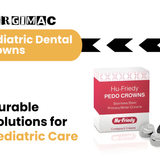
Learn the top contraindications of stainless steel crown placement, including allergy risks and clinical factors, to ensure safe and effective pediatric care.
In pediatric dentistry, knowing when not to perform a procedure is just as critical as knowing how to do it well. Stainless steel crowns are an invaluable part of your toolkit, but their application is not without limits. A tooth nearing natural exfoliation, one with insufficient remaining structure, or a patient with a known metal hypersensitivity are all scenarios where an SSC could do more harm than good. Mastering the contraindications of stainless steel crown placement is a hallmark of clinical excellence. It demonstrates a commitment to long-term success over short-term fixes and ensures that your treatment plan supports the patient's overall oral health and development.
Key Takeaways
- Prioritize patient screening: Before recommending an SSC, perform a thorough assessment. This includes checking for nickel allergies, confirming there is enough tooth structure for retention, and ensuring the tooth is not close to exfoliating.
- Know your restorative alternatives: When an SSC is not the right fit due to aesthetic concerns or metal sensitivity, consider other options. Zirconia crowns provide strength and a natural look, while composite strip crowns are excellent for primary anterior teeth.
- Focus on long-term success: A lasting restoration depends on more than the initial placement. It requires a precise fit using reliable dental cements, consistent patient education on hygiene, and regular follow-ups to monitor gingival health.

What Is a Stainless Steel Crown?
A stainless steel crown (SSC) is a prefabricated metal cap designed to provide full-coverage protection for a tooth that is severely decayed or damaged. Think of it as a durable, reliable helmet for a compromised tooth. While most commonly associated with pediatric dentistry, SSCs also serve as a practical temporary or long-term solution in certain adult cases. Their composition, typically a blend of chromium, nickel, and iron, gives them excellent strength and corrosion resistance, allowing them to withstand significant chewing forces.
For decades, clinicians have relied on SSCs as a cost-effective and efficient method for restoring tooth function and structure. Unlike a filling that only restores part of a tooth, a crown covers the entire visible portion, sealing it off from further decay and preventing fracture. This makes them an indispensable tool for managing extensive caries and preserving teeth that might otherwise be lost. Sourcing high-quality crowns, bands, and shells is the first step toward a successful and lasting restoration that protects your patient’s oral health and maintains proper occlusion.
The Role of SSCs in Pediatric Dentistry
In pediatric dentistry, stainless steel crowns are the gold standard for restoring badly decayed primary molars. First introduced in the 1940s, their track record for durability and longevity is unmatched. The primary goal is to protect a compromised baby tooth until it exfoliates naturally, allowing it to fulfill its crucial role as a space maintainer for the permanent tooth. Because they are prefabricated and placed in a single visit, SSCs are an efficient treatment option, which is especially beneficial when working with young or anxious patients. Their superior strength makes them a more predictable choice than large multi-surface fillings, which are more prone to failure in the primary dentition.
When to Use Stainless Steel Crowns
Deciding when to place an SSC comes down to a few key clinical indicators. These crowns are an excellent treatment choice for preserving tooth structure and function in specific situations.
Consider using a stainless steel crown for:
- Primary teeth that have undergone pulpotomy or pulpectomy.
- Teeth with extensive, multi-surface caries where a filling would be insufficient.
- Patients with a high caries risk, as SSCs can prevent recurrent decay.
- Restoring teeth with developmental defects, such as amelogenesis imperfecta or dentinogenesis imperfecta.
- Fractured teeth that require full-coverage protection.
Proper placement requires precise preparation, which is why having reliable dental instruments is essential for achieving an ideal fit and long-term success.
Key Contraindications for Stainless Steel Crowns
While stainless steel crowns are a durable and cost-effective solution for restoring primary molars, they are not a one-size-fits-all remedy. A successful outcome hinges on careful case selection and a thorough understanding of when an SSC is not the appropriate choice. Placing a crown on an unsuitable tooth can lead to premature failure, patient discomfort, and more complex clinical challenges down the road. Before proceeding with treatment, it's essential to evaluate several key factors that serve as clear contraindications. Identifying these red flags ensures you select the best possible treatment for your pediatric patients and maintain a high standard of care.
Nickel Allergies and Metal Hypersensitivity
One of the most significant contraindications for stainless steel crowns is a known allergy to nickel. Since SSCs are primarily composed of a chromium-nickel alloy, placing one in a hypersensitive patient can trigger a local allergic reaction. Symptoms often include persistent redness, gingival inflammation, soreness, or a rash around the crown site. With an estimated 10-15% of the population having some degree of nickel sensitivity, a thorough patient history is non-negotiable. Before treatment, always ask parents about known metal allergies, such as reactions to costume jewelry or belt buckles. If a nickel allergy is confirmed or strongly suspected, an SSC should be avoided in favor of alternative restorative materials.
Insufficient Tooth Structure
A stainless steel crown requires adequate remaining tooth structure to achieve proper retention and stability. If a primary molar has suffered extensive carious lesions or fractures, there may not be enough sound coronal tissue left to support the crown. The principle is simple: the crown needs something to hold onto. Without a sufficient foundation, the dental cement will fail to create a lasting bond, leading to a high risk of dislodgement. Proper tooth preparation is key, but even the most precise technique using quality burs and diamonds cannot compensate for a lack of substance. If the tooth is compromised to the point where it cannot provide mechanical retention, an SSC is contraindicated.
Poor Crown-to-Root Ratio
The long-term success of any restoration depends on the health of its supporting structures, and the crown-to-root ratio is a critical indicator of this. An SSC is contraindicated if the tooth has experienced significant root resorption, with more than half of its root structure lost. In such cases, the tooth lacks the necessary anchorage within the alveolar bone to withstand normal occlusal forces. Placing a crown on a tooth with a poor crown-to-root ratio is a futile effort, as the tooth is likely already nearing the end of its functional life. It will not provide the stability needed for a lasting restoration, and the procedure would offer little clinical benefit before the tooth exfoliates.
Periodontal or Periapical Pathology
Placing a crown on a tooth with unresolved pathology is a major contraindication. An SSC should never be used to cover up an active infection, such as a periapical abscess or significant periodontal disease. These underlying conditions must be treated first. A crown will not resolve the infection; instead, it can trap bacteria and worsen the situation, leading to more severe pain or bone loss. Before considering an SSC, a thorough clinical and radiographic examination with reliable dental instruments is necessary to rule out any signs of non-vital pulp or infection. If pathology is present, endodontic treatment or extraction is the appropriate course of action, not placing a crown over a compromised foundation.
Proximity to Natural Exfoliation
Timing is everything in pediatric dentistry. A stainless steel crown is contraindicated if the primary tooth is expected to exfoliate naturally within the near future, typically within 6 to 12 months. Placing a crown on a tooth that is about to fall out is an unnecessary procedure that provides little long-term value to the patient. It exposes the child to a procedure and incurs costs that are not clinically justified. A careful assessment of the patient’s dental development, including radiographic evaluation of the succeeding permanent tooth's position and eruption path, is essential. If exfoliation is imminent, a less invasive approach, such as monitoring the tooth or a simple temporary restoration, is often the more prudent choice.
Identifying Patients at Risk for Allergic Reactions
One of the most critical steps before placing a stainless steel crown is identifying patients at risk for an allergic reaction. The primary concern is hypersensitivity to nickel, a metal in the alloy that can cause significant discomfort and complicate treatment. Fortunately, a thorough patient history and careful clinical observation can help you identify at-risk individuals and select the best restorative solution. Proactive screening is key to preventing adverse reactions and ensuring a safe, successful procedure.
Understanding Nickel Sensitivity Risks
Nickel sensitivity is more common than many realize, affecting an estimated 10-15% of the population. Since stainless steel contains nickel, patients with a known allergy are not suitable candidates for traditional SSCs. This hypersensitivity is a Type IV delayed reaction, meaning symptoms can develop over time, causing chronic inflammation. A comprehensive patient history is your most effective tool for identifying this risk. While precise diagnostic tools from our Air Series collection allow for clear examination during follow-ups, preventing the reaction is always the best course of action.
Oral Signs of Metal Hypersensitivity
If a patient develops a hypersensitivity to their stainless steel crown, the signs will manifest in the surrounding soft tissues. Look for persistent redness, localized swelling, or a burning sensation at the gingival margin. Some patients may describe the area as sore or itchy. These symptoms can resemble chronic gingivitis but won't resolve with improved oral hygiene if an allergy is the cause. A careful examination with reliable dental instruments is necessary to assess the tissue and differentiate between an allergic reaction and other periodontal issues. If a metal allergy is suspected, the crown should be removed.
How to Screen for Allergies Before Placement
Proactive screening is simple and can prevent significant complications. During the initial patient intake, always ask parents or guardians about any known metal allergies. Go beyond general questions and ask specifically about reactions to common items containing nickel, like jewelry, jean snaps, or belt buckles. A positive history of skin reactions to these items is a strong indicator of a potential nickel allergy. This conversation, conducted while adhering to safety protocols with products like MacSafe exam gloves, is a crucial step in determining if an SSC is a safe and appropriate choice for the patient.
Clinical Conditions That Rule Out SSCs
Beyond the physical state of the tooth itself, a successful restoration depends on the broader clinical context. A patient's overall oral health, the tooth's long-term prognosis, and their ability to tolerate the procedure are all critical factors in your decision-making process. Placing a stainless steel crown in an unfavorable environment can lead to premature failure, patient discomfort, and more complex issues down the road. Before proceeding with an SSC, it’s essential to evaluate these conditions to ensure the treatment is both appropriate and sustainable for your pediatric patient.
Teeth with a Poor Prognosis
A stainless steel crown needs a stable foundation. If a primary tooth shows significant root resorption, specifically more than half of its root structure, it is no longer a viable candidate for an SSC. This level of root loss indicates the tooth is already well on its way to natural exfoliation and lacks the structural integrity to support a crown long-term. Placing a crown on such a tooth is a temporary fix at best and can interfere with the natural eruption path of the permanent successor. In these cases, extraction may be the more appropriate treatment, and having reliable surgical instruments from the Hexa Series on hand ensures you are prepared for that outcome.
Questionable Tooth Viability
Timing is everything in pediatric dentistry. If a primary tooth is expected to exfoliate within the next 6 to 12 months, placing an SSC is generally not recommended. The procedure involves time, resources, and cost that are difficult to justify for a tooth with such a limited lifespan. A thorough clinical and radiographic examination is necessary to accurately predict the exfoliation timeline. Using precise diagnostic tools, like explorers and probes from the ergonomic Slim Series, helps you gather the accurate information needed to make a sound clinical judgment and determine if a less invasive alternative or simply monitoring the tooth is the better course of action.
Poor Oral Hygiene
An SSC is not a magic shield against decay or gingivitis. In fact, a poorly fitted crown margin can become a plaque trap, leading to chronic gingival inflammation and potential bone loss. If a patient already demonstrates poor oral hygiene, their inability to effectively clean around the new crown significantly increases the risk of these complications. Before placing an SSC, it's crucial to assess the patient's and parents' commitment to oral hygiene. During the procedure itself, maintaining a clean and controlled environment by using high-quality MacSafe protective gloves is essential for achieving a precise fit and minimizing the risk of future inflammation.
Lack of Patient Cooperation
The success of an SSC placement heavily relies on the child's ability to cooperate during the appointment. The procedure requires precision, from tooth preparation to final cementation, and cannot be rushed or compromised due to patient movement. If a child is unable to sit still, it becomes nearly impossible to achieve the proper fit and seal required for a durable restoration. An ill-fitting crown can cause discomfort, dislodge easily, or lead to iatrogenic damage. While using finely balanced instruments from the Air Series can help you work more efficiently, some patients may require behavioral management strategies or sedation to tolerate the procedure safely. If cooperation remains a significant barrier, alternative treatments should be considered.
Aesthetic and Behavioral Considerations
Beyond purely clinical factors, a successful treatment plan also accounts for the patient's personal and emotional needs. Aesthetics and behavior are significant considerations that can make stainless steel crowns an unsuitable choice, even if the tooth is structurally sound. A patient-centered approach requires you to consider how the restoration will look, how the patient will feel about it, and whether their cooperation level allows for a safe and effective procedure. These factors are especially important in pediatric dentistry, where a positive experience can shape a child's lifelong attitude toward dental care.
Why SSCs Aren't Ideal for Anterior Teeth
The most apparent drawback of a traditional stainless steel crown is its metallic appearance. For posterior teeth, this is rarely an issue, but for anterior teeth, the silver color stands out and can cause self-consciousness for the patient. While some tooth-colored or veneered SSCs exist, they often present their own set of problems. The facing material can chip or wear away, exposing the metal underneath and creating an even more noticeable aesthetic issue. This lack of durability can lead to premature failure and the need for replacement. For these reasons, many clinicians and parents prefer alternative restorative solutions for the front of the mouth.
How Patient Preferences Influence Treatment
Engaging in shared decision-making with patients and their guardians is a cornerstone of modern dentistry. Their preferences can be a deciding factor in whether an SSC is appropriate. For example, a parent may have strong feelings against a metallic-looking restoration for their child, regardless of its durability. More critically, patient history can reveal contraindications like a known nickel allergy. As discussed in our guide on stainless steel crown safety, an allergic reaction can cause significant discomfort and inflammation. Always discuss the material composition and appearance of SSCs with the patient or parent to ensure the chosen treatment aligns with their expectations and health history.
Factoring in Behavioral Challenges
Placing a stainless steel crown requires a degree of patient cooperation. The procedure involves tooth preparation, sizing, and cementing the crown, all of which can be challenging with an anxious or uncooperative child. If a patient cannot remain still, achieving a proper fit and moisture control becomes difficult, which can compromise the long-term success of the restoration. A poorly fitted crown can lead to plaque accumulation and gingival irritation. In cases of extreme behavioral challenges, attempting the procedure may result in a poor clinical outcome and create lasting dental anxiety. Using ergonomic and precise tools, like those in the Air Series, can help streamline the process, but a clinician's judgment is key.
Long-Term Clinical Implications of SSCs
Placing a stainless steel crown is often just the beginning of the clinical journey. While SSCs are a durable and effective solution for restoring severely decayed primary teeth, their long-term success depends on careful management and a clear understanding of their potential effects on the developing dentition. As clinicians, our responsibility extends beyond the initial placement to include monitoring for changes in the surrounding oral environment. This proactive oversight is crucial because an SSC is not a static fix; it is an active participant in the dynamic transition from primary to permanent dentition.
Successfully managing an SSC over several years requires a forward-thinking approach. We must anticipate how the crown will interact with adjacent teeth, opposing occlusion, and the underlying permanent tooth bud. By scheduling regular follow-ups, we can catch subtle shifts or early signs of trouble, such as gingival inflammation or unfavorable eruption patterns. This allows for timely intervention, preventing more complex orthodontic or periodontal issues down the road. Proper follow-up ensures the SSC fulfills its function without causing unintended consequences, helping our young patients maintain healthy smiles until the primary tooth exfoliates naturally.
Effects on Space Maintenance and Eruption
One of the primary functions of an SSC on a posterior primary tooth is to act as a space maintainer. When a primary molar is lost prematurely, adjacent teeth can drift, leading to a loss of arch length and potential impaction or malocclusion of the erupting permanent tooth. An SSC provides the structural integrity needed to hold this space effectively. However, it is essential to monitor the eruption path of the succedaneous tooth. A well-placed crown should guide the permanent tooth into its correct position, but regular radiographic evaluation is necessary to confirm there are no obstructions. Precise placement, achieved with ergonomic tools like those in our Slim Series collection, ensures the crown functions correctly without interfering with this critical transition.
Managing Gingival Health Around the Crown
Gingival health is directly tied to the fit and contour of the stainless steel crown. A poorly adapted crown with open or overextended margins creates a ledge for plaque accumulation, which can quickly lead to gingival inflammation. To prevent this, the crown must be properly trimmed and crimped to create a snug, smooth transition at the cervical margin. During follow-up appointments, you should carefully examine the surrounding soft tissues for signs of redness, swelling, or bleeding. Educating parents and patients on how to effectively brush and floss around the crown is also a key part of preventing long-term periodontal issues. Using high-quality dental instruments allows for the precision needed to achieve an ideal fit and protect the patient's gingival health.
Monitoring and Follow-Up Care
Consistent monitoring is non-negotiable for ensuring the longevity and safety of an SSC. Post-placement follow-up appointments are vital for assessing the crown's integrity, checking for occlusal wear, and evaluating the health of the surrounding tissues. These check-ups also provide an opportunity to assess the exfoliation timeline and ensure the SSC is not retained for too long. It is also a time to reinforce home care instructions and advise parents on avoiding hard, sticky foods that could dislodge the crown. Having reliable diagnostic tools on hand is essential for these evaluations. The entire process, from placement with durable cements and liners to long-term monitoring, contributes to a successful clinical outcome.
What Are the Alternatives to SSCs?
While stainless steel crowns are a reliable solution for many pediatric and restorative cases, they aren’t always the best fit. When contraindications like metal allergies, aesthetic demands, or insufficient tooth structure arise, it’s essential to have other options in your clinical toolkit. Fortunately, modern dentistry offers several excellent alternatives that balance durability, function, and patient satisfaction. The right choice will depend on the tooth’s location, the patient’s specific needs, and long-term clinical goals.
Exploring these alternatives allows you to provide more personalized care, especially for patients who are poor candidates for traditional SSCs. Whether you need the superior aesthetics of zirconia for an anterior tooth or a simple composite strip crown for a primary incisor, having a range of crowns, bands, and shells available is key. Successful outcomes for any of these options begin with meticulous tooth preparation, which is why using precise and ergonomic dental instruments is fundamental to the process. Let’s look at three of the most common alternatives to stainless steel crowns.
Zirconia Crowns
Zirconia crowns have become a leading choice for clinicians prioritizing aesthetics without sacrificing strength. Made from a highly durable ceramic, these crowns can be color-matched to the patient’s natural dentition, making them an ideal solution for visible anterior teeth. Beyond their cosmetic appeal, zirconia crowns offer excellent biocompatibility, which makes them a safe and reliable option for patients with known metal sensitivities or allergies. Their robust mechanical properties ensure they can withstand occlusal forces, and they tend to be less abrasive to opposing teeth than other materials. To achieve a perfect fit, placement requires a flawless final impression, where a high-quality VPS material like MacImpress can capture the necessary intraoral details with exceptional accuracy.
Composite Strip Crowns
Often used in pediatric dentistry, composite strip crowns are an effective and aesthetic solution for restoring primary anterior teeth. These crowns are fabricated directly in the mouth using a celluloid crown form filled with composite resin. The primary advantage is their appearance; you can shape and polish the composite to closely mimic the look of a natural tooth. While they are not as durable as metal or zirconia crowns, their ease of application makes them a practical choice for young patients. According to the American Academy of Pediatric Dentistry, composite strip crowns are a well-established technique for restoring teeth with extensive decay. The fine work of shaping and finishing these crowns is made easier with the precision offered by instruments from our Slim Series, which are designed for detailed restorative procedures.
Porcelain-Fused-to-Metal Crowns
Porcelain-fused-to-metal (PFM) crowns represent a hybrid approach, combining the proven strength of a metal substructure with the aesthetic appeal of a porcelain overlay. This construction makes them versatile enough for both anterior and posterior restorations. The metal base provides excellent durability and a precise fit, while the porcelain layer can be matched to the surrounding teeth. However, PFM crowns are not without their drawbacks. The porcelain can sometimes chip, and a dark metal line may become visible at the gingival margin over time. Furthermore, as with SSCs, the metal substructure can pose a risk for patients with metal hypersensitivities. A review of their clinical performance confirms their long-standing reliability, but proper bonding is crucial for longevity. Using high-quality cements, liners, and adhesives ensures a strong, lasting bond between the crown and the tooth structure.
How to Choose Between SSCs and Alternatives
Making the right restorative choice for a primary tooth involves a careful balance of clinical evidence, material science, and patient-specific factors. While stainless steel crowns are a proven and reliable solution for many pediatric cases, they aren't a one-size-fits-all answer. The decision between an SSC and an alternative like a zirconia or composite strip crown requires you to evaluate the tooth's long-term prognosis, consider the patient's unique circumstances, and select materials that ensure a durable and successful outcome. Thinking through these key areas will help you create a treatment plan that is both clinically sound and perfectly suited to your patient's needs.
The clinical landscape offers more options than ever, from aesthetic zirconia crowns to conservative composite strip crowns. Each comes with its own set of indications, benefits, and limitations. Your role is to match the right material to the right clinical scenario. This means looking beyond just the decayed tooth and considering the patient's overall oral health, caries risk, expected cooperation in the chair, and even the family's financial considerations. A treatment that is perfect for one patient may be inappropriate for another. By systematically working through the diagnostic and patient-centered criteria, you can confidently select a restoration that will not only repair the tooth but also support the child's long-term oral health and well-being until the natural exfoliation process occurs. This section will guide you through the critical checkpoints for making that decision.
Assess Tooth Viability and Exfoliation Time
Before reaching for any crown, your first step is a thorough clinical and radiographic assessment of the tooth in question. A stainless steel crown is not a suitable option if the primary tooth is already nearing the end of its functional life. According to clinical guidelines, you should avoid placing an SSC if the tooth shows more than 50% root resorption or if it is expected to naturally exfoliate within the next 6 to 12 months. Placing a crown on a tooth with a compromised root structure is inefficient and can potentially interfere with the eruption path of the succeeding permanent tooth. A clear radiograph is your best tool for evaluating root length and the position of the underlying permanent tooth bud, ensuring your treatment decision supports a healthy transition to the permanent dentition.
Weigh Durability, Cost, and Patient Factors
When a primary molar has extensive decay or has undergone pulpal therapy, durability is paramount. This is where SSCs truly shine. They are widely considered the gold standard for restoring badly decayed primary teeth because they are strong, cost-effective, and provide full-coverage protection that stands up to occlusal forces. This makes them an excellent choice for children at high risk for caries or for teeth with developmental defects like enamel hypoplasia. While aesthetic alternatives exist, they often come with a higher price tag and may not offer the same longevity, especially in a high-caries environment. Furthermore, the efficiency of the SSC placement procedure is a significant advantage when treating young or anxious patients with limited cooperative ability.
Source High-Quality Crowns and Supplies
The long-term success of any restoration is directly tied to the quality of the materials you use. When selecting SSCs, it's important to work with a supplier that provides well-contoured, anatomically correct crowns and bands to ensure a precise fit and minimize chair time. While SSCs are overwhelmingly safe, a known nickel allergy is a definitive contraindication, affecting a small percentage of the population. Sourcing your crowns from a trusted provider ensures you have access to materials with consistent composition. Beyond the crown itself, don't forget the importance of a high-quality luting agent. Using a reliable dental cement is critical for creating a durable seal that prevents microleakage and supports the overall integrity of the restoration.
Frequently Asked Questions
Q: What are the absolute deal-breakers for placing a stainless steel crown?
A: There are a few non-negotiable situations where a stainless steel crown (SSC) is not the right choice. A confirmed nickel allergy is one of the most important contraindications, as it can trigger a hypersensitivity reaction. An SSC should also be avoided when there is insufficient remaining tooth structure to retain the crown properly. Additionally, teeth with advanced root resorption—typically more than half of the root length—or those with unresolved periapical or periodontal pathology are generally poor candidates for SSC placement.
Q: My patient's parent is concerned about the metal look. What's a durable, aesthetic alternative?
A: Zirconia crowns are an excellent alternative when aesthetics are a priority. These tooth-colored ceramic crowns provide outstanding durability while offering a natural appearance that blends seamlessly with surrounding teeth. They are also highly biocompatible and suitable for patients with metal sensitivities. Because zirconia crowns require precise preparation and accurate impressions, careful clinical technique is essential to achieve a successful fit and long-term result.
Q: How can I best screen for a nickel allergy before the procedure?
A: The best approach is to take a thorough medical and dental history. Ask parents or caregivers whether the child has experienced skin reactions from items such as costume jewelry, belt buckles, watchbands, or metal snaps on clothing. Reports of redness, itching, or rashes after contact with these items may indicate nickel sensitivity. If there is a strong history of allergic reactions, choosing a metal-free restoration is often the safest option.
Q: Besides the tooth itself, what other patient factors can rule out an SSC?
A: Patient-related factors can significantly influence treatment success. Poor oral hygiene may increase the risk of plaque accumulation around the crown margins, leading to chronic gingival inflammation. Patient cooperation is also important, especially in pediatric dentistry. If a child is unable to tolerate the procedure or remain cooperative during treatment, achieving the precise fit required for a successful SSC may be difficult. Evaluating both clinical and behavioral factors helps ensure the best treatment outcome.
Q: What's the key to ensuring good long-term gingival health around an SSC?
A: The most important factor is achieving a well-adapted cervical margin. A crown that is properly trimmed and crimped creates a smooth transition between the restoration and the tooth, minimizing plaque retention and reducing the risk of gingival irritation. Poorly fitting crowns with open margins or ledges can trap plaque and contribute to inflammation. Careful crown adaptation, proper cementation, and ongoing oral hygiene are essential for maintaining healthy gingival tissues around an SSC.
Related Articles
Tags
Blog posts
-
, by SurgiMac A Clinician's Guide to Absorbable Suture Material
-
, by SurgiMac A Clinician's Guide to Dental Composite Resin Kits
-
, by SurgiMac How to Disinfect with Metrex CaviWipes Correctly
