
Dental Anesthesia Syringe Buying Guide
- , by SurgiMac
- 21 min reading time
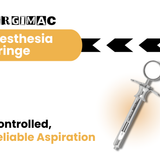
Shop dental anesthesia syringe supplies. Compare syringes, needles, and cartridges for efficient dental anesthesia buying.
One mismatched syringe, needle, or cartridge can interrupt an otherwise efficient anesthesia workflow. Smart procurement treats these supplies as one clinical system, not three unrelated line items.
Ready to build your anesthesia supply plan? Shop dental anesthesia syringes, needles, and cartridges at SurgiMac to get started.
A dental anesthesia syringe should be purchased as part of a compatible delivery system that includes the practice's preferred needles and anesthetic cartridges. Buyers should confirm syringe type, cartridge capacity, needle thread compatibility, sterilization needs, clinician ergonomics, and dependable stock availability before ordering.
The central purchasing question is how to balance clinical fit, reliable supply, and total inventory cost without compromising daily efficiency. Dental anesthesia syringe buying strategy for modern practices examines those priorities first, then connects them to needle and cartridge decisions. Here's how.
Dental anesthesia syringe buying strategy for modern practices
Buying a dental anesthesia syringe is not just an instrument choice. It is a supply decision that affects cartridges, needles, setup time, and repeat orders. A strong buying plan treats these items as one working system. This approach helps the practice avoid mismatched stock and keeps each operatory ready for scheduled care.
Start with the full anesthesia setup
First, map what clinicians use from setup through disposal. The plan should cover the preferred syringe type, compatible cartridges, needle gauges and lengths, and safe handling supplies. Local anesthetic must be placed near the nerve that serves the treatment area, according to an NCBI clinical review. That makes reliable setup and clinician access key parts of the buying decision.
Next, confirm compatibility before placing a bulk order. Review cartridge size, syringe design, needle connection, and the injection methods used by each provider. Include both routine procedures and less common cases in this review. Standardize where possible, but keep approved alternatives for clinicians whose techniques require a different setup.
Build standards around operatory workflow
A practice-wide standard should make daily work easier without limiting sound clinical judgment. Ask assistants and clinicians where delays, missing items, or setup errors occur. Then create a short approved list for each common procedure. Label storage areas by item type and make the same core setup available across operatories.
Standardization also makes training and stock checks more consistent. New team members can learn one clear setup process instead of several informal versions. Buyers can compare use rates across rooms and spot waste sooner. The practice can also review its wider dental anesthesia supplies as part of the same workflow.
Plan recurring stock and replacement needs
Separate reusable instruments from items that need regular replenishment. Set minimum stock levels for needles, cartridges, and related supplies based on normal use and delivery time. Add a buffer for busy weeks or shipping delays. Assign one team member to check quantities and reorder before stock reaches the minimum level.
Reusable syringes also need a clear inspection and replacement plan. Check them for wear, corrosion, sticking parts, or other issues that could disrupt use. Record replacements so purchasing teams can see service life and forecast future costs. This turns syringe buying from a rushed order into a planned equipment decision.
Review cartridge demand by procedure mix, provider preference, and recent use. This helps buyers select practical order sizes without carrying excess stock. Practices comparing common options can start with SurgiMac's dental anesthetic cartridges and then align each choice with the approved syringe setup.
What should be included in a dental anesthesia setup?
A complete setup includes the syringe, compatible needles, anesthetic cartridges, topical anesthetic, sharps handling supplies, and a restocking process. The buying plan should confirm product fit, clinical use, storage requirements, and reorder points before supplies reach the operatory.
A complete setup brings the syringe, needle, cartridge, topical anesthetic, and sharps supplies into one buying plan. Buyers should check fit, stock levels, and storage needs across the full set. This approach helps prevent a missing item from slowing the daily schedule.
Syringe design and system fit
An aspirating dental anesthesia syringe is the reusable core of the setup. Its design lets the clinician aspirate before depositing solution. Local anesthetic solution must be placed near the nerve that supplies the treatment area, as this clinical overview of dental local anesthesia explains.
Buyers should compare aspirating and self-aspirating models based on the practice's standard workflow. Check that each model accepts the planned cartridge size and needle hub. Also confirm that replacement parts, cleaning steps, and inspection needs fit existing processes. A small backup pool can cover planned maintenance or a damaged instrument.
Needles, cartridges, and topical anesthetics
Stock both short and long dental needles when the practice uses procedures that call for each length. Gauge options should also match approved clinical protocols. Published dental research has compared single-use dental injection needle standards, which shows why buyers should treat gauge as a distinct ordering choice.
- Match needle length, gauge, hub, and package count to the syringe system and expected case mix.
- Choose cartridge products that fit the syringe and the practice's approved anesthetic formulary.
- Stock topical anesthetics only when they are part of the practice's planned setup and standard workflow.
- Review package integrity, labeling, storage needs, and expiration dates during receiving and stock checks.
Cartridges should be sourced as part of the system, not as a separate last-minute purchase. Buyers can use the practice formulary and case volume to set the product mix. SurgiMac's guide to choosing anesthetic cartridges provides more detail for that part of procurement.
Sharps handling and restocking cadence
The buying checklist should include sharps containers and a clear route from setup to disposal. Place the needed container sizes where teams prepare and clear trays. Buyers should also plan enough needle and cartridge stock for each storage area. This keeps unopened products available without crowding treatment rooms.
Set restocking points from normal use, delivery lead time, and a practical safety buffer. Review use by product rather than applying one schedule to every item. Fast-moving needles or cartridges may need frequent checks, while reusable syringes need routine inspection and backup planning.
A simple count sheet can track on-hand units, open orders, expiration dates, and the next review date. Assign ownership for the count and use the same product names found on purchase orders. That structure gives buyers a clear view of the whole anesthesia setup before shortages affect the schedule.
Compare syringe, needle, and cartridge purchasing factors
A dental anesthesia syringe, its needles, and anesthetic cartridges work as one purchasing system. Review them together before choosing brands, package sizes, or reorder points. This approach helps prevent a usable item from sitting idle because its matching supply is unavailable.
Side-by-side purchasing criteria
Start with compatibility, then compare how each item moves through the practice. The table separates durable equipment from supplies that require frequent replenishment. It also shows where clinician input matters most.
| Purchasing factor | Syringes | Needles | Cartridges |
|---|---|---|---|
| Compatibility | Match the accepted cartridge format and needle connection. | Confirm connection type, gauge, and length. | Confirm fit with the selected syringe. |
| Sterility and use | Follow the maker's care and processing directions. | Buy sterile, single-use products and track package condition. | Check packaging and follow product handling directions. |
| Stocking unit | Count by operatory, provider, and backup need. | Count boxes by gauge and length. | Count boxes by anesthetic formulation. |
| Clinician preference | Review grip, aspiration method, and handling. | Review the preferred gauge and length by technique. | Review formulations used for common procedures. |
| Storage | Keep protected, organized, and ready for inspection. | Protect sealed packs from damage and moisture. | Follow labeled storage limits and rotate stock. |
| Reorder risk | Low daily use rate, but backups reduce disruption. | High use rate across several sizes. | High use rate, with demand split by formulation. |

Compatibility before quantity
Do not treat a low unit price as the main buying test. First, confirm that the syringe accepts the planned needle connection and cartridge format. Then verify that each chosen size supports the procedures performed in the practice.
Needle demand may be divided across gauges and lengths. A published clinical comparison, for example, studied 25-gauge and 30-gauge short needles. Ask clinicians which options they use, then set stock levels from actual procedure patterns rather than assumptions.
Cartridge planning should also reflect the formulations clinicians order. SurgiMac's guide to choosing anesthetic cartridges can support that review. Check cartridge fit before placing a combined order, especially when changing either the syringe or cartridge brand.
Par levels and reorder controls
Set separate par levels for each product and each common variation. Syringes are durable tools, while needles and cartridges move through stock more often. A single combined par level can hide a shortage in one gauge, length, or formulation.
Use recent order history and clinician schedules to set reorder points. Keep enough syringes for active rooms, cleaning cycles, and a small backup pool. For needles and cartridges, review use by item instead of relying on the total category count.
Storage checks belong in the purchasing process. Confirm that sealed needle packs stay protected and that cartridges can be rotated by labeled dates. Periodic counts of all dental anesthesia supplies help teams spot uneven use before an urgent reorder is needed.
How to choose needles and cartridges for anesthetic workflows
Choose needles and cartridges by matching the practice's injection techniques, approved anesthetic options, syringe compatibility, and usage patterns. Needle gauge, needle length, cartridge formulation, expiration dating, and package size should all support the procedures clinicians perform most often.
Match needles to the procedure mix
Start with the injections your practice performs most often, then select needle gauges and lengths that support those techniques. Common dental options include 25-gauge, 27-gauge, and 30-gauge needles. Published systematic review of inferior alveolar nerve block needle characteristics also shows why gauge and length should be treated as separate choices.
Clinician preference matters because each provider needs steady control and a clear feel for the chosen technique. Review routine restorative work, hygiene needs, endodontic care, oral surgery, and specialty procedures. This review helps the buyer set a useful stock mix instead of ordering one needle for every case.
Patient comfort should also shape the workflow, but needle size is only one part of that goal. Teams should pair the selected needle with sound injection technique and calm patient communication. Stock enough suitable options so clinicians do not have to make a poor fit work during care.
Build a practical cartridge list
Cartridge selection should reflect the practice's procedure mix, patient needs, and each clinician's judgment. Many offices begin with familiar products, then add options for cases that need a different drug or formulation. SurgiMac's dental anesthetic cartridges provide a useful starting point for reviewing lidocaine products.
Articaine products may also be part of the planned stock list when they fit the practice's clinical protocols. Buyers can compare available articaine anesthetic cartridges with current ordering patterns. The final list should be simple enough to manage, yet broad enough to support routine care.
Set minimum and reorder levels for each cartridge type based on actual use. Separate products clearly in storage, and rotate stock so teams use earlier expiration dates first. A short approved-product list can reduce picking errors and make inventory checks faster.
Standardize the full supply system
Needles, cartridges, and each dental anesthesia syringe should be reviewed as one supply system. Before placing a bulk order, confirm that every item fits the approved syringe models and follows the maker's instructions. This check is more useful than comparing unit price alone.
Standardization gives clinicians a familiar setup across operatories and makes staff training easier. It also helps purchasing teams forecast demand, limit duplicate items, and keep backup stock focused. Document approved combinations by syringe, needle, and cartridge so staff can check compatibility before use.
Revisit the standard list when procedure volume changes or clinicians report a recurring workflow issue. Trial a proposed change in a controlled way before adopting it across the practice. This keeps supply choices tied to clinical needs without adding needless variation.
Procurement checklist for dental anesthesia supplies
A sound buying plan treats the syringe, needle, and cartridge as one working system. It also ties each stocked item to clinical use, demand, and a clear reorder rule. Use this checklist to reduce mismatched items, rushed orders, and excess stock.
Current use and clinical needs
Start with facts from the practice, not a broad product catalog. Review recent order records, treatment volume, stockouts, expired units, and clinician feedback. Then compare those findings with the practice's wider approach to dental anesthetic administration.
-
Audit current use. Record monthly use for each syringe, needle, and cartridge SKU. Note urgent orders, waste, expired stock, and items that staff rarely select.
-
Confirm the syringe type. Ask clinicians whether each room needs an aspirating or self-aspirating dental anesthesia syringe. Check each chosen model for cartridge and needle compatibility before ordering.
-
Standardize needle gauges and lengths. Have the clinical team map preferred gauges and lengths to common injection techniques. Keep approved alternatives for cases that need a different option.
-
Choose cartridge SKUs. Build a short approved list based on the procedures performed and the clinician's treatment decisions. Confirm each cartridge fits the selected syringe before adding it.
-
Set reorder points. Use average demand, delivery time, and a practical safety stock to set minimum quantities. Review these levels when procedure volume or staffing changes.
-
Verify supplier reliability. Check product availability, delivery records, lot tracking, shelf life, and the process for handling damaged goods. A low unit price offers little value when core items arrive late.
-
Document approved preferences. Keep one shared list of approved SKUs, substitutes, room assignments, and reorder rules. Add the reason for each preference so new staff can follow it.
Needle and cartridge standards
Standards should support care without removing needed clinical choice. Research compares 25-gauge and 30-gauge short needles in dental nerve block injections. This evidence shows why gauge must remain a clinical decision. The clinical lead should approve the final list using pediatric dentistry local anesthesia guidance and practice needs.
Apply the same control to cartridges. Purchasing teams can maintain a core list while allowing approved options for specific procedures or patients. A focused guide to choosing anesthetic cartridges can help teams compare stock needs before setting final SKUs.
Reorder controls and records
Assign one owner to review stock levels and open orders on a set schedule. Use the shared SKU list during each count. Flag any unapproved substitute before it reaches a treatment room. Update the document after clinical review, supplier changes, or repeated stockouts.
Track outcomes after the checklist goes live. Useful signals include fewer urgent orders, less expired stock, and fewer compatibility issues. These checks show whether the buying plan supports both care and day-to-day supply control.
Avoid stockouts, mismatches, and duplicate anesthesia inventory
An anesthesia cart can look well stocked and still fail at chairside. Too much of the wrong item creates the same delay as an empty bin. Manage the dental anesthesia syringe, needle, and cartridge as one clinical system, not as separate purchase lines.
Dental anesthesia and sedation guidance that supplies the treatment area. That technique depends on having the right syringe, needle, and cartridge ready for the clinician. A purchasing plan should protect that match before it aims to cut unit cost.
Build matched procedure sets
Start with the procedures each operatory performs most often. For each one, document the preferred syringe type, needle gauge and length, cartridge, and backup choice. This simple record stops buyers from ordering a familiar item that does not fit the clinician's normal setup.
Keep the approved combinations easy to find in the ordering system. If one clinician uses an aspirating syringe and another prefers a self-aspirating model, list both needs by name. Do not rely on a general note such as "standard anesthesia setup."
- Match syringe design with the cartridge size and needle connection used in the practice.
- Standardize brands across operatories when the clinical team agrees they perform the same way.
- Label approved substitutes so staff can respond to a stockout without guessing.
- Review clinician preferences after a new hire, product change, or repeated chairside complaint.
Set stock levels from actual use
Do not buy a large case only because the unit price is lower. Rarely used syringes, needles, and cartridges can tie up space and cash. They can also hide behind faster-moving stock until they expire. Base each reorder point on use, delivery time, and a sensible buffer.
Track each item by operatory or central supply location. A weekly count can show whether one room is holding duplicates while another runs short. When sourcing dental anesthesia supplies from SurgiMac, use the approved item list to keep orders focused and matched.
Control expiration dates and changes
Place the earliest expiration date at the front, and check dates before restocking carts. Keep unopened reserve stock separate from daily working stock. Record lot and expiration details under the practice's supply policy, then remove expired items before they reach an operatory.
Product changes also need a clear handoff. When a preferred cartridge or needle changes, update the matched procedure set and tell every clinician. Before adding alternatives, review the practice's guide to choosing anesthetic cartridges and confirm the replacement fits the approved workflow.
A short monthly review keeps the system useful. Check stockouts, expired products, duplicate items, substitutions, and preference changes. Then adjust the approved list and reorder points so the next purchase solves a known need instead of creating another mismatch.
Where SurgiMac fits into anesthesia supply sourcing
A single-source procurement view
SurgiMac serves dental professionals across the United States with premium-quality, reliable, and affordable dental supplies. For anesthesia purchasing, practices can source the dental anesthesia syringe alongside compatible needles, cartridges, and related clinical items. This approach keeps purchasing focused on the full injection setup instead of one item at a time.
The setup matters because local anesthetic solution must be placed near the nerve that supplies the treatment area. The lidocaine dental prescribing information from NCBI explains this core point. Procurement teams should support the planned techniques with suitable syringes, needles, and solutions.
Cartridge and syringe sourcing
Practices can review SurgiMac's dental anesthetic cartridges while planning syringe and needle orders. The catalog also includes articaine-based options for practices that stock more than one anesthetic product. Buyers should confirm product details, cartridge fit, and internal clinical preferences before placing an order.
A coordinated order can make routine stock checks easier. It also helps the buyer compare current use rates across each linked supply category. Ordering linked items together gives office managers one place to review gaps before supplies reach reorder levels. Include the needles and cartridge products used with each syringe in the same count.
- Check that syringe, needle, and cartridge specifications align.
- Match order amounts to actual use and storage space.
- Keep commonly used items available without excess stock.
- Review expiration dates and package details when stock arrives.
A practical review before ordering
Start with the practice's procedure mix and current anesthesia workflow. Then check which syringe types, needle gauges, and anesthetic products clinicians use most often. SurgiMac's guide to dental anesthesia supplies can help buyers review the broader product set before they build an order.
Procurement teams should also inspect reusable syringes and track signs of wear, corrosion, or mechanical issues. A replacement plan can reduce rushed purchases and support steady supply levels. For each order, confirm quantities, delivery needs, storage limits, and product compatibility with the clinical team.
SurgiMac fits this process as a national supply source for dental practices seeking dependable access and clear product choices. Buyers can compare package sizes and availability across items required for the practice's usual anesthesia setup. Its range supports sourcing syringes, needles, cartridges, and related items within one procurement plan. This gives the practice a simple way to source around its existing clinical protocols.
Frequently Asked Questions
What size needle is used for dental anesthesia?
Common dental anesthesia needle sizes include 25-, 27-, and 30-gauge options. Needle length and gauge should match the injection technique, target anatomy, and clinician's judgment. A published clinical study compared 25-gauge and 30-gauge short needles for inferior dental nerve blocks, illustrating that more than one gauge may be appropriate.
What is an aspirating dental anesthesia syringe used for?
An aspirating dental anesthesia syringe delivers local anesthetic and lets the clinician aspirate before depositing the solution. Aspiration helps check whether the needle tip may be inside a blood vessel. The syringe forms part of a compatible delivery system that also includes a dental needle and an anesthetic cartridge.
How should practices buy dental anesthetic syringes, needles, and cartridges together?
Practices should procure syringes, needles, and cartridges as a compatible delivery system rather than as separate commodities. Confirm cartridge capacity, syringe type, needle hub compatibility, and the gauges and lengths needed for planned procedures. Review usage by procedure, maintain suitable backup stock, and verify storage requirements and expiration dates before setting reorder levels.
How often should a dental anesthesia syringe be inspected or replaced?
A reusable dental anesthesia syringe should be inspected before use and during routine instrument maintenance. Check the barrel, harpoon, thumb ring, finger grips, and threaded connections for corrosion, wear, looseness, or impaired movement. Remove the syringe from service when it cannot be cleaned, sterilized, assembled, aspirated, or operated reliably according to its instructions.
What is the difference between aspirating and self-aspirating dental syringes?
An aspirating syringe usually requires the clinician to pull back the thumb ring to create negative pressure before injection. A self-aspirating syringe creates aspiration through its design when pressure on the plunger is released. Both help clinicians check needle position before depositing anesthetic, but their handling steps and cartridge compatibility may differ by model.
Ready to strengthen anesthesia supply planning?
Delaying a coordinated purchase can leave teams managing mismatched supplies, rushed reorders, and avoidable gaps in everyday anesthesia workflows across treatment rooms. Starting now gives your practice time to review current stock, compare compatible options, and set clear reorder points before shortages disrupt schedules. A planned approach helps buyers align syringes, needles, and cartridges with clinical preferences while keeping purchasing decisions organized and repeatable across ordering cycles.
Ready to improve your anesthesia supply plan before the next ordering cycle? Shop dental anesthesia supplies to compare available options and build a practical purchasing list for your practice. Contact SurgiMac today to start sourcing with a clearer plan for syringes, needles, and cartridges. Request support if you need help narrowing your purchase.
Tags
Blog posts
-
, by SurgiMac A Clinician's Guide to Absorbable Suture Material
-
, by SurgiMac A Clinician's Guide to Dental Composite Resin Kits
-
, by SurgiMac How to Disinfect with Metrex CaviWipes Correctly
