

The Top 5 Disinfecting Wipes for Dental Offices
- , by SurgiMac
- 29 min reading time
Find the best disinfecting wipes for dental offices. Compare top brands for safety, surface compatibility, and efficiency to keep your practice clean and compliant.
Your dental equipment represents a significant financial investment, and protecting it is just as important as keeping it sterile. The wrong disinfectant can cause irreversible damage over time, leading to corrosion on metals, cracking on vinyl upholstery, and discoloration on sensitive plastics. This makes material compatibility a crucial factor when selecting your supplies. Before you commit to a product, you need to be sure it won't degrade your valuable assets. We’ll walk you through how to evaluate disinfecting wipes for dental offices to ensure they are safe for all your dental equipment and supplies, from the patient chair to your delivery system.
Key Takeaways
- Prioritize EPA Registration and Material Safety: Only use disinfecting wipes that are EPA-registered and proven effective against pathogens common in dental settings. Always confirm a wipe’s chemical formula is compatible with your equipment and upholstery to prevent corrosion or damage.
- Master the Clean-Then-Disinfect Method: For a surface to be properly disinfected, it must first be cleaned of all visible debris. Use one wipe to clean, then a second to disinfect, making sure the surface stays visibly wet for the entire contact time required by the manufacturer.
- Match the Wipe to the Application: Select wipes based on the surface you are cleaning. Opt for alcohol-free formulas for sensitive electronics and delicate materials, and consider wipe size and saturation to ensure you can cover an area effectively without the wipe drying out too quickly.

What Makes a Disinfecting Wipe Right for a Dental Office?
Choosing the right disinfecting wipe for your dental practice goes far beyond just grabbing the first container you see. In a clinical environment where patient safety is paramount, your choice directly impacts everything from infection control to equipment longevity and practice efficiency. The ideal wipe must be a powerful, fast-acting agent capable of eliminating dangerous pathogens while still being gentle enough to avoid damaging expensive surfaces and sensitive electronics. A robust infection control protocol is the backbone of a safe practice, and selecting the right surface disinfectant is one of its most critical components. After all, dental settings present unique challenges, including aerosol-generating procedures and a wide variety of materials, from the vinyl on a patient chair to the stainless steel of your instruments. Let’s break down the three core requirements every disinfecting wipe must meet to earn a place in your operatories.
Understanding EPA Registration
First and foremost, any disinfectant wipe used in a healthcare setting must be registered with the Environmental Protection Agency (EPA). This isn't just a suggestion; it's a non-negotiable standard for safety and compliance. An EPA registration number on the product label confirms that it has undergone rigorous scientific testing and that its claims about killing specific microorganisms are proven and reliable. According to healthcare cleaning experts, this registration ensures the wipes "meet safety and efficacy standards for use in healthcare settings." Think of the EPA number as a seal of approval that guarantees the product is effective against the pathogens relevant to your practice, giving you confidence that you are protecting both your patients and your staff.
Meeting Contact Time Requirements
In a busy dental office, time is always a precious commodity. That’s why a disinfectant's contact time—the specific period a surface must remain visibly wet to kill pathogens—is so important. A wipe with a long contact time can seriously disrupt your workflow and may not even be practical for turning over a room between appointments. As research from Dimensions of Dental Hygiene confirms, "ready-to-use wipes are effective in reducing the number of pathogens present in the dental environment" partly because they often require a shorter contact time. When evaluating products, look for wipes that can achieve disinfection in three minutes or less. This ensures you can maintain compliance and turn over operatories quickly without ever compromising on safety.
Ensuring Surface Compatibility
Your dental equipment is a significant investment, and the last thing you want is a disinfectant that causes corrosion, discoloration, or cracking over time. It is crucial to select wipes that are compatible with the various surfaces in your practice, from dental chairs and countertops to sensitive electronic devices and delivery systems. Some disinfectants can be harsh on certain plastics, vinyls, and metals. Always check the wipe manufacturer’s instructions for material compatibility to protect your assets. Preserving the integrity of your tools, whether it's a state-of-the-art delivery unit or precision instruments from the SurgiMac Air Series, starts with using cleaning agents that are both effective and non-damaging.
A Breakdown of Top Disinfecting Wipes for Dental Practices
With so many options on the market, choosing the right disinfecting wipe can feel overwhelming. Each brand offers a unique combination of efficacy, contact time, and material compatibility. To help you make an informed decision for your practice, let's look at some of the most trusted and widely used disinfecting wipes in the dental industry. We'll explore what makes each one a strong contender for your infection control protocol, allowing you to select a product that aligns perfectly with your clinical workflow and safety standards.
CaviWipes
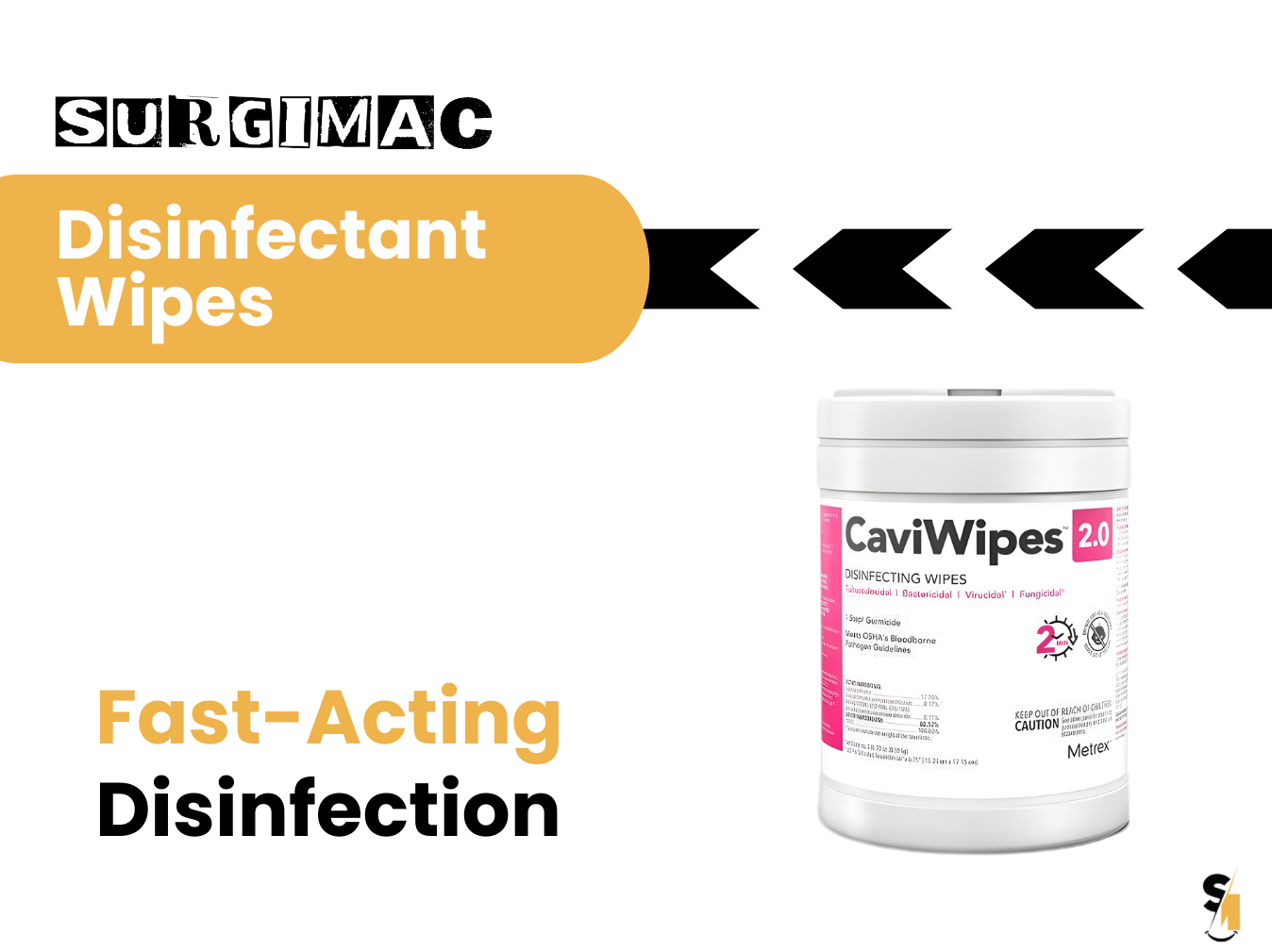
Often considered the gold standard by medical and dental professionals, CaviWipes are known for their broad-spectrum efficacy and reliability in clinical settings. These pre-moistened towelettes are a one-step cleaner and disinfectant, effective against TB, MRSA, HIV-1, and many other common pathogens. Their low-alcohol formula is designed to be gentle on a wide range of non-porous surfaces found in dental operatories, from countertops to equipment. The convenience of a single-step process saves valuable time between patients while ensuring your environment meets high standards of hygiene. Their reputation for killing a wide range of pathogens makes them a go-to choice for practices that prioritize proven performance.
Sani-Cloth Wipes
Sani-Cloth offers a family of products tailored to different clinical needs, with their AF3 Germicidal Disposable Wipes being a popular choice in dentistry. These alcohol-free wipes are formulated with quaternary ammonium, making them ideal for disinfecting sensitive equipment and surfaces that could be damaged by alcohol. They are designed for ease of use and meet the rigorous demands of modern infection control protocols. The Sani-Cloth line is recognized for its effectiveness and compatibility, providing a reliable solution for maintaining a sterile environment without compromising the integrity of your valuable dental instruments and equipment.
PDI Super Sani-Cloth
For practices needing a faster solution, PDI Super Sani-Cloth wipes deliver powerful disinfection with a two-minute contact time. These wipes contain a high-alcohol formula (55%) that is effective against a broad range of microorganisms, including TB and enveloped viruses. Their effectiveness is so well-regarded that in one evaluation, 100% of dental professionals surveyed said they would integrate PDI wipes into their routine infection protocol. This strong endorsement highlights their reliability and efficiency in a busy clinical workflow, making them a trusted option for rapid room turnover and comprehensive surface disinfection.
OPTIM 1 Wipes
If you're looking for an alcohol-free alternative with a fast kill time, OPTIM 1 wipes are an excellent choice. Their formula is based on Accelerated Hydrogen Peroxide (AHP®), which provides broad-spectrum disinfection in just one minute. Because they are alcohol-free, OPTIM 1 wipes are ideal for sensitive electronics, dental chairs, and sealed plastics, ensuring thorough cleaning without causing material degradation. This makes them a preferred option in dental settings where protecting the longevity of expensive equipment is just as important as maintaining a sterile environment for patient safety.
Clorox Healthcare Wipes
Clorox is a household name in cleaning, and its healthcare division offers products specifically designed for clinical environments. The CloroxPro VersaSure Alcohol-Free Cleaner Disinfectant Wipes are formulated to clean and disinfect surfaces in dental practices effectively. These quaternary ammonium-based wipes are compatible with a wide variety of materials and are effective against numerous bacteria and viruses. They provide the cleaning power and brand trust associated with Clorox, tailored to meet the specific surface compatibility and pathogen-kill requirements of a professional dental setting.
SurgiMac’s MacSafe Disinfecting Solutions
At SurgiMac, we developed our own line of disinfecting solutions to meet the specific needs of dental professionals. Our MacSafe products are designed to provide powerful and effective surface disinfection, ensuring every area of your practice is properly sanitized to prevent cross-contamination. Formulated for compatibility with common dental surfaces, MacSafe solutions help you maintain a safe and hygienic environment for both your team and your patients. By combining reliable efficacy with great value, MacSafe supports your commitment to the highest standards of infection control without straining your budget.
What Pathogens Should Your Wipes Eliminate?
When you select a disinfecting wipe, you're choosing a frontline defense against a specific list of microorganisms. The effectiveness of a wipe is measured by its kill claims—the specific pathogens it is EPA-proven to eliminate. In a dental setting, where exposure to various contaminants is a daily reality, using a broad-spectrum disinfectant is crucial for comprehensive infection control. Your chosen wipe should be effective against the full range of threats commonly found in a clinical environment, from viruses to resilient bacteria.
Bloodborne Pathogens (HIV, HBV, HCV)
Due to the nature of dental procedures, bloodborne pathogens are a primary concern. Viruses like Human Immunodeficiency Virus (HIV), Hepatitis B Virus (HBV), and Hepatitis C Virus (HCV) pose significant risks to both clinicians and patients. These pathogens are a major focus of infectious disease control in dentistry, making it absolutely essential that your disinfecting wipes are EPA-registered to kill these specific viruses. Verifying these claims on the product label is a non-negotiable step in ensuring your practice meets safety standards and protects everyone who walks through your doors.
Multi-Drug Resistant Organisms (MDROs)
Multi-drug resistant organisms, or MDROs, are bacteria that have developed resistance to several types of antibiotics, making them particularly difficult to treat. The presence of MDROs like MRSA (Methicillin-resistant Staphylococcus aureus) in a healthcare setting is a serious issue. Preventing their spread through meticulous surface disinfection is key. High-quality disinfecting wipes will explicitly list kill claims for a range of MDROs. Some leading wipes can eliminate dozens of microorganisms, including multiple resistant strains, often in just a few minutes. Always check the label to confirm your wipe is equipped to handle these formidable pathogens.
Respiratory Viruses and Other Threats
Dental offices are high-traffic environments where respiratory viruses can spread easily through aerosols and contact with surfaces. Pathogens like influenza, Respiratory Syncytial Virus (RSV), and coronaviruses can linger on countertops, chair arms, and equipment. Using disinfectant wipes consistently in operatories and waiting areas helps break the chain of transmission. Effective use of wipes in healthcare facilities is critical for reducing health risks between professionals and patients. This simple step is fundamental to maintaining a safe and healthy environment for your team and the community you serve.
Common Bacterial Contaminants
Beyond major viral threats, dental environments harbor a host of common bacteria. Proper chemical disinfection is proven to significantly reduce the number of pathogens on clinical surfaces, minimizing the potential risk of infection. This is why a reliable, daily-use disinfectant is a cornerstone of any infection control protocol. Products designed for healthcare settings, like those in the MacSafe collection, are formulated to target these everyday contaminants and help you maintain a consistently hygienic environment. Routine and thorough application on all non-critical surfaces ensures you are addressing the full spectrum of microbial threats.
Disinfecting Wipes vs. Sprays: What's the Difference?
Choosing between disinfecting wipes and sprays is a common consideration for any dental practice. While both are designed to eliminate pathogens, their format, application, and ideal use cases differ. The right choice often depends on the specific surface, the time available for turnover, and your team’s workflow. A comprehensive infection control strategy often incorporates both, leveraging the unique strengths of each to ensure a safe and sterile clinical environment for every patient. Understanding these differences helps you optimize your disinfection protocols for maximum efficiency and effectiveness.
Comparing Convenience and Efficiency
When it comes to ease of use, disinfecting wipes are hard to beat. They come pre-saturated with the correct amount of disinfectant, eliminating any need for mixing, measuring, or finding a separate cloth. This grab-and-go convenience is perfect for quick operatory turnovers and disinfecting smaller, high-touch surfaces between appointments. Everything you need is in one ready-to-use format.
On the other hand, disinfectant sprays can offer better coverage for complex or large areas. A spray can easily treat crevices, chair arms, and the underside of equipment where a wipe might struggle to reach. Sprays can also be more cost-effective for disinfecting entire countertops or floors, making them a practical choice for terminal cleaning at the end of the day.
How Wipes Help Prevent Cross-Contamination
One of the most significant advantages of disinfectant wipes in a clinical setting is their ability to reduce the risk of cross-contamination. Because each wipe is designed for single use, you can clean a surface and immediately dispose of the wipe, along with the pathogens it has collected. This simple action prevents the transfer of microorganisms from one surface to another, which can sometimes occur if a reusable cloth is improperly used with a spray disinfectant.
This makes wipes an essential tool for maintaining aseptic conditions in high-traffic areas. Using a fresh wipe for each key surface—from countertops and light handles to bracket tables—is a foundational step in protecting both your patients and your team. Products from our MacSafe line are developed with this principle in mind, supporting safe and hygienic practice environments.
5 Key Features to Look for in Dental Disinfecting Wipes
Choosing the right disinfecting wipe isn't just about grabbing the first canister you see. The health of your patients and team, the longevity of your equipment, and the efficiency of your workflow all depend on making an informed decision. When you’re stocking your practice, every detail matters, from the instruments you use to the infection prevention supplies you trust. To simplify your selection process, let’s walk through the five most important features to evaluate in any dental disinfecting wipe.
Evaluating Kill Claims and Pathogen Spectrum
The first thing to check is what a wipe is proven to kill. This is known as its "kill claim" and "pathogen spectrum." In a dental setting, you need a broad-spectrum disinfectant that is effective against bacteria, viruses, and fungi. Look for products that are specifically registered with the EPA to eliminate common healthcare-associated pathogens. Some wipes are effective against dozens of microorganisms, including tough-to-kill ones like multi-drug resistant organisms (MDROs) and respiratory viruses. Verifying these claims ensures your wipe provides the comprehensive protection your practice requires to maintain a safe clinical environment for everyone.
Balancing Contact Time and Efficacy
Contact time, or dwell time, is the amount of time a surface must remain visibly wet for the disinfectant to work as intended. This can range from 30 seconds to 10 minutes. For a busy dental practice, a shorter contact time is a huge advantage, allowing for faster operatory turnover between patients without compromising on safety. However, you must ensure the surface stays wet for the full duration specified on the label. Recent studies show that many ready-to-use disinfectants can be highly effective in shorter timeframes, making them a practical choice for maintaining high standards of infection control.
Checking for Material Compatibility
Your dental equipment is a significant investment, and the last thing you want is a disinfectant that causes damage. Some chemicals can degrade plastics, corrode metals, or discolor upholstery over time. Before using a new wipe, always cross-reference its chemical composition with the cleaning guidelines from your equipment manufacturers. This simple step protects your valuable dental equipment and supplies and prevents costly repairs or replacements. When in doubt, test the wipe on a small, inconspicuous area first to ensure it won’t cause any harm to sensitive surfaces.
Choosing Between Alcohol-Based and Alcohol-Free
The choice between alcohol-based and alcohol-free wipes often comes down to material compatibility and staff or patient sensitivities. Alcohol is a fast-acting disinfectant, but it can dry out certain materials like rubber and some plastics. Alcohol-free formulas, often based on quaternary ammonium compounds, are typically less harsh and may be a better option for delicate surfaces. They also tend to have little to no odor, which can contribute to a more pleasant patient experience. Consider the specific needs of your practice and the surfaces you’ll be disinfecting to decide which formulation is the best fit.
Considering Wipe Size and Saturation
The physical properties of the wipe itself are just as important as the chemical solution. A larger, thicker wipe can cover more surface area and is less likely to tear during use. Proper saturation is also key—the wipe needs to hold enough liquid to keep a surface wet for the entire required contact time without drying out prematurely. A well-saturated wipe from a trusted line like MacSafe ensures you can clean and disinfect effectively with a single towelette, which improves both compliance and efficiency in your daily infection control protocols.
What Can You Safely Clean with Disinfecting Wipes?
Disinfecting wipes are a cornerstone of modern infection control, but knowing exactly what you can—and can’t—clean with them is key to protecting your investment in your equipment and ensuring patient safety. The golden rule is to always check the wipe manufacturer’s instructions and cross-reference them with the cleaning guidelines for the surface or device in question. While most non-porous surfaces in a dental operatory are fair game, some materials require a more delicate touch.
A high-quality, broad-spectrum wipe is designed to handle the most common surfaces you encounter daily, from countertops to chair bases. The goal is to effectively eliminate pathogens without causing corrosion, discoloration, or degradation of your equipment over time. This is why choosing a trusted brand for your infection control needs is so important. Below, we’ll break down the guidelines for three key areas in your practice: dental equipment, upholstery, and electronics, so you can wipe with confidence.
Guidelines for Dental Equipment
Dental disinfectant wipes are essential for maintaining a sterile environment between patient appointments. They are perfect for quickly and effectively cleaning non-critical surfaces and equipment. This includes countertops, dental light handles, bracket tables, control panels on delivery units, and X-ray heads. The key is to use them on smooth, hard, non-porous surfaces where pathogens can settle.
For these wipes to work correctly, you must adhere to the specified contact time—the period the surface must remain visibly wet to kill the targeted microorganisms. Simply wiping and immediately drying a surface won't achieve proper disinfection. Always pre-clean heavily soiled surfaces before using a disinfecting wipe to ensure the chemical agent can make direct contact with any lingering pathogens on your dental equipment and supplies.
Best Practices for Upholstery
Your dental chair is one of the highest-touch surfaces in the operatory, making it a critical point for disinfection. Most dental chairs are upholstered with medical-grade vinyl or synthetic leather designed to withstand repeated cleaning with chemical disinfectants. Using wipes in these high-traffic areas is an effective way to limit the spread of pathogens and keep your clinical environment safe.
However, it's crucial to confirm compatibility. Some harsh chemicals can cause upholstery to crack, fade, or become brittle over time. Before committing to a new wipe, always consult the chair manufacturer’s cleaning recommendations. If you’re unsure, test the wipe on a small, hidden area of the chair first. This simple step can save you from costly damage while ensuring your disposables and cleaning protocols work in harmony.
Safely Cleaning Electronics
Modern dental practices are filled with sensitive electronics, from chairside monitors and tablets to keyboards and digital sensors. While these devices need regular disinfection, they can be easily damaged by the wrong type of wipe. Alcohol-based formulas, for instance, can strip the anti-glare coatings off screens or degrade plastic housings.
For this reason, many practices use specialized wipes formulated for electronics or choose an alcohol-free disinfectant proven to be safe for such devices. Before cleaning, always power down the equipment. Use a wipe that is moist but not dripping to prevent liquid from seeping into sensitive components. This approach offers a safe and efficient method for disinfecting the many screens and digital tools you rely on every day, keeping your technology both clean and fully functional.
What Your Peers Say: A Look at Disinfecting Wipe Reviews
When choosing essential supplies, hearing from colleagues who use these products every day provides invaluable insight. We’ve looked at what dental professionals are saying about the disinfecting wipes they trust for their practices. Their feedback consistently centers on three key areas: how well the wipes perform, their impact on the clinical environment, and how easily they fit into a busy workflow. These real-world perspectives can help you identify which features will make the most significant difference in your own infection control protocols.
Ultimately, the goal is to find a product that is not only effective but also practical for daily use. A wipe that tears easily, dries out too quickly, or leaves a strong chemical odor can disrupt your practice's efficiency and detract from the patient experience. By listening to the experiences of other clinicians, you can make a more informed decision that balances EPA-registered efficacy with the practical realities of a modern dental office. From durability during cleanup to patient comfort in the chair, the right wipe can streamline your processes and reinforce your commitment to safety. Let's break down what your peers prioritize when selecting the right disinfecting wipe.
Performance and Durability
A disinfecting wipe is only as good as its ability to stay saturated and hold up to rigorous use. Clinicians need a wipe that won’t shred or dry out before the job is done. According to one review, after evaluating PDI disinfecting products, 100% of respondents said they would integrate the wipes into their routine and recommend them to a colleague. Another hygienist noted that her previous wipes were "drying to equipment" or "left a residue." She found that an alcohol-free alternative was non-drying and effective. This highlights the importance of finding a durable wipe that maintains its integrity while being compatible with your valuable dental equipment and supplies.
Scent and Patient Comfort
The sensory experience of a dental office matters. Strong chemical odors can be off-putting for patients and staff, especially those with sensitivities. A pleasant or neutral scent contributes to a more comfortable and professional atmosphere. As one evaluator mentioned, a wipe with a scent that is "slight to none" is "excellent for those of us with sensitivities to odors or allergies." Another doctor praised a different brand for its convenience and "no chemical odor." When selecting products for your practice, consider how they impact the overall environment. Solutions from our MacSafe line are designed with both efficacy and user experience in mind, helping you maintain a welcoming clinic.
Ease of Use in a Clinical Workflow
In a busy dental practice, every second counts. Disinfecting wipes must support an efficient workflow, not hinder it. Your team needs products that are convenient, easy to handle, and effective. One dental assistant found certain wipes to be "very convenient and user friendly," which is crucial for quick operatory turnover. Another review praised a wipe for being "much bigger than the typical wipe, leading to retained moisture for increased efficiency." Features like wipe size, saturation level, and packaging design all play a role in how seamlessly a product integrates into your daily infection control procedures. The right wipe makes it easier for your team to do their job correctly and consistently.
Where to Source the Best Disinfecting Wipes
Finding the right disinfecting wipes is one thing; finding a reliable source for them is another. Your choice of supplier impacts everything from your budget and inventory management to your ability to consistently maintain a safe clinical environment. A great partner doesn’t just sell you products—they provide dependable access to the essential supplies that keep your practice running smoothly. Partnering with a supplier who understands the specific demands of a dental setting ensures you get products that are effective, compliant, and readily available when you need them most.
Working with Dental Supply Distributors
Specialized dental supply distributors are your most reliable source for disinfecting wipes. Unlike general retailers, these distributors curate their catalogs specifically for clinical environments, offering products that meet stringent healthcare standards. This means you can trust that the wipes you purchase have the necessary EPA registration and kill claims for a dental setting. At SurgiMac, we provide a comprehensive selection of infection control solutions, including leading brands and our own trusted MacSafe line. Working with a dedicated distributor simplifies procurement and gives you confidence that you’re using products designed for professional use.
The Benefits of Buying in Bulk
Purchasing disinfecting wipes in bulk is a smart strategy for any dental office. The most obvious advantage is cost savings; buying by the case significantly reduces the per-wipe price, which adds up over time. For example, many brands offer cases containing 12 canisters of 160 wipes each. Beyond the financial benefit, buying in bulk ensures your practice is always prepared. Running out of disinfecting wipes can disrupt your entire workflow and compromise patient safety. A well-stocked supply closet means your team can perform necessary sterilization and disinfection protocols without interruption, maintaining efficiency and compliance day in and day out.
How to Calculate Cost vs. Value
When evaluating disinfecting wipes, it’s important to look beyond the price tag and consider the overall value. While a canister of wipes might seem more expensive than a bottle of spray disinfectant, the convenience is often worth it. Wipes are pre-saturated and ready to use, eliminating the time and potential for error involved in mixing solutions. This efficiency is a major asset in a busy practice. The single-use nature of wipes also helps prevent cross-contamination between surfaces. A quality wipe from a trusted dental supply provider offers a balance of efficacy, convenience, and safety that delivers true value to your practice.
A Step-by-Step Guide to Using Disinfecting Wipes Correctly
Using a disinfecting wipe might seem straightforward, but in a clinical setting, proper technique is everything. To ensure you’re achieving true disinfection and not just a surface-level clean, it’s essential to follow a consistent, evidence-based process. From pre-cleaning to disposal, each step plays a critical role in maintaining a safe environment for both your patients and your team. Following the manufacturer’s instructions for use (IFU) is not just a recommendation—it’s a requirement for compliance and efficacy.
The Importance of Pre-Cleaning
Before you even reach for a disinfecting wipe, the surface must be cleaned of any visible soil or bioburden. Disinfectants are not designed to cut through materials like blood, saliva, or other organic matter. This initial cleaning step removes debris, allowing the disinfectant to make direct contact with the surface and effectively kill pathogens. A common and effective protocol is to use one wipe to clean and a second to disinfect. This two-step process ensures that you limit pathogens in high-traffic areas and create a truly hygienic space. Think of it as clearing the way for the disinfectant to do its job properly.
Proper Application for Full Efficacy
Once a surface is clean, you can disinfect it. The most critical factor for success is the contact time—the amount of time the surface must remain visibly wet for the disinfectant to kill the pathogens listed on its label. You must always read and follow the directions on the product packaging. If a wipe’s contact time is three minutes, the surface must stay wet for that entire duration, which may require using multiple wipes. Proper chemical disinfection is one of your best tools to reduce the number of pathogens like HIV, HBV, and influenza in your operatories, making adherence to these guidelines non-negotiable for patient safety.
Best Practices for Storage and Disposal
How you store and dispose of your wipes matters just as much as how you use them. To prevent the wipes from drying out and losing their efficacy, always keep the container lid securely closed. Store them at room temperature and away from direct sunlight. When you’re finished with a wipe, dispose of it according to your practice’s protocols and local regulations for medical waste—never flush wipes down the toilet. Proper infection prevention and control extends to every part of the product lifecycle. For a comprehensive approach, ensure your clinic is stocked with reliable dental disposables and protective gear from trusted lines like MacSafe.
Frequently Asked Questions
Q: Do I still need to pre-clean a surface if the wipe is labeled as a “one-step cleaner and disinfectant”?
A: Yes, it's always the best practice to pre-clean any surface with visible debris or bioburden. Think of it this way: the disinfectant needs to make direct contact with the pathogens to work effectively. If a layer of saliva or blood is in the way, the chemical can't do its job properly. Using one wipe to clean away any soil and a second wipe to disinfect ensures you achieve the highest level of sanitation.
Q: How do I choose between an alcohol-based and an alcohol-free wipe?
A: The right choice really depends on the surfaces you're cleaning. Alcohol-based wipes are powerful and fast-acting, but they can be harsh on sensitive materials like the vinyl on dental chairs or certain plastics, causing them to dry out or crack over time. Alcohol-free formulas are generally gentler, making them a safer bet for delicate electronics and upholstery. Always check your equipment manufacturer's guidelines to see what they recommend.
Q: Can I use one wipe to clean my entire operatory to be more efficient?
A: It might seem efficient, but you should never use a single wipe for multiple surfaces. Doing so can transfer microorganisms from one area to another, which is known as cross-contamination. The best approach is to use a fresh wipe for each distinct surface, especially high-touch zones like light handles, countertops, and chair controls. This ensures you are removing pathogens, not just moving them around.
Q: What's the best way to confirm a wipe won't damage my dental chair or equipment?
A: Your first step should always be to consult the cleaning instructions provided by the equipment manufacturer. They will specify which types of chemical agents are safe for their products. If you're trying a new wipe, it's also a smart idea to test it on a small, inconspicuous area first to see how the material reacts. Choosing products designed for healthcare environments, like those in our MacSafe line, also helps ensure compatibility.
Q: Why is contact time so critical if the wipe has already touched the surface?
A: Simply swiping a surface isn't enough to kill germs. The “contact time” or “dwell time” is the specific amount of time the surface must remain visibly wet for the disinfectant's chemical agents to break down and destroy the pathogens. If you wipe a surface and it dries before the required time is up, you haven't achieved true disinfection. You may even need to use a second wipe to ensure the surface stays wet for the full duration.
Read More
Tags
Blog posts
-
, by SurgiMac A Clinician's Guide to Absorbable Suture Material
-
, by SurgiMac A Clinician's Guide to Dental Composite Resin Kits
-
, by SurgiMac How to Disinfect with Metrex CaviWipes Correctly
