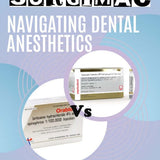
Dental anesthetics explained—compare Orabloc and Septocaine, learn key differences, clinical uses, and how to choose the right anesthetic for your practice.
The world of dental anesthetics is so much more than just Novocaine. Today’s clinicians have a sophisticated toolkit for ensuring patient comfort, from the precise role of epinephrine to the rapid onset of articaine. But with these advancements come questions. What are the key differences between popular brands like Orabloc vs. Septocaine? How do you choose the right formulation for a specific procedure? This guide answers those questions, breaking down the modern anesthetic products that define contemporary practice and their most effective clinical applications.
Types of Anesthesia in Dentistry
Managing patient pain and anxiety is fundamental to successful dental outcomes. The choice of anesthesia depends on the procedure's complexity, the patient's medical history, and their comfort level. Understanding the primary types of anesthesia helps clinicians select the most appropriate method for every situation, from routine fillings to extensive surgical work. Each category—local, sedation, and general—offers a different level of consciousness and pain control, ensuring that both patient and practitioner can proceed with confidence. For dental professionals, sourcing high-quality anesthetic products is the first step in providing a safe and comfortable experience.
Local Anesthesia
Local anesthesia is the most common form of pain control used in dentistry. It's ideal for straightforward procedures like cavity fillings or crown preparations where the patient needs to remain awake and cooperative. According to Healthline, "Local anesthesia is used for simple, quick procedures... You stay awake and can talk, but the area being worked on is numb so you don't feel pain." Typically administered via injection, it takes effect within minutes and provides numbness for about 30 to 60 minutes, allowing clinicians to perform necessary treatments efficiently and without causing discomfort. Its targeted action ensures that only a specific area of the mouth is affected, minimizing systemic side effects.
Sedation
For patients with dental anxiety or those undergoing longer, more involved procedures, sedation offers a way to promote relaxation and cooperation. Sedation can range from mild, where the patient is awake but calm, to deep, where they are on the edge of consciousness. As Healthline notes, "Sedation is used to help you relax if you're anxious, manage pain, or help you stay still." Methods include oral sedatives, inhaled nitrous oxide ("laughing gas"), or intravenous (IV) administration. While the patient can typically still respond to verbal cues under mild or moderate sedation, their memory of the procedure may be hazy, which is often a benefit for anxious individuals.
General Anesthesia
General anesthesia is reserved for the most complex and lengthy procedures, such as major oral surgery, or for patients with severe anxiety or certain medical conditions that make other methods unsuitable. Under general anesthesia, the patient is completely unconscious and unaware of the procedure. Healthline explains, "You will be completely unconscious (asleep), won't feel pain, your muscles will be relaxed, and you won't remember the procedure." This state is induced and monitored by an anesthesiologist or a specially trained dentist in a controlled clinical setting, ensuring the patient's vital signs remain stable throughout the treatment. It provides complete pain control and immobility for demanding surgical interventions.
How Local Anesthetics Work
Local anesthetics are the cornerstone of pain management in daily dental practice, enabling clinicians to perform procedures with precision while ensuring patient comfort. Their effectiveness lies in their ability to temporarily interrupt the transmission of pain signals from the treatment site to the brain. This pharmacological blockade is reversible, predictable, and localized, making it an indispensable tool for a wide range of dental treatments. Understanding the science behind how these agents function—from their mechanism of action at the cellular level to the chemical properties that define their duration and potency—is crucial for selecting the right anesthetic for each clinical scenario.
Mechanism of Action
The magic of local anesthetics happens at the nerve cell level. When a dental procedure stimulates a nerve, it sends a pain signal to the brain. As explained by StatPearls, "Local anesthetics make dental procedures pain-free by temporarily blocking nerve signals." They achieve this by preventing sodium ions from entering the nerve endings. This influx of sodium is what allows a pain message to travel along the nerve fiber. By blocking these sodium channels, the anesthetic effectively stops the pain message before it can even start its journey to the brain, resulting in a complete lack of sensation in the targeted area for the duration of the drug's effect.
Chemical Types: Amides vs. Esters
Local anesthetics are broadly categorized into two chemical groups: amides and esters. This classification is based on their chemical structure, which dictates how they are metabolized by the body. According to StatPearls, "Amides, which last longer and are broken down in the liver, and Esters, which last a shorter time and are broken down in the bloodstream." Most modern dental anesthetics, including lidocaine and articaine, are amides due to their reliability, longer duration of action, and lower incidence of allergic reactions. Esters, like procaine, are less commonly used today but may still be found in some topical formulations.
The Role of Vasoconstrictors
To enhance the effectiveness of local anesthetics, many formulations include a vasoconstrictor, most commonly epinephrine. These agents work by constricting the blood vessels at the injection site. This serves several important purposes in a clinical setting. As noted in StatPearls, vasoconstrictors "make the numbing last longer, reduce bleeding, and allow for a lower dose of the anesthetic." By slowing the rate at which the anesthetic is absorbed into the bloodstream, the numbing effect is prolonged and confined to the desired area, which also improves the safety profile by reducing the risk of systemic toxicity. This is why you'll find epinephrine in many of the most trusted dental anesthetic solutions.
Common Local Anesthetics Used in Dentistry
While all local anesthetics share the same basic mechanism, they differ in their onset, potency, and duration of action. This variety allows dental professionals to tailor their pain management strategy to the specific needs of the patient and the demands of the procedure. From the universally trusted lidocaine to the long-acting bupivacaine, each agent has a distinct clinical profile. Having a well-stocked inventory of these essential drugs ensures a practice is prepared for any situation, whether it's a quick restorative job or a complex surgical extraction that requires extended post-operative pain control. Familiarity with these common anesthetics is key to effective and safe dental care.
Lidocaine
Lidocaine is arguably the most widely used local anesthetic in dentistry and is often considered the benchmark against which others are measured. StatPearls refers to it as the "'gold standard'" because of its reliable and intermediate duration of action, making it suitable for a vast majority of dental procedures. It is an amide anesthetic that is almost always formulated with epinephrine to prolong its effect and provide hemostasis. Its consistent performance and excellent safety record have made it an indispensable staple in dental practices everywhere. Sourcing a dependable supply of Lidocaine is a foundational part of any clinical inventory.
Bupivacaine
When a procedure is expected to result in significant post-operative pain, bupivacaine is an excellent choice. Its primary advantage is its exceptionally long duration of action. According to StatPearls, "Bupivacaine lasts a very long time (4-9 hours for soft tissue), making it great for managing pain after a procedure." This extended pain relief can reduce the patient's need for post-operative analgesics. While it has a slower onset compared to lidocaine, its prolonged effect is invaluable for surgical procedures like extractions, periodontal surgery, or implant placement, providing patients with hours of comfort after they leave the dental chair.
Mepivacaine
Mepivacaine is another versatile amide anesthetic known for its rapid onset and intermediate duration. A key feature of mepivacaine is its effectiveness without a vasoconstrictor. As StatPearls highlights, "It can be used without a vasoconstrictor, making it a good choice for patients with heart problems" or other medical conditions where epinephrine is contraindicated. This makes Mepivacaine a crucial option for treating medically compromised patients safely. When formulated with a vasoconstrictor, its duration is comparable to that of lidocaine, offering flexibility for various clinical needs.
Prilocaine
Prilocaine is an amide anesthetic that offers a slightly longer duration of action than lidocaine but with lower toxicity. StatPearls notes that "Prilocaine is less toxic and causes less blood vessel widening than lidocaine." It is metabolized in both the liver and the kidneys, which can be an advantage for certain patients. It provides effective anesthesia for a range of restorative and surgical procedures. While not as commonly used as lidocaine in the United States, it remains a reliable option in the dental pharmacopeia, valued for its safety profile and consistent performance in routine dental care.
Topical Anesthetics
To minimize the discomfort associated with needle injections, clinicians often first apply a topical anesthetic to the surface of the oral mucosa. These agents come in various forms, including gels, sprays, and patches. As described by StatPearls, "Topical anesthetics (e.g., Benzocaine, Lidocaine gels/sprays) are applied to the surface of the mouth to numb the area before an injection." By numbing the superficial tissue, they make the initial needle penetration virtually painless, which is a simple but highly effective way to reduce patient anxiety and improve the overall treatment experience. Having a fast-acting topical anesthetic gel on hand is standard practice in modern dentistry.
Articaine vs. Septocaine: What's the Difference?
Articaine and Septocaine are indeed two names for the same compound. Septocaine is a brand name for the anesthetic known generically as articaine hydrochloride. It's a widely utilized local anesthetic, especially within dentistry, known for its efficacy and safety.
You can explore an extensive range of local anesthetic products, including articaine, on SurgiMac's local anesthetic collection.

At a Glance: A Side-by-Side Comparison
| Anesthetic |
Generic Name |
Duration |
Usage |
Adverse Reactions |
| Septocaine |
Articaine |
1-2 hours |
Dentistry |
Rare; numbness, tingling |
| Orabloc |
Articaine |
1-2 hours |
Dentistry |
Mild; allergies, swelling |
| Novocaine |
Procaine |
Shorter |
Rarely |
Allergic reactions |
Orabloc vs. Septocaine: When to Use Each?
What is Orabloc used for?
Orabloc is a brand that contains articaine. It's used in dental procedures to block nerve impulses, leading to a numb sensation in the targeted area. It’s an essential tool for pain management during dental treatments.
The Orabloc Articaine HCL Cartridges and Orabloc Articaine HCL 4% with Epinephrine Injection are available at SurgiMac.
Orabloc vs. Septocaine
While both contain articaine, the difference may lie in concentration, formulation, or manufacturing standards. Ultimately, the choice between the two may depend on a dental professional's preference and specific requirements.

Side Effects, Risks, and Complications
While local anesthesia is overwhelmingly safe, it's essential for dental professionals to be fully aware of potential side effects and complications. Understanding these possibilities allows you to prepare patients, manage their expectations, and respond effectively if an adverse event occurs. Most side effects are minor and temporary, but recognizing the signs of more serious issues is a critical part of patient care. A comprehensive understanding ensures you can administer anesthetics with confidence and maintain the highest standards of safety in your practice.
Common Side Effects
After receiving local anesthesia, it's common for patients to experience temporary and mild side effects as the medication wears off. These are generally not a cause for alarm but should be communicated to the patient beforehand. Common effects include lingering numbness, a tingling or itching sensation in the treated area, and minor swelling or bruising at the injection site. Some patients may also report feeling lightheaded, nauseous, or experiencing a temporary rapid heartbeat, which is often a physiological response to the vasoconstrictor (like epinephrine) included in the anesthetic solution. Reassuring patients that these sensations are normal and will resolve on their own can significantly improve their experience.
Injection Site Issues
Beyond the expected soreness, some issues can arise directly at the injection site. While discomfort is typical, it’s important to monitor for anything unusual. In rare cases, certain local anesthetics, specifically 4% concentrations of articaine and prilocaine, have been associated with a higher incidence of paresthesia—a more persistent numbness or tingling sensation caused by nerve irritation. While this is uncommon, it's a known risk that underscores the importance of precise injection techniques and using high-quality anesthetic supplies to minimize tissue trauma and ensure patient safety during every procedure.
Serious Risks
Although extremely rare, serious risks associated with local anesthetics do exist and require immediate recognition and management. These complications often stem from systemic toxicity, an underlying medical condition, or a true allergic reaction. Serious adverse events can include seizures, respiratory distress, and significant cardiovascular events like heart attack, stroke, or severe hypotension. Another rare but life-threatening condition is malignant hyperthermia, a dangerous spike in body temperature. Being prepared for these emergencies with a well-stocked medical kit and a clear protocol is a fundamental aspect of responsible dental practice.
Toxicity
Local anesthetic systemic toxicity (LAST) occurs when the concentration of the anesthetic agent in the bloodstream becomes too high, affecting the central nervous system and cardiovascular system. This can happen if too much anesthetic is administered or if it's accidentally injected directly into a blood vessel. Early signs of neurotoxicity may include vision changes, confusion, muscle twitching, or seizures. As toxicity progresses, it can lead to severe cardiac problems, including arrhythmia or cardiac arrest. Adhering to proper dosage guidelines based on patient weight and health status is crucial to prevent this serious complication.
Nerve Damage (Paresthesia)
Paresthesia is a complication characterized by a persistent numb, tingling, or burning sensation that lasts long after the anesthetic should have worn off. It results from irritation or damage to a nerve during the injection. While most cases of paresthesia resolve on their own within weeks or months, some can be long-lasting or even permanent. As mentioned, studies suggest a slightly higher risk with 4% formulations of articaine and prilocaine. Careful technique and a thorough understanding of facial anatomy are the best defenses against this complication, ensuring the needle path avoids direct contact with major nerve bundles.
Allergic Reactions vs. Anxiety
It's important to distinguish between a true allergic reaction and a patient's anxiety-related response. True, IgE-mediated allergies to modern amide anesthetics are exceptionally rare. More often, what appears to be an allergic reaction—such as fainting, hyperventilation, or heart palpitations—is actually a vasovagal response (fainting due to anxiety) or a side effect of the epinephrine in the solution. A careful patient history is key to identifying known allergies, but it's equally important to recognize and manage patient anxiety to prevent non-allergic adverse reactions during treatment.
Patient Safety and Special Considerations
Ensuring patient safety begins long before the anesthetic is administered. A thorough review of the patient's medical history is the cornerstone of safe and effective pain management. This process helps identify individuals who may be at higher risk for complications and allows you to tailor your approach accordingly. Factors such as age, pregnancy, and pre-existing medical conditions can all influence the choice of anesthetic, the dosage, and the techniques used. Proactive assessment and careful planning are essential to providing personalized care that minimizes risk and prioritizes the well-being of every patient who sits in your chair.
Anesthesia for High-Risk Patients
Certain patient populations require special consideration when administering local anesthesia. This includes older adults, who may have compromised organ function, and individuals with significant medical conditions affecting the liver, kidneys, lungs, or heart. Since these organs are responsible for metabolizing and clearing the anesthetic from the body, any impairment can increase the risk of toxicity. A detailed health history is non-negotiable. For these patients, you may need to select a different type of anesthetic, reduce the dosage, or avoid vasoconstrictors to prevent adverse cardiovascular effects. Consulting with the patient's physician can also provide valuable guidance for complex cases.
Anesthesia During Pregnancy
Treating pregnant patients often raises questions about the safety of dental procedures and medications. Fortunately, local anesthetics are generally considered safe for use during pregnancy when necessary dental work is required. According to the American Dental Association, Lidocaine and Prilocaine are safe choices. The recommended formulation is often Lidocaine 2% with a low concentration of epinephrine (1:100,000). This combination provides effective anesthesia while minimizing systemic absorption, ensuring the safety of both the mother and the developing fetus. Postponing elective procedures is wise, but necessary treatments should not be delayed due to unfounded fears about anesthetic safety.
The Anesthesia Administration Process
The success of local anesthesia depends not only on choosing the right agent but also on the administration process itself. From the tools you use to the technique you employ, every step plays a role in achieving profound numbness and ensuring a positive patient experience. Factors like tissue inflammation can present challenges, while specific techniques can make the injection process nearly painless. Mastering the administration process involves a blend of scientific knowledge, clinical skill, and a gentle touch, all of which contribute to building patient trust and delivering exceptional care.
Factors Affecting Numbing Efficacy
Have you ever had a patient who was difficult to numb? Several factors can interfere with the effectiveness of local anesthesia. One of the most common culprits is inflammation or infection. An infected area has a lower pH (it's more acidic), which reduces the amount of active anesthetic base available to penetrate the nerve membrane, making it much harder to achieve profound numbness. Additionally, anatomical variations can play a role; for example, the dense cortical bone of the lower jaw often makes mandibular teeth more challenging to anesthetize than maxillary teeth. Recognizing these challenges allows you to adjust your technique or anesthetic choice accordingly.
Techniques for Comfortable Injections
Making the injection process as comfortable as possible is key to reducing patient anxiety. Simple techniques can make a significant difference. Applying a topical anesthetic for a minute before the injection can numb the superficial tissue effectively. Other methods include warming the anesthetic cartridge to body temperature to reduce the stinging sensation, stretching the mucosa taut to allow for a smoother needle entry, and administering the solution very slowly. Wearing high-quality, comfortable gloves from a trusted line like MacSafe can also improve your tactile sensitivity, allowing for a more controlled and gentle injection that puts your patients at ease.
What Clinicians Ask About Septocaine
-
What is the generic name for Septocaine? Articaine Hydrochloride
-
Why do dentists use Septocaine? For its quick onset and effective numbing.
-
What is the safest local anesthetic in dentistry? Many consider articaine among the safest.
-
What is the strongest dental numbing? Articaine is one of the most potent.
-
How long does Septocaine last for? 1 to 2 hours.
-
Is Septocaine the same as novocaine? No, Novocaine is a brand name for procaine.
-
What is an adverse reaction to Septocaine? Rare reactions might include numbness or tingling.
-
Why don't dentists use novocaine anymore? Newer alternatives like articaine are more effective.
-
Can you take lidocaine and Septocaine together? It's best to consult a dental professional.
-
What is the longest-lasting local anesthetic? Bupivacaine often lasts longer.
The choices within dental anesthetics are vast and tailored to specific needs. Whether it's the adrenaline 1mg injection or understanding why Septocaine has replaced Novocaine in many practices, the evolution of these products has certainly enhanced patient comfort.
Learn more about SurgiMac's commitment to quality and the environment on their about page. Providing top-tier products at unprecedented value, SurgiMac stands as a dedicated provider for the dental and medical community. Explore the full range of brands on SurgiMac's shop-by-brand page.
Visit SurgiMac's anesthetic products collection for a range of options, including Septodont BioRoot, Septoject Evolution 30 Gauge Short Dental Needle, and more.
Related articles include:
- Local Anesthetic Supplies: Safe and Effective Pain Relief
- Syringes Used in Dentistry: A Comprehensive Guide
- SurgiMac Announces Q3 Promotion on Orabloc
Frequently Asked Questions
Why would I choose articaine (like Orabloc or Septocaine) over a classic like lidocaine? Articaine is often preferred for its ability to diffuse through bone tissue more effectively than lidocaine. This quality makes it particularly useful for achieving profound anesthesia in the mandible without needing a full block injection. Its rapid onset and high success rate make it a go-to for routine procedures, especially when you need reliable and efficient numbing. While lidocaine remains a trusted standard, articaine provides a powerful alternative for challenging cases or when you want to ensure deep, predictable results.
Is there a significant difference between Orabloc and Septocaine if they're both articaine? Fundamentally, both Orabloc and Septocaine are brand names for articaine hydrochloride combined with epinephrine. They deliver the same active anesthetic agent and provide similar clinical results. The primary differences often come down to manufacturing processes, quality control standards, and specific formulations of inactive ingredients. Many clinicians develop a preference based on their own clinical experience, the product's availability, or their trust in a particular manufacturer.
What's the best approach for a patient who says they are "hard to numb"? When a patient reports being difficult to anesthetize, it's often due to an active infection, which creates an acidic environment that neutralizes the anesthetic, or simply anatomical variations. First, ensure you are using a potent anesthetic like articaine. You might also consider supplemental injection techniques, such as an intraosseous or intraligamentary injection, to deliver the solution closer to the nerve. Patience is also key; allow extra time for the anesthetic to take full effect before beginning the procedure.
When should I absolutely avoid using an anesthetic with a vasoconstrictor? You should avoid vasoconstrictors like epinephrine in patients with specific, severe medical conditions. These include uncontrolled hyperthyroidism, severe cardiovascular disease, or recent heart attack or stroke. It's also a precaution for patients taking certain medications like tricyclic antidepressants or non-selective beta-blockers, as the combination can cause a dangerous spike in blood pressure. For these cases, an anesthetic like Mepivacaine 3% without a vasoconstrictor is an excellent and safe alternative.
Are topical anesthetics really necessary before an injection? While not strictly required for the anesthetic to work, using a topical anesthetic is a critical step for improving the patient experience. The initial needle prick is often what patients fear most, and applying a topical gel like 20% benzocaine effectively numbs the surface tissue, making the injection nearly painless. This simple gesture significantly reduces patient anxiety, builds trust, and sets a comfortable tone for the entire appointment. It's a small step that makes a big difference in patient care.
Key Takeaways
-
Understand Anesthetic Components: Local anesthetics work by blocking pain signals at the nerve, while added vasoconstrictors like epinephrine are key to prolonging the numbing effect and controlling bleeding during procedures.
-
Select Anesthetics Strategically: Match the agent to the clinical need, using lidocaine for routine procedures, bupivacaine for extended post-operative pain management, and articaine for its rapid onset and deep numbing properties.
-
Prioritize Patient Safety and Comfort: Always conduct a thorough medical history review to prevent complications, and improve the patient experience with simple techniques like applying topical anesthetic and administering injections slowly.