
Cone Socket Mirror vs. Simple Stem: Which to Choose?
- , by SurgiMac
- 26 min reading time
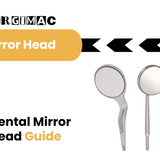
Understand the key differences between simple stem and cone socket mirror systems so you can choose the right dental mirror for your clinical needs.
We’ve all felt that sinking feeling. You open a fresh box of mirror heads, and they don't fit your handles. This simple ordering mistake can halt your entire workflow. The issue almost always boils down to one critical detail: simple stem vs. cone socket. These two connection types are not interchangeable. A secure cone socket mirror system, especially when paired with an ergonomic handle like our Air Series, provides the stability you need for precise work. This guide will clarify the distinction, explain the U.S. standard, and ensure you order the right parts with confidence every single time.
Key Takeaways
- Know Your Connection Type: Simple Stem mirrors screw in with threads, while Cone Socket mirrors use a tapered pressure fit. These systems are not interchangeable, so check your existing handles before ordering to avoid incompatible supplies.
- Standardize with Cone Socket in the U.S.: For practices in the United States, Cone Socket is the industry standard. Choosing this system simplifies purchasing and ensures compatibility with most equipment from American suppliers.
- Prioritize Stability for Precision: The secure, pressure-fit design of Cone Socket mirrors offers a wobble-free view essential for detailed clinical work. Combine them with ergonomic handles, like those in the Air Series, to maximize control and reduce hand fatigue.

The Anatomy of a Dental Mirror: More Than Just a Reflection
At first glance, a dental mirror seems straightforward, but its design is a perfect marriage of optical science and ergonomic engineering. Understanding its components helps you appreciate why choosing the right one is so critical for clinical precision. The tool consists of two primary parts: the mirror head, which provides the visual information, and the handle, which offers control and stability. The head is responsible for image quality, magnification, and brightness, while the handle determines the instrument's balance, comfort, and, most importantly, its connection type. Each element is designed to work in harmony, allowing you to perform detailed examinations and procedures with confidence. When these components are perfectly matched, the mirror becomes a seamless extension of your hand, reducing fatigue and improving diagnostic accuracy throughout the day.
The Mirror Head: Optics and Clarity
The mirror head is where the magic happens. It’s not just a piece of reflective glass; it’s a sophisticated optical tool designed for the unique environment of the oral cavity. The quality of the mirror surface, its curvature, and any specialized coatings directly impact your ability to diagnose accurately and work efficiently. A superior mirror head delivers a crisp, distortion-free image, resists scratching, and maximizes light to illuminate the darkest corners of the mouth. Investing in high-quality mirror heads means less eye strain and a clearer, more reliable view, which is fundamental to providing excellent patient care. It’s the difference between seeing a potential issue and knowing exactly what it is.
Why Dentists Use Concave Mirrors for Magnification
Most dental mirrors are not flat; they are slightly concave. This deliberate curvature is what provides magnification, allowing you to see a larger, more detailed view of the teeth and surrounding tissues. This magnified image is crucial for identifying early signs of caries, calculus deposits, or subtle abnormalities that might be missed with the naked eye. The optical properties of a concave mirror bend light inward to a focal point, creating an enlarged virtual image that makes precise diagnostic work possible. Without this feature, clinicians would struggle to achieve the level of detail required for modern dentistry, making the concave design a simple yet brilliant solution for enhanced intraoral visibility.
Surface Properties, Coatings, and Brightness
Modern dental mirrors have evolved far beyond simple glass. High-definition mirrors often feature advanced coatings that enhance their performance and longevity. These specialized surfaces are designed to provide exceptional color accuracy and clarity, ensuring that what you see is a true representation of the clinical reality. Many are also coated to resist scratches, which is essential for maintaining a clear view after repeated use and sterilization cycles. Furthermore, premium mirrors are engineered to be significantly brighter than older rhodium-coated options, reflecting more light onto the work area. This increased brightness reduces shadows and minimizes eye fatigue, allowing you to work more comfortably and effectively for longer periods.
The Handle: Connecting to the Mirror Head
The handle is more than just something to hold; it’s the foundation of your control. Its design dictates the instrument's weight, balance, and tactile sensitivity. An ergonomic handle is essential for reducing the hand fatigue that can lead to musculoskeletal strain over a long career. When selecting a handle, consider its grip, diameter, and material. For example, the lightweight, perfectly balanced handles in our Air Series are crafted to provide exceptional comfort and control. Most importantly, the handle contains the socket that connects to the mirror head. As we’ve discussed, ensuring your handles use the U.S. standard Cone Socket system is key to avoiding incompatibility and streamlining your inventory management.
Essential Functions of a Dental Mirror in Clinical Practice
While its name suggests a single purpose, the dental mirror is a multifunctional powerhouse in any dental procedure. Its primary role is to provide a clear view, but it accomplishes this in several distinct ways. Beyond simple reflection, it serves as a tool for indirect vision, illumination, and soft tissue retraction. Mastering the use of the mirror for all its functions is a hallmark of an efficient and skilled clinician. Whether you're performing a routine exam, a complex restorative procedure, or a surgical extraction, the dental mirror is indispensable for creating an optimal working environment. It allows you to see what you need to see, light up the area, and keep tissues safely out of the way.
Indirect Vision and Illumination
Many surfaces of the teeth, particularly in the posterior regions, are impossible to see directly. The dental mirror provides essential indirect vision, allowing you to view these hidden areas with ease. By angling the mirror correctly, you can examine the distal surfaces of molars or the lingual surfaces of anterior teeth without contorting your body into an uncomfortable position. At the same time, the mirror’s reflective surface doubles as a light source. It can be used to bounce light from the overhead lamp onto the specific tooth or quadrant you’re working on, illuminating the area for a much clearer view. This dual function of providing sight and light is fundamental to nearly every dental examination and procedure.
Retraction of Soft Tissues
Creating a clear field of operation often requires gently moving soft tissues like the tongue and cheeks out of the way. The smooth, rounded back of the dental mirror head is perfectly designed for this task. It can be used to safely and comfortably retract the patient's cheek during a buccal filling or hold the tongue aside to get a clear view of the lower lingual arch. This function not only improves visibility but also protects the patient’s soft tissues from being accidentally injured by burs or other sharp instruments. Using the mirror for retraction provides an unobstructed view and a safer working environment, making it a simple but critical technique for countless procedures.
Simple Stem vs. Cone Socket: Which Dental Mirror Should You Choose?
The dental mirror is one of the most essential tools in any practice, but not all mirrors are created equal. The key difference lies in how the mirror head attaches to the handle. Understanding the distinction between Simple Stem and Cone Socket systems is crucial for ensuring compatibility and optimal performance during procedures. Choosing the wrong type can lead to frustrating ordering mistakes and wasted inventory. Let’s break down the two main types so you can confidently select the right equipment for your clinic.
A Closer Look at the Simple Stem Mirror
A Simple Stem mirror head features a straight, threaded stem that screws directly into the mirror handle. Think of it like a standard screw—the threads on the mirror head match corresponding threads inside the handle, allowing you to twist it on until it’s secure. This design is straightforward and easy to assemble. While you might encounter Simple Stem mirrors in international markets or older equipment sets, they are not the prevailing standard in the United States. It’s important to identify if your existing handles use this system before ordering replacements to avoid purchasing incompatible mirror heads.
A Closer Look at the Cone Socket Mirror
Cone Socket mirror heads, on the other hand, have a smooth, tapered end shaped like a cone. This "socket" fits snugly into a matching tapered opening in the handle. Instead of threads, the connection relies on a secure pressure fit, which creates an exceptionally stable and wobble-free attachment. This is the industry standard for dental instruments in the United States, used in most dental schools and clinics. Pairing a Cone Socket mirror with ergonomic handles, like those in our Air Series collection, provides outstanding balance and control, reducing hand fatigue during detailed examinations and procedures.
Clarifying the Term "Cone Mirror"
When dental professionals discuss a "Cone Mirror," they are almost always referring to the Cone Socket mirror system. This isn’t a separate type of mirror, but rather the industry name for its specific attachment mechanism. Cone Socket mirror heads feature a smooth, tapered end that fits securely into a matching cone-shaped opening in the handle. The connection relies on a firm pressure fit instead of threads, a design engineered to create an exceptionally stable, wobble-free attachment that is essential for maintaining a clear view during precise clinical work.
For practices operating in the United States, the Cone Socket system is the undisputed industry standard. Adopting this standard simplifies purchasing and virtually eliminates the risk of ordering incompatible supplies. When you focus on standardizing your instruments with Cone Socket mirrors and handles, you ensure seamless compatibility with most equipment from American suppliers. This small detail is critical for maintaining an efficient workflow and preventing the operational disruptions that come from inventory mistakes.
The superior stability of the Cone Socket design directly contributes to better clinical outcomes. A mirror that doesn’t shift or vibrate allows for greater precision in everything from routine examinations to complex restorative procedures. To further enhance control and minimize hand fatigue, pairing these mirror heads with lightweight, ergonomic handles is a smart move. For example, the instruments in our Air Series are crafted for flawless balance and comfort, allowing you to perform at your best with less strain during long procedures.
Breaking Down the Key Differences
The most critical takeaway is that these two systems are not interchangeable. A Simple Stem mirror head will not fit a Cone Socket handle, and vice versa. Attempting to force them together can damage both the mirror and the handle.
Here are the main points to remember:
- Attachment Method: Simple Stem uses threads to screw in, while Cone Socket uses a tapered end for a pressure fit.
- U.S. Standard: Cone Socket is the accepted standard across the United States. If you practice in the U.S., you are most likely using a Cone Socket system.
- Stability: Many clinicians find the Cone Socket’s pressure-fit design offers superior stability, preventing the mirror head from loosening or wobbling during use.
Which Mirror Performs Better in Practice?
When you’re in the middle of a procedure, the last thing you want to worry about is your equipment. The performance of a simple tool like a dental mirror can make a surprising difference in your workflow. Let’s break down how Simple Stem and Cone Socket mirrors stack up in four key areas of clinical performance: stability, efficiency, reliability, and durability. Understanding these differences will help you decide which system best supports the way you practice.
Stability: Which Mirror Stays Put?
For unwavering stability, the Cone Socket mirror is the clear winner. Its design features a tapered end that fits into the handle with a secure pressure fit. This connection minimizes any chance of the mirror head wobbling, spinning, or loosening during retraction or examination. While a high-quality Simple Stem mirror is generally stable, the threaded connection can sometimes loosen slightly after repeated use and sterilization cycles. For procedures that demand absolute precision and a consistently stable field of view, the rock-solid connection of a Cone Socket mirror provides greater confidence.
Efficiency: Which Is Faster to Replace?
In a busy practice where every second counts, the Simple Stem mirror offers a slight edge in replacement speed. Changing the mirror head is as simple as unscrewing the old one and screwing on the new one—a process that takes just a moment. Cone Socket heads, secured by pressure, can require a bit more effort to remove and firmly seat a new one. While the difference is minor, clinics with high patient turnover may find the quick-change nature of Simple Stem mirrors helps streamline their sterilization and setup workflow between appointments, keeping the schedule running smoothly.
Threading vs. Pressure-Fit: Which is More Reliable?
Both systems are reliable, but their potential points of failure differ. The primary risk with Simple Stem mirrors is thread wear. Over time, the threads on the stem or inside the handle can strip or wear down, especially if cross-threaded, compromising the connection. The Cone Socket’s pressure-fit design avoids this issue entirely. However, its reliability hinges on a perfect match between the head and handle. It's crucial to remember that these two systems are not interchangeable. Using a Cone Socket head with a Simple Stem handle simply won’t work, making consistent ordering from trusted dental equipment and supplies providers essential for reliability.
Durability: Which One Lasts Longer?
Ultimately, the longevity of a mirror head has less to do with its connection type and more to do with the quality of its manufacturing. A mirror’s durability is determined by the materials used—like high-grade stainless steel—and the precision of its construction. Both Cone Socket and Simple Stem mirrors from a reputable manufacturer will withstand the rigors of daily clinical use and autoclaving. When choosing your instruments, focus on the brand’s reputation for quality. Collections like SurgiMac’s Pro Series are crafted from premium materials to ensure lasting performance, regardless of the stem type you prefer.
How to Choose the Right Mirror for Your Practice
Selecting the right dental mirror might seem like a minor decision, but it has a direct impact on your clinical workflow, precision, and even inventory management. The most critical factor comes down to the connection type between the mirror head and the handle: Cone Socket or Simple Stem. Understanding the difference is key to ensuring you always have a stable, reliable tool ready for every procedure. Beyond the connection, you’ll also want to consider the mirror’s coating and how it affects intraoral visibility. A clear, distortion-free view is non-negotiable, whether you're performing a routine exam or a complex restorative procedure.
Making an informed choice from the start prevents the common frustration of ordering incompatible parts, which can disrupt your schedule and waste resources. By aligning your mirror selection with your practice’s location, procedural needs, and existing equipment, you can streamline your supply chain and equip your team with tools that perform consistently. This ensures that every member of your clinical team, from hygienists to specialists, can work efficiently and with total confidence in their instruments. High-quality dental instruments are the foundation of excellent patient care, and the humble dental mirror is no exception.
Selecting the Right Mirror Head Size
Once you’ve confirmed your connection type, the next step is choosing the right mirror head size. The most common sizes in U.S. practices are #4 and #5, and each serves a distinct purpose. A #4 mirror head offers a slightly smaller diameter, making it ideal for reaching tight posterior areas and providing a focused view for detailed procedures. In contrast, the #5 mirror head provides a broader field of vision, which is perfect for general examinations and routine check-ups. Standardizing the sizes your practice uses can significantly simplify inventory management and ensure every operatory is consistently stocked. Making a deliberate choice helps prevent the frustration of having the wrong size on hand, allowing you to maintain a smooth and efficient clinical workflow.
Considering Double-Sided Mirrors
For an extra layer of efficiency, consider incorporating double-sided mirrors into your instrument rotation. These innovative tools allow you to use one side for indirect vision while simultaneously using the other side to retract the cheek or tongue. This dual-functionality is incredibly useful during complex procedures where maintaining a clear, unobstructed view is critical. Instead of constantly adjusting your grip or switching instruments, a double-sided mirror lets you manage soft tissues and see difficult-to-reach areas with a single tool. This small change can streamline your movements, save valuable time, and improve your focus, making it a smart addition for any busy dental practice looking to optimize its chairside workflow.
When to Choose a Cone Socket Mirror
For nearly every dental practice in the United States, the Cone Socket mirror is the standard and the most practical choice. These mirror heads feature a tapered, cone-shaped end that fits securely into the handle with a simple pressure fit. This design creates an incredibly stable and wobble-free connection, which is essential for maintaining precision during examinations and procedures. Because Cone Socket is the prevailing system in the U.S., you’ll find that these mirror heads and handles are widely available and compatible with the equipment sold by most American suppliers. Sticking with this system simplifies ordering and ensures you can always find replacements without worrying about compatibility issues.
When a Simple Stem Mirror Makes Sense
Simple Stem mirrors, often called "European-style," feature a straight stem with threads that screw directly into the handle. While this system is effective, it is far less common in the United States. You might consider a Simple Stem mirror if your practice was originally equipped with European instruments or if a clinician trained abroad has a strong preference for them. However, be aware that sourcing compatible handles and replacement heads can be more challenging through U.S. suppliers. For most American practices, choosing Simple Stem can lead to accidental ordering mix-ups and compatibility headaches that are easily avoided by opting for the Cone Socket standard.
Match the Mirror to the Procedure
Beyond the connection type, the quality of the mirror surface itself is crucial. Mirror heads are semi-consumable items; they can get scratched or worn over time, compromising visibility. For procedures requiring the highest level of detail, always choose front-coated mirrors. These mirrors provide a single, crisp reflection without the "ghosting" effect that can occur with rear-coated mirrors, ensuring maximum clarity. Pairing a high-quality mirror head with an ergonomic handle from a collection like the Air Series enhances both visibility and control, reducing hand fatigue during long or intricate procedures. Regularly inspecting and replacing worn mirror heads is a simple step that supports diagnostic accuracy and clinical excellence.
Consider Regional Preferences
Your geographic location is one of the most significant factors in this decision. If your practice is in the U.S., standardizing with the Cone Socket system is the most efficient path forward. This ensures that any dental equipment and supplies you order, from mirror heads to handles, will be compatible. The most common ordering mistake dental professionals make is not knowing the difference between the two systems, leading to a box of mirror heads that don’t fit any of their handles. By understanding this key regional preference, you can prevent inventory errors, streamline your purchasing process, and ensure your clinical team always has the right tools ready to go.
Best Practices for Dental Mirror Use and Maintenance
A high-quality dental mirror is an investment in clinical precision, but its performance depends entirely on how it’s cared for. Proper maintenance not only extends the life of your instruments but also ensures you have a crystal-clear, unobstructed view for every procedure. Following a consistent protocol for cleaning and sterilization prevents fogging, avoids scratches, and upholds the highest standards of patient safety. By adopting a few simple best practices, you can protect your mirrors from the daily wear and tear of a busy practice, ensuring they remain a reliable tool in your arsenal for years to come. This helps you get the most value out of your equipment and maintain the quality of care your patients expect.
How to Prevent Fogging
There’s nothing more disruptive than a mirror fogging up mid-procedure. This common issue can obscure your view at a critical moment, forcing you to pause and break your concentration. The simplest way to prevent this is by equalizing the mirror's temperature with the patient's mouth. You can gently warm the mirror surface by pressing it against the patient's buccal mucosa for a moment before use. Another effective technique is to apply a thin layer of anti-fog solution designed for dental instruments. A quick puff of air from the air-water syringe can also temporarily clear the view. Maintaining good operatory ventilation helps manage ambient humidity, further reducing the chances of condensation and ensuring you have a consistently clear line of sight.
Proper Sterilization and Care
Proper care is essential for both instrument longevity and effective infection control. After each use, mirrors should be cleaned thoroughly to remove any debris. Use distilled water and a mild, neutral pH soap, and avoid abrasive materials like metal brushes that can scratch the reflective surface. Once clean, rinse the mirror completely and dry it immediately with a soft, lint-free cloth to prevent water spots that can obstruct your view. High-quality instruments, like those in the Pro Series, are crafted from premium stainless steel designed to withstand rigorous sterilization protocols, but even the most durable mirror requires careful handling to maintain its optical clarity and performance over time.
How to Order the Right Mirrors Every Time
Choosing between Cone Socket and Simple Stem mirrors involves more than just clinical preference—it directly impacts your inventory management and daily workflow. Ordering the wrong type can lead to frustration and downtime, but a little knowledge goes a long way in preventing simple mistakes. This guide will walk you through how to ensure compatibility, avoid common ordering errors, and select the best system for your practice, so you can keep your focus on patient care.
Will Your New Mirror Fit Your Handle?
Before you place an order for new mirror heads, take a moment to check your current handles. This simple step is the easiest way to determine whether you need Cone Socket or Simple Stem replacements. In the United States, Cone Socket is the established standard, so you’ll find that most dental schools, clinics, and suppliers use this system. If your practice is based in the U.S., it’s highly likely you’re already using Cone Socket handles. Simple Stem mirror heads, sometimes called "European-style," are more prevalent in other countries. Knowing which system your practice uses is the first step to a seamless ordering process for all your dental instruments.
Common Ordering Mistakes (and How to Avoid Them)
One of the most frequent issues dental professionals encounter is accidentally ordering the wrong type of mirror head. It’s crucial to remember that these two systems are not interchangeable. A Cone Socket mirror head will not fit a Simple Stem handle, and vice versa. Trying to force them together can damage the threading on the handle or break the mirror head, rendering both tools useless. This mistake can disrupt your schedule and lead to unnecessary costs. By confirming your handle type before purchasing, you can easily avoid this problem and ensure your clinic is always stocked with the correct dental supplies.
Purchasing Options: Single vs. Bulk Orders
When it comes to stocking your operatory, you have options. For semi-consumable items like mirror heads, purchasing in bulk is often the most cost-effective strategy. Many suppliers offer volume discounts, which can significantly lower your cost per unit and help you manage your budget more effectively. Buying in larger quantities ensures you always have replacements on hand, preventing any interruptions in your workflow. On the other hand, ordering single units can be useful when you want to test a new type of mirror or handle without a large upfront investment. At SurgiMac, we cater to practices of all sizes, offering flexible purchasing options for our full range of dental equipment and supplies.
A Note on Professional Use and Cost
While managing costs is a priority for every practice, the quality of your clinical tools should never be compromised. For an instrument used as frequently as a dental mirror, durability is essential. Investing in mirrors made from high-grade stainless steel and featuring precisely coated surfaces ensures longevity and reliable performance, even after countless sterilization cycles. Cheaper alternatives may seem appealing initially, but they often scratch, tarnish, or break easily, leading to higher replacement costs over time. Collections like our Pro Series are engineered for clinical excellence, offering the perfect balance of durability and value to support your practice without straining your budget.
How to Match Your Mirror System to Your Workflow
For most practices in the United States, sticking with the Cone Socket system is the most efficient choice. Since it’s the industry standard, you’ll find it much easier to source compatible mirror heads and handles from the majority of suppliers. Beyond convenience, many clinicians find that Cone Socket mirrors offer superior stability. The tight, pressure-fit design makes them less likely to wobble during procedures, which is essential for detailed work. This reliability ensures you can perform with confidence and precision, making it a practical and high-performing option for any busy practice. For tools that deliver flawless balance, explore our Air Series instruments.
Explore SurgiMac's Premium Mirror Solutions
At SurgiMac, we provide high-quality dental mirrors and handles designed to meet the demands of a modern practice. Our instruments are crafted for durability, precision, and ergonomic comfort, ensuring they integrate perfectly into your workflow. Whether you need reliable tools for routine exams or specialized procedures, our collections offer exceptional performance. The Pro Series features instruments made from premium-grade stainless steel for unmatched reliability, while the Slim Series is designed for enhanced comfort and reduced fatigue. Explore our comprehensive selection to find the ideal mirror solutions that match your practice’s standards for quality and care.
Related Articles
- SurgiMac Octagonal Mirror Handle, Simple Stem, Stainless Steel, Eco Series, 1/Pk - SurgiMac Dental Supply
- SurgiMac Orthodontic Pliers - Bird Beak – SurgiMac Dental Supply
Frequently Asked Questions
Q: How can I tell if my current mirror handles are Simple Stem or Cone Socket?
A: The easiest way to check is to look at the opening where the mirror head attaches. If you see threads inside the handle, similar to a nut, then you have a Simple Stem system. If the opening is a smooth, tapered hole with no threads, it’s designed for a Cone Socket mirror head. Knowing this before you order will save you a lot of hassle.
Q: Is one type of mirror connection actually better than the other?
A: While both systems work well, "better" often depends on your location and clinical needs. In the United States, the Cone Socket is the standard for good reason—its pressure-fit design provides exceptional stability and prevents the mirror from wobbling during procedures. For U.S. practices, sticking with the Cone Socket system simplifies ordering and ensures compatibility with most available supplies.
Q: What's the biggest mistake people make when ordering new mirror heads?
A: The most common error is not realizing that Simple Stem and Cone Socket systems are completely incompatible. Many professionals assume all mirror heads fit all handles and end up with a box of supplies they can't use. Always confirm which system your practice uses before placing an order to avoid wasting time and money on mismatched parts.
Q: Besides the connection type, what else should I consider when choosing a dental mirror?
A: The quality of the mirror surface is just as important. Look for front-coated mirrors to get the clearest, most accurate reflection without any ghosting. You should also consider the handle itself. Pairing a quality mirror head with a well-balanced, ergonomic handle, like those in our Air Series, can significantly reduce hand fatigue and improve your control during examinations.
Q: Can I use a Simple Stem mirror head with a Cone Socket handle, or vice versa?
A: No, you absolutely cannot. The two systems are designed differently and are not interchangeable. A threaded Simple Stem head will not fit into a smooth Cone Socket handle, and a tapered Cone Socket head has nothing to grip onto in a threaded handle. Attempting to force them together will likely damage both the mirror and the handle.
Read More
- Cone Socket vs Simple Stem Mirror Head: Key Differences
- How to Choose Your Scalpel Handle and Blades
Tags
Blog posts
-
, by SurgiMac A Clinician's Guide to Absorbable Suture Material
-
, by SurgiMac A Clinician's Guide to Dental Composite Resin Kits
-

, by SurgiMac How to Disinfect with Metrex CaviWipes Correctly
