
What Is VPS Impression Material? A Complete Guide
- , by SurgiMac
- 40 min reading time
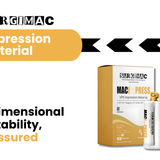
Get expert tips on VPS impression material for accurate dental impressions, clinical techniques, and choosing the best products for crowns, bridges, and implants.
Nothing disrupts a packed schedule like a bad impression. The frustration of a retake costs you time, money, and momentum. A dependable VPS impression material is your best defense against this common headache. With its superior tear strength, excellent moisture tolerance, and controlled working times, it's engineered to streamline your workflow. These properties are designed to minimize the errors that cause voids or distortions, helping you capture a perfect impression on the first try. This guide breaks down the features that make VPS so reliable, saving you valuable chair time.
Key Takeaways
- Rely on VPS for Dimensional Accuracy: The core strength of VPS is its chemical stability, which prevents the material from shrinking or distorting. This ensures the impression you take is a true replica of the patient's dentition, leading to precisely fitting restorations and minimizing chairside adjustments.
- Refine Your Technique to Avoid Common Errors: Two simple steps can prevent most impression failures. First, match the viscosity to the task by using a light-body wash for fine details. Second, always wait at least 30 minutes before pouring the stone model to allow for hydrogen outgassing and prevent bubbles.
- Standardize with a Quality System: Your results are only as consistent as your materials. Sourcing a complete VPS system like MacImpress from a trusted supplier ensures you get authentic, compatible products that work together seamlessly, leading to predictable outcomes for every procedure.

What Is VPS Impression Material?
If you’re aiming for flawless crowns, bridges, or implants, your success starts with a perfect impression. Vinyl Polysiloxane (VPS) impression material is a cornerstone of modern restorative dentistry for this very reason. It’s an advanced, addition-reaction silicone that clinicians trust to create exceptionally accurate and stable molds of a patient's dentition and surrounding soft tissues. Unlike older materials, VPS is known for its remarkable ability to capture fine details without distorting or shrinking over time.
This reliability means fewer retakes, better-fitting restorations, and more predictable patient outcomes. The material’s formulation is designed to perform consistently in the challenging intraoral environment, giving you the confidence that what you capture chairside is precisely what the lab will receive. High-quality materials like SurgiMac’s MacImpress collection are engineered to deliver on these promises, providing the accuracy needed for even the most complex cases. Understanding how VPS works is key to making it work for you.
A Closer Look at Its Chemical Makeup
At its core, Vinyl Polysiloxane (VPS) is a silicone-based polymer that sets through an addition reaction. This type of chemical reaction is significant because it produces no byproducts, which is the secret to its incredible dimensional stability. Once the material sets, it holds its shape without shrinking or warping, ensuring the model poured from it is a true replica of the patient's mouth. The formulation also includes fillers that control the material’s viscosity and tear strength, along with a platinum salt catalyst that initiates the setting process. This combination results in a final impression that is not only precise but also strong enough to resist tearing upon removal from the mouth, even in thin areas around the sulcus.
From Tray to Model: How VPS Works
In the clinic, the composition of VPS translates into a user-friendly and reliable experience. One of its most valued characteristics is its behavior in the presence of moisture. While hydrophobic by nature, many modern VPS materials are formulated with surfactants that make them hydrophilic during the setting process. This allows the material to flow into detailed areas and displace moisture, capturing crisp, clear margins without voids or bubbles. When using a dual-arch tray, a properly captured impression will often allow you to see through the material to the tray’s mesh where the unprepared teeth occluded. This visual cue confirms an accurate bite registration. For best results, always use a compatible wash and tray material from the same system to prevent separation when the impression is handled in the lab. This attention to detail ensures your dental supplies work together for a predictable outcome.
VPS vs. PVS: Understanding the Terminology
You’ve probably seen both “VPS” and “PVS” used in product descriptions and wondered if there’s a difference. The simple answer is no—they refer to the exact same material. VPS stands for Vinyl Polysiloxane, while PVS is short for Polyvinyl Siloxane. Both terms describe the same high-quality, addition-reaction silicone known for its exceptional accuracy and dimensional stability. Whether a product is labeled as PVS or VPS, you can expect the same performance characteristics, including high tear strength and the ability to capture fine intraoral details. This interchangeability is common across the industry, so you can confidently choose either type without worrying about getting a different category of product.
Common Delivery Systems and Packaging
VPS impression materials are designed for convenience and are available in several standardized formats to fit your clinical workflow. The most common delivery system is the 50 ml automix cartridge, which fits a standard dispensing gun and ensures a perfect 1:1 base-to-catalyst ratio every time. For practices using automatic mixing machines, larger 380 ml cartridges are also available. Beyond the packaging, VPS is offered in a range of viscosities—from putty and heavy-body for the tray, to medium- and light-body materials for capturing fine marginal details. Systems like our MacImpress collection provide a full spectrum of viscosities and setting times, allowing you to tailor your technique for any restorative procedure.
Why Top Clinicians Rely on VPS
When it comes to restorative dentistry, the final outcome is only as good as the impression it’s built on. A flawed impression leads to a poorly fitting restoration, which means more adjustments, more chair time, and a less-than-ideal patient experience. This is why so many seasoned clinicians turn to Vinyl Polysolixane (VPS) impression material. It’s not just about its advanced chemical formulation; it’s about the consistent, predictable results it delivers day in and day out.
VPS stands out for its remarkable ability to capture the finest details with incredible precision. Its unique properties address the most common challenges faced in the clinical setting, from managing moisture in the oral cavity to ensuring the impression remains stable long after it's been taken. This reliability removes guesswork from the equation, allowing you to proceed with confidence, whether you're working on a single crown or a complex implant case. By choosing a high-quality VPS, you’re investing in a smoother workflow, fewer remakes, and ultimately, superior patient care. It’s the foundation for creating restorations that fit perfectly and function beautifully.
Get Unmatched Accuracy and Dimensional Stability
The hallmark of a great impression material is its ability to hold its shape. VPS excels here due to its exceptional dimensional stability. After setting, it exhibits minimal distortion or shrinkage, meaning the impression you take is a true and unwavering replica of the patient's dentition. This accuracy is critical for creating precisely fitting crowns, bridges, and implants. Because the impression remains stable, you can pour the model hours or even days later without compromising the final result. Materials like MacImpress are engineered with this stability in mind, ensuring your lab receives an exact model to work from, which drastically reduces the need for chairside adjustments.
Count on Superior Tear Strength and Durability
There’s nothing more frustrating than removing an impression only to find a tear in a critical margin area. VPS materials are formulated with high tear strength, allowing them to stretch and flex around undercuts and tight interproximal spaces without ripping. This durability ensures that even the most delicate details, like fine feather-edge margins, are captured completely and accurately. This strength isn't just for removal; it also means the impression can withstand the forces of the stone-pouring process. A tough, resilient impression gives you the confidence that every detail you worked so hard to capture will make it to the final model.
How VPS Handles Saliva and Moisture
The oral environment is naturally moist, and this moisture can easily compromise the quality of an impression. Many materials repel water, leading to voids and inaccuracies. VPS, however, is hydrophilic, meaning it performs exceptionally well in the presence of saliva and sulcular fluid. This property allows the material to displace moisture and flow into every nook and cranny, capturing crisp, bubble-free details even in challenging subgingival areas. This excellent moisture tolerance is a key reason why VPS provides such predictable and reliable results, making it a go-to for clinicians who demand perfection in their restorative work.
Streamline Your Workflow with Faster Setting Times
In a busy practice, every minute counts. Modern VPS materials are designed to support an efficient workflow by offering a range of controlled working and setting times. Whether you prefer a fast-set option for single-unit impressions to enhance patient comfort or a regular-set material that provides more time for full-arch cases, there’s a VPS to match your technique. This flexibility allows you to work at your own pace without feeling rushed. Products in the MacImpress Collection, for example, provide options that help you streamline procedures, reduce chair time, and maintain complete control over the impression-taking process from start to finish.
The Role of Thermal-Accelerated Setting
In a busy dental practice, efficiency is non-negotiable, especially during impression-taking. This is where thermal-accelerated setting offers a distinct clinical advantage. Advanced VPS impression materials are engineered to react to intraoral temperatures, initiating a rapid setting process the moment the tray is placed in the patient's mouth. This unique property helps the material move past the 'critical zone'—the phase where distortions are most likely to occur—in as little as 80 seconds, often achieving a full set in about 90 seconds. This quick transition from a workable to a solid state significantly minimizes the risk of inaccuracies caused by micromovements, ensuring a precise impression while keeping your schedule on track.
The benefits of a fast-setting material extend beyond just accuracy. For the patient, less time with a bulky impression tray in their mouth means a more comfortable and positive experience. For the clinical team, this accelerated process streamlines the entire procedure. By reducing the time spent waiting for the material to cure, you can maintain an efficient pace throughout the day. High-quality systems like our MacImpress collection are designed with these efficiencies in mind, offering controlled working and setting times that give you predictable results without compromising on the quality of care. It allows you to capture a perfect, distortion-free replica of the patient's dentition with confidence and speed.
Improve Patient Comfort with Odorless and Tasteless Formulas
The impression-taking process can be a source of anxiety for many patients, often due to the taste and smell of the material. A strong chemical odor or unpleasant taste can trigger a gag reflex, making it difficult to capture a clean impression and creating a stressful experience for everyone involved. High-quality VPS materials address this directly by being formulated to be completely odorless and tasteless. This seemingly small detail makes a significant difference in patient comfort, helping them relax during the procedure. When patients are at ease, you can work more efficiently and capture the necessary details without a struggle. Investing in a system that prioritizes the patient experience not only leads to better clinical outcomes but also builds trust and satisfaction.
VPS vs. Other Impression Materials: A Head-to-Head Comparison
Choosing the right impression material is a critical decision that directly impacts the fit and function of your final restorations. While Vinyl Polysiloxane (VPS) has become a go-to for its precision and stability, it’s helpful to see how it measures up against other materials commonly found in the dental operatory. Each material has its own set of properties, ideal uses, and limitations. Understanding these differences allows you to select the perfect material for every clinical scenario, from preliminary models to complex multi-unit bridge cases. Let's compare VPS head-to-head with alginate, polyether, and condensation silicone to see where it truly shines.
VPS vs. Alginate
Alginate is a workhorse in many dental practices, valued for its ease of use and cost-effectiveness, especially for preliminary impressions, study models, and fabricating custom trays. A quality product like AlgiMac delivers reliable results for these applications. However, when it comes to final impressions, its limitations become clear. Alginate is hydrophilic and simple to work with, but it "lacks the dimensional stability and detail reproduction of VPS materials." This means it's prone to distortion if not poured immediately. For the precision required for crowns, bridges, and implants, the superior stability and accuracy of a VPS material like MacImpress is the clear choice for achieving flawless final restorations.
VPS vs. Polyether
Polyether is often considered the main competitor to VPS, and for good reason. It boasts excellent natural hydrophilicity and flow characteristics, allowing it to capture fine details even in a moist environment. However, both materials have unique handling considerations. As one clinician notes, when using VPS, you should avoid latex gloves as they can inhibit the setting reaction. On the other hand, polyether is known for being quite rigid once set, which can make it "more difficult to remove from the mouth," especially around undercuts. This rigidity can risk fracturing teeth or damaging preparations. VPS offers greater elasticity, making it easier and safer to remove while still providing exceptional accuracy for all your restorative procedures.
Key Chemical Differences: Hydrophobicity and Surfactants
The main chemical distinction between VPS and polyether comes down to how they interact with water. At its core, VPS is a silicone-based material, which makes it naturally hydrophobic, or water-repelling. However, modern formulations have cleverly overcome this. High-quality VPS materials, like those in the MacImpress collection, incorporate surfactants. These additives make the material functionally hydrophilic during the setting process, allowing it to displace saliva and capture crisp, detailed margins without voids. Polyether, in contrast, is inherently hydrophilic. While this sounds ideal, it can also absorb moisture from the air after setting, potentially leading to dimensional changes if not poured quickly. This makes advanced VPS a more stable and forgiving choice for achieving consistently accurate dental impressions.
VPS vs. Condensation Silicone
Condensation silicone was a step up from older materials, but it has been largely surpassed by the advanced chemistry of addition silicones (VPS). The key difference lies in the curing reaction. Condensation silicones release an alcohol byproduct as they set, which leads to material shrinkage over time. This means they "are less stable than VPS and can experience dimensional changes," compromising the accuracy of the final restoration if the model isn't poured quickly. In contrast, VPS materials have no byproducts, giving them superior dimensional stability and detail capture. This allows you to pour the model when it's convenient, or even create multiple models from a single impression, ensuring a perfect fit for your crowns and bridges.
Which VPS Viscosity Is Right for Your Procedure?
Vinyl Polysiloxane (VPS) impression materials are not a one-size-fits-all solution. Their performance is directly tied to their viscosity—a measure of their thickness and ability to flow. Selecting the right viscosity is a critical decision that impacts the accuracy of your impression and the ultimate fit of the final restoration. Different clinical situations demand different material properties, which is why manufacturers offer a range of viscosities, each engineered for a specific role in the impression-taking process.
Think of it like this: you wouldn't use the same tool for every step of a crown preparation, and the same principle applies here. A low-viscosity material is needed to capture the fine details of a margin, while a high-viscosity material provides the structural support to prevent distortion. Understanding how to pair the right viscosity with the right task is fundamental to achieving predictable, high-quality results. A comprehensive system like MacImpress provides clinicians with a full spectrum of viscosities, ensuring you have the ideal material for every step of any procedure.
Use Light-Body for Intricate Detail
Light-body VPS materials are your go-to for precision. With their low viscosity, they are highly flowable, allowing them to penetrate and record the most intricate details of the oral anatomy. This material is ideal for syringing directly around a prepared tooth, as it flows easily into the sulcus to capture crisp, clear margin lines essential for well-fitting crowns and bridges. Because it adapts so closely to the tooth structure without slumping, light-body VPS ensures that even the smallest details are accurately transferred from the patient to the lab, forming the foundation for a perfect restoration. It is almost always used in combination with a higher-viscosity tray material.
When to Use a Versatile Medium-Body VPS
Medium-body VPS materials strike a perfect balance between flow and stability, making them one of the most versatile options in your armamentarium. This viscosity is substantial enough to be used in an impression tray without a separate wash material—a technique known as the monophase impression. It’s also fluid enough to capture adequate detail for a variety of clinical situations, including impressions for partial dentures, orthodontic models, and opposing arch models. Its balanced consistency makes it effective for both single and dual-arch impressions, providing a reliable, all-in-one solution for many common procedures where extreme detail isn't the primary objective.
Rely on Heavy-Body for Strong Tray Support
When you need rigidity and support, heavy-body VPS is the answer. This high-viscosity material is specifically designed for use as a tray material in the heavy-body/light-body technique. Its thickness provides a stable base that forces the light-body wash material into the fine details of the preparation. This rigidity is also crucial for preventing tray distortion upon removal from the mouth. For dental implant impressions, heavy-body material is recommended to effectively lock impression copings into position, ensuring their accurate orientation is transferred to the master cast. This stability is key to creating a passive, precise fit for the final implant prosthesis.
Incorporate Putty for a Stable Foundation
Putty is another high-viscosity option that acts as the ultimate stable base in your impression tray. Its firm consistency provides the rigid support needed to drive a lower-viscosity wash material, like a light-body, into every critical detail of the preparation. This synergy is essential for capturing sharp, well-defined margins. The putty creates the necessary hydraulic pressure, while the hydrophilic properties of the wash material displace any lingering moisture. This two-step technique effectively minimizes the risk of voids or bubbles, ensuring the most delicate features of the sulcus and tooth structure are recorded with precision.
The exceptional dimensional stability of VPS putty means that once it sets, the impression tray is locked in place with minimal risk of distortion. This unwavering foundation ensures the final impression is a true, accurate replica of the patient's dentition, which is the key to reducing retakes and chairside adjustments. When you standardize your practice with a complete system like MacImpress, you have access to compatible putty and wash materials designed to work together seamlessly. This consistency allows you to achieve predictable, high-quality results for every single case.
Match the Viscosity to the Procedure
Ultimately, achieving a predictable and accurate impression comes down to a simple rule: match the material to the clinical task. Choosing the right viscosity isn't just a preference; it's a crucial step that directly influences the flowability, detail capture, and dimensional stability of your final impression. For capturing delicate margins, a light-body wash is non-negotiable. For creating a stable foundation in your tray, a heavy-body material provides the necessary support. For simpler, single-step impressions, a medium-body offers excellent versatility. By understanding the distinct role of each viscosity, you can confidently select the right MacImpress material and execute your impression technique with precision every time.
Comparing Top VPS Impression Material Brands
With so many excellent VPS materials on the market, choosing the right one often comes down to specific clinical needs and personal preference. Each leading brand offers a unique combination of features designed to optimize accuracy, efficiency, and patient comfort. Getting familiar with the top contenders can help you select the perfect material to standardize in your practice or to have on hand for specific procedures. Let's explore what makes each of these popular VPS impression materials a trusted choice for clinicians.
MacImpress by SurgiMac
When clinical efficiency is just as important as precision, MacImpress VPS Impression Material stands out. Engineered for high-quality final impressions, it delivers exceptional detail reproduction with a super-fast setting time that significantly enhances the patient experience. This material is known for its impressive rigidity and dimensional stability, which means you can trust it to hold its shape from the moment it leaves the patient’s mouth to the time it reaches the lab. For dental professionals who need a reliable, accurate, and fast-working material for crowns, bridges, and implants, MacImpress is a go-to solution that supports a seamless workflow.
3M Imprint VPS
3M is a household name in dental innovation, and its impression materials are no exception. The 3M™ Imprint™ 4 VPS Impression Material is celebrated for its remarkable accuracy and straightforward handling. One of its key advantages is the wide range of available viscosities and setting times, giving you the flexibility to tailor your approach to any clinical scenario. Whether you're using a monophase or 1-step heavy-body/light-body technique, Imprint is designed to capture fine details with incredible precision. This versatility makes it a dependable workhorse in many dental practices for a variety of restorative procedures.
Note on the Transition to Solventum
If you've noticed a branding change on some of your favorite 3M products, you're not seeing things. 3M's healthcare division has officially spun off into a new, standalone company called Solventum. This means the trusted dental products you rely on, including the popular Imprint™ VPS impression materials, will now feature the Solventum name. It’s important to know that while the packaging and logo are new, the product formulations and high performance you expect remain exactly the same. This transition is a change in corporate structure, not in quality. As your supplier, we want to assure you that we will continue to provide these essential dental supplies to support your practice without interruption.
Kerr Take 1 Advanced
Kerr's Take 1 Advanced VPS impression material is recognized for its unique formulation that balances excellent flow with high tear strength. This combination makes it incredibly versatile and reliable, even in challenging clinical situations with subgingival margins or moist environments. The material’s hydrophilic properties ensure it performs well in the presence of moisture, displacing oral fluids to capture crisp, clear marginal detail. Clinicians often choose Take 1 Advanced for its ability to produce precise and durable impressions across a wide spectrum of techniques, from crowns and bridges to full-mouth restorations.
Dentsply Sirona Aquasil
For cases where moisture control is a concern, Dentsply Sirona’s Aquasil VPS impression material is a leading choice. It is renowned for its outstanding hydrophilicity, which allows it to capture precise details in the moist oral environment without compromising accuracy. Available in multiple viscosities and setting times, Aquasil provides clinicians with the flexibility to customize their technique for any procedure. Its consistent performance and user-friendly handling have made it a staple in dental offices for years. The material is designed to deliver reliable, void-free impressions, ensuring predictable outcomes for your final restorations.
GC America Exaflex
GC America's Exaflex VPS impression material has built a strong reputation for its exceptional dimensional stability and remarkable tear strength. This means your impressions will resist distortion and tearing upon removal, even in cases with deep undercuts. Exaflex is engineered to produce highly precise and detailed impressions that remain stable over time, giving your lab a perfect model to work from. Its formulation is suitable for a wide range of impression techniques, making it another versatile and reliable option for busy dental practices that demand consistent results for all their restorative and prosthodontic cases.
Other Notable Brands in the Market
Beyond the major players, several other brands offer high-quality VPS materials that have earned the trust of clinicians. These brands often provide a reliable combination of performance, ease of use, and value, making them excellent additions to any practice. Whether you're looking for a specific setting time, a particular handling characteristic, or simply a cost-effective alternative, exploring these options can help you find the perfect fit for your clinical needs and workflow preferences. Each brings something unique to the table, ensuring you have a wide array of choices to achieve predictable and accurate results.
Mark3
Mark3 is a brand known for delivering dependable performance and value. Their VPS impression material is recognized for its ability to provide high detail reproduction, a critical feature for any final impression. One of its key strengths is the availability of both Regular and Fast set times, giving you the flexibility to adapt to different clinical situations. Whether you need more working time for a complex full-arch case or want to minimize chair time for a single-unit crown, Mark3 offers a solution. This versatility makes it a practical choice for practices looking for a reliable material that can handle a variety of restorative tasks without compromising on the essential accuracy needed for well-fitting restorations.
Genie
Genie VPS impression material is another popular choice, praised for its excellent flow and detail capture. Its formulation is designed to move easily into the sulcus and around preparation margins, minimizing the risk of voids or bubbles and ensuring every critical detail is recorded. This reliable flow makes it a strong contender for a wide range of dental applications, from crowns and bridges to inlays and onlays. For clinicians who prioritize a material that consistently captures crisp, clear margins, Genie provides the performance needed to create precise final impressions. Its dependable handling characteristics help streamline the impression process, making it a solid part of your dental supplies inventory.
Parkell
Parkell offers a range of VPS materials designed for both precision and ease of use. What makes Parkell stand out is its versatility, with products suitable for both final impressions and bite registrations. This can be an advantage for practices looking to simplify their inventory with a single, multi-purpose material. While a versatile product is convenient, for critical bite registrations where accuracy is non-negotiable, a specialized material often yields superior results. For instance, a dedicated material like MacBite is engineered specifically to capture occlusal relationships with exceptional clarity and no distortion, ensuring a perfect articulation and functional harmony in the final restoration.
When Should You Use VPS Impression Material?
The exceptional physical properties of Vinyl Polysiloxane (VPS) make it one of the most versatile materials in a clinician's toolkit. Its remarkable accuracy, dimensional stability, and tear strength are indispensable for procedures where precision is non-negotiable. From single-unit restorations to complex full-arch reconstructions, a high-quality VPS material like MacImpress provides the reliable foundation needed for predictable outcomes. Because it captures fine details with such clarity and maintains its shape over time, VPS has become the standard for a wide range of restorative, prosthetic, and orthodontic applications. Its reliability ensures that the final restoration or appliance fits exactly as planned, minimizing chairside adjustments and improving patient satisfaction. Let’s explore the key clinical scenarios where VPS truly excels.
Crown and Bridge Restorations
For fixed prosthodontics, accuracy is everything. VPS materials are the go-to choice for creating precise molds of prepared teeth and surrounding tissues for crowns, bridges, inlays, and onlays. As noted by industry experts, these materials are valued because they are precise, remain dimensionally stable, and are strong enough to resist distortion. This precision directly translates to a final restoration with tight marginal seals and proper occlusion, which is critical for longevity. The superior dimensional stability of VPS also means the impression won't warp or shrink, even if there's a delay before the lab pours the model, ensuring a passive and accurate fit every time.
Dental Implant Impressions
Implant dentistry demands the highest level of precision to ensure the passive fit of the final prosthesis. VPS is ideal for capturing the exact three-dimensional position of implant analogs or impression copings. Its rigidity and low distortion prevent any movement during setting, which is essential for a successful outcome. It's important to follow proper protocols; for instance, many clinicians recommend allowing the VPS impression to sit for at least 30 minutes before pouring the model. This delay allows for complete hydrogen outgassing, preventing bubbles or inaccuracies in the final stone cast and ensuring the resulting implant-supported restoration fits perfectly.
Orthodontic Models
While alginate is often used for preliminary study models, VPS is the superior choice for creating highly accurate master casts for orthodontic treatment planning and appliance fabrication. When fabricating clear aligners, retainers, or other precision appliances, every detail matters. Choosing the right impression material is crucial for achieving a predictable result. The high-definition detail and long-term stability of VPS ensure the resulting model is a perfect replica of the patient's dentition. This allows for the creation of appliances that fit comfortably and function effectively, forming the basis for successful orthodontic outcomes. For preliminary impressions, a reliable material like AlgiMac is an excellent choice.
Partial and Complete Dentures
Achieving optimal fit, retention, and comfort in removable prosthodontics starts with an impeccable final impression. VPS is perfectly suited for capturing the detailed anatomy of edentulous ridges and surrounding soft tissues. Its ability to flow into and record fine details without slumping ensures the final denture base is intimately adapted to the patient's anatomy, minimizing sore spots and improving stability. To prevent errors, it's best to use a compatible system of heavy- and light-body VPS from the same manufacturer. This practice reduces the risk of the wash material separating from the tray material, ensuring a single, cohesive impression for the dental lab to work with.
Bite Registrations
Capturing an accurate occlusal relationship is fundamental to the success of any restorative case, and this is where a specialized VPS material truly proves its worth. A high-quality bite registration material must be fast-setting, rigid, and resistant to distortion. Products like MacBite are specifically formulated to capture detailed occlusal relationships with exceptional clarity and no rebound. When using a dual-arch tray, a properly captured impression will often allow you to see through the material to the tray’s mesh where the unprepared teeth occluded. This visual cue confirms an accurate bite registration, ensuring the lab can articulate the models correctly and create a final restoration that requires minimal occlusal adjustment, saving you valuable chair time.
Fabricating Bleaching Trays
For cosmetic procedures like teeth whitening, patient comfort and compliance are directly linked to the fit of the custom bleaching tray. An ill-fitting tray can lead to uneven whitening results and gingival irritation. Just as VPS materials are the go-to choice for creating precise molds for crowns and bridges, that same level of accuracy is essential for fabricating well-fitting trays. Using a dimensionally stable VPS ensures the stone model is an exact replica of the patient’s dentition. This precision results in a tray that seals perfectly against the teeth, keeping the bleaching agent contained and away from soft tissues, which ultimately leads to a safer, more effective, and more comfortable patient experience.
Creating Temporary Impressions
VPS is also an invaluable tool for fabricating high-quality provisional restorations. Before preparing a tooth for a crown or bridge, taking a quick VPS impression creates a perfect matrix for the temporary. After the tooth is prepared, this matrix is filled with a provisional material and reseated to form a temporary that mirrors the original tooth anatomy. As a reliable material, VPS has become the standard for a wide range of restorative, prosthetic, and orthodontic applications. Its reliability ensures that the final restoration or appliance fits exactly as planned, minimizing chairside adjustments and improving patient satisfaction. This technique ensures your temporaries have an excellent fit, proper contours, and a natural appearance, protecting the preparation and maintaining tissue health until the final restoration is seated.
Common VPS Challenges and How to Overcome Them
Even with the best materials, achieving a flawless impression requires attention to detail. Vinyl Polysiloxane is a forgiving material, but certain variables can still compromise the final result, leading to costly remakes and chair time. Understanding the common pitfalls—from improper mixing to overlooked setting inhibitors—is the first step toward preventing them. By mastering your technique and controlling the clinical environment, you can consistently produce the kind of precise, void-free impressions that lead to perfectly fitting restorations.
The good news is that most VPS challenges are entirely avoidable with the right knowledge and preparation. This section breaks down the most frequent issues clinicians encounter and provides straightforward, actionable solutions. Whether you’re troubleshooting a recent difficult case or simply refining your standard protocol, these tips will help you get the most out of your VPS impression material and ensure predictable, high-quality outcomes for every patient.
Master Your Mixing and Handling Technique
A homogenous, bubble-free mix is the foundation of a successful impression. Inadequate mixing can cause streaks or inconsistencies in the material, leading to weak spots and distortions. If you’re using two different viscosities, such as a wash and a tray material, improper mixing can even cause them to separate when the lab pours the model. To prevent this, always bleed the cartridge before attaching a mixing tip to ensure an even flow from both barrels. When dispensing, keep the tip submerged in the material to minimize air bubbles. For reliable results, use a high-quality material like MacImpress, which is engineered for consistent flow and a uniform mix every time.
Avoid Common Setting Inhibitors
One of the most common causes of a failed impression is inhibition of the VPS polymerization reaction. Certain chemicals can prevent the material from setting completely, leaving a sticky, uncured layer where it contacts the tooth preparation. The primary culprit is often the sulfur in latex gloves. Always use nitrile examination gloves, such as those from the MacSafe collection, when handling VPS materials. Other inhibitors include acidic hemostatic agents containing aluminum or ferric salts, as well as some acrylics used for temporary restorations. Be sure to thoroughly rinse and dry the preparation area to remove any residual saliva, blood, or chemical contaminants before seating the impression tray.
Manage Working and Setting Times
Every VPS material has a specific working time (how long you have to mix and seat the tray) and setting time (how long it takes to fully cure in the mouth). These times are influenced by temperature—warmer conditions will accelerate the set, while cooler conditions will slow it down. Always check the manufacturer’s instructions and store your materials at room temperature. A critical but often overlooked step is allowing the impression to "outgas" hydrogen for at least 30 minutes before pouring the model. As some dental experts note, skipping this step can introduce bubbles and porosity into the stone cast, compromising the final fit of the restoration.
Ensure Proper Storage and Moisture Control
To maintain the integrity of your VPS material, proper storage is key. Keep cartridges in a cool, dry place away from direct sunlight, as heat can degrade the material and alter its properties. While modern VPS materials are hydrophilic and can tolerate some moisture, success still depends on a well-managed field. Excessive saliva or bleeding can prevent the material from capturing fine marginal details. Use effective isolation and tissue retraction techniques to create a clean, dry environment. Although VPS impressions are stable enough for multiple pours, the accuracy of soft tissue areas can diminish with each subsequent model, so it's best practice to rely on the first pour for your master cast.
Tips for Achieving a Perfect Impression Every Time
Even with the most advanced materials, a flawless impression hinges on meticulous technique. Small details in your process can make the difference between a perfect fit and a frustrating remake. By focusing on a few key areas—tray selection, material handling, and tissue management—you can consistently produce impressions that capture every critical detail. This leads to better-fitting restorations and more predictable patient outcomes. These fundamental steps ensure you get the most out of your high-performance VPS materials.
Select and Prepare the Right Tray
Your impression is only as good as the tray that holds it. A rigid tray is essential to prevent distortion when the impression is removed from the mouth. Equally important is ensuring a strong bond between the tray and the impression material. Using a tray adhesive specifically designed for VPS is a must. Apply a thin, even layer and allow it to dry completely before loading the material. Using incompatible materials can increase the risk of the wash separating from the tray material, compromising the entire impression. Taking a moment to properly select and prepare your impression trays sets the foundation for an accurate result.
Follow Proper Pouring and Outgassing Protocols
One of the most common and avoidable errors with VPS materials is pouring the model too soon. VPS materials release hydrogen gas as a byproduct of the setting reaction. If you pour the stone model before this process is complete, you’ll likely find bubbles or voids in the final cast. To prevent this, it's best practice to wait at least 30 minutes after the impression is taken before pouring. This allows the hydrogen to completely "outgas," ensuring a smooth, accurate surface. Premium materials like MacImpress are engineered for stability, but respecting this outgassing window is a simple step that guarantees a more precise final model.
Refine Your Tissue Retraction Technique
Capturing a clear, distinct margin is the ultimate goal of any crown and bridge impression, and this is impossible without effective tissue management. Proper retraction creates the necessary space for the light-body material to flow into the sulcus and record the preparation's edge accurately. If you find yourself needing to remake an impression due to marginal tearing or voids, carefully inspect the sulcus to ensure all material remnants are removed. You may also need to consider additional tissue retraction to widen the sulcus for better access. A well-managed soft tissue environment is non-negotiable for achieving a perfect marginal seal.
How to Source the Best VPS for Your Practice
The final restoration is only as good as the impression, and the impression is only as good as the material you use. But the chain of quality doesn't stop there. Where you source your VPS material is just as critical for ensuring consistency, reliability, and excellent patient outcomes. A dependable supply chain is the backbone of a smooth clinical workflow, preventing unexpected shortages or quality issues that can disrupt your schedule and compromise your work. Building a relationship with a trusted supplier means you can count on getting the right materials when you need them, allowing you to focus on what you do best: providing exceptional patient care.
Partner with an Authorized Dental Supplier
Choosing the right impression material is a critical step for achieving an accurate impression. Partnering with an authorized dental supplier like SurgiMac ensures you receive authentic, high-quality VPS materials that meet strict industry standards. This partnership eliminates the risk of using counterfeit or improperly stored products that could compromise your results and patient safety. Authorized distributors provide peace of mind, guaranteeing that every product, from our own MacImpress collection to other leading brands, is genuine and performs as expected. It’s about building a foundation of trust and reliability in your supply chain, so you can focus entirely on clinical care.
Secure Professional Pricing and Bulk Options
Managing inventory and controlling costs are essential for any successful practice. By sourcing your VPS from a dedicated supplier, you can secure professional pricing and take advantage of bulk purchasing options. This not only reduces your cost per unit but also ensures you have a consistent supply of compatible materials on hand. Using the same trusted material for both tray and wash applications helps prevent common dental impression problems, such as separation during the pouring process. A reliable supplier provides access to a full range of dental equipment and supplies, allowing you to streamline your ordering process and maintain clinical consistency without straining your budget.
Frequently Asked Questions
Tags
Blog posts
-
, by SurgiMac A Clinician's Guide to Absorbable Suture Material
-
, by SurgiMac A Clinician's Guide to Dental Composite Resin Kits
-
, by SurgiMac How to Disinfect with Metrex CaviWipes Correctly
