
How to Choose Safe Disinfectant Wipes for Skin
- , by SurgiMac
- 31 min reading time
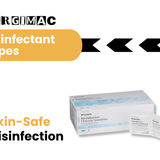
Using disinfectant wipes for skin can cause irritation and compliance issues. Learn the safe alternatives and best practices for your dental practice.
Let's clear up a common and dangerous myth: a wipe is not just a wipe. This oversimplification can lead to serious skin irritation and compromised infection control in a clinical setting. The powerful chemicals that make a surface disinfectant effective at killing pathogens on inanimate objects are precisely what make them hazardous for human tissue. The idea of using disinfectant wipes for skin is a fundamental misunderstanding; what you really need is an antiseptic wipe specifically designed for safe, topical use. This guide breaks down the science, explaining why these products are not interchangeable, what the FDA and EPA require, and how to choose the right wipe for every single task in your practice to ensure safety and compliance.
Let's clear up a common and dangerous myth: a wipe is not just a wipe. The powerful chemicals that make a surface disinfectant effective at killing germs on a dental chair are precisely what make it hazardous for human tissue. These products are formulated with industrial-strength agents like bleach or quaternary ammonium compounds that are far too aggressive for skin. The idea of using disinfectant wipes for skin is often misunderstood; what you really need is an antiseptic wipe designed for safe, topical use. Using a surface wipe on your hands provides a false sense of cleanliness while leaving behind a residue of harsh chemicals. This guide breaks down the science, explaining why these products are not interchangeable and how to choose the right wipe for every task in your practice.
Key Takeaways
- Know the Regulatory Difference: Surface disinfectants are EPA-regulated pesticides intended for inanimate objects, while skin wipes are FDA-regulated for human use. Using the wrong product is a compliance risk and can cause serious skin irritation.
- Prioritize Skin-Safe Ingredients: Always choose wipes formulated with gentle antimicrobials like Benzalkonium Chloride (BZK) and soothing additives like aloe vera. Avoid products with bleach or other harsh chemicals not intended for dermal contact.
- Implement Clear In-Office Protocols: Designate specific wipes for distinct tasks—surface wipes for equipment and countertops, and skin-safe wipes for patients and staff. This simple step prevents misuse and ensures a safe clinical environment for everyone.

Why You Should Never Use Surface Wipes on Skin
In a busy dental practice, it’s tempting to grab the nearest wipe to quickly clean your hands between tasks. But reaching for a surface disinfectant wipe instead of a proper hand wipe is a critical mistake. While both are essential for maintaining a sterile environment, they are formulated for entirely different purposes. Surface disinfectants are designed to eliminate pathogens on hard, inanimate objects like countertops and dental chairs. Using them on skin not only fails to provide safe cleansing but also introduces significant risks to your skin health.
Proper infection control protocols depend on using the right product for the right application. Understanding the fundamental differences between surface wipes and skin-safe wipes is the first step in protecting yourself, your staff, and your patients from unnecessary harm. These products are not interchangeable, and the chemicals that make surface wipes so effective on a countertop are precisely what make them hazardous to your skin.
Skin vs. Surface: A Look at the Ingredients
The primary reason you can't use surface wipes on your skin comes down to their chemical composition. Surface disinfectants contain potent antimicrobial agents designed to break down and destroy resilient pathogens on non-porous materials. These often include harsh chemicals like quaternary ammonium compounds ("quats"), bleach, or high concentrations of alcohol that are far too aggressive for living tissue. Their job is to achieve clinical-level disinfection on equipment and workspaces, a task that requires a level of chemical strength that is incompatible with skin.
In contrast, wipes formulated for skin use gentle antimicrobial ingredients that reduce bacteria without stripping the skin’s natural protective barrier. They are designed for safety and biocompatibility, ensuring they won’t cause irritation or damage with repeated use.
Common Myths About Disinfectant Wipes, Busted
A common myth is that "a wipe is a wipe," but this overlooks clear safety warnings and functional differences. Manufacturers of surface disinfectant wipes are very clear in their usage instructions, almost always stating "not for personal cleansing" or "do not use on skin" directly on the packaging. This isn't just a suggestion—it's a crucial directive to prevent harm. The clean feeling you might get after using a surface wipe on your hands is misleading; it’s often the residue of powerful chemicals, not a sign of safe, effective hygiene.
For clinical professionals, adhering to product guidelines is a non-negotiable part of maintaining a safe practice. Using products like those in the MacSafe line as intended ensures you get the protection you need without compromising your skin's health.
What Happens When You Use the Wrong Wipes on Skin?
Using a surface disinfectant on your skin can lead to a range of adverse reactions. The harsh chemicals can cause immediate skin irritation, including redness, itching, and burning sensations. With repeated exposure, these issues can escalate into more severe conditions like contact dermatitis, an allergic reaction that results in painful rashes and blisters. In some cases, these chemicals can even cause minor chemical burns.
Beyond immediate reactions, these wipes strip the skin of its natural oils, disrupting its pH balance and damaging its protective barrier. For dental professionals who rely on their hands, this compromised barrier becomes a significant liability, making the skin more susceptible to cracking, dryness, and infection.
First Aid for Accidental Exposure
If you or a team member accidentally uses a surface disinfectant on your skin, it's important to act quickly to minimize irritation. The first step is to thoroughly wash the affected area with mild soap and warm water to remove any chemical residue. Since these wipes strip the skin of its natural oils, follow up by applying a gentle, fragrance-free moisturizer to help restore the skin's protective barrier. Keep an eye on the area for any persistent symptoms. If you notice any burning, swelling, or a rash that doesn't improve within 24 hours, it's best to consult a healthcare professional. Of course, prevention is always the best approach; ensuring your team consistently wears high-quality disposable gloves can prevent accidental contact in the first place.
What Does the FDA Say About Skin Wipes?
The distinction between surface and skin wipes is so important that they are regulated by different federal agencies. Surface disinfectants are classified as pesticides and are regulated by the Environmental Protection Agency (EPA), which evaluates their effectiveness at killing germs on inanimate objects. Wipes intended for the skin, such as hand sanitizing wipes or antibacterial body wipes, are regulated by the Food and Drug Administration (FDA). The FDA’s oversight ensures these products are safe and effective for direct human use.
This regulatory separation underscores a critical point: a product approved for a countertop has not been tested for safety on your hands. Following these guidelines and choosing products based on their intended, regulated use is fundamental to maintaining clinical compliance and ensuring workplace safety.
What Makes a Wipe Safe for Skin?
When you’re choosing wipes for your practice, understanding the difference between a surface disinfectant and a skin-safe wipe is non-negotiable. While both are designed to reduce pathogens, their formulations are worlds apart. A wipe that’s safe for skin is specifically engineered to clean without causing irritation, dryness, or damage. It’s about finding a product that balances effective antimicrobial action with ingredients that support skin health, ensuring your team can maintain hygiene without compromising their skin’s integrity.
Look for Gentle Yet Effective Ingredients
Surface disinfectants are formulated with powerful chemicals like bleach or quaternary ammonium compounds, which are far too harsh for direct skin contact. Skin-safe wipes, on the other hand, use gentler active ingredients to reduce bacteria. Many formulations rely on agents like Benzalkonium Chloride (BZK), which provides effective antimicrobial action without stripping the skin’s natural barrier. When sourcing for your practice, always check the active ingredients to ensure the product is explicitly designed for use on skin. This simple step is fundamental to proper infection control protocols that protect both patients and staff.
Why pH Balance Matters for Skin Health
Your skin has a naturally acidic protective layer called the acid mantle, which helps keep moisture in and bacteria out. Using products that disrupt this delicate pH balance can lead to dryness, irritation, and even conditions like eczema. Skin-safe wipes are formulated to be pH-balanced, meaning they work in harmony with your skin’s natural state. For dental professionals who clean their hands countless times a day, using a pH-balanced wipe is essential for preventing the cumulative irritation that can come from repeated use of harsh products. It’s a small detail that makes a significant difference in long-term skin health.
The Importance of Moisturizers and Skin Protectants
Even gentle antimicrobial agents can have a drying effect over time. That’s why the best skin-safe wipes include conditioning ingredients to counteract this. Look for products formulated with moisturizers like aloe vera, glycerin, or vitamin E. These additives help soothe the skin and replenish moisture, preventing the chapping and cracking that can occur with frequent cleaning. High-quality product lines like MacSafe are designed with professional needs in mind, often incorporating these beneficial ingredients to ensure that maintaining hygiene doesn’t come at the cost of skin comfort and health.
Look for These Safety Certifications
Regulatory oversight is a key indicator of a wipe’s intended use. According to the FDA, wipes intended for cleansing or moisturizing the skin are regulated as cosmetics. In contrast, surface disinfectants are regulated as pesticides by the Environmental Protection Agency (EPA). This distinction is critical. Always choose wipes that are clearly labeled for use on skin and comply with FDA guidelines. This ensures the product has been formulated and tested for dermal contact, giving you confidence that you are providing a safe and appropriate solution for your team and patients.
Our Top Picks: Professional Disinfectant Wipes for Skin
Selecting the right antimicrobial wipes is about more than just disinfection; it’s about ensuring the safety and comfort of both your patients and your staff. In a clinical setting where frequent cleansing is standard practice, using products designed for skin is non-negotiable. The market is filled with options, but the best choices balance effective antimicrobial action with gentle, non-irritating formulas. Prioritizing wipes that are dermatologically tested and free from harsh chemicals helps maintain skin integrity, prevent adverse reactions, and uphold a high standard of patient care. Let’s explore some top considerations and brands that meet these clinical demands.
Why We Recommend MacSafe Antibacterial Body Wipes
At SurgiMac, we understand that effective infection control should never come at the expense of skin health. Our MacSafe collection is built on the principle of providing maximum protection with superior comfort and safety. When selecting an antibacterial wipe for patient use, look for formulations that are dermatologically tested, hypoallergenic, and free from harsh additives that can strip the skin’s natural moisture barrier. MacSafe products are designed to meet the rigorous demands of a professional clinical environment, giving you confidence that you are using supplies that protect both your team and your patients. Trust MacSafe to deliver the hygienic solutions your practice needs without compromising on quality or skin compatibility.
What to Look for in a Professional-Grade Wipe
When sourcing wipes for your practice, it’s essential to look beyond the label and examine the formulation. Many generic wipes contain harsh disinfectants or common allergens that can cause skin irritation, dryness, or contact dermatitis with repeated use. For example, some brands are recognized for being free of top allergens like gluten, nickel, and parabens, making them a safer choice for sensitive individuals. Professional-grade infection control products are specifically designed for high-frequency use in healthcare settings. Always check for products that are clearly labeled as hypoallergenic and formulated for direct skin contact to ensure you’re providing the best care for everyone in your office.
Choosing the Right Packaging for Your Workflow
In a busy clinical setting, the design of a product's packaging is a critical part of your safety protocol. Clear, distinct packaging helps your team instantly differentiate between surface disinfectants and skin-safe wipes, minimizing the risk of accidental misuse. Surface disinfectant canisters are typically robust and designed for high-frequency use in operatories, while skin wipes may come in soft packs or individual sachets suitable for patient-facing interactions. Establishing clear in-office protocols is much simpler when the products themselves provide visual cues. Always check for clear labeling that specifies the product's intended use—EPA registration for surfaces or FDA compliance for skin—to ensure you are maintaining the highest standards for your infection prevention protocols.
Consider how different packaging formats fit into your practice’s daily operations. Large canisters are ideal for countertops and sterilization centers where staff need quick, repeated access. Individually wrapped wipes are perfect for adding to patient care kits or for use in specific procedures where sterility is paramount. By strategically choosing and placing different types of wipes, you create an intuitive system that supports proper hygiene and sterilization practices. Sourcing from a reliable supplier ensures you have access to a variety of formats designed for professional environments, allowing you to customize your inventory to the unique needs of your workflow.
What to Know About Healthcare-Approved Wipes
Healthcare-approved wipes are formulated to meet stringent safety and efficacy standards that general-purpose wipes do not. These products undergo rigorous testing to ensure they are gentle enough for compromised or sensitive skin while still providing effective cleansing. For instance, brands like Cetaphil are often recommended in clinical contexts for their mild, non-irritating properties, making them suitable for patients with known skin conditions. When stocking your practice with dental disposables, choosing wipes that are approved for healthcare use ensures you are compliant with industry best practices and are prioritizing patient well-being. Look for wipes that are pH-balanced and free from fragrances and dyes.
Should You Choose Alcohol-Free Wipes?
While alcohol is a powerful disinfectant, it can be extremely drying and irritating to the skin, especially with the repeated use required in a dental office. Alcohol-free wipes offer an excellent alternative, providing effective antimicrobial action without compromising the skin’s natural barrier. These formulations often use gentler active ingredients like Benzalkonium Chloride (BZK) and may include soothing additives like aloe vera or vitamin E. For clinicians who frequently change disposable gloves and wash their hands, using alcohol-free wipes can significantly reduce dryness and irritation throughout the day, promoting better skin health for your entire team.
What's Inside? A Breakdown of Skin-Safe Ingredients
When you’re selecting an antimicrobial wipe for your practice, the ingredient list is the most important factor. The formulation is what distinguishes a gentle, skin-safe wipe from a harsh surface disinfectant that can cause irritation or damage. A well-designed skin wipe achieves a critical balance: it effectively reduces microbial load without compromising the integrity of the skin’s natural barrier. This is essential for both your clinical team, who may use these products dozens of times a day, and your patients.
Understanding the key components helps you make an informed purchasing decision. The active antimicrobial agent is, of course, central. But the supporting ingredients are just as important. These additives can soothe, moisturize, and protect the skin, counteracting the potential drying effects of cleaning agents. In a clinical setting where hands are constantly being washed and sanitized, maintaining healthy skin is a fundamental part of your overall infection control protocol. This section breaks down the common ingredients you’ll find in skin-safe wipes—the good, the bad, and what to look for to ensure safety and comfort in your practice.
Why BZK is a Top Choice for Skin Disinfection
Benzalkonium chloride, often abbreviated as BZK, is a highly effective antimicrobial agent commonly found in antiseptic wipes designed for skin. It’s a type of quaternary ammonium compound, but unlike the aggressive versions used in surface disinfectants, BZK is formulated to be non-irritating and safe for direct skin contact. You’ll frequently see it used in healthcare settings for everything from pre-procedural skin preparation to general patient cleansing. BZK works by disrupting the cellular membranes of microorganisms, effectively killing them without the harshness of bleach or high-concentration alcohol. For practices seeking a reliable, alcohol-free option, wipes formulated with BZK offer a perfect blend of efficacy and gentleness, making them a trusted choice for patient and practitioner use.
Understanding BZK-Free Alternatives
While Benzalkonium Chloride is a fantastic, gentle antimicrobial, some practices or individuals may prefer or require BZK-free options due to specific sensitivities or protocols. In these cases, the focus shifts to other gentle cleansing agents combined with skin-supporting ingredients. The key is to find a formulation that still prioritizes skin health and avoids the harsh chemicals found in surface wipes. Look for products that incorporate soothing additives like aloe vera, glycerin, or vitamin E to counteract potential dryness from frequent use. Ultimately, whether a wipe contains BZK or an alternative, the most important factor is that it is explicitly formulated for skin and supports the demanding hygiene routines of a clinical environment. Proper infection control always begins with choosing products designed for their specific purpose.
What Is a Safe Alcohol Concentration for Skin?
While high concentrations of alcohol are a red flag, not all alcohol-based wipes are unsuitable for skin. The key is the type and concentration of alcohol used. Surface disinfectants often contain high levels of isopropyl alcohol, which can rapidly strip the skin of its natural oils, leading to dryness, cracking, and irritation. In contrast, skin-safe antiseptic wipes use gentler alcohols or carefully calibrated concentrations of ethyl alcohol that are effective against pathogens but less damaging to the skin. These formulations are specifically designed to evaporate quickly while minimizing moisture loss. When choosing an alcohol-based wipe, look for products explicitly labeled for use on hands or body, as they are formulated to provide antimicrobial action without causing significant skin distress.
Ensuring Efficacy Against Viruses
A common concern is whether a wipe gentle enough for skin can be tough enough on viruses. The answer lies in the formulation. The effectiveness of any wipe against specific pathogens is determined by its active ingredients and their concentration. For example, many skin-safe antiseptic wipes use Benzalkonium Chloride (BZK), an antimicrobial agent proven to be effective against a range of bacteria and enveloped viruses. The key is that these products are engineered to disrupt viral membranes without disrupting the skin's protective barrier. This makes them a critical component of any comprehensive infection control strategy, providing reliable protection without causing dermal irritation.
To be certain a wipe meets your clinical standards, always check the product label for specific efficacy claims. Manufacturers are required by regulatory bodies like the FDA to provide data supporting any claims of virucidal activity. The label will list the specific viruses the product is effective against and the required contact time—the duration the surface must remain wet to kill the pathogen. Choosing professional-grade supplies, such as those in the MacSafe line, ensures you are using products designed and tested for the demands of a healthcare environment, where proven efficacy is non-negotiable.
How Soothing Ingredients Like Aloe Vera Protect Skin
A quality skin-safe wipe is about more than just what it removes; it’s also about what it leaves behind. To counteract the drying nature of any cleansing agent, reputable manufacturers include moisturizing and soothing ingredients in their formulations. Aloe vera is one of the most common and effective additives, known for its ability to calm inflammation and hydrate the skin. You may also find other beneficial ingredients like glycerin, which draws moisture into the skin, or vitamin E, an antioxidant that helps protect and repair the skin barrier. These components are vital for maintaining skin health, especially for clinicians who rely on frequent hand hygiene. Products from the MacSafe line are designed with this balance in mind to protect professionals and patients alike.
Red Flag Ingredients: What to Avoid in Skin Wipes
Knowing what to avoid is just as critical as knowing what to look for. Certain chemicals found in surface disinfectant wipes are far too harsh for human skin and should never be used on patients or staff. The primary culprits to watch for are bleach (sodium hypochlorite), hydrogen peroxide, and high-concentration quaternary ammonium compounds ("quats") not intended for topical use. These ingredients are designed to eradicate germs on hard, non-porous surfaces like countertops and dental chairs. When applied to skin, they can cause severe irritation, allergic reactions, or even chemical burns. Always check the label to ensure a wipe is explicitly approved for skin application and is free from these aggressive industrial-strength chemicals.
Safe Handling and Best Practices in a Clinical Setting
Choosing the right wipe is a critical first step, but it’s only part of the equation for maintaining a safe clinical environment. Proper handling, storage, and disposal practices are just as important for ensuring compliance and protecting your team and patients. Integrating clear protocols into your daily workflow prevents misuse, minimizes risks, and guarantees that your chosen products remain effective. From knowing when to opt for traditional handwashing to understanding the correct way to store and discard wipes, these best practices are fundamental to a comprehensive infection control strategy. Let's walk through the essential guidelines every dental professional should follow.
The Gold Standard: When to Wash with Soap and Water
Antiseptic wipes are an invaluable tool for quick cleansing, but they are not a substitute for the gold standard: washing your hands with soap and water. According to the CDC, handwashing is essential when hands are visibly dirty, greasy, or soiled. The friction from scrubbing combined with soap and water physically removes germs and contaminants, a process that hand sanitizers and wipes cannot fully replicate. Think of wipes as a convenient solution for in-between moments—like after removing gloves when your hands aren't visibly soiled—but always revert to a thorough handwashing before and after patient contact and after touching potentially contaminated surfaces. Proper infection control protocols depend on using the right method for the right application to protect yourself, your staff, and your patients.
Proper Disposal: Why You Should Never Flush Wipes
Here’s a simple rule that can save your practice from a plumbing nightmare: never flush wipes down the toilet. Unlike toilet paper, which is designed to disintegrate quickly in water, most wipes are made from non-woven fabrics that contain plastic fibers. These materials do not break down and can easily clog pipes, leading to costly blockages in your office’s plumbing and the municipal sewer system. This applies to all types of wipes, including surface disinfectants and skin-safe antiseptic wipes, even those misleadingly labeled as "flushable." The correct and only way to dispose of used dental disposables like wipes is to place them in a designated trash receptacle. This simple habit is a crucial part of responsible waste management in a clinical setting.
Safe Storage and Handling of Alcohol-Based Wipes
Proper storage is key to maintaining the efficacy and safety of your wipes, especially those containing alcohol. Because alcohol is flammable, it's essential to store canisters away from heat sources, sparks, or open flames. Always keep the lid tightly sealed to prevent the alcohol from evaporating, which would cause the wipes to dry out and lose their disinfectant properties. A cool, dry place out of direct sunlight is the ideal storage location. While high concentrations of alcohol are a red flag for skin use, even skin-safe alcohol wipes require careful handling. Following these storage guidelines ensures your products are ready and effective when you need them, supporting a seamless and safe sterilization and hygiene workflow.
Skin Wipes vs. Surface Wipes: What's the Real Difference?
It’s easy to see a canister of wipes and assume they’re all created equal, but the differences between skin wipes and surface disinfectant wipes are critical in a clinical setting. Using the wrong wipe can compromise patient safety, damage equipment, and violate regulatory standards. Understanding their distinct formulations, intended uses, and safety profiles is fundamental to maintaining a safe and compliant dental practice. Let's break down the key distinctions to ensure you're always reaching for the right product for the job.
Comparing Disinfection Effectiveness
The effectiveness of a wipe is measured by its intended purpose, which is determined by its regulatory classification. Wipes designed for skin are regulated by the FDA as either cosmetics or over-the-counter drugs. For example, wipes that kill germs on the skin are considered drugs, and their formulas are tested for antimicrobial efficacy on human tissue without causing irritation.
In contrast, surface disinfectant wipes are regulated by the Environmental Protection Agency (EPA) and are formulated to kill pathogens on hard, non-porous surfaces like countertops and dental chairs. Their effectiveness is measured by their ability to destroy specific viruses and bacteria on inanimate objects, not on living tissue. Using a surface wipe on skin won't provide the intended therapeutic benefit and can be harmful.
Understanding Dwell Time for Surface Disinfection
The effectiveness of a surface disinfectant wipe isn’t just about the chemicals it contains; it’s also about how long those chemicals are in contact with the pathogens you’re trying to eliminate. This crucial period is known as "dwell time" or "contact time." In simple terms, it’s the amount of time a surface must remain visibly wet for the disinfectant to do its job properly. If a wipe’s instructions say it has a three-minute dwell time, but the surface dries in 30 seconds, you haven’t achieved disinfection. The chemical action required to kill viruses and bacteria needs that full three minutes to work. This is why understanding dwell time is a non-negotiable part of any clinical infection control strategy, ensuring every surface is as clean as you think it is.
Comparing Safety and Skin Compatibility
This is where the distinction is most critical. Surface disinfectant wipes contain potent chemicals, such as quaternary ammonium compounds or bleach, that are harsh and unsafe for human skin. As industry experts note, these wipes are not suitable for skin use because their active ingredients can cause severe irritation, dermatitis, or allergic reactions. The advice from health authorities is clear: never use surface disinfectants on your skin.
Skin-safe wipes, like those in our MacSafe collection, are specifically formulated to be biocompatible. They use gentler antimicrobial agents like Benzalkonium Chloride (BZK) and often include soothing ingredients like aloe to protect the skin's moisture barrier. They are pH-balanced to prevent disrupting the skin’s natural state, ensuring they clean effectively without causing harm.
When to Use Each Type of Wipe in Your Practice
In a dental office, each type of wipe has a clear and separate role. Surface disinfectant wipes are essential for your infection control protocol. Use them to clean and disinfect countertops, dental chairs, light handles, and other non-critical equipment between patients. Remember to always wear appropriate personal protective equipment, like disposable gloves, when handling these chemicals.
Skin-safe antimicrobial wipes are intended for patient and practitioner use. They are perfect for cleaning a patient's skin before a procedure or for clinicians to quickly clean their hands when soap and water are not immediately available. They can also be used for general personal cleansing, offering a safe and effective way to reduce microbes on the skin without causing irritation.
Is the Higher Cost of Skin Wipes Worth It?
While surface disinfectant wipes might seem cheaper per unit, using them improperly creates hidden costs. Misusing them on skin can lead to patient complaints or adverse reactions, while applying them to sensitive equipment not rated for harsh chemicals can cause costly damage. The true value lies in using each product as intended to ensure safety and compliance.
Investing in professional-grade, skin-safe wipes is an investment in patient care and risk management. These products are formulated and tested for their specific purpose, ensuring you provide a safe experience. Sourcing both types of wipes from a trusted dental supplier allows you to streamline your inventory and ensure you have the correct, high-quality products for every clinical task, ultimately protecting your patients, staff, and practice.
How to Source the Right Wipes for Your Practice
Choosing where to buy your clinical wipes is just as important as choosing the wipes themselves. The right supplier does more than just fill an order; they become a partner in ensuring your practice operates safely, efficiently, and in full compliance with health regulations. Sourcing correctly means you can trust that the products you use on surfaces and patients are effective and appropriate for their intended purpose. It’s about building a reliable supply chain that supports your commitment to providing excellent patient care. When you have a dependable source for your essentials, you can focus less on inventory management and more on what you do best.
Why Your Choice of Supplier Matters
Your first step is to partner with a supplier that understands the complexities of clinical regulations. According to the FDA, wipes intended to kill germs on the skin are regulated as drugs, while those for simple cleansing are considered cosmetics. A knowledgeable supplier will provide products that are correctly classified and compliant, protecting both your practice and your patients. Look for a distributor that specializes in infection control and can offer clear guidance on product use. A trusted partner ensures every wipe you purchase meets stringent safety and efficacy standards, removing the guesswork from your procurement process.
The Benefits of Buying Wipes in Bulk
For high-use items like disinfectant and skin wipes, buying in bulk is a smart strategy. It ensures you maintain a consistent supply, preventing unexpected shortages that could disrupt your daily operations. Bulk purchasing can also lead to significant cost savings over time. When placing a large order, confirm storage requirements and check expiration dates to ensure product integrity. A good supplier will facilitate bulk orders across their catalog of dental disposables, allowing you to stock up on everything you need in a single, streamlined transaction. This approach simplifies inventory management and helps keep your practice running smoothly.
Ask About Volume Discounts and Subscriptions
Don’t hesitate to ask your supplier about ways to make your purchasing more cost-effective. Many distributors offer volume discounts for larger orders, which can lower your per-unit cost on essential supplies. Another great option is a subscription service, which automates reordering on a schedule that works for you. This not only saves time but also ensures you never run out of critical products like our MacSafe antibacterial wipes. Setting up a subscription for your most-used items is an easy way to manage your inventory and budget more effectively, all while maintaining a steady supply.
Your Checklist for Choosing the Right Supplier
When evaluating potential suppliers, keep a few key criteria in mind. Prioritize companies that demonstrate a clear understanding of regulatory standards and provide transparent product information, including intended use and ingredient lists. Your ideal supplier should offer a comprehensive catalog with a wide range of high-quality products to meet all your clinical needs. Finally, look for a partner known for reliability and excellent customer service. A supplier like SurgiMac who meets these standards isn’t just a vendor; they are an integral part of your practice’s success and commitment to safety.
Frequently Asked Questions
What really happens if I use a surface disinfectant wipe on my hands just once?
Even a single use can cause problems. The harsh chemicals in surface wipes are designed to break down pathogens on hard materials, not interact with living tissue. Using one on your hands can immediately strip away your skin's natural protective oils, leading to redness, dryness, or a burning sensation. You're also leaving behind a chemical residue that was never intended for skin contact, which is a risk you don't need to take.
Are alcohol-free wipes actually effective at killing germs on skin?
Absolutely. While alcohol is a well-known antiseptic, it's not the only effective option, and it can be very drying. Many professional-grade skin wipes use alternative active ingredients like Benzalkonium Chloride (BZK). This compound is a powerful antimicrobial agent that is proven to be effective for clinical use but is much gentler on the skin, making it an excellent choice for frequent cleansing.
How can I quickly tell if a wipe is for skin or surfaces when I'm busy?
The fastest way to know is to check the label for the regulating agency. Surface disinfectants are classified as pesticides and are regulated by the Environmental Protection Agency (EPA). Wipes intended for skin are regulated by the Food and Drug Administration (FDA). If you see an EPA registration number, it belongs on a countertop, not your hands.
My hands are already dry from constant washing. What should I look for in a skin wipe to avoid making it worse?
Look for wipes that do more than just clean. The best skin-safe wipes are formulated with soothing and moisturizing ingredients to counteract any drying effects. Check the ingredient list for additives like aloe vera, glycerin, or vitamin E. Choosing a pH-balanced formula, like those found in the MacSafe line, will also help protect your skin's natural barrier and prevent further irritation.
Besides skin irritation, what are the other risks of mixing up these wipes in my practice?
Using the wrong wipe creates risks in both directions. If you use a gentle skin wipe on a clinical surface, it won't have the chemical strength to properly disinfect the area, which can compromise your infection control standards. On the other hand, the aggressive chemicals in surface wipes can damage sensitive dental equipment, upholstery, or plastics over time, leading to costly repairs. Using each product correctly protects your patients, your staff, and your equipment.
Read More
Related Articles
Tags
Blog posts
-
, by SurgiMac A Clinician's Guide to Absorbable Suture Material
-
, by SurgiMac A Clinician's Guide to Dental Composite Resin Kits
-
, by SurgiMac How to Disinfect with Metrex CaviWipes Correctly
