
Non-Absorbable Sutures: Types, Materials & Uses
- , by SurgiMac
- 36 min reading time
Non-absorbable sutures offer lasting wound support. Learn about five common types, their clinical uses, and how to choose the right suture material.
A successful outcome hinges on more than just your technique—your choice of suture material is equally critical. For wounds that need to stay securely closed for weeks, non-absorbable sutures are the essential choice. They are engineered for lasting strength, providing the long-term support slow-healing tissues demand. But not all non-absorbable sutures are created equal. The material's origin—natural or synthetic—affects everything from handling to knot security. We'll break down the distinct advantages of materials like silk and polyester, helping you select the optimal suture from quality lines like MacSuture for any clinical scenario.
Key Takeaways
- Use for Stability in Slow-Healing Tissues: Non-absorbable sutures are the standard for wounds under high tension or in areas with slow healing, as they provide reliable support for over 60 days until manually removed.
- Select Materials Based on Clinical Demands: Your choice of suture material—whether natural silk or synthetic polypropylene—should be guided by the specific needs of the procedure, balancing knot security, tissue reactivity, and tensile strength.
- Schedule Timely Removal to Avoid Complications: A mandatory follow-up for suture removal is essential to prevent inflammation, infection, and patient discomfort caused by leaving a foreign body in the tissue for too long.

What Are Non-Absorbable Sutures?
When a wound requires long-term support to heal properly, non-absorbable sutures are the clinical standard. These sutures are crafted from materials that resist enzymatic degradation in the body, meaning they maintain their tensile strength for more than 60 days. Unlike their absorbable counterparts, they don’t break down over time. Instead, they remain in the tissue to provide stable wound closure until they are manually removed by a clinician after sufficient healing has occurred. This durability makes them an indispensable tool in a wide range of surgical and dental procedures where reliability is paramount. Their primary function is to keep tissue edges approximated without losing strength, ensuring a secure and predictable healing process.
What is Their Role in Clinical Practice?
The decision to use a non-absorbable suture is based on the specific needs of the tissue being repaired. They are the preferred choice for closing wounds in high-tension areas or tissues that heal slowly, such as skin, fascia, or tendons. In dental and oral surgery, they are frequently used for securing flaps, closing extraction sites, and placing dental implants. Because the oral cavity is a dynamic environment with constant movement from speaking and chewing, these sutures provide the necessary stable support for delicate tissues to heal without disruption. Their sustained strength ensures that the wound remains securely closed throughout the critical phases of healing.
Absorbable vs. Non-Absorbable: Key Differences
The fundamental difference between various suture materials lies in their longevity and composition. Absorbable sutures are designed to be broken down by the body’s natural processes, gradually losing their strength and disappearing within about 60 days. They are ideal for internal tissues where suture removal would be impractical or require a second procedure. In contrast, non-absorbable sutures retain their strength indefinitely and must be removed once the tissue has healed. The choice between them depends on the clinical goal. For comprehensive wound closure solutions, the MacSuture collection includes both absorbable and non-absorbable options, allowing you to select the precise material for optimal patient outcomes.
Your Guide to Non-Absorbable Suture Types
Non-absorbable sutures are categorized based on their origin: natural, synthetic, or metallic. Each category offers distinct properties that make them suitable for different clinical scenarios, from delicate soft tissue approximation to high-tension wound closure. Understanding these classifications is the first step in selecting the right material to ensure optimal healing and patient outcomes. While all are designed for long-term tissue support, their handling characteristics, tensile strength, and potential for tissue reactivity vary significantly. This makes it crucial for clinicians to match the suture type to the specific demands of the procedure, whether it's a routine skin closure or a complex cardiovascular repair.
Natural Fiber Sutures
Natural sutures are derived from organic materials. The most well-known example is silk, which is made from fibers produced by silkworms. Silk sutures have a long history in surgery because they are exceptionally easy to handle and form secure knots, making them a reliable choice for delicate tissues. However, as noted by experts, they can cause more swelling than synthetic types, and their strength can lessen over time. For clinicians who value superior handling for procedures like securing drains or ligating vessels, MacSuture Silk Sutures offer a braided, coated option that provides both strength and smooth passage through tissue.
Linen and Cotton
Beyond silk, linen and cotton are two other natural fiber sutures with a long history in wound closure. Linen, derived from the flax plant, is recognized for its considerable strength, which made it suitable for applications where tissues were under high tension. In contrast, cotton offers a softer, more flexible feel, providing an advantage when handling delicate tissues. While both are non-absorbable and provide the long-term support needed for healing, they are used less frequently in contemporary practice. Clinicians today typically prefer materials that offer more predictable performance and lower tissue reactivity, such as the advanced options available in modern suture collections.
Synthetic Fiber Sutures
Synthetic sutures are created from man-made polymers and are among the most widely used materials in modern surgery. This category includes materials like polypropylene, polyester, and nylon. These sutures are engineered to provoke minimal tissue reaction and provide predictable, long-lasting strength. For instance, polypropylene is a monofilament that slides through tissue easily with very little reaction. Polyester is a braided suture that is very strong, both at first and over time, making it useful for stabilizing joints. Meanwhile, nylon sutures are recognized for their strength and versatility in various soft tissue applications, including cardiovascular and neurological procedures. These materials give surgeons reliable and consistent options for a wide range of applications.
Polyethylene
Polyethylene sutures are a synthetic monofilament known for their exceptional handling and strength. With a flexible, silky feel, they are gentle on both gloves and delicate tissues, minimizing drag and trauma during placement. One of their most valued characteristics is their incredible knot security; surgeons find that knots stay very secure, providing reliable, long-term wound approximation. This combination of smooth tying and robust knot strength makes polyethylene a preferred material for demanding applications, particularly in orthopedic and cardiovascular surgery where consistent tension and support are critical for healing. Its inert nature also ensures minimal tissue reaction, contributing to a more predictable and uncomplicated recovery process for the patient.
Polybutester
Polybutester is a unique synthetic monofilament suture that offers a remarkable balance of strength and elasticity. While it provides moderate tensile strength, its key advantage is its ability to retain that strength over an extended period. What truly sets it apart is its exceptional stretchiness, which allows it to accommodate tissue swelling in the post-operative phase without constricting or cutting into the healing wound. This makes it an excellent choice for closing tissues that are expected to expand. As a single-strand material, it passes smoothly through tissue and causes very little inflammatory reaction, ensuring a clean healing environment and enhanced patient comfort during recovery.
Polymerized Caprolactum
Polymerized Caprolactum is a synthetic multifilament suture constructed from twisted strands, often with a coating to improve handling. It provides good initial tensile strength and has historically been used for skin closures. However, clinicians should be aware that its coating can sometimes crack or break down over time. This degradation can potentially lead to a more pronounced inflammatory reaction in the surrounding tissue compared to other synthetic materials. While it offers adequate strength and fair knot security for its intended applications, its potential for increased tissue reactivity makes it a less common choice for internal use or in patients with sensitivities.
Metallic Wire Sutures
Metallic sutures, most commonly made from stainless steel, represent the strongest option available. They are biologically inert, meaning they cause virtually no tissue reaction, which is a significant advantage in certain situations. According to Veterinary Surgery Online, stainless steel is the strongest and least reactive non-absorbable suture. This exceptional strength and non-reactivity make it an ideal choice for procedures that require maximum, long-term support, such as abdominal wall closures, sternal closures after open-heart surgery, and orthopedic procedures involving bone repair. While less common in general dental practice, their reliability in high-tension areas is unmatched.
A Closer Look at Common Suture Materials
Choosing the right suture material is critical for ensuring proper wound healing and minimizing complications. Each material offers a unique combination of handling characteristics, tensile strength, and tissue reactivity. Understanding these differences allows you to select the ideal option for any given procedure, from routine extractions to complex maxillofacial surgery. Let’s explore five common non-absorbable materials and their clinical applications.
Silk: The Traditional Choice
Derived from natural silkworm fibers, silk has long been a staple in surgery due to its excellent handling and knot-tying capabilities. Its braided structure provides a secure grip, making it a reliable choice for ligating vessels and closing mucosal tissues in delicate areas. While it is classified as non-absorbable, silk does lose significant tensile strength over time and can elicit a higher inflammatory response compared to synthetic options. For clinicians who prefer its traditional feel and performance, MacSuture Silk Sutures offer exceptional quality and consistency for predictable outcomes in oral surgery.
Strength and Longevity
While silk is categorized as a non-absorbable suture, it's important to understand its unique properties over time. It provides reliable wound support for well over 60 days, making it suitable for tissues that require extended healing time. However, unlike synthetic materials, silk is a natural protein fiber that will eventually undergo enzymatic degradation and lose its tensile strength after about a year. This gradual breakdown means it doesn't provide permanent support in the way that polypropylene or polyester does. For this reason, it is best suited for applications where long-term, but not indefinite, wound approximation is needed, such as in oral and mucosal tissues.
Handling Characteristics
The primary reason silk remains a favorite in many clinical settings is its exceptional handling. As a natural fiber, it is flexible, supple, and easy to manage, which allows for precise placement and control, especially in delicate procedures. Its braided construction provides excellent knot security, minimizing the risk of slippage and ensuring the wound remains closed. This tactile feedback and reliable performance make materials like MacSuture Silk a go-to choice for securing drains, ligating vessels, and performing other tasks where a clinician’s feel and control are paramount to the outcome.
Polypropylene: For Minimal Tissue Reaction
Polypropylene is a synthetic monofilament suture known for its high tensile strength, flexibility, and minimal tissue reactivity. Because it is biologically inert, it incites very little inflammation, making it an excellent choice for procedures where a clean healing environment is paramount, such as implantology and periodontal plastic surgery. Its smooth surface allows it to pass through tissue with minimal trauma, though it requires precise knotting technique to ensure security. This material provides durable, long-term tissue support, making it a go-to for cardiovascular procedures and soft tissue approximation where strength and biocompatibility are essential.
Handling Characteristics
As a monofilament, polypropylene offers a distinct advantage in its smooth passage through tissue, which minimizes drag and reduces the potential for tissue trauma during placement. This characteristic is particularly beneficial in delicate surgeries where precision is key. Its flexibility allows for good handling, though its "memory"—the tendency to retain its packaged shape—means it can be slightly more challenging to work with than braided sutures. Clinicians must use a meticulous knotting technique, often requiring extra throws to ensure the knot is secure and won't slip. Its inert nature makes it an excellent choice for permanent placement in tissues where a foreign body reaction must be avoided at all costs.
Common Brand Names
In the market, polypropylene sutures are widely recognized under brand names like Prolene (Ethicon) and Surgipro (Medtronic). These brands have established a long-standing reputation for reliability in various surgical fields. For dental professionals seeking a high-quality, dependable alternative, MacSuture by SurgiMac offers polypropylene sutures that deliver comparable performance and strength. Our MacSuture line is engineered to meet the rigorous demands of dental and surgical procedures, providing clinicians with a trusted option for achieving secure, long-lasting wound closure and excellent patient outcomes.
Polyester: Valued for High Tensile Strength
Polyester sutures are synthetic, multifilament sutures recognized for their superior and lasting tensile strength. They are often used in procedures that involve significant and prolonged tissue stress, such as orthopedic and cardiovascular surgeries. In dentistry, they can be valuable in maxillofacial procedures requiring robust, long-term wound support. Many polyester sutures are coated to reduce tissue drag and improve handling. Their braided nature provides excellent knot security, ensuring that closures remain stable under tension. This durability makes them a dependable choice for repairs where maintaining tissue approximation over an extended healing period is critical.
Handling Characteristics
As a monofilament, polypropylene offers a distinct advantage in its smooth passage through tissue, which minimizes drag and reduces the potential for tissue trauma during placement. This characteristic is particularly beneficial in delicate surgeries where precision is key. Its flexibility allows for good handling, though its "memory"—the tendency to retain its packaged shape—means it can be slightly more challenging to work with than braided sutures. Clinicians must use a meticulous knotting technique, often requiring extra throws to ensure the knot is secure and won't slip. Its inert nature makes it an excellent choice for permanent placement in tissues where a foreign body reaction must be avoided at all costs.
Common Brand Names
In the market, polypropylene sutures are widely recognized under brand names like Prolene (Ethicon) and Surgipro (Medtronic). These brands have established a long-standing reputation for reliability in various surgical fields. For dental professionals seeking a high-quality, dependable alternative, MacSuture by SurgiMac offers polypropylene sutures that deliver comparable performance and strength. Our MacSuture line is engineered to meet the rigorous demands of dental and surgical procedures, providing clinicians with a trusted option for achieving secure, long-lasting wound closure and excellent patient outcomes.
Nylon: A Versatile Synthetic Option
Nylon, a synthetic polyamide polymer, is available as both a monofilament and braided suture. It is prized for its high tensile strength and minimal tissue reactivity. The monofilament version is particularly smooth, allowing it to glide through tissues with little resistance, which is ideal for skin closure in plastic or cosmetic procedures to achieve an aesthetic result. While its strength is a major advantage, nylon’s smoothness or "memory" means it may require additional throws to ensure secure knotting. Its versatility makes it a popular choice for general soft tissue closure and ligation across various surgical fields.
Strength and Longevity
Nylon sutures are known for their impressive initial tensile strength, providing robust support right after placement. While classified as non-absorbable, nylon undergoes a slow process of hydrolysis, causing it to gradually lose about 15-20% of its strength per year. However, it retains more than enough integrity for the typical wound healing period, ensuring the tissue edges remain securely approximated until removal is appropriate. This predictable, albeit gradual, loss of strength is a key characteristic that clinicians account for when selecting it for procedures like skin closure or vessel ligation, where dependable short-to-medium-term support is the primary requirement.
Clinical Advantages
One of nylon's primary advantages is its minimal tissue reactivity, which helps reduce inflammation and promotes cleaner healing. As a monofilament, it passes smoothly through tissues, minimizing drag and trauma during placement—a crucial benefit for achieving excellent cosmetic results in skin closures. This versatility makes it a workhorse material for a variety of applications, from securing skin flaps to general soft tissue approximation. However, its smooth surface and material memory can make knot security a challenge. Clinicians must use a precise technique, often involving extra throws, to ensure the knot remains tight and reliable throughout the healing process.
Common Brand Names
In clinical practice, you will encounter nylon sutures under several well-known brand names. Ethilon and Nurolon are two of the most common examples, with Ethilon being a monofilament and Nurolon a braided version. Another frequently used brand is Dermalon. Recognizing these names helps you identify the material you're working with and understand its properties. Regardless of the brand, the consistent performance of the polyamide polymer is what makes nylon a trusted choice. When sourcing your supplies, focusing on high-quality materials ensures you get the predictable handling and strength needed for successful patient outcomes, which is why exploring a comprehensive suture portfolio is always a good practice.
Stainless Steel: For Maximum Strength
When a procedure demands the highest possible tensile strength, stainless steel sutures are the answer. Composed of a specialized iron-based alloy, these sutures are exceptionally durable and resistant to infection. They are most commonly used in orthopedic procedures, such as bone fixation, and for sternal closure after cardiac surgery. In oral and maxillofacial surgery, they may be used for facial bone plating or complex reconstructions requiring rigid support. While their strength is unmatched, stainless steel sutures are also stiff and can be more challenging to handle than other materials, requiring specialized surgical instruments for placement and removal.
Material Properties and Handling
Selecting the right non-absorbable suture comes down to balancing three key factors: tensile strength, tissue reactivity, and handling. Materials like silk offer excellent handling and knot security but can provoke a greater inflammatory response. In contrast, synthetic monofilaments such as polypropylene and nylon are prized for their minimal tissue reaction and smooth passage, though their material memory may require a more precise knotting technique. For procedures demanding maximum durability, polyester and stainless steel provide unmatched long-term strength. Ultimately, the choice depends on the clinical need, and pairing your selected suture with the right Pro Series instruments ensures precise placement and optimal control during wound closure.
Linen: A Plant-Based Option
Strength and Handling
Linen sutures, derived from natural plant fibers, offer a unique combination of strength and gentle tissue interaction. Their twisted material construction is specifically designed to facilitate an easy needle passage through tissue, which significantly reduces drag and minimizes trauma during placement. This characteristic is particularly valuable in delicate procedures where preserving tissue integrity is a top priority. By reducing the force needed for suturing, linen not only enhances the clinician's control but also contributes to greater patient comfort during the post-operative healing phase. Its natural composition provides a reliable alternative for soft tissue approximation where a balance of security and gentle handling is required for optimal outcomes.
Polyethylene: A Modern Synthetic
Handling and Knot Security
Polyethylene stands out as a modern synthetic suture engineered for reliability and biocompatibility. As a synthetic material, it is designed to provoke minimal tissue reaction, which helps ensure a cleaner and more predictable healing process with less inflammation. This inert nature, combined with its consistent, long-lasting strength, makes it a dependable choice for a wide variety of surgical applications. Clinicians appreciate polyethylene for its excellent handling characteristics and secure knotting, which ensures that the wound closure remains stable throughout the healing period. Its predictable performance and strength retention make it a trusted material for procedures where long-term support is essential for successful patient recovery.
When Are Non-Absorbable Sutures Used?
Non-absorbable sutures are the go-to choice when tissues require long-term support to heal properly. Unlike their absorbable counterparts, these sutures retain their tensile strength for more than 60 days, providing a stable and reliable closure for wounds under high tension or in areas that heal slowly. Their durability makes them indispensable in a variety of surgical disciplines where the integrity of the repair is critical for a successful patient outcome.
The decision to use a non-absorbable suture comes down to the specific needs of the tissue and the procedure. For example, in areas with constant movement or stress, a suture that maintains its strength over an extended period is essential to prevent wound dehiscence. From cardiovascular procedures to delicate oral surgeries, these materials provide the mechanical support needed for the body’s natural healing processes to take place without interruption. The MacSuture collection offers a range of non-absorbable options, including Silk and Polypropylene, designed to meet the demands of these critical applications with predictable performance and excellent handling.
In Cardiovascular and Vascular Procedures
In cardiovascular and vascular surgery, there is zero room for error. The constant motion of the heart and the dynamic pressure within blood vessels demand a suture that provides unwavering support. This is where non-absorbable sutures are essential. They are used to close wounds that need to stay secure for a long time, such as in vessel anastomosis (connecting blood vessels) or securing prosthetic heart valves. Materials like Polypropylene are often favored in these cases because they provoke minimal tissue reaction and their smooth surface helps prevent thrombus formation. The suture’s ability to maintain its strength indefinitely ensures that the surgical repair remains intact long after the procedure is complete.
For Orthopedic and Tendon Repair
Tissues like tendons and ligaments are under constant mechanical stress and have a notoriously slow healing process. When repairing a torn tendon or ligament, surgeons need a suture that can withstand significant force while the tissue gradually regains its strength. Non-absorbable sutures are the standard for these procedures because they provide the robust, long-term support required for a full recovery. They are frequently used for strong tissues like fascia and tendons, acting as an internal scaffold that holds the repaired structures together. This stability is crucial for allowing patients to begin rehabilitation and eventually return to normal function without compromising the surgical repair.
Applications in Dental and Oral Surgery
In dental and oral surgery, non-absorbable sutures are frequently used to secure surgical flaps, stabilize tissue grafts, and close extraction sites, particularly when primary closure is needed for predictable healing. Materials like silk are popular due to their excellent handling and knot security, allowing for precise tissue approximation. However, it's critical to schedule a follow-up for their removal. If left in place too long, non-absorbable sutures can act as a wick for bacteria, leading to tissue irritation and inflammation. For reliable performance in these procedures, clinicians can trust the quality and consistency of MacSuture Silk Sutures.
Ideal for Skin Closure and Plastic Surgery
When closing skin incisions, the primary goals are to achieve a secure closure and an optimal cosmetic result. Non-absorbable sutures are often used for superficial skin closures because they can be removed easily once the wound has healed sufficiently, typically within 7 to 14 days. This approach minimizes tissue reaction and reduces the risk of scarring associated with buried sutures. Monofilament materials like Nylon and Polypropylene are frequently chosen for their smooth passage through tissue and low reactivity, which helps ensure a clean, aesthetically pleasing outcome. Their predictable performance makes them a staple in both general and plastic surgery for creating fine, precise closures.
What Are the Key Suture Characteristics to Consider?
Choosing the right non-absorbable suture goes beyond simply picking a material. You need to consider how it will perform in a clinical setting to ensure optimal healing and patient comfort. The best suture for the job will balance handling characteristics with biological response and long-term stability. When evaluating your options, focus on three critical performance indicators: knot security, tissue reactivity, and tensile strength. These factors directly influence procedural success and post-operative outcomes, making them essential considerations for any clinician.
Knot Security and Handling
How a suture feels in your hands and how well it holds a knot are fundamental to a successful closure. This often comes down to whether the suture is a monofilament (a single strand) or multifilament (braided). Monofilament sutures glide through tissue with minimal friction, which reduces tissue trauma. However, their smooth surface can sometimes make knot security a challenge. In contrast, multifilament sutures, with their braided texture, offer excellent grip and superior knot security. The trade-off is that they can create more drag when passing through tissue. The choice depends on the specific procedure and your personal handling preference, with both types available in the MacSuture collection to match your needs.
Tissue Reactivity
Any suture is technically a foreign body, and the patient’s tissue will react to its presence. The goal is to choose a material that causes the least possible inflammation. Generally, monofilament sutures are associated with a lower tissue reaction because their simple structure offers fewer places for bacteria to hide. Braided sutures can sometimes increase the risk of a foreign body reaction or bacterial colonization within their crevices. Selecting high-quality, biocompatible materials is crucial for minimizing this response, promoting cleaner healing, and reducing the risk of complications. This is why proper infection control protocols and sterile materials are non-negotiable for every procedure.
Tensile Strength and Durability
Tensile strength refers to the amount of force a suture can withstand before breaking. This is especially important in areas subject to movement or tension, where the suture must provide reliable support throughout the healing process. Non-absorbable sutures are defined by their durability, retaining most of their strength for more than 60 days after placement. This sustained support is essential for procedures requiring long-term wound approximation, such as tendon repairs or certain oral surgeries. Using a suture with predictable tensile strength gives you confidence that the wound will remain securely closed, allowing tissues to heal properly without disruption. This reliability is a cornerstone of quality surgical supplies.
Potential Risks and Clinical Considerations
While non-absorbable sutures provide essential long-term wound support, they come with unique clinical considerations. Unlike absorbable materials, these sutures require a second intervention for removal, which can impact healing and patient comfort. Managing these challenges is key to successful outcomes. Understanding the potential for tissue reactivity, infection, and the logistics of suture removal allows you to prepare patients and mitigate risks. By selecting the right material and adhering to strict clinical protocols, you can ensure the benefits of durable wound closure are fully realized.
Managing Tissue Irritation and Inflammation
A primary consideration with non-absorbable sutures is the body's reaction to a foreign material. Since these sutures are not broken down, they can trigger a localized inflammatory response, leading to tissue irritation or discomfort. This is especially true if sutures remain in place beyond the optimal healing period. The degree of reactivity often depends on the material; natural fibers may elicit a more pronounced response than inert synthetic polymers. Clear patient communication about their follow-up appointment for removal is the best way to prevent prolonged irritation and ensure the healing process stays on track.
The Body's Encapsulation Response
When a non-absorbable suture remains in the tissue, the body recognizes it as a foreign object it cannot eliminate. To manage this, it initiates a process called encapsulation, where it builds a wall of fibrous connective tissue around the suture. This is a natural defense mechanism for materials that the body does not break down over time. The resulting fibrous capsule effectively isolates the suture from the surrounding tissue, minimizing ongoing irritation. While this process is a normal part of healing around a permanent implant, it underscores why suture removal is planned for external closures, preventing palpable knots or visible suture tracts under the skin.
Chronic Inflammation and Scarring
If the body's response to a non-absorbable suture becomes prolonged, it can shift from a controlled healing process to chronic inflammation. This persistent irritation can lead to complications such as excessive scarring, infection, or the formation of a stitch sinus, which is a small, persistent opening. The suture material can act as a pathway for bacteria, increasing the risk of localized infections or even abscesses if not managed properly. This is why timely removal is not just a suggestion but a critical step in the clinical protocol to ensure a smooth recovery and prevent these adverse outcomes.
Minimizing the Risk of Infection
Any time a foreign body is introduced into tissue, there is a potential for infection. The suture's structure can play a role, as braided sutures may provide a surface for bacteria to colonize. The removal procedure also requires careful handling to avoid introducing pathogens or disrupting newly healed tissue. Adhering to a strict aseptic technique during placement and removal is non-negotiable. This includes using sterilized instruments and personal protective equipment, like high-quality examination gloves from the MacSafe collection, to protect both you and your patient from cross-contamination.
Abscesses and Stitch Sinus Formation
One of the more serious risks of delayed suture removal is the formation of an abscess or a stitch sinus. When a non-absorbable suture remains in the tissue for too long, it can act as a wick, drawing bacteria from the surface deep into the wound. This can lead to a localized infection that walls itself off, creating a painful abscess. In other cases, the body may try to expel the suture as a foreign object, forming a channel known as a stitch sinus. This tract can persistently drain and prevent complete healing. As experts note, these complications arise when the body reacts to the foreign material. Therefore, scheduling a timely removal is not just a suggestion—it's a critical step to prevent these issues and ensure a smooth, uncomplicated recovery for your patient.
Factoring in Suture Removal
The most significant logistical challenge with non-absorbable sutures is the mandatory follow-up visit for removal. This requires careful scheduling and clear patient education to ensure they return at the appropriate time. Leaving sutures in too long increases the risk of inflammation and infection and can cause the suture to become embedded in the tissue, making removal more difficult. Choosing a quality suture from the MacSuture line ensures reliable performance, but coordinating the patient’s return for timely removal is the critical final step for a successful procedure and smooth recovery.
How to Choose the Right Suture
Selecting the appropriate suture is a critical decision that directly influences wound healing, patient comfort, and the overall success of a surgical procedure. With numerous materials, sizes, and configurations available, making the right choice requires a clear understanding of the tissue characteristics, the required tensile strength, and the desired healing timeline. Factors like tissue reactivity, handling properties, and knot security all play a role. A well-chosen suture minimizes trauma, reduces the risk of infection, and supports optimal tissue approximation for clean, predictable healing.
Making an informed decision involves balancing the properties of the suture with the specific demands of the clinical situation. For instance, a procedure in a highly vascular area may require a different approach than closing an incision in dense, fibrous tissue. This section will walk you through the key considerations—material, size, and structure—to help you confidently select the best suture for every patient, every time.
How to Select the Right Suture Material
The material of a suture dictates its behavior in tissue, including its tensile strength, absorption profile, and potential for reactivity. When choosing a non-absorbable suture, the primary goal is to provide stable, long-term wound support. The type of wound and its location are crucial factors. For example, delicate oral tissues may benefit from a smooth, inert material to minimize irritation. High-quality options like MacSuture Silk Sutures are valued for their excellent handling and knot security, making them a traditional choice for many dental procedures. Ultimately, the best material provides the necessary support for the duration of healing while causing the least amount of adverse tissue reaction.
Matching Suture Size to Surgical Technique
Suture size, or diameter, is another critical factor that impacts both wound closure and cosmetic results. The goal is to use the smallest suture diameter that can adequately hold the wound edges together. Using a suture that is too large can cause unnecessary tissue trauma and scarring, while one that is too small may break or fail to provide sufficient support. Suture sizes are denoted by a series of zeros; the more zeros, the smaller the suture. Your choice between absorbable and non-absorbable sutures will depend entirely on the surgical need and whether the suture should dissolve naturally or require later removal.
Monofilament vs. Braided: Making the Choice
The structure of the suture—either a single-strand monofilament or a multi-strand braid—affects its handling and biological interaction. Monofilament sutures, consisting of a single strand, glide smoothly through tissue with minimal friction, which helps reduce the risk of infection as bacteria have no place to hide. In contrast, braided sutures are woven from multiple smaller strands, offering superior flexibility and knot security. While their structure can potentially harbor bacteria, their strength and handling make them a reliable choice for many applications. The decision between the two often comes down to balancing the need for a smooth passage through tissue against the need for secure, dependable knots.
Understanding Tissue Drag
Tissue drag refers to the friction created as a suture passes through tissue. This is a critical factor because excessive drag can cause unnecessary trauma, leading to more inflammation and a more complicated healing process. The suture's structure is the primary determinant of its drag. Monofilament sutures, like polypropylene, have a smooth, single-strand surface that glides through tissue with minimal resistance. This makes them an excellent choice for delicate procedures where minimizing tissue damage is a priority. In contrast, braided sutures, such as silk, have a textured surface that can create more friction. While this texture enhances knot security, it's a trade-off that clinicians must consider based on the specific tissue type and procedural goals. The MacSuture collection offers both monofilament and multifilament options to suit these varied clinical needs.
Find the Right Fit with MacSuture Non-Absorbable Sutures
Choosing the right suture is a critical decision that directly impacts wound healing and patient outcomes. Your choice depends on the specific procedure, tissue type, and the required duration of wound support. At SurgiMac, we understand that having a reliable, high-performance suture is non-negotiable. That’s why we developed the MacSuture line—to provide clinicians with premium, sterile sutures that deliver consistent results for a wide range of dental and surgical applications. Whether you're performing periodontal surgery, securing a graft, or closing an extraction site, the integrity of your suture material is paramount. By offering both absorbable and non-absorbable options, we ensure you have the precise tool needed for every clinical scenario. Our goal is to equip you with materials that not only meet but exceed clinical standards, allowing you to focus on what matters most: delivering exceptional patient care with confidence and precision. With MacSuture, you can trust that you are using a product designed for optimal handling, strength, and biocompatibility, supporting predictable healing from start to finish. We believe that superior instruments lead to superior outcomes, and our suture collection is a testament to that philosophy.
Explore Our Suture Materials and Specs
The MacSuture collection of non-absorbable sutures includes materials selected for their proven performance and handling characteristics. We offer options like Silk, a natural multifilament suture prized for its excellent handling and knot security. While natural materials are effective, we also recognize the need for synthetic alternatives that provide enhanced strength and minimal tissue reactivity. Our synthetic sutures are engineered to be exceptionally strong and durable, providing stable, long-term wound support without degrading over time. This variety ensures you can select the ideal material based on procedural demands, whether you need the flexibility of silk or the inertness of a synthetic polymer for sensitive tissues.
Our Commitment to Clinical Excellence
Every suture in the MacSuture line is designed to meet the highest standards of clinical excellence. Non-absorbable sutures are essential for procedures requiring prolonged tissue approximation, such as periodontal surgery, ridge augmentation, and securing dental implants. The right suture material is crucial for ensuring optimal healing and minimizing complications. Our commitment is to provide sutures that offer superior tensile strength, predictable performance, and biocompatibility. When you choose MacSuture, you’re selecting a product that supports clean wound closure and contributes to a smooth, successful recovery for your patients. This dedication to quality is reflected across all our surgical and dental instruments, ensuring you can perform every procedure with confidence.
Frequently Asked Questions
Related Articles
Tags
Blog posts
-
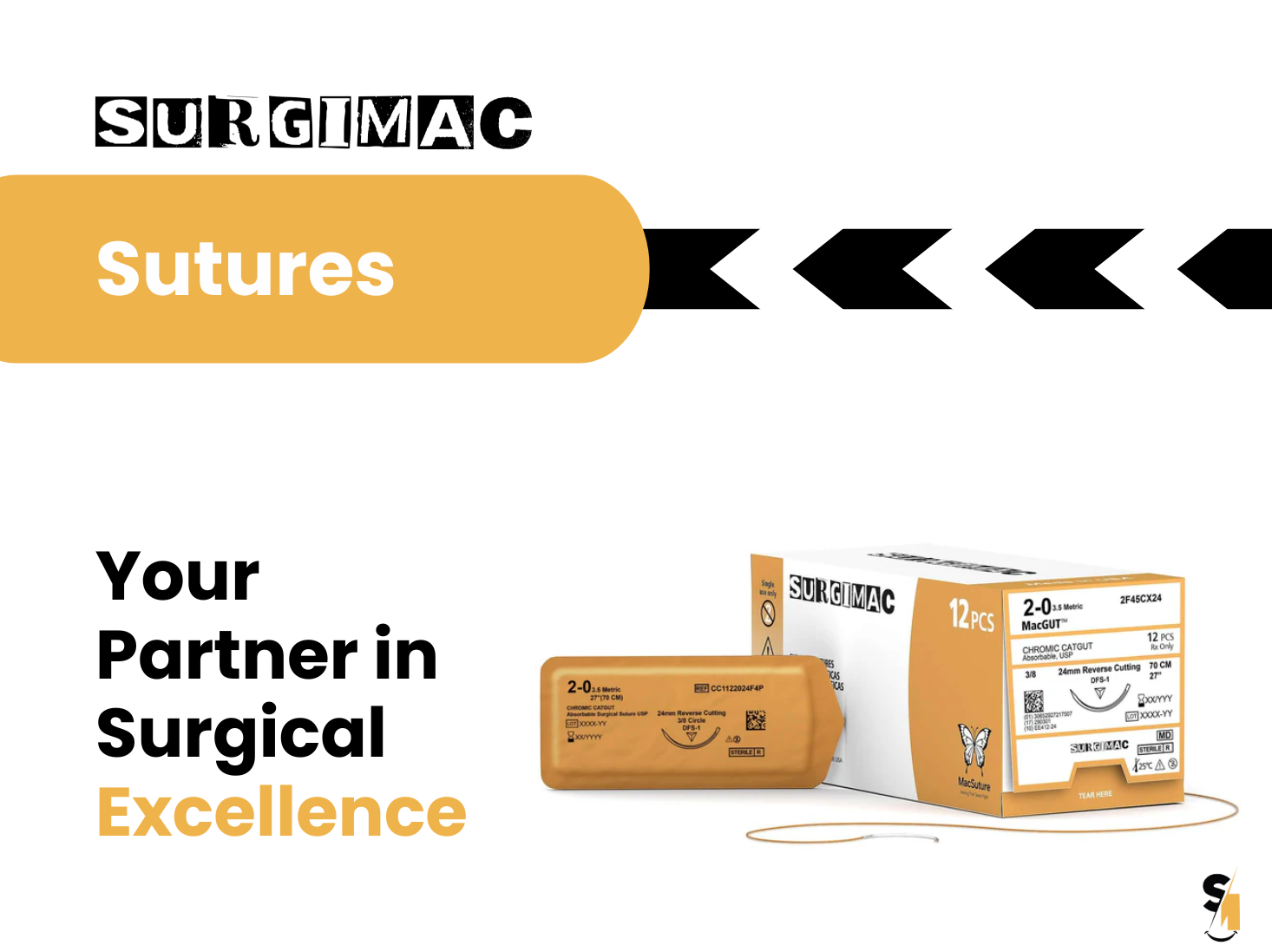
, by SurgiMac A Clinician's Guide to Absorbable Suture Material
-
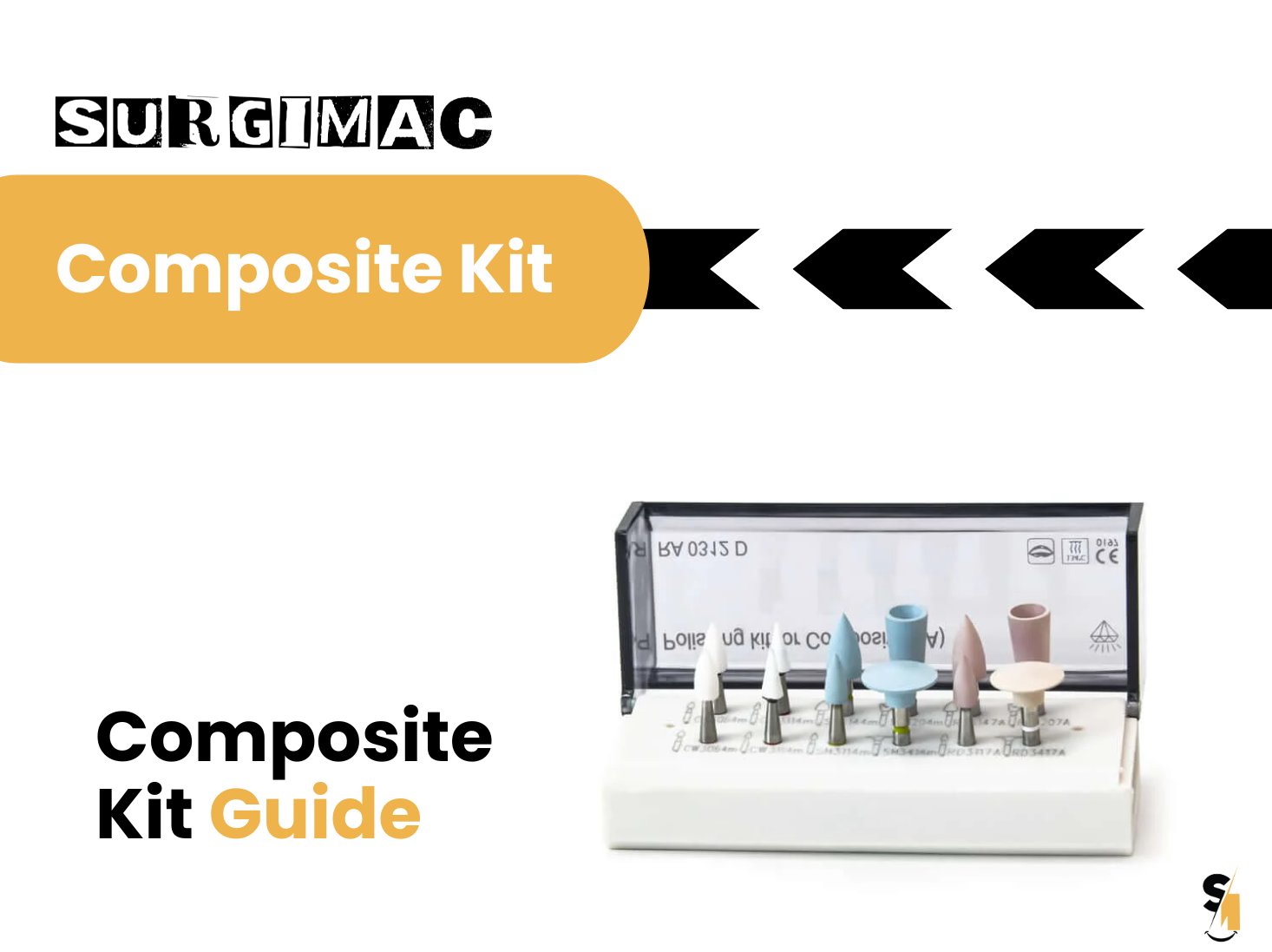
, by SurgiMac A Clinician's Guide to Dental Composite Resin Kits
-
, by SurgiMac How to Disinfect with Metrex CaviWipes Correctly
