
Self-Sealing Sterilization Pouch: A Complete Guide
- , by SurgiMac
- 40 min reading time
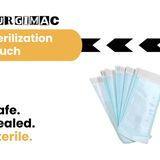
Find out how a self-sealing sterilization pouch streamlines instrument processing, saves space, and supports reliable infection control in your dental practice.
In a busy clinic, every minute counts. So why let a bulky heat sealer become a bottleneck in your sterilization workflow? It's time to reclaim your counter space and streamline your process. A self-sealing sterilization pouch is the simple, effective alternative. By integrating a secure adhesive strip and built-in chemical indicators, these pouches eliminate the need for extra machinery. This saves you space, time, and money. Your team can process instruments faster and more reliably, letting you focus on patient care. This guide will show you how to correctly integrate these pouches to optimize your workflow and ensure uncompromised sterility.
Key Takeaways
- Simplify Your Workflow with Smart Design: Self-sealing pouches eliminate the need for a heat sealer, saving your practice time and counter space. Their integrated adhesive and chemical indicators provide a reliable seal and immediate visual confirmation that sterilization conditions were met.
- Master Your Technique for Reliable Results: A pouch is only as effective as your process. Ensure successful sterilization by never overpacking, creating a complete, bubble-free seal, and storing processed packs in a clean, dry, and protected environment.
- Choose Quality Pouches for Uncompromised Safety: The pouch is the final barrier protecting your instruments, so quality is non-negotiable. Select the correct size for every tool and insist on pouches with durable, medical-grade materials and a tamper-evident seal, like those in the MacSafe line, to safeguard your patients.

What Is a Self-Sealing Sterilization Pouch?
In any dental practice, maintaining a sterile environment is non-negotiable. Self-sealing sterilization pouches are a fundamental tool in your infection control protocol, designed to keep instruments sterile from the moment they leave the autoclave until they are needed for patient care. Think of them as single-use, disposable packaging that provides a reliable sterile barrier for your instruments.
These pouches are ingeniously simple. They are typically constructed from medical-grade paper on one side and a clear, multilayered plastic film on the other. Three sides are factory-sealed, while the fourth side features a pre-folded flap with an adhesive strip. This design allows you to easily insert instruments, peel off the protective liner, and press the flap down to create a secure, airtight seal—no heat-sealing machine required. This convenience makes them an indispensable part of daily operations, ensuring every instrument is properly contained and ready for use.
How Do Self-Sealing Pouches Actually Work?
Self-sealing pouches create a sterile barrier system that protects instruments after sterilization. The process is straightforward: once instruments are cleaned and placed inside, the pouch is sealed. It then goes into an autoclave, where the sterilizing agent (like steam) penetrates the porous medical-grade paper side to sterilize the contents. The non-porous plastic film side provides a barrier against contaminants after the cycle is complete. This dual-material design is what makes them so effective, offering both permeability for sterilants and a robust defense against microbes post-sterilization. This ensures your tools remain sterile until you’re ready to use them for a procedure.
What Are Sterilization Pouches Made Of?
The effectiveness of a sterilization pouch lies in its construction. The transparent side is made from a durable, puncture-resistant blue-tinted film, which allows for easy identification of the contents without compromising the sterile barrier. The other side is made of high-quality, medical-grade paper that permits the sterilizing agent to enter while preventing microorganisms from getting in. Most pouches, including our MacSafe sterilization pouches, feature built-in internal and external indicators that change color when exposed to the proper sterilization conditions. This provides immediate, visual confirmation that the pouch has successfully gone through the sterilization cycle.
The Secret to a Perfect Seal: The Adhesive Strip
The adhesive strip is the key to the "self-sealing" feature and is critical for maintaining sterility. This strip is engineered with a high-tack, pressure-sensitive adhesive that creates a strong, tamper-evident seal capable of withstanding the high temperatures and pressure of an autoclave cycle. When you press the flap down, the adhesive forms a complete bond that prevents any gaps or channels where contaminants could enter. A proper seal ensures the pouch remains airtight and secure during handling and storage. This simple yet robust feature provides peace of mind and eliminates the need for additional equipment, streamlining your practice's workflow.
Why Your Practice Needs Self-Sealing Pouches
Integrating self-sealing sterilization pouches into your workflow is more than a matter of convenience—it’s a strategic move toward a more efficient, compliant, and safe practice. These pouches are designed to simplify one of the most critical steps in your daily operations: instrument sterilization. By removing unnecessary equipment and combining multiple functions into one simple product, they allow your team to maintain the highest standards of infection control with less effort. This means more time can be dedicated to what truly matters: providing excellent patient care. Let’s look at the specific advantages these pouches bring to a modern dental practice.
Ditch the Heat Sealer: The Instant Seal Advantage
One of the most significant benefits of self-sealing pouches is their simplicity. Each pouch comes with a pre-folded end and a strong adhesive strip, allowing you to create a secure, airtight seal by hand in just a few seconds. This design completely eliminates the need for a heat-sealing machine, which not only saves valuable counter space but also reduces equipment costs and maintenance. For busy clinics where efficiency is key, this feature streamlines the entire sterilization process. You can trust that the seal is dependable and consistent every time, providing a reliable barrier that protects your instruments until they are ready for use.
Visual Proof: Reading the Built-In Sterility Indicators
Confidence in your sterilization process is non-negotiable. Self-sealing pouches provide clear, visual confirmation that proper sterilization conditions have been met. They feature built-in internal and external indicators that change color when exposed to the correct time, temperature, and sterilant (like steam or EO gas). This dual-indicator system allows you to verify sterility at a glance, both before opening the pouch and at the point of use. It’s a simple yet critical feature that supports your practice’s infection control protocols and ensures every instrument is safe for patient use, providing peace of mind for both you and your team.
Streamline Your Workflow and Cut Costs
In any dental practice, time is a valuable resource. Self-sealing pouches help you save it by making the sterilization workflow faster and more straightforward. Because the sealing mechanism and indicators are integrated into the pouch itself, your team can process instruments more quickly without juggling multiple supplies or operating extra machinery. This efficiency translates directly into reduced labor costs and allows your staff to focus on more critical, patient-facing tasks. By choosing a single, effective product like the pouches in our MacSafe line, you streamline inventory management and simplify your supply chain, contributing to a more organized and cost-effective practice.
Quickly Identify Instruments Through the Transparent Film
An organized operatory is an efficient one. Most self-sealing pouches feature a transparent, blue-tinted side that allows for quick and easy identification of the contents without compromising the sterile barrier. This means you can quickly locate the exact tool you need, whether it’s a specific scaler or a complete surgical kit, reducing setup time for procedures. This clear visibility helps prevent mix-ups and ensures your chairside workflow is smooth and uninterrupted. When you can instantly find the right dental instruments, you can proceed with confidence and keep your appointments running on schedule.
Which Sterilization Pouch Size Do You Need?
Selecting the right sterilization pouch is just as important as the sterilization process itself. Using a pouch that’s too small can compromise the seal, while one that’s too large can allow instruments to shift and potentially puncture the material. The goal is to find a size that comfortably houses the instrument or kit without being too tight or too loose, ensuring steam or gas can circulate freely for effective sterilization.
SurgiMac offers a comprehensive range of self-sealing sterilization pouches to accommodate everything from a single bur to a full surgical cassette. Each pouch is constructed from medical-grade paper and a transparent, multilayer film, allowing for easy identification of contents while maintaining a sterile barrier. By choosing the correct size for every task, you streamline your workflow, protect your valuable instruments, and uphold the highest standards of infection control in your practice.
For Scalers and Probes: Choosing Small Pouches
Small pouches are the workhorses of daily sterilization, perfect for individual hand instruments. Think of your explorers, probes, scalers, and curettes. These pouches are designed to securely hold single items, preventing them from getting lost or damaged in the autoclave. They are ideal for organizing instruments from our Slim Series, which are known for their precision and delicate design. Using a small pouch ensures that each instrument receives optimal exposure to the sterilant and remains protected until the moment you need it, maintaining its sterility and your patient’s safety.
The Go-To Pouch for Everyday Instruments
For your everyday general instruments, medium-sized pouches offer the perfect balance of space and security. These are ideal for tools like extraction forceps, mirrors, cotton pliers, and other common instruments that are too large for a small pouch but don't require a full cassette. Available in a variety of dimensions, you can easily find the right fit for your tools. Grouping a few related instruments, like those from the versatile Pro Series, in a medium pouch can also help organize your procedural setups, making your chairside workflow more efficient and predictable.
For Kits and Cassettes: When to Use Large Pouches
When you need to sterilize an entire procedural kit, large pouches are the solution. They are designed to hold instrument cassettes or a collection of tools for more involved treatments like implant placements or surgical extractions. This ensures that all the necessary instruments, such as those in the robust Hexa Series, are sterilized together and remain organized as a single, sterile unit. Using large pouches for kits not only saves time during setup but also minimizes the handling of individual sterile items, which is a key principle of aseptic technique.
Need More Room? When to Use Gusseted Pouches
Have you ever tried to fit a bulky or oddly shaped item into a standard flat pouch? Gusseted pouches are specifically designed for this challenge. They feature expandable sides that create more volume, making them perfect for sterilizing items like impression trays, surgical mallets, or larger instrument cassettes that won't fit in a flat pouch. The gusset provides the extra space needed to accommodate the item’s depth without straining the seals. This ensures a secure closure and protects both the instrument and the integrity of the pouch throughout the sterilization cycle.
Considering Sterilization Rolls and Tubing for Custom Sizes
While pre-sized pouches cover most of your daily needs, some instruments just don’t fit the mold. For those long, oversized, or uniquely shaped tools, sterilization rolls and tubing offer the perfect solution. Think of it as custom packaging on demand. This continuous roll of pouch material allows you to cut the exact length you need for any instrument, ensuring a snug and secure fit every time. This method eliminates the waste of using a pouch that’s too large and prevents the potential damage that can occur from forcing an instrument into one that’s too small. By creating a perfectly sized package, you ensure optimal sterilant contact and maintain the integrity of the sterile barrier during storage and handling.
When to Choose Rolls Over Pre-Sized Pouches
Sterilization rolls are your go-to when dealing with instruments that defy standard dimensions. They are ideal for long surgical instruments, orthodontic pliers, or custom-assembled procedural kits that need to be kept together. While pre-sized pouches offer speed for common tools, rolls provide unmatched flexibility. This customization is not just about fit; it’s about ensuring effective sterilization by allowing proper circulation of steam or gas around the instrument. It’s important to remember that unlike self-sealing pouches, using sterilization tubing requires a heat sealer to create a secure closure on both ends. This makes it a deliberate choice for practices that frequently handle non-standard instruments and want to ensure every tool is packaged perfectly.
Your Step-by-Step Guide to Using Sterilization Pouches
Using self-sealing sterilization pouches correctly is fundamental to your practice's infection control protocol. While they are designed for convenience, a small mistake in the process can compromise the sterility of your instruments and risk patient safety. Following a consistent, step-by-step method ensures that every instrument is properly sterilized and remains sterile until the moment you need it. Let’s walk through the four essential steps for perfect pouching every time.
Step 1: How to Correctly Load Your Pouch
Before sealing, make sure your instruments are clean, dry, and arranged correctly inside the pouch. Overloading prevents proper sterilant circulation, so leave at least one inch of space around the items. For hinged instruments like forceps or scissors, keep them in an open position. Place sharp instruments with their tips facing the plastic side of the pouch to avoid puncturing the paper. This simple step protects the integrity of the pouch and ensures steam or gas can reach every surface of your valuable dental instruments. Proper loading is the first critical checkpoint for successful sterilization.
Sizing and Filling Rules to Ensure Sterility
Think of it as a golden rule for sterilization: never fill a pouch more than 75% full. This isn't just about fitting things in; it's about ensuring the sterilant can do its job. You need to leave at least one inch of space between your instruments and the edges of the pouch. This gap allows steam to circulate freely, reaching every surface and ensuring complete sterilization. Overstuffing a pouch not only blocks this critical flow but also puts stress on the seals, increasing the risk of a breach during the cycle. By following these simple sizing and filling guidelines, you protect the integrity of the pouch and the effectiveness of your entire sterilization process, safeguarding both your instruments and your patients.
Step 2: Achieving a Flawless, Airtight Seal
A secure seal is your primary defense against post-sterilization contamination. After placing your instruments inside, remove the protective strip from the adhesive. Fold the flap along the perforated line and press down firmly. Start from the center of the adhesive strip and work your way outward to the edges. This technique pushes out any trapped air and prevents wrinkles or channels from forming, which could compromise the barrier. A flat, airtight seal confirms the pouch is ready for the autoclave. For reliable results, always use high-quality sterilization pouches designed for secure adhesion.
Step 3: Loading Pouches into the Sterilizer
Arranging Pouches for Optimal Sterilant Flow
Once your instruments are securely sealed, the next critical step is loading them into the sterilizer. Proper arrangement is essential because it ensures the sterilizing agent, like steam, can effectively reach all surfaces of the pouches to guarantee thorough sterilization. To achieve this, always place pouches on their edge in a rack, rather than laying them flat. This vertical positioning promotes better circulation and also facilitates proper drying after the cycle is complete. A common best practice is to arrange them paper-side-to-plastic-side, which prevents the pouches from sticking together and further improves airflow. Remember not to overcrowd the chamber, as overpacking can block the flow of the sterilant and lead to failed cycles. Following these fundamental sterilization protocols helps maintain the integrity of your workflow and ensures your instruments are safe for patient care.
Step 3: The Critical Pre-Use Integrity Check
Before you open any sterilized pouch, perform a quick visual inspection. First, check the external chemical indicators; they should have changed to the correct color, confirming the pack has been exposed to the sterilization process. Next, examine the pouch itself for any signs of damage, such as tears, punctures, or moisture. If a pouch appears compromised in any way, you must assume its contents are no longer sterile. Discard the pouch and reprocess the instruments. This final check is a non-negotiable part of your infection control routine and protects both your patients and your practice.
Step 4: Proper Storage to Maintain Sterility
How you store your sterilized packs is just as important as how you process them. Store pouches in a clean, dry, and climate-controlled area, away from direct sunlight and moisture. Closed cabinets are ideal for protecting packs from airborne contaminants and physical damage. Avoid stacking pouches too tightly or placing heavy objects on top of them, as this can compromise the seals. Organize your inventory using a "first in, first out" system to ensure you always use the oldest sterile packs first. Proper storage maintains the sterility shelf-life and ensures your instruments are ready and safe for patient use.
Advanced Pouching Techniques
While the standard pouching procedure covers most of your daily needs, some situations call for more specialized techniques. Heavy, sharp, or complex instrument kits require extra attention to ensure the sterile barrier isn't compromised during processing or storage. Mastering these advanced methods helps protect your instruments, maintain sterility, and ensure every procedure is performed with safe, properly sterilized tools. These techniques aren't for every situation, but knowing when and how to use them is a mark of a well-managed infection control system.
The Correct Method for Double Pouching
Double pouching—placing one sealed pouch inside another—is a useful technique for organizing procedural kits or providing an extra layer of protection for heavy or complex instrument sets. However, it must be done correctly to be effective. The key is to ensure the sterilant can penetrate both pouches. To do this, you must place the inner pouch so that its paper side faces the paper side of the outer pouch, and the plastic side faces the plastic. This paper-to-paper configuration allows steam to pass through and sterilize the contents effectively. Folding the inner pouch to make it fit is never a good idea, as it creates barriers that can prevent complete sterilization.
Handling Heavy or Sharp Instruments Safely
Heavy or sharp instruments pose the greatest risk of puncturing a sterilization pouch, which immediately compromises the sterile barrier. When packaging these items, always select a pouch made from durable, tear-resistant materials. For exceptionally sharp instruments, like our MacCut surgical blades or periodontal scalers, always place the tip facing the plastic film side of the pouch, never the paper. The multilayer plastic is far more resistant to punctures. For bulky or heavy items, consider using a gusseted pouch, which provides extra room and reduces stress on the seals, ensuring the pouch's integrity is maintained throughout the entire sterilization cycle.
Are You Making These Common Sterilization Pouch Mistakes?
Using self-sealing sterilization pouches seems straightforward, but small errors in your process can compromise the sterility of your instruments and risk patient safety. Even the most routine tasks deserve attention to detail. By being mindful of a few common pitfalls, you can ensure your practice’s infection control protocols are consistently effective and reliable. Let’s walk through the most frequent mistakes and how to correct them, so you can maintain the highest standards of care with every single instrument you process.
Mistake #1: Overloading the Pouch
It can be tempting to fit as much as possible into one pouch to save time, but overpacking is a critical error. When a pouch is too full, the sterilizing agent—whether it's steam or EO gas—cannot circulate freely around the instruments. This creates pockets where sterilization may not occur, leaving microorganisms behind. The pouch is designed to provide a protective barrier and clear proof of sterilization, but it can only do its job if there's enough space for the process to work. As a rule of thumb, fill pouches no more than three-quarters full and ensure instruments don’t overlap or puncture the material.
Mistake #2: Creating a Faulty Seal
The self-sealing adhesive strip is designed for a perfect, airtight closure, but only if it’s applied correctly. A common mistake is to seal the pouch unevenly, creating gaps or wrinkles that can compromise the sterile barrier after the cycle is complete. To ensure a proper seal, fold at the perforated line and press the adhesive strip firmly onto the pouch. Apply pressure starting from the center and moving outward toward the edges. This technique pushes out any trapped air and creates a continuous, secure bond that maintains sterility until the moment you open it chairside. A flawless seal is your first line of defense in preserving instrument integrity.
Mistake #3: Reusing Single-Use Pouches
Self-sealing sterilization pouches are designed and validated for single use only. Reusing them is a significant breach of infection control protocol. The paper and plastic materials are not built to withstand multiple sterilization cycles; the heat and pressure can degrade the pouch’s integrity, leading to microscopic tears or a weakened seal. Research has shown that reusing pouches can lead to contamination and ineffective sterilization. Always discard pouches after one use. Sticking to high-quality, single-use disposables is a non-negotiable part of protecting your patients and your practice.
Mistake #4: Misreading the Sterility Indicators
The color-changing indicators on sterilization pouches are incredibly helpful, but they are often misunderstood. These external and internal indicators confirm that the pouch has been exposed to the conditions required for sterilization (e.g., specific temperature or chemical concentration). However, they do not guarantee that the contents are sterile. For example, if a pouch was overpacked or sealed improperly, the indicator might change color, but the instruments inside may not be sterile. Think of them as process indicators, not sterility indicators. Always use them in conjunction with proper loading, sealing, and regular biological monitoring of your sterilizer.
Your Checklist for Buying the Best Sterilization Pouches
Not all sterilization pouches are created equal. When you’re stocking your supply closet, the right choice can make a significant difference in your practice’s efficiency and safety. To ensure your instruments are perfectly sterilized and your workflow is seamless, look for pouches that check every box on this list. These features are non-negotiable for maintaining the highest standards of infection control and protecting your patients and staff. Think of this as your go-to guide for sourcing reliable, high-performance pouches that you can trust every single time. Making an informed decision here isn't just about compliance; it's about building a system of safety that runs smoothly in the background of your busy day. The right pouch simplifies processes, reduces the risk of human error, and ultimately upholds the integrity of every procedure you perform. From the material construction to the clarity of the indicators, each detail contributes to a successful sterilization outcome. Before you place your next order, take a moment to review these critical features. They will help you select a product that not only meets industry standards but also supports the specific needs of your clinical team, ensuring every instrument is ready and safe for patient care.
Ensure Compatibility with Steam and EO Gas
Your practice needs supplies that are versatile and can adapt to your specific sterilization equipment. The best self-sealing pouches are designed for use with both steam autoclaves and Ethylene Oxide (EO) gas systems. This dual compatibility ensures you can confidently sterilize a wide range of instruments without needing to stock multiple types of pouches. Whether you’re running a routine steam cycle or using EO for heat-sensitive items, having a single, reliable pouch simplifies inventory management and ordering. It’s a practical feature that provides flexibility and ensures your clinic is always prepared.
Matching Pouch Material to Your Sterilization Method
Choosing the right pouch isn’t just about size; it’s about material science. The materials used in a sterilization pouch are specifically engineered to work with certain sterilization methods. Using the wrong type of pouch for your sterilizer can do more than just waste a pouch—it can lead to failed sterilization, damaged instruments, and even create a safety hazard in your clinic. Understanding the difference between common pouch materials is a critical step in ensuring your infection control process is both effective and safe. Let's break down which materials are designed for which methods.
Paper and Plastic Pouches for Steam and EO
For most dental practices, the go-to sterilization method is a steam autoclave, and the standard pouch for this is the paper-and-plastic combination. These pouches, like those in our MacSafe line, are constructed with medical-grade paper on one side and a clear, durable plastic film on the other. This design is simple but highly effective. The paper side is porous, allowing steam or Ethylene Oxide (EO) gas to penetrate and sterilize the instruments inside. Once the cycle is complete, the non-porous plastic film provides a robust barrier against microorganisms, while also allowing you to see the contents. This dual-material construction is the industry standard for its reliability and effectiveness in the most common sterilization environments.
Tyvek Pouches for Low-Temperature Sterilization
If your practice uses low-temperature sterilization methods like Vaporized Hydrogen Peroxide (VHP) for heat-sensitive or delicate instruments, standard paper pouches won't work. For these systems, you need pouches made with Tyvek, a high-density synthetic material. Unlike paper, Tyvek is resistant to the chemicals used in low-temperature sterilization and allows the sterilant to pass through effectively without being absorbed or breaking down. These pouches are typically paired with a plastic film side, similar to standard pouches, for visibility and to create a microbial barrier. While less common in general dentistry, knowing about Tyvek is essential for any practice that sterilizes specialized, heat-sensitive equipment.
Critical Safety: Why Using the Wrong Pouch is Dangerous
Mismatched materials and methods are a recipe for failure and can be genuinely dangerous. Never use a Tyvek pouch in a steam autoclave. The high heat of the steam will melt the Tyvek, destroying the pouch, compromising the instruments, and potentially damaging your sterilizer. Conversely, using a paper pouch in a VHP system is just as hazardous. The paper can absorb the hydrogen peroxide, preventing the sterilant from reaching the instruments and rendering the cycle ineffective. This absorption can also damage your instruments or, in a worst-case scenario, create a fire hazard. Always confirm that your pouch is compatible with your sterilization method—it’s a simple check that protects your patients, your team, and your equipment.
Look for Clear Internal and External Indicators
How can you be certain a sterilization cycle was successful? The answer lies in clear, easy-to-read process indicators. Look for pouches that feature both internal and external indicators that change color upon exposure to the correct sterilization conditions. These visual cues provide immediate confirmation that the contents have been processed, eliminating guesswork and adding a critical layer of assurance to your protocol. The external indicator confirms the pouch went through a cycle, while the internal one verifies that the sterilant penetrated the packaging and reached the instruments inside.
Why Medical-Grade Materials Are Non-Negotiable
The materials used to construct a sterilization pouch are fundamental to its performance and safety. Always choose pouches made from medical-grade paper and transparent film. This construction is strong enough to resist tearing during handling but porous enough to allow the sterilant to penetrate effectively. Furthermore, opting for latex-free materials is essential for protecting both staff and patients from potential allergic reactions. High-quality, durable materials ensure the pouch maintains its integrity from the sterilizer to the point of use, safeguarding the sterility of your valuable dental instruments.
Verify FDA Classification and Regulatory Compliance
When you purchase sterilization pouches, you're not just buying a disposable bag; you're investing in a regulated medical device that is critical to patient safety. It’s essential to ensure the pouches you use meet strict federal standards for performance and reliability. Sourcing your supplies from a trusted provider ensures that every product, including our MacSafe sterilization pouches, is manufactured to comply with these regulations. This verification step is fundamental to your practice's risk management and infection control protocols, providing the assurance that your tools are protected by a barrier that has been proven effective.
Understanding Class II Medical Device Standards
Sterilization pouches are classified by the FDA as Class II Medical Devices. This designation is for devices that pose a moderate risk to patient safety if they fail. Because of this, they are subject to special controls, including performance standards and rigorous testing, before they can be legally marketed. This means the pouches you use must have FDA 510(k) clearance, which confirms they are as safe and effective as another legally marketed device. This clearance process validates that the pouch can withstand specific sterilization cycles and maintain a sterile barrier, ensuring it performs as expected in a clinical setting.
The Importance of Following the Manufacturer's IFU
The manufacturer's Instructions for Use (IFU) is more than just a set of recommendations—it's a critical component of the device's FDA validation. The pouch has been tested and proven effective only when used according to these specific directions. The IFU outlines everything from proper instrument loading and sealing techniques to the exact sterilization cycles for which the pouch is approved. Deviating from these instructions, even slightly, can invalidate the sterilization process and compromise patient safety. Always check the manufacturer's instructions to ensure you are using the product correctly and maintaining compliance.
Demand a Secure, Tamper-Evident Seal
A pouch is only as good as its seal. The adhesive strip should create a secure, airtight closure that protects the contents from contamination after sterilization. Look for pouches with a wide, strong adhesive strip that provides a tamper-evident seal. This ensures that once the pouch is sealed, it cannot be opened and resealed without clear evidence, giving you complete confidence that the instrument’s sterility is intact. A reliable seal is your final guarantee that the instruments remain sterile until you are ready to use them, which is a cornerstone of the MacSafe product philosophy.
How Long Does a Sterilized Pouch Stay Sterile?
One of the most common questions in any practice is about the shelf life of sterilized instruments. The answer isn't as simple as a date stamped on a package. Modern infection control standards have shifted from a time-related model to an event-related one. This means a pouch is considered sterile until an event—like a tear, moisture exposure, or improper handling—compromises its integrity.
While there's no universal expiration date, how you handle and store your pouches is the single most important factor in maintaining sterility. Proper protocol ensures that when you reach for an instrument, it’s as safe and ready for use as the day it came out of the autoclave. Let's walk through the guidelines and best practices to keep your instruments sterile and your practice compliant.
What Is the Shelf Life of a Sterilized Pouch?
While the industry focuses on event-related sterility, it's helpful to have a general timeframe for inventory management. Most manufacturers recommend a shelf life, but this is always conditional on ideal storage. Research has shown that paper and plastic pouches can maintain sterility for extended periods—one study indicated at least six months when kept in a closed, controlled environment.
Think of the manufacturer's date as a guideline for your "first in, first out" system, not a hard-and-fast rule. The real key is to regularly inspect your inventory. A pouch from last week that was dropped on a wet floor is compromised, while a properly stored pouch from months ago can remain perfectly sterile. Your practice's infection control protocol should prioritize the condition of the pouch over its age.
Event-Related Sterility vs. Time-Related Expiration
The concept of event-related sterility is the current standard in infection control. This model moves away from a fixed expiration date and instead asserts that a package remains sterile until an event compromises its integrity. Think of it this way: the sterility of an instrument isn't determined by a calendar but by its journey from the autoclave to the patient. An "event" could be a tear in the pouch, exposure to moisture, a puncture from a sharp instrument, or even being dropped on the floor. This approach places the responsibility on the clinical team to inspect every pouch before use, ensuring the packaging is intact and has not been compromised. It’s a more logical and practical system that prioritizes the actual condition of the sterile barrier over an arbitrary date.
CDC Guidance on Long-Term Sterility
The Centers for Disease Control and Prevention (CDC) supports the event-related model for sterility. Their guidelines emphasize that the shelf life of a sterilized pack depends entirely on the quality of the packaging material and the storage conditions. While there's no universal expiration date, how you handle and store your pouches is the single most important factor in maintaining sterility. Proper protocol ensures that when you reach for an instrument, it’s as safe and ready for use as the day it came out of the autoclave. This means storing packs in a clean, dry, climate-controlled area, away from potential contaminants. Using high-quality pouches from a trusted line like MacSafe ensures the packaging is durable enough to withstand proper storage, providing a reliable barrier for your infection control system.
How Storage Conditions Affect Pouch Sterility
The environment where you store your sterilized packs plays a critical role in maintaining their integrity. A pouch’s barrier can be compromised by a variety of factors, including humidity, dust, pests, and accidental damage. As one study confirms, keeping sterilized items in a closed storage area is crucial for maintaining sterility.
To protect your instruments, store them in clean, dry, closed cabinets away from high-traffic areas and sources of moisture like sinks or windows. Avoid temperature extremes and direct sunlight, as these can weaken the pouch material and adhesive over time. By controlling the storage environment, you actively prevent the "events" that lead to contamination, ensuring your MacSafe protocols are effective and your instruments remain sterile until they are needed.
Best Practices for Storing Your Sterile Pouches
Proper storage is an active process that protects your instruments and your patients. Start by organizing your sterile packs with a "first in, first out" (FIFO) system to ensure older stock is used first. Label pouches with the date of sterilization to make this process simple.
When placing pouches in cabinets, lay them on their side or use dividers to prevent them from being crushed, which can compromise the seals. Never stack them too high or cram them into drawers. Before you ever use an instrument, perform a final check. Carefully inspect the pouch for any tears, punctures, or broken seals. If you see any sign of damage or moisture, consider the contents contaminated and re-sterilize them in a new pouch. This final inspection is a non-negotiable step in your sterilization workflow.
Why Your Sterilization Pouch Brand Matters
When it comes to infection control, the brand of sterilization pouch you choose matters just as much as your technique. A pouch failure can compromise an entire sterile load, risking patient safety and wasting valuable time and resources. Selecting a brand known for quality, reliability, and consistency is a foundational step in building a safe and efficient practice. Trusted brands invest in superior materials, rigorous testing, and thoughtful design to ensure their products perform flawlessly every time, giving you and your team peace of mind.
Why Clinicians Trust MacSafe™ Sterilization Pouches
Clinicians often choose SurgiMac pouches because they are engineered with the specific demands of a dental practice in mind. The primary focus is on reliability and effectiveness in maintaining sterility, which is non-negotiable for patient safety. The SurgiMac Self Seal Sterilization Pouch is a prime example, recognized for its high-quality materials and robust construction. This ensures that your dental instruments remain sterile from the autoclave to the moment of use. When you can trust your pouches to perform without fail, you can focus entirely on providing excellent patient care, confident that your infection control protocols are secure.
What Defines a High-Quality Pouch Brand?
When evaluating different brands, it’s the small details that often indicate superior quality. Look for features that go beyond the basics. For instance, some pouches, like the Defend Self-Seal Sterilization Pouch, feature a double-wide seal that significantly enhances puncture protection. This is a critical feature for safeguarding sharp or delicate instruments during the sterilization cycle and handling. You can find these thoughtful design elements across many high-quality sterilization products. A quality brand consistently delivers on features like clear color-changing indicators, durable medical-grade paper, and tear-resistant film, ensuring every pouch meets the highest clinical standards.
Look for Class 4 Chemical Indicators
When evaluating pouches, one of the most critical features is the type of chemical indicator. You should look for pouches with Class 4 chemical indicators, as they are designed to react to two or more critical variables of the sterilization process, like time and temperature. This provides a much higher level of assurance than simpler indicators. High-quality self-sealing sterilization pouches integrate these indicators both internally and externally. This dual system offers immediate, clear visual confirmation that the pouch has been properly processed. The external indicator tells you at a glance that the pack has been through the autoclave, while the internal one, visible through the clear film, confirms that the sterilant penetrated the pouch and reached the instruments inside. This isn't just a convenience; it's a fundamental component of your practice's quality assurance.
Check for Reinforced Seals and Easy-Open Features
The integrity of a sterilization pouch is only as strong as its seal. A premium pouch will feature a wide, reinforced adhesive strip designed to create a complete, tamper-evident closure. This isn't just any adhesive; it's engineered to withstand the intense heat and pressure of an autoclave cycle without failing. When you press the flap down, it should form a continuous bond that leaves no gaps or channels for contaminants to enter post-sterilization. At the same time, the pouch should be easy to open without shredding or tearing, which could shed fibers onto your sterile instruments. Look for pouches with a thumb notch or pre-folded corner to facilitate a clean, aseptic opening. This combination of a robust seal and thoughtful design is a hallmark of quality sterilization supplies.
Beyond the Pouch: The Value of Brand Reliability
Ultimately, reliability is the cornerstone of any sterilization product. Brands like MARK3 build their reputation on this by offering pouches with outstanding puncture protection and a secure seal you can depend on. The design of MARK3 Self Sealing Sterilization Pouches is focused on providing a completely secure closure, which is essential for maintaining sterility over time. Beyond the product itself, consider the support offered by the manufacturer or supplier. Having access to reliable customer service ensures that any questions about product use, storage, or compliance can be addressed quickly, helping your practice run smoothly and safely.
Where Should You Buy Your Sterilization Pouches?
Once you know what to look for in a sterilization pouch, the next step is finding a reliable source. Your supplier is more than just a vendor; they are a partner in your practice’s infection control protocol. A dependable supply chain ensures you never have to compromise on safety due to stock shortages or low-quality products. The right partner provides consistent access to high-quality supplies, helping you maintain the highest standards of patient care and operational efficiency.
Does Buying in Bulk Actually Save You Money?
Stocking up on sterilization pouches is one of the smartest moves you can make for your practice’s budget and workflow. Buying in bulk almost always reduces the cost per unit, freeing up funds for other essential clinical needs. Beyond the financial savings, it ensures your team always has the necessary supplies on hand, preventing workflow interruptions that can delay procedures and frustrate both staff and patients. Having a ready supply of various sizes means you’re always prepared, whether you’re sterilizing a single instrument or a full cassette. High-quality sterilization supplies are a cornerstone of infection control, and keeping them well-stocked is key to a smoothly running practice.
How to Find the Best Value, Not Just the Lowest Price
Finding the best value isn’t just about finding the lowest price. True value lies in the intersection of cost, quality, and reliability. A pouch that fails to maintain sterility is far more costly than a premium one, leading to wasted time, resources, and potential risks. Look for products with strong clinical ratings and positive peer feedback, as this indicates proven performance in real-world settings. A supplier that offers a curated selection of trusted brands gives you the flexibility to choose products that deliver consistent, dependable results for your practice’s specific infection control needs.
How to Choose the Right Supplier for Your Practice
Selecting the right supplier is crucial for maintaining the integrity of your sterilization process. A great supplier does more than just ship boxes; they provide peace of mind. Look for a company with a strong reputation for quality and a comprehensive catalog of dental equipment and supplies. Your supplier should offer a range of pouch sizes and types, maintain consistent inventory to prevent backorders, and provide responsive customer support. Ultimately, your choice of supplier directly impacts the safety of your team and patients. Partnering with a trusted provider like SurgiMac ensures you receive products that meet rigorous safety standards, helping you uphold your commitment to clinical excellence.
Frequently Asked Questions
Related Articles
Tags
Blog posts
-
, by SurgiMac A Clinician's Guide to Absorbable Suture Material
-
, by SurgiMac A Clinician's Guide to Dental Composite Resin Kits
-
, by SurgiMac How to Disinfect with Metrex CaviWipes Correctly
