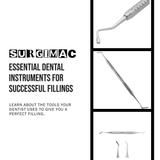
Get a clear guide to dental filling instruments, their functions, and tips for choosing quality tools to improve your restorative procedures and patient outcomes.
As a dental professional, you use your restorative instruments every single day. But how often do you take a step back to evaluate the tools that form the backbone of your clinical work? Having a deep understanding of your dental filling instruments, from the metallurgy of an excavator to the specific angulation of a carver, can refine your technique and improve your outcomes. This guide serves as a comprehensive resource on the essential instruments for any restorative procedure. We will cover the function of each tool, what to look for in terms of quality and design, and how to assemble a kit that prepares you for any clinical scenario, ensuring you have reliable, high-performance tools like those in the SurgiMac Pro Series at your fingertips.
Why Your Choice of Dental Filling Instruments Matters
Fillings are integral to dental health, restoring the function and aesthetics of damaged teeth. A myriad of dental instruments are employed to craft impeccable fillings, with each tool having its unique role. Let's delve into the significance of these dental instruments and the different types that enhance filling procedures.
The Must-Have Instruments for Every Filling Procedure
Dentists use a combination of dental filling instruments to create perfect fillings. These instruments play a vital role in cavity preparation, removal of decay, shaping, and polishing the fillings.
Table: Qualities of Effective Dental Filling Instruments
| Qualities |
Explanation |
| Crafted from High-Quality Material |
Durability and precision in instrument design. |
| Corrosion-Free |
Instruments remain reliable and safe for use. |
| Excellent Gripped Handle |
Ensures comfortable and precise handling. |
| Polished Surface and Working End |
Facilitates smooth maneuverability within the oral cavity. |
Examples of instruments used in dental filling procedures:
Explore composite dental filling instruments
What Makes a Great Dental Filling Instrument?
Quality matters! For dental professionals, these attributes translate into accurate and comfortable procedures. The instruments must be:
-
Durable: Crafted from top-quality material.
-
Reliable: Corrosion-free and safe for use.
-
Comfortable: Excellent gripped handle for ease of use.
-
Functional: Polished surface and working end for smooth handling.
How Dental Matrix Systems Ensure Perfect Contours
Dental matrix systems play a vital role in ensuring accurate placement of filling material, enhancing both longevity and aesthetics of dental fillings. The use of a dental matrix helps dentists place and shape the fillings, ensuring a natural finish.
Matching Your Instruments to the Filling Material
Selecting the right instruments is an art and a science. From composite to other materials, choosing the correct instruments is vital. The table below offers insights into matching dental instruments with specific filling materials and cavity designs.
Real-world examples include the use of a:
Woodson instrument for plastic filling
Crown spreader for facilitating root canal fillings
Morrel Crowns & Bridges Remover and
Dental Burnisher for posterior occlusal contouring instruments.
Key Instruments for Your Filling Tray
For deeper understanding and access to comprehensive kits, you may explore trusted references like SurgiMac's collection of restorative dental instruments.
Key Features of Modern Instruments
Modern dental filling instruments are far more than simple tools; they are precision-engineered devices designed for optimal performance. Crafted from high-quality materials like premium-grade stainless steel, they ensure both durability and the accuracy required for intricate dental procedures. This choice of material is fundamental, as it provides excellent resistance to corrosion and guarantees the instrument can withstand repeated sterilization cycles without degrading. For clinicians, this means relying on tools that maintain their integrity and sharpness over time. Instrument lines like the SurgiMac Pro Series are built on this principle, offering reliability and balance that professionals can depend on for consistent clinical outcomes day after day.
Non-Stick Coatings and Specialized Designs
Working with composite resins can be challenging due to their sticky consistency, which can lead to material pull-back and difficult handling. To address this, many modern instruments feature specialized coatings. As noted by industry experts, instruments coated with materials like titanium are exceptionally non-stick, preventing the filling material from adhering to the tool. This allows for a much smoother application and shaping process, reducing chair time and frustration. Beyond non-stick properties, advanced coatings can also enhance visibility. The SurgiMac Titanium Black Series, for example, features a specialized finish that reduces glare and improves contrast, allowing for greater precision during delicate restorative work.
Common Characteristics of Professional Instruments
For dental professionals, the quality of an instrument directly impacts the precision and comfort of every procedure. The best tools share a few core characteristics: they must be durable, reliable, comfortable, and functional. Durability ensures they can handle the demands of a busy practice, while reliability means they perform consistently every single time. Comfort, however, is just as critical. Ergonomically designed instruments, such as those in the SurgiMac Air Series, are crafted for flawless balance and ease of use, helping to minimize hand fatigue during long procedures. Ultimately, a functional instrument feels like a natural extension of the clinician's hand, enabling them to work with confidence and focus entirely on achieving the best possible patient outcome.
Why Precision Instruments Lead to Better Outcomes
Modern dental care demands precision, and choosing the right dental filling instruments is pivotal to achieving perfect results. From material selection to maneuverability, every aspect contributes to the success of a filling. So go on, explore and invest in top-notch instruments. Your patients' smiles depend on it!
Also check out our articles on:
A Clinician's Guide to Essential Filling Instruments
A successful restorative procedure depends on having the right tools at your fingertips. Each instrument in a filling tray has a specific function, from diagnosing decay to sculpting the final restoration. Using high-quality, ergonomic instruments not only improves clinical outcomes but also reduces hand fatigue during intricate procedures. For clinicians who prioritize comfort and control, instrument lines like the Air Series offer exceptional balance, while the Slim Series provides a compact design for maximum efficiency. Let's break down the essential instruments that should be part of every restorative setup.
Specific Types of Filling Instruments
The standard filling tray is equipped with a range of instruments designed for specific tasks in the restorative workflow. From initial examination to the final polish, each tool plays a critical role. Mastery of these instruments allows for efficient and precise placement of restorative materials, ensuring the final filling is both functional and aesthetically pleasing. Having a well-organized and complete set of these tools is fundamental to predictable, high-quality dental care.
Explorer
The dental explorer is a primary diagnostic tool. Its sharp, pointed end is used to carefully examine tooth surfaces for caries, check the margins of existing restorations, and detect any irregularities. It provides tactile feedback that visual examination alone cannot offer, making it indispensable for accurate diagnosis and treatment planning before any restorative work begins.
Excavator
Once decay is identified, an excavator is used to remove it. Often designed with a spoon-shaped tip, this instrument allows for the gentle and effective removal of soft, carious dentin from the cavity preparation. Its design ensures that healthy tooth structure is preserved while the infected tissue is thoroughly cleared, preparing the tooth for the filling material.
Composite Placement Instrument (PFI)
When working with composite resin, a specialized composite placement instrument, or PFI, is essential. These instruments are used to carry, place, and sculpt the material within the cavity preparation. Many are coated with non-stick materials like titanium to prevent the composite from pulling back. For enhanced visibility and reduced glare, instruments from the Titanium Black Series are an excellent choice for this delicate work.
Condenser (or Plugger)
A condenser, also known as a plugger, is used to pack restorative material firmly into the cavity preparation. It features a flat-ended tip that applies vertical pressure to condense the material, eliminating voids and ensuring a dense, durable restoration. This step is crucial for both amalgam and composite fillings to achieve proper adaptation to the cavity walls.
Burnisher
After the material is condensed, a burnisher is used to smooth the surface of the filling before it is fully cured or set. With a smooth, rounded head, burnishers help pre-shape the anatomy and begin the process of contouring the restoration. Common types include the ball, football, and acorn burnisher, each suited for different areas of the tooth.
Carver
Carvers are the primary tools for shaping and contouring the filling to replicate natural tooth anatomy. Instruments like the Cleoid-Discoid or Hollenback carver are used to create grooves, cusps, and fossae, ensuring the restoration fits seamlessly into the patient's occlusion. Proper carving is key to the function and longevity of the filling.
Amalgam Carrier
For amalgam restorations, an amalgam carrier is used to pick up a portion of the mixed amalgam and transfer it into the prepared cavity. This double-ended instrument features hollow cylinders that are filled with the material, which is then ejected into the tooth with a plunger-like mechanism, allowing for controlled and efficient placement.
Matrix Retainer and Bands
When a filling involves an interproximal surface, a matrix retainer and band are used to create a temporary wall, allowing the restorative material to be packed and contoured correctly. The Tofflemire retainer is a common system that holds a thin metal or plastic band tightly around the tooth, preventing material extrusion and helping to establish a proper contact point with the adjacent tooth.
The Step-by-Step Filling Process
The clinical workflow for placing a dental filling is a systematic process that requires precision at every stage. From preparing the tooth to the final polish, each step builds upon the last to create a durable and functional restoration. This process ensures that the restorative material adheres properly, restores the tooth's natural form, and fits comfortably within the patient's bite. Following a consistent and meticulous procedure is key to achieving predictable and long-lasting results for your patients.
Preparation: Etching and Bonding
The process begins after the cavity has been prepared and all decay has been removed. For composite fillings, the tooth surface is first treated with an acid etch. This microscopic roughening of the enamel and dentin creates a stronger mechanical bond. After rinsing and drying the etch, a bonding agent is applied. This agent acts as an adhesive interface between the tooth structure and the composite material, ensuring a tight seal that prevents microleakage.
Placement: Applying the Composite Material
Once the bonding agent is light-cured, the composite filling material is placed into the preparation in small increments. Layering the material this way allows for thorough curing of each layer and helps manage polymerization shrinkage, reducing stress on the tooth. Each layer is carefully sculpted and adapted to the cavity walls using a composite placement instrument before being cured with a high-intensity curing light.
Using a Matrix for Anterior Teeth
For fillings on anterior teeth that involve the interproximal surface, a clear matrix strip is used instead of a metal band. This transparent strip is placed between the teeth to contain the composite material and prevent it from bonding to the adjacent tooth. Its transparency allows the curing light to penetrate and fully harden the material, ensuring a properly contoured and sealed restoration.
Finishing and Polishing
After the final layer of composite is placed and cured, the restoration is shaped and refined using a series of finishing burs and diamonds in a high-speed handpiece. This step removes any excess material and defines the final anatomy of the tooth. The goal is to create a smooth surface that blends seamlessly with the natural tooth structure, followed by polishing with discs, cups, or points to achieve a high-luster, stain-resistant finish.
Checking for Extra Material and Adjusting the Bite
The final step is to check the occlusion to ensure the filling is not "high" and does not interfere with the patient's bite. Articulating paper is placed between the teeth, and the patient is instructed to bite down and grind lightly. Any dark marks left on the filling indicate high spots, which are then carefully adjusted with a fine finishing bur or disc until the bite is even and comfortable.
Essential Accessories for Fillings
Beyond the core instruments, several essential accessories are required to complete a filling procedure successfully. These items play crucial supporting roles, from ensuring proper occlusion to creating ideal contours. Having these accessories readily available on your tray streamlines the workflow and contributes significantly to the quality and precision of the final restoration. They are the unsung heroes that help turn a good filling into a great one.
Articulating Paper and Forceps
Articulating paper is a simple but critical tool for verifying the final occlusion. Held by specialized forceps, this inked paper marks the points of contact between the upper and lower teeth. These marks guide the clinician in making precise adjustments to the new filling, ensuring it does not interfere with the patient's natural bite pattern and preventing future discomfort or occlusal trauma.
Finishing Burs and Diamond Points
A comprehensive set of finishing burs and diamond points is vital for the final shaping and polishing of any restoration. These are used with a handpiece to smooth rough margins, refine anatomical contours, and polish the filling to a high gloss. A smooth surface is not only more aesthetic but also less prone to plaque accumulation and staining, contributing to the overall health and longevity of the restoration.
Wedges
When using a matrix band for an interproximal filling, a wedge is inserted into the gingival embrasure. Wedges serve two main purposes: they secure the matrix band tightly against the tooth at the gingival margin to prevent overhangs, and they provide slight separation between the teeth. This separation compensates for the thickness of the matrix band, ensuring a tight, definitive contact point is re-established once the band is removed.
Context for Clinicians: Cost and Longevity of Dental Fillings
Beyond the clinical procedure, understanding the factors that influence the cost and lifespan of dental fillings is important for patient communication and practice management. These elements are interconnected; the quality of the materials and the precision of the technique directly impact the restoration's durability. Discussing these aspects with patients helps set realistic expectations and reinforces the value of high-quality dental care.
Factors Affecting Filling Cost
The cost of a dental filling procedure is influenced by several factors. The type of material used—such as composite resin, amalgam, or ceramic—plays a significant role, as does the size and location of the cavity. A larger, more complex restoration that requires more time and material will naturally have a higher cost. Additionally, geographic location and insurance coverage can affect the final price for the patient.
Lifespan of a Dental Filling
The longevity of a dental filling can range from 5 to 15 years, and sometimes longer. This lifespan depends heavily on the filling material, the patient's oral hygiene habits, and their diet. For example, a well-placed composite filling can last for many years with proper care. Using high-quality restorative instruments and materials, combined with meticulous technique, gives every restoration the best possible chance for long-term success.
Frequently Asked Questions
How do I choose between different instrument series for my practice? Think about your primary clinical needs and personal preferences. If you perform long, intricate restorative procedures and prioritize minimizing hand fatigue, the lightweight, ergonomic design of the Air Series is an excellent choice. For a reliable, all-around workhorse that delivers consistent performance across a wide range of procedures, the Pro Series offers exceptional durability and balance. Your choice ultimately depends on what feels best in your hand and supports your specific workflow.
What is the best way to maintain my restorative instruments to ensure their longevity? Proper care is key to protecting your investment. After each use, thoroughly clean your instruments to remove all debris before sterilization. Follow the manufacturer's guidelines for autoclaving to prevent corrosion and damage. Storing them in an organized cassette system not only protects the delicate working ends but also streamlines your procedural setup. Regular inspection for any signs of wear or dullness will ensure they always perform at their best.
How does an instrument's finish, like on the Titanium Black Series, actually improve visibility? The dark, matte finish of instruments like those in the Titanium Black Series is designed to absorb light rather than reflect it. This significantly reduces the glare from your overhead clinical light, which can be a major source of eye strain. By minimizing reflections, the instrument creates a better contrast against the tooth structure and the restorative material, allowing you to see fine details more clearly and work with greater precision.
My composite material sometimes sticks to my instruments. What can I do to prevent this? This is a common challenge. First, ensure you are using a high-quality composite placement instrument, preferably one with a non-stick coating. When placing the material, work in small, manageable increments and use a gentle touch; pressing too hard can increase stickiness. Avoid using bonding agent to wet your instrument, as this can compromise the integrity of the composite. A clean, smooth instrument surface is your best defense against material pull-back.
When should I consider replacing my dental filling instruments? You should regularly inspect your instruments for any signs of wear and tear. It's time for a replacement if you notice the working ends have become dull, bent, or pitted. A dull carver or excavator won't effectively shape material or remove decay, which can compromise the quality of your restorations. Similarly, any corrosion or damage from sterilization can create areas where bacteria can accumulate, so replacing compromised instruments is essential for both performance and patient safety.
Key Takeaways
-
Invest in quality for precision and comfort: High-performance instruments made from premium materials, like those in the SurgiMac Pro Series, ensure durability and accuracy. Ergonomic designs and specialized features, such as the non-stick coatings on the Titanium Black Series, improve handling and lead to superior clinical results.
-
Understand the role of each instrument: A successful restorative procedure depends on using the right tool at the right time. From the initial diagnosis with an explorer to shaping with carvers and burnishers, mastering the function of each instrument in your tray is fundamental to an efficient workflow.
-
Don't overlook the supporting accessories: Achieving a perfect restoration goes beyond the primary hand instruments. Essential accessories like matrix bands, wedges, and articulating paper are critical for creating proper contours, establishing tight contacts, and ensuring the final occlusion is correct.