
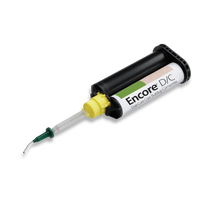
Types of Dental Impression Materials: A Clinical Guide
- , by SurgiMac
- 23 min reading time
Get a complete guide to the types of dental impression materials. Compare alginate, PVS, condensation silicone, and polyether for better clinical outcomes.
A precise 3D dental cast is only possible when the impression material captures every tissue detail.
Types of dental impression materials are grouped into elastic and non-elastic types based on how they act in the mouth and their physical traits during use. Elastic materials like alginate, addition silicone (PVS), condensation silicone, and polyether can stretch and move without losing their shape to take a clear view of teeth. These materials vary in how strong they are and how well they hold their size over time to ensure a proper fit for crowns and bridges. Non-elastic types like waxes are used for special tasks where the material must stay rigid as noted by the National Center for Biotechnology Information. Knowing these traits helps you choose the best tools for your clinic.
Shop Impression Materials at SurgiMac
Every day, dental teams use these tools to help plan patient care and build high-quality models. You must know the traits of each type to ensure your restorations fit well from the start. We will now look at What are dental impression materials? to learn how they are used in the lab and the office. The path begins with
Types Of Dental Impression Materials: What are dental impression materials?
Dental impression materials are tools that doctors use to capture the exact shape of a patient's mouth. These materials start as a soft liquid or gel that staff place in a tray. Once the tray is in the mouth, the material sets to form a negative record of the teeth and gums. According to the National Center for Biotechnology Information, these impressions allow labs to build a 3D mouth copy called a dental cast.
How doctors use these tools
Staff use these casts for many tasks in the clinic. They help the dental team see parts of the mouth that are hard to reach during a normal exam. This view is key for planning care and making sure new dental parts fit well. A good fit for a bridge or crown depends on how well the material picks up small details. Without a good copy, the final work may not sit right in the mouth.
Most modern offices use a mix of different types of dental impression materials to suit each case. Choosing the right tool helps keep the patient at ease and ensures results are exact. For example, some jobs need a material that sets fast, while others need one that is stiff. The choice often comes down to how much detail the doctor needs to find.
Elastic versus non-elastic groups
Dental experts group these materials based on how they act after they set. The two main groups are elastic and non-elastic types. Elastic types are the most common today because they can stretch and bend without breaking. This trait lets them pull away from the teeth and snap back to their first shape. The non-elastic group, also called rigid materials, does not bend once it sets. These are mostly used for patients who have no teeth left.
- Elastic materials: These include hydrocolloids like alginate, along with addition and condensation silicones, polysulfides, and polyether.
- Non-elastic materials: These include rigid tools like dental wax, zinc oxide eugenol, and thick impression compounds.
This guide focuses on the four main types used in clinics today. These include alginate, addition silicone, condensation silicone, and polyether. Each type has its own set of rules for how to mix, set, and pour it into a cast. By learning how these groups differ, doctors can pick the best tool for every job.
Alginate: the reliable workhorse
Alginate remains one of the most common types of dental impression materials in clinical use. Dentists often call it an irreversible hydrocolloid. This elastic material serves as a primary tool for diagnostic casts and study models. While it lacks the extreme precision of modern silicones, its ease of use and low cost make it a staple in any practice. You will find it most helpful for tasks like making orthodontic appliances or temporary crowns.
History and chemical makeup
The history of alginate dates back to a critical need during World War II. Before the war, dentists relied on agar-based materials made from red seaweed. When supply lines for red seaweed failed, scientists looked for new options. They found that brown algae could create a similar elastic material. This discovery led to the alginate we use today, as noted by Stomadent Lab. Modern versions, such as AlgiMac, continue this legacy of reliable performance.
The chemical reaction that sets the material is straightforward. It involves a mix of sodium alginate and calcium sulfate. When you add water, these components react to form a gel. Most alginate products have a setting time of two to three minutes. According to the National Institutes of Health, these elastic materials are able to stretch and recover their shape after they are removed from the mouth.
Accuracy and stability limits
Clinicians must be aware of the accuracy limits of this material. Alginate is prone to dimensional instability because it is mostly water. If the impression dries out, it will shrink. If it sits in water, it will swell. For the best results, you must pour the dental plaster into the impression within ten to fifteen minutes. This quick action ensures the clinician's guide to alginate remains a standard for diagnostic accuracy.
Best uses in dental practice
Alginate is not the best choice for final crown or bridge work. It does not record fine tissue details as well as addition silicones do. But its role as a workhorse is well earned. It is the best choice for preliminary impressions, bleaching trays, and mouthguards. Its fast set time is also helpful for patients with a strong gag reflex. Because it is cheap, it allows you to take many impressions without high costs for the clinic.
This material is also a great fit for diagnostic work. Many clinics use it to create initial casts for treatment plans. It helps dental teams see the relationship between teeth before they start a big case. While new digital tools exist, this classic material still has a place in every U.S. dental office. It gives a quick way to get a 3D model without the need for high-end tech for every small task.
Addition silicone (PVS): the gold standard
Addition silicone is also called polyvinyl siloxane or PVS. It is the top choice for final impressions today. While polysulfides were the first elastic tools in 1955, PVS now leads the field because it is so precise. The fit of a final restoration depends on how well the material records small tissue details. PVS excels here because of its unique chemical makeup.
Chemical composition and reaction
PVS materials use an addition reaction while they set. A platinum catalyst starts the process. It bonds vinyl siloxane groups without creating side products like water or alcohol. This clean reaction stops the material from shrinking as it sets. Because no by-products escape, the mold stays stable for a long time. This lets labs pour the cast days after the dentist takes the impression.
Stability and strength
One key trait of PVS is its high dimensional stability. Most high-quality PVS materials show less than 0.1 percent shrinkage over one full day. It also has high tear strength. This means the material resists breaking when the dentist pulls it out from tight spots. The guide to PVS dental impression material explains how these traits help create a perfect fit for crowns and bridges.
Clinical use and detail
PVS can record fine lines down to 2 microns in resolution. This level of detail is vital for complex dental work. But the material is naturally hydrophobic. This means it repels water. Clinicians must keep the area dry to get the best results. To help with this, many brands now add agents to make the material more hydrophilic. Using a VPS impression material guide can help you choose the right thickness for each case.
Common viscosities
Dental teams use different thicknesses of PVS to capture every detail. Light body PVS flows into small spaces around the tooth. Heavy body or putty materials provide a strong base for the tray. Products like MacImpress offer these varied types to ensure the tray stays stable while the thin wash captures the fine margin detail. This two-part method is a standard way to get high-quality results in modern dental clinics.

Condensation silicone: a cost-effective alternative
Condensation silicone is an elastic dental material that offers a mid-range option between alginate and high-end addition silicones. Clinicians often use this material when they need more detail than alginate provides but do not require the extreme stability of a polyvinyl siloxane. While addition silicones have become the gold standard, condensation versions remain popular for specific clinical workflows due to their lower cost. Understanding the chemistry of elastic impression materials helps dentists choose the right product for each case.
Chemical reaction and byproducts
The name of this material comes from the way it sets. When the base and catalyst mix, a chemical reaction occurs that creates a silicone polymer. This process also creates a byproduct, usually ethyl alcohol. As this alcohol evaporates from the set material, it causes the impression to lose volume. This is the main difference between this type and addition silicones, which do not release any byproducts during their setting phase. The loss of alcohol directly impacts the long-term accuracy of the mold.
Because of this evaporation, clinicians must pour models quickly after taking the impression. Most manufacturers suggest pouring the dental stone within thirty minutes. If the impression sits for too long, the dimensional changes will make the resulting cast less accurate. While this requires tighter chairside timing, the material still provides excellent surface detail when handled properly. You can find high-quality options in the Impression Materials collection at SurgiMac.
Shrinkage and dimensional stability
Shrinkage is the primary limitation of condensation silicone. Studies show that these materials can experience linear shrinkage of about 0.3 to 0.6 percent over a 24-hour period. This change occurs primarily due to the loss of the alcohol byproduct mentioned earlier. While this amount of change may seem small, it is much higher than the 0.05 percent shrinkage seen in premium addition silicones. This makes condensation silicone less ideal for complex bridge work where every micron matters.
Despite these stability issues, the material offers good elastic recovery. It can stretch over undercuts and return to its original shape without tearing easily. This property makes it a solid choice for diagnostic casts or secondary impressions for dentures. Dentists often use a two-step technique with a putty base and a light-body wash to capture fine margins. When used this way, the material can produce results that meet many clinical needs without a high price tag.
Clinical use cases
Choosing between different types of dental impression materials depends on the goals of the procedure. Condensation silicone works well for full denture impressions and edentulous arches where the highest level of stability is not the main goal. It is also an excellent choice for making matrixes for temporary crowns or for taking initial study models. Since it is hydrophobic, clinicians must keep the teeth and gums dry during the procedure to prevent voids.
The working time for these materials is usually between two and four minutes, with a setting time of six to eight minutes. This gives the dental team enough time to load the tray and seat it in the mouth. It is also more pleasant for the patient than some older materials because it has a neutral taste and smell. By selecting this cost-effective option for routine tasks, clinics can manage supply costs while still providing high-quality care. SurgiMac stocks a full range of these supplies to support your daily practice needs.
Polyether: high-precision for specific uses
Polyether is a unique type of elastic dental material used for detailed impressions. It differs from other options due to its chemical makeup and how it reacts to water. While dentists often use polyvinyl siloxane for many tasks, polyether offers specific benefits that make it the best choice for complex work. Its high level of exactness helps doctors create parts that fit well on the first try.
Superior moisture control in the mouth
Polyether is popular because of its water-loving nature. It naturally attracts moisture instead of pushing it away. In the wet setting of the mouth, blood or saliva can often ruin a mold. Polyether flows well into deep areas even when some moisture is present. This trait allows the stuff to capture fine details that other types of dental impression materials might miss in tough spots.
This helps reduce the risk of gaps or bubbles in the mold. Better flow leads to a more exact model of the teeth and gums. According to clinical standards, the fit of a final dental piece relies on how well the material records tissue details during the process. This means fewer redos and more comfort for the patient.
High stiffness for implant accuracy
Polyether is also known for being rigid once it sets. This high stiffness is a major plus for implant cases. When a doctor takes an impression for an implant, the transfer pins must stay in the exact right place. The rigid set of polyether holds these pins firm so they do not shift when the lab pours the stone model. This level of firmness is why many pros choose it for full-arch implant work.
However, it is less stretchy than silicone. It can be harder to pull out of the mouth if there are many deep gaps. Doctors must block out these gaps before they start. Also, polyether has a shorter working time than most PVS brands. You must work fast to place the tray before the stuff begins to stiffen. Some patients may notice a bitter taste from this specific makeup.
Best use cases for polyether
Most dental offices keep polyether in their Impression Materials collection for specific needs. It is the best tool for inlay and onlay work where edges must be sharp. It also works well for crown and bridge cases where margins are hard to keep dry. The accuracy of polyether ensures that the lab can see every line, which leads to better patient outcomes.
Dentists also use it for full denture impressions. The way it records soft tissue helps create a steady base for new teeth. While it costs more than alginate, the time saved makes it a wise buy. SurgiMac offers top brands like MacImpress to help U.S. dental pros get the best results. By picking the right tool for each case, you can ensure high quality and happy patients.
Dental impression materials comparison
Choosing the right clinical tool is key to a precise fit for your restorations. Each case has different needs for detail and speed. Some jobs need high stability, while others work well with lower-cost options. Below, we compare the four main types of dental impression materials to help you pick the best one for your practice.
Properties of impression materials
Most modern materials are elastic. This means they can stretch and recover their shape after you remove them from the mouth. This trait is vital for getting into deep spots. The classification of impression materials often groups them by how they react. Using professional tools like MacImpress ensures you get the most out of these material traits.
| Material Type | Setting Time | Accuracy | Stability | Hydrophilicity | Best Use Case |
|---|---|---|---|---|---|
| Alginate | Fast (1-4 min) | Low | Poor | High | Study models, ortho |
| PVS (Addition) | Variable (3-7 min) | Excellent | High | Low | Crowns, bridges |
| Condensation Silicone | Medium (5-7 min) | Good | Moderate | Low | Lab work, temp crowns |
| Polyether | Medium (4-6 min) | Excellent | High | High | Complex implants |
When to use each material
Alginate is a top choice for quick, easy jobs like diagnostic casts. It costs less but lacks the fine detail for final crowns. For high-precision work, clinicians often turn to addition silicone or polyether. These provide the best results for tissue detail recording, which is critical for a good prosthetic fit.
If you need to decide between specific materials, our alginate vs VPS guide offers a deeper look at these popular choices. For most daily tasks, keeping a mix of PVS and alginate in stock allows you to handle a wide range of clinical cases with ease.
Hydrophilic vs hydrophobic materials
Managing moisture in the oral cavity is a common clinical hurdle. Polyether is naturally hydrophilic, which helps it flow into wet areas. PVS is usually hydrophobic, though many modern brands now add agents to help them wet the tooth. Choosing a material that matches your moisture control method can help prevent voids in your final cast.
Selecting the right impression material for each case
Choosing the best material depends on each task. The accuracy of a final restoration depends on how well the material records fine tissue details. Dentists must weigh many factors when they pick between types of dental impression materials. These include:
- Moisture control and how the material reacts to wet areas in the mouth.
- Patient comfort and the taste or smell of the materials you use.
- Setting time and how long you have to place the tray.
- Cost per case for daily versus big dental work.
- Lab choices for each type of model or scan.
You should also think about how your lab will use the final dental cast to build the tooth part.
Crown and bridge restorations
Fixed dental work needs a material that keeps its size and records small details. Polyvinyl siloxane (PVS) and polyether are the main choices here. PVS is often best for its ability to bounce back after it is pulled from the mouth. Polyether works well in wet areas because it is a water-loving material. This helps it flow into tight spots even when blood or saliva is present.
For implant cases, polyether is a strong choice for linking parts because it is very stiff. This prevents parts from moving while the lab builds the crown. If you are doing simple transfer work, PVS provides high accuracy and is easy to use. You can find all these options in our Impression Materials collection.
Orthodontics and complete dentures
Braces and study models do not always need the high cost of rubber-based materials. Alginate is the standard for study casts and temporary crowns. AlgiMac gives a trusted and low-cost way to handle these daily tasks. It is easy to mix and sets quickly to keep the patient happy. This helps you get a good mold without a long wait.
Complete denture cases may use different materials at each step. First impressions often use alginate to get a basic shape. For the final wash, many dentists use PVS or condensation silicone to catch the soft tissue shape. Our alginate vs VPS guide gives more tips on when to pick each one.
Clinical factors for bite registration
Bite registration needs a material that sets fast and does not change shape. MacBite is a top choice for catching how the teeth meet without the spring-back seen in some old materials. It stays firm so the lab can seat the casts with high precision. This ensures the bite is right when the final work comes back.
Working time is also a key factor. In tough cases, you may need a material that stays soft longer so you can place the tray with care. In simple cases, a fast-set material saves time and makes the visit better for the patient. Always check with your lab to see which materials they like for their workflow.
Disinfection and handling best practices
Proper handling of dental impressions is vital for clinic success. Even the best materials can fail if you do not follow correct rules. Success in restorative work depends on how well the impression material records tissue details for the final cast. You must follow strict infection control rules from the CDC to protect your team and patients. These steps ensure that the final cast is an exact match for the patient's mouth. Correct storage also prevents the material from drying out or shrinking.
Disinfection by material type
Each type of dental impression material reacts in its own way to cleaning liquids. Alginate is a hydrocolloid that is very quick to react to water. Do not soak alginate for a long time. It can swell and lose its shape if it stays in liquid too long. It is best to spray it or dip it quickly in a bleach mix. Then, wrap it in a damp paper towel to keep it stable.
Addition silicones and polyethers are much more stable. These materials resist water and can handle soaking in common dental cleaners. You can soak them for the full time listed on the label without fear of warping. Always check the labels for the types of dental impression materials in your clinic. This helps you choose the right product for each case.
Pouring windows and storage
Timing is a key factor when you pour your models. Alginate has the shortest window of all materials. You must pour alginate impressions within 15 minutes to avoid shrinkage. Condensation silicones also release extra waste as they set. This means you should pour them in less than one hour for the best results.
Addition silicones and polyethers offer much more freedom in your work. You can wait up to seven days to pour a PVS impression. Polyether materials can even wait up to two weeks if they stay in dry spots. Proper storage is key for these long windows. Keep your impressions in a cool, dry place away from direct light. This stops the material from changing shape before you can pour the stone.
Temperature and setting time
The heat of your clinic can change how your materials act. Most dental impression materials set faster in a warm room. This can give you less time to work and place the tray. Cold water can slow down the set for alginate if you need more time. Always store your supplies in a cool area. This ensures that every mix works just as you want for every patient.
Frequently Asked Questions
How does digital scanning impact the use of traditional impression materials?
Digital tech is growing fast in dental shops. While many clinics use scanners now, these tools have not replaced old materials like PVS or alginate. According to Coltene, old materials remain vital for hard cases and shops without digital tools. Many dentists still prefer physical impressions for dental work because of their proven record and high detail.
Why is addition silicone more reliable than alginate for final impressions?
Addition silicone, or PVS, offers better stability and high tear strength compared to alginate. Alginate often shrinks or changes shape if you do not pour the model right away. According to the National Institutes of Health, these rubber-based materials were made to fix the stability issues found in older tools. This makes PVS the top choice for creating precise dental crowns and bridges.
Can you pour multiple dental casts from a single PVS impression?
You can often pour more than one cast from a single addition silicone impression. These materials have great recovery and maintain their shape over time. Unlike alginate, which loses water and changes size, PVS stays stable for many days. This allows labs to create several accurate models if the first one breaks or if the dentist needs an extra copy for hard cases. This helps ensure the final fit is perfect.
What is the main clinical advantage of using polyether impression materials?
Polyether materials are very helpful because they like water. This means they work well in wet areas, such as the mouth, where spit or blood might be present. They also offer great stiffness, which helps record small details for dental implants and fixed bridges. According to Stomadent Lab, polyethers were made to provide a highly accurate choice that is better than older silicones and other rubber materials.
Ready to find better dental impression materials for your clinic?
Choosing the wrong material for your dental casts leads to poor detail and slow results which costs you money and makes your patients wait much longer. Every time a cast fails, you lose money and your patients suffer. Using high-quality supplies like MacImpress and AlgiMac gives you the accuracy you need for complex work and ensures every dental piece fits right today. Our MacBite tools will help you avoid the stress of daily remakes. Do not let low-quality goods hold back your clinic success or hurt your profits when you can get the best dental supplies delivered to you now.
Ready to book an order? Browse SurgiMac's complete collection of professional-grade impression materials for your practice to get the best clinical results now.
Tags
Blog posts
-
, by SurgiMac A Clinician's Guide to Absorbable Suture Material
-
, by SurgiMac A Clinician's Guide to Dental Composite Resin Kits
-
, by SurgiMac How to Disinfect with Metrex CaviWipes Correctly
