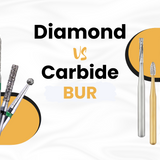
Get clear answers on diamond vs carbide burs. Learn which bur to use for each dental procedure and how to improve results with the right instrument choice.
Every clinician knows that diamond burs are for hard materials and carbide burs are for softer ones, but a deeper understanding of the why can transform your clinical approach. The choice in the diamond vs carbide burs debate comes down to a simple mechanical principle: abrasion versus excavation. Diamond burs use fine particles to grind away at brittle surfaces, while carbide burs use sharp flutes to slice or chip away material. This article moves beyond the basic rules of thumb to explore the specific applications, limitations, and clinical nuances of each type. By mastering the fundamentals, you can prevent microfractures, control heat generation, and select the perfect instrument from your collection of burs and diamonds for any given task.
Diamond vs. Carbide Burs: Making the Right Choice
Diamond burs work best for cutting hard materials like enamel and ceramics, while carbide burs excel at removing soft tissue and composite materials. Your choice depends on the specific procedure and material you're working with.
The wrong bur type can damage restorations or create unnecessary patient discomfort. Understanding when to use each type saves time and improves outcomes.
We've found that the material you're cutting determines which bur performs best. Read this complete comparison to make the right choice every time and avoid costly mistakes.
Understanding the Fundamentals: Anatomy and Mechanics
To get the most out of any tool, you need to know how it’s built. Dental burs might be small, but their design is a masterclass in efficiency. Every bur, regardless of its specific purpose, shares a fundamental structure that dictates its function and compatibility with your handpiece. Understanding these core components is the first step in selecting the right instrument for any procedure, ensuring both precision and predictable outcomes. It helps you move beyond just knowing *what* bur to use and into understanding *why* it’s the best choice for the task at hand.
The Core Components of a Dental Bur
Every dental bur is composed of three main parts: the head, the neck, and the shank. The head is the working end, containing the blades or diamond particles that perform the cutting or finishing. Its shape—be it round, pear, or fissure—is designed for specific clinical tasks. The neck connects the head to the shank, providing support and clearance. Finally, the shank is the part that fits into your dental handpiece. Its design determines compatibility, with common types including the Friction Grip (FG) for high-speed handpieces and the Latch-Type (RA) for low-speed contra-angles.
Materials and Construction: Carbide vs. Diamond
The material of the bur's head defines its clinical application. The two most common materials are tungsten carbide and diamond. As noted by industry experts, carbide burs are made from tungsten carbide, a metal significantly stronger than steel, making them incredibly durable. In contrast, diamond burs feature a stainless steel body coated with fine diamond particles, creating an abrasive surface perfect for grinding hard substances. The choice isn't about which is better overall, but which is best suited for the specific material you need to cut. Having a full selection of both burs and diamonds ensures you're prepared for any situation.
The Mechanics of Cutting: Flutes vs. Grit
Carbide and diamond burs don't just differ in material—they cut in fundamentally different ways. Carbide burs work by milling, using sharp blades, or "flutes," to slice away tooth structure. The number of flutes determines the cut's smoothness; more flutes create a finer finish, while fewer allow for rapid bulk removal. Diamond burs, on the other hand, operate by grinding. The diamond particles abrade the surface, and the "grit"—ranging from coarse to fine—dictates the cutting efficiency and resulting surface texture, making them ideal for preparing hard tissues like enamel and ceramics.
How Diamond Burs Excel at Cutting Enamel and Ceramics
Diamond burs use industrial diamond particles bonded to a metal surface. These particles create thousands of tiny cutting edges that grind through hard materials.
Diamond burs cut enamel 3x faster than carbide burs while producing smoother surfaces. The diamond particles maintain sharpness longer when cutting hard substances.
These differences between carbide and diamond burs become obvious when preparing crowns or veneers. Diamond burs handle porcelain and zirconia without chipping or cracking.
Special Considerations for Zirconia and Porcelain
When you're working with modern restorative materials like zirconia and porcelain, precision is everything. These materials are incredibly hard, which is great for durability but challenging for preparation. This is where diamond burs truly shine. Their abrasive grinding action is perfectly suited for these dense ceramics, allowing you to shape and refine crowns and veneers without causing micro-fractures, chips, or cracks. Using a carbide bur on zirconia, for example, can lead to chattering and an uneven surface, compromising the final fit and longevity of the restoration. For these high-stakes procedures, having a reliable set of high-quality diamond burs is non-negotiable for achieving the smooth, precise margins required for excellent patient outcomes.
Limitations When Working with Metals
While diamond burs are the go-to for hard ceramics, they fall short when working with metals. The grinding action that works so well on brittle materials is inefficient on softer, more malleable metals like gold alloys or amalgam. The metal particles can clog the diamond grit, quickly dulling the bur and generating excessive heat, which can be harmful to the tooth and uncomfortable for the patient. For tasks like removing old metal fillings, adjusting PFM crowns, or finishing metal frameworks, a carbide bur is the superior choice. Its fluted design efficiently shaves or chips away at the metal, providing a smoother finish and better control without the risk of overheating or premature wear. Keeping a variety of carbide burs on hand is essential for these common restorative procedures.
When to Reach for a Carbide Bur
Carbide burs feature sharp metal flutes that slice through materials. Their aggressive cutting action works better on softer substances like dentin and composites.
Carbide burs remove composite fillings 50% faster than diamond burs without generating excessive heat. The fluted design evacuates debris more efficiently.
These tooth cutting instruments also work better for cavity preparation in soft dentin. You get cleaner cuts with less vibration and patient discomfort.
Excavating Amalgam, Shaping Bone, and Cutting Metal
Carbide burs are the instrument of choice for removing old amalgam fillings. Their fluted blades are designed to chip away the old filling cleanly and efficiently, which generates less heat and reduces the risk of thermal damage to the pulp. Unlike the grinding action of a diamond bur, a carbide bur’s cutting motion produces larger particles that are easier to evacuate, minimizing aerosolized amalgam dust. This efficiency not only saves chair time but also contributes to a safer procedure for both the patient and the clinical team. The precise cutting action provides excellent control when defining the margins of a preparation after the bulk of the amalgam has been removed.
The same cutting efficiency makes carbide burs indispensable for other demanding tasks, such as shaping bone during surgical procedures or sectioning a metal crown for removal. The sharp, engineered flutes slice through these tough materials with minimal vibration, offering a level of control that is difficult to achieve with abrasive instruments. Whether you are performing an alveoloplasty or need to cut through a non-precious metal alloy, having the right tool is critical for a predictable outcome. Ensuring your practice is stocked with high-quality burs and diamonds allows you to handle these procedures with confidence and precision.
Managing Heat: A Key Difference in Diamond vs. Carbide Burs
Diamond burs create more friction and heat due to their grinding action. This can cause pulp irritation if you don't use proper water cooling.
Carbide burs generate 40% less heat than diamond burs during cutting procedures. The sharp flutes cut cleanly without excessive friction.
Heat control becomes critical during deep preparations near the pulp. Carbide burs offer better thermal safety for sensitive procedures.
Longevity vs. Cost: A Practical Comparison
Diamond burs typically last longer when cutting hard materials. The diamond particles resist wear better than carbide flutes on enamel and ceramics.
Diamond burs provide 2-3x longer service life than carbide burs when used on appropriate materials. This makes them more cost-effective for crown and veneer preparations.
However, carbide burs cost less upfront and work better for single-use procedures. The initial investment is lower for practices with mixed case types.
Initial Cost vs. Long-Term Value
When stocking your practice, balancing upfront costs with long-term performance is always a key consideration. Carbide burs generally have a lower initial price point, making them an attractive option for procedures where a fresh bur is used each time or for cutting softer materials. However, for cutting hard substances like enamel and ceramics, diamond burs offer superior long-term value. While they cost more initially, their durability means they provide two to three times the service life of carbide burs in these applications. This extended lifespan makes them a more cost-effective investment for practices that frequently handle crown preparations, veneers, and other complex restorative work, ultimately lowering the cost-per-procedure. You can explore a wide range of burs and diamonds to find the right balance for your clinical needs and budget.
Single-Use vs. Multi-Use Options
The decision between single-use and multi-use burs directly impacts your practice's workflow, budget, and infection control protocols. Single-use burs, available in both diamond and carbide, offer the ultimate convenience and safety, arriving sterile and ready for immediate use. This eliminates the time and labor associated with cleaning and sterilization, ensuring a fresh, perfectly sharp instrument for every patient. On the other hand, multi-use burs are designed for durability and can withstand repeated sterilization cycles. Investing in high-quality, multi-use diamond burs can be more economical over time, provided your practice has a robust system for care and maintenance. The right choice depends on your patient volume, procedural focus, and sterilization capacity.
Proper Care and Maintenance for Bur Longevity
To maximize the performance and lifespan of your multi-use burs, proper care is non-negotiable. It starts with your technique—always use light, intermittent pressure and let the instrument do the cutting. Applying excessive force not only generates heat but also causes premature wear on the bur’s cutting surfaces. After every procedure, clean your burs thoroughly to remove all debris before sterilization, as buildup can significantly reduce cutting efficiency. Finally, make it a habit to inspect each bur before use. Check for any signs of bending, chipping, or excessive wear. Using a damaged bur is not only inefficient but can also compromise the safety and quality of your work. Consistent maintenance ensures you get the most value from your investment and achieve predictable clinical results.
Matching the Bur to the Restorative Procedure
Restorative burs require different approaches based on the restoration material. Crown preparations need diamond burs for precise margins and smooth finishes.
Diamond burs create the smoothest crown preparations with minimal adjustment needed. The fine diamond particles produce consistent surface textures.
For composite restorations, carbide burs remove old material faster and create better bonding surfaces. The sharp flutes prevent smearing that can weaken bonds.
A Hybrid Approach for Endodontic Procedures
Endodontic procedures are a perfect example of where a hybrid approach shines. You wouldn't use just one tool for the entire process, and the same goes for your burs. Start with a diamond bur to gain access through tough enamel or a porcelain crown. Its grinding action is ideal for creating a clean, precise opening in these hard materials without causing fractures. Once you've accessed the pulp chamber, switch to a carbide bur. Its sharp flutes are much more efficient at removing softer dentin and pulp tissue. Plus, as research shows, carbide burs generate significantly less heat, which is crucial for protecting the surrounding tooth structure from thermal damage. This two-step method leverages the strengths of each bur type, leading to a more efficient and safer procedure. Keeping a well-stocked inventory of high-quality diamond and carbide burs ensures you're prepared for any clinical situation.
Finishing and Polishing: The Role of Each Bur Type
Polishing burs use fine diamond particles or special carbide designs. These polishing and shaping tools create the final surface finish on restorations.
Fine diamond polishing burs produce mirror-like finishes on ceramic and composite restorations. The ultra-fine particles remove scratches without creating new ones.
Carbide finishing burs work better for gross reduction and contouring. They remove material quickly before switching to diamond polishers for final finishing.
Surface Finish and Patient Comfort
The bur you choose impacts more than just cutting efficiency; it directly influences the quality of the restoration's surface and the patient's comfort level. A flawlessly smooth preparation is essential for the precise fit and long-term success of crowns, veneers, and other indirect restorations. Diamond burs excel in this area, using their fine abrasive particles to grind down hard enamel and ceramics, creating an exceptionally smooth finish. This precision helps ensure seamless margins and predictable outcomes. Having the right tools from a well-stocked inventory of burs and diamonds is the first step toward achieving that ideal surface texture and clinical excellence.
Why Carbide Burs Can Reduce Vibration
When it comes to patient comfort, minimizing vibration is a top priority. This is where carbide burs truly shine. Instead of grinding away tooth structure, their sharp flutes are engineered to slice cleanly through softer materials like dentin and composites. This slicing mechanism generates significantly less vibration, which translates to a calmer, more comfortable experience for your patient. Clinical sources confirm this approach not only reduces patient discomfort but also generates less heat, further protecting the pulp during deep cavity preparations. For any procedure involving softer tooth structure, the reduced chatter from a carbide bur makes a noticeable difference in the patient's perception of the treatment.
Clinical Perspectives and Best Practices
Beyond the materials science, the choice between diamond and carbide burs involves clinical judgment, technique, and a commitment to best practices. How you use the bur is just as important as which one you choose. Factors like the risk of microfractures, the sharpness of the instrument, and your personal operating style all contribute to the final outcome of a procedure. Understanding these nuances helps you make more informed decisions at chairside, ensuring both efficiency and the preservation of healthy tooth structure for every patient.
The Risk of Microfractures
A key consideration in bur selection is the potential for creating microfractures in the tooth. Some clinical research suggests that the grinding action of diamond burs, while effective on enamel, might introduce tiny cracks into the underlying tooth structure. For this reason, many dentists prefer to use carbide burs when preparing natural tooth, particularly for dentin excavation. The clean, slicing motion of a carbide bur is often considered less traumatic to the tooth. A common best practice is to use a diamond bur for initial enamel reduction and then switch to a carbide bur for the deeper, more sensitive work on dentin.
The Importance of Using a Sharp, Fresh Bur
Regardless of which type you choose, using a sharp, fresh bur for each procedure is critical. As one clinician noted, a fresh bur helps keep the procedure smooth and fast. A dull bur requires more hand pressure, which generates excess heat and vibration, increasing the risk of patient discomfort and thermal damage to the pulp. A sharp bur cuts efficiently and predictably, reducing chair time and creating cleaner margins for better restorative outcomes. Whether you opt for single-use burs or sterilize multi-use ones, ensuring your instrument is in optimal condition is fundamental to high-quality dentistry.
Technique and Personal Preference
Ultimately, the debate between diamond and carbide burs often comes down to personal preference and individual technique. Many experienced dentists agree that the best bur is the one that feels right in your hands and allows you to achieve predictable results. Some practitioners prefer the distinct tactile feedback of a carbide bur slicing through dentin, while others favor the smooth, controlled grinding of a diamond. Your choice is also influenced by the ergonomics of your handpiece and instruments. High-quality, well-balanced instruments, like those in our Pro Series, can reduce fatigue and give you the precise control needed to work confidently with any bur type.
Finding the Right Burs for Your Practice
The most practical way to settle the diamond versus carbide debate for your own practice is to experiment. As recommended by dental suppliers and clinicians alike, it's a good idea for dentists to try both types to see what works best for them. Stocking a diverse inventory of both burs and diamonds ensures you are prepared for any clinical scenario, whether it’s removing an old amalgam filling or prepping a full-coverage zirconia crown. Having the right tool readily available prevents compromises in your workflow and supports superior patient care. Consulting with colleagues about their preferences can also provide valuable insights into new products or techniques that could benefit your practice.
Consider organizing your burs into procedure-specific kits to streamline your workflow. For example, a crown preparation block might contain a sequence of coarse-to-fine grit diamond burs, while a composite kit could feature an assortment of round, pear, and flame-shaped carbide burs. This approach not only improves efficiency but also encourages you to think critically about which instrument is best suited for each step of a procedure. At SurgiMac, we offer a comprehensive selection of burs to help you build the perfect toolkit tailored to your specific clinical needs and preferences, ensuring you always have the right instrument for the job.
Frequently Asked Question about Diamond vs Carbide Burs
Can I use diamond burs on composite materials?
Yes, but carbide burs work better for composite removal. Diamond burs can smear composite and create bonding problems.
Which bur type lasts longer in clinical practice?
Diamond burs last longer on hard materials like enamel and ceramics. Carbide burs last longer on soft materials like dentin and composites.
Do diamond burs require special handling?
Diamond burs need adequate water cooling to prevent overheating. They also require gentler pressure than carbide burs.
Which bur type is better for crown preparations?
Diamond burs work best for crown preparations because they create smooth margins and handle ceramic materials without damage.
How do I know when to replace each bur type?
Replace diamond burs when they stop cutting efficiently. Replace carbide burs when the flutes become dull or clogged with debris.
Conclusion
Diamond burs excel at cutting hard materials like enamel and ceramics with smooth finishes. Carbide burs work better for soft materials like dentin and composites with faster cutting speeds.
The right bur choice depends on your procedure and materials. Using the correct type improves efficiency and reduces patient discomfort during treatment.
Ready to stock both types for optimal results? Check out our complete selection of professional Burs and Diamonds designed for superior cutting performance and durability.
Key Takeaways
-
Prioritize diamonds for hard materials: Diamond burs use an abrasive grinding action that is perfect for preparing hard, brittle surfaces like enamel, porcelain, and zirconia without causing microfractures.
-
Use carbides for efficient removal: The sharp flutes of carbide burs are designed to slice and chip away material, making them the superior choice for removing softer substances like dentin, old composites, and amalgam fillings.
-
Manage heat and vibration for patient comfort: Carbide burs cut with less friction, generating less heat and improving patient comfort during deep preparations, while diamond burs require consistent water cooling to protect the pulp.
Related Articles