MacPrevent 5% Sodium Fluoride Varnish with TC...
SKU 90002-Bx
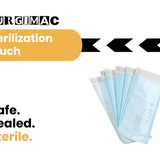
Learn how to use sterilization pouch correctly with this 7-step guide for dental practices. Keep instruments sterile and maintain top infection control standards.
You’ve invested in a top-tier autoclave and quality instruments like our Pro Series, but sterilization success often comes down to the pouch. Simply bagging an instrument isn't enough. Knowing how to use sterilization pouches is a detailed procedure where every step directly impacts patient safety. An overstuffed pouch can burst, an improper seal can allow microbes to enter, and incorrect loading can lead to a failed cycle. This guide breaks down the workflow into actionable steps, helping your team maintain a perfect chain of sterility and protect your patients and valuable equipment.

In any dental practice, maintaining a sterile environment is non-negotiable. Sterilization pouches are single-use bags designed to hold instruments during a sterilization cycle, typically in an autoclave. Think of them as a critical barrier that allows a sterilizing agent, like steam, to penetrate and kill microorganisms, and then keeps those instruments sterile until they are needed for patient care.
These pouches are fundamental to your practice's infection control protocol. Without a reliable way to package and store instruments, the risk of cross-contamination from airborne particles, moisture, or handling increases significantly. Using a high-quality pouch ensures that every instrument you unseal chairside is as sterile as it was when it came out of the autoclave. This not only protects your patients but also upholds your practice's reputation for safety and professionalism. Properly sterilized and packaged tools are a cornerstone of modern dentistry, providing peace of mind for both you and your patients.
Sterilization pouches are far more than simple plastic bags; they are engineered medical devices that play an active role in your practice's patient safety protocols. Their primary function is to serve as a microbial barrier, safeguarding instruments from contamination after a sterilization cycle is complete. Because of this vital role in your infection control system, these pouches are subject to strict standards and regulations. Choosing a high-quality pouch is just as important as selecting the right instruments or autoclave. A failure at this stage can compromise the entire sterilization process, putting patient health at risk and undermining the trust you've worked so hard to build.
As medical devices, sterilization pouches are regulated by the FDA to ensure they perform as expected. This regulation guarantees that a pouch allows the sterilizing agent (like steam) to penetrate effectively while maintaining a solid barrier against contaminants post-sterilization. Using a non-approved or incorrect pouch for your sterilization method can lead to cycle failure and increase the risk of infection. It is also crucial to remember that sterilization pouches are single-use devices. Never reuse them or use them past their expiration date. Adhering to these guidelines is essential for protecting your patients, ensuring compliance, and upholding the professional standards of your practice.
A sterilization pouch serves as a microbial barrier system. During the autoclave cycle, the medical-grade paper side allows steam to enter and sterilize the contents. Once the cycle is complete and the pouch is removed, that same paper prevents airborne contaminants from getting back in. The pouch is sealed to create a closed, sterile environment that protects the instruments from dust, aerosols, and moisture during storage.
This system is only effective when you use materials specifically designed for sterilization. Using the wrong type of packaging can compromise the entire process, potentially leading to the contamination of instruments and even the autoclave chamber itself. A well-designed pouch from a trusted line like MacSafe ensures that your instruments remain sterile from the moment they leave the sterilizer to the moment you’re ready to use them, forming an unbroken chain of sterility that is essential for patient safety.
Not all sterilization pouches are created equal. When selecting pouches for your practice, it’s important to choose a product that is compatible with your sterilization method, whether it's steam or chemical vapor. The pouch must also be validated for the specific instruments you intend to sterilize. Look for pouches constructed from medical-grade paper and a clear, puncture-resistant plastic film. This dual-material design is intentional: the paper allows for effective sterilant penetration, while the transparent film lets you identify the contents without opening the pack.
High-quality sterilization pouches should also feature secure, self-sealing adhesive strips for a reliable closure and clear external chemical indicators that change color to confirm processing. Internal indicators provide an extra layer of assurance that the sterilant reached the instruments inside. Choosing a durable, well-constructed pouch minimizes the risk of breaches and ensures your instruments are protected.
The design of a sterilization pouch is brilliantly simple yet highly effective. One side is made of medical-grade paper, which is porous enough to allow the sterilizing agent—like steam—to penetrate and reach the instruments inside. The other side is a transparent plastic film, which serves two purposes: it creates an impermeable barrier once the cycle is complete and allows for easy identification of the contents without having to open the pouch. It’s crucial that these materials are high quality; they must withstand the intense heat and pressure of an autoclave without tearing or melting. Using pouches from a trusted source, like our MacSafe line, ensures that this barrier remains intact, protecting your instruments from contamination after sterilization.
A pouch is only as strong as its weakest points: the material and the seal. Look for pouches made from tear-resistant film to prevent sharp instruments from causing punctures or breaches. The seal is equally important. A quality pouch will have a wide, secure adhesive strip that creates a tamper-evident closure, ensuring the contents remain sterile during storage and handling. If that seal is compromised, you know the sterility is lost. Furthermore, pay close attention to the chemical indicators. While basic external indicators confirm heat exposure, superior sterilization pouches include both internal and external multi-parameter indicators. These confirm that the necessary conditions for sterilization—time, temperature, and sterilant contact—were met, providing an essential layer of verification for patient safety.
Selecting the right sterilization pouch is the first critical step in a successful infection control workflow. It’s not just about finding a bag that fits; it’s about choosing a medical device designed to withstand the sterilization process and maintain a sterile barrier until the moment of use. The right pouch ensures that your instruments are protected from contamination after they leave the autoclave, safeguarding your patients and your practice. Think of it as a personal security detail for each instrument, and picking the right one depends on understanding a few key factors, from size and material to the indicators that confirm a successful cycle.
Choosing the correct pouch size is essential for effective sterilization. A pouch that’s too small can lead to overstuffing, which risks the instruments piercing the material or the seals bursting under the pressure of the autoclave. On the other hand, a pouch that’s too large can allow instruments to slide around, potentially damaging their delicate tips. A good rule of thumb is to leave about one inch of space around the instrument on all sides. This provides enough room for the pouch to seal correctly and allows sterilizing agents like steam to circulate freely.
Equally important is the material. Never use packaging not specifically designed for autoclave sterilization. Professional sterilization pouches are constructed from medical-grade paper on one side and a clear, multi-layer plastic film on the other. This design allows steam to penetrate while preventing microbes from entering after the cycle is complete. High-quality pouches, like those in the MacSafe line, provide a reliable barrier that upholds your practice’s infection control standards.
The material of your sterilization pouch is just as important as its size. Different sterilization methods—like steam, ethylene oxide (EO) gas, or vaporized hydrogen peroxide (VHP)—require different pouch materials to be effective. Using the wrong pouch for your sterilizer can lead to a complete cycle failure, leaving your instruments non-sterile and putting patients at risk. It’s a simple but critical detail in your infection control protocol. Making the right match ensures the sterilizing agent can penetrate the pouch, do its job, and the pouch can then maintain a sterile barrier afterward. Let's break down which materials work with which methods.
For most dental practices using a steam autoclave, standard paper-plastic pouches are the go-to choice. These pouches, like those in our MacSafe line, are constructed with a medical-grade paper side that is permeable to steam and Ethylene Oxide (EO) gas. This allows the sterilant to enter the pouch and reach the instruments inside. The other side is a clear, tough plastic film that lets you see the contents. Once the cycle is complete, the paper acts as a microbial barrier, preventing contaminants from re-entering. This combination makes them a reliable and cost-effective solution for the most common sterilization methods found in a dental setting.
If your practice uses low-temperature sterilization methods like Vaporized Hydrogen Peroxide (VHP) or relies solely on EO gas, you’ll need to use Tyvek-plastic pouches. Unlike paper, Tyvek is made from high-density polyethylene fibers, creating a material that is exceptionally durable and resistant to tearing. It’s also compatible with sterilants that would damage paper. While less common in general dentistry, these pouches are essential for sterilizing heat-sensitive or moisture-sensitive devices. Always confirm your sterilizer’s manufacturer guidelines to ensure you are using the correct type of pouch for your specific equipment and instruments.
Here’s a critical safety warning: never use standard sterilization pouches in a dry heat sterilizer. The intense heat, which can exceed 320°F (160°C), will cause the plastic film to melt and the paper to become brittle or even char. This not only destroys the pouch and contaminates the instruments but can also damage your sterilizer. As a firm rule, pouches are not suitable for dry heat methods. Always stick to the sterilization method the pouch was designed for—typically indicated right on the box. Using the wrong materials is a preventable error that compromises the entire infection control process.
While standard flat pouches work for the majority of dental instruments, some tools just don’t fit the mold. Whether you’re dealing with extra-long surgical instruments, bulky cassettes, or custom procedure kits, there’s a specialty pouch designed for the job. Using the wrong size or type of pouch for these items can lead to compromised seals or inadequate sterilization. Knowing your options ensures that every single instrument in your practice, regardless of its shape or size, can be properly sterilized and stored, ready for its next use without any compromises to patient safety.
For those awkwardly long instruments or when you need to create a custom-sized pack, sterilization rolls and tubing are the perfect solution. This material comes in a continuous roll that you can cut to any length you need. After placing the instrument inside, you simply seal both ends with a heat sealer to create a custom-fit pouch. This is ideal for items like long periodontal probes, surgical instruments, or for bundling several related items together. Using tubing ensures a snug fit, prevents instruments from sliding around, and reduces material waste compared to using an oversized standard pouch.
Have you ever tried to fit a bulky instrument cassette or an impression tray into a flat pouch? It’s a struggle that often strains the seals and increases the risk of a puncture. This is where gusseted pouches come in. These pouches feature expandable sides that fold out to accommodate thicker, more substantial items. The gusset provides the extra room needed for bulky tools without stressing the seams, ensuring a secure seal and proper sterilization. They are the ideal choice for instrument cassettes, syringes, or any other three-dimensional object that needs more space than a standard flat pouch can offer.
Chemical indicators are the visual cues that tell you whether a pouch has been exposed to the conditions required for sterilization. Most pouches have both internal and external indicators. The external indicator, printed on the outside of the pouch, changes color after being processed in an autoclave. This helps you quickly distinguish between processed and unprocessed packs, preventing accidental use of a non-sterile instrument.
The internal indicator provides an extra layer of assurance. It confirms that the sterilizing agent, such as steam, has penetrated the pouch and reached the instruments inside. It’s crucial to remember that these indicators confirm exposure to the process, not that the instrument is sterile. Always verify that your autoclave’s cycle parameters were met and check that both indicators have changed color before use. Proper labeling with the sterilization date and contents is also a key part of the process, ensuring traceability and safety.
Chemical indicators are categorized by the parameters they monitor, and knowing the difference is essential for verifying your process. Single-parameter indicators, like the external ones on most pouches, are your first checkpoint. They typically react to just one variable, such as heat, and their color change provides a quick visual confirmation that a pouch has been through a processing cycle. This is incredibly useful for sorting packs and preventing an unprocessed instrument from accidentally making it to chairside. However, it's important to remember they only confirm exposure to a cycle, not that all necessary conditions for sterilization were actually met.
For a higher level of assurance, you need multi-parameter indicators, which are placed inside the pouch alongside the instruments. These are designed to react only when two or more critical variables of the sterilization process—time, temperature, and the presence of steam—are met. A correct color change on an internal multi-parameter indicator provides strong evidence that the sterilant successfully penetrated the packaging and achieved the conditions required for sterilization where it matters most. Using both external and internal indicators is a fundamental part of a robust sterilization assurance program and a non-negotiable step in your infection control workflow.
Proper sterilization begins long before you load the autoclave. The preparation phase is arguably the most critical step in the entire process, as it lays the groundwork for successful decontamination. Skipping or rushing through these initial tasks can compromise the sterility of your instruments and, ultimately, patient safety. Think of it as setting the foundation; without a clean, dry, and thoroughly inspected instrument, even the most advanced autoclave cycle can fail. Taking the time to prepare each item correctly ensures that the sterilization process is effective and that your tools are ready for clinical use.
The journey from the chair to the sterilization center is a critical control point in your infection control protocol. Carrying used instruments on an open tray is a significant risk, potentially leading to sharps injuries or the spread of contaminants through drips and aerosols. To mitigate this, all contaminated instruments must be transported in a solid, leak-proof container with a secure lid and a clear biohazard label. This practice contains potential pathogens and protects your team from exposure. It’s the first essential handoff in the sterilization process, ensuring that instruments arrive at the processing area safely, without compromising the cleanliness of your clinical environment.
You can't sterilize what isn't clean. The first step after any procedure is to meticulously clean every instrument to remove all visible bioburden, such as blood, saliva, and tissue. This debris can shield microorganisms from the sterilant, rendering the process ineffective. Whether you are cleaning manually or using an ultrasonic cleaner, ensure every surface is free of contaminants. After cleaning, it is just as important to dry the instruments completely. Any remaining moisture can cause corrosion on your valuable tools and may interfere with the steam sterilization process, leading to failed cycles. Proper cleaning and drying are fundamental to effective infection control.
Once your instruments are clean and dry, give each one a careful inspection. Look for any remaining debris, signs of wear, corrosion, or damage. Check that hinges move freely and that sharp instruments, like scalers or MacCut surgical blades, have maintained their edge. A damaged instrument not only performs poorly but can also break during a procedure. Furthermore, a compromised tool can easily puncture or tear a sterilization pouch, which would contaminate the contents. Ensuring your high-quality instruments, like those from the Pro Series, are in perfect condition before packaging protects your investment and upholds the highest standards of patient care.
For any instrument with moving parts, disassembly is a non-negotiable step in your prep routine. Think of hinged tools like forceps or scissors, or any multi-component instruments. If they aren't taken apart or at least opened fully, the sterilant simply can't reach every surface. Bioburden can get trapped in the joints, crevices, and threads, creating a safe harbor for microorganisms that will survive the autoclave cycle. This completely undermines the sterilization process and puts patient safety at risk. Taking those extra few seconds to separate components ensures that steam penetrates every nook and cranny, guaranteeing that your high-quality dental instruments are truly sterile when you unseal them for a procedure.
Properly packing and sealing your instruments is a critical step that directly impacts the success of sterilization. A perfectly executed autoclave cycle means nothing if a pouch is compromised. Following a consistent, detailed process ensures that every instrument remains sterile from the moment it leaves the autoclave until it’s needed for patient care.
First, select a pouch that is the right size for the instrument. You need enough room to ensure adequate steam circulation. A good rule of thumb is to leave about one inch of space around the item and never fill a pouch more than 75% full. Place clean, dry instruments into the pouch, arranging them in a single layer. For hinged instruments like forceps from our Pro Series, make sure they are in an open, unlocked position. If you are sterilizing multiple pouches, arrange them in the autoclave so the plastic side of one pouch faces the paper side of the next, which helps steam penetrate and escape effectively.
When packaging sharp or delicate instruments, like scalers or MacCut surgical blades, the risk of puncturing the pouch is high. A tiny tear can compromise the entire sterile barrier, rendering the instrument unsafe for use. This is where tip protectors come in. These small, vented caps are placed over the sharp ends of instruments before they are pouched. It’s crucial to use protectors specifically designed for sterilization, as they are made to allow steam to penetrate effectively while shielding the pouch from damage. Using a tip protector is a simple, inexpensive step that safeguards your instruments, protects your pouches, and ensures sterility is maintained.
How you position an instrument within the pouch is just as important as cleaning it. For hinged instruments, such as forceps or extractors from our Hexa Series, always place them in an open and unlocked position. This ensures that steam can reach all surfaces, including the joints and box locks, which are common areas for bioburden to hide. For instruments with a curve, like scalers or curettes, the placement is key to preventing punctures. Always orient the instrument so that its curved or pointed tip faces the durable plastic side of the pouch, not the paper side. This simple habit prevents the tip from poking through the paper during handling or within the autoclave.
While not always mandated by guidelines, double pouching is a technique some practices use for better organization or to ease aseptic transfer. If you choose to double pouch, doing it correctly is critical to ensure sterilization. The key is to place the sealed inner pouch into a slightly larger outer pouch, aligning them so the plastic film of the inner pouch faces the plastic film of the outer one. This creates a paper-to-paper and film-to-film orientation. This alignment is essential because it allows you to see the inner pouch's contents and indicators while ensuring steam can still penetrate effectively. Never fold the inner pouch to make it fit, as this can create air pockets and obstruct the sterilant, leading to a failed cycle.
A flawless seal is your barrier against contamination. For self-sealing pouches, start by gently pushing out any excess air. Then, remove the protective strip from the adhesive and fold the top down along the perforated line. Press down firmly from the center outwards to create a tight, even seal free of any wrinkles or gaps. If you use a heat sealer, verify that it is calibrated correctly to the pouch manufacturer’s specifications for temperature and pressure. An incomplete seal can create a channel for microorganisms to enter after sterilization, so it’s worth taking a moment to inspect every seal before autoclaving.
Beyond ensuring a perfect seal, consider the final step: opening the pouch chairside. This is where aseptic presentation becomes critical. Leaving adequate space inside the sterilization pouch—that recommended one inch around the instrument—isn't just for steam circulation. It also gives you a clean, safe margin for peeling the pouch open without accidentally touching the sterile instrument inside. When a pouch is overstuffed, you risk tearing the paper or having the instrument fall onto a non-sterile surface as you open it. Proper packing allows for a controlled, deliberate aseptic transfer to your sterile field, ensuring the instrument remains sterile until the moment of use. This final detail protects your patient and validates the entire sterilization effort.
Clear labeling is essential for tracking and inventory management. Before sterilization, label each pouch with the sterilizer used, the cycle or load number, and the date of sterilization. Use a non-toxic, indelible ink pen and write only on the plastic side of the pouch or in the designated area on the outside. Writing on the paper side could compromise the pouch’s porosity or cause ink to bleed through when exposed to steam. This simple documentation step is a fundamental part of your practice’s infection control protocol, ensuring every instrument is traceable and safe for use.
It might seem like a minor detail, but the pen you use to label your pouches is incredibly important. Standard office markers contain chemicals that are not intended for clinical environments. During an autoclave cycle, the heat and steam can cause the ink to bleed, fade, or even vaporize, potentially transferring toxic components through the paper side of the pouch and onto your instruments. To avoid this, always use a marker specifically designed for sterilization—one with non-toxic, indelible ink that won't compromise the pouch's integrity. As a best practice, always check the manufacturer's instructions for both your pouches and your sterilizer to ensure you're following approved protocols. This simple step ensures your labeling is clear, permanent, and, most importantly, safe for your patients.
Properly packing and sealing your pouches is only half the battle. How you arrange them inside the autoclave chamber is just as critical for successful sterilization. A poorly loaded autoclave can lead to failed cycles, wet packs, and compromised instruments, which ultimately puts patient safety at risk. The goal is to arrange pouches in a way that allows steam to circulate freely, reach every surface, and then escape during the drying phase. Think of it as setting the stage for a perfect performance. By following a few simple principles for positioning and spacing, you can ensure every instrument, from a simple scaler to a complex surgical tool, achieves the required sterility assurance level. This is a fundamental part of any effective infection control protocol.
To achieve effective sterilization, steam must make direct contact with the entire surface of each pouch. The best way to facilitate this is by placing pouches on the autoclave trays in a single layer, never stacked. You can either lay them flat with the paper side facing up or stand them on their edge in a rack. If you place them on edge, arrange them like files in a cabinet, all facing the same direction. This orientation allows steam to penetrate the paper side and air to escape, ensuring the contents, like your precision Air Series instruments, are properly sterilized. Following a proper guide to sterilization pouches also promotes complete drying, which is essential for maintaining sterility.
Overloading the autoclave is one of the most common reasons for sterilization failure. When pouches are packed too tightly, it creates barriers that block steam circulation. To prevent this, always leave adequate space between each pouch. Whether you lay them flat or place them on edge, ensure they are not touching. This spacing is crucial for allowing pressurized steam to move freely around each pack, ensuring uniform heat and sterilant exposure. As experts explain, proper arrangement is key to achieving optimal steam penetration. This simple step protects the sterility of everything inside, from disposables to high-value Hexa Series surgical instruments, and helps prevent wet packs that can compromise the entire load.
While chemical indicators on your pouches confirm they’ve been through a cycle, they don’t prove that sterilization was successful. That’s where biological indicators (BIs), or spore tests, come in. These are the gold standard for verifying that your autoclave is effectively killing all microorganisms, including highly resistant bacterial spores. Think of it as the ultimate quality assurance check for your infection control process. A BI test involves placing a vial or strip containing a specific number of tough, heat-resistant spores into a pouch, running it through a normal cycle, and then incubating it to see if any spores survived. Performing this test weekly is the best way to ensure your sterilizer is functioning correctly and your instruments are truly sterile.
To get an accurate reading, you must challenge your autoclave under real-world conditions. This means you should never run a spore test in an empty sterilizer. Instead, place the biological indicator inside a pouch and position it within a fully loaded cycle. The ideal location is in the area considered most difficult for steam to reach, which is typically the center of the load, near the door, or on the bottom shelf. This placement ensures the test reflects the sterilizer's performance during a challenging, routine cycle. By simulating a full load, you can be confident that if the spores in that challenging spot are killed, the instruments throughout the rest of the chamber have also been properly sterilized.
A failed spore test, indicated by a positive result after incubation, means you must act immediately. First, take the sterilizer out of service—do not use it for any further cycles. Next, you must retrieve and reprocess every instrument from the failed load. This involves re-cleaning, inspecting, and packaging them in new sterilization pouches before running them through a different, functioning sterilizer. It's also crucial to quarantine and reprocess any other loads that have been run since the last successful spore test. While the instruments are being handled, investigate the cause of the failure—it could be operator error, improper loading, or an equipment malfunction. Once you believe the issue is resolved, run another BI test to confirm the sterilizer is working correctly before returning it to service.
Your work isn’t finished once the autoclave beeps. How you handle and store sterilized pouches is just as critical as the sterilization process itself. Proper post-autoclave protocol ensures that your instruments remain sterile until you’re ready to use them, protecting your patients and upholding your practice’s standard of care. This involves letting packs cool correctly, inspecting them for any damage, and storing them in a safe, controlled environment. Each step is essential for maintaining the integrity of the sterile barrier and preventing contamination.
Patience is key after the sterilization cycle ends. Handling pouches while they are still hot or damp can compromise sterility. Wet packs can act as a wick, pulling microorganisms through the paper side of the pouch and contaminating the instruments inside. To prevent this, crack open the autoclave door for a few minutes after the cycle completes to allow steam to escape and the packs to begin drying.
Once you remove the pouches, place them on a clean, wire rack to cool completely. Avoid setting them on solid or cold surfaces, as this can cause condensation to form. Before moving them to storage, confirm that the external chemical indicators have changed to the correct color, verifying that the contents have been exposed to the necessary sterilization conditions.
Before any sterilized pouch is opened for a procedure, it needs a thorough visual inspection. Think of this as the final quality control check. A compromised pouch means the instruments inside are no longer sterile and cannot be used on a patient. Carefully examine the pouch for any tears, punctures, or signs of moisture. Check that the seal is intact along its entire length, with no gaps or channels.
Using durable, high-quality pouches from a trusted line like MacSafe can significantly reduce the risk of punctures or seal failures. If you find any damage, no matter how small, the pack is considered contaminated. It must be opened, and the instruments inside must go through the entire cleaning and sterilization process again in a new pouch.
Proper storage is the final step in protecting sterilized instruments. Store your sealed pouches in a designated clean, dry, and enclosed space, such as a cabinet or drawer. This protects them from dust, aerosols, moisture, and physical damage. Avoid storing them on open counters or near sinks and other sources of contamination.
Organize your inventory using a "first-in, first-out" (FIFO) system. Place newly sterilized packs at the back and use the packs from the front first. This ensures you use items well within their shelf life. While sterility is event-related, pouch materials can degrade over time, so always check the manufacturer’s expiration date. Following these storage rules is a fundamental part of your clinic’s overall infection control strategy.
The environment where you store sterilized packs plays a direct role in maintaining their integrity. High humidity is the enemy of a sterile pouch, as moisture can weaken the paper and create a pathway for microorganisms to penetrate the barrier. According to dental product experts, the storage room should be kept at 75°F (24°C) or cooler, with humidity below 70%. It's also crucial to remember that pouches have an expiration date from the manufacturer. This date isn't arbitrary; it reflects the shelf life of the materials themselves. Using a pouch past its expiration date is not compliant with FDA guidelines and compromises the foundation of event-related sterility.
Once your pouches are cooled and dried, they need a safe home. As we've detailed in our own guides, you should store your sealed pouches in a designated clean, dry, and enclosed space, such as a cabinet or drawer. This practice is essential to protect them from dust, aerosols, moisture, and accidental physical damage. Storing packs on open counters, especially near sinks or in high-traffic areas, exposes them to potential splashes and contaminants that can compromise the sterile barrier. An enclosed cabinet ensures that your meticulously prepared instruments, from basic disposables to your premium Pro Series tools, remain protected and ready for safe patient use.
Even with the best intentions, small errors in your pouching process can compromise sterility and put patient safety at risk. Following a consistent, correct procedure is key, but knowing what not to do is just as important. By sidestepping a few common mistakes, you can ensure your instruments remain sterile from the autoclave to the operatory, upholding the highest standards of infection control in your practice. Let’s walk through the most frequent missteps and how to avoid them.
It can be tempting to fit as much as possible into a single pouch, but overstuffing is a critical error. When a pouch is too full, it prevents adequate steam circulation, which can lead to incomplete sterilization. The pressure inside an overpacked pouch can also cause it to burst during the autoclave cycle. Furthermore, sharp instruments can easily pierce the paper or film if there isn't enough room, creating a breach that compromises sterility. As a rule, select a pouch that leaves about one inch of space around the contents. This simple step ensures proper steam flow and protects the packaging integrity for all your sterilization needs.
The seal is your final barrier against recontamination. An improper or incomplete seal renders the entire sterilization process useless. Make sure the adhesive strip is folded along the perforated line and forms a tight, continuous bond without any wrinkles, gaps, or bubbles. Before placing any pouch in the autoclave, give it a quick visual inspection. If you notice any tears, punctures, or defects in the seal, discard the pouch and start over. A compromised package can allow microorganisms to enter after sterilization, so maintaining a perfect seal is non-negotiable for effective infection control.
Sterilization pouches are designed for single use only. Reusing a pouch compromises its physical integrity and the effectiveness of the adhesive seal. The chemical indicators are also formulated for one-time activation and will not provide an accurate reading on a second pass. Additionally, always check the manufacturer's expiration date printed on the box. Over time, the pouch materials can degrade, potentially affecting their ability to maintain a sterile barrier. Using expired or previously used pouches is an unnecessary risk. For reliable safety, always start with a new, unexpired pouch from a trusted line like MacSafe for every instrument set.
Q: How long do sterilized instruments remain sterile in a pouch?
A: Sterility is considered event-related, not time-related. This means instruments remain sterile as long as the pouch stays clean, dry, and fully intact. If the pouch becomes torn, wet, or punctured, it is immediately compromised—regardless of when it was processed. Proper storage in a clean, enclosed cabinet and careful handling are key to maintaining sterility.
Q: What should I do if a pouch comes out of the autoclave wet?
A: A wet pouch is considered contaminated and should never be used. Moisture can allow microorganisms to penetrate the packaging, breaking the sterile barrier. The correct protocol is to repackage the instruments in a new pouch (such as those from the MacSafe line) and run a full sterilization cycle again. You should also investigate the cause, which may include overloading, improper loading technique, or autoclave performance issues.
Q: Is it okay to double-pouch instruments for extra protection?
A: Generally, no—unless it has been specifically validated by both the pouch and sterilizer manufacturers. Double-pouching can interfere with proper steam penetration and drying, increasing the risk of incomplete sterilization. A single, properly sized, high-quality pouch is the safest and most effective approach.
Q: Why is it so important not to write on the paper side of the pouch?
A: The paper side is designed to be porous, allowing the sterilizing agent to pass through. Writing on it can damage this barrier by creating tiny punctures or weakening the material. Ink may also bleed through during sterilization, potentially contaminating the contents. Always label on the plastic side or in the designated area to maintain pouch integrity.
Q: What's the real difference between the internal and external chemical indicators?
A: They serve as two separate verification steps. The external indicator shows that the pouch has been exposed to the sterilization process, helping distinguish processed from unprocessed items. The internal indicator confirms that the sterilizing agent actually penetrated the pouch and reached the instruments inside. Both indicators must show the correct change to ensure proper sterilization conditions were achieved.
Maintaining a sterile environment doesn't end when an instrument is used; it extends to the proper disposal of the packaging. Sterilization pouches are designed for one-time use only. As we've covered, reusing a pouch compromises its physical integrity, the effectiveness of the adhesive seal, and the accuracy of the chemical indicators. Once a pouch has been opened and its contents have come into contact with a patient, it must be treated as regulated medical waste. As experts at Primo Dental Products note, because these items are used for tools that contact bodily fluids, they must be discarded according to your local and state regulations for medical waste. This isn't just a best practice; it's a mandatory step in preventing cross-contamination and ensuring compliance.
Adhering to these disposal guidelines is a critical component of your practice's infection control protocol. Before disposal, it's also wise to inspect the used pouch for any tears or defects that might have occurred during the procedure. According to a guide from STERIS, a damaged pouch indicates a potential breach in sterility, a critical observation for quality assurance. While using high-quality pouches from a trusted line like MacSafe minimizes the risk of failure, this final inspection provides valuable feedback on your handling procedures. By managing waste correctly, you not only protect your patients and staff but also uphold the highest standards of safety, completing the chain of sterility that begins with a quality pouch.